
Turning Knowledge into Products

What Is a Merchant of Record? 6 Checkouts, One $20 Sale

November 8, 2026
Share
What Is a Merchant of Record? 6 Checkouts, One $20 Sale

Get Creator Revenue Insights

How creators are turning audiences into subscription businesses
Share
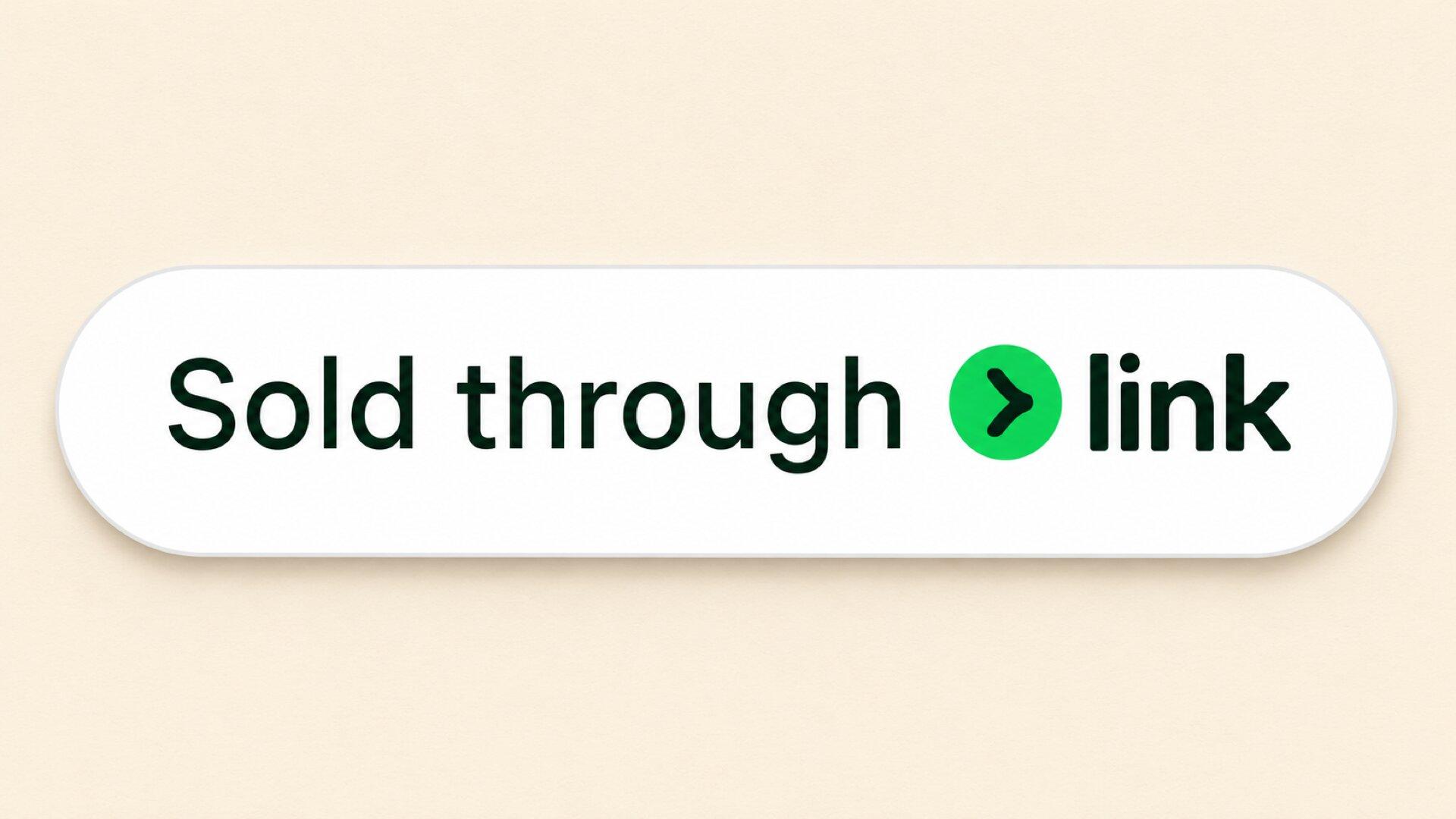
A merchant of record is the business that legally makes the sale to your customer. It charges the card, collects and pays the sales tax or VAT, answers refunds and disputes, and its name is the one the buyer sees as the seller. When you sell through your own Stripe account, that business is you. When you sell through Gumroad, Lemon Squeezy or Paddle, it is the platform. The clearest example comes from Stripe's own documentation. Its Managed Payments checkout ends with a small line that reads "Sold through Link." The product belongs to the business selling it, but the buyer authorizes Link, Stripe's checkout service, to charge them. Stripe's documentation spells out the result: "The customer sees Link as the merchant of record," and the card statement reads LINK.COM* followed by your descriptor. That one line decides who files tax returns in other countries, who argues a chargeback and how much of each sale you keep. Hero image: the "Sold through Link" label, reframed from the checkout screenshot in Stripe's Managed Payments documentation. Key Takeaways:
  • A merchant of record (MoR) is the legal seller of a transaction. It owes the indirect tax on the sale, handles payment disputes and appears to the buyer as the seller
  • Gumroad, Lemon Squeezy, Paddle and Stripe Managed Payments all say they act as merchant of record. A standard Stripe account does not: Stripe's own comparison lists "Your business" as the merchant of record
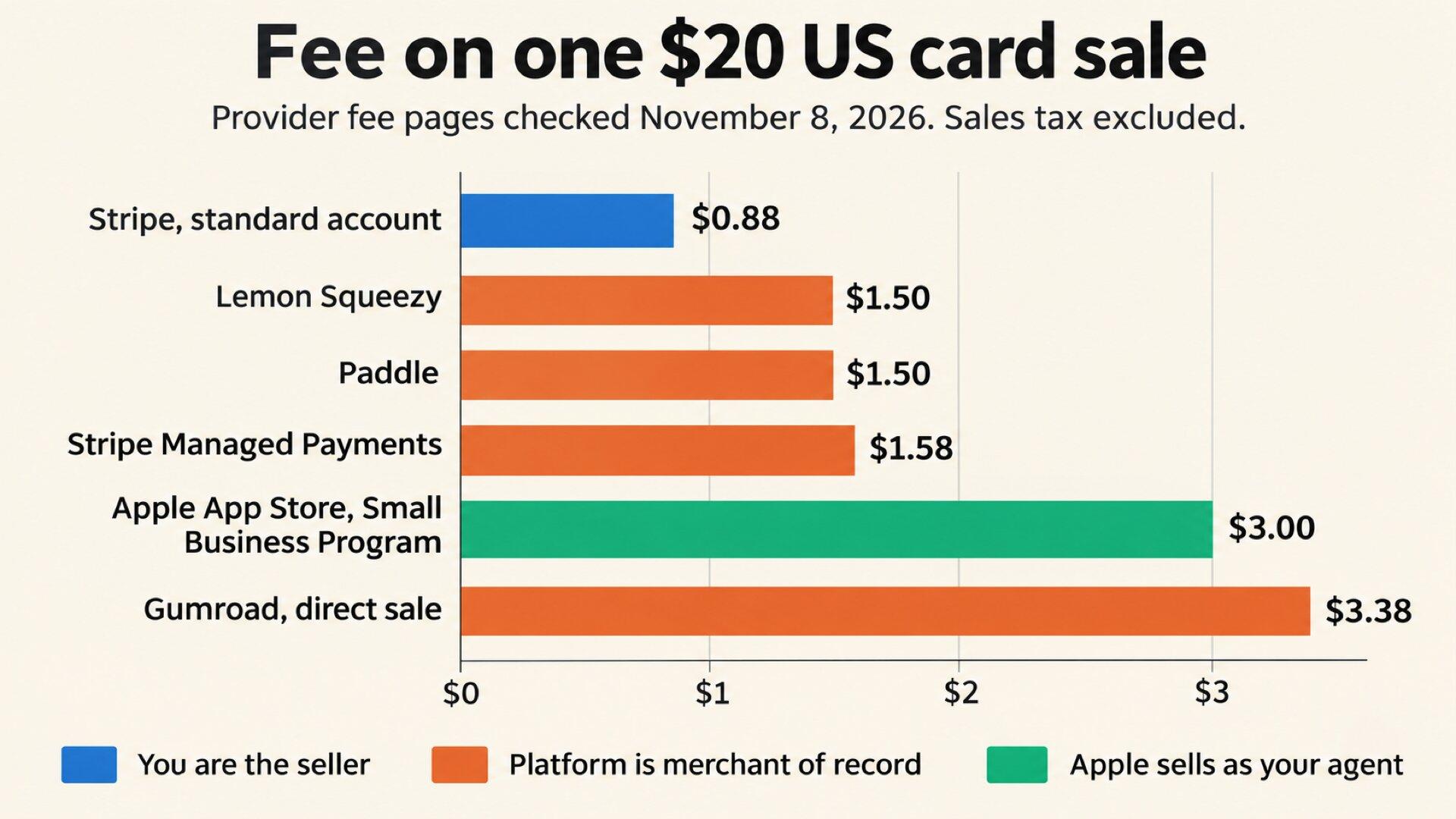
  • On one $20 US card sale, checked on November 8, 2026, fees ran from $0.88 on standard Stripe to $3.38 on a Gumroad direct sale. Most of the gap pays for the tax work you would otherwise do yourself
  • Apple's App Store terms describe Apple as an agent for the developer, not the seller. It still bills the buyer and collects tax, which is why people often call it a merchant of record
  • A merchant of record handles tax on the sale. It does not file your income tax
The merchant of record is the party on the other side of the buyer's contract. When a fan pays $20 for your guide, somebody has to be the seller in the eyes of the card network, the tax authority and the buyer's bank. That somebody is the merchant of record. Three things follow from being that party:
  • Tax. The seller calculates, collects and remits sales tax, VAT or GST where the buyer lives.
  • Payment risk. Refund requests, fraud and chargebacks land on the seller first.
  • Identity. The seller's name appears on the receipt and, usually, on the card statement.
Gumroad put it plainly when it took on the role on January 1, 2025. Its sales tax help article says Gumroad "now acts as the Merchant of Record for all sales," which means it handles "all sales tax collection and remittance worldwide." Creators no longer manage any tax settings there. Your own Stripe account works the other way round. Stripe's Managed Payments overview compares its products in a table, and the merchant-of-record row reads "Stripe" for Managed Payments and "Your business" for everything else. On a standard account, Stripe processes the card for you, and you remain the seller. Read the providers' own pages and the job list is consistent. Paddle's pricing page lists tax collection, filing and remittance, chargeback handling, fraud protection and buyer support for payment and subscription questions. Lemon Squeezy's pricing page says "Lemon Squeezy is your merchant of record" and that it takes on "tax collection and calculation liability across all jurisdictions." Stripe's Managed Payments documentation covers indirect tax "in more than 80 countries," plus fraud prevention, disputes and transaction support through Link. The details are where the platforms differ, and they matter:
  • Refunds can happen without you. Stripe says that if it asks for your input on a support case and you do not respond within 48 hours, "Stripe might issue a refund without your approval."
  • Disputes are argued for you, or conceded. Stripe submits evidence on your behalf, and adds that "if we determine that you're unlikely to win a dispute, we might accept it instead of countering it."
  • Coverage has edges. Stripe states that in countries where Managed Payments does not handle indirect tax, "you remain responsible for compliance." Gumroad does not charge VAT at checkout on physical products shipped into the 27 EU member states, because import VAT is collected at the border instead.
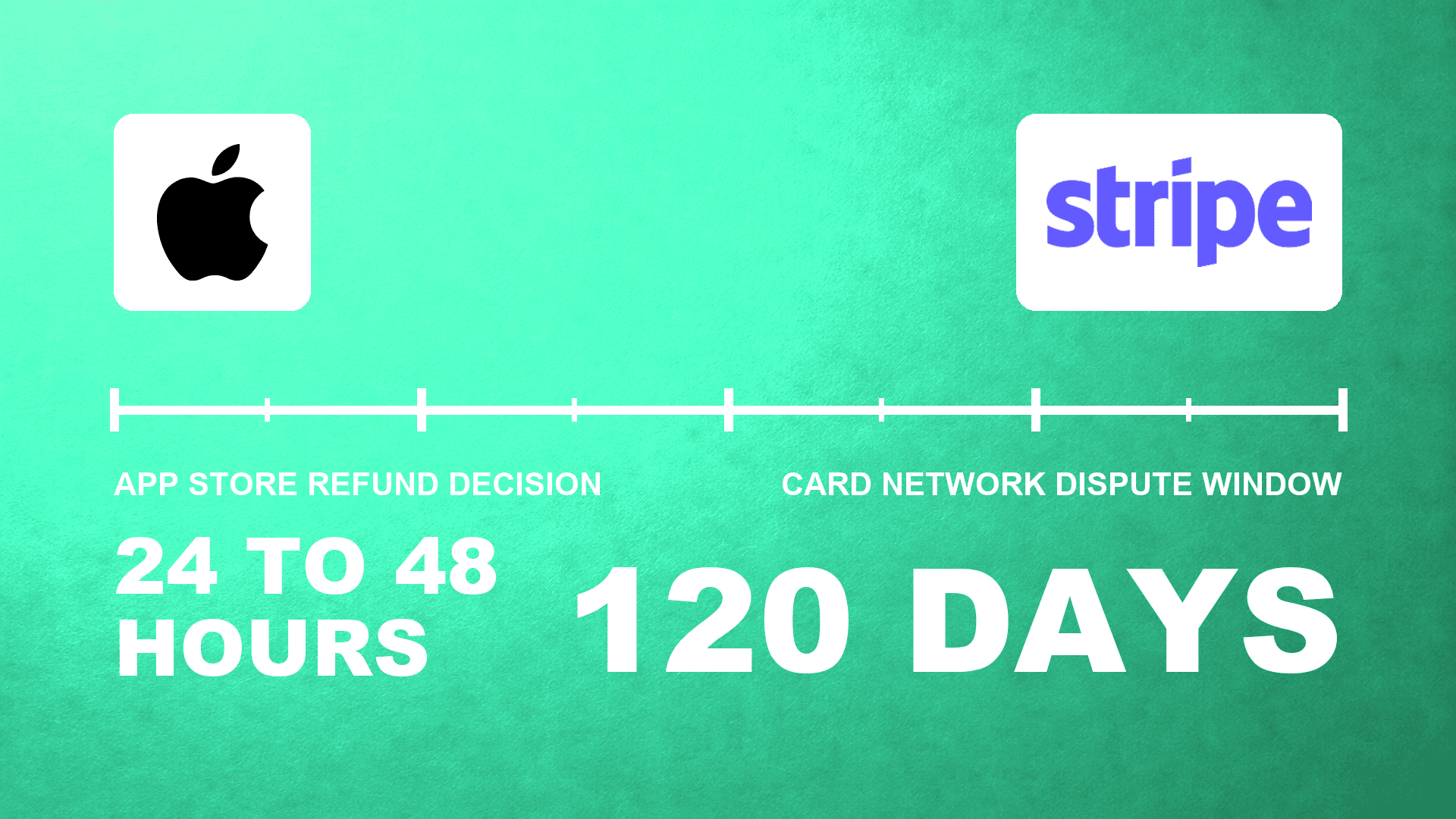
Our guide to creator refunds and chargebacks compares how those windows work across platforms. We priced the same sale on each provider's own fee page on November 8, 2026: a $20 one-time digital product, bought by a US customer with a US card. Sales tax is added on top of the price and is excluded here, because it belongs to the tax authority rather than to you or the platform.
CheckoutWho is the sellerFee on $20You keep
Stripe, standard accountYou$0.88$19.12
Lemon SqueezyLemon Squeezy$1.50$18.50
PaddlePaddle$1.50$18.50
Stripe Managed PaymentsStripe, shown as Link$1.58$18.42
Apple App Store, Small Business ProgramDeveloper, with Apple as agent$3.00$17.00
Gumroad, direct saleGumroad$3.38$16.62
Bar chart of the fee on one $20 US card sale checked on November 8, 2026: standard Stripe $0.88 where you are the seller; Lemon Squeezy $1.50, Paddle $1.50, Stripe Managed Payments $1.58 and Gumroad direct $3.38 as merchant of record; Apple App Store Small Business Program $3.00 as agent
Where each number comes from:
  • Stripe, standard: Stripe's pricing page charges 2.9% + 30¢ per successful domestic card payment. Tax is yours. Stripe Tax can calculate it for 0.5% per transaction where you are registered, but registering and filing remain your job.
  • Stripe Managed Payments: "Managed Payments adds 3.5% per successful transaction to your standard Stripe processing fees," according to Stripe's product page. That is $0.70 on top of $0.88. It covers digital products only.
  • Lemon Squeezy: 5% + 50¢ per transaction. Its fees documentation adds 1.5% for buyers outside the US, 1.5% for PayPal and 0.5% on subscription payments.
  • Paddle: 5% + 50¢ per checkout transaction on its pay-as-you-go plan.
  • Apple: the Small Business Program charges 15% to developers with up to $1 million in prior-year proceeds. Our Small Business Program explainer covers who qualifies.
  • Gumroad: its fees article charges 10% + $0.50 on direct sales and says this "does not include" credit card processing of 2.9% + $0.30. Our Payhip vs Gumroad comparison runs that stack across a full month of sales.
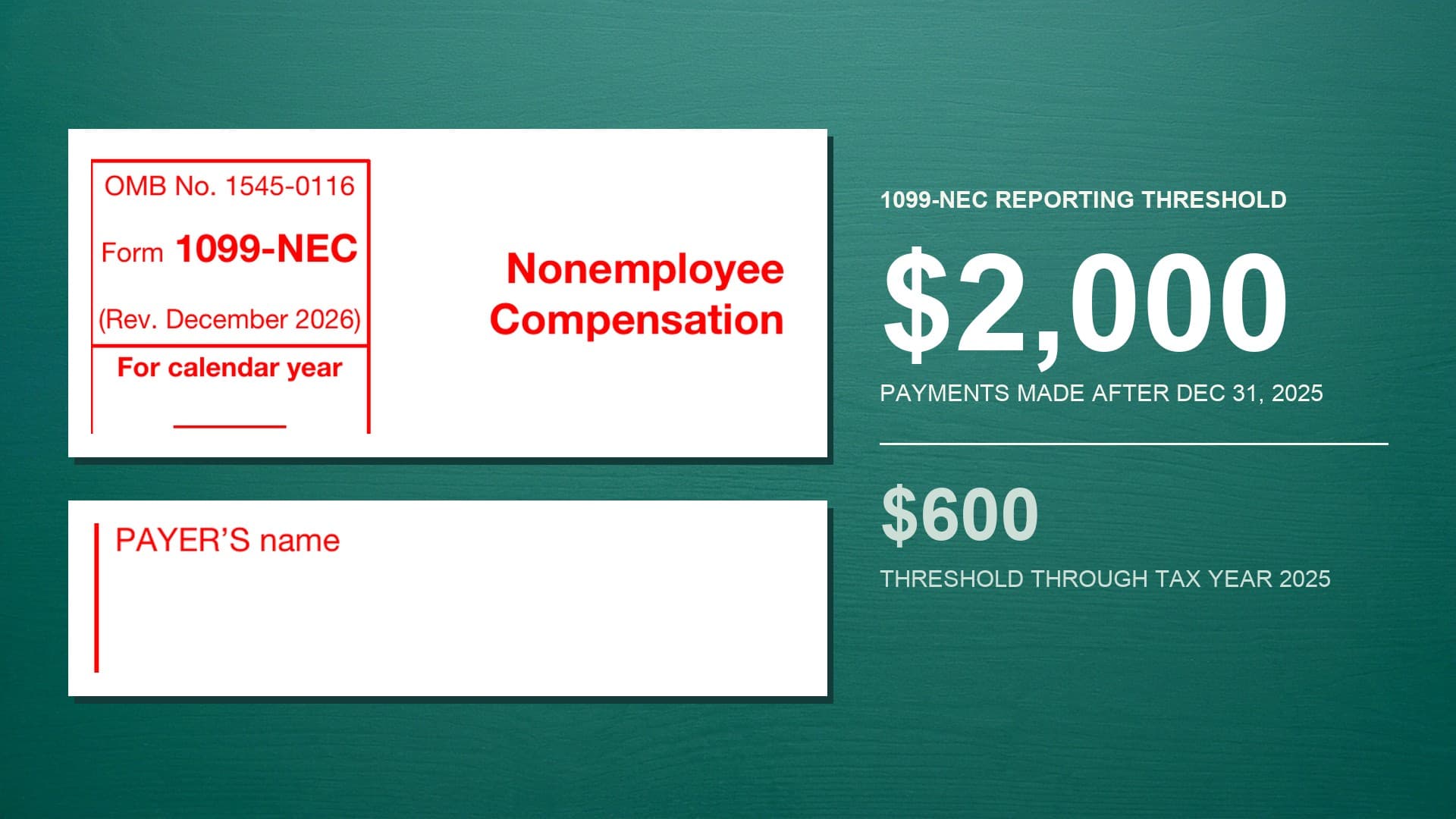
Read the table as a price list for paperwork. Standard Stripe is the cheapest line because you do the tax work yourself. Managed Payments costs $0.70 more on this sale, and that $0.70 is roughly what Stripe charges to be the seller. Gumroad costs the most per sale on a direct link, and it also brings a marketplace that can find buyers, at a flat 30% on sales it originates. Functionally, close to it. Legally, Apple chooses a different word. Apple's Media Services Terms say "Apple acts as an agent for App Providers in operating the App Store" and "is not a party to the sales contract or user agreement between you and the App Provider." The same terms say Apple "will charge your selected payment method for any paid Transactions, including any applicable taxes." So Apple bills the buyer, collects tax in the regions it administers and runs the purchase flow, while the license is granted by the developer. For a creator, the practical outcome is similar to a merchant of record: you do not register for VAT in each country where a subscriber lives. The legal relationship is different, and that is worth knowing before you repeat the phrase in a contract or a pitch. Our breakdown of App Store link-out checkout rates shows what changes when a purchase leaves Apple's flow for your own web checkout. Pay for one when the tax work would cost you more than the fee. That usually comes down to three questions. Where do your buyers live? Sales tax and VAT rules for digital products are set by each US state and each country, and many apply them to sellers based abroad. A creator whose audience is spread across dozens of countries faces a far larger filing burden than one selling mostly at home. Check your own obligations with a tax advisor; neither we nor any platform can do that for you. What are you selling? Stripe Managed Payments is limited to digital products such as software and downloads. Lemon Squeezy and Paddle are built around software and digital goods too. Physical products and services often need a different setup, which our Lemon Squeezy review checks product by product. How much control do you want? A merchant of record controls the receipt, the checkout and some refund decisions. Stripe's Managed Payments checkouts do not support custom domains, and Link sends the receipts. If your brand lives at checkout, that matters. 1. It does not file your income tax. The merchant of record handles the tax on the sale. Your earnings are still your income, reported by you. Our guide to which 1099 forms creators receive covers the US side. 2. It does not make every refund your decision. Handing over disputes means accepting the platform's judgment on some of them, including concessions it decides are not worth fighting. 3. It does not raise your margin. Every merchant-of-record fee above is a cost of the sale. Our gross margin explainer shows how those fees reduce the profit you keep from each sale. A merchant of record solves a real problem. Collecting VAT in dozens of countries is not why anyone starts making content. For most creators selling a digital product worldwide, paying a few percent to have someone else be the seller is a sensible trade. It helps to keep the two roles apart, though. The merchant of record owns the transaction. You still own the product, the customer relationship and the decision about what to sell next. Those are the parts that compound. A store that renews every month is worth more than one that has to find a new buyer every time, whoever's name is on the receipt. What is the difference between a merchant of record and a payment processor? A payment processor moves the money. A merchant of record is the legal seller. Standard Stripe is a processor for your business, while Stripe Managed Payments makes Stripe, through Link, the merchant of record. Is Gumroad a merchant of record? Yes. Gumroad's help center says it has acted as the merchant of record for all sales since January 1, 2025, and handles sales tax collection and remittance worldwide. Is Shopify a merchant of record? Not on its standard plans. A store on Shopify Payments sells as its own business, which is why our Fourthwall vs Shopify comparison treats sales tax as a separate cost. Does using a merchant of record mean I never deal with tax? No. It covers indirect tax on the sales it processes, in the places it covers. Income tax, and any sales made through other channels, remain your responsibility. Built by Foundry builds subscription businesses with creators at $0 upfront, then runs and maintains them through App Care. You can read how we work and decide whether it fits your audience.
Our work

Creators who already did this

These are apps we designed, built, shipped, and still run today, with the creator keeping the code and the audience.

Kristen Donathan

Kristen Donathan

Founder & CEO of Stain Fix

Snap a stain. Get the fix in seconds.

Top Lifestyle App1.5M+ followers
Read the case study
Stain Fix screenshots
Ellie Fausett

Ellie Fausett

Founder & CEO of Vector Guard

Spot disease-carrying pests before they reach your family.

Top Health App
Read the case study
Vector Guard screenshots
Samantha Mae

Samantha Mae

Founder & CEO of NineLives

Cat health tracking from the world's most beloved Scottish Fold.

Top Health App150K+ followers
Read the case study
NineLives screenshots

Creator app strategy

Curious what your app could be?

Enter your handle and BUILT BY FOUNDRY will research your audience and present custom app concepts. Free.

What Is a Merchant of Record? 6 Checkouts, One $20 Sale