
Turning Knowledge into Products

Apple's 15% Small Business Program: 6 Rules Creators Miss

August 12, 2026
Share
Apple's 15% Small Business Program: 6 Rules Creators Miss

Get Creator Revenue Insights

How creators are turning audiences into subscription businesses
Share
The App Store Small Business Program cuts Apple's commission from 30% to 15% for developers who earned up to $1 million USD in proceeds in the prior calendar year, and it only applies if you enroll yourself in App Store Connect. Every creator app on the App Store qualifies on day one. Most of the money it saves gets left behind because nobody clicks the button. Key Takeaways:
  • The reduced rate is 15% on paid apps and in-app purchases for developers with up to $1 million USD in proceeds in the prior calendar year (Apple Developer)
  • Enrollment is manual. The Account Holder accepts the latest Paid Apps agreement and lists every Associated Developer Account, and proceeds are aggregated across all of them
  • Your adjusted rate begins 15 days after the end of the fiscal month in which enrollment is approved, not on the day you click enroll
  • Enrolled developers receive 85% of an auto-renewing subscription price from the first billing cycle, instead of waiting out a subscriber's first year of paid service (Apple Developer)
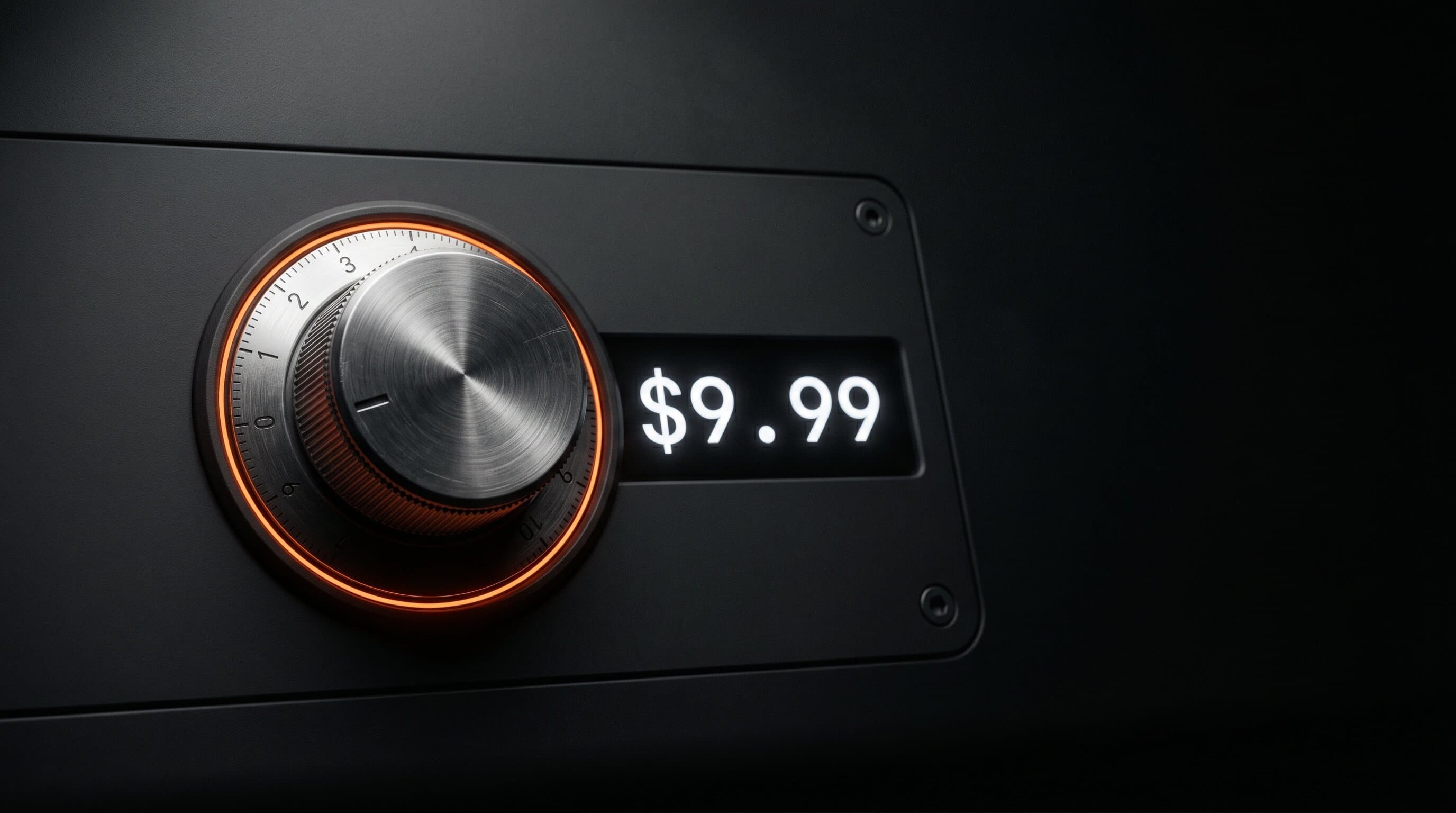
  • At $12.99 per month, the difference between 30% and 15% is $23,382 a year per 1,000 subscribers
  • Crossing $1 million mid-year moves future sales to the standard rate. Nothing is clawed back, and you can re-qualify the year after your proceeds fall back under the threshold
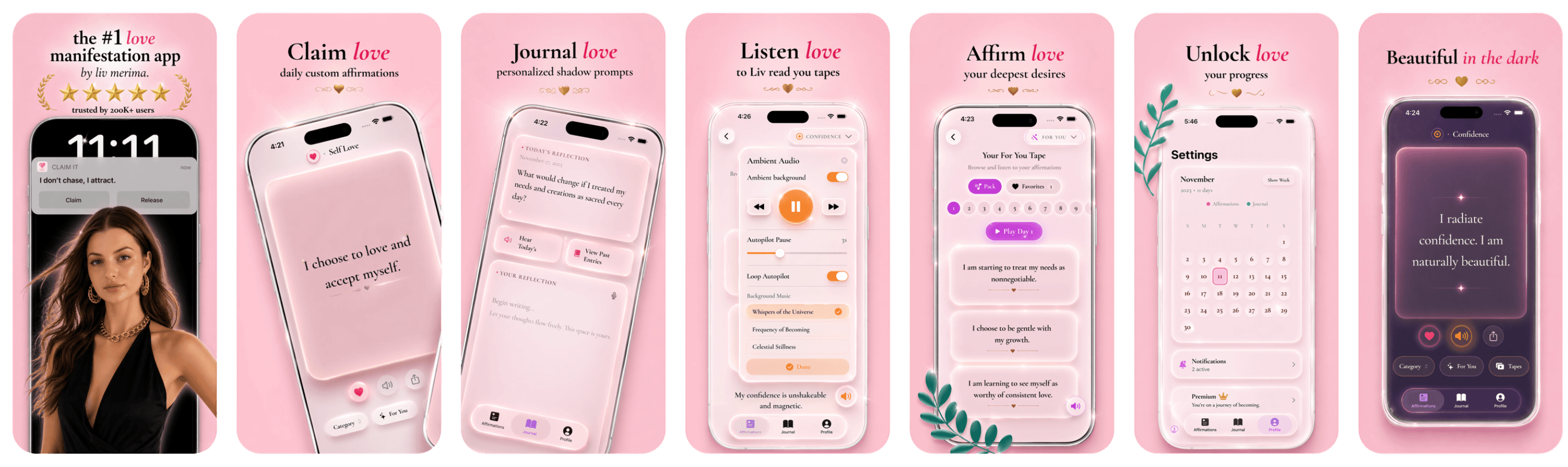
The App Store Small Business Program is Apple's reduced commission tier: 15% instead of 30% on paid apps and in-app purchases, for developers whose App Store proceeds were up to $1 million USD in the prior calendar year. Apple's eligibility wording is specific. You qualify on total proceeds, meaning sales net of Apple's commission and certain taxes and adjustments, during the 12 fiscal months occurring within the previous calendar year, and you must have earned no more than $1 million during the current year. Developers new to the App Store qualify too. For a creator launching a subscription app, that second clause is the one that matters. You are new. You qualify. The 15% rate is not a reward you grow into, it is the rate you start at if you claim it. Halving the commission changes the shape of the business, not just a line in the spreadsheet. It is the difference between keeping $9.09 and keeping $11.04 on a $12.99 subscription, which flows straight into how fast your acquisition spend pays back and how much you can reinvest before the next launch. Claim It by Liv Merima
Our work

How Liv Merima Turned Daily Affirmations Into the Claim It App

Liv Merima's affirmations lived in the feed. We built Claim It with her — an iOS app where her voice, her prompts, and journaling become a daily practice.

Read the case study → (opens in a new tab)
Apple does not detect that you are small and apply the discount. Enrollment happens in App Store Connect, and only the Account Holder in the Apple Developer Program can do it. Two things have to happen: accept the latest Paid Apps agreement, known as Schedule 2, and list every Associated Developer Account. This is the single most expensive checkbox in the creator app economy. An app that launched in March at 30% and enrolls in October paid double commission for seven months on every dollar it earned, and no part of that is recoverable. If a development partner built and shipped your app, ask them one question this week: are we enrolled in the Small Business Program, and on what date did the rate take effect. A partner who cannot answer with a date has not looked. Apple's timing rule is precise and it is not the day you enroll. Proceeds are adjusted fifteen days after the end of the fiscal calendar month in which your enrollment is approved. Apple's own example: an enrollment approved on February 10 sees proceeds adjusted starting March 14. Plan the lag into a launch. If your app goes live in the first week of a month and you enroll during the same week, you are still paying 30% on roughly five weeks of revenue. Enrolling before you ship costs nothing and removes the gap entirely.
A large Apple approval mark beside exactly fifteen calendar tabs arranged in a three-by-five grid
The $1 million figure is proceeds, not gross billings, and it is not measured on your account alone. Apple requires you to declare Associated Developer Accounts at enrollment, which it defines as any Apple Developer Program account you own or control, or that owns or controls yours. The tests are majority ownership above 50% in either direction, or ultimate decision-making authority in either direction. Proceeds across your account and all associated accounts are added together against the threshold. For most creators this is a formality. It stops being one the moment a creator has a separate LLC for a second app, a joint venture with a manager, or an agency that holds the developer account on their behalf. That last arrangement is worth reading twice, because who holds the developer account is who holds the business. Because the threshold counts proceeds rather than sticker price, the revenue ceiling is higher than it sounds. At $12.99 a month and a 15% commission, $1 million in proceeds is roughly 7,500 active monthly subscribers across a full year. Almost no creator app crosses that in its first two years. On a $12.99 monthly subscription, the Small Business Program is worth $23,382 a year per 1,000 subscribers. That is not a rounding item. It is a full-time contractor, or a year of paid acquisition, or the entire margin most creator products run on.
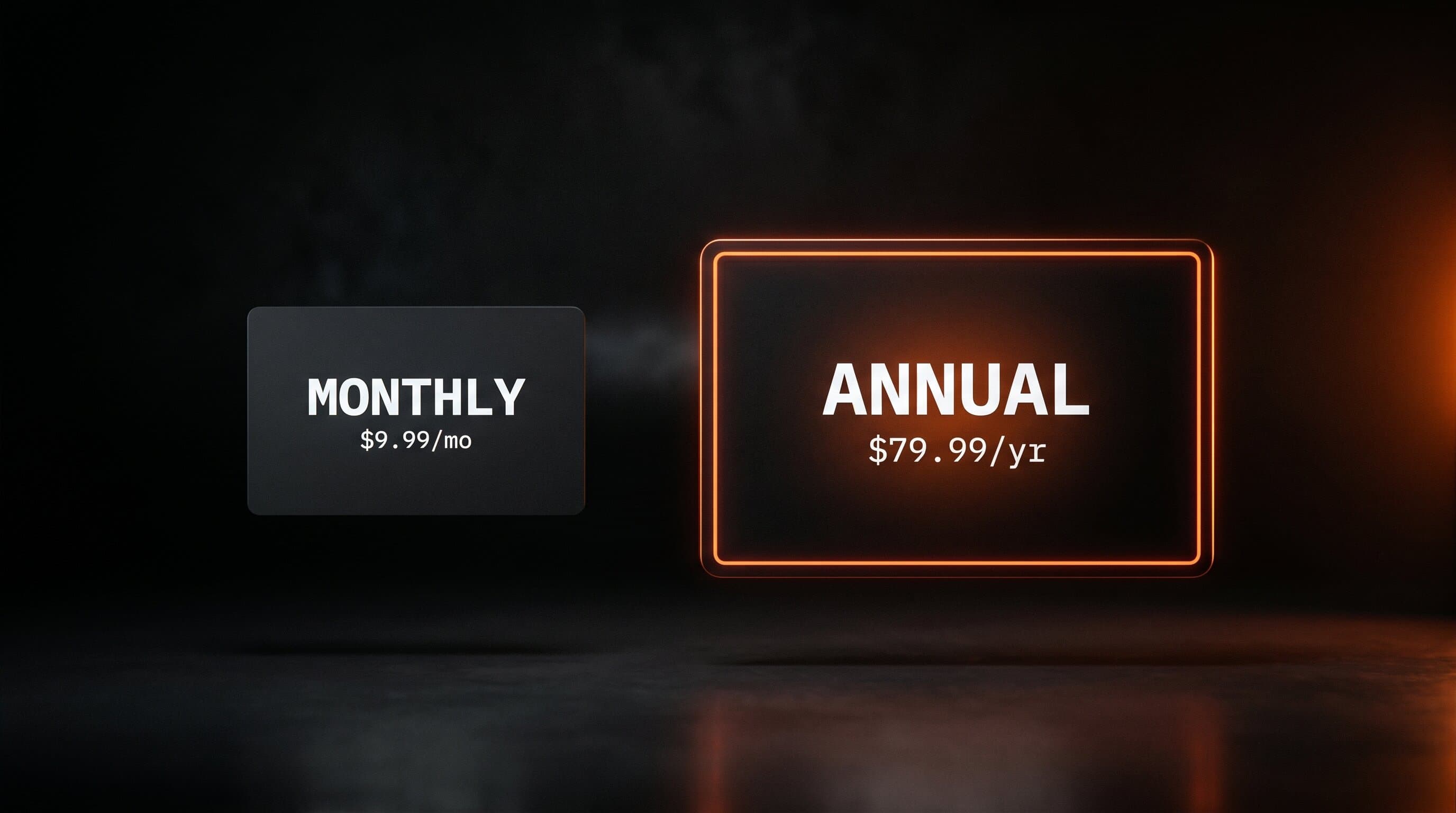
PlanPrice per paymentGross per subscriber per yearNet at 30%Net at 15%Extra per 1,000 subscribers
Monthly$12.99$155.88$109.12$132.50$23,382
Annual$79.99$79.99$55.99$67.99$11,999
Read the two rows against each other. The monthly plan gains more in absolute dollars because it bills twelve times, but the annual plan gains its $12 on the first day of the relationship rather than across a year the subscriber may not finish. Combine the reduced rate with an annual plan and you are collecting $67.99 up front on a customer who cost you a Story slot to acquire. That is the case for annual pricing stated in Apple's own numbers. This is the rule that gets missed most often, and it is the most valuable one for a subscription business. Apple's standard subscription terms pay you 70% of the price during a subscriber's first year of service, rising to 85% after that subscriber accumulates one year of paid service. Enrolled Small Business Program developers receive 85% at each billing cycle regardless of whether the subscription has accumulated a year of paid service. The standard path makes you earn the better rate by keeping a subscriber alive for twelve months, which most apps do not. Enrollment hands you the year-two rate on payment number one. Note what does not count toward that clock either way: Apple excludes free trials and renewal extensions from days of paid service, so a seven-day trial pushes an unenrolled app's step up to 85% a week further out for every single subscriber. If you pass $1 million USD in proceeds during the current calendar year, Apple applies the standard commission rate to future sales. Past sales are not repriced and nothing is invoiced back to you. You simply pay 30% from that point forward. The recovery path is equally plain. If your proceeds fall below the $1 million threshold in a future calendar year, you can re-qualify for the 15% commission the year after. There is a version of this that stings: an app has one enormous year, drops back, and spends the following year at 30% before re-qualifying. That is a good problem, and it is worth modelling before you plan a launch spike around a single campaign. The rest of the cost picture lives in our honest breakdown of what a creator app actually costs.
Live every Thursday

Watch us tear down a creator business, live

Every Thursday at 11 AM PT we take a real creator business and show the app hiding inside it: the wedge, the paid loop, the pricing, and what would sink it. Free, and the replay goes to everyone who registers.

Save your seat → (opens in a new tab)
If you ship on both stores, stop assuming the two commissions match. As of June 30, 2026, Google Play's published US fee for auto-renewing subscriptions is a 10% service fee plus a 5% billing fee, for both new and existing installs, in the first $1 million earnings tier (Google Play Help). The billing fee applies when a user completes the purchase through Google Play Billing. Fifteen percent all-in on Android against 30% on an unenrolled iOS app is a 15-point gap between two versions of the same product. Enrol on Apple's side and the two platforms land in roughly the same place, which makes revenue forecasting across them an honest exercise instead of a guess.
Apple and Google Play marks above equal subscription bars with identical commission notches
No, and this is where creators most often talk themselves into a mistake. The commission decides what you keep. Your audience decides what they will pay. Cutting your price because your costs fell hands the saving to Apple's customers instead of to your business. If you are a creator with 50K engaged followers deciding what to charge, price against the value of the thing you are replacing, whether that is a $40 gym membership, a $200 course, or four hours a week the subscriber currently spends organising something by hand. Then let the 15% rate show up where it belongs: in your margin, in your ability to hire, and in how long you can fund growth before you need anyone's money. Our guide to pricing a creator subscription app works through the demand side properly. One caution on the modelling. Build your first-year forecast at 30% anyway. If enrollment approval slips, or the Paid Apps agreement sits unaccepted for a month, a plan built on 15% breaks and a plan built on 30% simply overperforms. Developers who earned up to $1 million USD in proceeds in the prior calendar year across all their apps and Associated Developer Accounts, and who have earned no more than $1 million during the current year. Developers new to the App Store also qualify. Proceeds means sales net of Apple's commission and certain taxes and adjustments, not gross billings. The Account Holder for the Apple Developer Program account enrolls in App Store Connect. Enrollment requires accepting the latest Paid Apps agreement, Schedule 2, and listing every Associated Developer Account with its name, Team ID, Account Holder email, and the nature of the relationship. Fifteen days after the end of the fiscal calendar month in which your enrollment is approved. Apple's published example is an approval on February 10 producing adjusted proceeds from March 14. Yes. Enrolled developers receive 85% of the subscription price at each billing cycle, minus applicable taxes, whether or not the subscription has accumulated one year of paid service. Unenrolled developers receive 70% during a subscriber's first year and 85% after that. The standard commission rate applies to future sales from the point you cross the threshold. Earlier sales are not repriced. If your proceeds fall back below $1 million in a later calendar year, you can re-qualify for the 15% rate the year after.
A creator who owns the developer account owns the rate, the customer list, and the business. Built by Foundry builds subscription apps for creators and then runs them, from App Store Connect enrollment through pricing to every release after launch. $0 upfront, revenue share, and the account stays in your name. See how the ongoing care works.
See What We’d Build You →
Creator app strategy

Curious what your app could be?

Enter your handle and Built by Foundry will research your audience and present custom app concepts. Free.

Apple's 15% Small Business Program: 6 Rules Creators Miss