

Platform Reviews

Lemon Squeezy Review 2026: 5 Checks Before You Switch

September 15, 2026
Share
Lemon Squeezy Review 2026: 5 Checks Before You Switch

Get Creator Revenue Insights

How creators are turning audiences into subscription businesses
Share
Verdict: Lemon Squeezy earns 4 out of 5 for creators selling eligible digital products or software subscriptions who want a merchant of record to handle checkout and sales-tax administration. Check your product's eligibility before comparing fees. A creator selling consulting has a different buying decision from a creator selling a downloadable workbook. This review examines Lemon Squeezy's public pricing and documentation, checked September 15, 2026. We have not run a live paid-store trial. The rating reflects its documented capabilities and commercial fit, with deductions for restrictions, payout delays, and integration work. Lemon Squeezy combines checkout, digital delivery, and recurring billing. Its merchant-of-record documentation says it acts as the seller to the end customer and handles payment-related responsibilities, including sales-tax collection, refunds, and chargebacks. That is a substantial service for a small creator business selling internationally. The short version:
  • Choose it for an eligible download catalog or software product with a clear delivery model.
  • Price the complete transaction before moving a low-priced subscription.
  • Test what happens after cancellation and failed payment.
  • Budget separately for the product customers return to use.
Lemon Squeezy permits digital goods such as software, ebooks, PDFs, design assets, audio, and video; its prohibited-products policy excludes services and physical goods. It also excludes advertising placements and products sold under private-label or master-resell rights. Read the current product policy against your actual offer. For a design educator, an original brush pack fits the listed categories. A custom design commission falls under services. A fitness creator's downloadable training guide and one-to-one coaching package need separate eligibility decisions. Memberships require a closer look. The activation guide says subscription or license-based fulfillment can qualify, including premium courses and membership sites. It also says access to private messaging groups typically does not qualify. Send support the exact delivery model before you promise a migration date. New stores start in test mode. Activation requires a business questionnaire and identity verification; the stated approval time is typically two to three business days. Build that review into the launch plan. The pricing page lists ecommerce at 5% plus $0.50 per transaction, with no monthly ecommerce charge. The fee schedule adds:
ConditionAdditional fee
Transaction outside the US1.5%
Customer pays with PayPal1.5%
Subscription payment0.5%
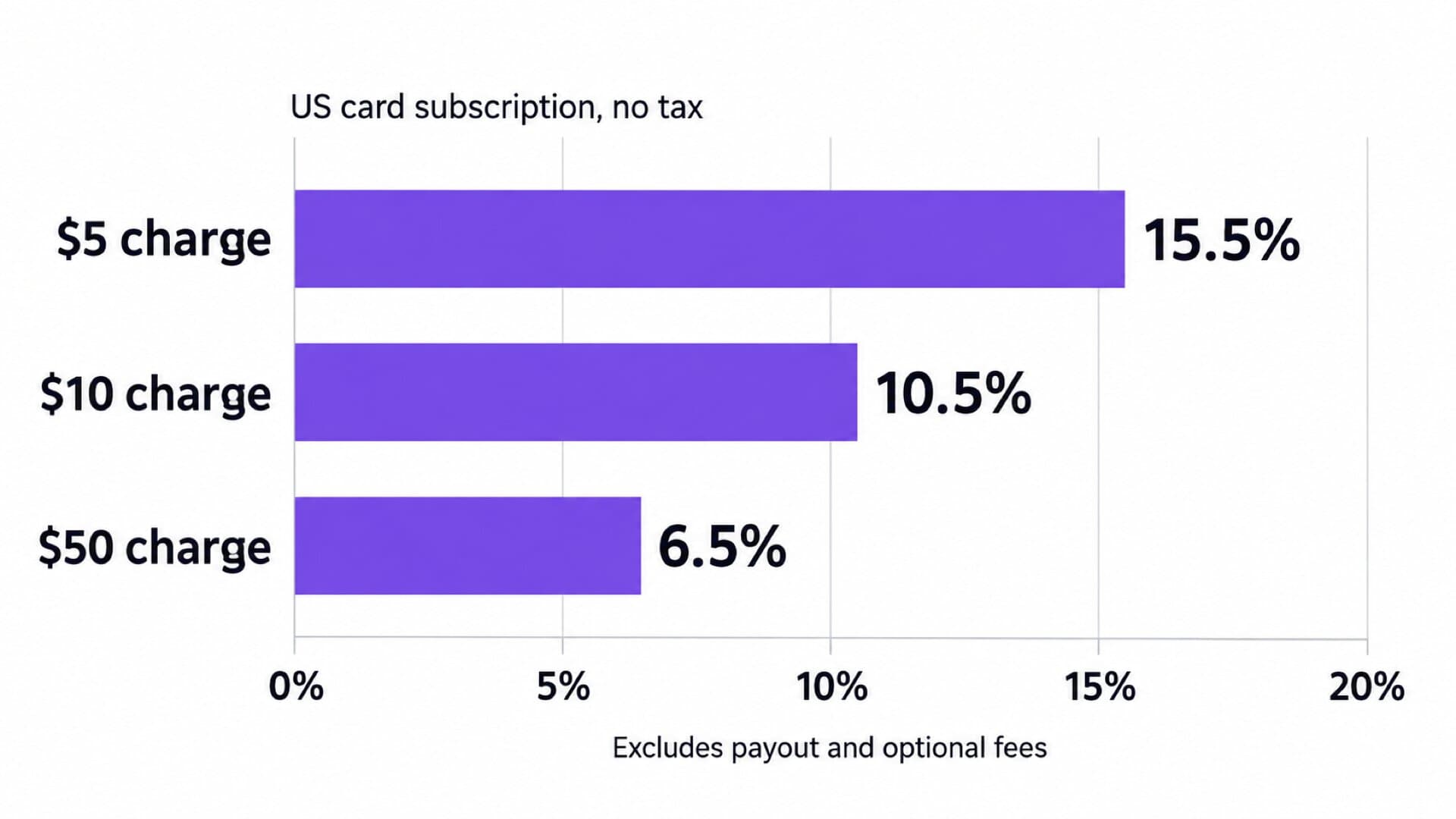
For a US card subscription with no tax, the calculation is price × 5.5% + $0.50:
Subscription chargeCalculated feeFee as share of charge
$5$0.775 before rounding15.5%
$10$1.0510.5%
$50$3.256.5%
These illustrations exclude refunds, payout charges, and optional marketing fees. US bank payouts are free; non-US bank payouts cost 1%. Abandoned-cart recoveries add 5%, and merchant affiliate referrals add 3%, separately from the commission you offer. Confirm your applicable combination before forecasting.
Calculated fee share for US card subscriptions without tax: a $5 charge costs 15.5%, a $10 charge costs 10.5%, and a $50 charge costs 6.5%
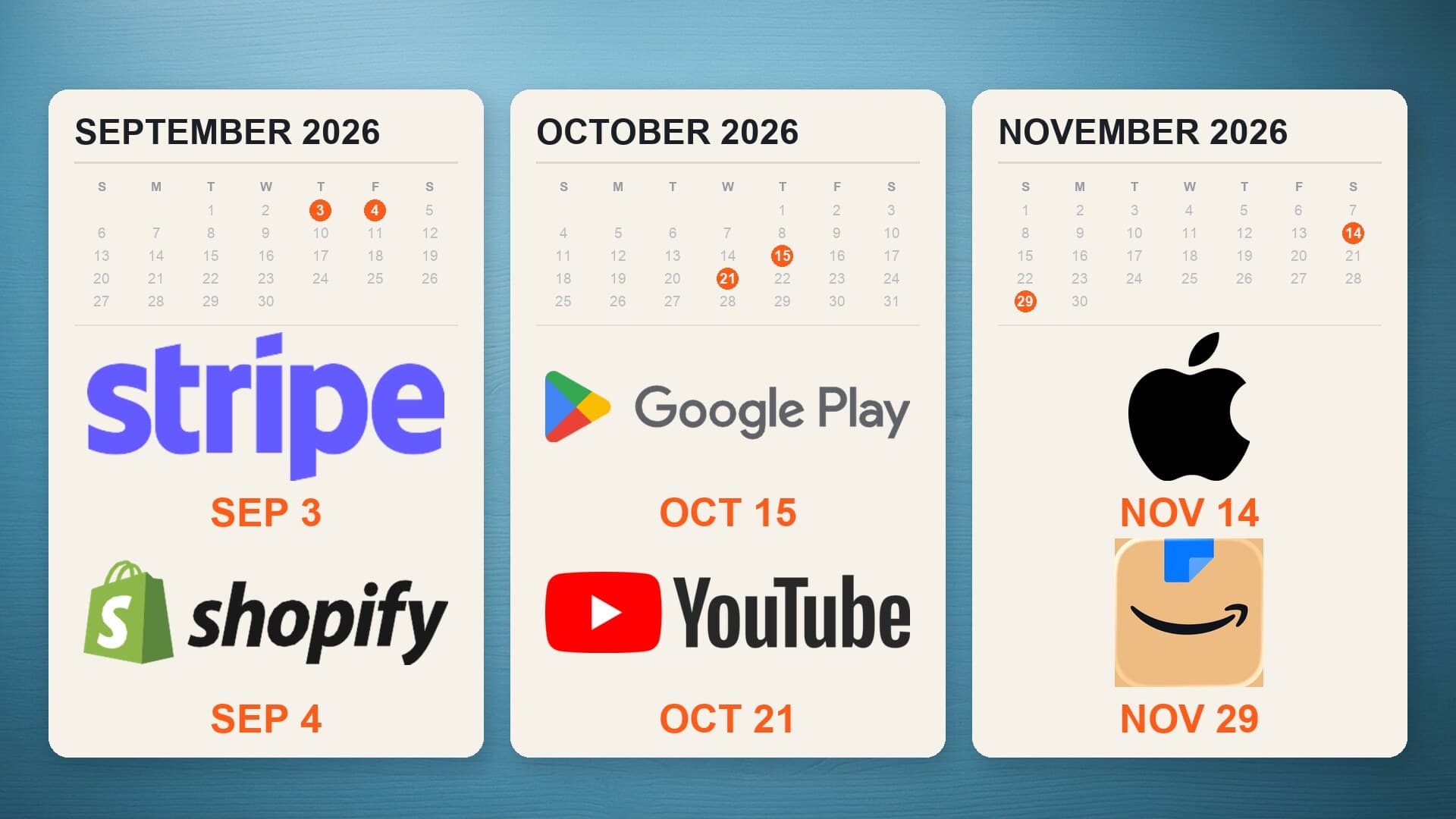
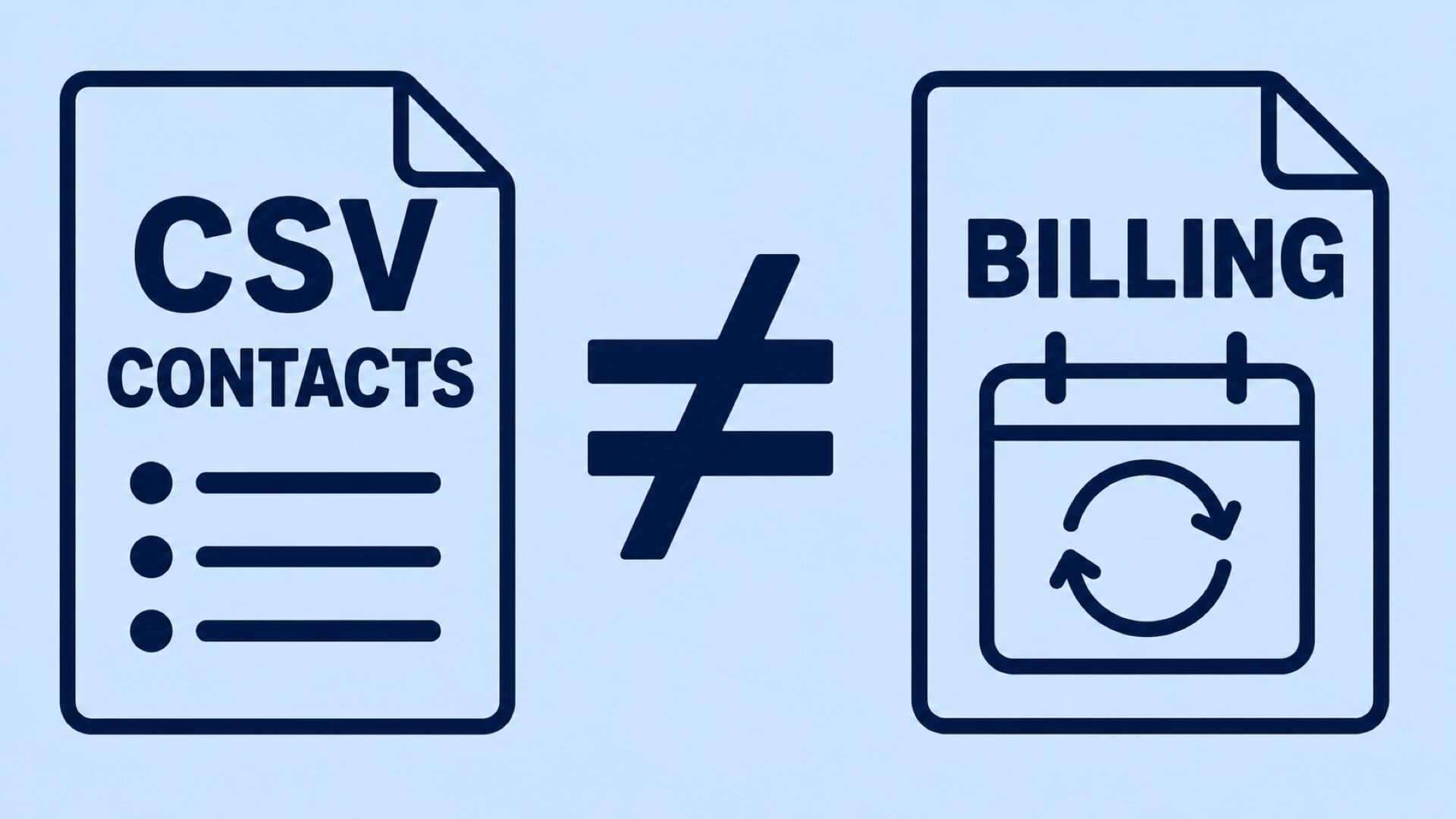
The fixed charge makes a cheap subscription proportionally expensive. That alone does not justify raising prices. First establish the value your customer receives, then check whether the economics support delivering it. Tax settings also change the amount you keep. Lemon Squeezy's sales-tax guide distinguishes adding tax at checkout from including it in the displayed price. Its example shows a $15 product producing $13.33 after tax and platform fees when 20% VAT is added, versus $10.94 when the same displayed price includes VAT. Those are the vendor's one-time-sale examples, not subscription projections. Lemon Squeezy creates payouts twice monthly, applies a holding period, and requires a $50 minimum payout balance. Its payout documentation describes payouts created on the 1st and 15th, becoming available on the 14th and 28th, with bank arrival taking another one to five days. The vendor gives a concrete example: a sale on the 4th enters the payout created on the 15th and pays out on the 28th. A sale notification therefore should not trigger spending money you have not received. If you pay an editor every Friday or buy ads daily, map those expenses against payout dates. Keep a separate allowance for refunds. Our creator payout comparison explains why the time between a sale and spendable cash belongs in every platform decision. Lemon Squeezy's subscription guide supports daily, weekly, monthly, and annual billing, plus trials. It distinguishes cancellation from expiration: a canceled subscription remains valid through its paid billing period. Changing a product's price also leaves existing subscriptions at their original rate unless you change their plan. These details matter when your customer has saved work inside a product. Before launch, test purchase, cancellation, paid-period access, expiration, and reactivation. Give each outcome an explicit rule your support team can explain. Choose monthly or annual billing around the customer commitment your product can earn. There is a documentation conflict worth resolving in that test. The subscription guide says access should continue in every status except expired. The recovery guide says customers lose content access when the subscription becomes unpaid. Ask support which behavior applies to your delivery method and verify it before implementing access controls. For software, subscription-linked license keys follow subscription expiry. That can support a paid tool, but your software still has to enforce the license correctly. The order export includes customer email, product, currency, and transaction fields. That is useful for reconciliation. An order CSV alone does not establish that another provider can continue charging existing subscribers. Use the five membership migration tests before switching an established business. If you are a creator with 50,000 engaged followers already buying your templates, presets, or educational downloads, Lemon Squeezy deserves a place on your shortlist. You can keep selling a focused product while outsourcing a substantial part of payment administration. Its restrictions are acceptable when your catalog fits them. If you sell appointments, physical goods, or sponsorship inventory, choose infrastructure designed for that offer. If you want customers to log progress, receive personalized guidance, or work with their saved history, write down who will build and maintain those functions. A checkout provider and an operating partner have different jobs. You can own a distinctive product while using outside billing infrastructure. The decision is how much of the remaining work you want to carry: customer research, product design, engineering, support, and ongoing improvement. Built by Foundry builds and runs businesses with creators, with $0 upfront and a revenue-share model. We have a commercial interest in that choice. We also think an established digital download business should keep a payment tool that serves it well. Switching providers is worthwhile only when it fixes a specific constraint. Before you switch, complete these five checks with one real offer: eligibility, transaction cost, payout timing, renewal behavior, and responsibility for the product itself. If they pass, test the full customer journey before moving your catalog.
Our work

Creators who already did this

These are apps we designed, built, shipped, and still run today, with the creator keeping the code and the audience.

Brandon Whiteleather

Brandon Whiteleather

Founder & CEO of Freeze Dry Buddy

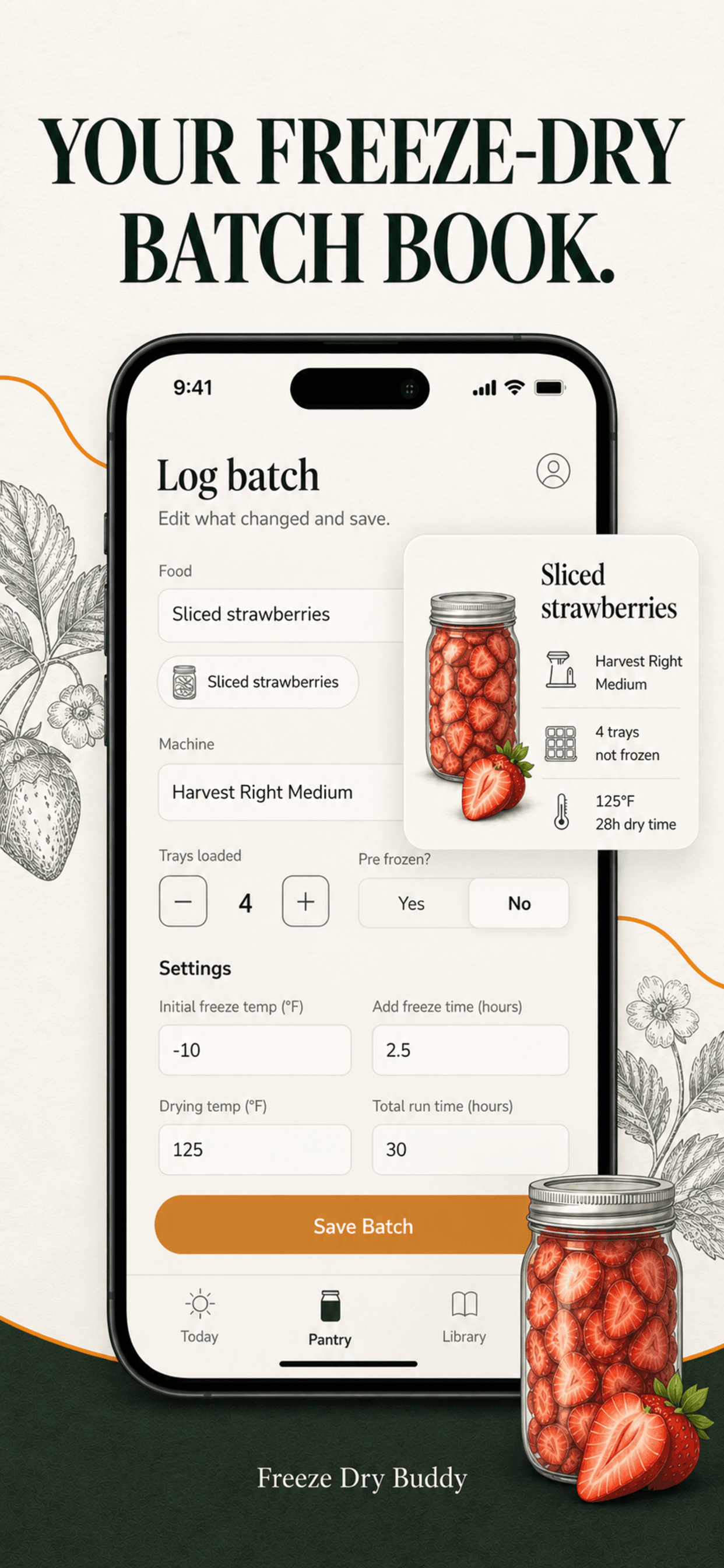
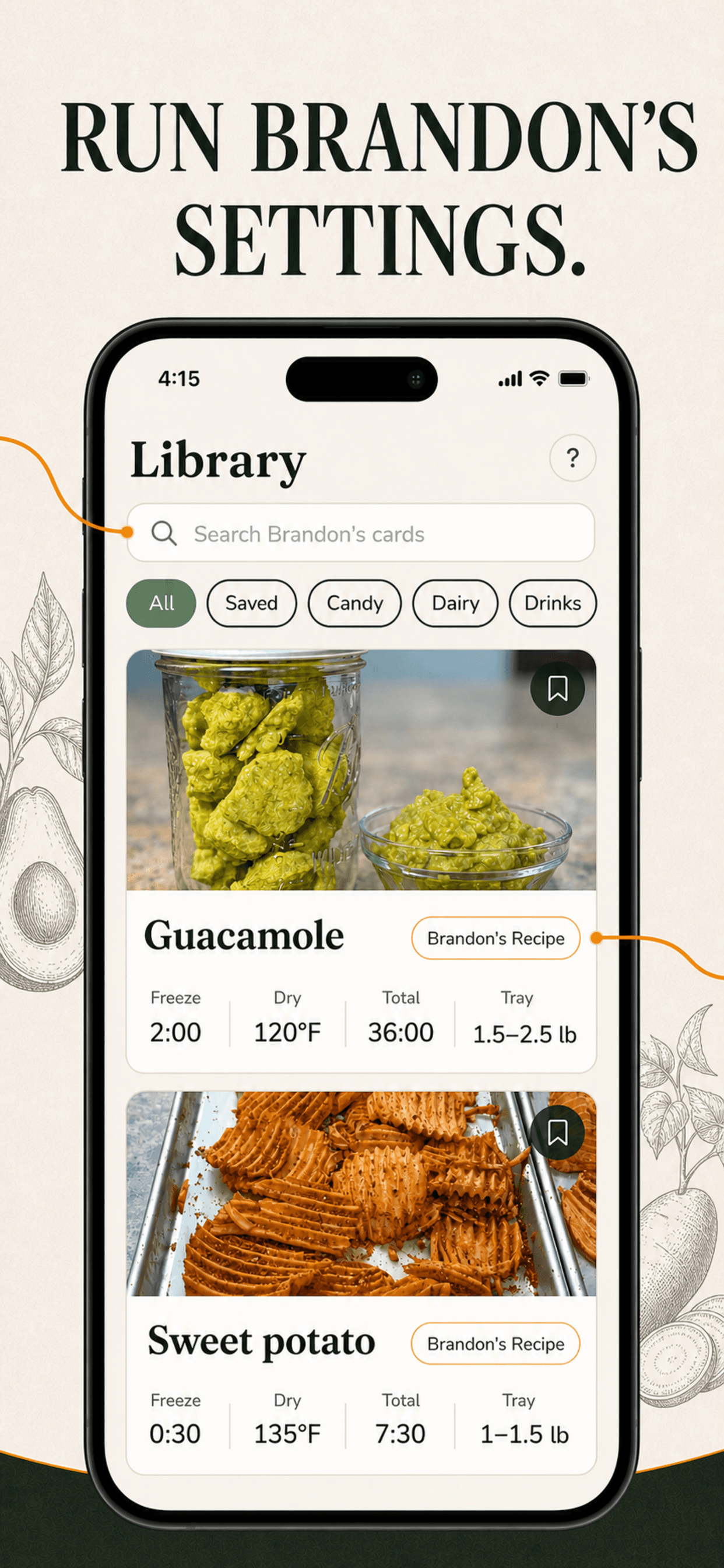
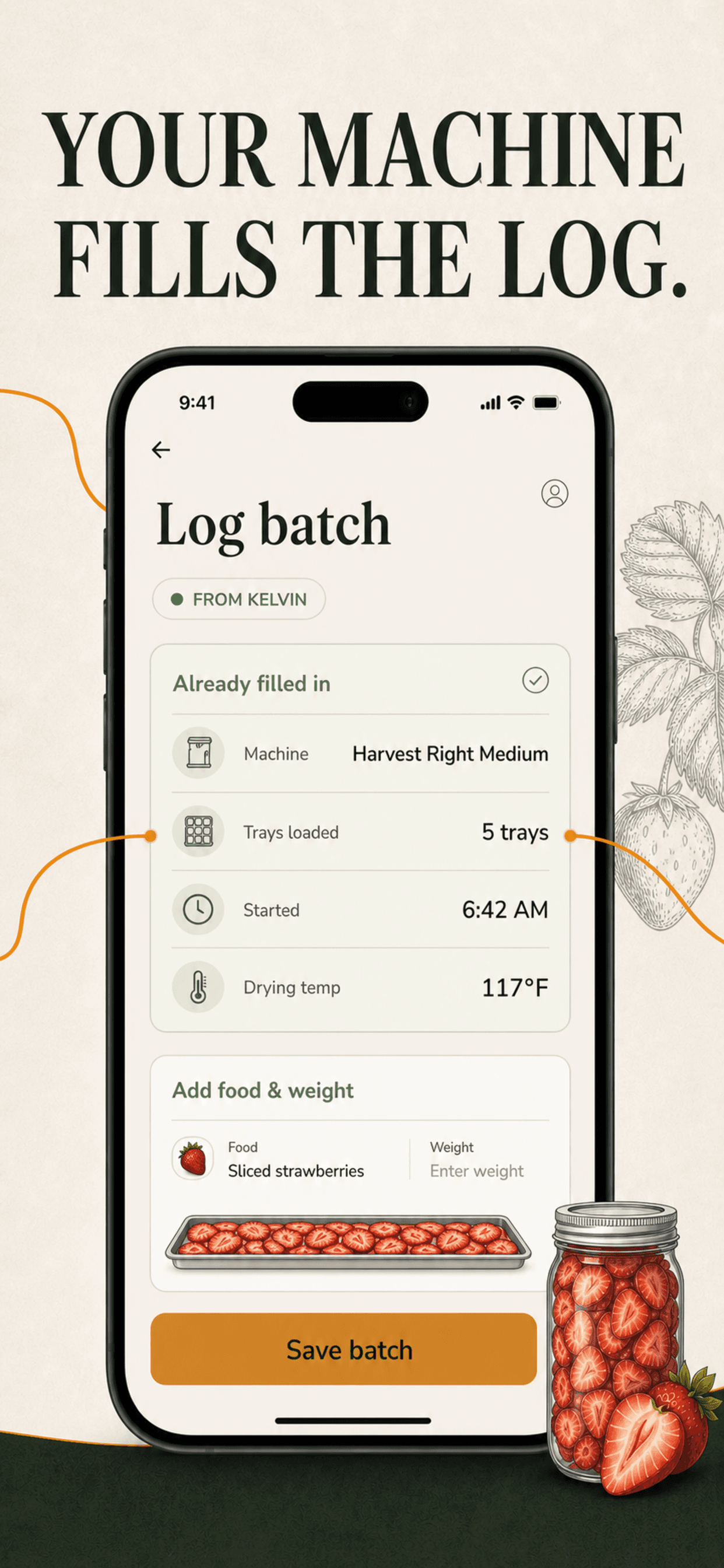
Freeze drying made foolproof, from a homesteader who's done it 1,000 times.

Top Food App1.4M+ followers
Read the case study
Kristen Donathan

Kristen Donathan

Founder & CEO of Stain Fix

Snap a stain. Get the fix in seconds.

Top Lifestyle App1.5M+ followers
Read the case study
Stain Fix screenshots
Ellie Fausett

Ellie Fausett

Founder & CEO of Vector Guard

Spot disease-carrying pests before they reach your family.

Top Health App
Read the case study
Vector Guard screenshots

Creator app strategy

Curious what your app could be?

Enter your handle and BUILT BY FOUNDRY will research your audience and present custom app concepts. Free.

Lemon Squeezy Review 2026: 5 Checks Before You Switch