
Turning Knowledge into Products

What Is Gross Margin? 4 Creator Products, From 27% to 84%

November 4, 2026
Share
What Is Gross Margin? 4 Creator Products, From 27% to 84%

Get Creator Revenue Insights

How creators are turning audiences into subscription businesses
Share
Gross margin is the share of each sale you keep after paying the costs of making and delivering that sale, before any overhead. The formula is (revenue minus cost of sales) divided by revenue. The SEC's beginner's guide to financial statements describes the same line on an income statement: net revenue minus the costs of sales gives "a subtotal called 'gross profit' or sometimes 'gross margin.'" It is called gross, the guide explains, because "there are certain expenses that haven't been deducted from it yet." Rent, salaries, software subscriptions and your editor come later. For a creator, gross margin answers a narrow question: when someone buys this thing, how much of the price actually reaches you? Key Takeaways:
  • Gross margin = (price minus cost of sales) ÷ price. It measures one sale, not the whole business
  • Using fee pages checked on November 4, 2026, a $9.99 app subscription and a $29 digital guide both keep about 84%, a $30 print-on-demand shirt keeps 56%, and a $15 self-published paperback keeps 27% of its list price
  • The shirt falls to 40% if you offer free shipping, because Printful's US rate for one shirt is $4.95
  • Monthly platform fees, such as Shopify's $39 Basic plan, are overhead and do not belong in gross margin
  • Margin tells you what one sale is worth. Whether that sale happens again next month decides what the product is worth
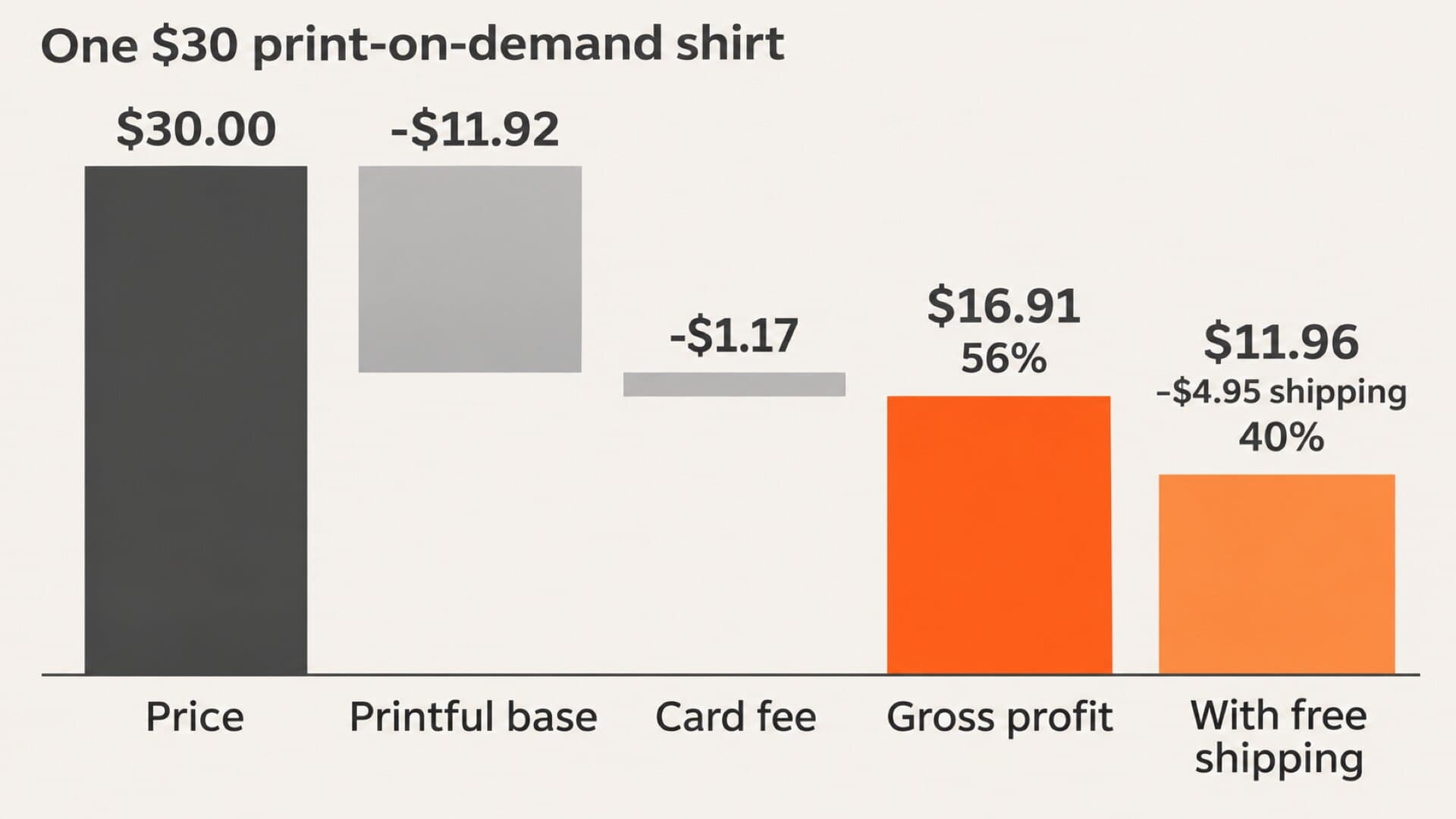
Take a $30 shirt. If producing and processing it costs $13.09, your gross profit is $16.91 and your gross margin is 56%. The percentage lets you compare products at very different prices. Doctor Mike's $4.99 sticker and $997 course cannot be compared in dollars per sale, but they can be compared in margin. Two related terms get mixed up with it:
  • Gross profit is the dollar amount: $16.91 on that shirt.
  • Net margin is what is left after everything, including overhead and taxes. It is always lower.
A cost of sales is any cost that occurs because one more unit sold. If you sell zero, you pay zero of it. For creator products, that usually means:
  • Production: the blank shirt and its print, or a book's printing cost
  • Store commission: Apple's or Google's share of an in-app purchase, or a marketplace's cut
  • Payment processing: typically a percentage plus a fixed fee per card charge
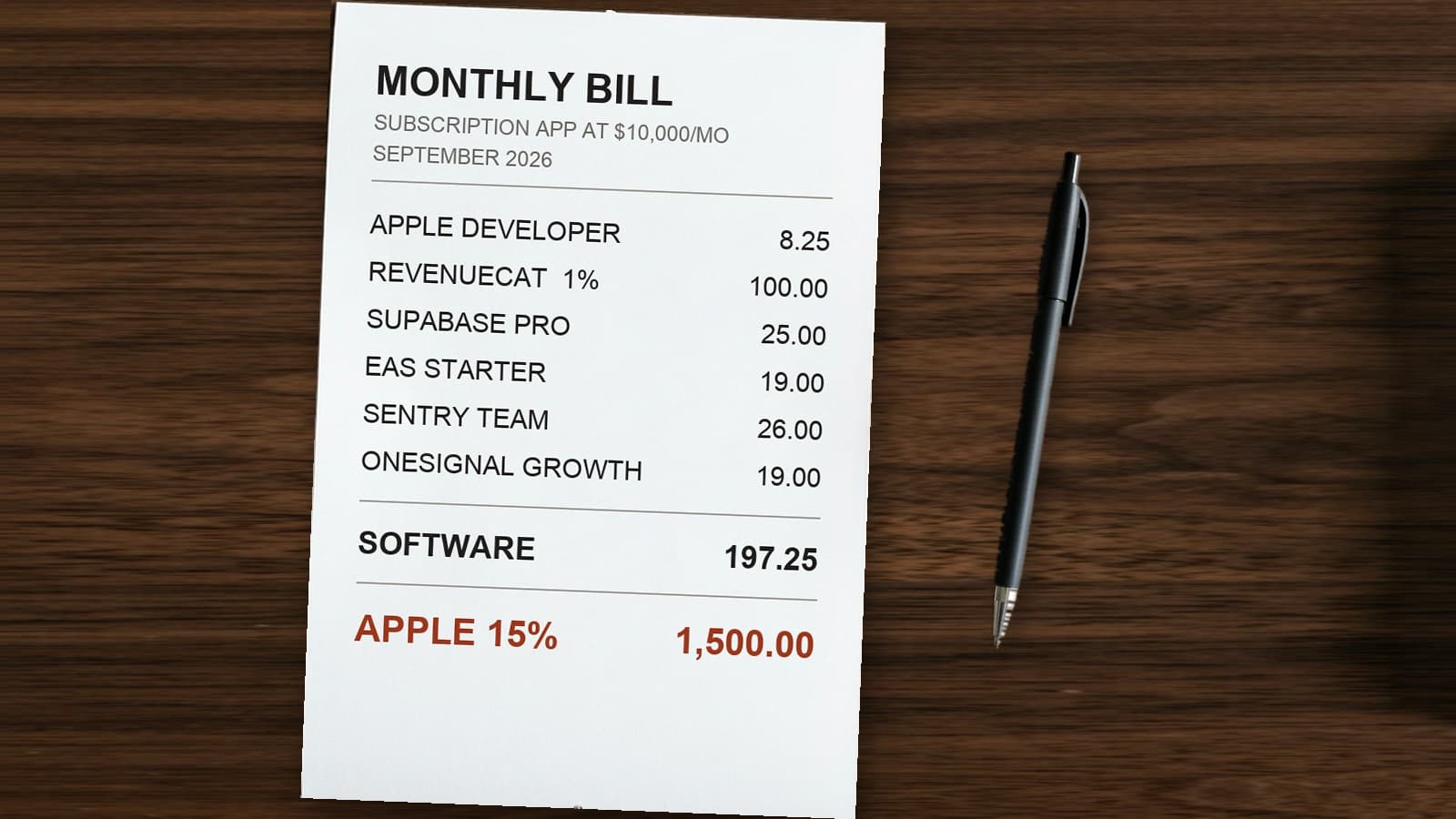
  • Usage-based software: tools that bill a percentage of what they process, such as RevenueCat's 1% of tracked revenue above $2,500 a month
  • Shipping you absorb: only if the buyer does not pay it
What does not count: your monthly Shopify or Kajabi plan, design fees, your time, ad spend. Those are real costs, but they do not grow with each unit, so they sit below the gross line. Our breakdown of what it costs to run a subscription app separates the two kinds for software. We priced four common creator products using each provider's own page on November 4, 2026. Each row is one US sale, with no discount codes, refunds or sales tax.
ProductPriceCosts of the saleGross profitGross margin
App subscription, monthly$9.99Apple 15% ($1.50) + RevenueCat 1% ($0.10)$8.3984%
Digital guide on Gumroad, direct link$29.00Gumroad 10% + $0.50 ($3.40) + card processing 2.9% + $0.30 ($1.14)$24.4684%
Print-on-demand shirt on Shopify$30.00Printful base price ($11.92) + Shopify Payments 2.9% + 30¢ ($1.17)$16.9156%
Self-published paperback, 333 pages$15.00 listAmazon keeps the rest; author royalty is $4.00$4.0027% of list
Where each number comes from:
  • App: Apple's Small Business Program charges 15% to developers with up to $1 million in prior-year proceeds. Outside it, Apple's subscription terms pay 70% in a subscriber's first year and 85% after a year of paid service, which puts a first-year subscriber at 69%. Our Small Business Program explainer covers who qualifies.
  • Guide: Gumroad's fee page charges 10% + $0.50 on direct sales, and says this "does not include" credit card processing of 2.9% + $0.30. Sales found through Gumroad's Discover marketplace pay a flat 30% that includes processing, which drops the same guide to 70%.
  • Shirt: Printful lists the Bella+Canvas 3001 tee at $11.92 with printing included, and Shopify's Basic plan charges 2.9% + 30¢ per online card payment.
  • Book: Amazon KDP's royalty formula is 60% of list price minus printing cost for US paperbacks priced at $9.99 or more. Its own example is a 333-page black-ink paperback at $15, which pays $4.00 per copy. On a book, Amazon is the seller, so the author's royalty is closer to a licensing fee than to a gross profit. We show it as a share of list price so it sits beside the others.
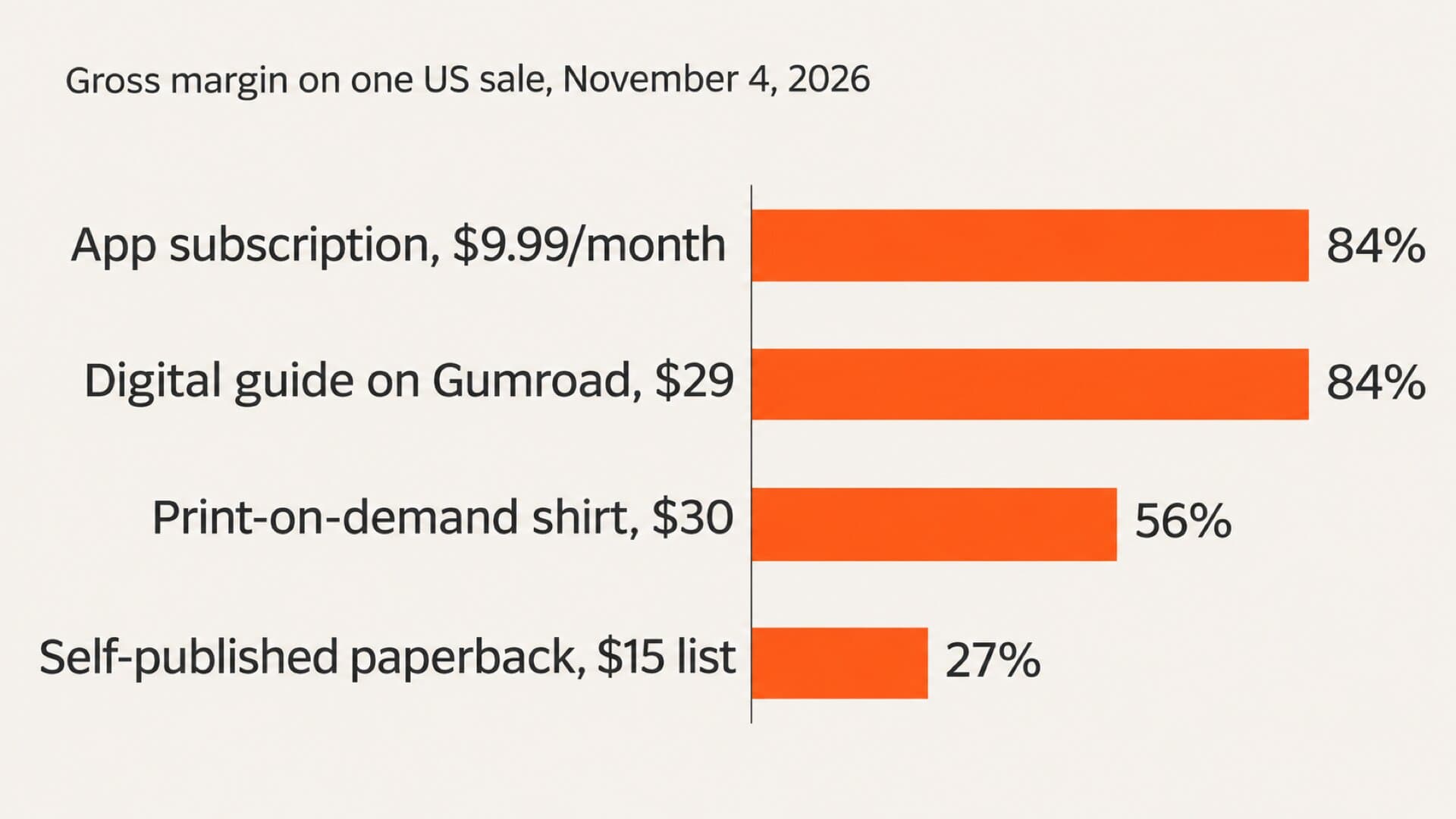
Bar chart of gross margin on one US sale of four creator products on November 4, 2026: app subscription 84%, digital guide on Gumroad 84%, print-on-demand shirt 56%, and self-published paperback 27% of list price
Because the shirt has to be made, and the subscription does not. Every shirt needs a blank and ink, and that $11.92 is the same whether you sell one or a thousand through print-on-demand. Software costs almost nothing extra per subscriber, so the store's commission is most of the cost. Shipping makes the gap wider. Printful's shipping table lists $4.95 to ship one shirt in the US, plus $2.20 for each additional shirt. Charge the buyer and your margin stays at 56%. Offer free shipping and the same $30 shirt keeps $11.96, or 40%. Larger sizes, branded labels and Printful's optional monthly plan cost more again, which our seven costs on one $30 tee itemizes.
Waterfall chart of one $30 print-on-demand shirt: $11.92 Printful base price and $1.17 Shopify Payments fee leave $16.91, or 56%; absorbing $4.95 of shipping leaves $11.96, or 40%
None of this makes merch a bad product. A shirt is something a fan wears in public, which no subscription can do. It just means a shirt has to sell more units to earn the same profit. Our Fourthwall vs Shopify comparison works through 500 shirts on both platforms. 1. Counting overhead as cost of sales. Adding the monthly store plan to each unit makes low-volume months look like products losing money. Keep the plan in overhead and watch it separately. 2. Comparing the price instead of the margin. A $29 guide keeps $24.46. A $30 shirt keeps $16.91. The prices are a dollar apart, and the profit differs by $7.55 per sale. 3. Treating a high margin as a good product. The guide and the app both keep 84%. That is a tie on margin, and a very different business, which the next section explains. Gross margin measures one sale. It says nothing about whether the buyer comes back. The guide's buyer pays $29 once. To earn $24.46 again, you need a new buyer. The app's subscriber pays $9.99 this month, and if they stay, they pay again next month at the same 84% margin. After a year, the standard-program rate goes up to 85%. That second payment is the difference between monthly recurring revenue and a launch spike, and it is why lifetime value matters more than any one margin figure. Buyers looking at a business see it the same way. Revenue that renews at a high margin is the asset people pay a multiple for, which is the argument in you can't sell a YouTube channel, you can sell an app. So use gross margin to pick a product you can afford to sell. Then ask whether people will buy it every month. What is a good gross margin for a creator product? It depends on the format. Digital products sold directly and app subscriptions can keep about 84% per sale. Print-on-demand apparel without free shipping keeps about 56%. A self-published paperback on KDP pays roughly a quarter of its list price at the $15 example price. Is gross margin the same as profit? No. Gross margin comes before overhead such as software plans, contractors, advertising and taxes. Net margin, after all of those, is always lower. Does Apple's commission count as a cost of sales? Yes. It is charged on every sale, so it reduces gross profit. Apple pays 85% under the Small Business Program, and 70% in a subscriber's first year outside it. How do I raise my gross margin? Sell through channels that charge less per sale, charge the buyer for shipping, or move toward products whose extra copies cost nothing to make. A product people pay for every month usually matters more than any single fee. Built by Foundry builds subscription products with creators at $0 upfront and runs them on a revenue share. You can read how we work and decide whether it fits your audience.
Our work

Creators who already did this

These are apps we designed, built, shipped, and still run today, with the creator keeping the code and the audience.

Liv Merima

Liv Merima

Founder & CEO of Claim It

Custom affirmations that help millions choose themselves.

Top Lifestyle App150K+ followers
Read the case study
Claim It screenshots
Brandon Whiteleather

Brandon Whiteleather

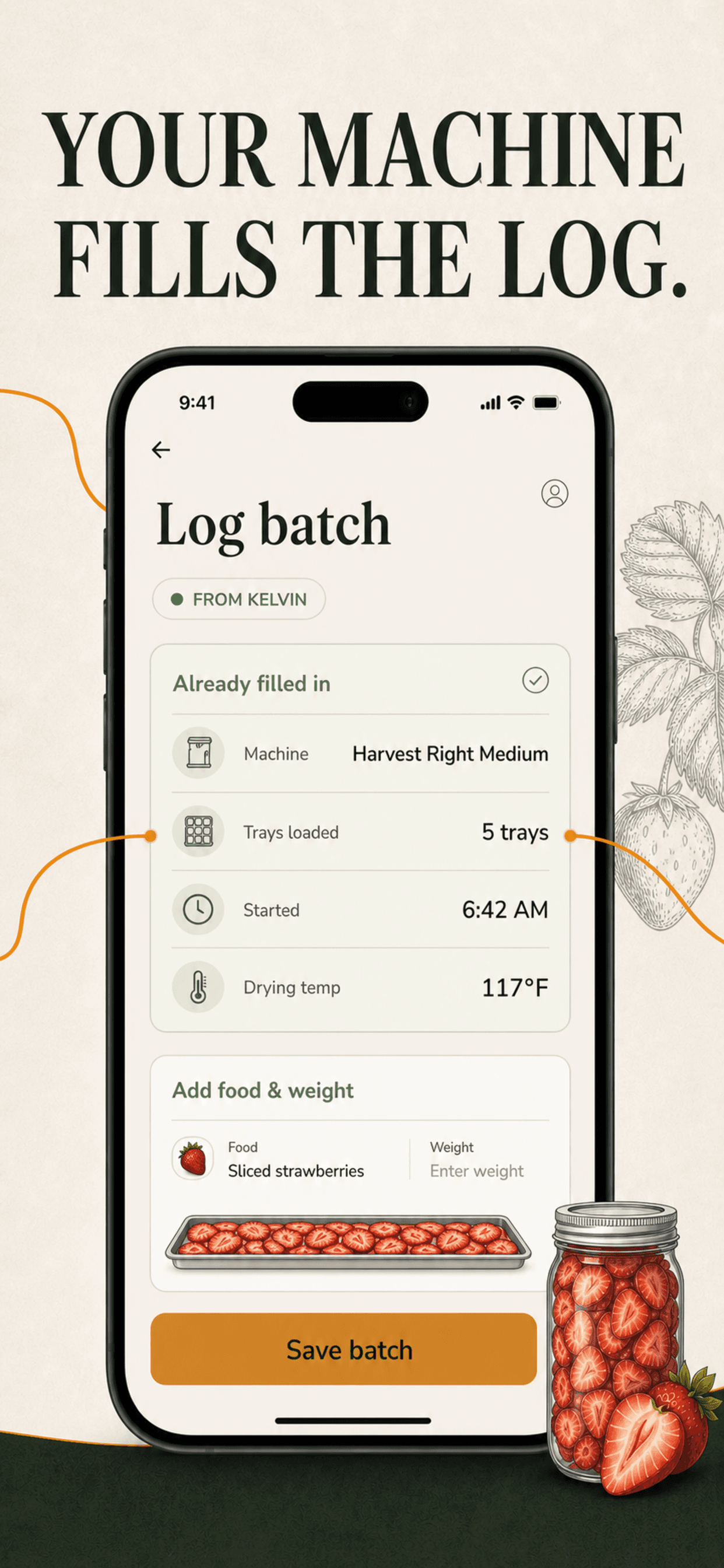
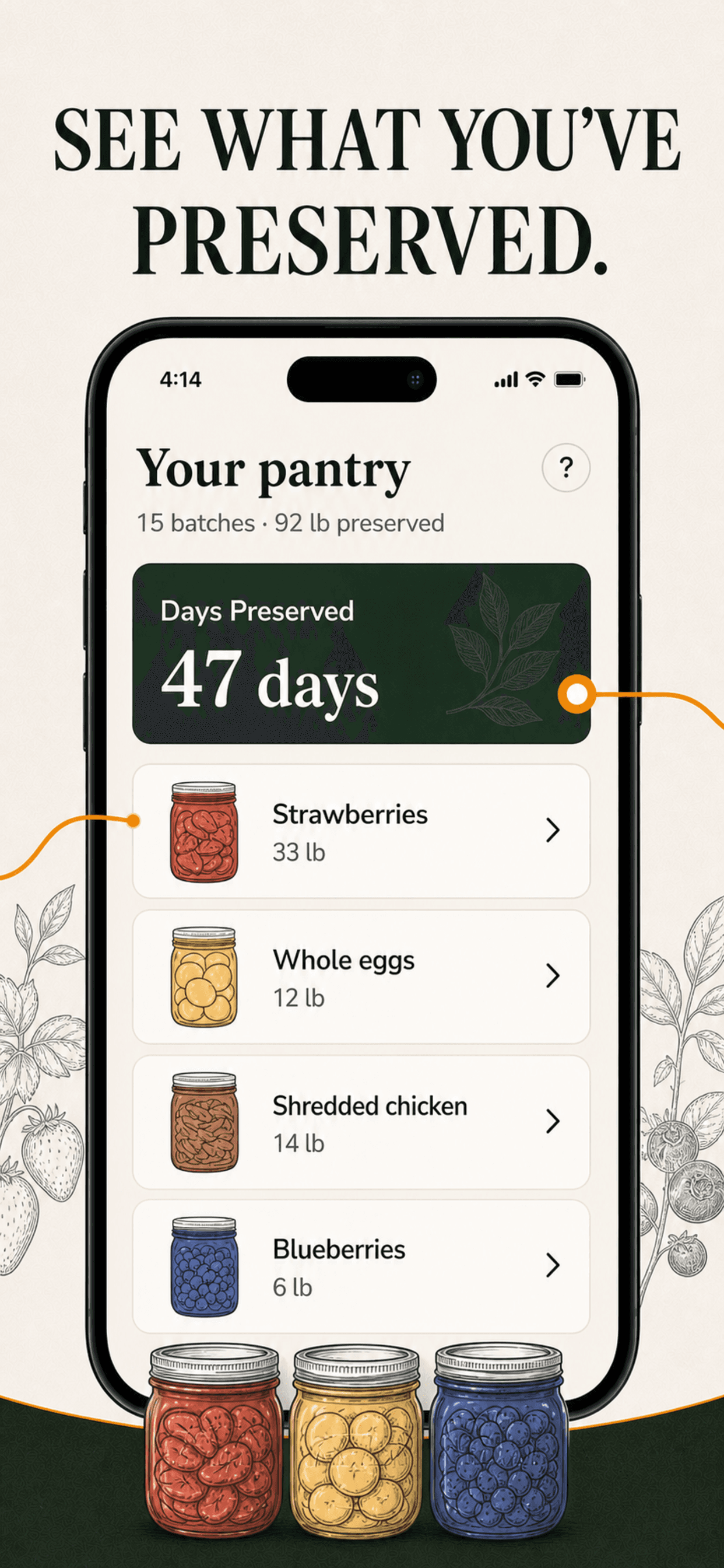
Founder & CEO of Freeze Dry Buddy

Freeze drying made foolproof, from a homesteader who's done it 1,000 times.

Top Food App1.4M+ followers
Read the case study
Kristen Donathan

Kristen Donathan

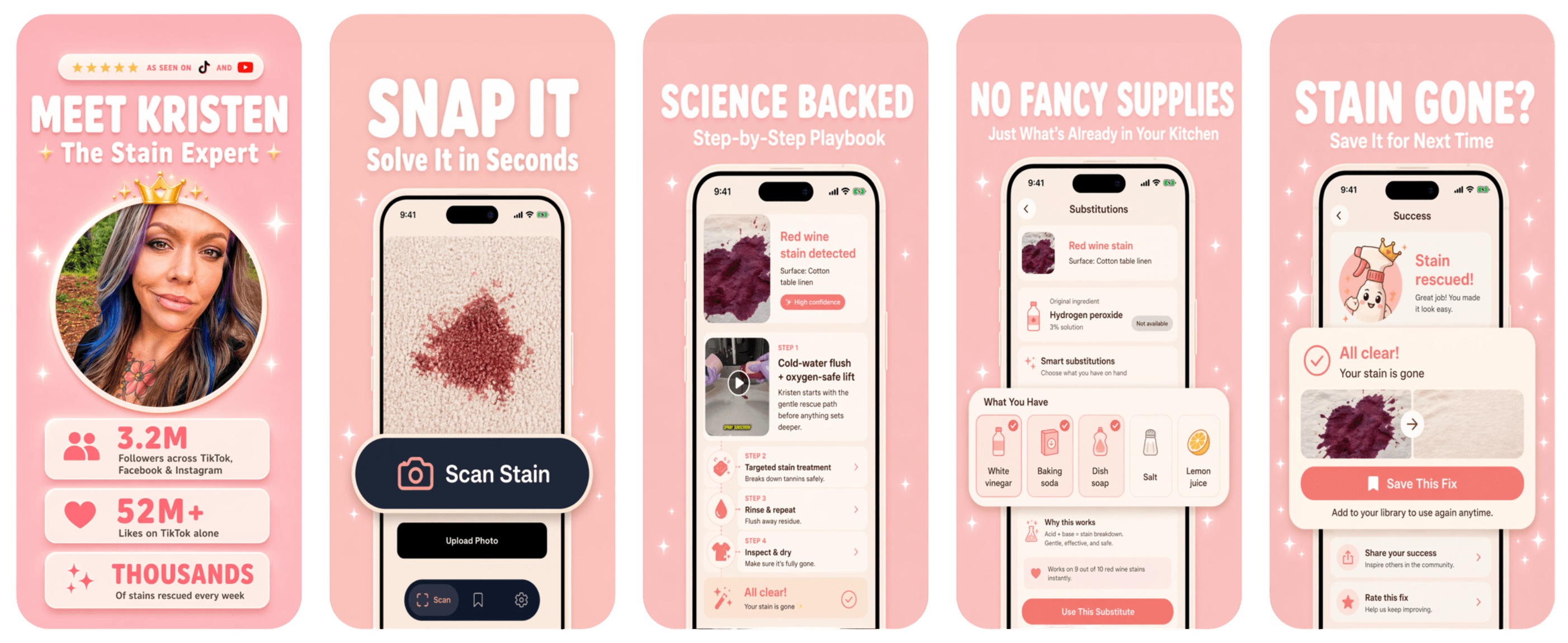
Founder & CEO of Stain Fix

Snap a stain. Get the fix in seconds.

Top Lifestyle App1.5M+ followers
Read the case study
Stain Fix screenshots

Creator app strategy

Curious what your app could be?

Enter your handle and BUILT BY FOUNDRY will research your audience and present custom app concepts. Free.

What Is Gross Margin? 4 Creator Products, From 27% to 84%