

Foundry
What Is MRR? Monthly Recurring Revenue for Creators

What Is MRR? Monthly Recurring Revenue for Creators

Foundry
March 5, 2026
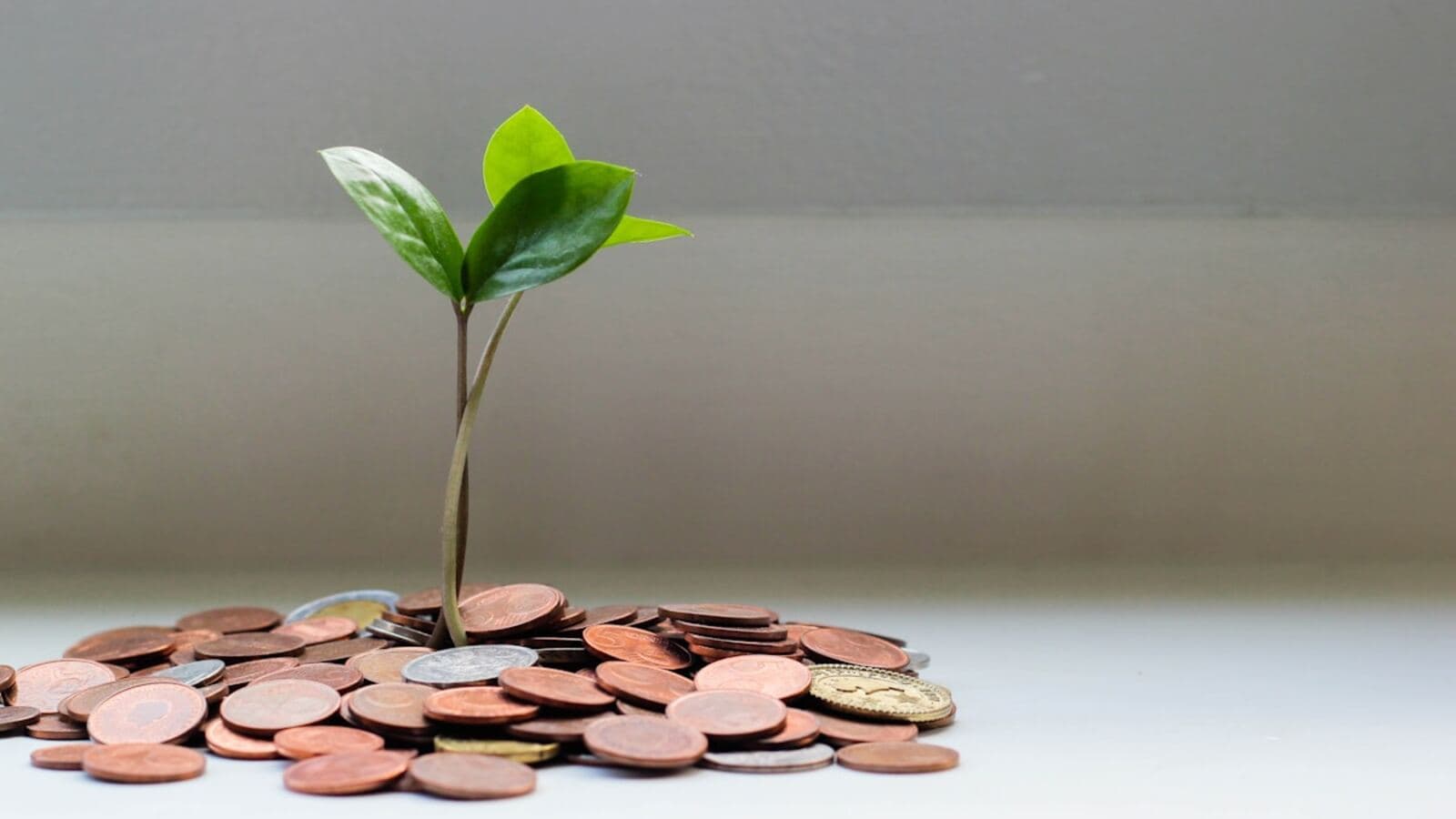
Monthly Recurring Revenue (MRR) is the predictable income a business earns from active subscribers every month. For creators, it's the difference between chasing the next brand deal and owning a business that generates revenue whether you post that week or not. Key Takeaways:
  • MRR = number of paying subscribers × average monthly subscription price
  • A creator with 500 subscribers at $15/month has $7,500 MRR — every month, automatically
  • Brand deals pay once. MRR compounds. After 12 months, the math looks completely different
  • Creator apps like MacroFactor and Sweat generate millions in MRR — built on audiences like yours
  • You don't need 1 million followers to build meaningful MRR. You need 500 engaged fans and the right product
MRR (Monthly Recurring Revenue) is the total subscription revenue a business generates in a single month, normalized to a monthly figure. The formula is simple:
MRR = Number of Paying Subscribers × Average Monthly Price
If you have 300 subscribers paying $10/month and 100 paying $20/month, your MRR is:
(300 × $10) + (100 × $20) = $3,000 + $2,000 = $5,000 MRR
MRR is the foundational metric for any subscription business. It tells you exactly where you stand, month over month, and lets you predict where you're going. Unlike revenue from a one-time course sale or a brand deal, MRR doesn't disappear. It renews automatically. That's why SaaS companies, subscription apps, and creator businesses obsess over it.
Most creators monetize the same way: brand deals, affiliate codes, and one-time digital products. Each of these has the same structural problem — they pay once, and then they're done. A $5,000 brand deal is $5,000. A $20 PDF is $20 per buyer. If you stop promoting, you stop earning. MRR breaks that cycle. When a subscriber pays $15/month for your app, they're not just buying access to your content. They're opting into an ongoing relationship. The revenue renews automatically — and it compounds.
Revenue ModelMonth 1Month 6Month 12Requires Constant Effort?
Brand Deal ($5K)$5,000$0$0Yes (new deal each time)
Course Sale ($200)VariesVariesVariesYes (new launches)
Subscription App ($15/mo)$1,500$6,000$12,000+No (auto-renews)
Assumes 100 subscribers in month 1, growing to 400 by month 6, 800 by month 12 at 25% monthly growth. The gap widens every month. Brands understand this — it's why Netflix, Spotify, and every major SaaS company runs on subscriptions. Creators are just starting to catch up. As we break down in Brand Deals vs. Subscription Apps: Do the Math, even 200 subscribers at $15/month beats most brand deals within 4 months — and keeps going.
MRR calculation is straightforward, but there are a few variations worth knowing: Basic MRR:
MRR = Total paying subscribers × Average monthly price
If you offer annual plans, convert them to monthly:
Annual subscriber MRR = Annual price ÷ 12
Example: 400 monthly subscribers at $14.99 + 150 annual subscribers at $99.99/year:
(400 × $14.99) + (150 × $99.99 ÷ 12) = $5,996 + $1,250 = $7,246 MRR
MRR benchmarks for creator apps:
Subscriber CountPrice PointMRR
200 subscribers$9.99/mo$1,998
500 subscribers$12.99/mo$6,495
1,000 subscribers$14.99/mo$14,990
5,000 subscribers$14.99/mo$74,950
10,000 subscribers$14.99/mo$149,900
Most creators dramatically underestimate how few subscribers they need to build a life-changing business. 1,000 subscribers at $15/month is $180,000 per year. That's before they add a single new subscriber.
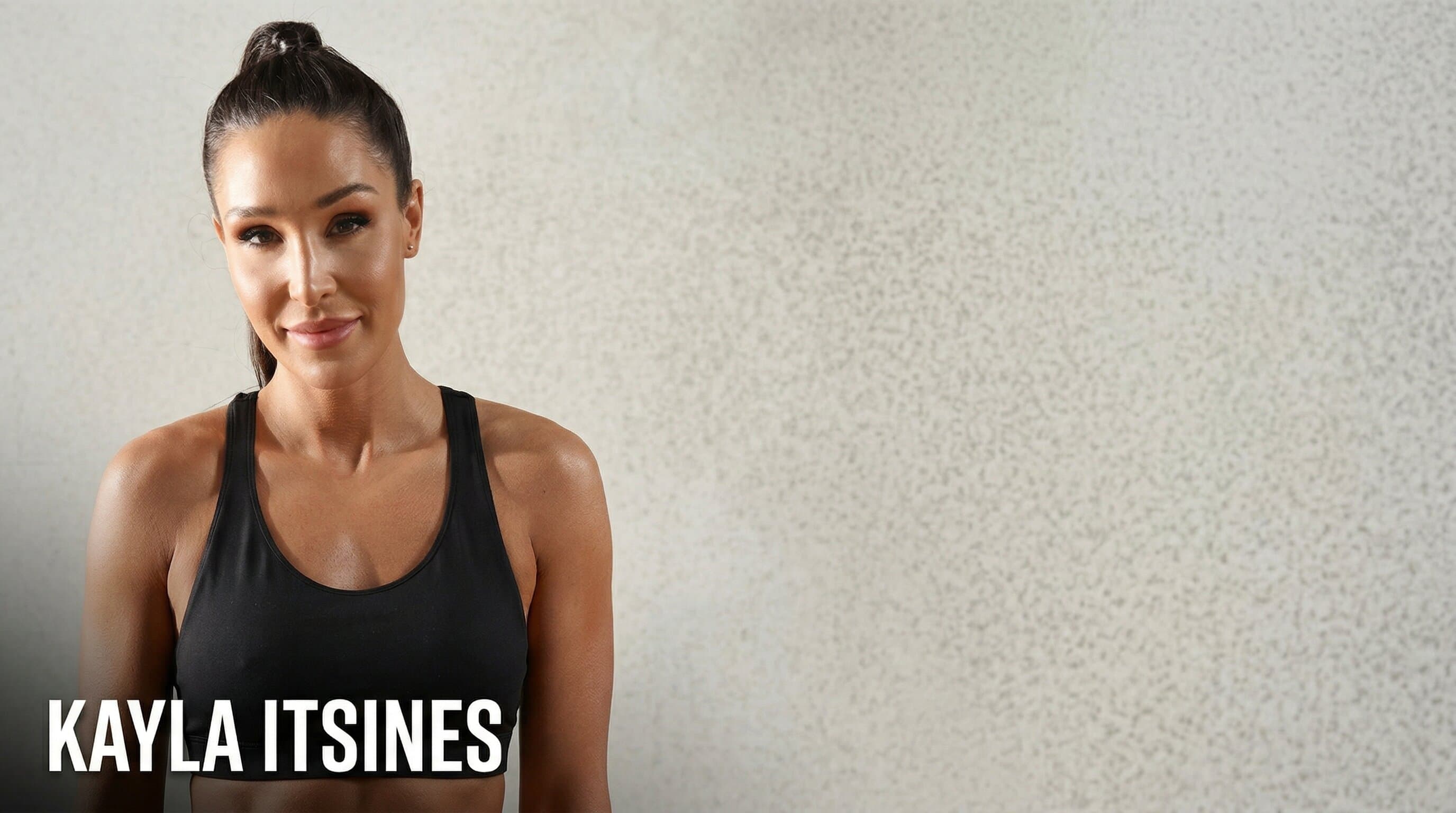
The best proof that MRR works for creators is the creators already doing it. MacroFactor — the nutrition tracking app co-owned by fitness YouTuber Jeff Nippard — generates an estimated $2.6 million in monthly revenue combined across iOS and Android. That's not a one-time spike. That's MRR from over 75,000 paying subscribers at around $12/month. Sweat — built by Kayla Itsines after she became the world's most followed fitness trainer — reached 450,000+ paying subscribers before selling the company for $400 million in 2021. At peak, the app was generating tens of millions in annual recurring revenue. Neither of these creators started with a tech background. They started with an audience that trusted them and expertise their audience wanted to pay for. The MRR followed.
Misconception 1: "I need a massive audience to build meaningful MRR." False. Whitney Simmons launched her Alive app with under 4 million Instagram followers and built an app with 30,000+ five-star reviews. More importantly: 500 highly engaged subscribers at $15/month is $7,500 MRR — more than most brand deals. Engagement beats reach, every time. We wrote an entire post on why 50K engaged followers beats 5M passive ones. Misconception 2: "Subscription apps are too complex to run." The complexity is real — but it's not yours to manage. App submission, payment processing, push notifications, updates, and infrastructure are all things a product partner handles. You provide the expertise and the audience; they handle the technology. Misconception 3: "Brand deals are more reliable because they're guaranteed money." Brand deals feel reliable because the check clears on a known date. But they're not recurring. Every quarter, you start from zero. MRR, once established, defaults to continuing. Churn happens, but it's gradual and predictable — not binary like a brand deal cycle.
Step 1: Identify what your audience already pays for. Look at what your followers buy. Supplements, workout programs, course enrollments, merchandise — these reveal what they value. Your subscription app should deliver more of that, consistently, for a predictable monthly fee. Step 2: Price for recurring commitment, not one-time purchase. $9.99–$19.99/month hits the sweet spot for most creator apps. It's low enough that cancellation feels unnecessary, high enough to build real revenue. Annual plans (at a discount) boost upfront cash flow and reduce churn. Step 3: Partner with people who ship. Building an app alone is the slowest path. Most creators who try to build apps via freelancers or AI tools like Lovable or Replit never get to the App Store. The product needs someone who understands both mobile development and creator businesses. At Software People Love, we build subscription businesses for creators — $0 upfront, we handle everything from design to App Store submission to ongoing updates, and we earn when you earn. Step 4: Launch before it's perfect. The fastest path to MRR is a version 1 with a small audience, not a polished version 3 with no users. Get 100 subscribers paying $10/month. That's $1,000 MRR. Then improve. MRR grows as the product improves and the audience grows.
The creators building MRR today are the ones who will own their business tomorrow. Everyone else will still be chasing brand deals.
MRR is Monthly Recurring Revenue — what your subscription business earns in one month. ARR (Annual Recurring Revenue) is simply MRR × 12. Both measure subscription income; ARR is used more often for larger businesses and investor reporting. For early-stage creator apps, MRR is the number to track. Not exactly. MRR only counts recurring subscription revenue — not one-time purchases, tips, or merchandise. It's a subset of total revenue, specifically measuring the predictable, repeating portion. MRR is a more useful metric because it shows business momentum independent of spikes and launches. Creator apps vary widely. Small niche apps generate $1K–$10K MRR. Mid-tier creator apps with dedicated audiences often reach $20K–$100K MRR. Category leaders like MacroFactor and Sweat generate millions in monthly recurring revenue. The common thread: a loyal audience with a clear problem the app solves. Most creator apps that reach $5K MRR do so within 6–12 months of launch. The timeline depends on audience size, product quality, and how aggressively the creator promotes the app. Creators who already have an engaged email list or community convert fastest. No. The creators behind the most successful subscription apps — Kayla Itsines, Whitney Simmons, Jeff Nippard — are not developers. They provide the expertise, content, and audience. A product partner handles everything technical.

Get Creator Revenue Insights

How creators are turning audiences into subscription businesses
Subscribe

You might also enjoy...