
Case Studies & Success Stories

Rick Steves Lists 1,388 Departures and Has 19 Seats Left in 2026. His Only App Is Free

September 12, 2026
Share
Rick Steves Lists 1,388 Departures and Has 19 Seats Left in 2026. His Only App Is Free

Get Creator Revenue Insights

How creators are turning audiences into subscription businesses
Share
Key Takeaways:
  • Rick Steves' Europe showed 2.08M YouTube subscribers and 443,254,453 lifetime views on September 12, 2026, on a channel opened March 4, 2006. He started the company in 1976
  • His own biography states the tour program "brings more than 30,000 people to Europe annually," and his tour commitments page caps every fully guided group at 24 to 28 people
  • The public departure table at ricksteves.com listed 1,388 departures across 54 itineraries for 2026 and 2027 on September 12, 2026. Only 775 could be booked. The other 613 were waitlist only
  • For the rest of 2026 there were 366 departures listed and 19 that could still be bought. Thirteen of those 19 showed one or two seats left
  • His store carried 247 catalog entries, 175 of them sellable, priced $1 to $500. Not one of them can be bought on a repeating schedule
  • Rick Steves Audio Europe has been on the App Store since January 21, 2011. It is free, and it has 496 US ratings after fifteen years
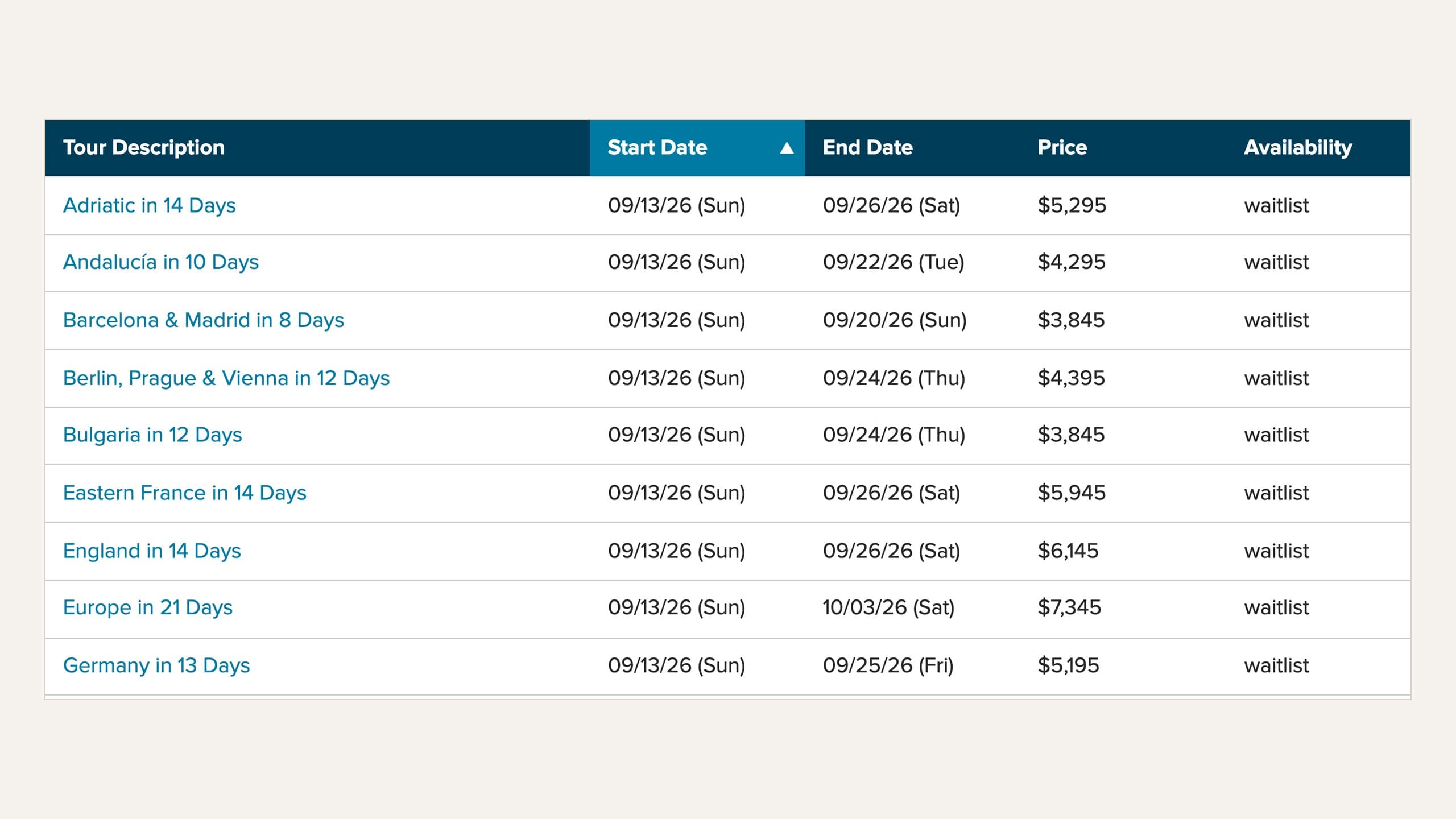
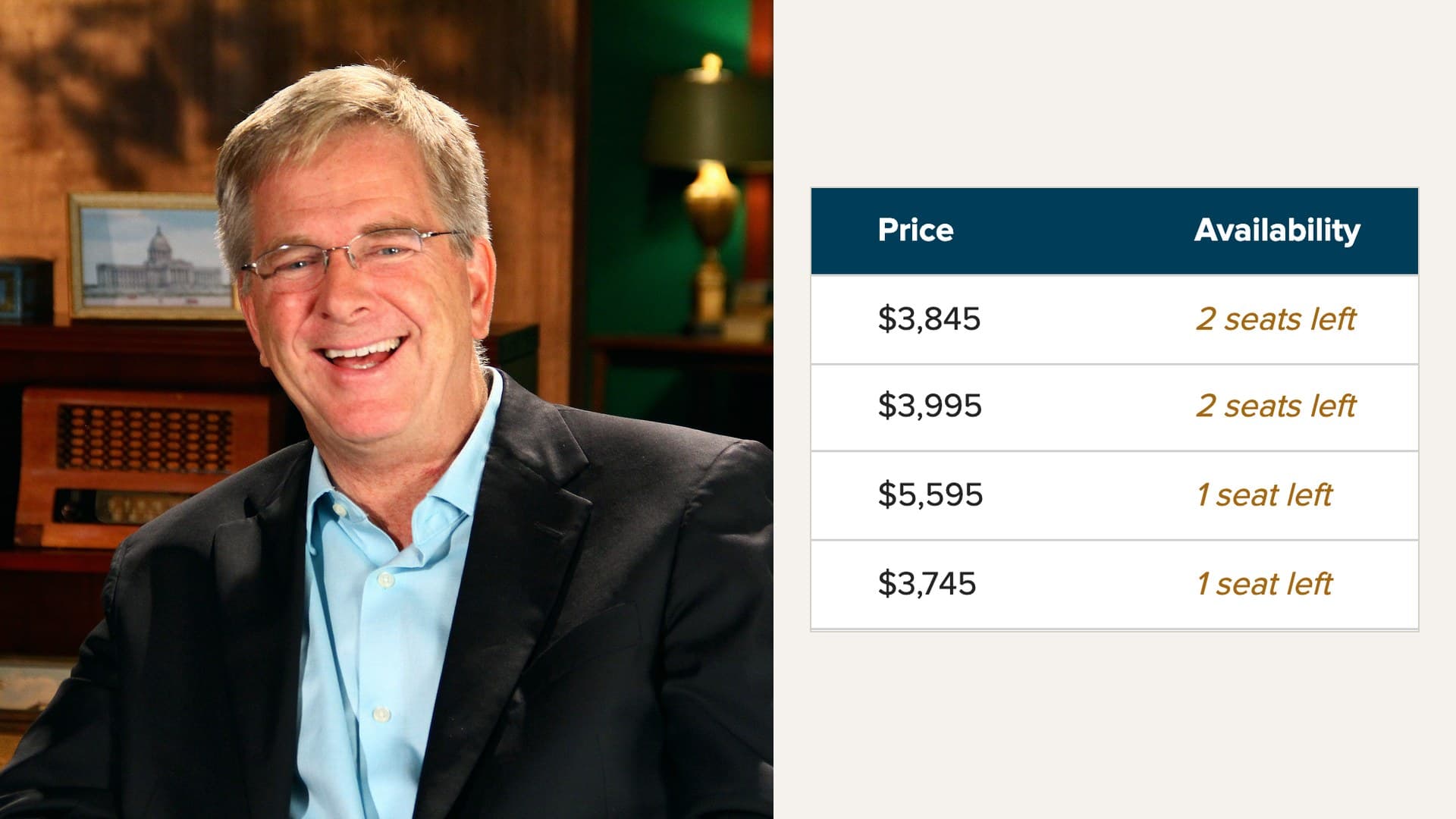
Open his tour page today and the business tells you its own size. Not in a press release. In a sortable table, in public, with a column on the right that reads "1 seat left" thirteen times. Seats, books, and bags. On September 12, 2026 his departure table listed 1,388 scheduled tours across 54 itineraries at $2,745 to $7,345, his store listed 175 sellable products at $1 to $500, and his biography puts the tour program at more than 30,000 travelers a year. There is no membership, no subscription, and nothing in the catalog that bills twice. This is not a creator experimenting with a side product. Rick Steves started the company in 1976 and built the most complete version of the creator-to-owner move that exists in America: a public television show, a public radio show, a syndicated column, a guidebook series, a retail store in Edmonds, Washington, and a tour operation with its own guides, buses and hotel contracts. Most creators reading this will never assemble a fraction of it. And every line of it is capped. A guidebook is bought once. A rolling carry-on is bought once. A tour seat is bought once, by one person, on one date, on one bus that holds 28. Because the product sold out, and selling out is what a capacity business does instead of growing. Of 366 departures listed for the remainder of 2026, 19 could still be booked on September 12, 2026. The remaining 347 were waitlist only. Thirteen of the 19 survivors showed one or two seats left, on tours priced $3,095 to $5,595. Turn on the table's own "Include waitlist tours" filter and the picture sharpens. Twenty five tours leave on September 13, 2026, from Istanbul in 7 Days at $2,895 to Europe in 21 Days at $7,345. Every single one is closed.
The Rick Steves departure table with waitlist tours included on September 12, 2026, showing the first nine of 25 tours departing September 13, priced $3,845 to $7,345, every one marked waitlist
A waitlist looks like a triumph. Read it as a receipt and it says something colder: demand exceeded supply, the excess demand generated $0, and the only way to capture it next year is to buy more capacity. That is the whole difference between a business with a ceiling and a business without one. When a subscription product gets popular, the extra customers pay. When a tour gets popular, the extra customers get an email. Multiply his own two published figures and the ceiling is legible: about 30,000 travelers a year at a median listed price of $4,945 is roughly $148 million of gross tour bookings at full capacity. That is arithmetic from his public numbers, not a revenue disclosure, and the point is not the size. The point is that the number exists at all, that he publishes both inputs, and that it does not move without more guides, more buses, more hotel rooms, and more of his year. This blog has spent a month sorting creator audiences by a repeating action: when in the day a product gets used, whose calendar pays for it, whether the audience already maintains an inventory, whether they arrive carrying somebody else's app. Travel introduces a different axis, and it is the one with the sharpest edge. Sort your products by whether the maximum number of buyers is a number you can write down. Run it in one line: how many people could possibly buy this in the next twelve months, if everything went perfectly? If you can answer, you have found your ceiling, and everything above it is demand you will never be paid for. Capacity revenue has four properties, and none of them is about content. It cannot surprise you upward. A great year and a catastrophic year have the same maximum. Only the downside is open. It grows by buying cost. Another departure is another salaried guide, another coach, another block of rooms. Revenue and expense move together, so the margin never compounds. It resets in January. Seats do not accumulate. Year eleven starts at zero exactly like year one, which is the structural problem with every one-time-sale catalog. It sells to the richest slice of your audience. A $4,945 tour is available to a tiny fraction of 2.08 million subscribers. The other 99-plus percent are not undecided. They are priced out, and there is nothing else for them to buy that repeats.
What Rick Steves sellsPrice on September 12, 2026What caps it
Fully guided tours$2,745 to $7,34524 to 28 seats per departure
Guidebooks and travel books$1 to $79.99One purchase per trip
Bags, money belts, adapters$3 to $229.99One purchase, then years of use
Rick Steves Audio Europe$0Nothing at all
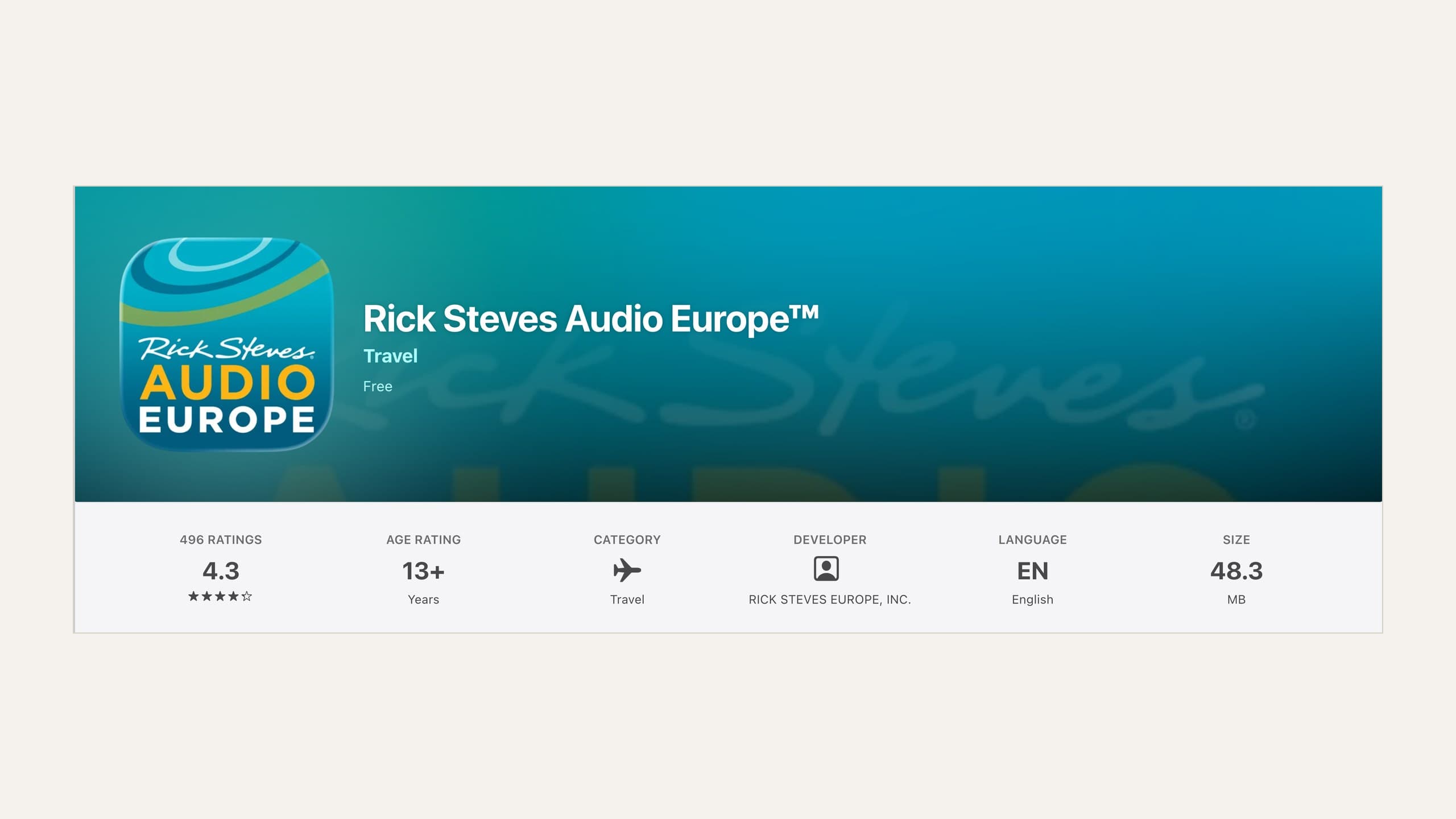
It stays small. Rick Steves Audio Europe launched on the App Store on January 21, 2011 and was last updated on February 4, 2026. It is free, published by RICK STEVES EUROPE, INC., and carries 496 US ratings at a 4.3 average after more than fifteen years on the store. Four hundred ninety six ratings, from a man whose channel has been watched 443 million times. That number is not a failure of taste or engineering. It is what a free product gets: the attention a free product deserves. No revenue line means no roadmap, no growth budget, no reason for anyone inside the company to fight for it in a planning meeting. The app exists to make the guidebooks better. It was never asked to be a business, so it never became one. Which is the quiet tragedy in the catalog, because the app is the only thing he makes that the whole audience can use. A traveler standing in the Roman Forum needs him at that exact moment, and 30,000 tour seats cannot be there. Software can. It is the surface with no ceiling, and it is the only surface priced at zero. Search the US App Store for a Europe travel guide and the ranking is not close. GetYourGuide showed 319,580 US ratings on September 12, 2026 and Viator showed 284,564. Both are free. Both are booking marketplaces that take a cut of the tour you reserve inside them. The largest travel app published by a person whose job is teaching you where to go is Rick Steves Audio Europe, at 496.
Rick Steves Audio Europe on the App Store on September 12, 2026: free to download, 4.3 stars, 496 US ratings, published by Rick Steves Europe, Inc.
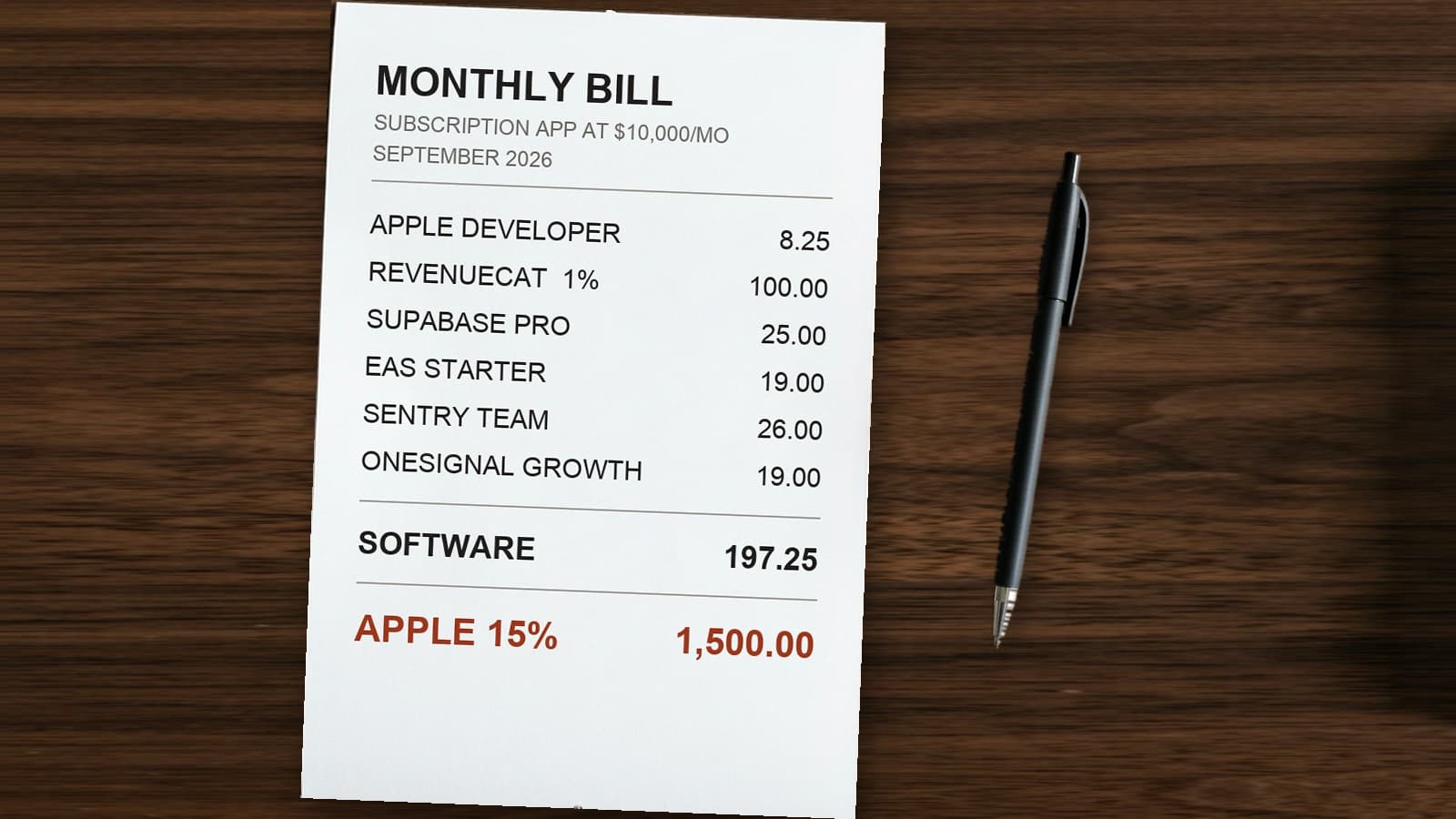
This is the same pattern the blog found on the watch shelf and the 3D printing shelf. The apps that dominate a niche are usually published by whoever earns a commission on the transaction underneath them, because the transaction pays for the engineering. Nobody funds a travel app to make you a better traveler. They fund it to make you a booking. Steves has 2.08 million subscribers, half a billion lifetime views, fifty years of trust, and no commission conflict at all. He is the one party who could hold that surface honestly, and he has been giving away the ingredients for fifteen years. This section is for creators with 50K or more followers who sell access: retreats, workshops, cohort courses, coaching slots, in-person classes, guided trips. You already know your ceiling. You have said it out loud. "Twelve spots." "Two cohorts a year." "I can take eight people." You have probably also said the other half: that the last one sold out in an hour, that the waitlist is long, that you feel guilty about the people you turned away. That guilt is a P&L line. Those are customers who raised their hand, were told no, and bought nothing. The fix is not a bigger room. A bigger room costs more and makes the thing worse, which is exactly why Steves caps his groups at 28 and is right to. The fix is a second product with no seat count, sold to everyone the first product cannot fit, at a price they can actually pay. Travel with you. Not before the trip, which guidebooks already handle, and not after, which nothing needs. During. A person on their first trip to Italy is inside a dated, high-stakes, eleven-day project with an enormous amount of anxiety and a phone in their hand. They need to know what is open on Monday, whether this line is worth it, what to order here, and whether the 4:40 train is the last good one. That is a daily surface, for the exact days it matters, and it is the one thing a book printed last November cannot do. Price it. At $4.99 a month under Apple's Small Business Program rate of 15 percent, one subscriber nets $50.90 a year. One percent of 2.08 million subscribers is 20,800 people, which is about $1.06 million a year arriving whether or not a single bus leaves Edmonds, on a product whose running cost is measured in tens of dollars a month. That is a scenario built on an assumption printed here so you can argue with it. Halve the one percent and the argument survives, because the comparison is not against $148 million. It is against the $0 the app earns now. And it would do something the tours cannot. Thirty thousand travelers a year is the most valuable audience in American travel, and right now the company learns about them only when they book. A product that is open in Florence on a Tuesday knows who is going where, what they skipped, and what they wanted and could not find. That is the definition of creator-product fit, and he has had the raw material since 2011. A waitlist is unpaid demand, not a trophy. Three hundred forty seven waitlisted departures are three hundred forty seven buses of people who wanted to give him money this year and did not. If you can count your maximum customers, you have a ceiling, not a business model. Seats, slots, spots, cohorts and chairs all share the same arithmetic. The ceiling is knowable, it resets annually, and it only grows when you buy more cost. Free is a pricing decision with a product consequence. Fifteen years and 496 ratings is not what an unloved app looks like. It is what an unfunded one looks like. The niche leader is usually whoever gets paid on the transaction. 319,580 ratings on a booking engine does not mean the surface is taken. It means it has been annexed by someone with a different incentive than yours. The build is the part you do not have to own. Trust, audience and expertise took him fifty years. Running the software forever is the piece a partner carries. Rick Steves spent half a century earning the right to tell two million Americans how to see Europe, and he turned that into the most respected travel business in the country. He also published, in a sortable table anyone can read, the exact number of people who are allowed to buy it this year. It is 19. Channel subscriber count, lifetime view count and channel creation date read from youtube.com/@RickStevesEuropeOfficial on September 12, 2026. Company founding year, the 30,000-travelers-a-year figure and the free-resources description quoted from the About Rick page the same day; the 24 to 28 group cap quoted from the tour commitments page. Departure counts, itinerary counts, prices and availability strings read from the public all-departures table on September 12, 2026, counted both from the page source and from the rendered table. Product counts and prices retrieved from the public store.ricksteves.com catalog endpoint, paginated to exhaustion the same day; subscription availability was checked across every product variant returned, none of which required a selling plan. App publisher, price, release date, rating average and US rating count retrieved from the Apple iTunes Search and Lookup APIs on September 12, 2026, alongside GetYourGuide and Viator. Tour availability, catalog contents and rating counts change daily and should be rechecked before reuse. A previous profile covered a local tour guide working the other end of the same market.
Our work

Creators who already did this

These are apps we designed, built, shipped, and still run today, with the creator keeping the code and the audience.

Ellie Fausett

Ellie Fausett

Founder & CEO of Vector Guard

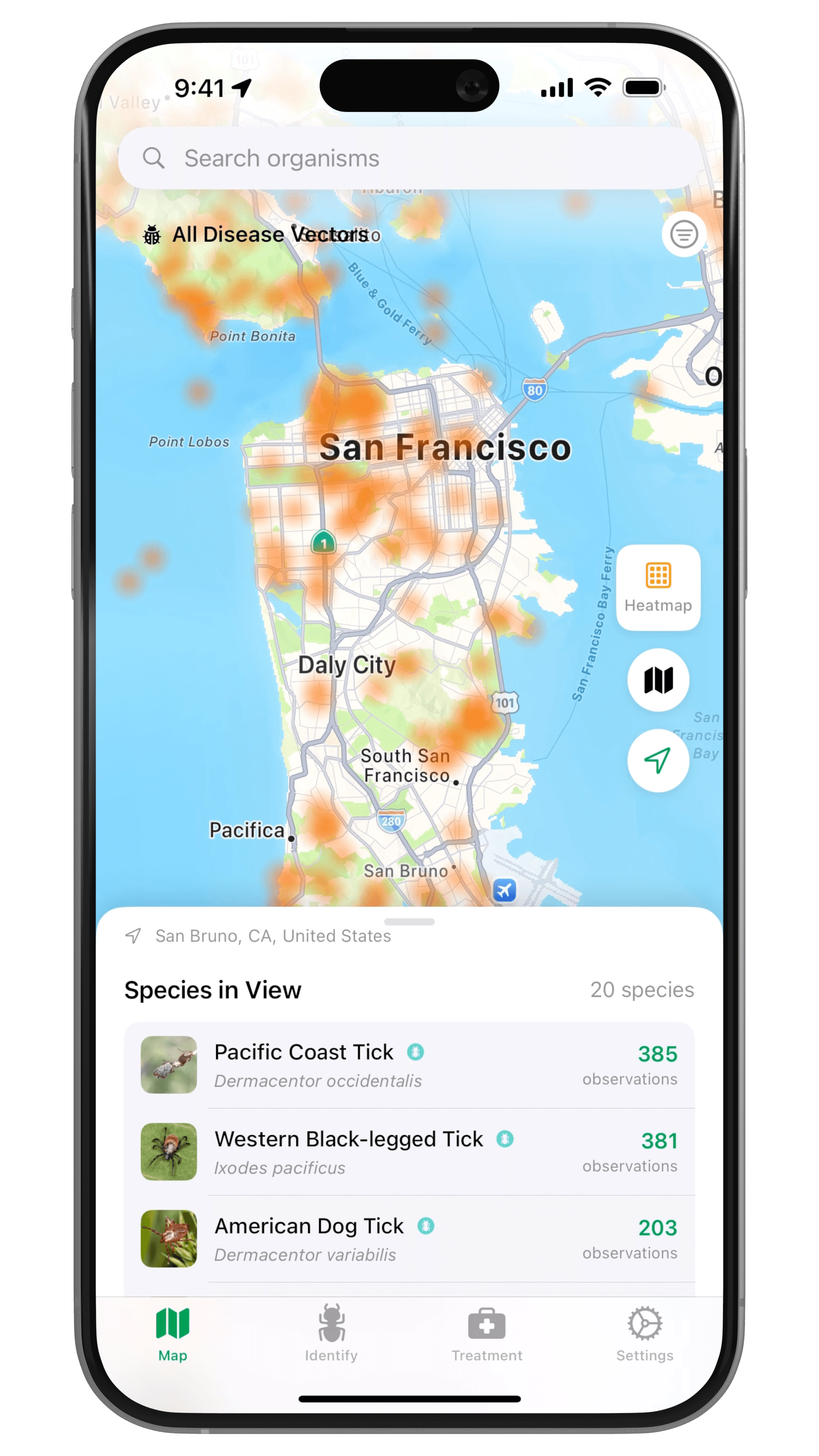
Spot disease-carrying pests before they reach your family.

Top Health App
Read the case study
Vector Guard screenshots
Samantha Mae

Samantha Mae

Founder & CEO of NineLives

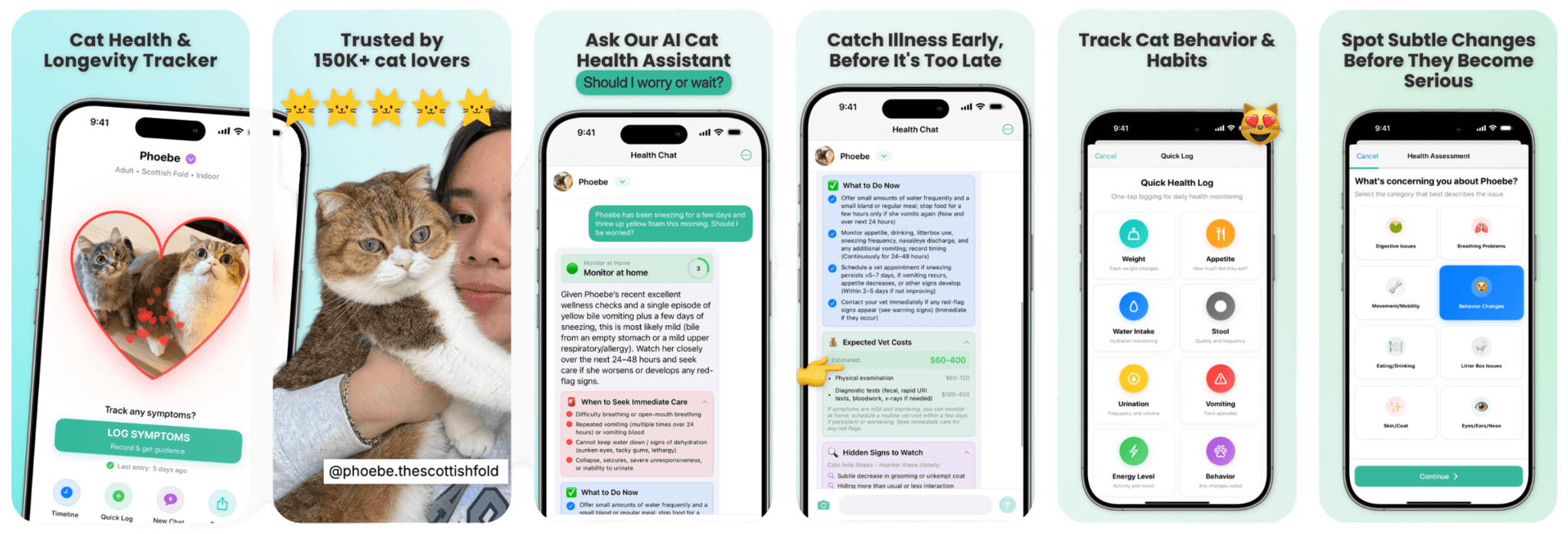
Cat health tracking from the world's most beloved Scottish Fold.

Top Health App150K+ followers
Read the case study
NineLives screenshots
Liv Merima

Liv Merima

Founder & CEO of Claim It

Custom affirmations that help millions choose themselves.

Top Lifestyle App150K+ followers
Read the case study
Claim It screenshots

Creator app strategy

Curious what your app could be?

Enter your handle and BUILT BY FOUNDRY will research your audience and present custom app concepts. Free.

Rick Steves Lists 1,388 Departures and Has 19 Seats Left in 2026. His Only App Is Free