
Turning Knowledge into Products

How to Market a Creator App: 6 Channels That Work

Foundry
June 18, 2026
Share
How to Market a Creator App: 6 Channels That Work

Get Creator Revenue Insights

How creators are turning audiences into subscription businesses
Share
Key Takeaways:
  • The fastest first users come from the audience you already own, not from ads. Start there and you can hit your first 1,000 subscribers without spending a dollar on acquisition.
  • Around 65% of App Store downloads begin with a search, so the listing is a free growth channel most creators never set up properly (Apple Developer).
  • Paid acquisition is expensive on iOS. The average cost per install is about $4.70, and subscription apps in competitive categories pay far more (Business of Apps, 2025).
  • Email and push are the cheapest revenue you will ever earn. A reactivated user costs nothing and converts better than a cold install.
  • Six channels carry a creator app: warm audience, App Store search, content, lifecycle messaging, referrals, and paid ads, roughly in that order of priority.
What does it mean to market a creator app? Marketing a creator app is the work of getting the right people to download it, pay for it, and keep using it, using your audience, your content, and the App Store itself as the primary channels before you ever buy an ad. It is less about a launch-day spike and more about building a flywheel that brings in users every week. You shipped the app. The hard part is supposedly over. Then download day comes, you post once, a few hundred fans tap install, and a week later the chart is flat. The app didn't fail. The marketing did. Building the product is 40% of the job. Getting people to find it, pay for it, and stay is the other 60%, and most creators have no plan for it. Here are the six channels that actually move installs and subscriptions for a creator app, in the order you should work them. It takes a sequence, not a single big launch. The creators who win treat marketing as a system that runs every week: warm audience first, then organic discovery through the App Store and content, then paid channels once the unit economics make sense. The mistake is starting with the expensive channels. A creator with 200,000 followers does not need to buy installs on day one. They need to point the audience they already have at the listing, then capture the data that makes every later channel cheaper. Get the order wrong and you burn cash teaching strangers about an app your own fans haven't downloaded yet. The good news: your first and best channel is free, and you already built it. Most creator apps launch to silence because the creator treats the launch as one post instead of a campaign. One Instagram story, one tweet, one "it's live" video, and then nothing. The algorithm shows that post to a fraction of the audience, the moment passes, and the app sits at a few hundred downloads. The second reason is no system for the people who don't convert on day one. A fan who saw your launch post but didn't download isn't a lost cause. They're a warm lead you can reach again through email, the next video, or a push notification. Creators who plan only for launch day have no way to reach that person on day 30. The fix is to stop thinking about a launch and start thinking about a flywheel. Every channel below feeds the next. We broke down the pre-launch version of this in how to build a creator app waitlist in 30 days. Your first thousand users come from the audience you already have. This is the single biggest advantage a creator has over a venture-backed app startup, and most creators waste it on one post. Treat the launch like a three-week campaign, not a single announcement:
  • Tease week. Show the app being built. Behind-the-scenes clips, a feature reveal, a "what should I call it" poll. You're warming the audience and collecting the people who reply.
  • Launch week. Multiple posts across every platform you're on, each showing a different angle: the problem it solves, a real walkthrough, a founding-member offer with a deadline.
  • Proof week. Repost early users, screenshots of their results, reviews. Social proof converts the fans who waited to see if it was any good.
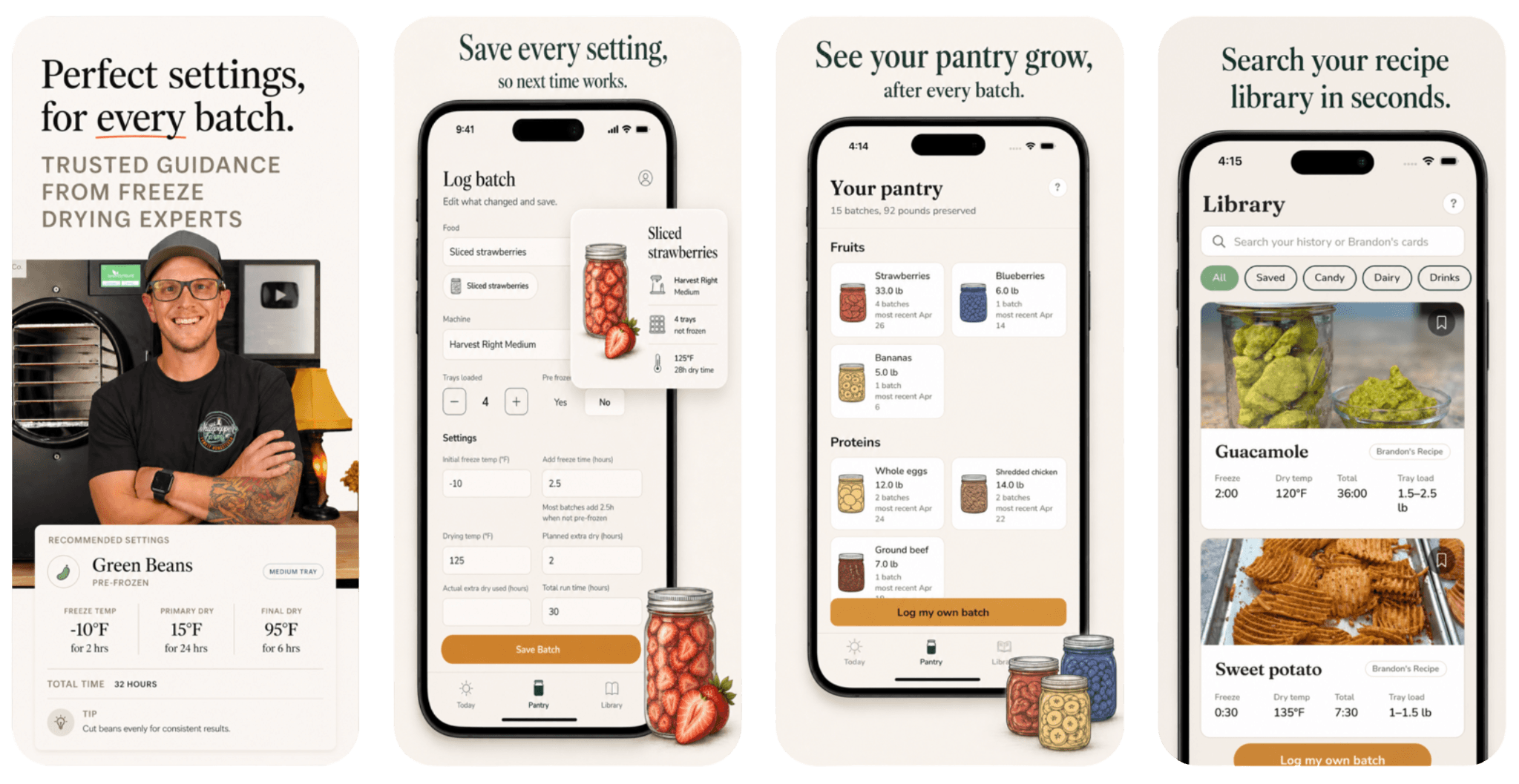
The numbers work in your favor. If you have 100,000 engaged followers and 2% download in the first month, that's 2,000 installs before you spend a cent on ads. Convert a quarter of them to a $9.99/month plan and you're at roughly $5,000 in MRR from launch alone. For the full sequence, see how to get your first 1,000 app subscribers. Around 65% of App Store downloads start with a search (Apple Developer). That means the App Store itself is a search engine, and your listing either ranks for what people type or it doesn't. Most creators upload a name and a logo and call it done. That's leaving free downloads on the table every single day. App Store Optimization is the work of making your listing rank and convert. The levers that matter most:
  • Title and subtitle keywords. Your app name should include the term people search, not just your brand. "Fit by Jane: Home Workouts" beats "Fit by Jane."
  • Screenshots. The first two screenshots drive most install decisions. Lead with the outcome, not a settings menu.
  • Ratings and reviews. Apps with more 5-star reviews rank higher and convert better. Build a prompt to ask happy users at the right moment.
This channel compounds. A listing tuned for search keeps pulling in users who never heard of you, months after launch. We go deep on the mechanics in our App Store Optimization guide for creators and the basics in what is ASO. For the bigger picture on why this matters now, read why the App Store is a new creator growth channel.
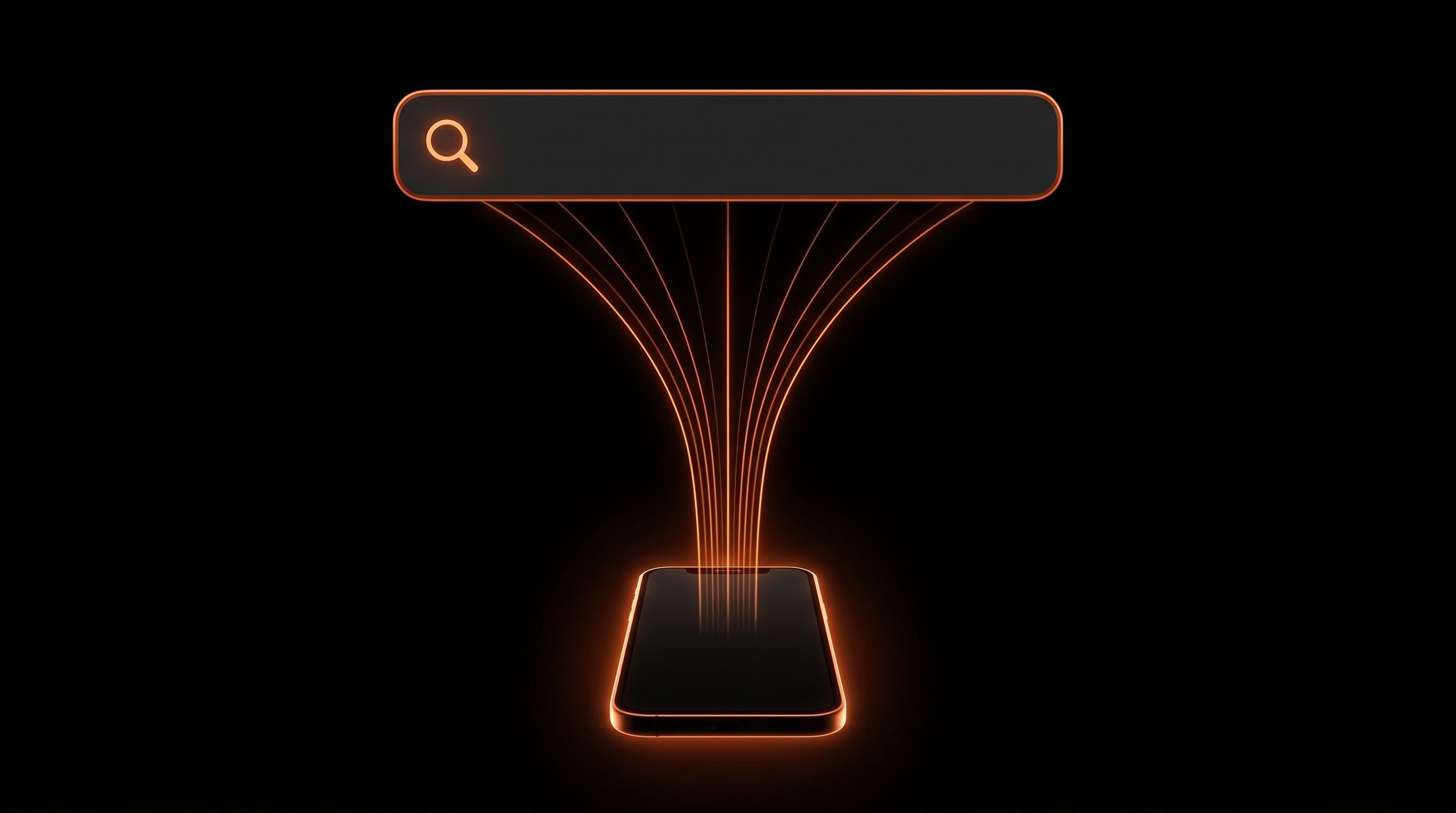
Diagram showing the App Store search bar as a funnel feeding organic installs into a creator app, with a molten orange glow on the search result
The content that sells an app isn't an ad for the app. It's content that shows the app doing its job. A fitness creator filming a workout inside their own app sells more subscriptions than any "download my app" caption, because the viewer sees the value before they pay. This is where a creator app becomes a content machine, not just a revenue stream. Every feature is a video. Every user result is a before-and-after. Every leaderboard is a weekly roundup. The app gives you something to post about every day, which solves the problem every creator has: what do I make next. Three content formats convert:
  • The use-it-live demo. Film yourself using the app for its core job. Show the screen.
  • The user spotlight. A fan's result, captured in the app, reposted. Proof beats promises.
  • The teach-then-bridge. Give away the concept for free, then show how the app makes it easier.
We made the full case for this in how your app becomes your content calendar and broke down the specifics in 6 ways your app writes your content for you. The cheapest revenue you will ever earn comes from people who already downloaded. A reactivated user costs nothing to reach and converts far better than a cold install, yet most creators have no lifecycle plan at all. Two channels do the heavy lifting:
  • Email. Collect the email at signup. Then build a sequence: a welcome that gets the user to their first win, a nudge for anyone who hasn't opened in a week, and a win-back for lapsed subscribers. Email is the one channel you own outright, with no platform skimming a cut.
  • Push notifications. Push is the home-screen tap an email can't deliver. Used well, it pulls users back into a daily habit. Used badly, it gets your app deleted. The line between the two is relevance.
Done right, lifecycle messaging lifts retention, and retention is what makes every other channel profitable. An app that keeps users is an app you can afford to advertise. We wrote the playbook in our push notification guide for creator apps. Your next 10,000 users won't all come from your social feed. The cheapest growth at scale is your existing users bringing in their friends, because a recommendation from a friend converts better than any post you make. Referral works for creator apps when you build the incentive into the product:
  • Give a month, get a month. The classic loop. A user shares, their friend joins, both get a free month.
  • Built-in sharing moments. A workout streak, a finished challenge, a personal best. Make the result easy to screenshot and share with one tap.
  • Community challenges. A group goal where users recruit teammates to win. The app becomes the reason people invite each other.
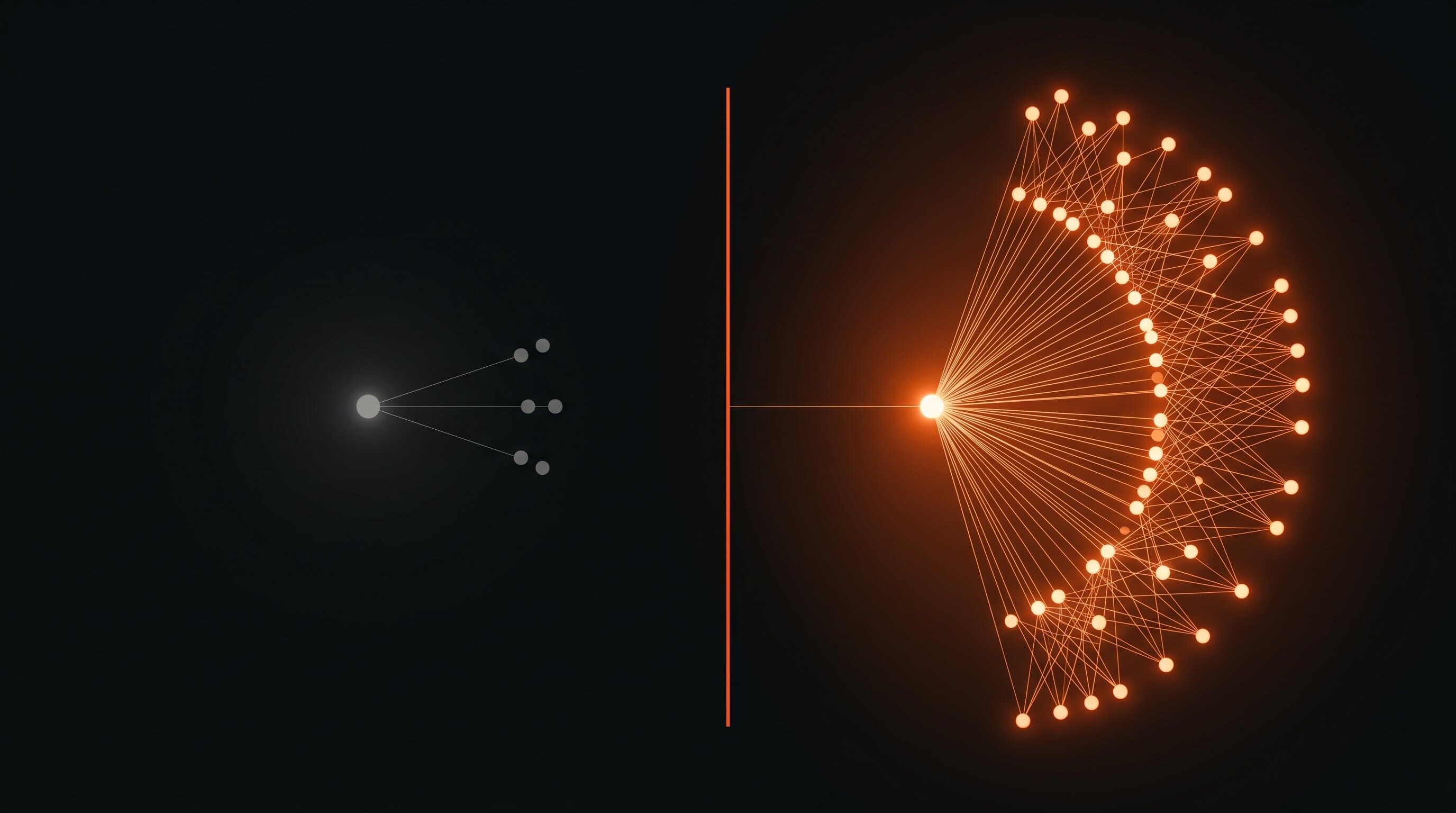
This is how an app grows past the ceiling of your follower count. Each user becomes a node that brings in users who never saw your content. We made the full argument in why your next 10K fans won't come from social media.
Split conceptual image contrasting a single creator post reaching a small group on the left against an app referral loop fanning out to many new users on the right, warm orange light on the growth side
Pay for ads last, only after the free channels work and the math is proven. Paid acquisition is the channel that punishes creators who skip the basics, because you're paying to learn things your own audience could have told you for free. The reason to wait is cost. The average cost per install on iOS is about $4.70, and subscription apps in competitive categories like finance and photo can pay $9 to $14 per install (Business of Apps, 2025). If you're paying $5 to acquire a user who converts to paid at a low single-digit percent, the math only works once you know your numbers cold. You're ready for paid ads when three things are true:
  • You know your conversion rate. What percent of installs become paying subscribers.
  • You know your retention curve. How long the average subscriber stays.
  • Your lifetime value beats your cost to acquire. If a subscriber is worth $40 over their life and an install costs $5, you have room. If not, fix retention first.
Most creator apps convert a low single-digit percentage of installs to paying subscribers, which means the cost to acquire a paying customer is much higher than the cost per install (RevenueCat, 2025). Understand that gap before you spend. We define the key number in what is customer acquisition cost. Spend almost nothing at first, then scale paid spend only against proven lifetime value. The creators who win lean on free channels for as long as those channels keep producing, because organic installs from your own audience and the App Store don't have a cost per user the way ads do. Here's how the six channels compare on cost, speed, and ceiling:
ChannelCostSpeedGrowth Ceiling
Warm audienceFreeFastCapped at follower count
App Store searchFreeSlow buildHigh, compounds
Content / demosTimeMediumHigh
Email and pushLowFastCapped at user base
ReferralsLowMediumVery high
Paid adsHighFastLimited by margin
The pattern is clear. The free and low-cost channels carry the first year. Paid ads are an accelerant you add once the engine runs, not the engine itself. A creator who masters the first five channels often never needs the sixth. For proof this works at scale, look at how Joe Wicks turned a free home-workout following into The Body Coach app or how Kayla Itsines built Sweat into a business that sold for $400M. Neither started with an ad budget. They started with an audience and a product worth talking about. You can launch on $0 in ad spend by using your existing audience, content, and the App Store. Paid acquisition is optional and should only start once you know your conversion rate and lifetime value. The average iOS cost per install is around $4.70, so paid channels only pay off after retention is solid. Warm-audience and content channels produce installs within days of launch. App Store search and referrals compound over weeks and months. Most creator apps see their fastest growth in the first 60 days from the existing audience, then steady organic growth as the listing ranks and referrals kick in. The audience you already own is the best first channel, because those fans trust you and convert at the highest rate. Over the long term, App Store search and referrals deliver users who never saw your content, which is how an app grows past your follower count. No. Many creator apps reach meaningful recurring revenue with zero ad spend, using audience, content, App Store search, and referrals. Ads are an accelerant for apps with proven unit economics, not a requirement to launch. Optimize your listing for search: put real keywords in your title and subtitle, lead with outcome-focused screenshots, and build a steady flow of 5-star reviews. Around 65% of downloads start with a search, so a tuned listing pulls in users for free every day. The product was the easy part. The creators who build real recurring revenue treat marketing as a weekly system, not a launch-day event: warm audience first, then the App Store and content, then lifecycle and referrals, and paid ads only when the math works. You already have the hardest asset to build: an audience that trusts you. Point it at the right channels in the right order and the app compounds. Want an app that's built and marketed to grow from day one? We build custom subscription apps for creators. $0 upfront, three-week delivery, and we run the tech and the growth system forever.
Let's Build →

Creator app strategy

Want us to review your creator business?

Apply for a Foundry Creator App Review. We'll tell you whether there is a real app opportunity hiding in your audience.

How to Market a Creator App: 6 Channels That Work