
What Is ASO? App Store Optimization Explained

What Is ASO? App Store Optimization Explained

Foundry
April 20, 2026
App Store Optimization (ASO) is the process of improving your app's visibility in the App Store and Google Play so it ranks higher in search results and gets more downloads. Think of it as SEO, but for apps. And if you're a creator with an app, ASO is the difference between your product being discovered by millions of potential users and sitting invisible at the bottom of search results. Key Takeaways:
  • 65% of App Store downloads come directly from search (Apple, 2024)
  • Proper ASO increases organic downloads by 9% on iOS and 12% on Google Play (SplitMetrics, 2026)
  • 90% of apps featured on the App Store have a rating of 4.0 or higher (AppTweak, 2025)
  • Apps that A/B test screenshots quarterly see 20 to 30% higher conversion rates than those that update annually
  • In 2026, both stores shifted ranking weight from raw downloads toward retention and session frequency
ASO is the practice of optimizing every element of your app's store listing to rank higher in search, convert more browsers into downloaders, and grow without paid ads. It covers your app title, subtitle, keywords, description, screenshots, preview video, icon, ratings, and reviews. Here's why this matters for creators specifically: your app doesn't just serve your existing audience. It's a storefront that 230+ billion annual app downloads flow through (Statista, 2025). The people searching "meal planner" or "daily workout" or "budget tracker" in the App Store have never seen your content. They don't follow you. They're discovering your product the same way they'd discover Nike or Headspace. That's the entire thesis behind why your next 10K fans won't come from social media. ASO is the mechanic that makes it happen. Most creators launch an app, announce it once on Instagram, and then wonder why downloads flatline after the first week. The initial spike comes from your audience. The sustained growth comes from search. Consider the math. Say you have 200,000 Instagram followers. Maybe 5% click through to your app link on launch day. That's 10,000 downloads. Nice. But what happens on Day 30? Day 90? Day 365? Without ASO, the answer is almost nothing. With ASO, your app keeps acquiring users every single day from people who searched for a problem your app solves. These users often convert at higher rates than followers because they have buying intent. They searched for "meditation timer" or "calorie tracker" because they want one right now. This is the revenue channel most creators miss entirely. Your followers are your launch engine. The App Store is your growth engine. ASO is the fuel.
Growth ChannelReachCostSustainability
Social media announcementsYour followers onlyFree (time)Spikes then drops
Paid user acquisitionBroad but expensive$1 to $5+ per installStops when budget stops
App Store search (ASO)Anyone searchingFree (optimization)Compounds over time
App Store editorial featuresMassive but rareFree (quality dependent)One-time boost
Both Apple and Google use algorithms to decide which apps appear first when someone searches. The ranking factors break into two categories: metadata (what you control directly) and performance signals (what users control). Metadata factors you control:
  • App title and subtitle: The most heavily weighted text fields. Include your primary keyword naturally. "FitPlan: Workout & Meal Planner" beats "FitPlan" alone.
  • Keyword field (iOS only): Apple gives you 100 characters of hidden keywords. Use every character. No spaces after commas. No duplicates of words already in your title.
  • Description: Google Play indexes your full description for keywords. Apple does not, but a strong description still converts browsers into downloaders.
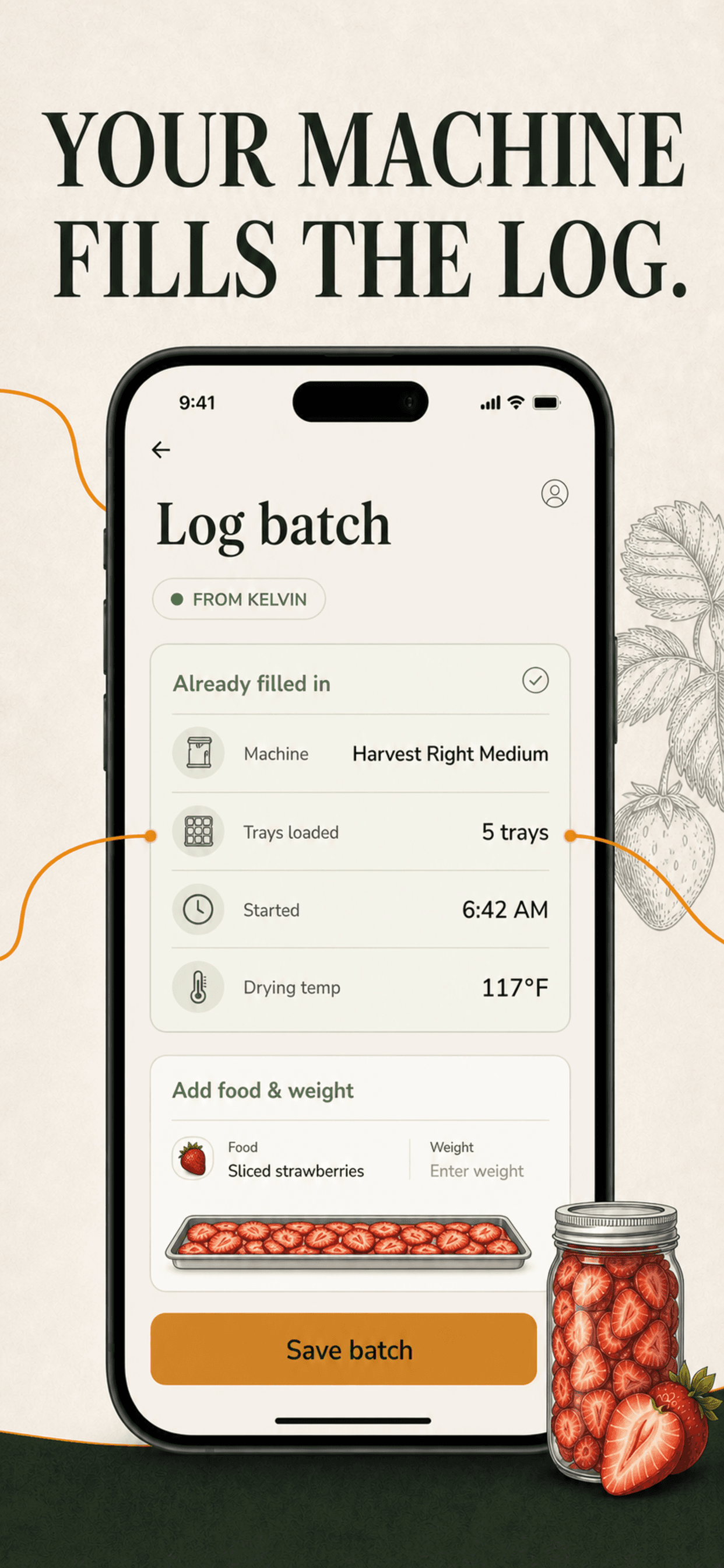
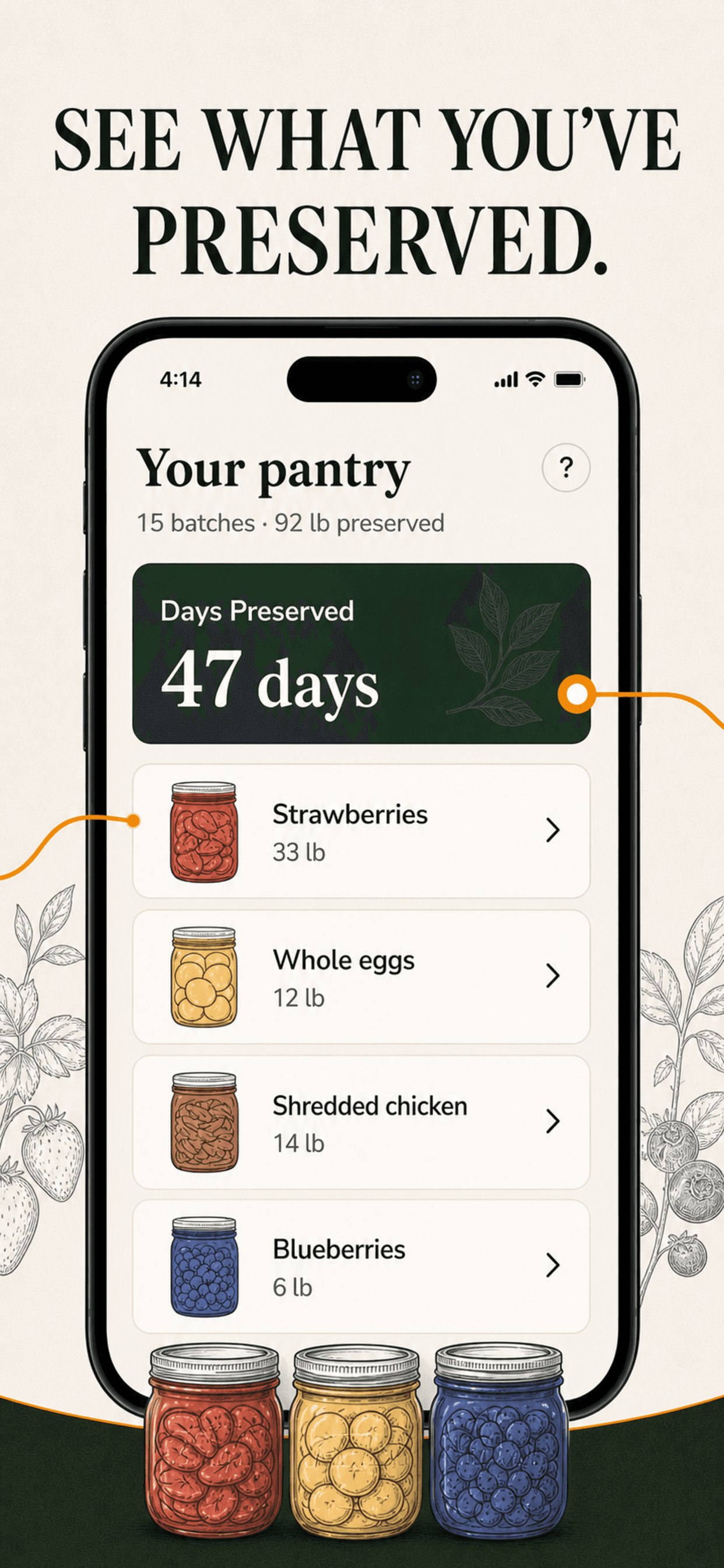
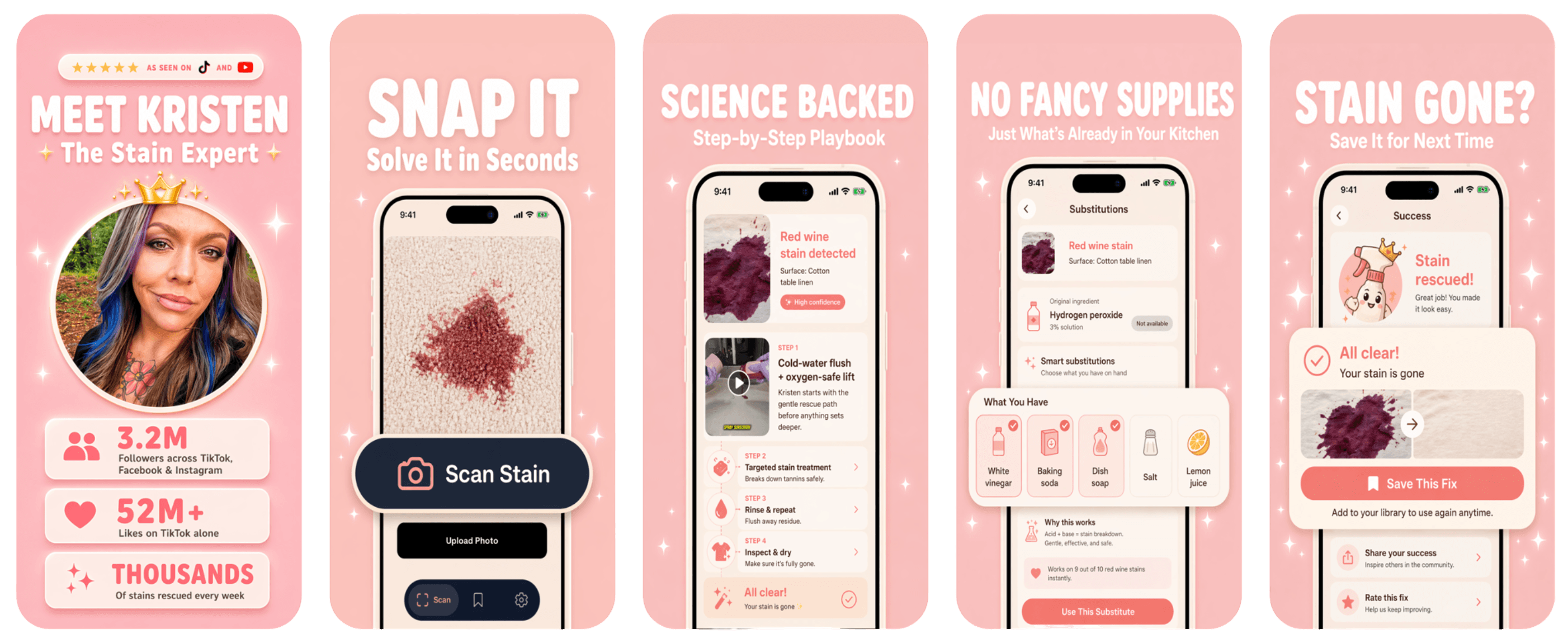
  • Screenshots and preview video: These don't affect search ranking directly, but they determine whether someone who finds you actually taps "Get." Apps that A/B test screenshots quarterly see 20 to 30% higher conversion.
Performance signals you earn:
  • Ratings and reviews: 90% of featured apps have a 4.0+ rating. Volume matters too. An app with 5,000 reviews at 4.5 stars will outrank an app with 50 reviews at 4.8 stars.
  • Download velocity: A spike in downloads signals relevance. This is why launch week matters so much for creators with audiences.
  • Retention and engagement: In 2026, both stores shifted ranking weight from raw installs toward retention metrics. An app with 40% Day 30 retention ranks higher than one with 2x the downloads but 10% retention.
  • Update frequency: Regular updates signal an active, maintained product. Stores reward apps that ship improvements.
Creator apps have a structural advantage most people overlook. You have something 99% of apps in the store don't: a built-in audience that can generate the initial download velocity and review volume that ASO algorithms reward. Here's the playbook: 1. Nail the launch spike. When you announce your app to your audience, the download velocity in the first 48 to 72 hours sends a strong signal to the algorithm. Coordinate your launch across platforms. Tell your followers to download AND leave a review. This initial burst compounds into organic search ranking. 2. Optimize for keywords your audience doesn't search. Your followers will find your app by searching your name. That's easy. The bigger opportunity is ranking for generic terms like "daily yoga" or "strength training plan" or "budget tracker." These are the queries from strangers who'll discover your app cold. 3. Keep your rating above 4.5. Prompt users for reviews after positive moments (completing a workout, hitting a streak, seeing results). Never prompt after a frustrating experience. The timing of your review prompt matters more than how many times you show it. 4. Update your screenshots every quarter. Show seasonal content, new features, or fresh social proof. Apps that refresh their creative assets regularly convert better because the screenshots signal an active, evolving product. If you want to understand how this feeds into subscriber growth, read how to get your first 1,000 app subscribers. ASO is step one. Conversion and retention are what turn downloads into MRR. Mistake 1: Using your name as the only keyword. If your app title is just "Sarah's App," you're invisible to the 65% of users who search by category. Include a descriptive keyword: "Sarah's Kitchen: Meal Plans & Recipes." Mistake 2: Ignoring the subtitle field. Apple gives you 30 characters in the subtitle. This is prime keyword real estate. "Workouts, Nutrition & Coaching" tells the algorithm exactly what your app does. Mistake 3: Never updating your listing. Your launch screenshots shouldn't still be there 6 months later. The App Store rewards fresh content and penalizes staleness. Treat your listing like a landing page that needs ongoing optimization, not a "set it and forget it" billboard. Most creators spend weeks perfecting their app and zero minutes on their store listing. That's backwards. A great creator app that nobody can find is just expensive software sitting on a server. Want to turn your expertise into an app that actually gets found? We build custom creator apps with ASO strategy from day one. $0 upfront, 3 weeks to the App Store, and we handle optimization forever.
Let's Build →
ASO itself is free. You're optimizing metadata and creative assets you already control. Paid ASO tools (AppTweak, Sensor Tower, SplitMetrics) range from $50 to $500/month for keyword tracking and A/B testing. Most creator apps don't need paid tools early on. Good fundamentals beat expensive software. Expect 4 to 8 weeks for ranking changes to stabilize after a major update. Smaller tweaks (keyword adjustments, screenshot refreshes) can show impact within 1 to 2 weeks. ASO compounds: each improvement builds on previous gains. Yes. Apple indexes your title, subtitle, and hidden keyword field. Google Play indexes your title, short description, and full description (up to 4,000 characters). Google also weighs backlinks to your Play Store listing and in-app purchase keywords. Optimize for each store separately. Your audience gets you the launch spike. ASO gets you the next 12 months of growth. Without it, your download curve flatlines after the initial announcement. With it, your app keeps acquiring users from people who have never seen your content. That's the difference between a launch and a business. Yes. ASO is part of how we build and run creator apps. We handle keyword research, listing optimization, screenshot design, and ongoing performance monitoring. You approve the vision. We handle the rest.

Get Creator Revenue Insights

How creators are turning audiences into subscription businesses

You might also enjoy...

What Is ASO? App Store Optimization Explained