
How Your App Becomes Your Content Calendar

How Your App Becomes Your Content Calendar

Foundry
March 19, 2026
Key Takeaways:
  • 61% of creators say coming up with new content ideas is their biggest ongoing challenge (ConvertKit, 2024)
  • A subscription app generates 6+ content types automatically from user activity alone
  • Creators with their own apps report spending 70% less time on content ideation
  • Every user submission, milestone, and leaderboard update is a post you didn't have to brainstorm
  • The content treadmill only breaks when your product starts producing ideas for you
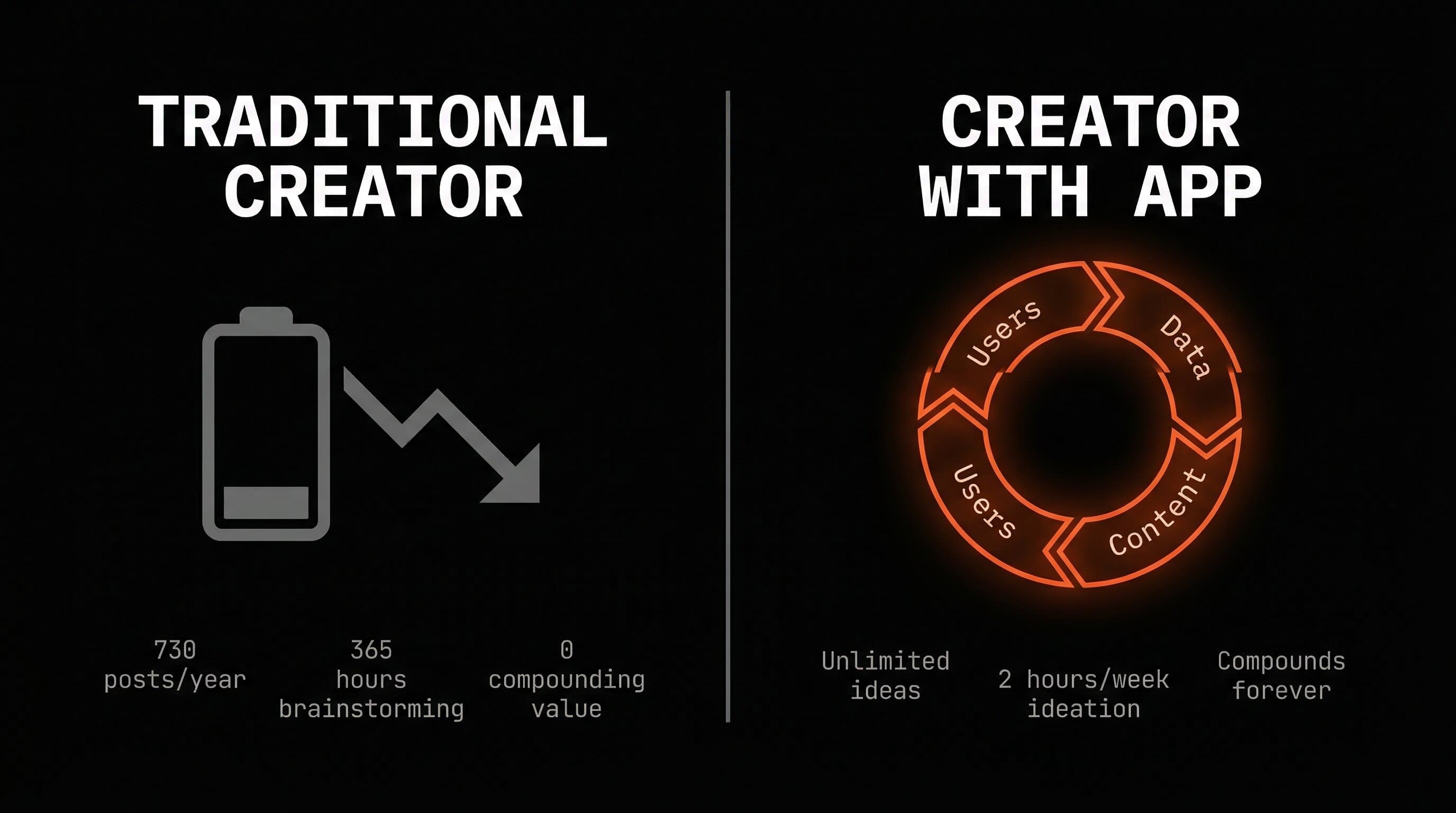
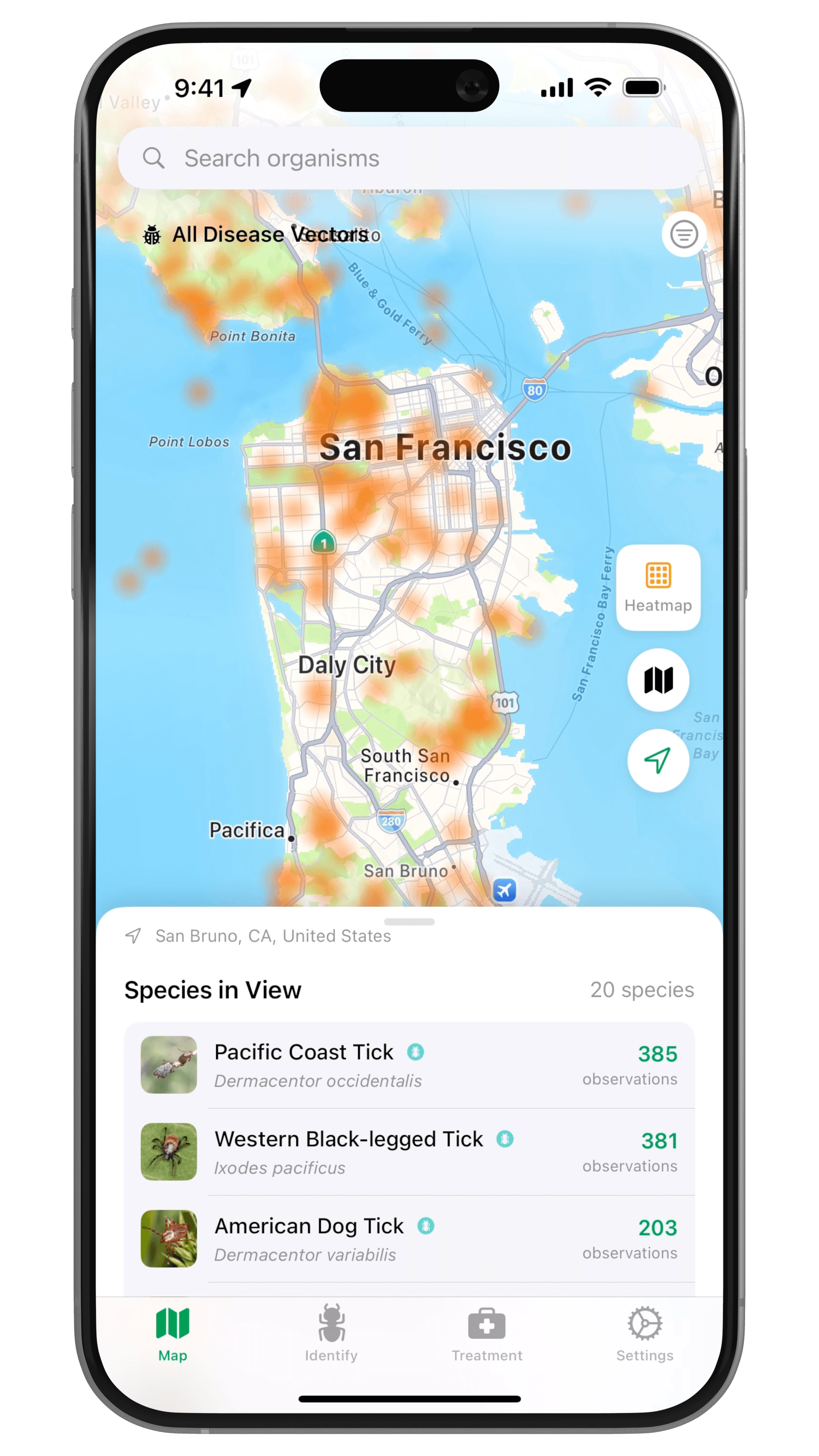
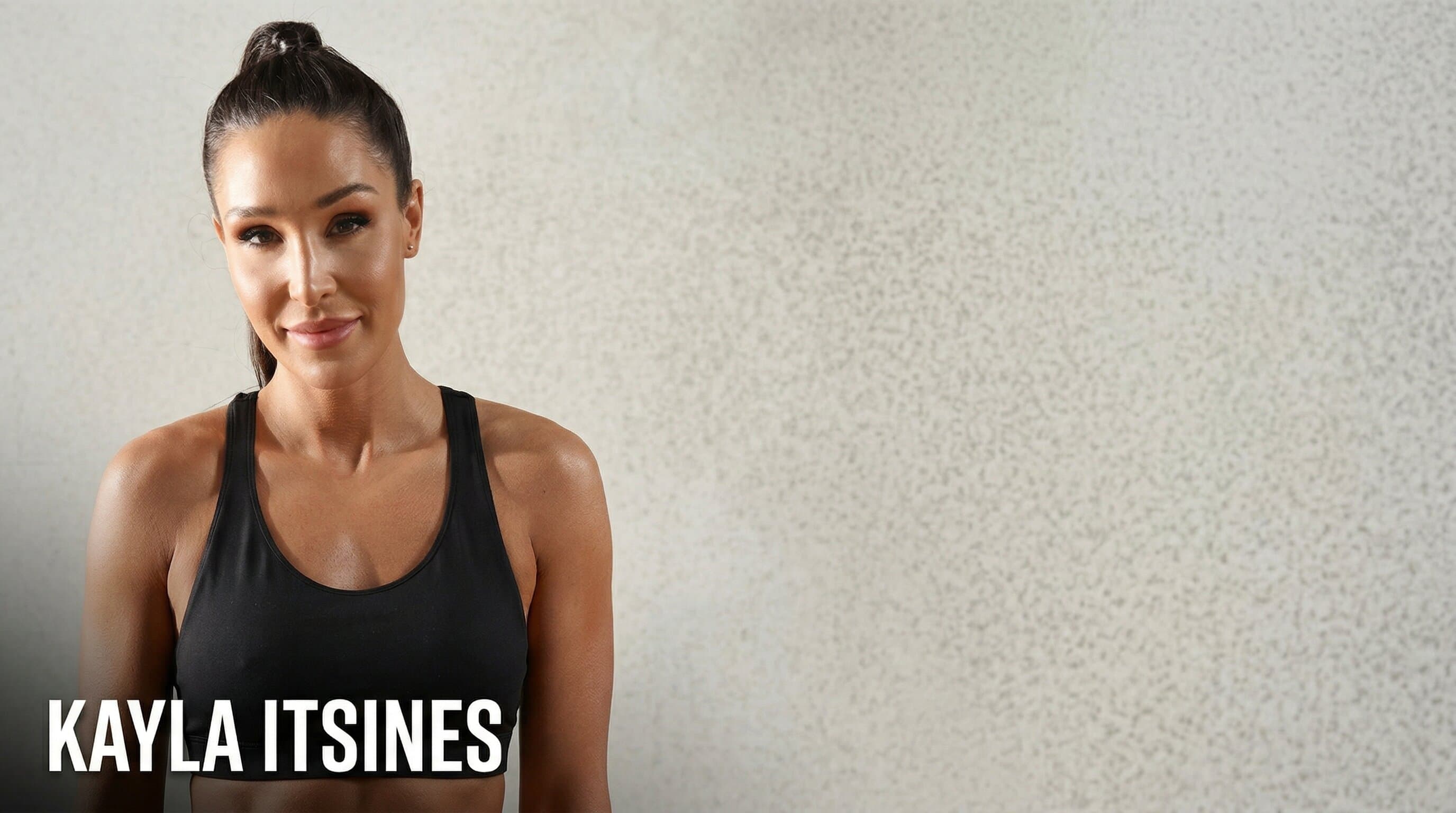
You posted yesterday. You posted the day before that. And now you're staring at your phone again, trying to figure out what to post today. This is the content treadmill. Every creator knows it. The constant pressure to brainstorm, script, film, edit, and publish just to stay relevant. Miss a few days, and the algorithm punishes you. Take a vacation, and your income drops. But some creators don't have this problem. Kayla Itsines posts user transformations from her Sweat app. Cassey Ho shares Blogilates workout completions. Chloe Ting reposts challenge results from her fitness app. They aren't brainstorming content. Their apps are generating it. This is the part of owning an app that nobody talks about: your app becomes your content calendar. Content burnout is the single biggest threat to a creator's career. A 2024 ConvertKit survey of 2,000+ creators found that 61% identified "coming up with new content ideas" as their most persistent challenge. A separate Vibely report found that 90% of creators have experienced burnout, with content ideation being the primary driver. The math is brutal. If you post daily across two platforms, that's 730 pieces of content per year. Even at 30 minutes of ideation per post, you're spending 365 hours a year just thinking about what to say. That's nine full work weeks spent staring at a blank screen. And here's the problem: the content treadmill doesn't build anything. You create, it performs (or doesn't), and then you do it again. Nothing compounds. Nothing generates the next thing. An app changes that equation completely. Here's how a subscription app turns user activity into an endless supply of content. These aren't theoretical. Real creators are doing every one of these right now. Every fitness app user who hits a milestone is a before/after post. Every nutrition app user who logs 30 days straight is a story. Every language app user who completes a level is a celebration reel. Kayla Itsines built an entire content strategy around Sweat app transformations. Her #BBGCommunity hashtag has over 26 million posts on Instagram, almost entirely user-generated. She didn't create that content. Her app users did. Whitney Simmons does the same with her Alive app. User progress screenshots become Instagram stories. Workout completions become weekly roundups. The content writes itself because the app tracks everything. If your app has any ranking system, you have a weekly content series. Top scorers. Fastest completers. Most consistent users. Biggest improvers. Mark Rober's CrunchLabs uses build challenges and user submissions as core content. Kids submit their creations, and the best ones become YouTube videos. The subscription box generates the content that sells the next subscription box. Content you get from leaderboards:
  • Weekly "Top 10" posts
  • Monthly champion spotlights
  • Streak celebration stories
  • "Can you beat this score?" challenge posts
Every support ticket, every FAQ search, every in-app question is a content idea handed to you on a plate. Layne Norton's Carbon Diet Coach generates content this way constantly. When users ask about reverse dieting in the app, that becomes a YouTube video. When users hit a plateau, that becomes an Instagram carousel explaining how the algorithm adjusts. The app surfaces what his audience actually wants to learn about. This is better than guessing what your audience cares about. Your app data tells you exactly what they're struggling with.
Comparison of traditional content creation vs app-driven content
Your app collects anonymized data that nobody else has. That's exclusive content. "Our app users completed 2.3 million workouts last month." "The average user improved their score by 34% in 90 days." "The most popular workout time is 6:47 AM." These are the kinds of posts that get shared, screenshot, and cited, because nobody else can publish this data. Cassey Ho shares Blogilates app data regularly: total workout minutes, most popular routines, community milestones. Each data point is a social post, an email subject line, and a story.
Content TypeTraditional CreatorCreator With App
Weekly posts needed7-14 (all from scratch)3-5 (rest from app data)
Ideation time per week5-10 hours1-2 hours
User-generated contentLimitedUnlimited
Data-driven postsNone (no proprietary data)Weekly (exclusive insights)
Evergreen content ideasRuns drySelf-renewing
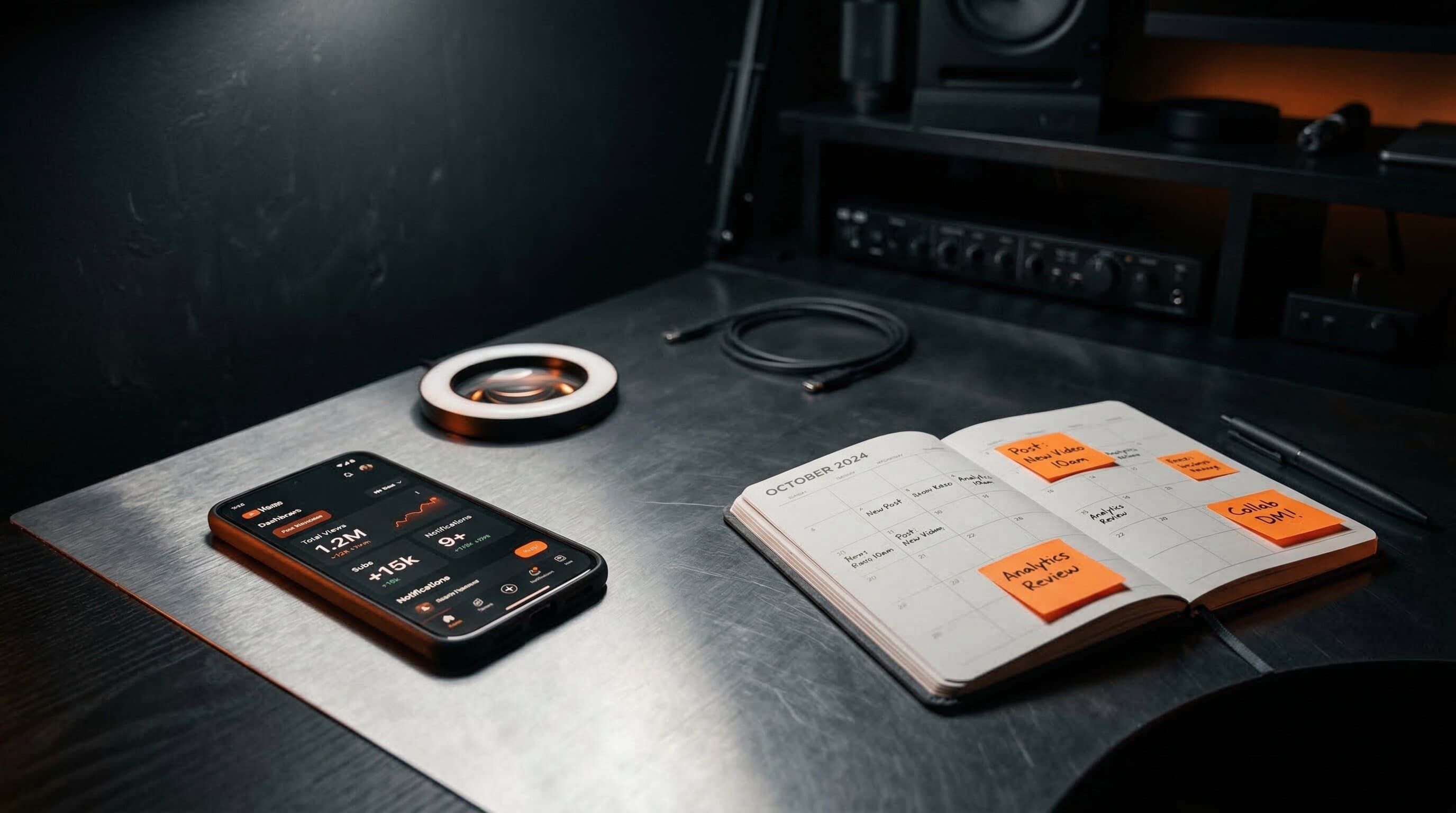
Every app update is a content event. New feature? That's a reveal video. Bug fix based on user feedback? That's a "we heard you" post. Design refresh? That's a comparison reel. Hank Green's Focus Friend gets content from every update cycle. New productivity features, user-requested changes, seasonal themes. Each update gives him something to talk about that directly promotes the app without feeling like an ad. Compare this to a creator without a product: they have to manufacture events. An app creator's business naturally produces them. The difference isn't just volume. It's quality. Traditional creator content follows a pattern: brainstorm, produce, hope it performs, repeat. The creator is the entire engine. If they stop, everything stops. App-driven content follows a different pattern: users interact with the product, the product generates data and stories, the creator curates and shares. The creator becomes an editor, not a factory. Brendon Burchard's GrowthDay app generates content from live coaching sessions, user progress metrics, and community wins. He went from producing all his own content to curating content that his platform produces. That's a fundamental shift in how a creator business operates. This is what we mean when we talk about building beyond your audience. Your app doesn't just monetize your followers. It creates a feedback loop where the product generates content, the content attracts users, and those users generate more content. "Our 10,000th user just signed up." "Someone just completed their 365th consecutive day." "This user went from beginner to advanced in 6 months." These moments happen organically when you have an app. You don't schedule them. You just celebrate them when they arrive. Tone It Up's Karena Dawn and Katrina Scott built their entire social presence around community milestones. Challenge completions, membership anniversaries, group achievements. The app tracked it all. Without a product generating content for you, you're stuck in the content treadmill. Here's what that looks like: Monday: Spend 2 hours brainstorming video ideas. Film one. Edit for 3 hours. Tuesday: Scroll competitors for inspiration. Brainstorm again. Film another. Wednesday: Realize your best idea from Monday already got posted by someone else last week. Thursday: Burnout hits. Post a "day in my life" as filler. Friday: Repeat. With an app, your Monday looks different. You open your dashboard. 47 users completed a challenge over the weekend. Three hit major milestones. One sent a message saying your app changed their routine. You have five posts before you finish your coffee. The creator who builds a product stops being a content factory and starts being a content curator. That's not a small shift. That's the difference between a job and a business. Not every creator needs an app. But if you check three or more of these boxes, you're leaving content (and revenue) on the table:
  • You post 5+ times per week and struggle to fill the calendar
  • Your audience regularly asks you the same questions
  • You have expertise that could be turned into a tool, tracker, or challenge
  • You spend more than 5 hours per week on content ideation alone
  • You've thought about building a course but hate that it "ships once and dies"
If that sounds familiar, the answer isn't to post more. It's to build something that posts for you. At Built by Foundry, we build subscription apps for creators in three weeks, at $0 upfront. We handle the design, development, App Store submission, and ongoing updates. You bring your expertise and audience. We build the product that turns your app users into your content calendar. Your app doesn't just make money. It makes content. And that content makes more users, who make more content. That's a flywheel. That's a business.
Let's Build →
A subscription app with 500+ active users generates 5-10+ content ideas per week from user activity alone. Transformations, milestones, questions, data trends, and community moments all produce shareable content without any brainstorming. No. Even 50K engaged followers is enough to launch an app that generates content. The content flywheel works at any scale because it's driven by user activity, not audience size. As we've covered, 50K engaged followers beats 5M passive ones. Most agencies charge $50K to $200K and take 6 to 12 months. Built by Foundry ships in 3 weeks at $0 upfront with a revenue share model. We handle everything so you can focus on your content and community. Fitness apps (transformations, workout completions), educational apps (progress milestones, quiz results), and community apps (leaderboards, challenges) generate the most organic content. Any app where users track progress or submit results becomes a content engine. Yes. The app doesn't replace your creative vision. It supplements it. You still create the cornerstone content that defines your brand. The app fills in the gaps with user stories, data posts, and milestone celebrations that would have been blank slots on your calendar.

Get Creator Revenue Insights

How creators are turning audiences into subscription businesses

You might also enjoy...