

Turning Knowledge into Products

App Store Optimization for Creators: 2026 Guide

Foundry
June 4, 2026
Share
App Store Optimization for Creators: 2026 Guide

Get Creator Revenue Insights

How creators are turning audiences into subscription businesses
Share
Key Takeaways:
  • App Store Optimization for creators is the practice of structuring your app's listing so it ranks in search and converts strangers into subscribers
  • Roughly 65% of App Store downloads start with a search, which means your app can acquire customers who have never seen a single one of your videos (Apple / DigitalApplied, 2026)
  • The App Store is more crowded than ever: new subscription apps now launch at 14,700 per month, up from 2,000 in January 2022 (RevenueCat, 2026)
  • iOS listings convert taps to installs at a 33.4% median, so your screenshots and title do as much selling as your content does
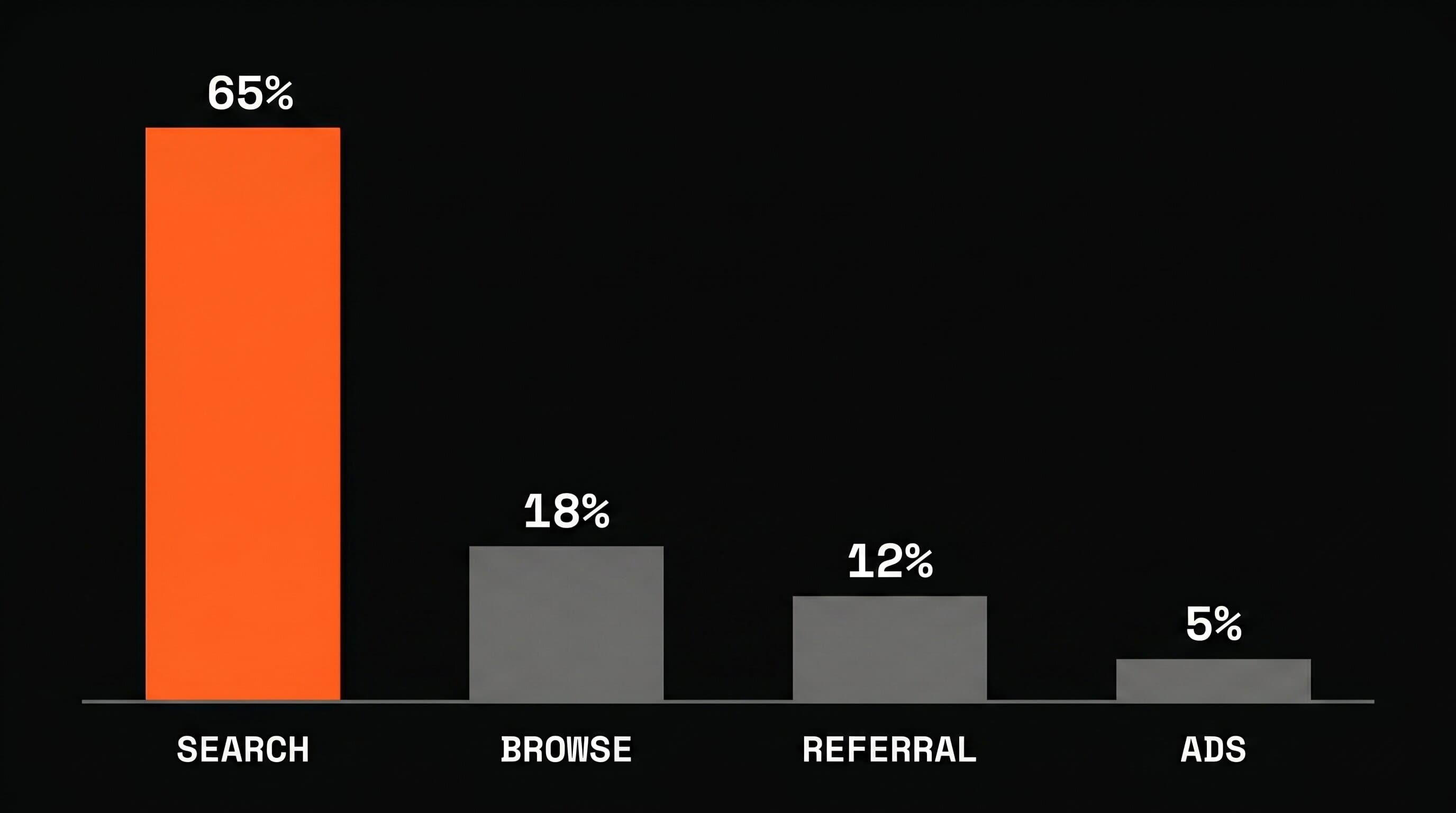
App Store Optimization for creators is the practice of structuring your app's title, keywords, screenshots, and ratings so the App Store ranks it in search and turns visitors into paying subscribers. It is SEO for the App Store, and for a creator it does something your social feed cannot: it sells your product to people who do not follow you. What is ASO? ASO is the process of improving an app's visibility and conversion inside an app store's search and browse surfaces, using the title, subtitle, keyword field, screenshots, icon, and reviews to rank higher and earn more installs. Most creators treat the App Store like a parking lot. They build an app, drop the link in their bio, and assume the only people who will download it are the ones who already watch them. That leaves the biggest growth lever in mobile completely untouched. The same listing that your fans tap from your bio is also a storefront that millions of strangers walk past every day. ASO decides whether they stop. If you want the one-paragraph version of the concept first, read our plain-English breakdown of what ASO is. This guide is the how-to. ASO matters more in 2026 because the App Store is the most competitive it has ever been, and competition rewards the apps that show up in search. New subscription apps now launch at a rate of 14,700 per month, a 7x jump from 2,000 per month in January 2022 (RevenueCat, 2026). That is the supply side getting loud. At the same time, apps that launched before 2020 still generate 69% of all subscription revenue, which tells you that incumbency and discoverability compound. The apps that get found early keep getting found. For a creator, this cuts both ways. The crowd makes it harder to stand out on raw luck. But it makes ASO a moat, because most creators never touch it. They have an audience, a niche, and a product their fans already want. Wire that into a listing built for search and you outrank apps with bigger marketing budgets and no built-in demand. This is the third leg of why creators build apps in the first place. An app does not just earn recurring revenue and feed your content calendar. It acquires fans on its own through search. The App Store is a growth channel most creators are ignoring, and ASO is how you switch it on. Search is the single largest source of App Store downloads, and it is not close. About 65% of iOS installs begin with a search, ahead of browse at roughly 18%, referrals at 12%, and paid ads at 5% (Apple / DigitalApplied, 2026). Read that again. Two out of three downloads come from someone typing words into the search bar. Not from your bio link. Not from an ad. From a stranger searching "home workout," "meal planner," or "guitar practice" and tapping the first app that looks right.
Bar chart showing where App Store downloads come from: search at 65 percent dwarfing browse, referrals, and ads
That changes how you should think about your app. Your bio link captures demand you already created. Search captures demand you did not. A fitness creator with 80,000 followers might convert a few thousand of them. But the App Store has millions of people searching for what that creator teaches, every month, who will never scroll past their content. ASO is how your app meets them. Apple's search algorithm reads specific fields when it decides where your app ranks. Get these right and you compete; ignore them and you are invisible no matter how good the app is. Here is what each field does and how much weight it carries.
Listing FieldWhat It DoesASO Weight
App Title (30 chars)Strongest ranking signal; put your #1 keyword hereVery High
Subtitle (30 chars)Second ranking signal; a secondary keyword plus a benefitHigh
Keyword Field (100 chars)Hidden iOS field; comma-separated terms, no spacesHigh
Screenshots and IconDo not rank you, but decide if searchers tap installConversion
Ratings and ReviewsVolume and freshness feed both ranking and trustHigh
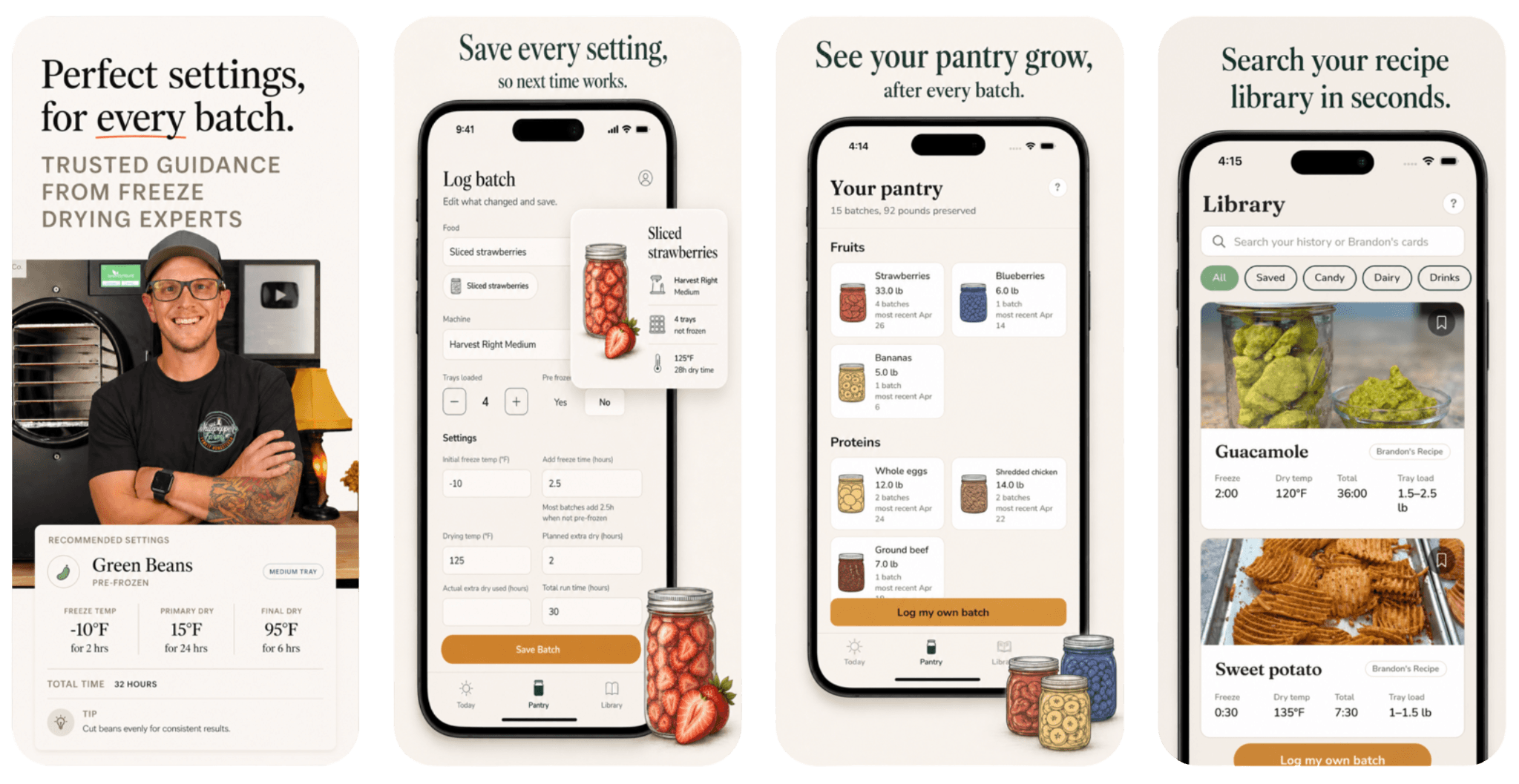
The title and subtitle are the heaviest signals, and they are public, so they have to read like marketing and rank like SEO at the same time. "Sculpt: Home Pilates Workouts" ranks for pilates, home, and workouts while still selling. "MyApp" ranks for nothing. The 100-character keyword field is hidden from users, so you stuff it with every relevant term: no spaces, just commas, no repeated words from your title. Ratings deserve their own mention. Volume and recency both feed ranking, and they feed trust at the same time. An app with 2,000 reviews at 4.8 stars converts searchers who have never heard of you. Look at how Bobby Parrish turned a food audience into a 138K-rated app: that review wall is an ASO asset competitors cannot buy. Prompt for reviews in-app, right after a user hits a win. You choose keywords by targeting the exact phrases your future subscribers type, not the broad terms every app fights over. Specificity wins, the same way it does in the long-tail SEO strategy behind getting your first 1,000 subscribers. Start with three buckets:
  • Problem keywords. What does your audience search when they have the problem your app solves? "Lose belly fat," "meal prep for the week," "learn fingerstyle guitar." These have intent.
  • Niche keywords. The specific corner you own. A general "fitness" app drowns. "Postpartum strength training" or "kettlebell for runners" ranks fast because fewer apps compete.
  • Branded keywords. Your name and your app's name. Fans search these directly, and you should own the top result, not a copycat.
Broad terms like "fitness" or "recipes" carry huge search volume and brutal competition. You will sit on page nine forever. A creator's advantage is the niche: you already speak to a specific person, so target the specific phrase that person searches. A smaller keyword you rank #1 for beats a giant keyword you rank #80 for every single time. Check your real ranking the honest way. Open the App Store, search your target keyword, and count how far down your app sits. If you are not on the first screen, that keyword is sending you zero installs. Keywords get you found. Screenshots get you installed. On iOS the median tap-through-to-install rate is 33.4%, which means two out of three people who reach your listing leave without downloading (DigitalApplied, 2026). Your creative is the difference between those two groups.
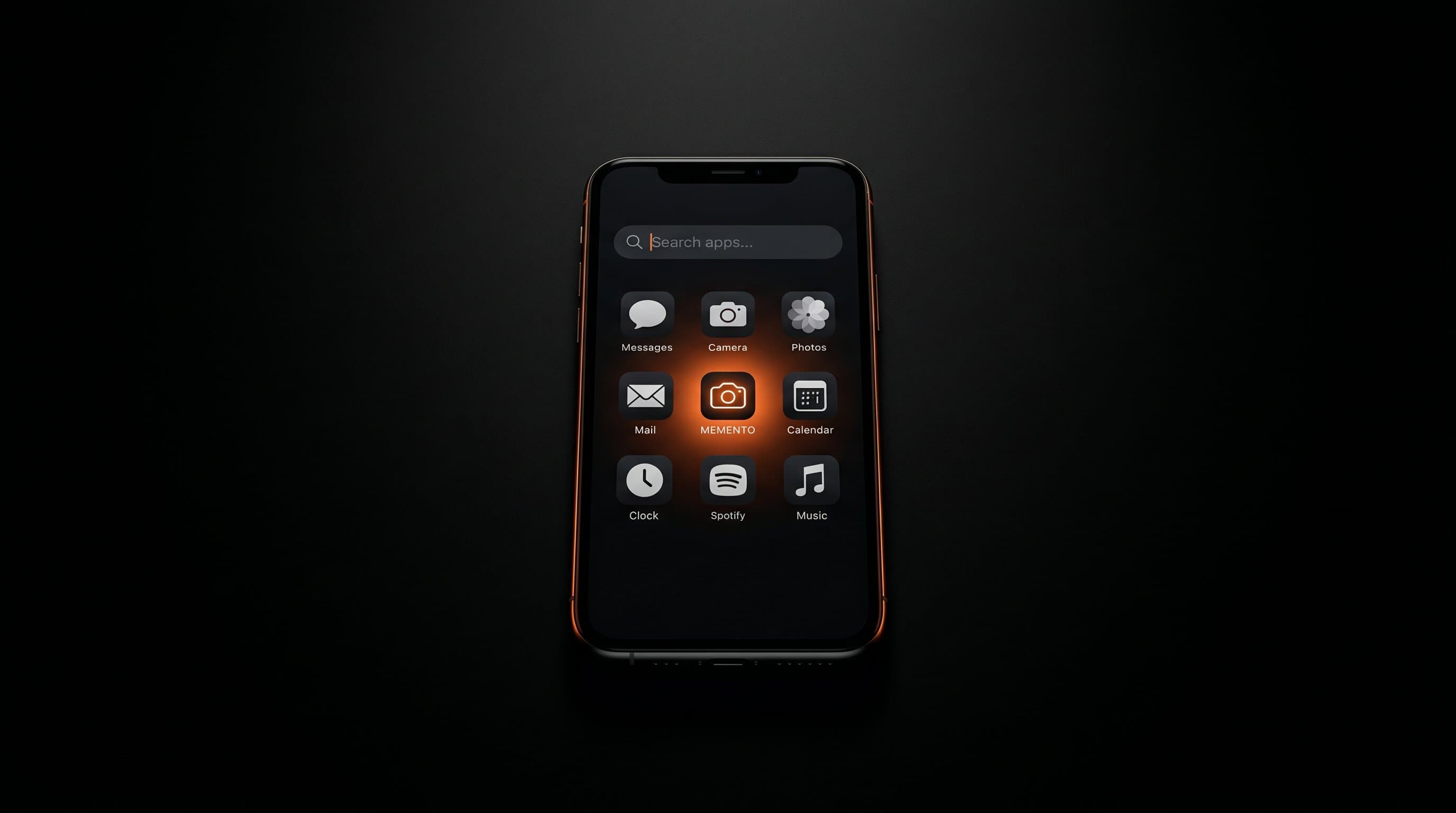
A single app icon glowing above a grid of dim competitor icons on a dark surface, lit with a warm orange accent
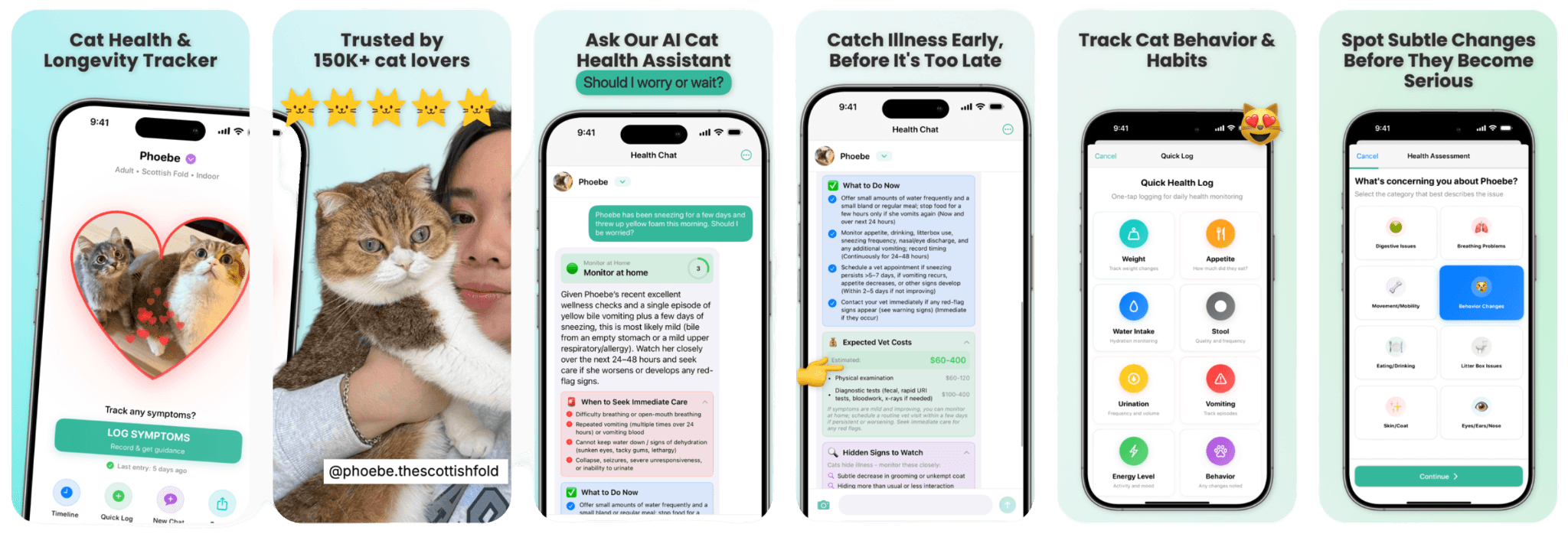
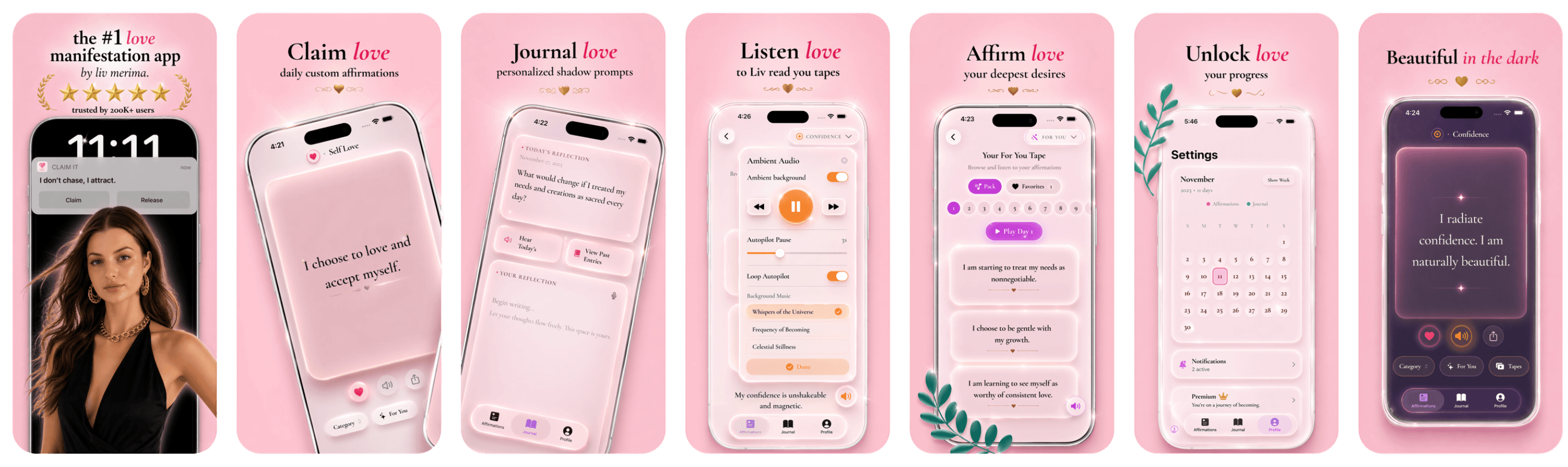
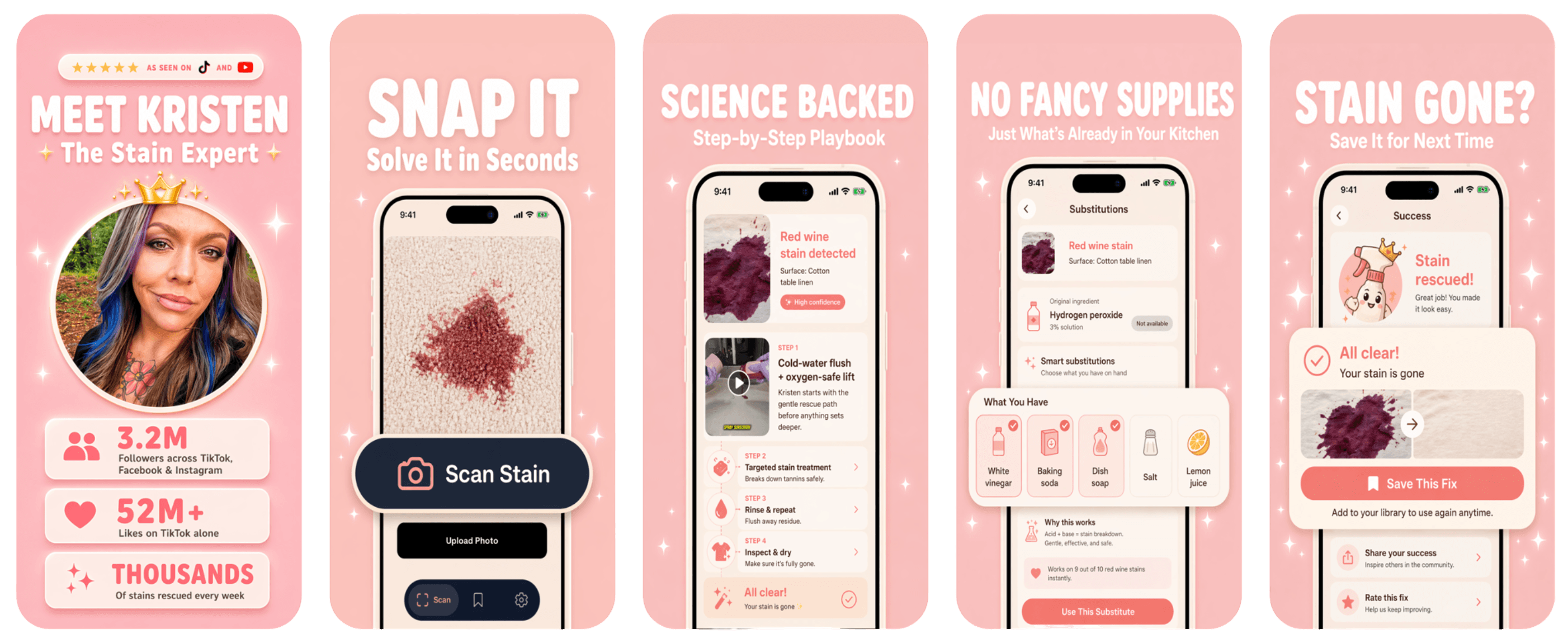
The first three screenshots render above the fold, so they carry the entire pitch before anyone scrolls. Treat them like a thumbnail, not a gallery. Lead with the outcome, not the feature: "Get your first pull-up in 6 weeks" beats a plain shot of the home screen. Use bold captions on each one. Show a real person where it fits. The icon matters too: simple, high-contrast, recognizable at the size of a fingernail. This is also where your audience advantage shows up again. You already know the exact words that make your people lean in, because you have tested them in captions and hooks for years. Put those words on your screenshots. Most creator apps leave installs on the table for avoidable reasons. The pattern repeats:
  • Naming the app after themselves only. "Jordan's App" ranks for "Jordan" and nothing else. Put a keyword in the title.
  • Ignoring the keyword field. That hidden 100 characters is free ranking real estate. Empty, it is wasted.
  • Generic screenshots. A clean UI shot sells nothing. An outcome with a caption sells.
  • Never asking for reviews. Reviews feed ranking and trust. Apps that prompt at the right moment pull ahead.
  • Set it and forget it. ASO is not a launch task. Rankings move, competitors change, and the listing needs regular tuning, which is part of why creators need a partner who runs the app, not just builds it.
None of these require code. They require treating the listing like the storefront it is. Most creators never do, which is exactly why the ones who do pull away. ASO starts moving rankings within two to four weeks of a solid listing update, and compounds from there. It is not instant, and it is not a one-time fix. The algorithm needs time to register a new title or keyword set, gather install and conversion data, and adjust your position. Early on, a niche keyword can rank within days because competition is thin. Broad keywords take months of accumulated reviews and downloads. The work is iterative: ship the listing, watch the rankings, swap the weak keywords, refresh the screenshots, repeat. That ongoing loop is why ASO rewards apps with someone actively running them. The same discipline applies to getting featured by Apple, which is a longer game built on top of strong ASO fundamentals. Found the listing once, and it decays. Tend it, and it compounds into a channel that brings you subscribers while you sleep. ASO itself is free to do. The fields, keywords, and screenshots are all under your control at no charge. The cost is the time and expertise to research keywords and design converting creative. Built by Foundry handles ASO as part of building and running your app, with $0 upfront and a revenue share. You can edit your title, subtitle, keyword field, and screenshots yourself in App Store Connect without writing code. The hard part is knowing which keywords to target and how to design screenshots that convert, which is where most creators stall and lose installs. Yes. Your following converts the demand you already created. ASO captures the much larger pool of people searching the App Store who have never seen your content. Even a creator with millions of followers leaves most of the addressable market untouched without search ranking. Both rank on keywords, but iOS uses a hidden 100-character keyword field while Google Play reads keywords from your full description. iOS also converts taps to installs at a higher rate because its product page shows three screenshots above the fold. The core strategy of targeting specific, high-intent keywords applies to both. You need both, in order. Keywords get your app shown in search results, and without ranking, nobody sees your screenshots. But once you rank, screenshots decide whether the 33.4% who tap install actually do. Fix ranking first, then optimize conversion. Want an app that ranks in search from day one? We build custom apps for creators, research the keywords your audience uses, and run the listing forever. $0 upfront, three weeks to the App Store.
Let's Build →

Creator app strategy

Want us to review your creator business?

Apply for a Foundry Creator App Review. We'll tell you whether there is a real app opportunity hiding in your audience.

App Store Optimization for Creators: 2026 Guide