

Your Next 10K Fans Won't Come From Social Media

Your Next 10K Fans Won't Come From Social Media

Foundry
March 20, 2026
Key Takeaways:
  • App Store search drives roughly 65% of all iOS app downloads, giving creator apps a discovery channel that works independently of social media
  • Creator apps rank for niche keywords like "meal plan app" or "HIIT workout timer" that social posts simply can't capture
  • The App Store gets 650M+ weekly visitors actively looking for solutions, not scrolling passively
  • Creators like Kayla Itsines and Cassey Ho grew their audiences by millions through app discovery alone
  • An app turns your expertise into a searchable product that works while you sleep
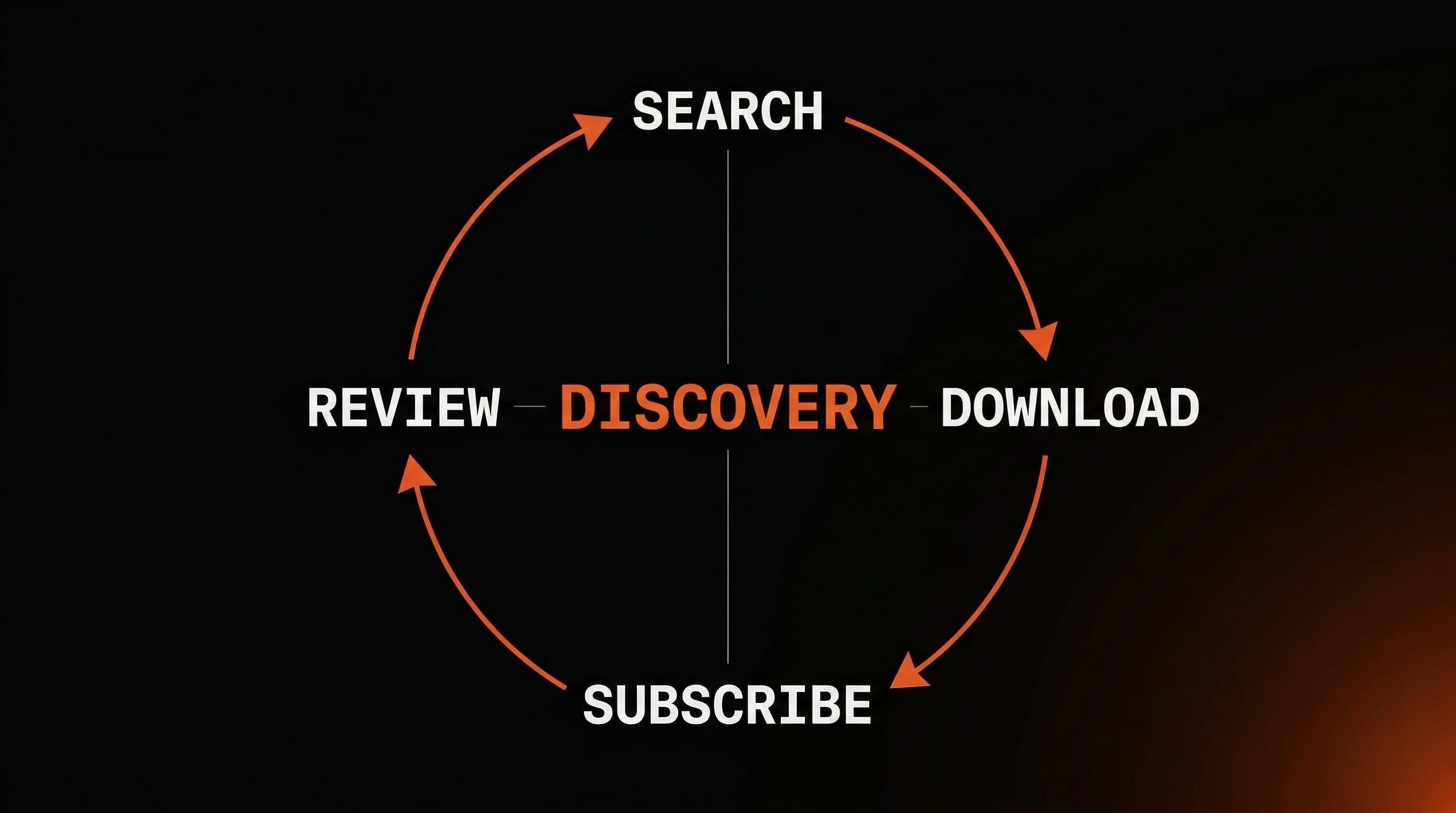
You post every day. You optimize for the algorithm. You respond to comments, hop on trends, experiment with formats. And still, growth feels like pushing a boulder uphill. Social media has a ceiling. The algorithm decides who sees your content. Your reach resets every morning. Every creator in your niche is competing for the same finite scroll time. Here's what nobody talks about: there's an entirely different discovery engine where millions of people search for exactly what you teach, every single day. Almost no creators are using it. It's the App Store. App Store Optimization (ASO) is the process of making your app rank higher in App Store and Google Play search results. It's SEO for mobile apps. When someone searches "yoga for beginners" or "macro tracking app," ASO determines which apps appear first. Why should creators care? Because the App Store isn't a social feed. People there are searching with intent. They're not killing time. They're looking for a specific solution, and they're ready to pay for it. Apple reported that the App Store receives over 650 million visitors per week. According to Apple's search ads data, roughly 65% of all App Store downloads come directly from search. That's not browsing. That's people typing in problems they want solved. Your Instagram post reaches 10% of your followers on a good day. An App Store listing reaches anyone, anywhere, who searches for what you do. Say you're a fitness creator with 200K Instagram followers. You post workout videos, share nutrition tips, and sell a $29 workout guide twice a year. Growth has flatlined. Now imagine you have a fitness app. It ranks for keywords like "home workout app," "HIIT timer," "workout plan for women," and "strength training program." Every day, thousands of people search those phrases. They've never heard of you. They don't follow you on anything. But they find your app, download it, subscribe at $9.99/month, and become paying customers. Some of them follow you on Instagram afterward. Your app brought them to your content, not the other way around. This is the growth flywheel social media alone can't create. Social posts convert existing attention. The App Store creates entirely new attention from people who were never in your orbit.
App Store discovery flywheel: search leads to downloads, subscriptions, and new social followers
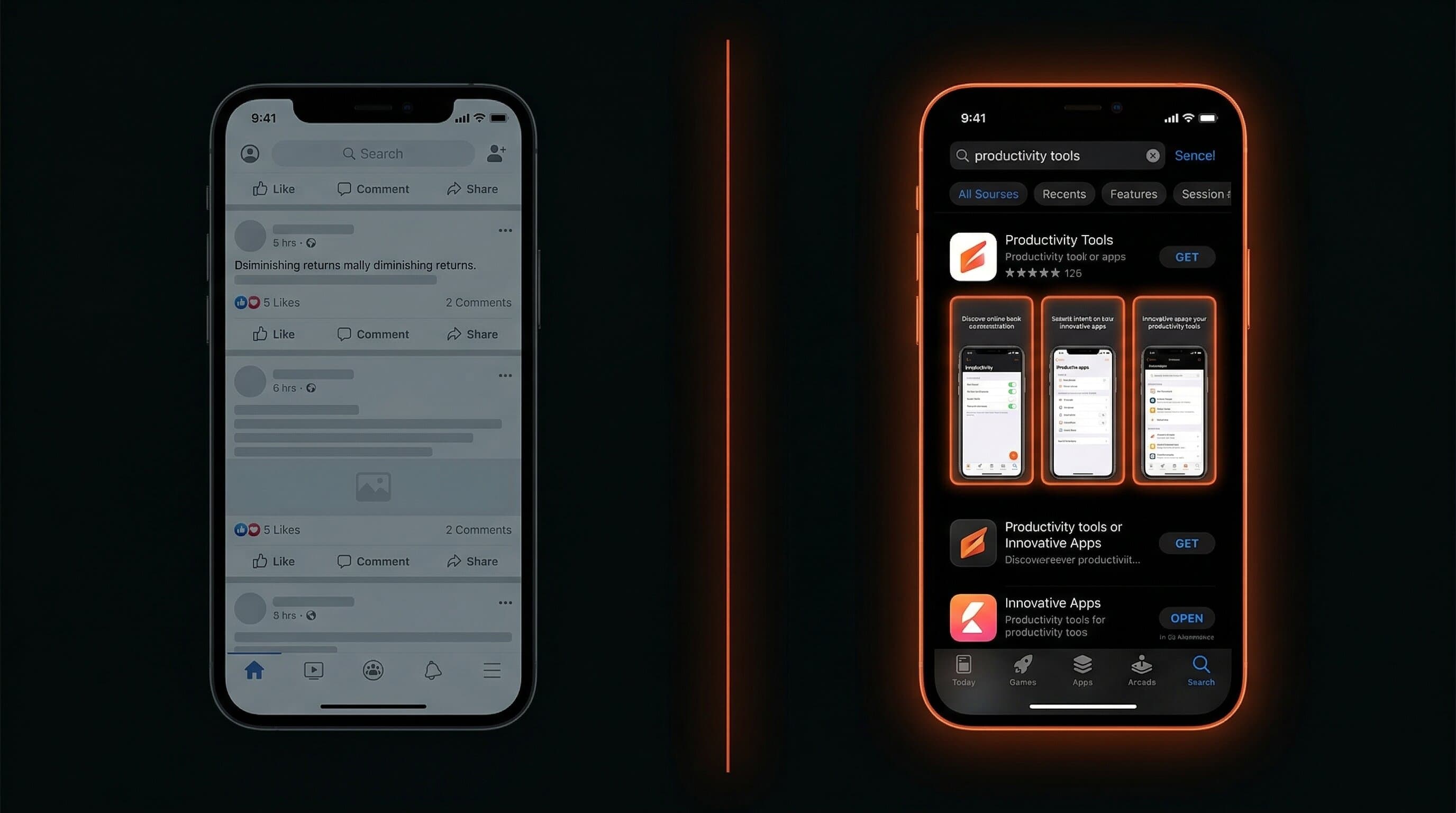
Here's a side-by-side comparison that changes how you should think about growth:
Growth ChannelReachIntent LevelCost per AcquisitionRevenue Model
Instagram/TikTokAlgorithm-limited (5-15% of followers)Low (passive scrolling)Time-intensive (daily posting)Indirect (brand deals, links)
App Store Search650M+ weekly visitorsHigh (actively searching)$0 organic (ASO)Direct (subscriptions, $9.99/month+)
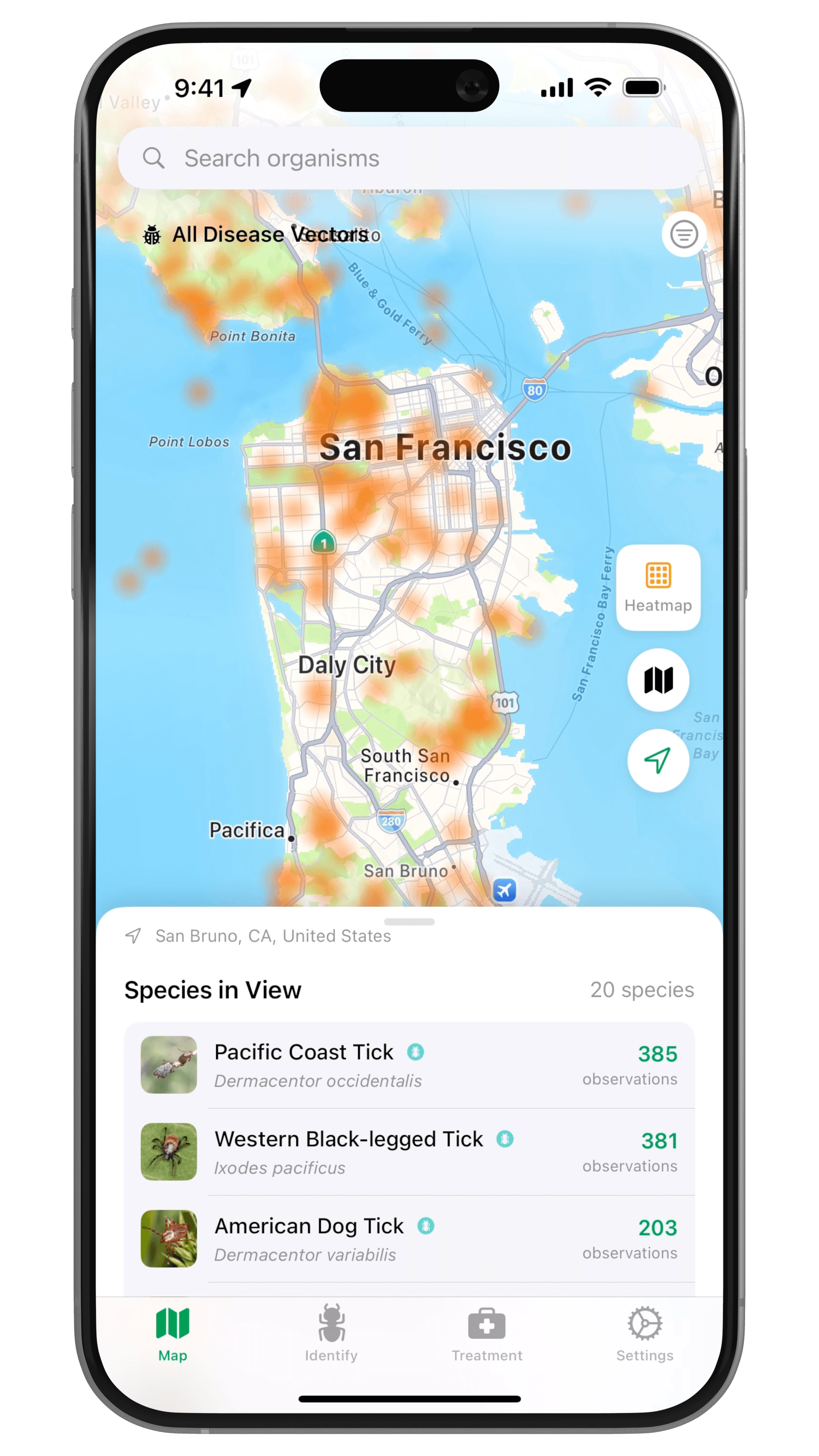
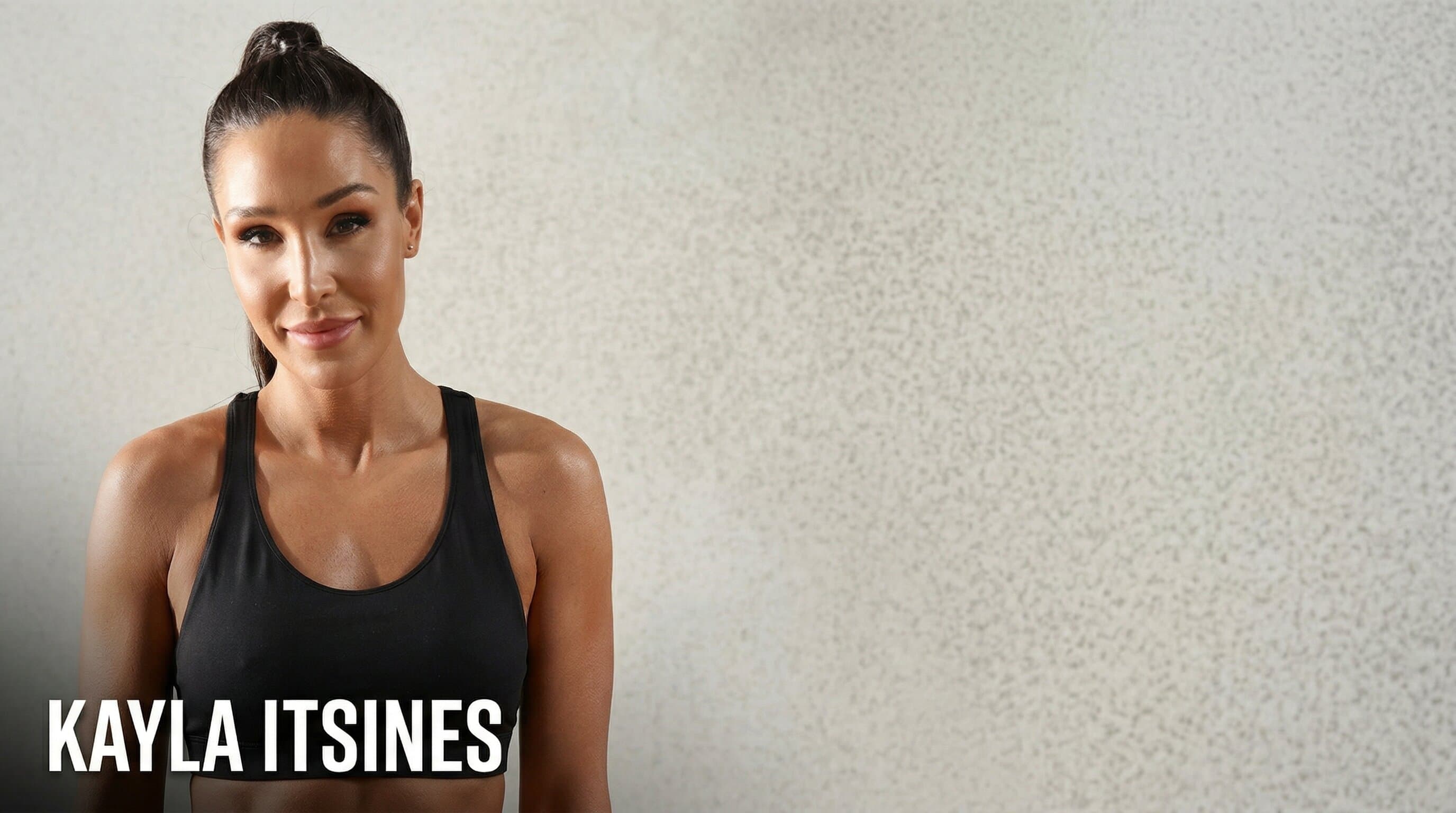
The numbers tell the story. On social media, you pay with your time every single day and hope the algorithm is kind. On the App Store, you build once and your listing works for you 24/7. This doesn't mean you stop posting on social. It means you stop relying on social as your only growth engine. As we covered in How Your App Becomes Your Content Calendar, having an app actually makes your social content easier to create too. Your app feeds your content, and your content feeds your app. This isn't theoretical. Real creators are building audiences through App Store search right now. Kayla Itsines launched the Sweat app and watched it grow to 450,000+ paying subscribers at $19.99/month. Many of those subscribers found the app by searching "home workout app" or "BBG workout," not by following Kayla on Instagram first. The app became its own acquisition channel, and the business eventually sold for $400M. Cassey Ho built the Blogilates and POPFLEX empire with an app that ranks for "pilates workout" and "body sculpting exercises." Her app brings in users who never watched a single YouTube video. Jeff Nippard turned his science-based training approach into the MacroFactor nutrition app, which ranks for keywords like "macro tracker" and "nutrition coaching app." It competes directly with MyFitnessPal in search results, putting his product in front of millions of people who don't know his YouTube channel exists. The pattern is the same every time: creator builds app, app ranks for niche keywords, strangers become subscribers, subscribers become fans.
Comparison of creator growth channels: social media reach versus App Store search discovery
Getting on the App Store is step one. Ranking in search results is where the real growth happens. Here's how creator apps win at ASO: Generic keywords like "fitness" or "cooking" are dominated by billion-dollar companies. But long-tail keywords? Wide open. Instead of competing for "fitness app," target "postpartum workout app" or "kettlebell training program." Instead of "recipe app," target "meal prep for muscle gain" or "plant-based family meals." Your niche is your advantage. The more specific your expertise, the less competition you face in search results. App Store algorithms weight ratings and reviews heavily. A creator app has a built-in advantage here: you have fans. When your audience downloads and loves your app, they leave 5-star reviews. Those reviews push your app higher in search results. Higher rankings mean more downloads from strangers. More strangers mean more reviews. As we covered in From Content to Product: 6 Steps to Your Subscription App, your existing audience is the launch fuel that kickstarts this cycle. Social media gets the app to the starting line. ASO takes it from there. The App Store rewards apps that ship regular updates. Every new feature, workout program, recipe pack, or content drop signals to Apple that your app is active and maintained. Active apps rank higher. This is where having a product team behind you matters. Built by Foundry handles ongoing updates and optimization so your app stays fresh and keeps climbing in search results. Social media growth is linear. You post, you get views, they fade. Tomorrow you start over. App Store growth compounds. Every new download improves your ranking. Every review strengthens your listing. Every update keeps you relevant. Six months from now, your app listing is stronger than it is today, without you posting a single new thing. This is the difference between renting attention and owning a distribution channel. Social media rents. The App Store lets you build equity. A creator with 100K followers and a well-optimized app can outgrow a creator with 1M followers and no app. Because followers are borrowed. Downloads are earned. And search rankings compound while follower counts plateau. Apple charges $99/year for a developer account. The real cost is building the app itself, which runs $50K to $200K at most agencies. Built by Foundry charges $0 upfront and takes a revenue share. You pay nothing until you earn. No. Creators with 50K to 100K engaged followers launch successful apps regularly. Your existing audience provides the initial downloads and reviews that kickstart App Store rankings. From there, the App Store does the discovery work. Most apps start appearing in search results within 2 to 4 weeks of launch. Meaningful rankings for your niche keywords typically develop over 2 to 3 months as downloads, reviews, and engagement data build up. Yes, for niche keywords. You won't outrank Nike for "fitness app." But Nike isn't ranking for "pregnancy workout timer" or "senior flexibility program." The more specific your expertise, the easier it is to own those keywords. An app doesn't replace your other products. It complements them. Your course buyers become app subscribers. Your app users discover your courses. The two grow together, and the app adds a discovery channel your course never had.
You've built an audience. Now build something they can search for. The App Store is a growth channel that works while you sleep, reaches people who've never heard of you, and turns your expertise into a product people pay for monthly. You already have the knowledge and the audience. You just need the app.
Let's Build →

Get Creator Revenue Insights

How creators are turning audiences into subscription businesses

You might also enjoy...