
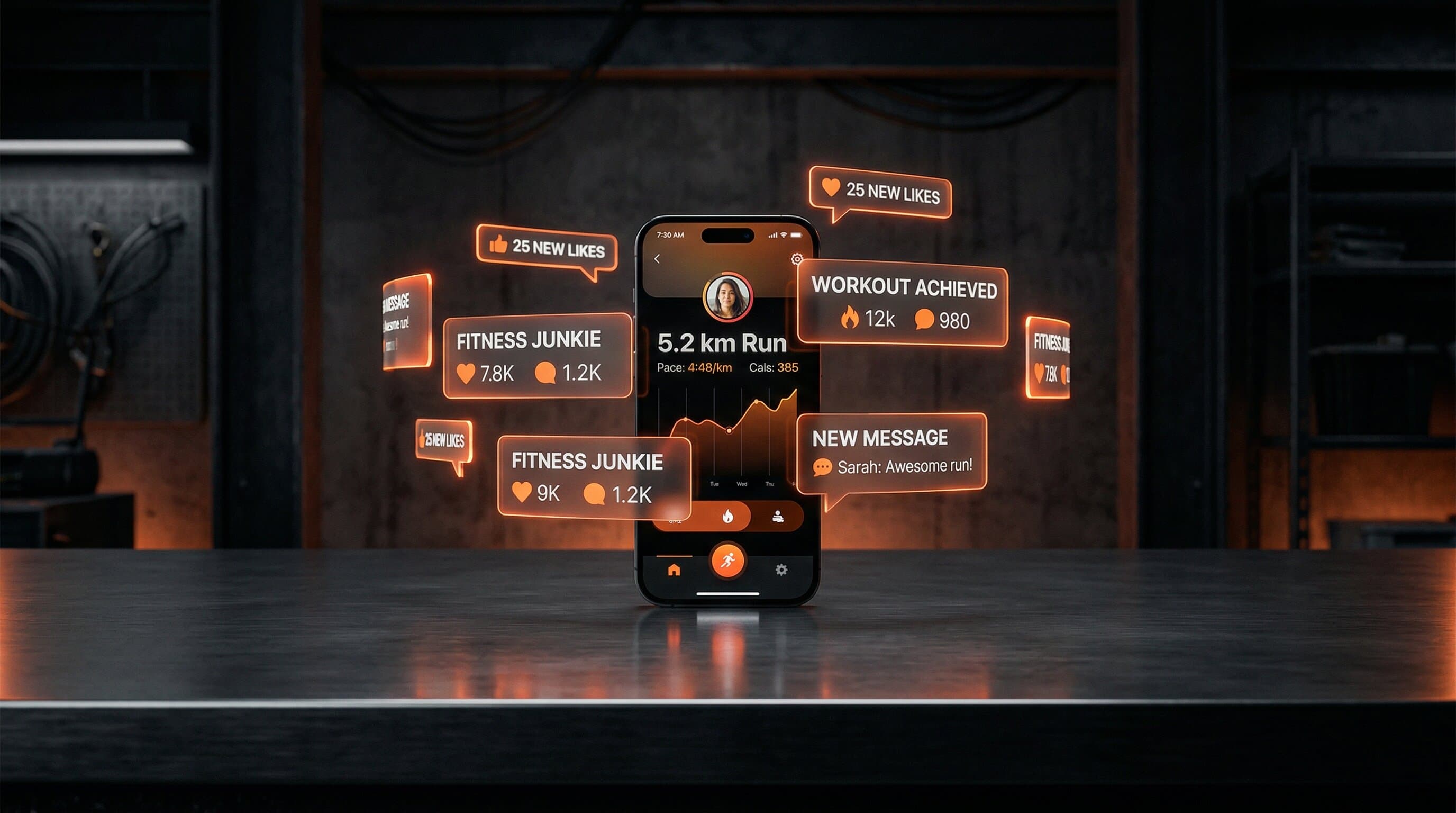
6 Ways Your App Writes Your Content for You

6 Ways Your App Writes Your Content for You

Foundry
March 29, 2026
Key Takeaways:
  • Creator apps generate content automatically through user activity, eliminating the "what do I post?" problem
  • Every user submission, milestone, and data point is raw material for social posts, reaction videos, and stories
  • Creators with apps report spending 50%+ less time brainstorming content because the app feeds them ideas daily
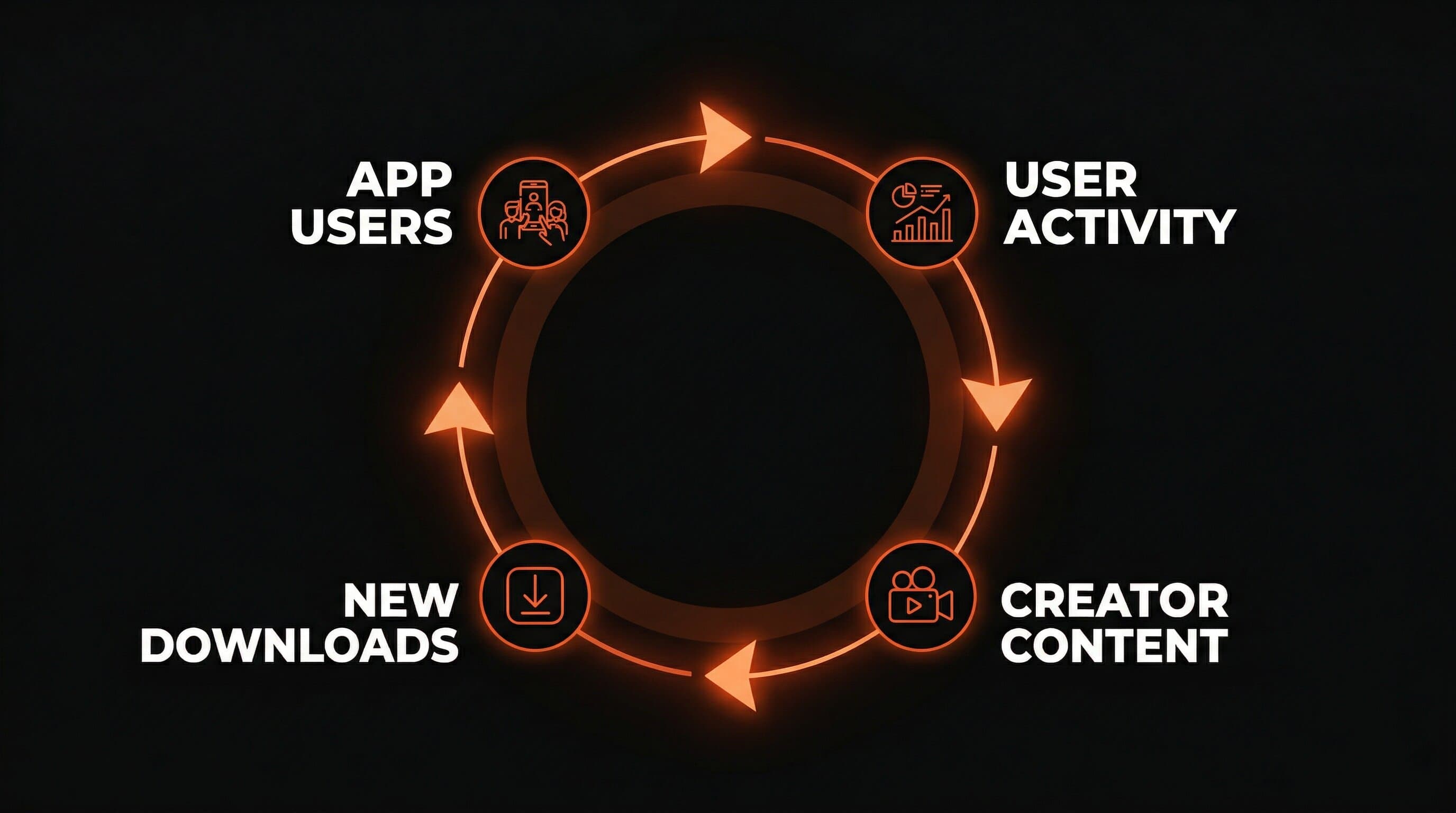
  • The best creator apps create a flywheel: content drives downloads, downloads create user activity, user activity becomes new content
Every creator knows the feeling. You wake up, stare at your phone, and think: "What do I post today?" You've posted 2,000 times. You've covered every angle. You've done the trends, the hooks, the series. And tomorrow you'll do it all again. This is the content treadmill. It never stops. And for creators who rely on posting frequency to stay visible, it's exhausting. Here's what most creators don't realize: the hardest part of content isn't creation. It's ideation. Coming up with something worth saying, every single day, is the bottleneck that burns creators out. But creators who have their own apps don't have this problem. Their apps generate content ideas on autopilot. Not hypothetically. Literally. Every day, the app hands them material they didn't have to think of. Here are six ways it happens. When your app collects user-generated content (workout photos, meal logs, project submissions, quiz results), each one is a piece of content waiting to happen. Cassey Ho gets thousands of workout completion photos through her BODY by Blogilates app. Each photo is a potential reaction video, a story reshare, or a community spotlight post. She didn't brainstorm those. Her users created them. Bobby Parrish's FlavCity app lets users scan groceries and get ratings. Every scan result is a conversation starter: "Someone just scanned this product. Here's why I rated it a 2/10." That's a TikTok that writes itself. The formula is simple: user does thing in app > creator reacts to thing > content exists. No brainstorming. No blank page. Just responding to what your audience already did. If your app has any kind of ranking, scoring, or tracking system, you have a weekly content series built in. Think about it:
  • Top 5 users this week (shoutout video)
  • Most improved user (transformation story)
  • Fastest completion time (challenge recap)
  • Community stats roundup (infographic post)
Chloe Ting's app tracks challenge completions. Every time a cohort finishes a 2-week challenge, that's a celebration post. Every milestone (100K completions, 1M workouts logged) is a shareable stat. Leaderboards turn passive data into competitive stories. And competitive stories get engagement because users tag themselves, share their rankings, and recruit friends. One leaderboard = 52 weekly recap posts per year. That's 52 pieces of content you never had to think of.
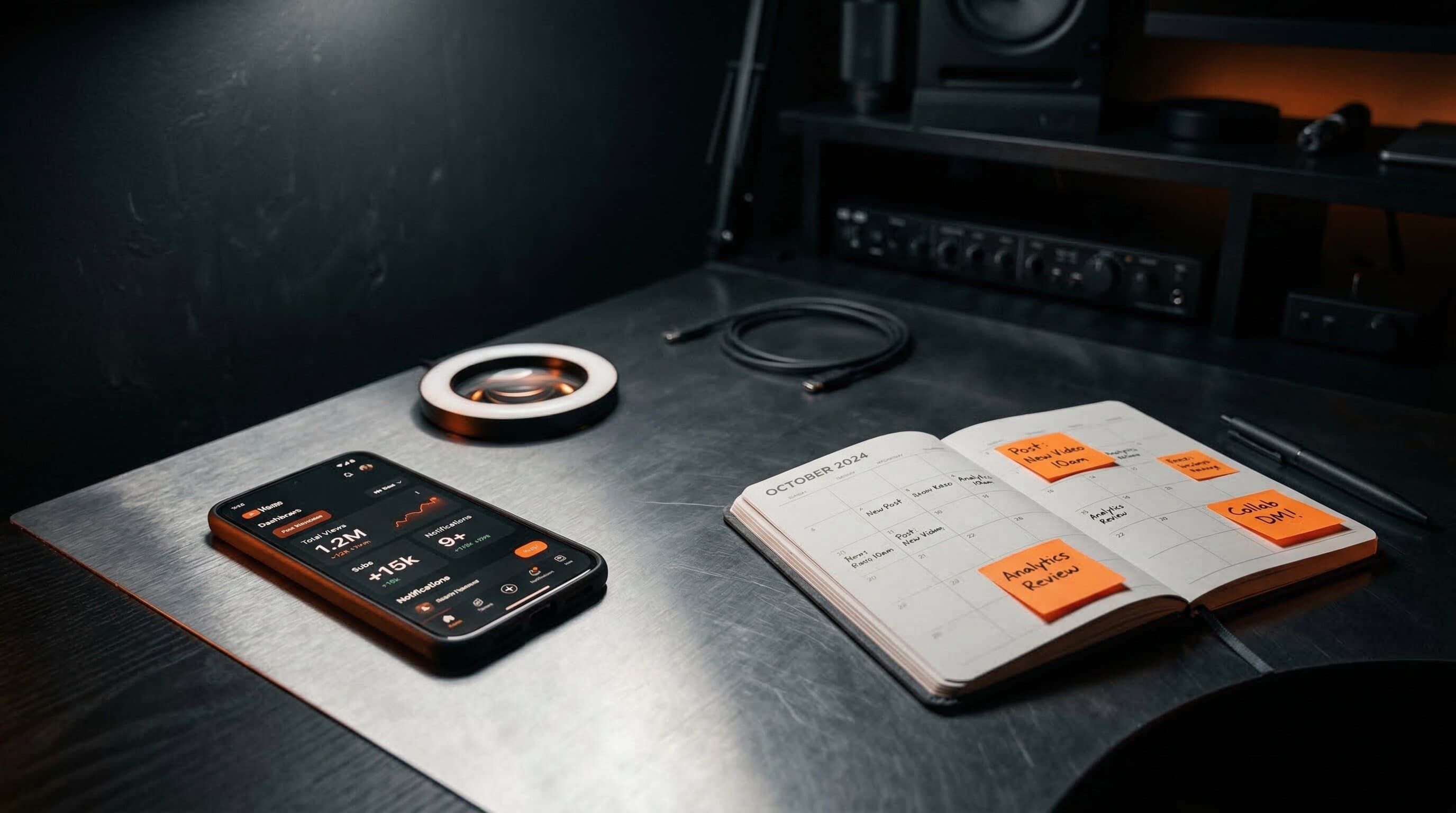
App content generation flywheel showing user activity becoming creator content
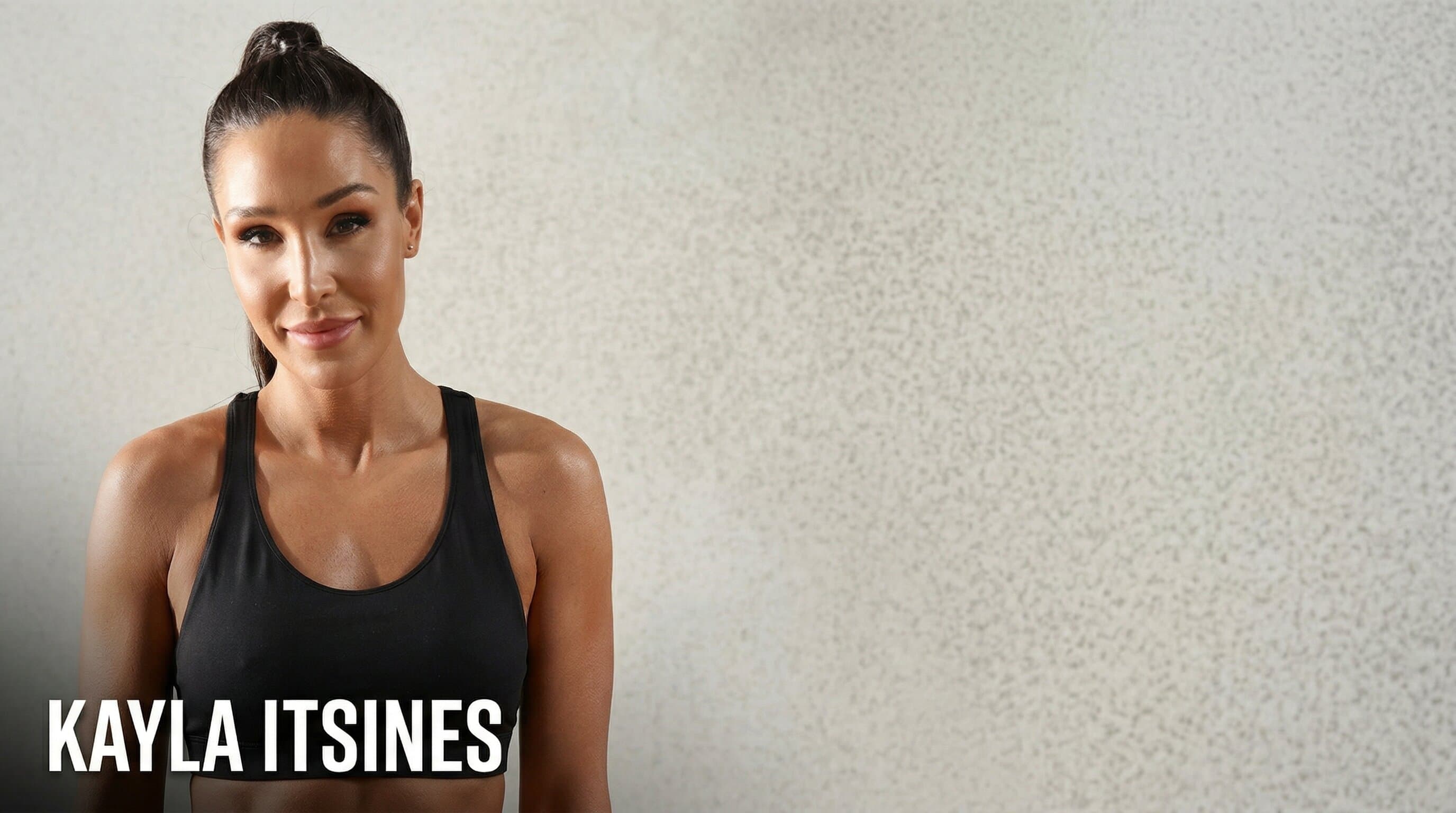
This one is huge for fitness, wellness, education, and skill-based apps. When users track progress over time, the app creates a visual record of their transformation. Before-and-after photos. Progress charts. Skill level jumps. Weight lifted over 90 days. The creator doesn't need to manufacture these stories. The app collects them automatically. Kayla Itsines built the entire Sweat brand on transformation photos. Women posted their BBG results on Instagram with the #BBGCommunity hashtag. Each post was free marketing for the app. And each post gave Kayla content to reshare, comment on, and build stories around. The key insight: your users' results are your best-performing content. Not your tips. Not your tutorials. Their actual, documented results. And an app is the system that captures those results automatically. Most creators guess what their audience wants. They look at comments, check analytics, follow trends. It's educated guessing, but it's still guessing. Creators with apps have actual behavioral data. They know:
  • Which features users open most (content about that topic will perform)
  • Where users drop off (pain point content that addresses the gap)
  • What time users are most active (optimal posting windows)
  • Which in-app content gets saved or shared (proven interest signals)
Andrew Huberman's approach to content is data-obsessed. Every podcast episode generates questions and discussions that feed future episodes. An app takes this further by giving creators structured data about exactly what their audience does, not just what they say they want. When your content strategy is driven by real usage data instead of vibes, your hit rate goes up. Way up. Every app with a community feature, a support channel, or a feedback form collects questions. Real questions from real users about real problems. These questions are content gold because:
  • They use the exact language your audience searches for (SEO fuel)
  • They reveal pain points you didn't know existed (new content angles)
  • They come pre-validated (someone actually cares about this answer)
Brendon Burchard's GrowthDay app has a coaching community where users ask questions daily. Each question is a potential video response, a podcast segment, or a written guide. Compare that to staring at a blank screen trying to imagine what your audience might want to hear about. The app replaces imagination with information. One month of user questions = 6 months of content topics. The backlog never runs dry. Apps track streaks, milestones, and achievements. Users hit them. Users share them. That sharing is content. Think about Duolingo. Every streak screenshot shared on social media is free marketing. Every "365-day streak" post drives FOMO and downloads. Duolingo didn't create those posts. Their users did. Creator apps work the same way:
  • "I just completed 100 workouts!" (screenshot shared on stories)
  • "30-day streak on meal planning!" (posted with the app's branded share card)
  • "Level 5 unlocked!" (shared in community groups)
The smartest apps design these moments to be shareable. Branded share cards with the creator's name, a congratulatory message, and the user's stat. Every share is a mini-ad that the user posts willingly. Whitney Simmons' Alive app builds workout streaks and achievement badges into the experience. When users share those, Whitney gets tagged. Each tag is a piece of content she can reshare. Each reshare shows her audience that real people use and love the app. The flywheel: app tracks milestones > user shares milestone > creator reshares > new users download > new milestones get tracked. Here's what the math looks like when your app is generating content versus when it isn't:
Content SourceIdeas Per WeekTime to CreateAudience Relevance
Brainstorming from scratch3-5Hours of researchHit or miss
Trending audio/formats5-7Medium (adaptation)Temporary relevance
User submissions from app10-20+Minutes (react and post)Pre-validated by usage
App data and analytics5-10Low (data tells the story)Directly from user behavior
Milestone/streak shares5-15Zero (user-generated)Organic, authentic
The creator without an app is working harder for fewer ideas with less certainty. The creator with an app has a pipeline of content that refills itself every day. This is why we call the app a content calendar that writes itself. It doesn't replace your creativity. It feeds it. Here's the part that matters most. App-generated content isn't just easier to make. It converts better. When a creator posts a reaction to a user's transformation photo, that's not just content. It's a testimonial. When a creator shares a leaderboard recap, that's not just engagement. It's social proof. When a user shares their streak screenshot, that's not just a post. It's a referral. Every piece of content generated by the app subtly sells the app. No pitch required. No "link in bio" desperation. Just real people using a real product, creating real stories. That's the difference between being a content creator and being a founder. Creators chase content. Founders build systems that generate it. No. Even with 1,000 active app users, you'll generate more content ideas per week than you can post. The content engine scales with usage, not follower count. Creators with 50K engaged followers often generate more usable content than creators with 5M passive ones. Apps with user-generated inputs (submissions, photos, logs, scores) and social features (leaderboards, communities, challenges) generate the most content naturally. Fitness apps, education apps, cooking apps, and community-based apps are particularly strong content generators. Use aggregate data (total workouts completed, average scores, most popular features) rather than individual data. For user spotlights, always get permission before sharing. Most users are thrilled to be featured, but always ask first. It won't replace all of it, but it eliminates the hardest part: starting from zero. Most creators with apps report that 40-60% of their content now comes directly from app activity. The remaining content is original work, but even that is informed by what they see users doing in the app.
Your audience is already creating content for you. You just don't have the app to capture it yet. We build creator apps in 3 weeks, $0 upfront, and we handle all the tech forever.
Let's Build →

Get Creator Revenue Insights

How creators are turning audiences into subscription businesses

You might also enjoy...

6 Ways Your App Writes Your Content for You