Creator Economy Trends

YouTube Shorts Original Content Rules: 3 Places Originality Now Counts

October 2, 2026
Share
YouTube Shorts Original Content Rules: 3 Places Originality Now Counts

Get Creator Revenue Insights

How creators are turning audiences into subscription businesses
Share
Key Takeaways:
  • On October 1, 2026, TeamYouTube posted Prioritizing original content on Shorts: the Shorts feed will "reduce the reach of content re-uploaded from other creators without adding anything of your own"
  • The same originality test already applies in two other places: views of non-original Shorts are not counted for Shorts revenue sharing, and the reused content policy can remove monetization from an entire channel
  • YouTube says reused content "is not based on copyright, permission, or fair use." Its list of what cannot monetize includes "promotion of other people's content (even if you have permission)"
  • From February 1, 2027, earning from the Shorts Creator Pool requires 10 million qualified Shorts views in the trailing 90 days, so a view the feed stops showing now has a direct price
YouTube has changed how the Shorts feed treats re-uploads. The change is short, it is written in plain language, and it connects to two older rules most creators have never read side by side. This guide covers what YouTube actually said, what counts as original under its own published examples, and what it means if your channel, or your clipping budget, depends on Shorts. On October 1, 2026, YouTube announced that its Shorts recommendation system will further prioritize original content and reduce the reach of Shorts that re-upload other creators' videos without adding anything new. Channels that YouTube identifies as primarily aggregating or re-uploading other creators' videos without significant changes will likely see less distribution in the Shorts feed. The announcement came from JJ of TeamYouTube in the YouTube Help Community, labeled as a blog post. It names no start date beyond the post itself and gives no numeric threshold for "primarily." It does say the change "is also aligned with our existing YouTube policies," which is the important part: YouTube is applying a test it already wrote down, now to reach as well as money.
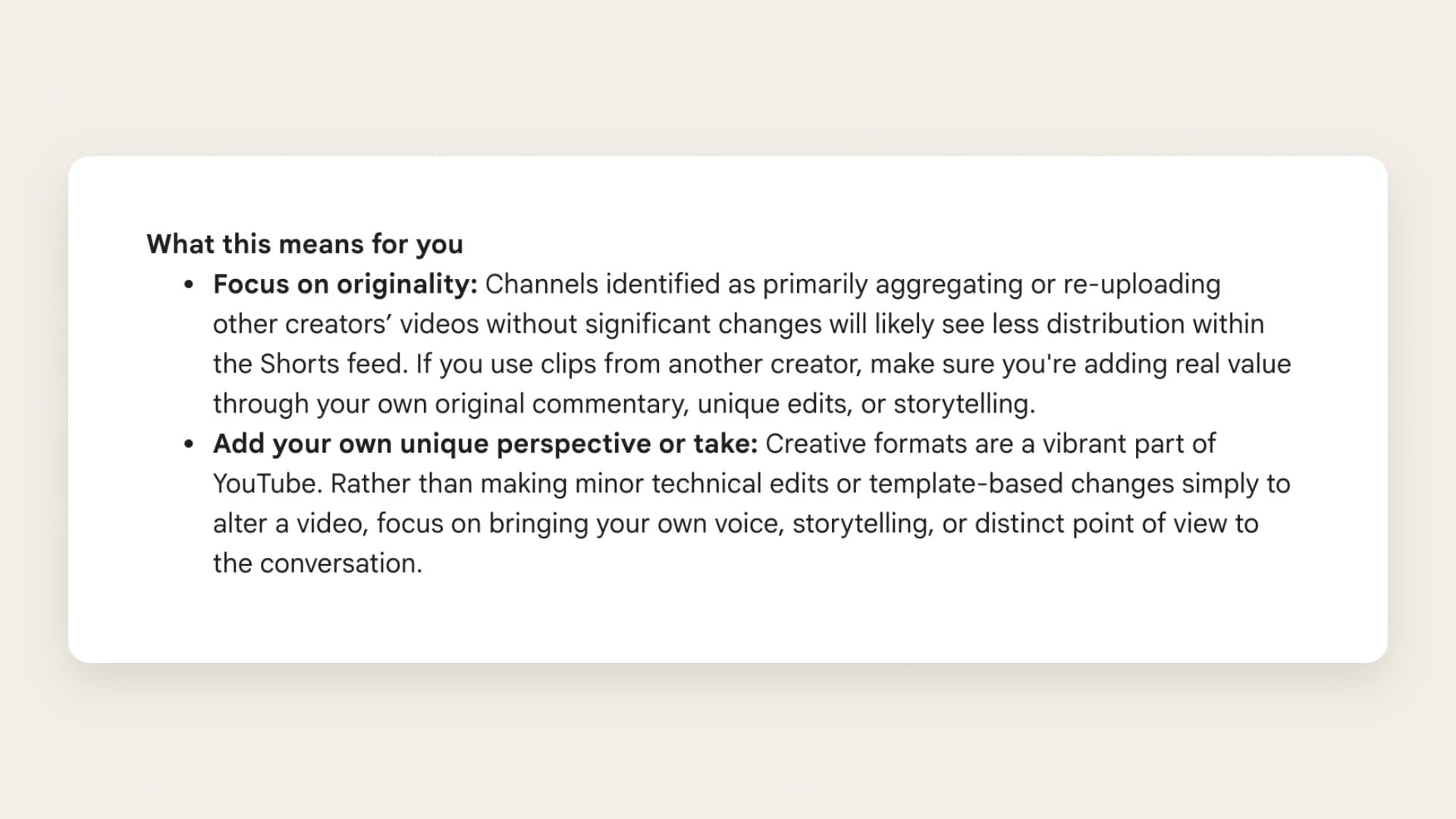
YouTube's October 1, 2026 post, section "What this means for you": channels identified as primarily aggregating or re-uploading other creators' videos without significant changes will likely see less distribution within the Shorts feed, and creators using clips from another creator should add real value through original commentary, unique edits, or storytelling
The second bullet is easy to miss. YouTube warns against "minor technical edits or template-based changes simply to alter a video." A mirrored frame, a sped-up track or a caption template on top of someone else's clip is not what it means by adding something. YouTube treats a Short as original when viewers can tell there is a meaningful difference between the source and your version: your commentary, your storyline, your teaching, your substantive editing, or you on camera. A Short that re-posts someone else's footage with little or no change does not count, even if the owner gave permission. The clearest guide is the list of examples in YouTube's channel monetization policies. We set a selection side by side:
YouTube says this can monetizeYouTube says this cannot
Clips used for a critical reviewClips of moments from a show edited together with little or no narrative
Sports replays where you explain the movesShort videos compiled from other social media websites
Reaction videos where you comment on the originalContent uploaded many times by other creators
Other creators' footage where you add a storyline and commentaryPromotion of other people's content, even with permission
Content that primarily features the uploading creatorSongs changed only in pitch or speed
The Spam Policy adds the technical side. It names "speeding up audio, heavy filters, cropping" used to dodge detection, and "scraped content," meaning material re-posted "without adding anything of your own; such as original commentary, educational value, or unique editing." The TeamYouTube post borrows that exact phrase. The October announcement matters because it closes a loop. One test now governs three separate things YouTube can do to a Short.
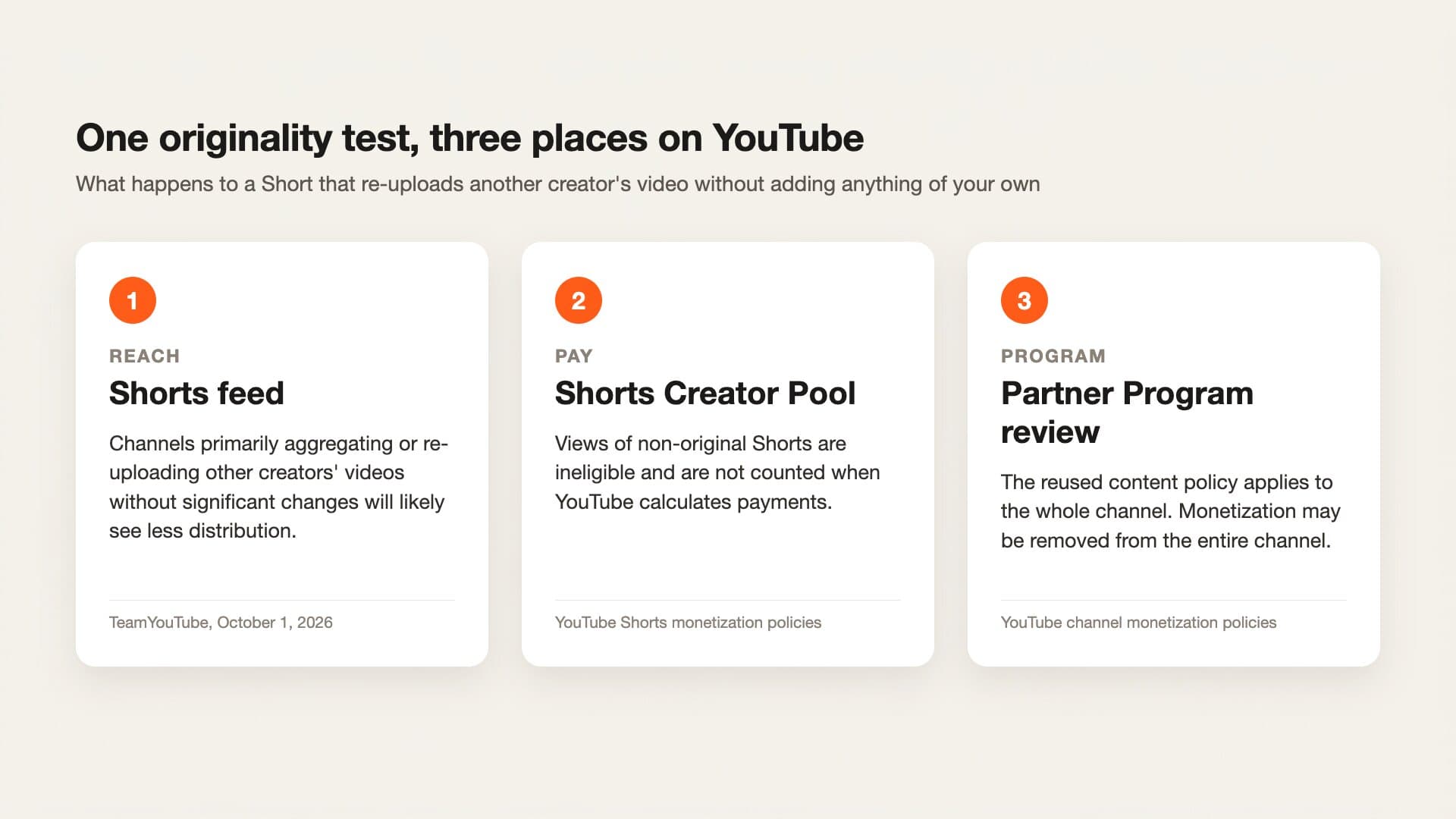
Diagram titled One originality test, three places on YouTube. Reach: in the Shorts feed, channels primarily aggregating or re-uploading other creators' videos without significant changes will likely see less distribution (TeamYouTube, October 1, 2026). Pay: in the Shorts Creator Pool, views of non-original Shorts are ineligible and are not counted when YouTube calculates payments (YouTube Shorts monetization policies). Program: in the Partner Program review, the reused content policy applies to the whole channel and monetization may be removed from the entire channel (YouTube channel monetization policies)
  • Reach. New as of October 1. The feed shows re-uploads to fewer people.
  • Pay. YouTube's Shorts monetization policies list "non-original Shorts, such as unedited clips from others' movies or TV shows, reuploading other creators' content from YouTube or other platform, or compilations with no original content added" as ineligible views. They are left out when payments are calculated.
  • Program. Reviewers judge the whole channel, looking at its main theme, most viewed and newest videos, and metadata. The reused content policy "applies to your channel as a whole," and a channel with violating videos can lose monetization everywhere, long-form included.
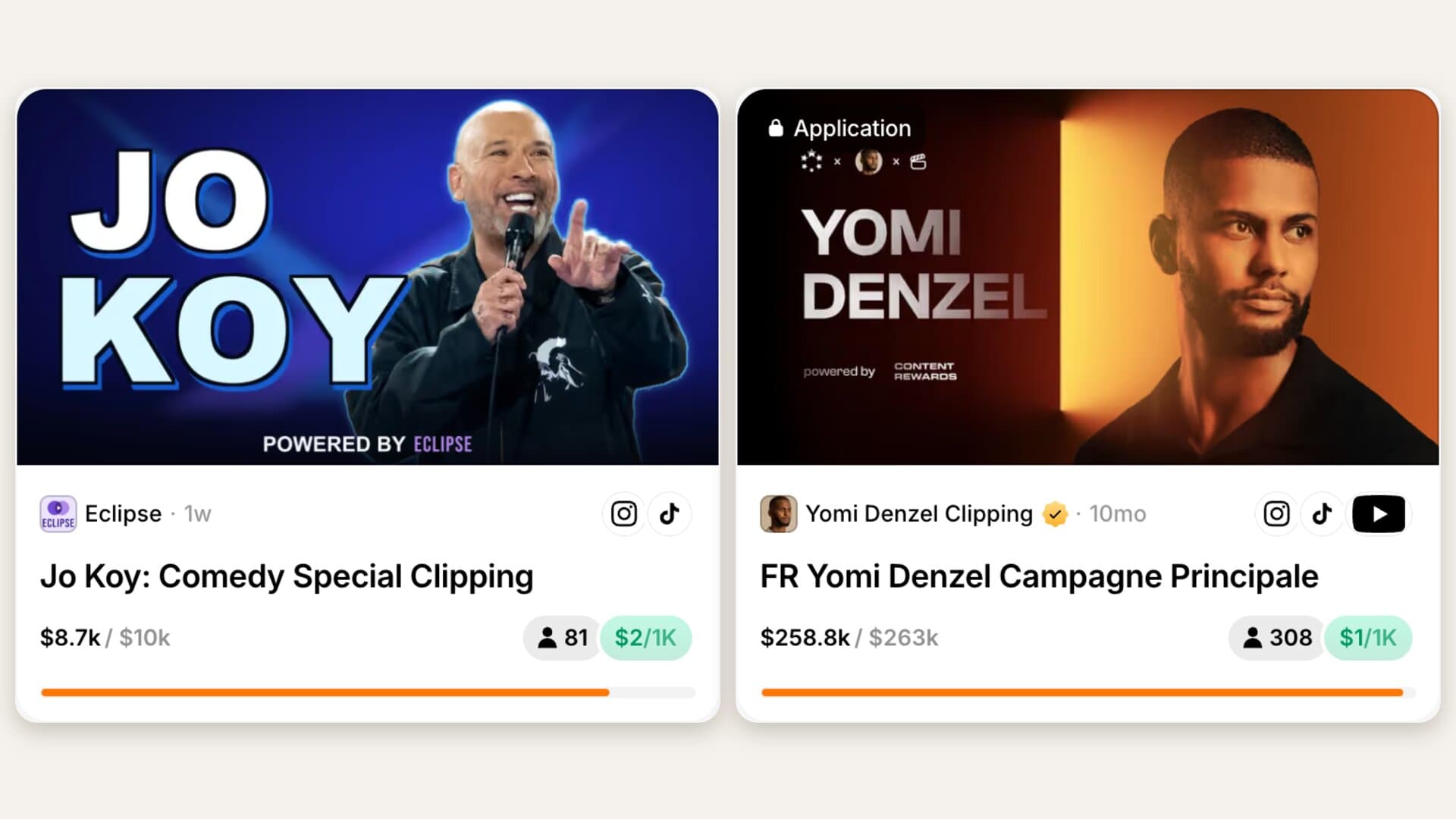
Before October, a re-upload could still travel even if it earned nothing. Now the feed and the payout read from the same rulebook. No. YouTube states that its reused content policy is separate from copyright enforcement and "is not based on copyright, permission, or fair use." A licensed clip posted with no added commentary, story or substantive edit can still be treated as reused content, and YouTube's examples of content that cannot monetize include "promotion of other people's content (even if you have permission)." That sentence is the one to underline if you pay for distribution. Clipping campaigns pay independent editors per 1,000 views to post cuts of your long videos on their own accounts. The license runs to you, but the account posting the clip belongs to someone else, and many clipping pages exist to post other people's moments. YouTube has not said how it classifies a page of licensed clips. Its own words point one way, though: the test is what the uploader added, not whether the uploader had a right to post. If you run a campaign, put originality in the brief. Ask for a hook, a caption that teaches, an edit that tells a story, and reject straight lifts. That protects the views you are paying for, and it is also what keeps a clipper's page eligible to be paid by YouTube at all. Starting February 1, 2027, a channel must have at least 10 million qualified Shorts views in the trailing 90 days to earn a share of Shorts ad revenue from the Creator Pool and YouTube Premium revenue that month. Views the feed no longer shows, and views YouTube does not count, both work against that bar. We covered the full 2027 Partner Program changes in August. YouTube's own help page confirms that missing the Shorts threshold does not remove a channel from the program or touch long-form earnings. It just pauses Shorts pay for the month. For a channel built on reposts, the October change and the February threshold arrive as a pair: less reach first, then a minimum that reach has to clear. If you are a podcaster, educator or coach with 50K or more engaged followers and you cut your own episodes into Shorts, you are in the safest position this policy describes. "Content that primarily features the uploading creator" is on YouTube's allowed list, and your own footage on your own channel is not a re-upload of another creator. Three habits still help:
  • Post the cut, not the raw minute. A clear hook, captions and an ending that resolves read as edited work.
  • Keep reuse on your own channel. Letting fan pages repost your clips verbatim now hands their accounts the exact pattern YouTube is demoting.
  • Think in patterns, not single Shorts. YouTube's reviewers look at a channel's main theme, most viewed and newest videos, not one upload.
Every rule above is YouTube's to write and YouTube's to change, which is the point we keep returning to in the platform trap. Original work is the right answer for reach. It does not change who owns the feed. A product the audience pays for directly sits outside that loop. A subscription renews whether or not a Short traveled this week, and the Shorts you make become marketing for something you own rather than the business itself. That is the same arithmetic behind YouTube RPM: ad pay depends on settings you do not control. If you already have the audience and the original work, the next question is what a viewer can buy from you. We handle the build and the day-to-day running of the product, so your Shorts can point somewhere that pays every month.
See What We’d Build You →
On October 1, 2026, TeamYouTube said the Shorts recommendation system will further prioritize original content and reduce the reach of Shorts that re-upload other creators' videos without adding anything of your own. Channels that mainly aggregate or re-upload will likely see less distribution in the Shorts feed. Permission does not make a clip original under YouTube's reused content policy, which YouTube says is not based on copyright, permission or fair use. Add your own commentary, storyline, teaching or substantive editing so viewers can see a meaningful difference from the source. No. YouTube's Shorts monetization policies list non-original Shorts, such as unedited clips from movies or TV, re-uploads of other creators' content and compilations with nothing added, as ineligible views that are not counted when payments are calculated. Yes. YouTube's reused content policy applies to a channel as a whole, and if videos violate it or YouTube cannot clearly tell that the channel made the content, monetization may be removed from the entire channel. Sources verified October 2, 2026: TeamYouTube, Prioritizing original content on Shorts (posted October 1, 2026); YouTube Help, YouTube channel monetization policies, Spam Policy, YouTube Shorts monetization policies and Changes to the YouTube Partner Program; YouTube Official Blog, New opportunities to earn and changes to the YouTube Partner Program. Policies are set by YouTube and can change. Current-state claims require revalidation before later use.
Our work

Creators who already did this

These are apps we designed, built, shipped, and still run today, with the creator keeping the code and the audience.

Ellie Fausett

Ellie Fausett

Founder & CEO of Vector Guard

Spot disease-carrying pests before they reach your family.

Top Health App
Read the case study
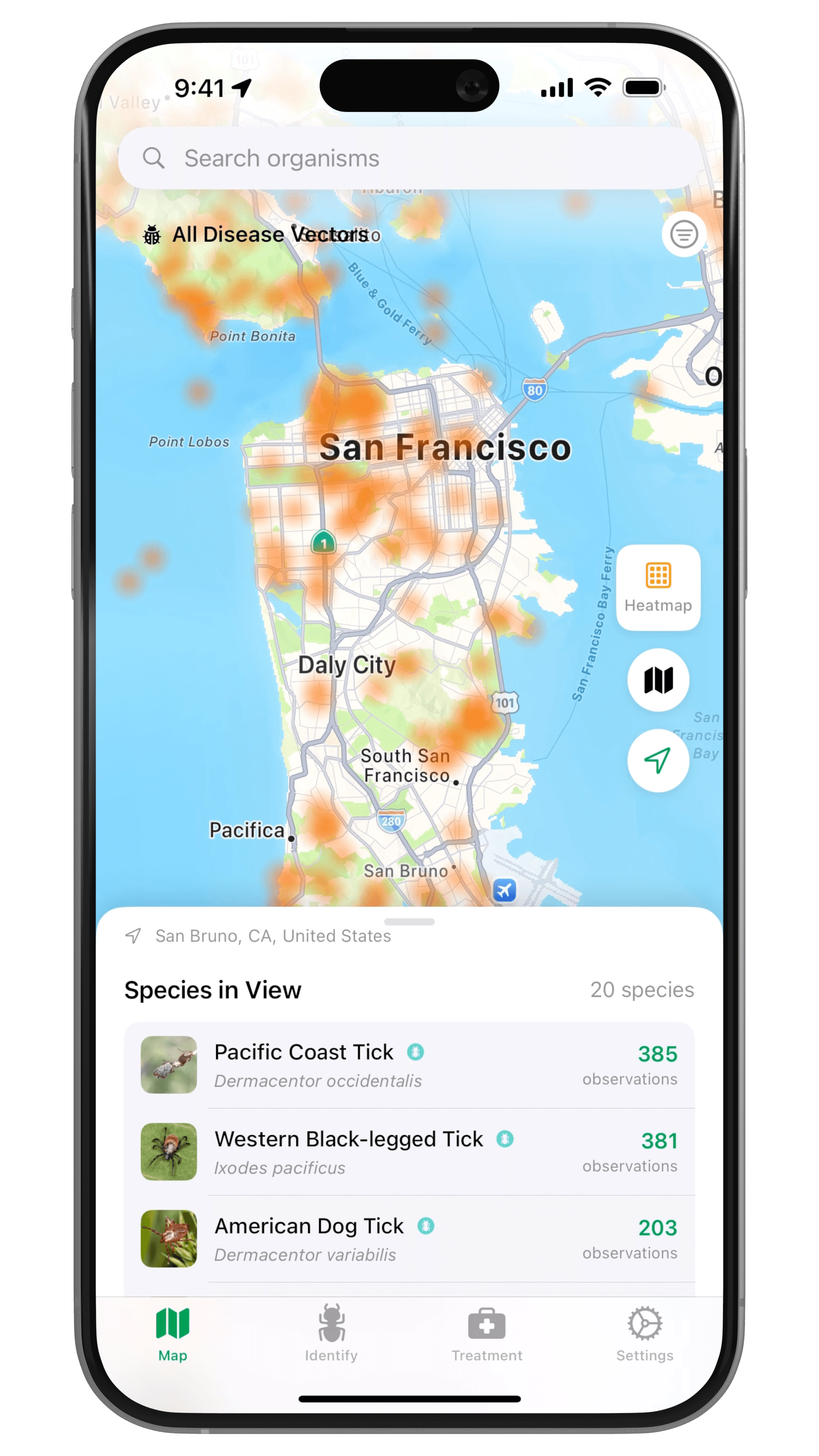
Vector Guard screenshots
Samantha Mae

Samantha Mae

Founder & CEO of NineLives

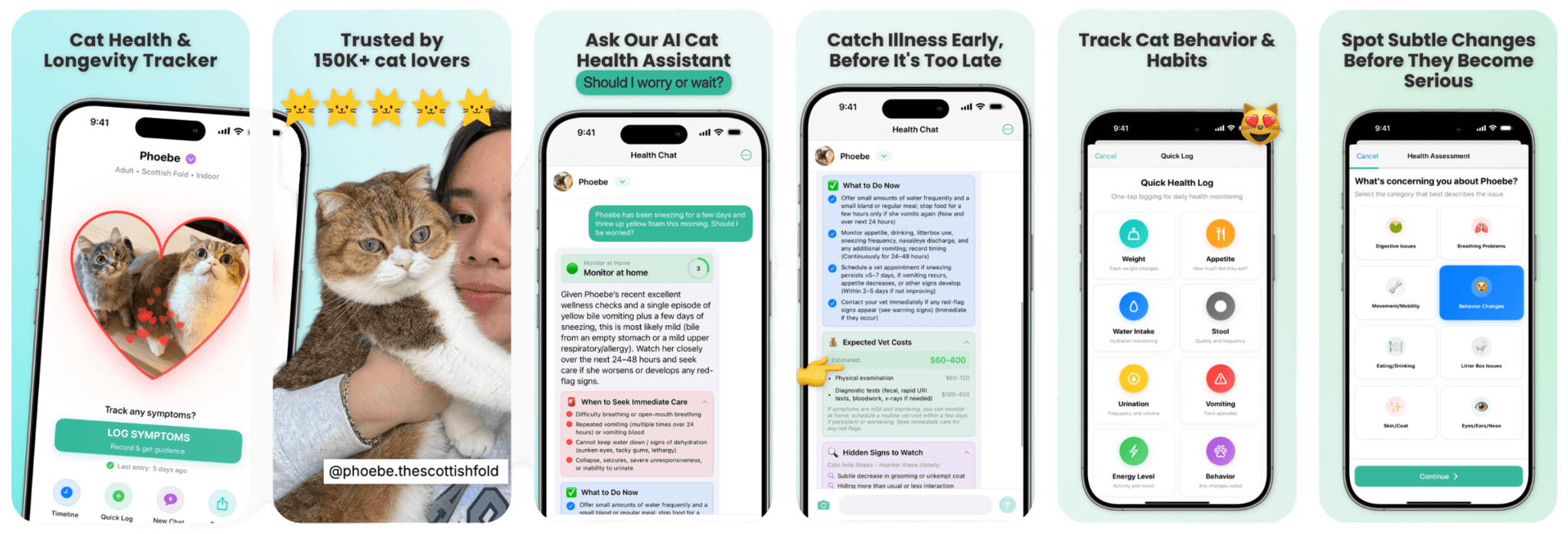
Cat health tracking from the world's most beloved Scottish Fold.

Top Health App150K+ followers
Read the case study
NineLives screenshots
Liv Merima

Liv Merima

Founder & CEO of Claim It

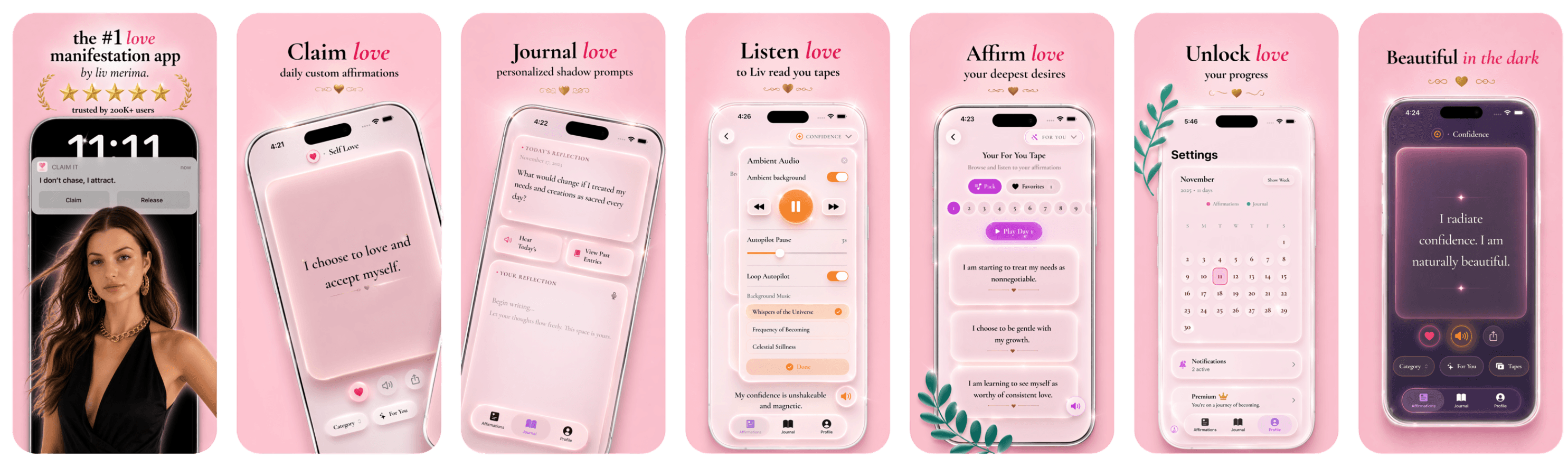
Custom affirmations that help millions choose themselves.

Top Lifestyle App150K+ followers
Read the case study
Claim It screenshots

Creator app strategy

Curious what your app could be?

Enter your handle and BUILT BY FOUNDRY will research your audience and present custom app concepts. Free.

YouTube Shorts Original Content Rules: 3 Places Originality Now Counts