
The Platform Trap: Creators Build on Rented Land

The Platform Trap: Creators Build on Rented Land

Foundry
April 17, 2026
Key Takeaways:
  • On January 19, 2025, TikTok went dark for 14 hours, putting $300M/month in creator earnings at risk
  • Instagram image reach dropped 64% year over year, meaning your 100K followers see about 3,500 of your posts
  • Vine shut down with zero warning, and creators who built audiences only on that platform lost everything overnight
  • Platform fees keep climbing: Patreon raised its cut to 10%, and Apple takes another 30% on top
  • Creators who own their apps own their customer data, their revenue stream, and their distribution
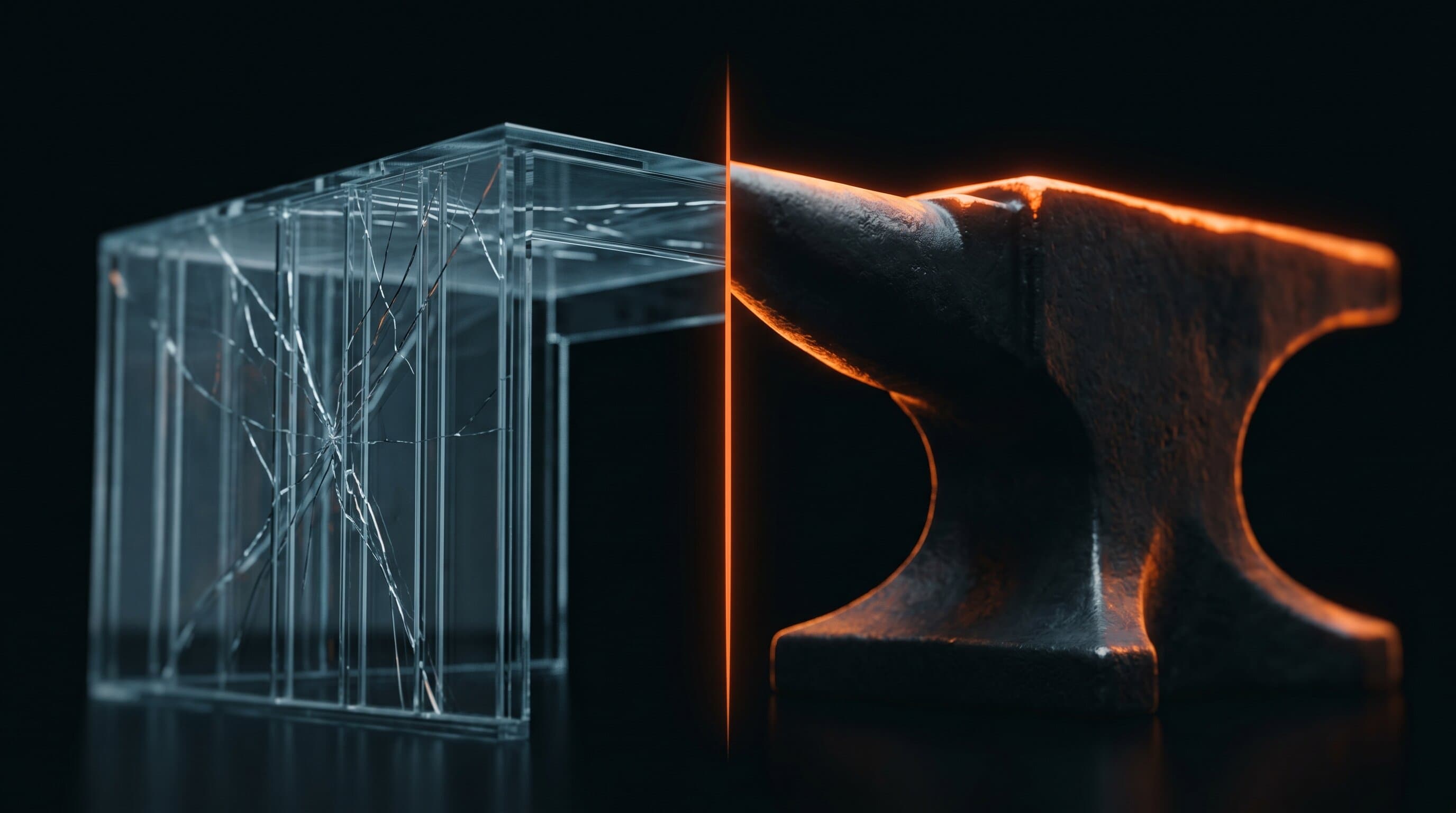
The creator economy is worth over $200 billion. But here's the part nobody talks about: the creators making that money don't own any of it. They rent it. Every follower lives on someone else's server. Every dollar of ad revenue flows through someone else's algorithm. Every subscriber sits behind someone else's paywall. And landlords change the locks whenever they want. On January 19, 2025, TikTok went dark in the United States. For 14 hours, 170 million users couldn't access the app. Apple and Google pulled it from their stores. Hosting providers cut the connection. The financial exposure was staggering. According to CNBC, a full ban would cost creators $300 million per month and small businesses another $1 billion. TikTok came back. Most creators exhaled and went back to posting. The lesson went unlearned. This wasn't the first time. In October 2016, Twitter killed Vine with no warning. Two hundred million active users, gone. The platform had never built monetization tools, so creators had built massive audiences with no way to capture value independently. As former Vine star Marcus Johns told Tubefilter: "We were building audiences for Twitter but weren't getting paid." Between January and June 2016, more than half of Vine creators with 15,000+ followers stopped uploading or deleted their accounts. The ones who survived (Logan Paul, King Bach) had already diversified to YouTube. The ones who hadn't disappeared.
Platforms can vanish overnight, but the apps you own keep earning
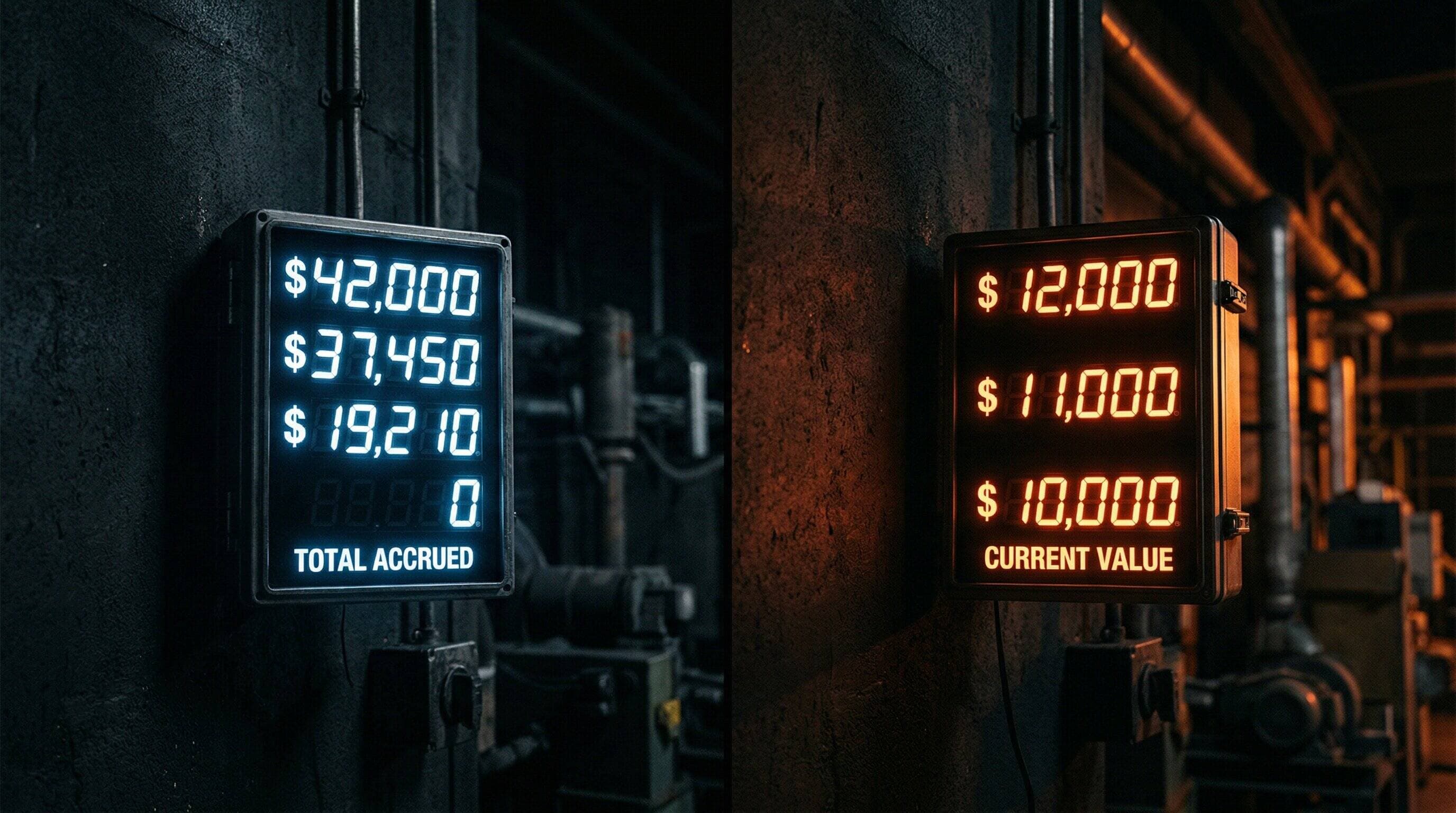
You think Instagram is free. It isn't. Your 100,000 followers see about 3.5% of your posts. That's roughly 3,500 people who already chose to follow you. In 2023, the average Instagram image post reached 14,800 users. By 2024, that number dropped to 5,200. A 64% decline in one year. The algorithm is the rent. And the landlord just raised it. It gets worse when you try to monetize on platforms. Patreon raised its platform fee to 10% for all new creators in August 2025. Then Apple forced Patreon to use in-app purchases on iOS, adding another 30% cut. A $10/month subscriber that used to net you $8.61 now nets $6.20 through iOS. Gumroad moved to a 10% + $0.50 per transaction model. Substack takes 10%. Every platform takes a piece, and the pieces keep getting bigger. You're paying rent to reach your own audience. And the price goes up every year. Compare what renting looks like versus what owning looks like:
Renting (Platforms)Owning (Your App)
Audience accessAlgorithm decides who sees youPush notifications reach every user
RevenuePlatform takes 10-30%You keep 70-85% (after App Store fee)
Customer dataPlatform owns itYou own it
DiscoveryCompeting with millions of postsApp Store SEO works while you sleep
PortabilityFollowers don't transferEmail list and user data are yours
RiskPlatform can shut down or change rulesYour app, your rules
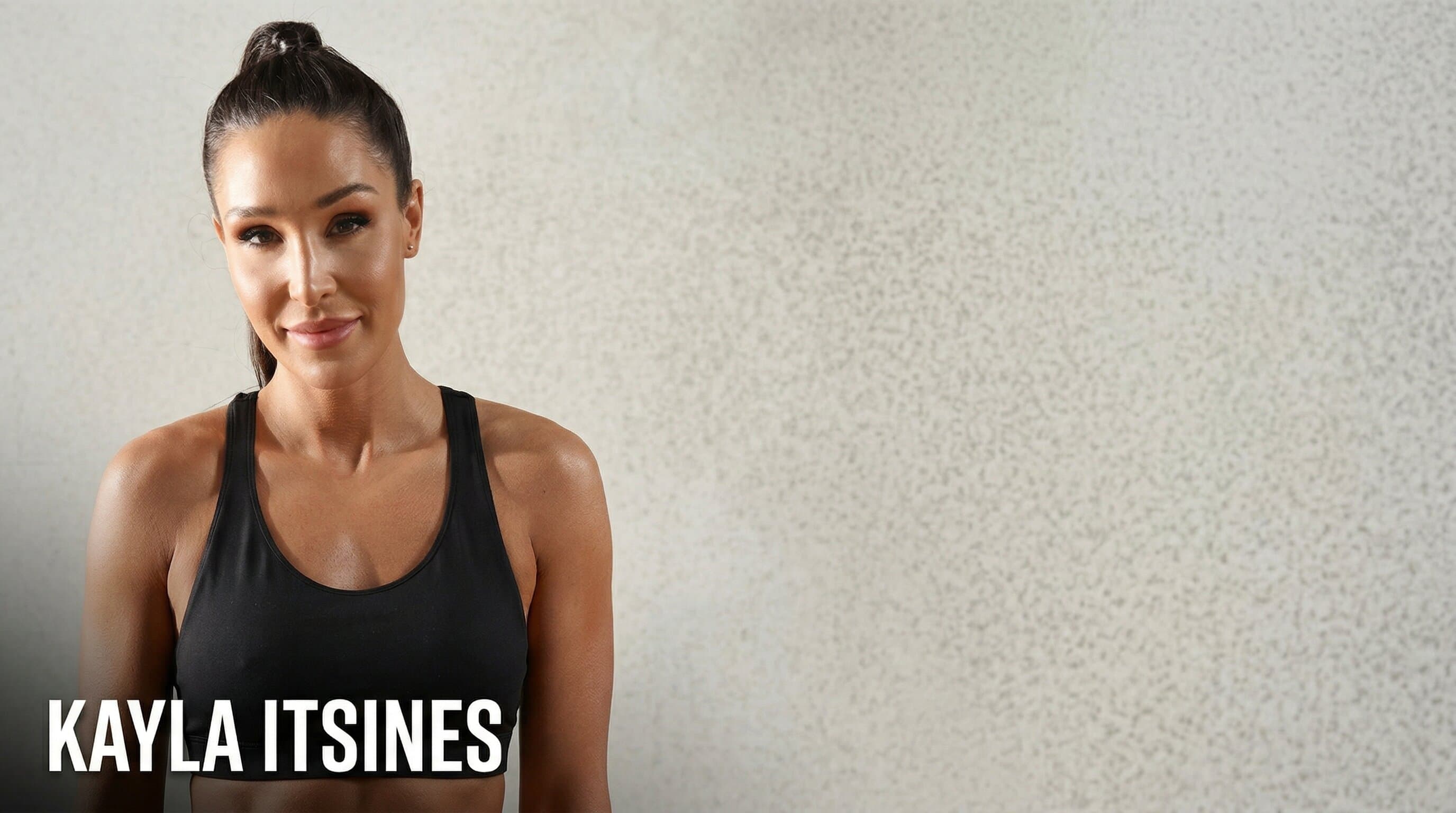
Kayla Itsines understood this. She started posting workout photos on Instagram. But she didn't stop there. She built Sweat, a subscription fitness app that grew to $100M in annual revenue and sold for $400M. When Instagram's algorithm changed, her app subscribers kept paying. Mark Rober went from making YouTube videos about engineering to building CrunchLabs, a physical subscription business. YouTube brought awareness. The subscription brought ownership. The top 10% of creators earn 62% of all brand deal payments, according to CreatorIQ's 2025 data. The median creator earns just $3,000 per campaign. The gap between the top and everyone else keeps widening because creators at the top build things they own. Everyone else keeps renting.
Creators who own apps control revenue that platforms can never take away
This isn't theory. Creators across every niche are making this shift. Your income resets to zero every month when you depend on brand deals and one-time payments. Subscription apps compound. Month one: 200 subscribers. Month six: 1,200 subscribers. Same content effort, 6x the revenue. That's the whole game. And here's what most creators miss: your next 10,000 fans won't come from social media. 65% of all app downloads come from App Store search. People who have never seen your content discover your app because they searched for what you teach. Social media is a megaphone. The App Store is a storefront that's open 24/7. The question isn't whether platforms will change their rules again. They will. Instagram will tweak the algorithm. TikTok's ownership structure will shift. YouTube will update its monetization policies. The question is whether you'll own anything when it happens. You don't need to quit social media. Platforms are great for awareness. They're terrible for ownership. The move: keep using platforms to reach people, but funnel them into something you own. An app. A subscription. A direct relationship with your audience that no algorithm can take away. Built by Foundry exists for exactly this reason. We build the app. We launch it. We run it forever. $0 upfront, revenue share model. You focus on your audience. We handle the tech. Your platform is rented land. Your app is owned land. The rent is going up, and the landlord isn't getting nicer. Build something that's yours.
Let's Build →
No. Social media platforms change algorithms, policies, and monetization terms regularly. Instagram organic reach fell 64% in a single year. TikTok went dark for 14 hours in January 2025. Vine shut down entirely. Any creator whose income depends on a single platform is one policy change away from zero. Most development agencies charge $50,000 to $200,000. Built by Foundry charges $0 upfront and takes a revenue share, so we only earn when you earn. Apps typically launch in three weeks. Yes. Social media becomes your marketing channel, not your business. You post content that drives people to your app, where they become paying subscribers. The difference: you own the relationship, the data, and the revenue.

Get Creator Revenue Insights

How creators are turning audiences into subscription businesses

You might also enjoy...

The Platform Trap: Creators Build on Rented Land