
Turning Knowledge into Products

What Are Usage Rights? 4 Windows, 9 Categories, and 1 Word to Delete

September 15, 2026
Share
What Are Usage Rights? 4 Windows, 9 Categories, and 1 Word to Delete

Get Creator Revenue Insights

How creators are turning audiences into subscription businesses
Share
Key Takeaways:
  • Usage rights are a licence to time, not a payment for a post. The fee buys a window in which a brand may run your content as advertising, and the window is the product
  • TikTok puts a number on it. Its own Ads Manager help tells an advertiser to "select the authorization duration (7, 30, 60, or 365 days)." Four sizes, published, with no negotiation required
  • That authorization is not freely revocable. TikTok's documentation states that "a video code can only be deleted when all the ads this video is used in are deleted in TikTok Ads Manager," and that videos "need to be un-authorized as a Spark Ad before it can be deleted from the organic account"
  • A nonexclusive licence is not a transfer of copyright. 17 U.S.C. § 101 defines a transfer as "an assignment, mortgage, exclusive license, or any other conveyance... but not including a nonexclusive license"
  • An exclusive licence is a transfer, and 17 U.S.C. § 204(a) says it "is not valid unless an instrument of conveyance, or a note or memorandum of the transfer, is in writing and signed by the owner of the rights conveyed"
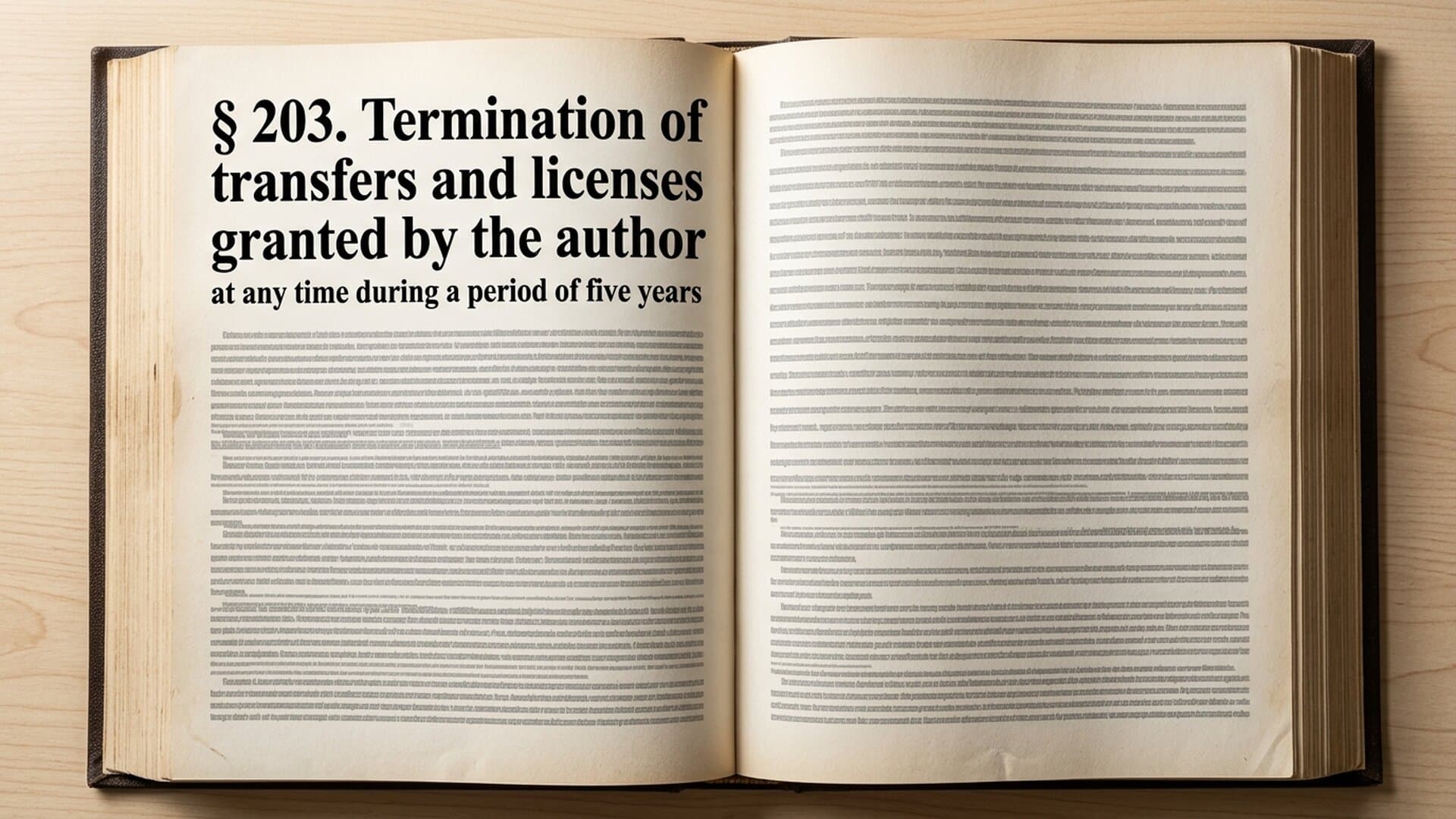
  • "In perpetuity" is survivable. 17 U.S.C. § 203 lets an author terminate a grant during a five-year window opening 35 years after execution, with two to ten years of advance written notice
  • "Work made for hire" is not survivable. § 203 applies to "any work other than a work made for hire," and a work-for-hire term hands the brand a copyright lasting 95 years from publication or 120 from creation
  • The nine categories are the defence. A commissioned work can only be a work made for hire if it falls into one of nine listed categories, and a sponsored social post is not one of them
A brand offers you $8,000 for one video. You read the number, not the paragraph under it, and the paragraph under it is the entire deal. The video is not what you sold. The video costs the brand nothing to want, and they could have commissioned it from anyone. What they paid $8,000 for is a period of time in which your face is legally theirs to broadcast, and the only question that matters is how long that period runs and what it costs them to extend it. Almost nobody negotiates that number, because almost nobody knows it is a number. It is, and one platform prints its own price list. Usage rights are a licence granting an advertiser permission to use your content in specified places, for a specified length of time, in exchange for a specified fee. They are separate from the fee for making the content. The content fee pays you to shoot. The usage fee pays for the window in which the brand can spend media dollars behind what you shot. Keep those two apart, because contracts routinely merge them into one number and then quietly attach the longest window in the drafter's vocabulary. Four variables define any usage grant, and every negotiation is about one of them:
  • Term. How long. Thirty days, one year, perpetual.
  • Media. Where. Organic feed only, paid social, connected TV, out of home, in-store screens, packaging.
  • Territory. Which countries.
  • Exclusivity. Whether you may work with a competitor during the term, and which competitors count.
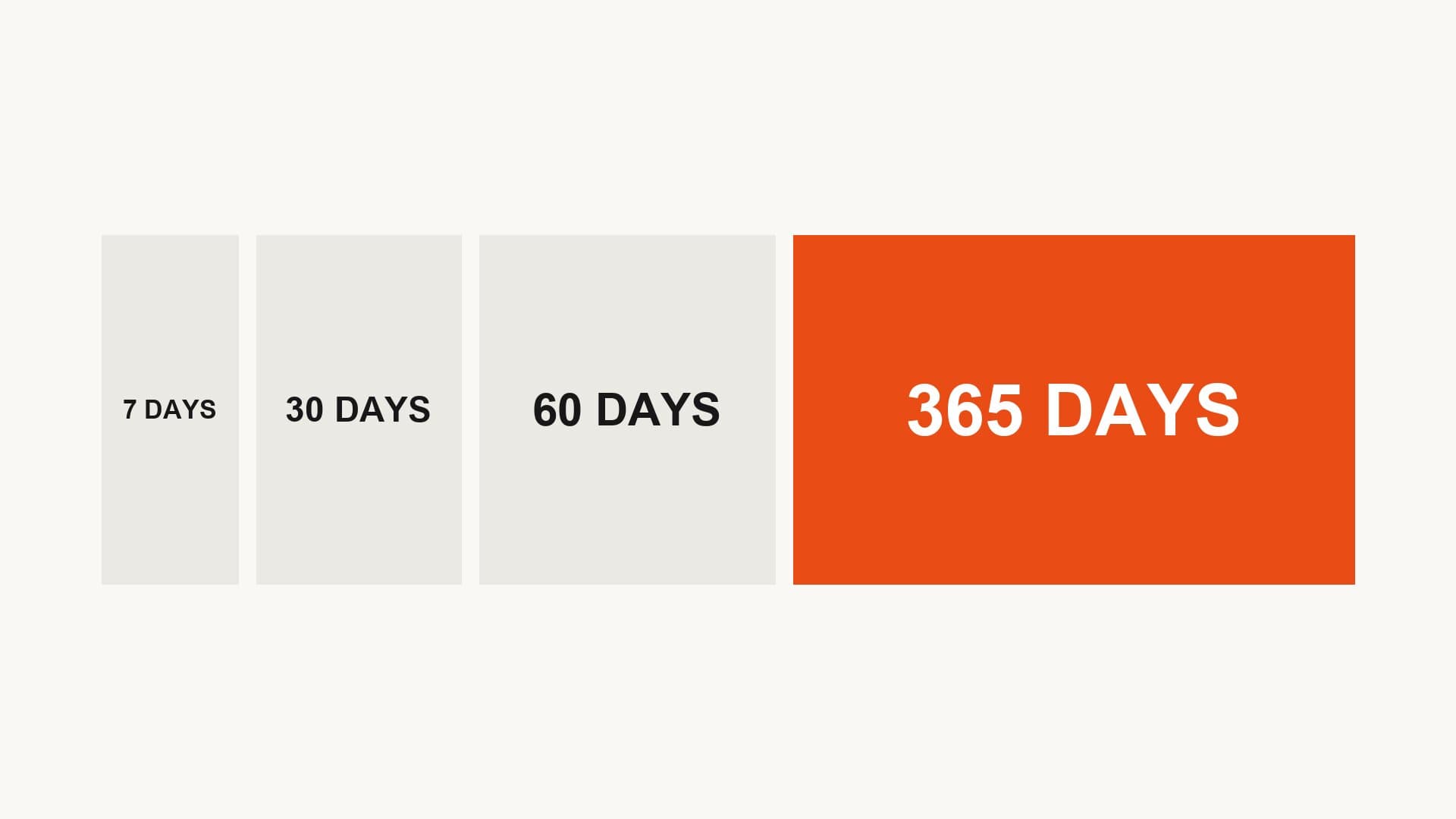
Change any one of those and you have changed the price by a multiple. A creator who accepts "paid social, worldwide, perpetual" for the same $8,000 they would have taken for "paid social, US, 90 days" did not get a better deal. They sold four assets and invoiced for one. TikTok is the only major platform that states the term as a fixed menu. Its Ads Manager help instructs the advertiser to "select the authorization duration (7, 30, 60, or 365 days)" when turning a creator's organic post into a Spark Ad. Four options, published, identical for everyone. That is unusually honest, and it is worth reading as a pricing table even though TikTok charges nothing for it.
Authorization durationWhat the brand getsWhat it is actually for
7 daysOne week of paid amplification behind your organic postA launch spike, a sale window, a test
30 daysA full campaign flightThe default a media planner asks for
60 daysTwo flights, or a campaign plus an extensionBuying insurance against a slow start
365 daysA year of evergreen paid use of your postAn always-on asset the brand stops having to commission
A brand asking for 365 days is not asking for a longer permission. It is asking to stop paying a creator for a year. The gap between the 7-day option and the 365-day option is roughly fifty-two times the media value, and in most contracts it is zero times the fee. Ask what the brand plans to spend behind the post. If the answer is a real number, your usage fee has a denominator. If the answer is vague and the requested term is a year, you have found the negotiation.
Four editorial cards in a row, widening left to right, reading 7 DAYS, 30 DAYS, 60 DAYS and 365 DAYS, with the 365 DAYS card by far the largest and solid orange
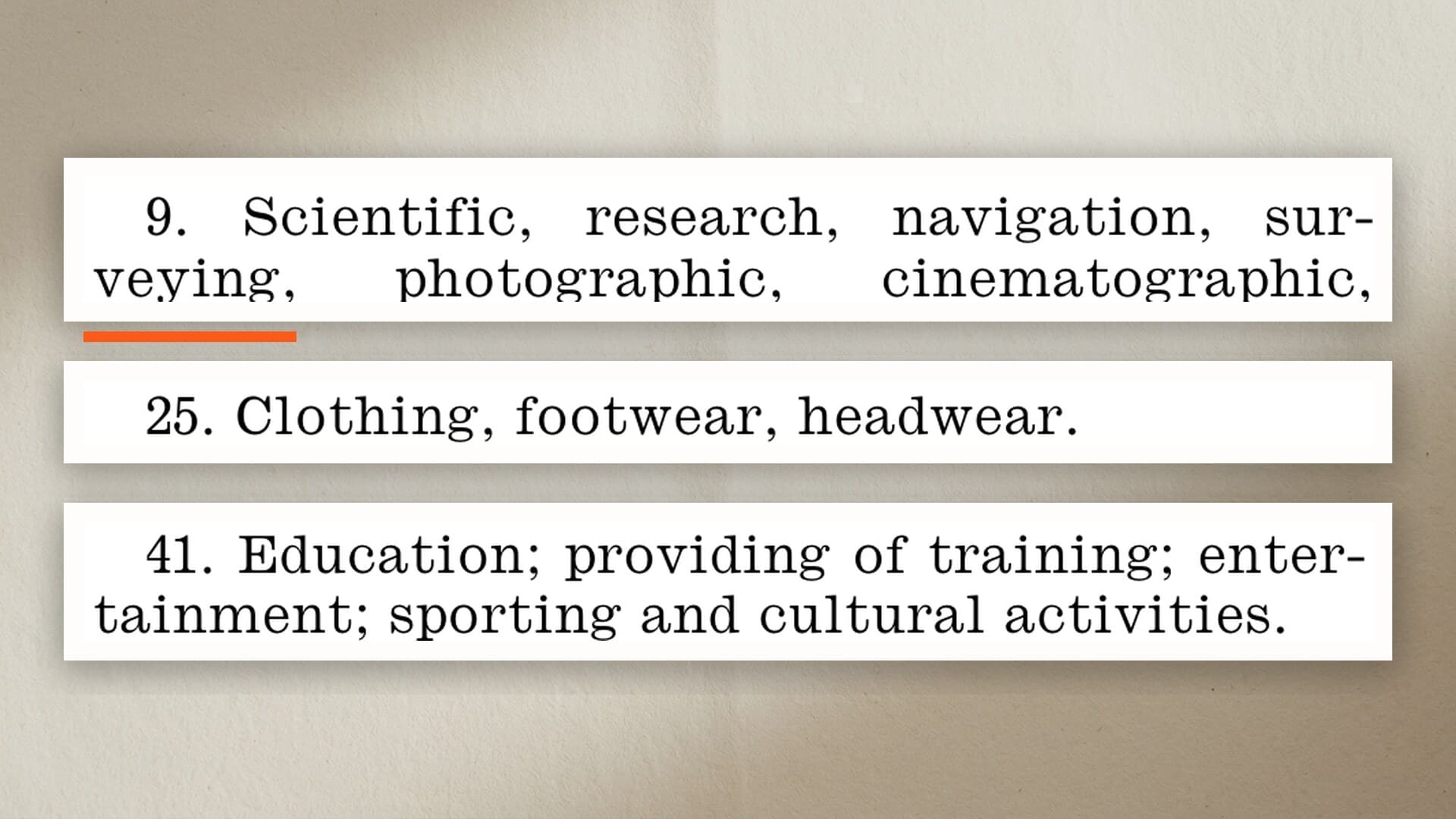
Not on your own, and not quickly. TikTok's own documentation states that "a video code can only be deleted when all the ads this video is used in are deleted in TikTok Ads Manager." The advertiser controls the ads, so the advertiser controls when your authorization ends, regardless of how you feel about it on day 180. There is a second sentence in that documentation that creators discover at the worst possible moment: videos "need to be un-authorized as a Spark Ad before it can be deleted from the organic account." Read that slowly. While an authorization is live, you cannot delete your own video. Not because the brand owns the file, but because the ad depends on the organic post continuing to exist. Your archive is load-bearing infrastructure for someone else's campaign. This is the same structural problem as everything else creators build on rented ground. You are the tenant of your own work, and the platform decides which of your own levers still move. The window you sold turns out to include a window you did not know you had. Two practical clauses fix most of it. First, a stated end date in the contract, not just in the platform setting, so a lapsed code is a breach rather than an inconvenience. Second, a takedown provision: the brand removes the ads and releases the authorization within a fixed number of business days on written request, for any reason, including reasons that are none of their business. "In perpetuity" means the licence has no end date. It does not mean the grant is permanent. 17 U.S.C. § 203 lets an author terminate a grant of a transfer or licence during a five-year window that opens 35 years after execution, with written notice served not less than two and not more than ten years before the effective date, recorded with the Copyright Office. Thirty-five years is not a remedy. It is a fact about the shape of the law, and it is worth knowing for exactly one reason: it tells you that Congress thought perpetual grants by individual authors were a problem worth legislating about. The person across the table from you knows this. That is why the word appears in the draft and never in the conversation. Strike it. Replace it with a term and a renewal price. A brand that genuinely needs the asset forever will pay for the renewal, and a brand that does not need it forever was never going to notice. The renewal price is the part creators leave on the table. Written correctly, an expiring licence is a recurring invoice: the same asset, already made, already performing, billed again every twelve months for as long as it keeps working. That is a shape worth recognizing, because it is the same shape a subscription has, except that somebody else decides whether to renew. No, unless the contract says "work made for hire" and the content happens to fall into one of nine narrow statutory categories. Under 17 U.S.C. § 101, a commissioned work is a work made for hire only if it is a contribution to a collective work, part of a motion picture or other audiovisual work, a translation, a supplementary work, a compilation, an instructional text, a test, answer material for a test, or an atlas, and only "if the parties expressly agree in a written instrument signed by them." A sponsored Instagram post is none of those nine things. Neither is a TikTok. The US Copyright Office's Circular 30 lays the list out in plain language, and a social video sits outside it. That matters more than any other sentence in this article, because work for hire is the one clause with no exit. A licence, even a perpetual one, is terminable at 35 years under § 203. Work made for hire is not: the statute applies to "any work other than a work made for hire," and the copyright in a work for hire runs 95 years from first publication or 120 years from creation, whichever ends first. For a work you author yourself, copyright runs your life plus 70 years, and it starts out belonging to you. Here is the whole hierarchy in one table.
What the contract saysIs it a transfer of copyright?Must it be signed?Terminable at 35 years?Who holds the copyright
Nonexclusive licenceNo. § 101 excludes "a nonexclusive license"Not required by § 204(a)Grants are terminable under § 203You
Exclusive licenceYesYes. § 204(a) requires a writing signed by the ownerYesYou, licensed away
Assignment of copyrightYesYes, same ruleYesThe brand
Work made for hireNot a transfer. Authorship starts with themYes, an express signed instrument, and only for the nine categoriesNoThe brand, for 95 or 120 years
The pattern in that table is the argument. Every row except the last one leaves you holding something. That is the difference between renting an asset out and never having owned it at all. One more line to look for, unrelated to ownership and easy to miss: your disclosure obligation does not transfer with the media buy. 16 CFR § 255.5 requires that a material connection "must be disclosed clearly and conspicuously" when it is not reasonably expected by the audience. A brand repurposing your post as a paid ad does not relieve you of anything.
  • Term. A number and a unit. If the draft says "perpetual," "in perpetuity," or "unlimited," that is the negotiation, not the boilerplate.
  • Media. Name the surfaces. "All media now known or hereafter devised" is a phrase that costs money and is priced like a formality.
  • Exclusivity. Name the competitors and the duration. A twelve-month category exclusive against three brands is a real cost to you and should appear as a real line on the invoice.
  • Work for hire and assignment. Search the document for both strings. Ask for a licence instead. Almost every brand will agree, because almost none of them need the copyright.
  • Takedown and release. A fixed number of business days, on written request, with the platform authorization released, not merely paused.
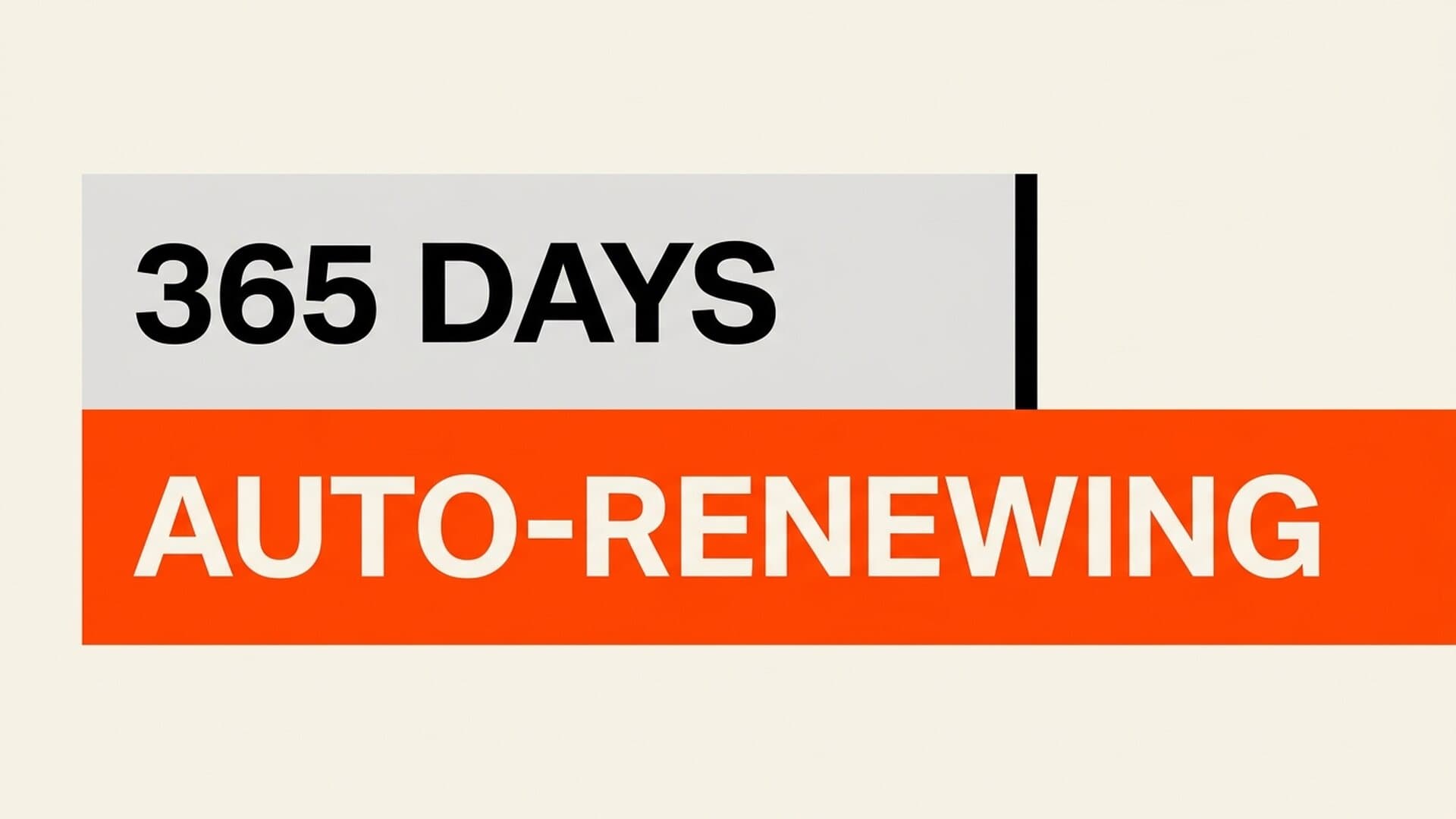
None of this requires a lawyer to spot. It requires reading five paragraphs in a document you were going to sign anyway, and it is the same discipline as checking whether you actually own the name on your product before you build a business on it. If you are a creator in the 50,000 to 500,000 follower range, most of your income is brand deals, and your best month this year was a month with three of them, then this is your actual business model: you manufacture an asset, sell a window on it, and start again at zero on the first of the month. The window closes. The asset stops earning. The brand moves on. Nothing you made last quarter is producing anything this quarter, which is why the brand deal math stops working the moment you compare it to anything that renews. Compare it to the alternative on exactly one axis: what happens on day 366. Apple's auto-renewable subscriptions, in Apple's own words, "automatically renew at the end of their duration until the user chooses to cancel." And the economics improve with age rather than expiring: Apple states that "during a subscriber's first year of service, you receive 70% of the subscription price at each billing cycle," and that "after a subscriber accumulates one year of paid service, your net revenue increases to 85% of the subscription price." A usage window pays less the longer it runs, because the brand amortizes it. A subscription pays more.
A flat editorial diagram: a grey bar labelled 365 DAYS stopping at a hard black end line, and an orange bar labelled AUTO-RENEWING running off the right edge of the frame
That is the whole difference, and it is not a matter of ambition. A creator with 80,000 engaged followers who already sells something has every input a subscription product needs. What they do not have is the product, and building one has historically meant either learning to ship software or paying a studio $60,000 to find out whether the idea works. Built by Foundry builds it instead. $0 upfront, revenue share, roughly three weeks from decision to a live product, the creator owns the business, and we run and maintain it forever afterwards so nobody becomes a software company by accident. That is the entire model. Usage rights are the clearest statement the creator economy makes about itself. A brand will pay you well for a defined period of access to your audience's attention, and the contract will say, in plain English, exactly when that access ends. Read it as a mirror. Your whole business has a term, a media, a territory and an exclusivity clause, and right now somebody else is writing all four of them for you, one deal at a time. The version where you write them is an asset that renews on its own, sells attention to nobody, and has no end date that a counterparty controls. It is not more work. It is the same work, invoiced differently, and it is the only version you can ever sell. There is a paragraph under the number. Go read it.
See What We’d Build You →
Sources verified September 15, 2026: TikTok Ads Manager help on Spark Ads and on creating Spark Ads for Smart+ campaigns; 17 U.S.C. § 101, § 203 and § 204; the US Copyright Office's Circular 30 and its duration FAQ; 16 CFR § 255.5; and Apple's auto-renewable subscriptions documentation. This article is information, not legal advice. Current-state claims require revalidation before later use.
Our work

Creators who already did this

These are apps we designed, built, shipped, and still run today, with the creator keeping the code and the audience.

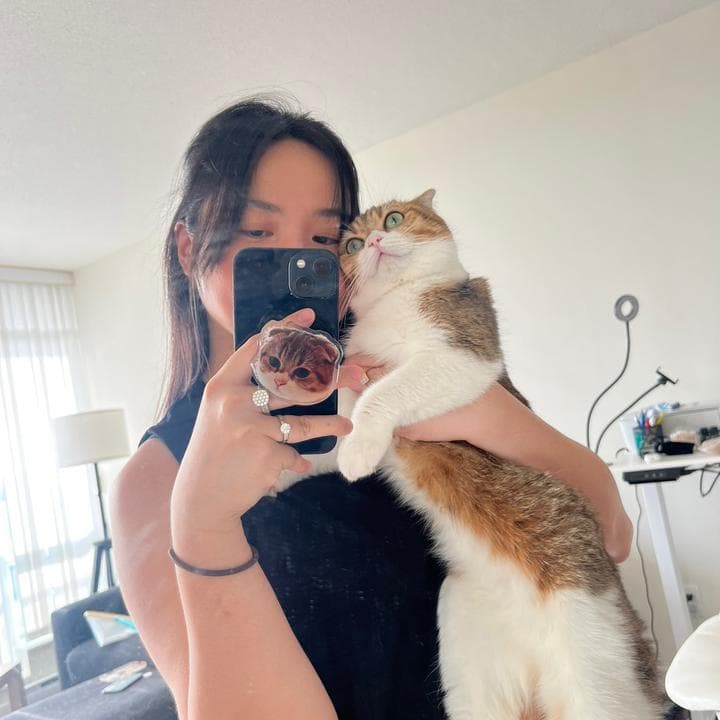
Samantha Mae

Samantha Mae

Founder & CEO of NineLives

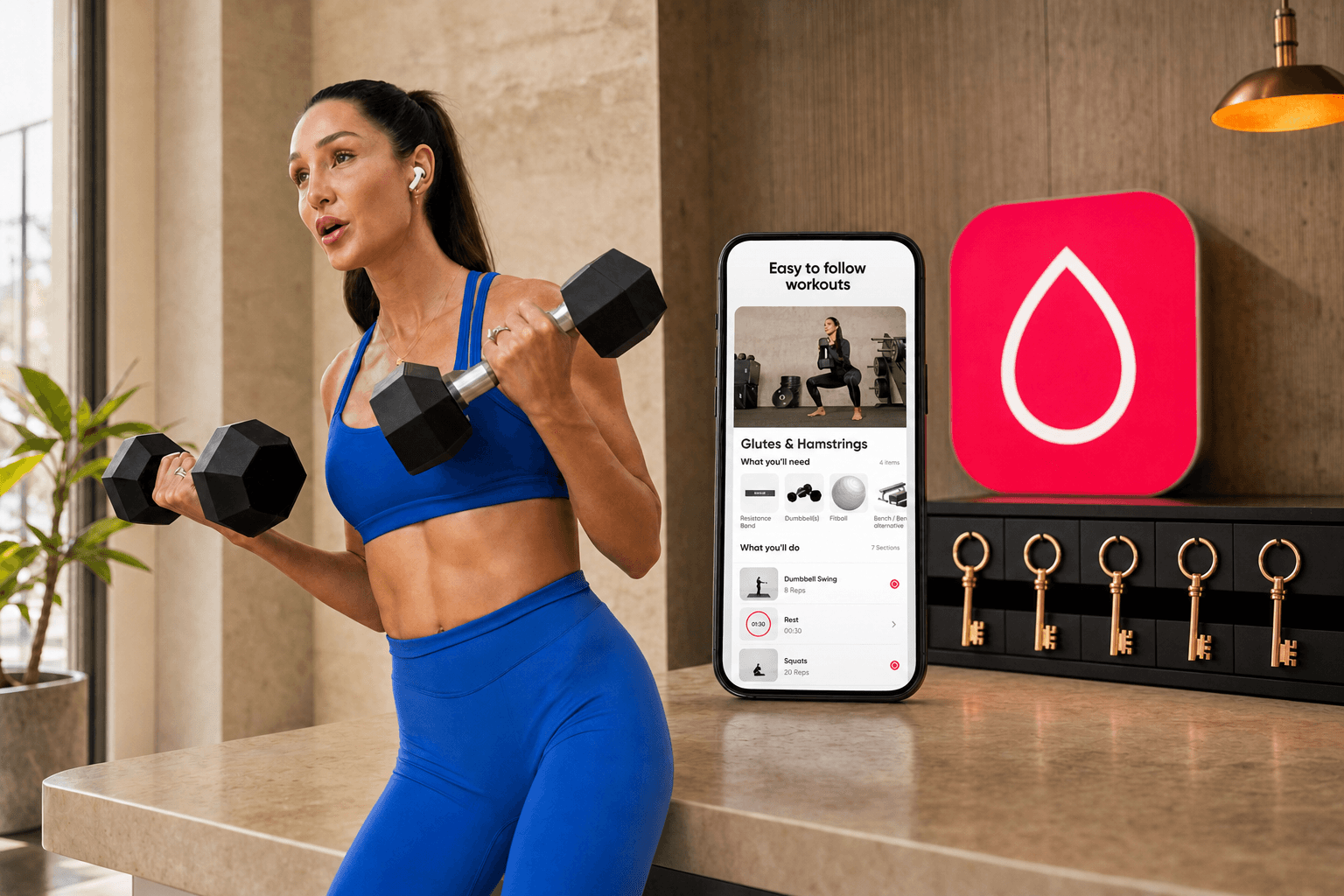
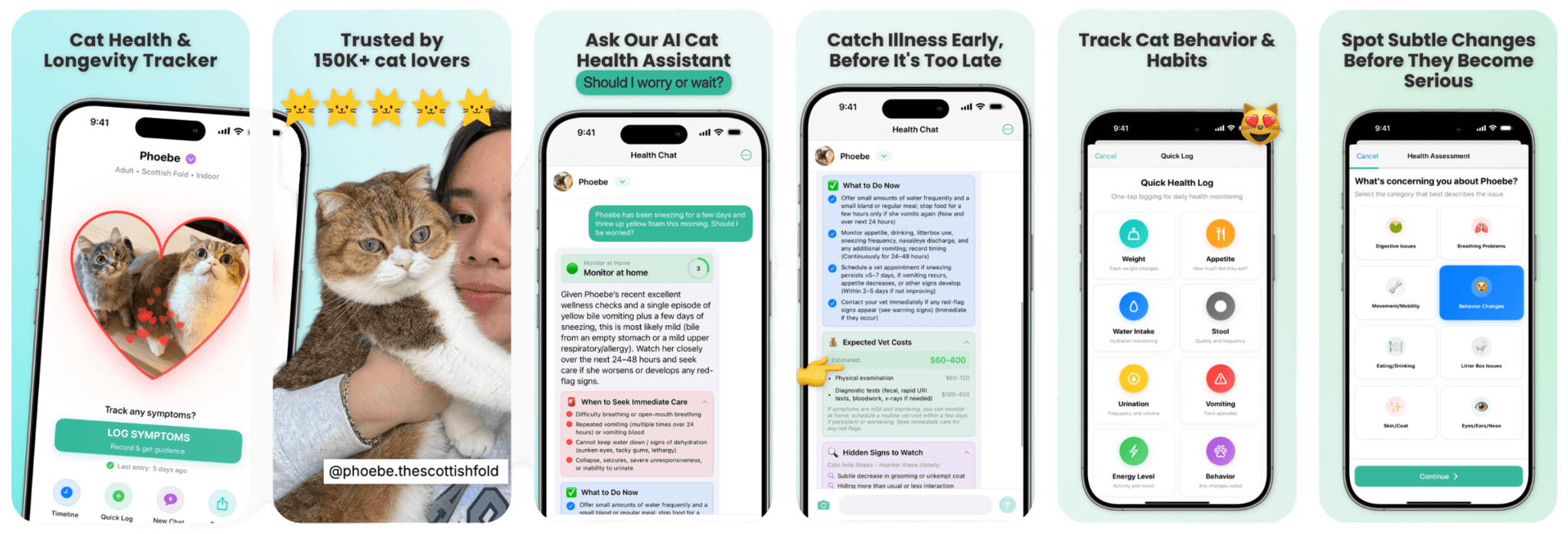
Cat health tracking from the world's most beloved Scottish Fold.

Top Health App150K+ followers
Read the case study
NineLives screenshots
Liv Merima

Liv Merima

Founder & CEO of Claim It

Custom affirmations that help millions choose themselves.

Top Lifestyle App150K+ followers
Read the case study
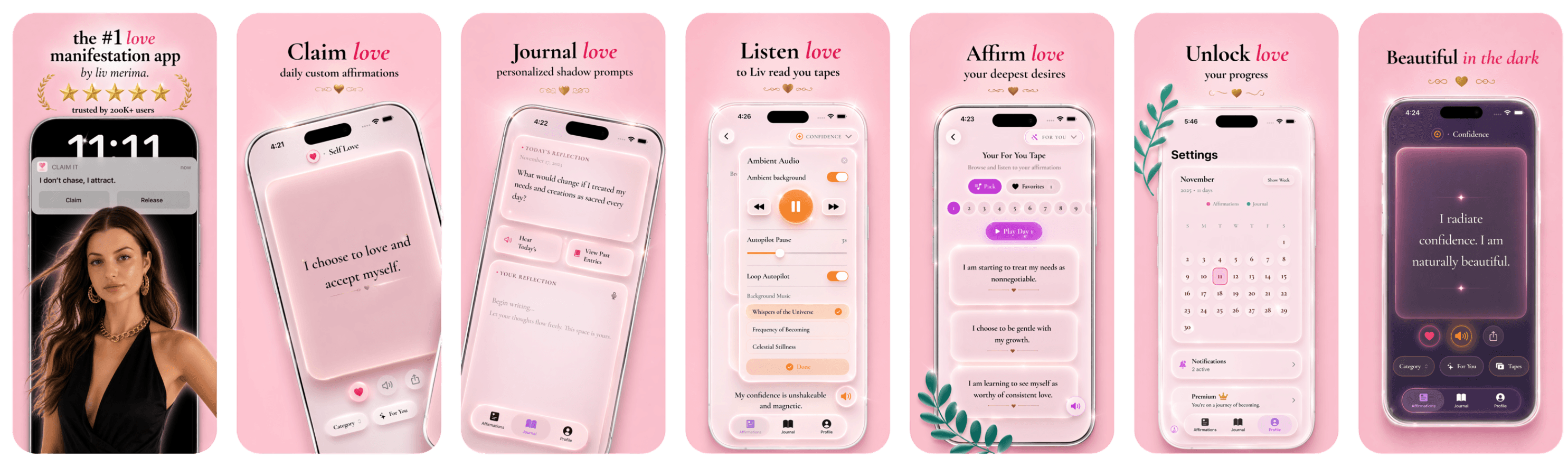
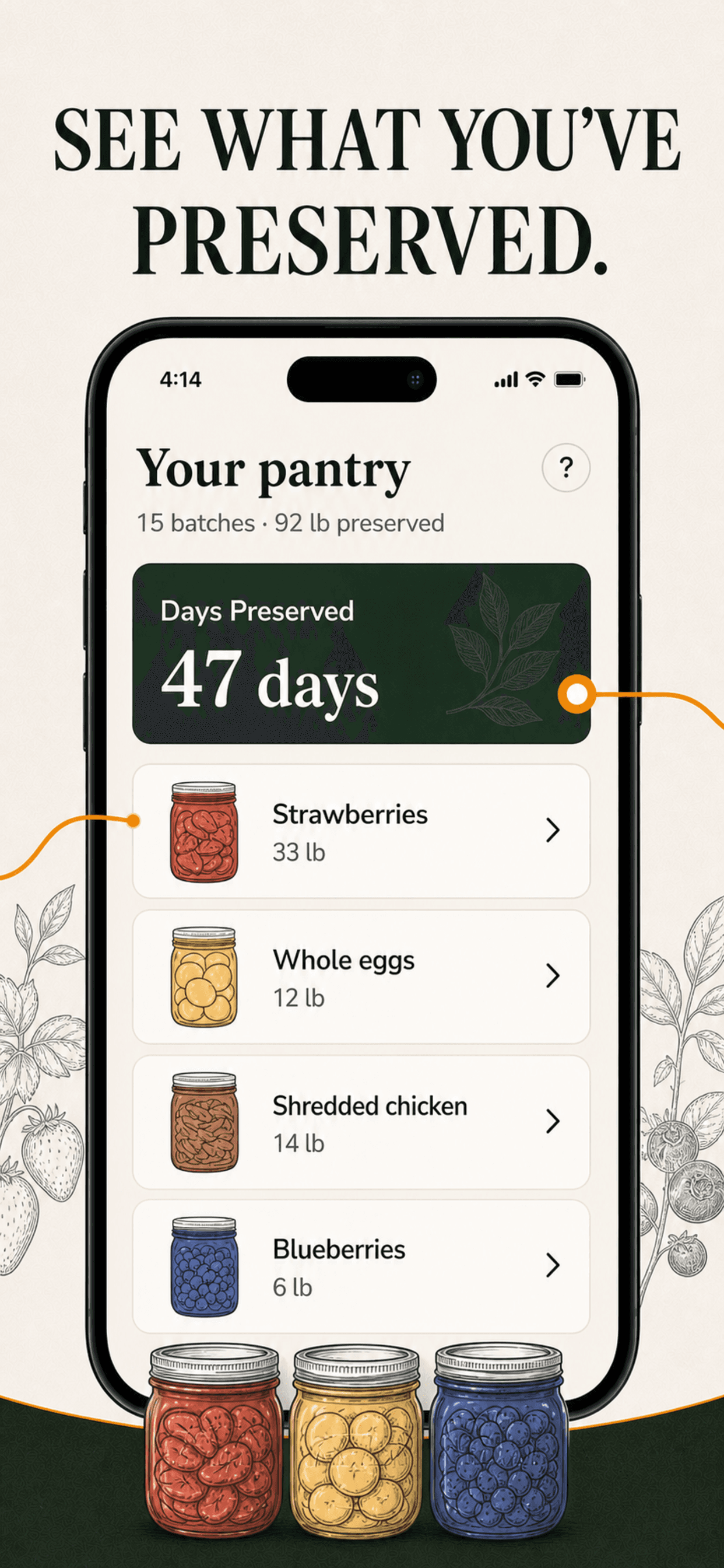
Claim It screenshots
Brandon Whiteleather

Brandon Whiteleather

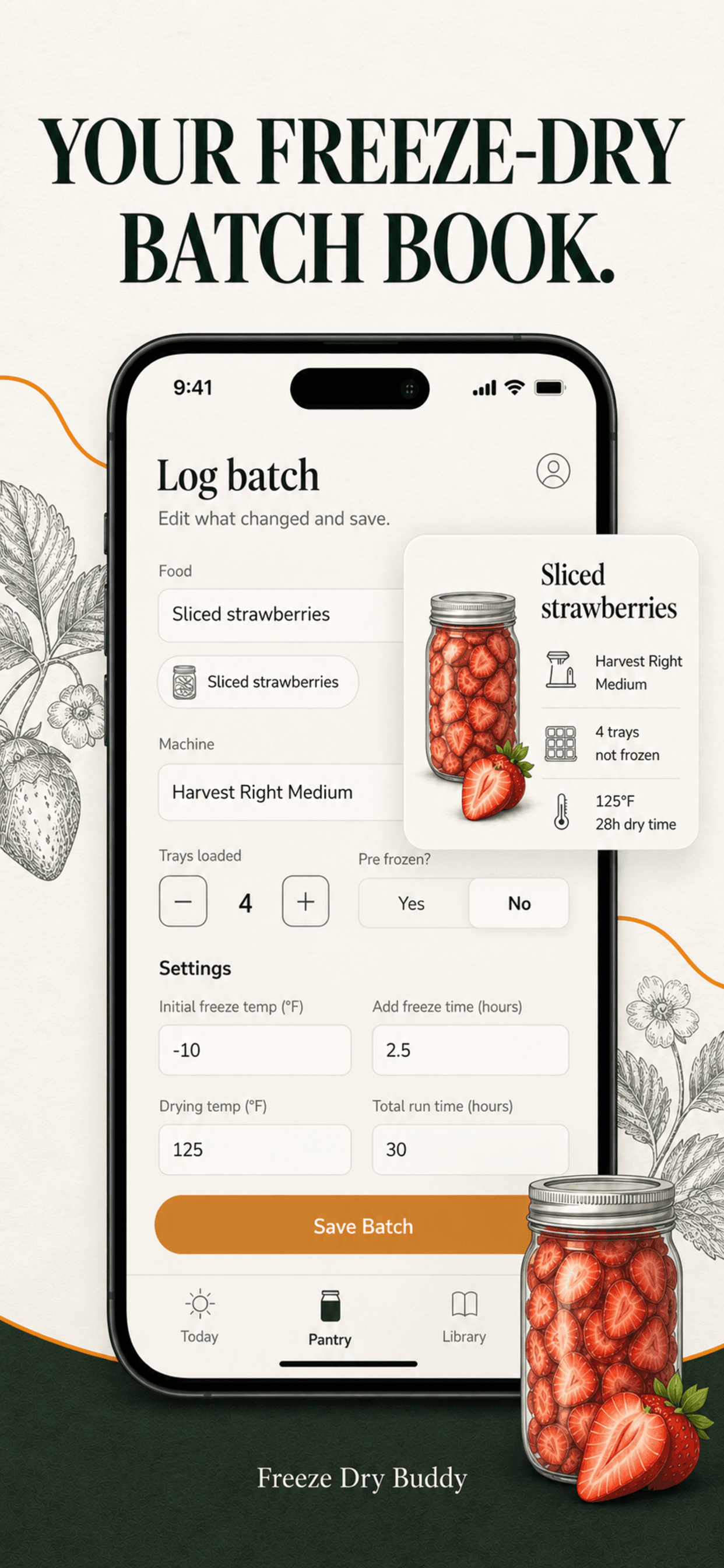
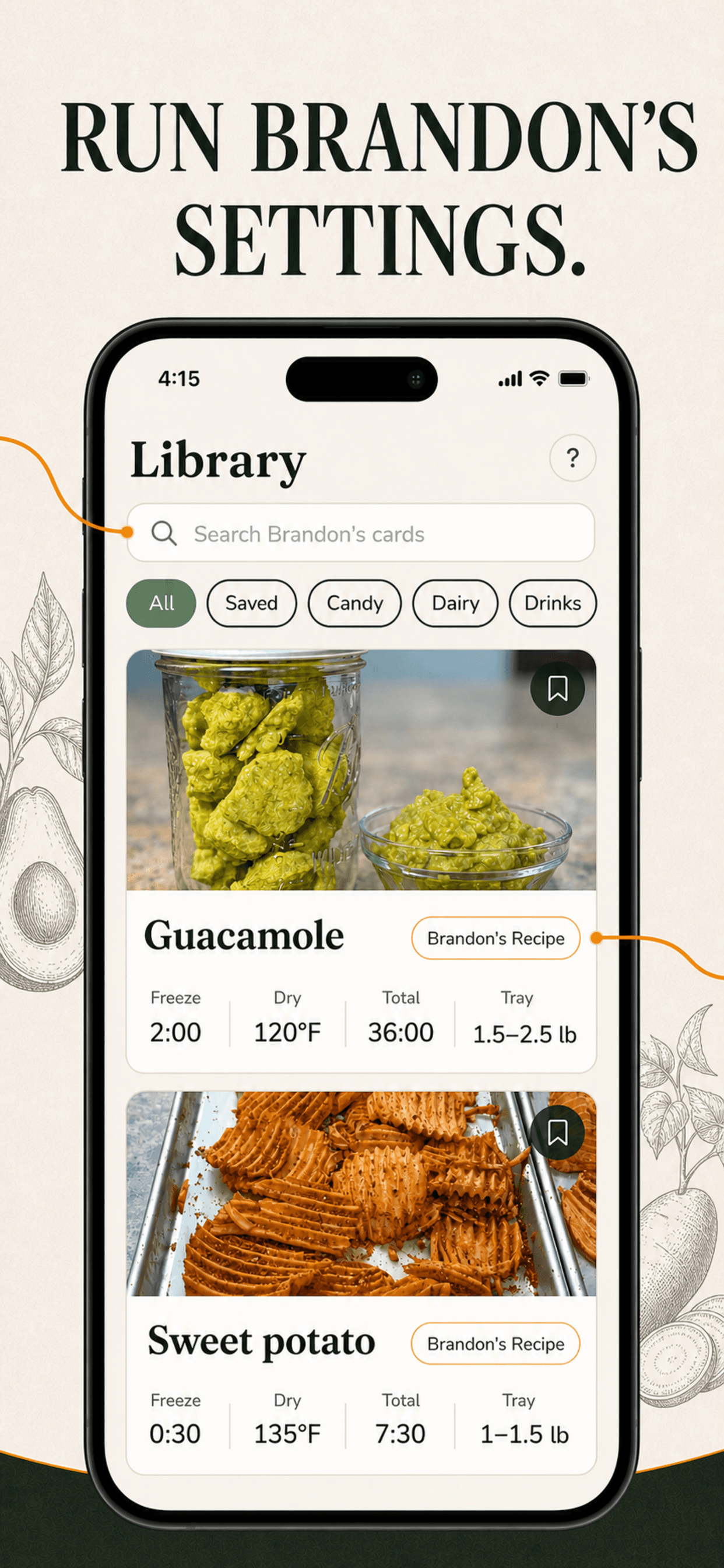
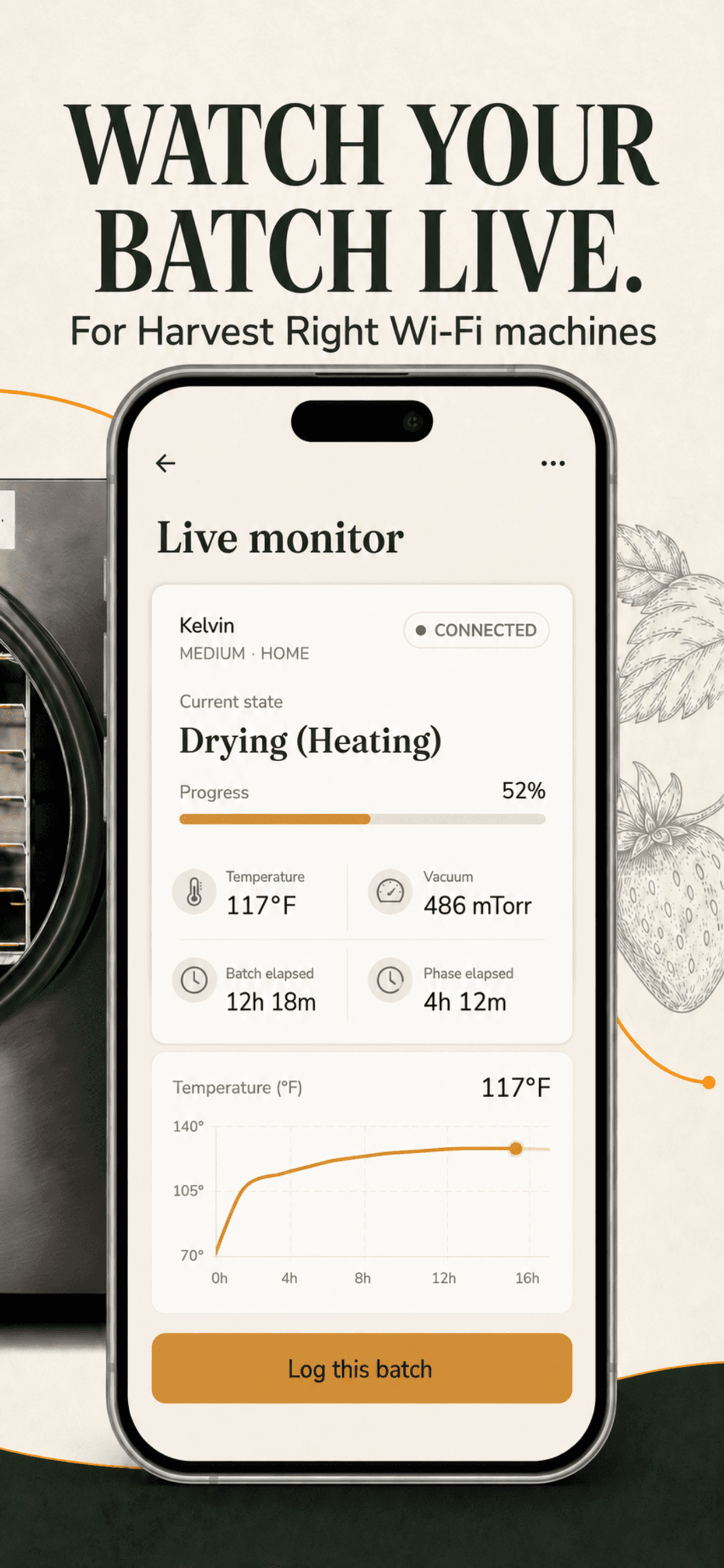
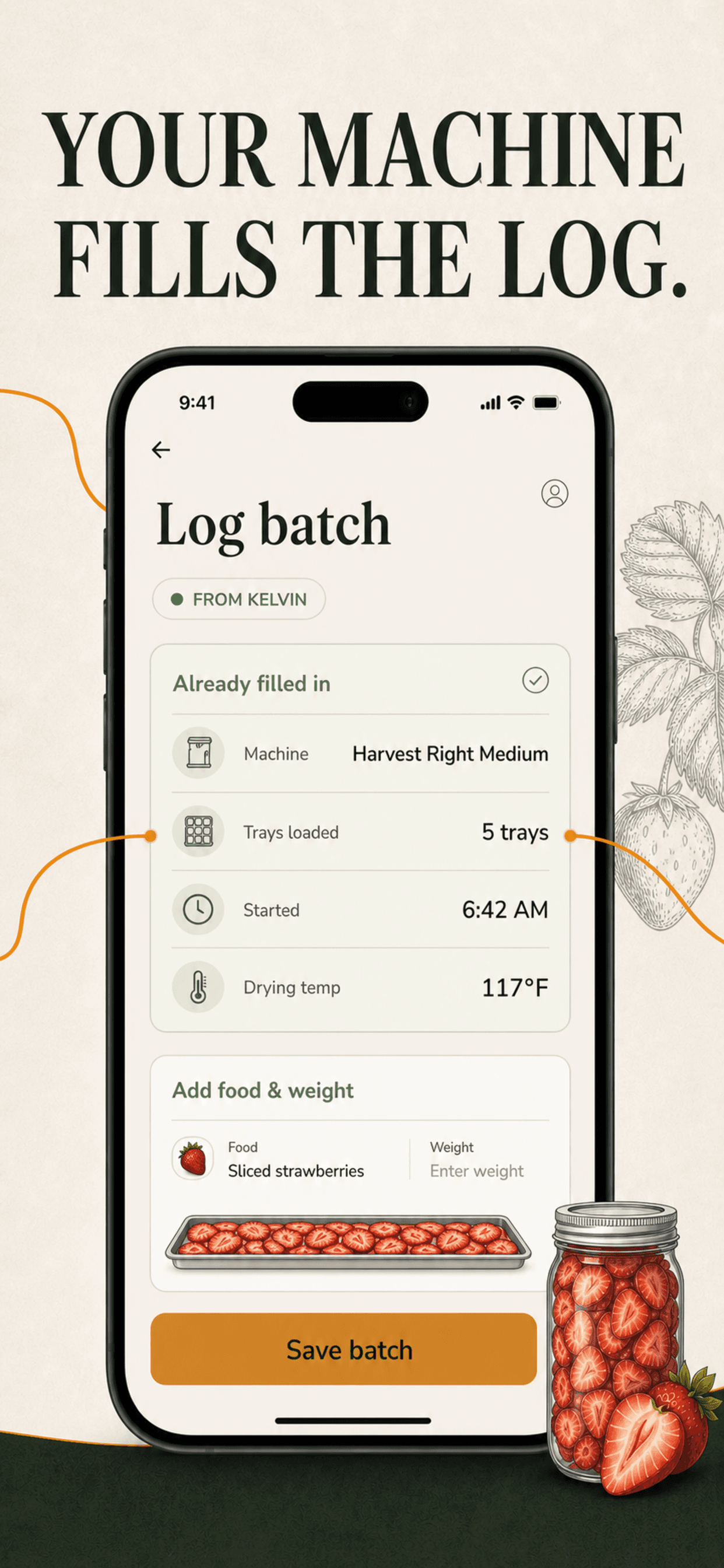
Founder & CEO of Freeze Dry Buddy

Freeze drying made foolproof, from a homesteader who's done it 1,000 times.

Top Food App1.4M+ followers
Read the case study

Creator app strategy

Curious what your app could be?

Enter your handle and BUILT BY FOUNDRY will research your audience and present custom app concepts. Free.

What Are Usage Rights? 4 Windows, 9 Categories, and 1 Word to Delete