
Turning Knowledge into Products

Creator Equity: 5 Ways to Own Something You Can Sell

July 27, 2026
Share
Creator Equity: 5 Ways to Own Something You Can Sell

Get Creator Revenue Insights

How creators are turning audiences into subscription businesses
Share
Key Takeaways:
  • Creator equity is ownership in a business your audience powers. Income stops when you stop posting. Equity keeps its value.
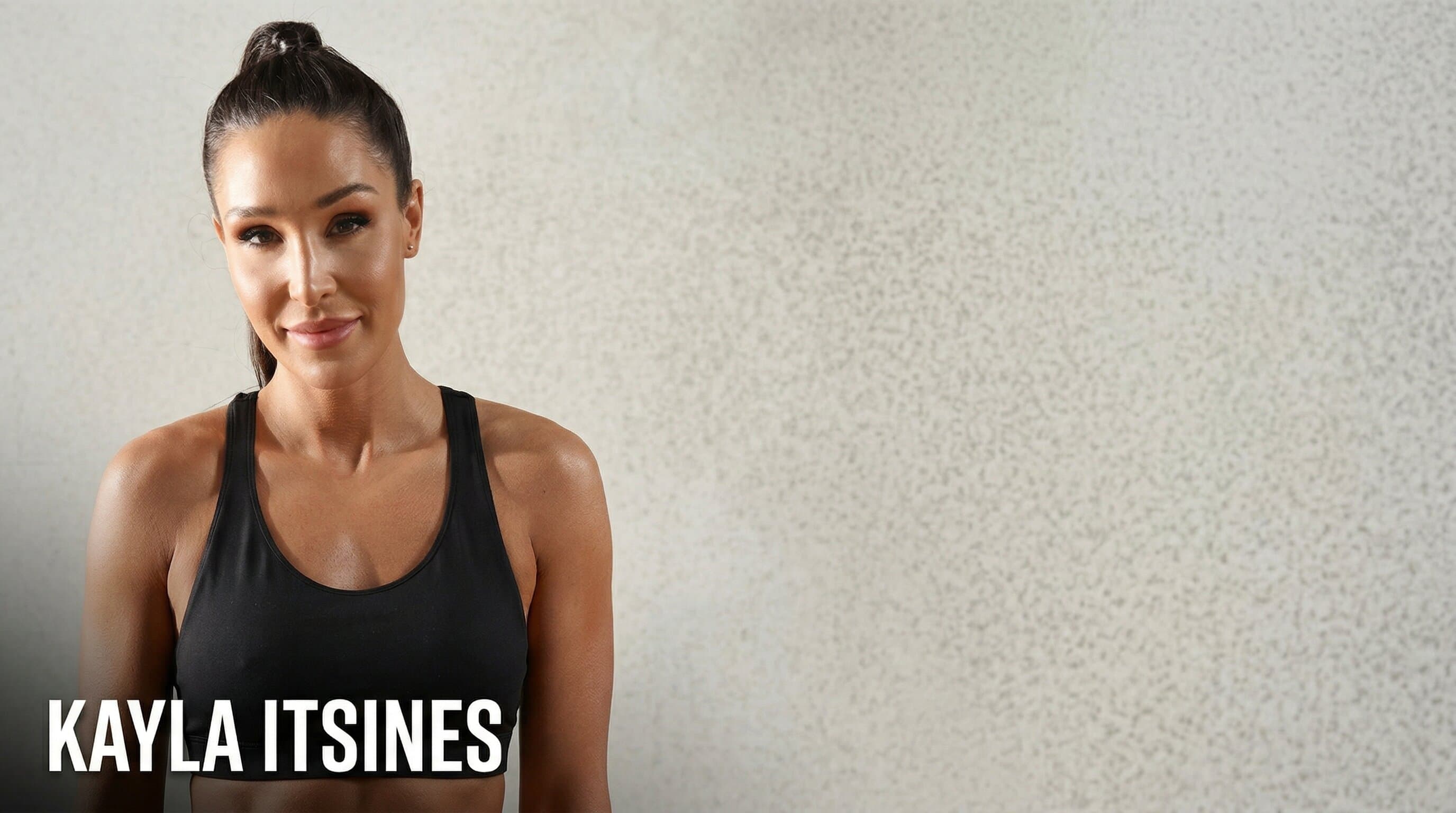
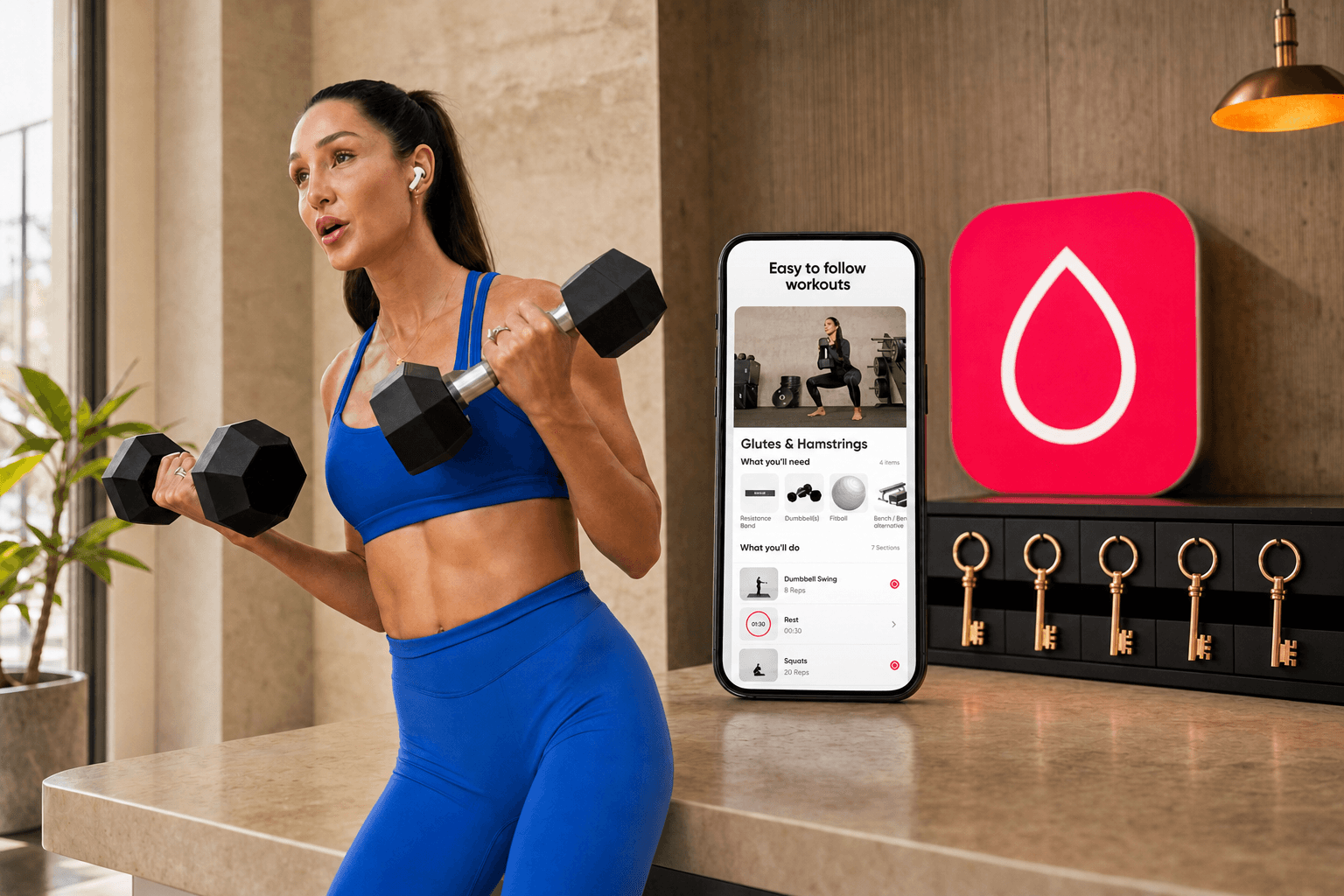
  • Kayla Itsines turned Instagram workout posts into Sweat, sold it for $400M in 2021, then bought back full ownership in 2026.
  • Goldman Sachs pegs brand deals at roughly 70% of creator revenue. Brand deal income sells for $0 the day you retire.
  • The five paths: equity in brand deals, co-founding a product company, a subscription app, owned distribution, and structuring for an exit.
  • You don't need MrBeast's scale. You need one recurring-revenue asset with your name on the cap table.
Here's a question most creators can't answer: if you stopped posting tomorrow, what would you still own? Not your follower count. Platforms hold that. Not your brand deal pipeline. That dies with your posting schedule. Creator equity is the part of your business that exists independent of your output: the app, the company, the product, the customer list. It's the difference between earning like a freelancer and owning like a founder. Goldman Sachs projects the creator economy will approach $480 billion by 2027, and the same research shows brand deals make up about 70% of creator revenue today. That means most creators are building their careers on the one income stream that's worth nothing at a sale. This guide covers the five ways to fix that. Creator equity is ownership of a durable business asset built on top of your audience: shares in a company, a product line, an app, or a customer base that a buyer would pay for. Income is what you earn this month. Equity is what someone would pay you to walk away. The distinction matters because these two things get taxed, valued, and sold completely differently. A $10K brand deal is $10K, once. A product doing $10K a month in recurring revenue is an asset that buyers routinely value at a multiple of its annual revenue. Same monthly number. Wildly different net worth. Most creator income fails the equity test:
Income typeRecurring?Earns if you stop posting?What a buyer pays for it
Brand dealsNoNo$0
Platform ad revenueOnly while postingNo$0
One-time courses and merchNoRarelyVery little
Subscription product or appYesYesA multiple of annual revenue
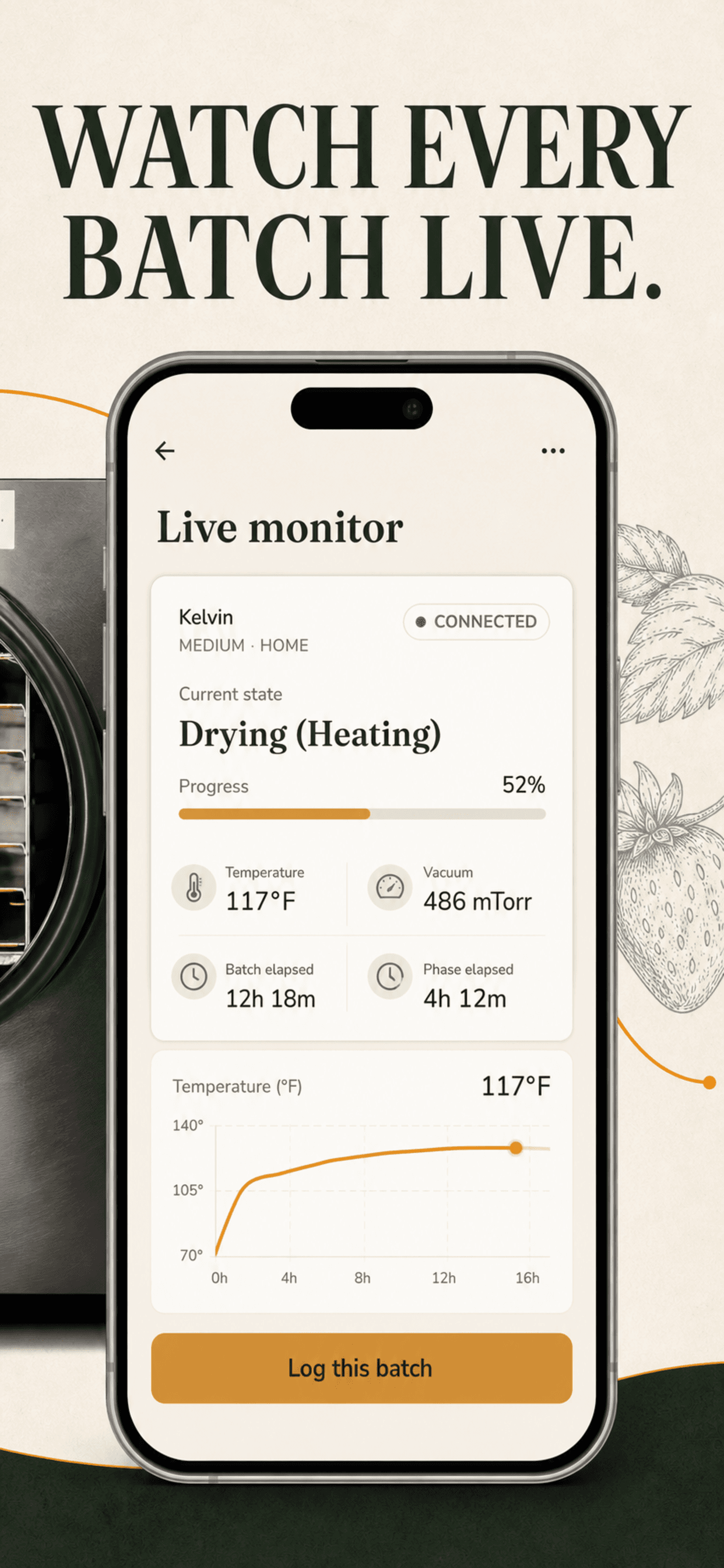
Because you don't own it. Your followers live in TikTok's database, YouTube's database, Instagram's database. The platform can change the algorithm, restrict your reach, or ban your account, and no acquirer will pay serious money for an asset a third party controls. We broke down the mechanics of this in why you can't sell a YouTube channel but you can sell an app. An audience is a launch advantage, not an asset. Kayla Itsines proved what happens when you convert one into the other. She started with Instagram workout posts and $70 PDF guides, then moved everything into the Sweat app with 450,000 paying subscribers. She and her co-founder sold Sweat for $400 million in 2021. The buyers didn't pay for her followers. They paid for the subscription business her followers had become. The full story is in our Kayla Itsines profile, including the 2026 twist: she bought the company back and now owns every share. That's what equity gets you. She sold it, banked the money, and got the asset back. Try doing that with a media kit. The simplest upgrade: stop taking 100% of your brand deal compensation in cash. If your promotion is going to grow a company, own a piece of the growth. Charli D'Amelio ran this play in 2020. Weeks after partnering with teen banking app Step as a promoter, she joined its $50 million Series B as an investor, then invested again in the Series C alongside Coatue and Stripe. Her posts were going to drive Step's user growth either way. The equity meant she captured some of the value she created instead of handing all of it to the sponsor. You don't need to be the biggest creator on Earth to do this. Early-stage companies buying creator promotion are often happy to pay partly in shares, because it aligns you with their outcome. Ask for it. The worst case is they say no and you take the cash like before. The catch: you're a minority holder in someone else's company. You can't control the product, the timing, or the exit. Which is why the next three paths matter more. The step up from taking equity is creating it. Emma Chamberlain didn't license her name to a coffee brand for a royalty. She co-founded Chamberlain Coffee and held founder equity through multiple funding rounds, including a $7 million raise in 2023. The company now sits in over 8,500 retail stores with revenue projected around $33 million, per Forbes. We covered her build in the Emma Chamberlain profile. The ceiling here is high. MrBeast rolled his content, Feastables, and Lunchly into a single holding company, Beast Industries, that did roughly $500 million in revenue in 2024 and explored raising money at a $5 billion valuation. He still owns a little over half of it. His videos famously break even at best. The equity is where all of the wealth lives. The honest tradeoff: physical products mean inventory, retail relationships, co-founders, and dilution. Chamberlain Coffee raised outside money repeatedly to keep growing. CPG is a real company with real overhead, and most creators underestimate both. This is the path where the math works hardest in your favor, and it's the one we know best. Software carries no inventory, subscription billing compounds instead of resetting, and the App Store brings you customers who have never seen your content. Run the numbers. A creator with 100K followers converts 1,500 of them to a $10/month app. That's $15K MRR, $180K a year, recurring, growing, and sellable. Sweat at its peak ran about $100 million in annual subscription revenue from 450,000 subscribers, which is what justified a $400M price tag. The model scales down cleanly: you don't need her numbers for the asset to change your life at a sale. An app also passes every equity test the table above sets. It earns while you sleep. It survives an algorithm change. It transfers to a buyer with a signature. And unlike a CPG co-founding deal, you can own all of it. What stops most creators is the build: agencies quote $50K to $200K, and no-code tools ship demos, not products. We published an honest breakdown of the true cost of a creator app if you want the full math. Closing that gap is literally why Built by Foundry exists: we build and run the whole thing for a revenue share, so the creator holds the ownership without fronting the capital.
Split composition showing rented creator income on one side and owned recurring revenue assets on the other
Equity isn't only shares in a company. Owned distribution, meaning email lists, SMS lists, and app install bases, is an asset line item in every acquisition. Buyers pay for it because it's the one channel no platform can throttle. The test is simple: can you reach your 1,000 truest fans tomorrow without a platform's permission? If the answer is no, every business you build sits on rented land. An email list is the entry-level version. An app on your fan's home screen is the strongest version, because it comes with push notifications, usage data, and a direct billing relationship. This is also why the smartest creators treat distribution as the first asset they build, not the last. Every product launch, presale, and price change gets easier when the pipe is yours. Your follower count is a lead list you don't control. Your subscriber list is equity. You don't have to want to sell. You have to build as if you could. That means the business needs to work without your daily involvement, which is the single biggest thing acquirers check. Sweat sold because it was a subscription machine with 450,000 paying members, not a personality holding an audience's attention. Beast Industries can talk seriously about an IPO because it's a holding company with operators, brands, and revenue lines beyond one man's videos. Practical version for a creator at normal scale: keep the product's brand slightly bigger than your face, keep clean books from month one, own the customer relationship directly, and make sure the thing runs when you take a month off. Do that and you hold an asset with three exits: keep it and collect, sell part of it, or sell all of it. Skip it and your only exit is retirement. Recurring-revenue businesses are typically valued at a multiple of annual revenue or profit; one-off creator income is valued at zero. That single sentence is the whole argument. The reference points from this article, all from public sources:
Creator assetOwnership movePublicly reported outcome
Sweat (Kayla Itsines)Co-founded subscription app$400M sale in 2021, bought back in 2026
Beast Industries (MrBeast)Holding company, majority owner~$500M revenue, ~$5B valuation talks
Chamberlain Coffee (Emma Chamberlain)Co-founder equity~$19.6M raised, ~$33M projected revenue
Step (Charli D'Amelio)Equity alongside promotionInvested in $50M Series B, then Series C
Four different creators, four different vehicles, one identical decision: they converted attention into ownership while the attention was hot. The window where your audience can seed an asset is now, not after the algorithm moves on. We profiled how far the compounding goes in MrBeast's $5B empire.
Conceptual image of a single glowing asset being forged on a dark workbench, representing a creator building owned equity
Creator equity is ownership in a business asset built on an audience: company shares, a product brand, a subscription app, or an owned customer list. Unlike brand deal income, which stops when posting stops, equity holds value independently and can be sold. No. Equity comes from converting some portion of an audience into paying customers of something you own. A creator converting 1,500 fans to a $10/month product holds a $180K/year recurring-revenue asset. Conversion and retention matter more than reach. Take equity on top of cash when the company is early-stage and your promotion will directly drive its growth. Pure equity deals carry risk because most startups fail, so a blend protects your downside while keeping upside exposure. Subscription apps are generally valued as a multiple of annual recurring revenue or profit, with the multiple driven by growth rate, churn, and how well the business runs without the founder. Sweat's $400M sale was anchored by roughly $100M in annual subscription revenue from 450,000 subscribers. Launch a recurring-revenue product you fully own, with a subscription app being the strongest version because it combines recurring billing, owned distribution, and App Store discovery. Partners like Built by Foundry build and operate the app for a revenue share, so no upfront capital is required.
Ready to own something your audience can't be unfollowed away from? We build custom apps for creators. $0 upfront, 3-week delivery, we handle all the tech forever. You keep the ownership.
Let's Build →

Creator app strategy

Curious what your app could be?

Enter your handle and Built by Foundry will research your audience and present custom app concepts. Free.