
How creators are turning audiences into subscription businesses
Share
Key Takeaways:
Substack and Patreon both charge new creators 10% of revenue plus roughly 3% in payment processing, so the fee math is nearly identical on paper
Substack wins discovery: its Recommendations network and Notes feed sit on top of 50 million total subscriptions, and the platform crossed 5 million paid subscriptions in early 2026
Patreon wins format flexibility: native video, podcasts, community chat, and livestreaming under one roof
Apple takes 30% of new memberships bought inside Patreon's iOS app outside the US, a cut Substack's web-based billing largely avoids
At 1,000 fans paying $8/month, both platforms cost you about $16,000 a year in fees, and neither gives you an App Store listing of your own
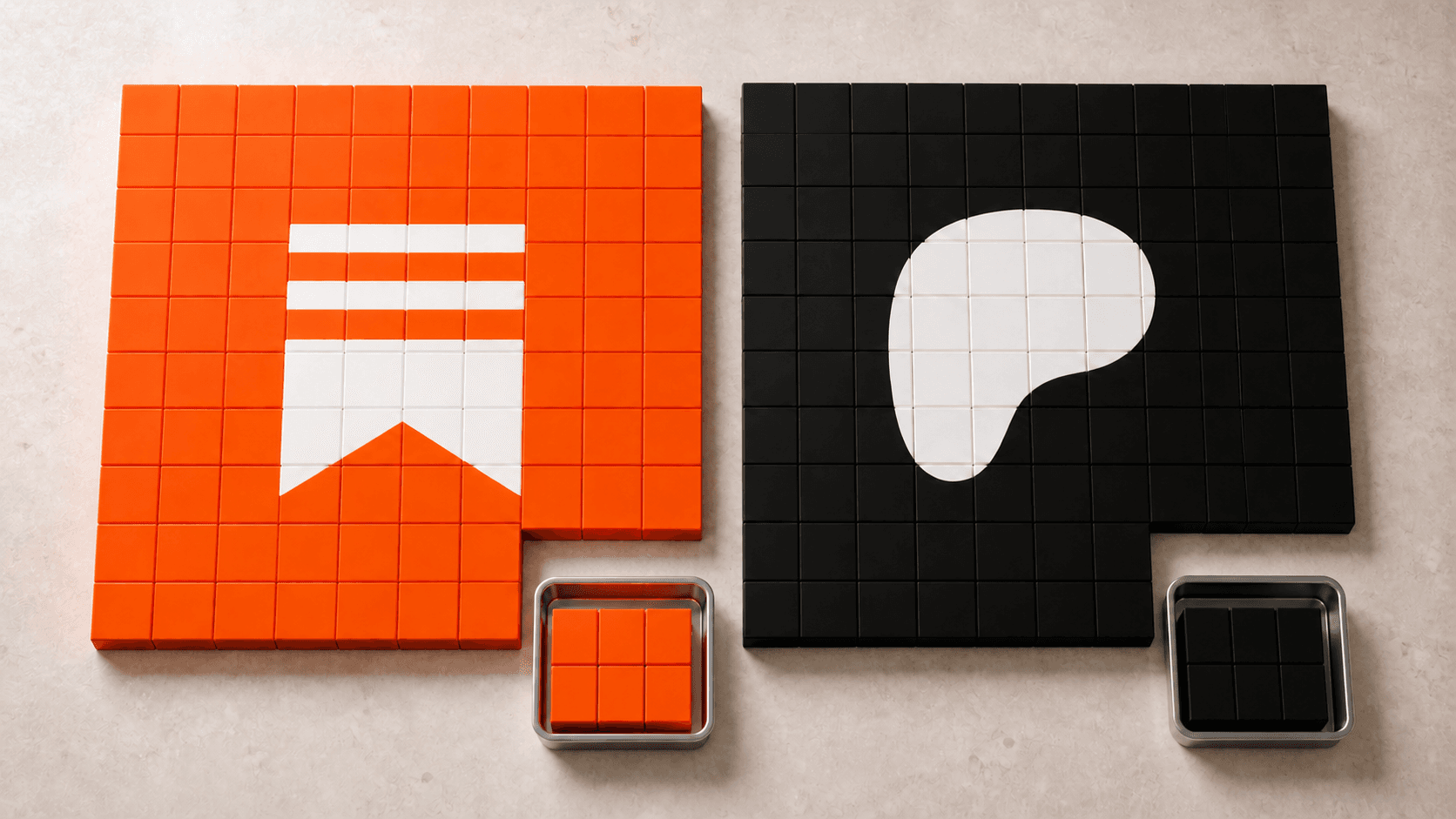
Substack raised $100 million at a $1.1 billion valuation in July 2025 and is pulling traditional media names onto the platform every month. Patreon has been the default membership platform for over a decade. If you're a creator deciding where to put your paying fans in 2026, these are the two names on the whiteboard.Here's the annoying truth: they now charge almost exactly the same fees. Both take 10% from new creators. Both pass along about 3% in processing. The decision doesn't come down to price. It comes down to discovery, format, Apple, and who actually owns your audience when you want to leave.We reviewed each platform separately in our Substack review and our Patreon review. This is the head-to-head.

Substack vs Patreon at a Glance
Substack
Patreon
Platform fee
10% of paid subscriptions
10% for new creators, 5% or 8% legacy
Payment processing
~2.9% + $0.30 (Stripe)
~2.9% + $0.30
Free to start
Yes
Yes
Best format
Newsletters, essays, podcasts
Video, podcasts, community, livestreams
Discovery
Recommendations + Notes, 50M subscriptions
Minimal, you bring your own audience
Apple iOS cut
Avoided via web billing
30% on new in-app memberships outside the US
Audience export
Email list + Stripe subscriptions
Email list only, billing stays with Patreon
Your own App Store listing
No
No
The last row is the one nobody talks about. We'll get to it.
What Is the Real Difference Between Substack and Patreon?
Substack is a publishing platform that added payments; Patreon is a payments platform that added publishing. Substack assumes your product is writing or podcasting delivered to an inbox. Patreon assumes your product already exists on YouTube or Spotify and it just handles the membership gate.That origin story explains almost every difference. Substack's editor, its reader app, and its Notes feed are built for people whose work is the content itself. Patreon's tiers, community chat, and native livestreaming launched in April 2025 are built for people whose real audience lives somewhere else and pays for extras.The scale is real on both sides. Substack crossed 5 million paid subscriptions in early 2026. Patreon supports 286,000+ active creators and paid podcasters alone $472 million in 2024.
How Much Do Substack and Patreon Actually Cost?
Both platforms are free to start and take roughly 13% of every dollar once you charge. Substack keeps 10% plus Stripe processing. Patreon charges new creators 10% plus processing since its August 2025 pricing change. At $8,000 a month in gross memberships, you net about $6,670 on either platform.Substack's own pricing page says writers keep 90% of revenue minus credit card fees. Patreon standardized new creators at 10% effective August 4, 2025; only creators who joined earlier keep their legacy 5% or 8% rates.Run the math at 1,000 fans paying $8/month:
Line item
Substack
Patreon (new creator)
Gross revenue
$8,000/mo
$8,000/mo
Platform fee (10%)
$800/mo
$800/mo
Processing (~2.9% + $0.30)
~$532/mo
~$532/mo
You keep
~$6,668/mo
~$6,668/mo
Annual cost of the platform
~$16,000/yr
~$16,000/yr
Sixteen thousand dollars a year. That's the real number, and it never goes down. It scales up with you forever. Double your fans and you pay $32,000. The platforms call this alignment. It's also the most expensive software subscription you will ever buy, for software you don't own a pixel of.
Who Wins on Discovery and Growth?
Substack wins discovery, and it isn't close. The Recommendations network lets established writers funnel subscribers to newer ones, Notes gives every post a social feed, and the whole system sits on 50 million total subscriptions. Patreon has no meaningful discovery engine; nearly every patron arrives from an audience you built somewhere else.This is the strongest argument for Substack in 2026. New writers regularly report that Recommendations drive a third to half of their free signups. There is no equivalent motion on Patreon. Patreon is a checkout page for an audience you already own; Substack is a network that can actually hand you readers.But keep the discovery win in perspective. Substack's network finds you readers inside Substack's app and Substack's feed. It does not put your name on anyone's home screen, and it stops working the day you leave. If growth beyond your current audience is the goal, the App Store is a bigger pond than any newsletter network, a point we made in why your next 10K fans won't come from social media.
What About Apple's 30% Cut?
Since November 2024, new memberships bought inside Patreon's iOS app are subject to Apple's 30% App Store fee. US fans can use Patreon's web checkout to avoid it, but fans outside the US cannot, so an $8 international iOS membership can lose over $3 to Apple and Patreon combined before processing. Substack billing runs through Stripe on the web, which largely sidesteps the problem.Patreon's own documentation spells out the iOS rules: either you raise your in-app prices so fans cover Apple's cut, or you absorb it. After the Epic v. Apple ruling, US fans get a web checkout option by default. International fans don't get a choice.Sit with the irony. Patreon pays Apple 30% for the privilege of being in the App Store, and you, the creator, inherit that bill with none of the upside. Your name isn't in the App Store. Patreon's is. You pay platform rates for shelf space that advertises someone else's brand.
Where Substack Wins
Writing and podcasting. The editor, the reader app, and the inbox relationship are the best in the category.
Discovery. Recommendations and Notes are the only real organic growth engine on either platform.
Portability. You can export your email list and, critically, your Stripe subscriber relationships. Leaving Substack is genuinely possible, which we covered in 5 Substack alternatives.
Momentum. A $1.1B valuation and a wave of media talent arriving means the network effect is compounding right now.
Where Patreon Wins
Format flexibility. Video, audio, image galleries, polls, community chat, and livestreams under one membership. Substack is still an inbox first.
Fan expectations. "Support me on Patreon" is a decade-old habit for podcast and YouTube audiences. The checkout is frictionless because fans have used it before.
Legacy rates. If you joined before August 2025, your 5% or 8% rate is grandfathered and beats Substack's 10%.
Tiers and extras. Multiple membership levels, one-off digital products, and merch fulfillment are native. Substack has one paid tier plus a founding level.
Choose Substack if your product is the content itself: essays, analysis, or a podcast where discovery and the inbox relationship compound. Choose Patreon if your audience already lives on YouTube or Spotify and you need tiers, community, and livestreams behind one gate. If you have 50K+ engaged followers, question whether either ceiling is high enough.If you're a writer or analyst, Substack is the obvious home. The discovery network is worth the 10% while you're growing, and the export path protects you later.If you're a podcaster or video creator with an engaged audience, Patreon's formats fit the way your fans already consume you. Just price in the Apple tax on iOS and the fact that your growth is entirely your own job.If you're a fitness coach, a language teacher, a chess streamer, or any creator whose fans want to do something rather than read something, be honest: both platforms are content lockers. Your fans don't want another feed. They want your programs, your drills, your routines, in an app with your name on it. That's a different product category, and neither Substack nor Patreon builds it.
Here's the question the comparison actually surfaces. Both platforms cost about $16,000 a year at $8K gross. Both put their brand between you and your fans. Neither gives you the one distribution channel that mints subscription businesses: your own App Store listing.
A creator app flips every weakness in the table above. The App Store's search traffic finds fans who have never seen your content. Push notifications reach 100% of your subscribers instead of an inbox open rate. Daily usage generates content for you to post instead of one more thing to write. And the business is an asset you own and can sell, not an account you rent.That's what Built by Foundry builds: your subscription app, live in the App Store in about 3 weeks, at $0 upfront on a revenue share. We design it, build it, submit it, and run and optimize it forever. You approve the vision and keep ownership. Substack keeps 10% for hosting an inbox. We only earn when your app earns.The creators winning in 2026 aren't picking the better landlord. They're buying the building.
Patreon is better for podcasters with an existing show on Spotify or Apple Podcasts who want tiers, bonus feeds, and community chat. Substack is better for podcasters who pair episodes with written analysis and want the Recommendations network to drive new listeners.
Do Substack and Patreon charge the same fees?
Nearly. Substack takes 10% of paid subscriptions plus Stripe processing of about 2.9% + $0.30. Patreon charges new creators 10% plus the same processing rates since August 2025. Creators who joined Patreon earlier keep legacy rates of 5% or 8%.
Can I use Substack and Patreon at the same time?
Yes, but splitting paying fans across two platforms means two logins, two billing relationships, and two fee stacks. Most creators consolidate on one platform, then outgrow it and move to a product they own.
How much does it cost to build your own creator app instead?
Most agencies charge $50K-$200K upfront. Built by Foundry charges $0 upfront and takes a revenue share, builds the app in about 3 weeks, and handles App Store submission, updates, and optimization permanently.
Our work
Creators who already did this
These are apps we designed, built, shipped, and still run today, with the creator keeping the code and the audience.