
Case Studies & Success Stories

Steve Kaufmann: 20 Languages, One LingQ App

Foundry
June 11, 2026
Share
Steve Kaufmann: 20 Languages, One LingQ App

Get Creator Revenue Insights

How creators are turning audiences into subscription businesses
Share
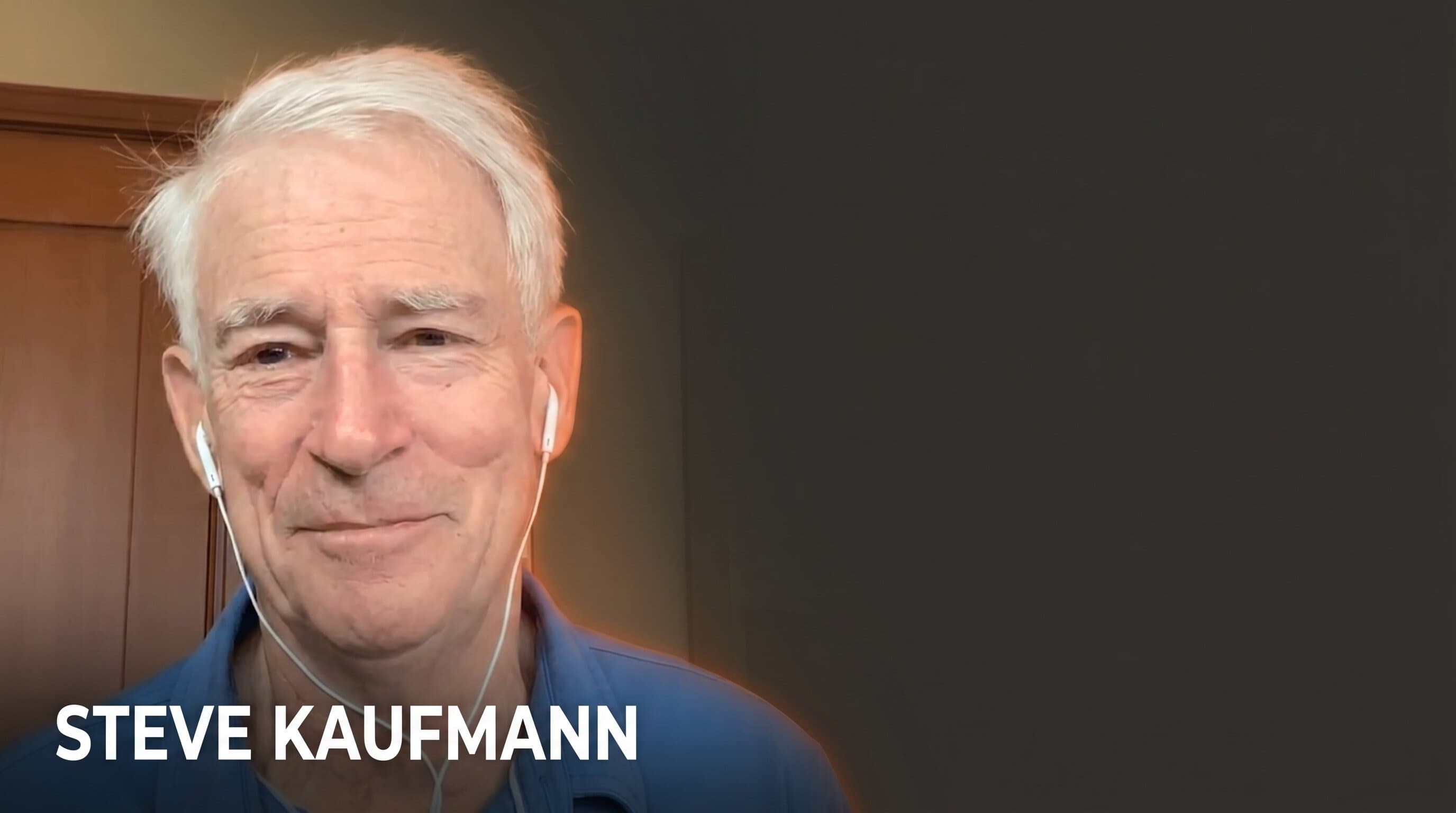
Steve Kaufmann started his YouTube channel in his 60s, after a full career as a Canadian trade diplomat and forest-products executive. Today that channel has 1.47 million subscribers, and it feeds a software business he co-owns: LingQ, a language-learning app used by more than a million people in over 40 languages. Most creators with that audience would sell a course or a book. Kaufmann sells a subscription his students pay for every month. That distinction, between renting attention and owning a product, is the whole story. Key Takeaways:
  • Steve Kaufmann understands 20 languages and started learning his ninth, Russian, at age 60. He built a 1.47M-subscriber YouTube channel teaching how he does it.
  • He co-founded LingQ with his son Mark in 2007, built on a method of massive listening and reading instead of flashcard drills.
  • LingQ holds a 4.7 star rating from roughly 9,700 App Store reviews, supports 40+ languages, and starts at $8.99 a month.
  • The channel is the engine. As LingQ's CEO puts it, Steve is the company's number-one marketing channel, with YouTube the biggest driver.
Steve Kaufmann is a Canadian polyglot, born in 1945, who understands 20 languages and built a second act teaching other people how to learn them. Before any of that, he spent decades in international business: a stint in the Canadian diplomatic and trade service that took him to Japan for nine years, then a long career in the forest-products industry. He didn't start as a YouTuber. He started as a learner who never stopped. He picked up his ninth language, Russian, at age 60, and documented the grind in plain terms, no gimmicks, no claims of fluency in a week. That honesty is what drew an audience. The CBC profiled him as the West Vancouver man who speaks 20 languages and shares his secrets online. His core idea is borrowed from linguist Stephen Krashen's input hypothesis: you acquire a language by understanding huge amounts of it, not by memorizing rules. Kaufmann turned that belief into both a teaching style and a product. Here's the origin-to-outcome jump. A retired executive starts filming language tips at his desk, and a few years later he co-owns software that earns recurring revenue from learners on six continents. The relatable part: Kaufmann is not a coder. He didn't build the app himself. He and his son Mark first launched a website called The Linguist in 2002, rebranded it as LingQ in 2007, and brought in a team to build the product. Steve's job was the method and the audience. The company handled the engineering. That division of labor is the model most creators miss. You don't need to learn to code to own a software business. You need a method people want and a partner who can ship it. (For the full playbook, see how to turn a YouTube channel into a subscription app.)
White earbuds resting on an open book of foreign-language text, lit with a warm orange accent on a dark surface
What is LingQ? LingQ is a language-learning app that teaches through comprehensible input: you read and listen to real content in your target language while the app tracks every word you know, are learning, or have never seen. Instead of drilling isolated vocabulary the way Duolingo does, LingQ hands you full texts and audio, then lets you tap any unknown word to save it, see a translation, and review it later. The app holds your imported podcasts, articles, and stories, and counts your known words as a running score. It supports more than 40 languages and carries a 4.7 star rating from about 9,700 reviews on the App Store. The method is the moat. Kaufmann has spent 20 years arguing in public that input beats grammar drills, and every video is a live demonstration. The product is just the place where his audience does the work he describes. LingQ makes money on a straight subscription. Premium starts at $8.99 a month, an annual plan brings the monthly cost down, and a Premium Plus tier adds tutoring and coaching credits for serious learners. Here is the pricing at a glance.
PlanPriceWhat You Get
Premium (monthly)$8.99/monthFull library, all 40+ languages, word tracking
Premium (annual)~$120/yearSame access, billed yearly at a discount
Premium Plusfrom $35.99/monthPremium plus monthly tutoring and coaching credits
With more than a million registered users, even a small paid conversion adds up. Third-party trackers estimate LingQ pulls in roughly $4M in annual revenue with a team of about 17 people, run from Vancouver. That is recurring income, billed monthly, that shows up whether or not Steve posts a video that week. Compare that to the income paths most creators lean on.
Income SourceWho Controls ItRecurring?Scales Past Followers?
YouTube ad revenueThe platformNoNo
Brand dealsThe sponsorNoNo
One-time courseYouNoLimited
Subscription appYouYesYes, via App Store search
The bottom row is the only one that compounds. It's also the only one where new customers can find the product without ever watching a single video, because the App Store is its own search engine. A creator chases the next brand deal. A founder builds the bottom row. LingQ's best marketing isn't an ad budget. It's Steve. Every video about learning Czech or reading in Korean is a soft demo of the method the app is built around, and the people who want to try it know exactly where to go. LingQ CEO Mark Kaufmann said it plainly in a Vancouver Tech Journal interview: Steve is the company's number-one marketing channel, with YouTube the biggest driver. The content isn't separate from the business. It is the top of the funnel. This is the part creators undervalue. Steve never has to brainstorm content from scratch, because the act of learning a language generates it. Every new language he studies is a series. Every milestone is a video. The product and the content feed each other, which is exactly how your app becomes your content calendar. The teacher who built JustinGuitar into a 2.4M-download app runs the identical loop, and so does Levy Rozman with Chessly. Free content on top, paid product underneath.
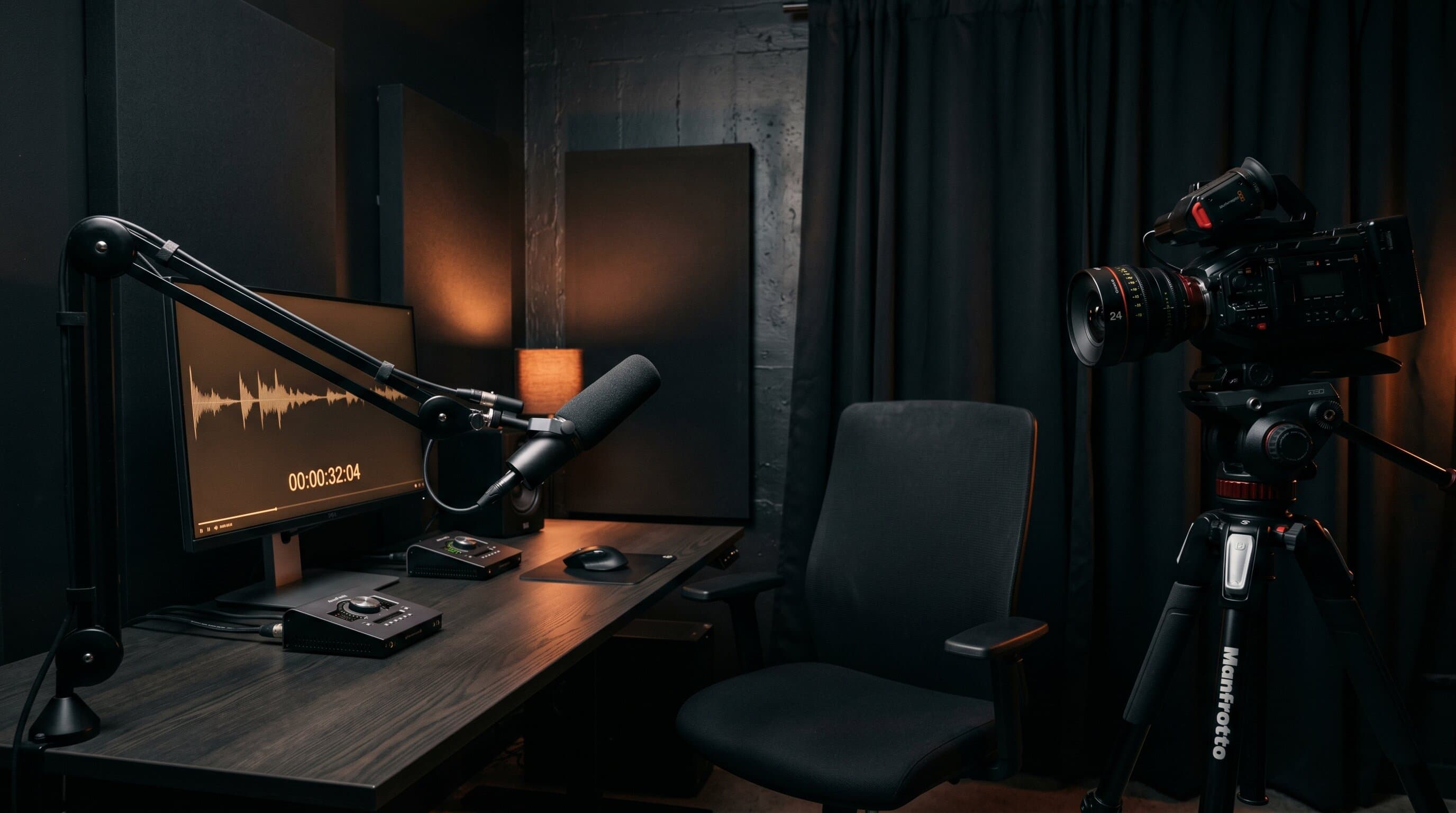
A dim home recording studio with a microphone, monitor, and camera ready to film, lit with warm orange accents
The lesson isn't "learn 20 languages." It's that Kaufmann turned a specific, repeatable method into software his audience pays for, and he did it without writing code or waiting until he had millions of followers. Three things made it work, and any creator with an engaged niche can copy them:
  • He owns the product, not just the audience. YouTube can change its algorithm tomorrow. LingQ subscribers are his company's customers, on his terms. That's the difference between renting and owning your business.
  • He paired with builders. Steve brought the method and the audience. Mark and the team brought the engineering. That partnership is the standard path to the App Store, and it's exactly the model we run at Foundry: you stay the creator, we handle the tech forever.
  • His content and product are the same flywheel. He doesn't choose between making videos and running a business. The videos run the business.
Kaufmann is proof that you don't need to be young, technical, or famous to build software bigger than your follower count. You need a method worth paying for and the nerve to ship it. Steve Kaufmann understands 20 languages with varying levels of fluency, including English, French, Japanese, Mandarin, Russian, Spanish, and Swedish. He started learning Russian, his ninth language, at age 60, and has continued adding languages since. LingQ is a language-learning app and website built around comprehensible input: learning through reading and listening to real content. Steve Kaufmann co-founded it with his son Mark in 2007, evolving an earlier site called The Linguist that launched in 2002. LingQ offers a free tier with limits, then a Premium subscription starting at $8.99 a month or roughly $120 a year. A Premium Plus tier starts around $35.99 a month and adds tutoring and coaching credits. Most agencies charge $50K to $200K upfront and take 6 to 12 months. Built by Foundry charges $0 upfront, ships in about three weeks, and takes a revenue share instead. We earn when you earn. No. Steve Kaufmann doesn't code. He brought the method and the audience and partnered with builders for the product. That is the normal path: you own the vision and the business, your build partner handles design, development, and App Store submission. Want to turn your expertise into an app your audience pays for? We build custom apps for creators, $0 upfront, three-week delivery, and we run all the tech forever.
Let's Build →

Creator app strategy

Want us to review your creator business?

Apply for a Foundry Creator App Review. We'll tell you whether there is a real app opportunity hiding in your audience.

Steve Kaufmann: 20 Languages, One LingQ App