
Case Studies & Success Stories

GothamChess: 7M Subs to Chess App Empire

Foundry
May 26, 2026
Share
GothamChess: 7M Subs to Chess App Empire

Get Creator Revenue Insights

How creators are turning audiences into subscription businesses
Share
Key Takeaways:
  • Levy Rozman, the New York chess teacher behind GothamChess, runs the largest chess channel on YouTube with 7M+ subscribers and over 3.3B lifetime views
  • He earned the International Master title in 2018, then rode the 2020 chess boom from coaching kids in Brooklyn to teaching the internet
  • He founded Chessly, a paid membership platform with 70+ openings and skills courses and an AI bot named Levi, that turns his free YouTube audience into paying members
  • His 2023 book "How to Win at Chess" hit the New York Times bestseller list and now routes readers into Chessly via QR codes printed on the page
  • The pattern: YouTube is the trailer. The book is the bridge. The app is the business
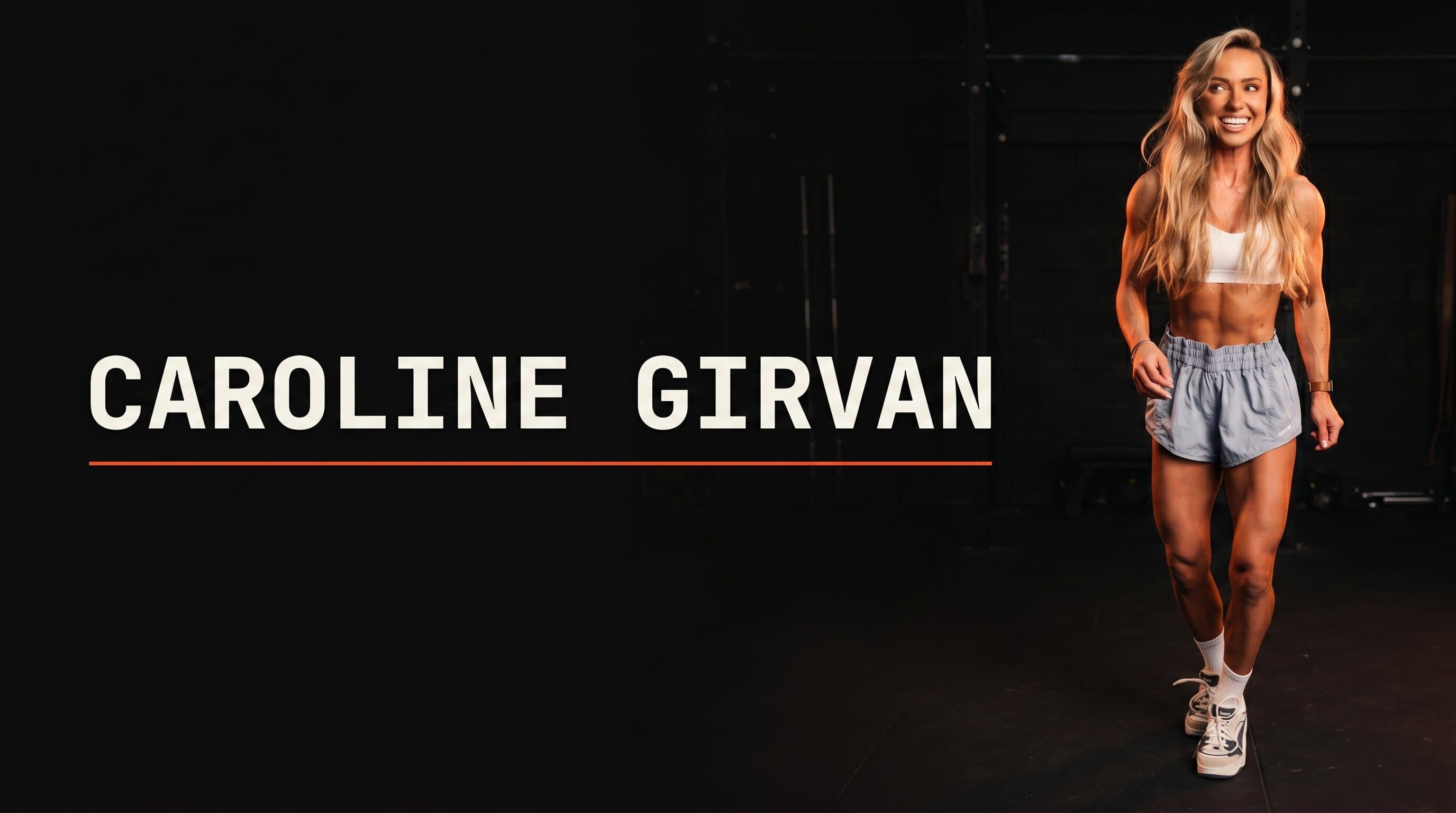
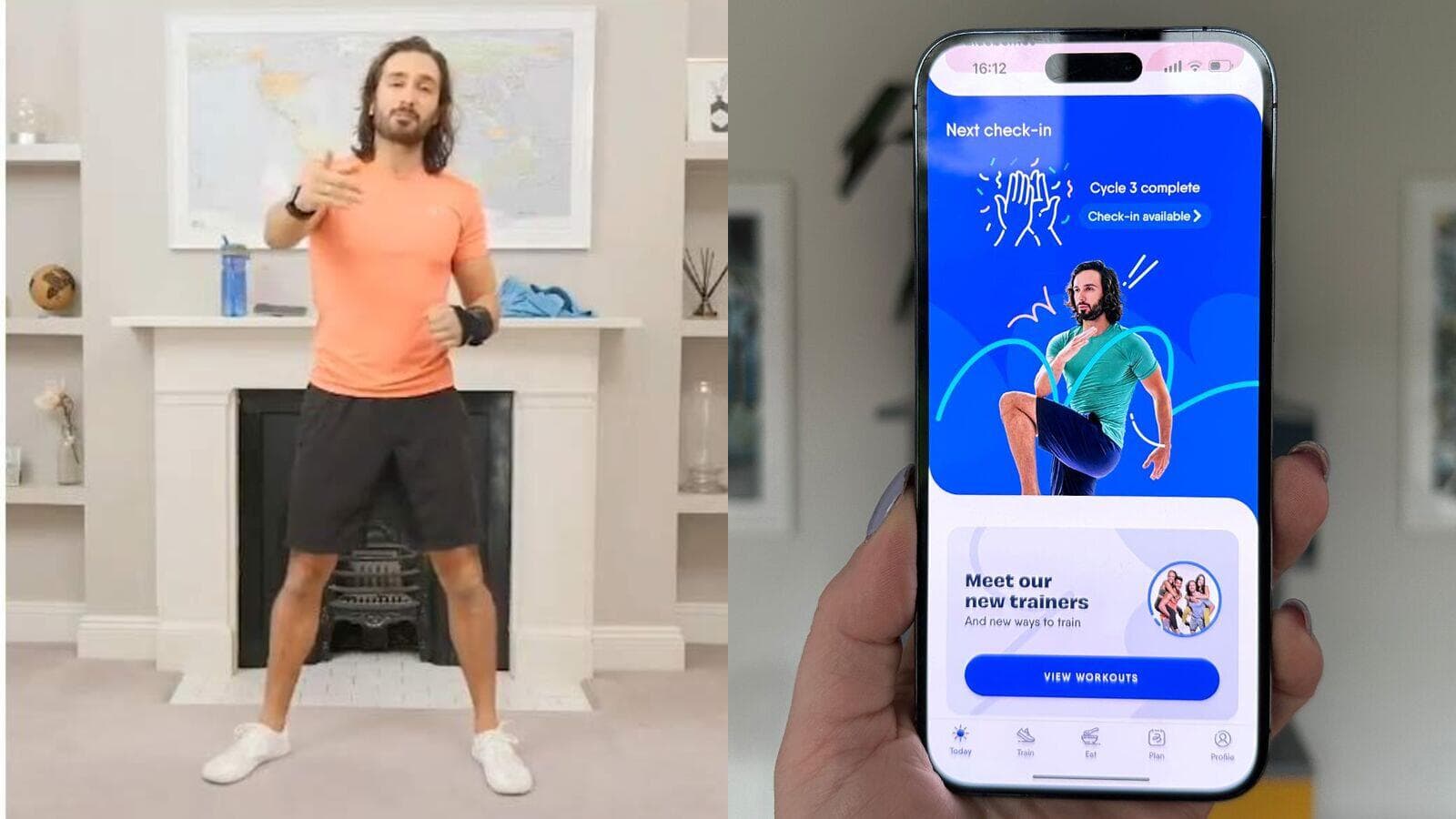
GothamChess is Levy Rozman, an American International Master from Brooklyn who runs the largest chess channel on YouTube with 7M+ subscribers, and the founder of Chessly, the chess education platform he built to monetize his audience. He teaches openings, breaks down tournament games, and reacts to scandals in the chess world. He also runs the business behind the personality, and that part is the more interesting story. He started coaching scholastic chess in New York City as a teenager, earned the International Master title in 2018, and uploaded his first videos that same year. The channel was modest until late 2020. Then Netflix released "The Queen's Gambit," lockdown hit the world, and chess.com signups multiplied overnight. Levy was the right teacher in the right place when the boom arrived. Three habits, all unfashionable in the YouTube growth playbook of 2020. He kept the videos long. Most YouTubers chasing growth in 2020 compressed everything to under ten minutes. Levy posted thirty and forty minute game analyses, sometimes pushing past an hour. The depth filtered for serious chess fans, the audience that actually pays for courses later. Skimmers bounced. Improvers stayed. He talked while playing live. A lot of chess content on YouTube at the time featured silent boards with text annotations. Levy speed ran games and narrated his own thinking in real time, slipping into the half panicked, half delighted commentary that the chess audience recognizes from Twitch culture. The personality came through the moves. He treated controversy like content. When Hans Niemann and Magnus Carlsen blew up the chess world in September 2022, Levy was the explainer the mainstream press linked to. When the cheating in chess news cycle rolled around, he was the voice general audiences trusted. His channel became the front page of chess news, which is exactly what algorithms reward. By late 2025 the channel had crossed 7M subscribers and over 3.3B lifetime views. That is the biggest chess audience on the internet, larger than the combined reach of every grandmaster who plays in front of a camera. The pattern is familiar from creators like Caroline Girvan in fitness and Ali Abdaal in productivity: one teacher, one niche, no compromises. Chessly is GothamChess's chess education platform, available at chessly.com, with 70+ openings and skills courses, an AI sparring bot called Levi, a free trial, and a 7 day money back guarantee. It is built around the gap that every chess teacher on YouTube eventually feels. YouTube can teach a single concept. It cannot teach a repertoire. It cannot drill. It cannot adapt to a player's rating. Chessly does all three. A member logs in and sees a course library that maps to their level: the Caro Kann for beginners, the Sicilian Najdorf for intermediates, system based repertoires for adults who do not want to memorize lines forever. Each course is video plus interactive board, with positions to drill until they stick. The Levi bot sits at the side, ready to play out the lines a member just learned. Chessly is a Levy Rozman product, not a Levy Rozman cameo. The platform features other instructors, top international masters and grandmasters teaching alongside Levy, which expands the catalog faster than any single creator could record alone. That is the same play Joe Wicks ran with The Body Coach app: build the brand on one teacher, then scale the product with many. We unpacked the same move in our Joe Wicks Body Coach profile.
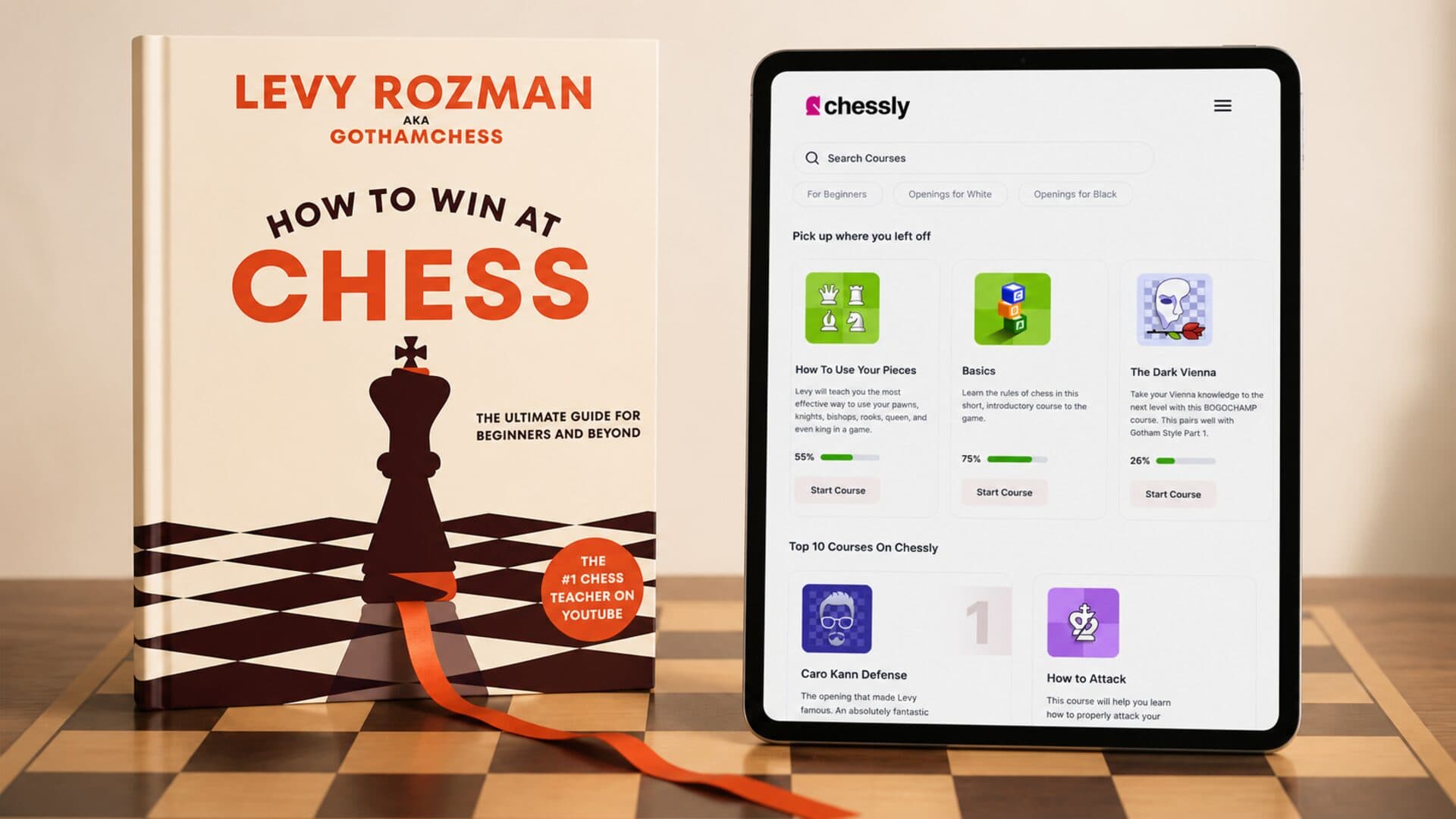
A tablet displaying chess opening trainer next to a wooden chess board lit by a warm desk lamp
Chessly runs on a paid membership that gates the 70+ course library, the Levi AI bot, and the drilling tools behind a recurring subscription. A non member can preview content with a free trial. A paying member gets the catalog, the AI, the analytics, the certificates, the everything. That recurring revenue is the engine, not the YouTube ad CPMs. The economics matter. A YouTube creator at GothamChess scale earns from ads, sponsorships, and occasional brand deals. The ads pay in cents per view. The brand deals pay per campaign, and the campaign ends. Recurring revenue, by contrast, compounds. Every cohort of new members adds to the base of the old. If a member sticks for twelve months, the lifetime value swamps any sponsored video. We broke the math down in the MRR explainer for creators. The book is the bridge. "How to Win at Chess", published in 2023 by Penguin Random House, hit the New York Times bestseller list and now sells alongside its sequel "How to Win at Chess: Next Level." Both books contain QR codes that route readers into Chessly bonus content. A reader buys a $20 book and lands inside the funnel for a $20 a month membership. That is product led marketing in print. Five reasons every creator economy operator should memorize. The App Store is a discovery channel. A chess learner who has never heard of Levy Rozman can find Chessly by searching for "chess training" in a browser and convert before they ever watch a YouTube video. New customers, not new followers. Members generate content for free. Every drill log, every rating gain, every member transformation is a video Levy did not have to brainstorm. The community becomes the calendar. Subscriptions price for value. A $20 month membership produces $240 a year per active member. A YouTube view produces fractions of a cent. The math is not close. The brand can outlive the channel. Channels age. Algorithms change. A product that members own a relationship with does not need a viral moment every Tuesday to keep the lights on. We made the broader case in you cannot sell a YouTube channel, you can sell an app. The model attracts other instructors. Chessly already features grandmasters teaching alongside Levy, which makes the platform more valuable to members and reduces the load on the founder. A creator without a product cannot do that. Levy Rozman's playbook is replicable. Pick a niche where free content cannot do the deep work. Build a free channel that earns the trust of people who want to improve, not people who want to scroll. Then build the product that does the deep work the free channel cannot. Free is the trailer. The book is the bridge. The app is the business. Most creators stop at the trailer. They post, monetize ads, take brand deals, and burn out. The creators who break out are the ones who notice that their audience is a market and treat it like one. The 6 step content to product playbook walks through how to do the same thing without spending six figures on development. GothamChess is Levy Rozman, an American International Master from Brooklyn, New York. He runs the largest chess channel on YouTube, with over 7M subscribers and 3.3B+ lifetime views as of 2025. Chessly is a chess education platform founded by Levy Rozman. It offers 70+ courses on openings, tactics, and strategy, an AI bot called Levi, and a paid membership with a free trial and a 7 day money back guarantee. Public revenue figures for GothamChess and Chessly are not disclosed. Levy Rozman has said in interviews that the majority of his business income now comes from products rather than YouTube ad revenue, with Chessly memberships and book sales as the primary lines. Yes. Levy Rozman is the author of two chess books published by Penguin Random House: "How to Win at Chess" (2023), a New York Times bestseller, and "How to Win at Chess: Next Level" (2024). Yes. The pattern is: a creator builds a free audience in a teachable niche, ships a book or signature asset that adds credibility, then launches an app or subscription platform to monetize seriously. Fitness, finance, productivity, and language learning have all produced creators who followed the same arc. Want a Chessly for your niche? We build custom subscription apps for content creators. $0 upfront, three week delivery. We handle the App Store, the payments, the updates, and the maintenance. Forever.
Let's Build →

Creator app strategy

Want us to review your creator business?

Apply for a Foundry Creator App Review. We'll tell you whether there is a real app opportunity hiding in your audience.

GothamChess: 7M Subs to Chess App Empire