
Turning Knowledge into Products

Turn Your YouTube Channel Into a Subscription App

Foundry
June 2, 2026
Share
Turn Your YouTube Channel Into a Subscription App

Get Creator Revenue Insights

How creators are turning audiences into subscription businesses
Share
Key Takeaways:
  • YouTube pays creators 55% of ad revenue and keeps 45%, with most channels earning an RPM of just $1 to $6 per 1,000 views (YouTube Help)
  • Turning a YouTube channel into a subscription app converts your most loyal viewers into paying subscribers you own, instead of renting them to advertisers
  • A channel with 8,000 daily viewers and a 3% conversion rate at $9.99/month generates roughly $24K MRR, recurring, with no ad-sales cycle
  • The job is not "more views." It is turning the thing your viewers already trust you for into a daily-use product
  • Six steps separate "YouTuber with a Patreon" from "YouTuber who runs a real software business"
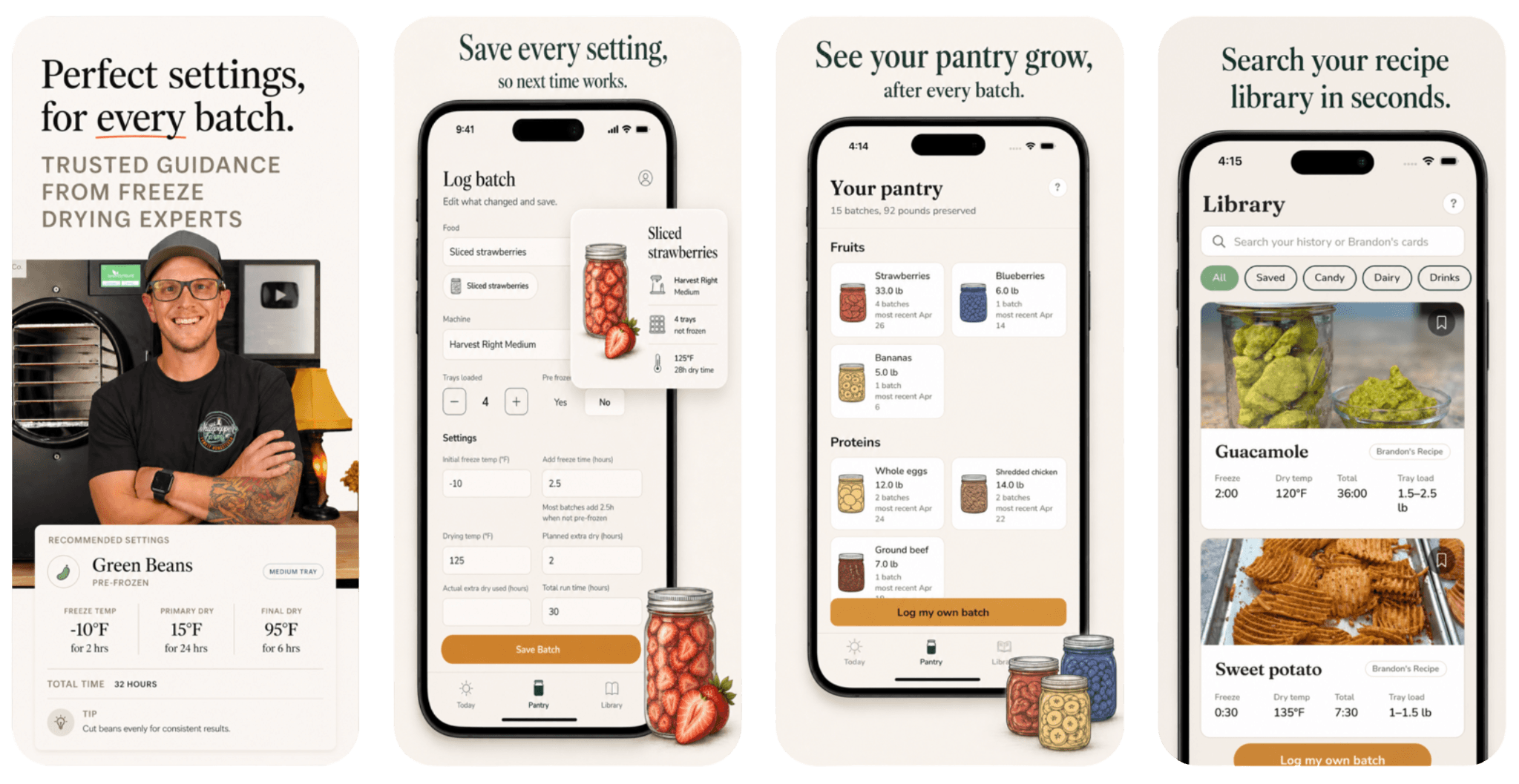
What is a YouTube subscription app? A YouTube subscription app is a creator-owned mobile product that turns what your channel teaches or entertains into a daily-use tool people pay for monthly. You own the customer relationship, the data, and the revenue, minus standard App Store fees, instead of handing your audience to YouTube's ad auction. You film, edit, upload, and then YouTube takes 45 cents of every ad dollar before you see a thing. The 55 cents that lands in your account works out to an RPM most creators measure in single digits. You can have a million views in a month and still wonder why the deposit is so small. That math is broken at the root. You built the audience. YouTube monetizes it. And the moment you stop uploading, the income stops too. The fix is not a better upload schedule. It is owning the relationship with the people who already watch you for hours every week. Here's the playbook the smart YouTubers are running in 2026. YouTube pays creators 55% of the ad revenue their videos generate and keeps the other 45%, per YouTube's own monetization terms. That split sounds generous until you see the RPM behind it. Most channels earn between $1 and $6 per 1,000 monetized views, and that number is set by your niche, not your effort. Finance and tech channels can pull $15 to $30 RPM. Gaming, lifestyle, and entertainment channels often sit closer to $2 to $5. So two creators can each rack up a million views and walk away with wildly different checks, neither of which they control. There are three structural problems with ad revenue as your business:
  • You don't own the customer. YouTube does. They decide the ad rates, the policies, and whether your video gets demonetized over a thumbnail.
  • Income resets to zero. Stop uploading for a month and your revenue craters. We broke this down in why your income resets to zero every month.
  • You're paid for attention, not value. A viewer who would happily pay you $10/month is worth a few cents to you through ads.
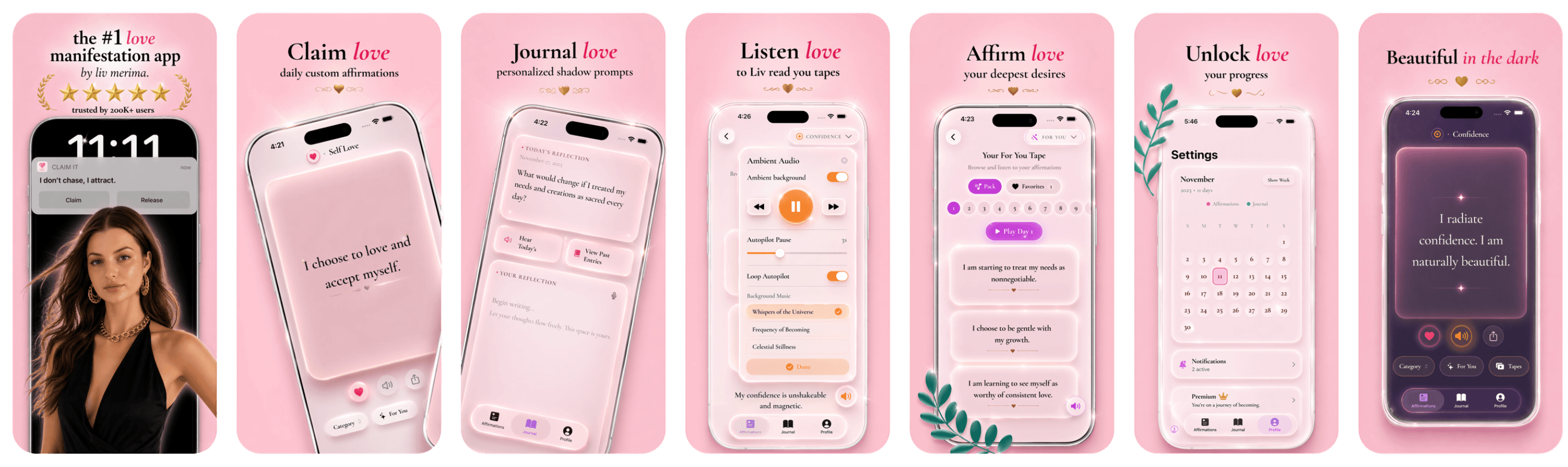
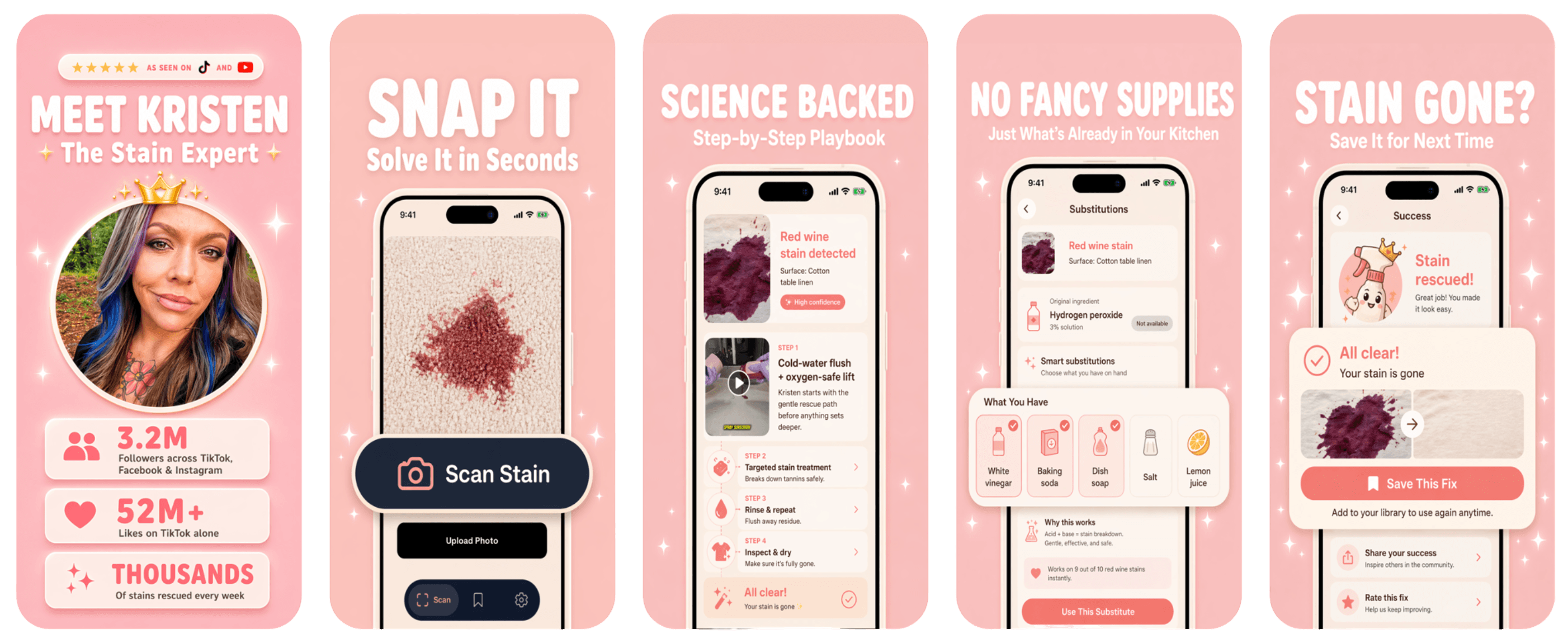
The creators escaping this aren't chasing a higher RPM. They're changing what they sell. A YouTube subscription app is a mobile product that takes the value your channel delivers in video form and turns it into something people use every day, on their phone, for a recurring fee. It is not a course. It is not a Patreon tier. It is software with your name on it. Think about what your channel actually does for someone. A workout channel teaches people how to train. The app version coaches them through a workout every morning. A personal finance channel explains money. The app version tracks their budget and nudges them before a dumb purchase. A language channel teaches Spanish. The app version drills them for 15 minutes on the commute. The video is the marketing. The app is the business. Chloe Ting turned a free YouTube workout following into the CORE fitness app, and Ali Abdaal built a multi-million-dollar empire off a productivity channel. Different niches, same move: convert the audience that already trusts you into customers you own. Here is the number that should keep you up at night. You don't need millions of subscribers. You need a few thousand viewers willing to pay. Run the math on a mid-size channel. Say 8,000 people watch you regularly, and 3% of them subscribe to your app at $9.99/month. That's 240 subscribers paying you every month, which is roughly $2,400 MRR off a tiny slice of your audience. Scale the conversion or the audience and it compounds fast.
Engaged AudienceConversion RatePrice/MonthMonthly Recurring Revenue
8,0003%$9.99~$2,400
25,0004%$9.99~$10,000
80,0005%$12.99~$52,000
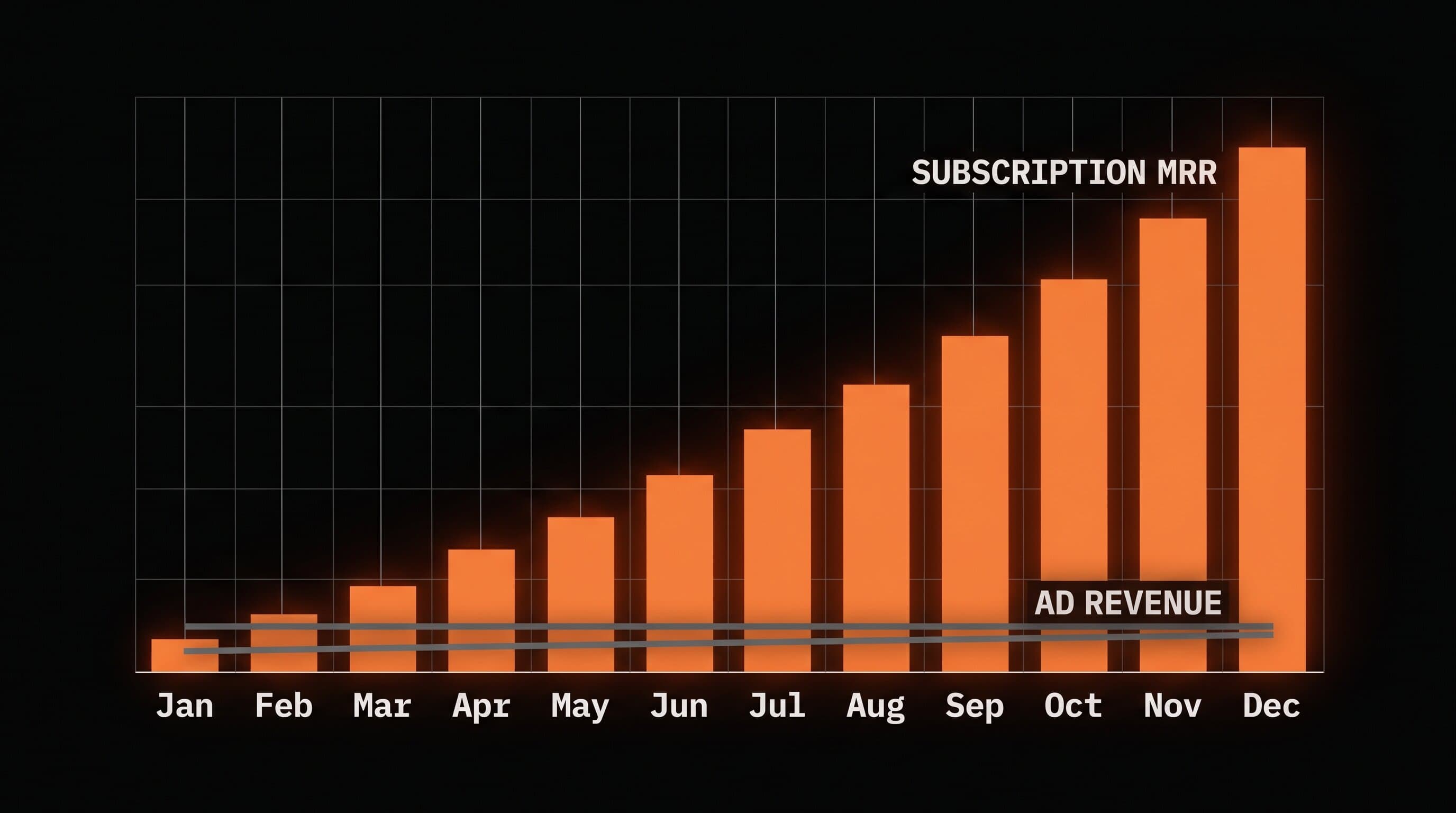
Compare that to ad revenue. To clear $10K/month on a $4 RPM, you'd need 2.5 million monetized views every single month, forever. To clear $10K/month as an app, you need 1,000 people who like you enough to pay for a coffee's worth of value. That's the entire argument. Recurring revenue from a few thousand real fans beats ad pennies from millions of strangers.
Chart comparing flat YouTube ad revenue against steadily climbing subscription MRR over 12 months
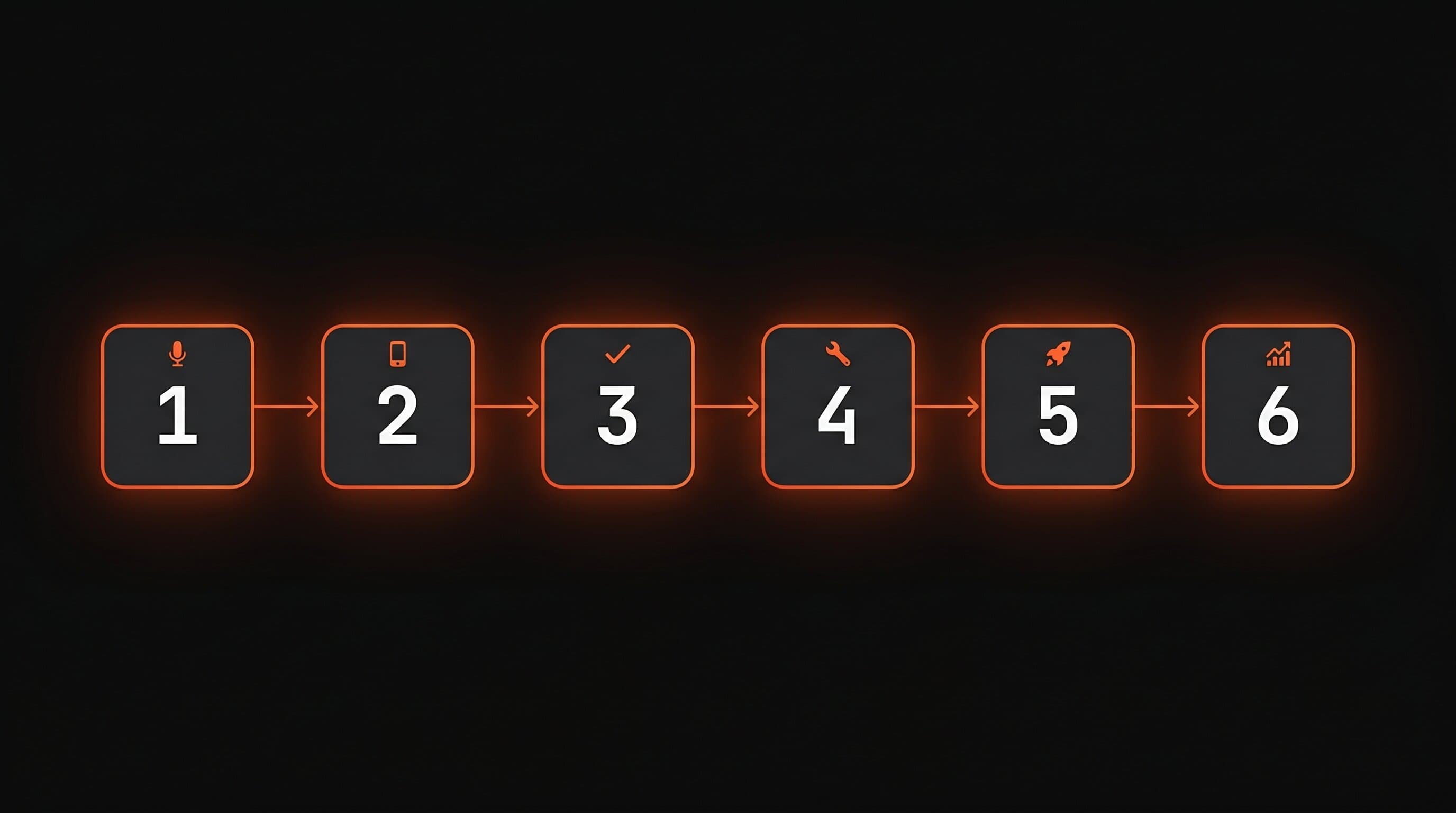
Six-step process flow from naming the job to optimizing retention, showing a channel becoming an app business
Before you build anything, name the job. Not the niche. The job. A cooking channel doesn't do "recipe content." It does "tell me what to make for dinner tonight so I stop ordering takeout." A productivity channel doesn't do "productivity tips." It does "help me actually finish the work I keep avoiding." The job is the specific thing a viewer hires your content to do for them. Write it down as one sentence: "People watch me to ______." That blank is your product. Everything in the app should serve that single job, ruthlessly. A subscription only survives if people open the app more than once. So the question is: what will someone do in your app every day? This is where most creators get it wrong. They build a video library and call it an app. A library gets used once and forgotten. A tool gets used daily.
  • Coaching: guided sessions, streaks, progress tracking (fitness, meditation, language)
  • Utility: calculators, trackers, planners that solve a recurring task (finance, nutrition, productivity)
  • Community + tools: a place to participate plus features that make participation sticky
Pick the daily action first, then design everything around it. The content you already make becomes the onboarding, the tutorials, and the constant top-of-funnel. Don't build on a hunch. Your channel is the cheapest validation engine on earth, so use it. Make a video about the problem your app would solve and watch the comments. Run a poll in your community tab. Put up a simple waitlist landing page and link it in your bio for two weeks. If a meaningful share of viewers raise their hand, you have signal. If crickets, you just saved yourself months. We wrote a full breakdown in 5 ways to validate your app idea before building. The principle is simple: prove demand with the audience you already have before a single line of code gets written. This is where YouTubers get burned. They open a vibe-coding tool, generate something that looks like an app in an afternoon, and then discover the last 90% is the hard part: App Store submission, payments, push notifications, accounts, crash handling, updates. A demo is not a product. Shipping a real subscription app means handling payments through Apple and Google, passing App Store review, building reliable infrastructure, and maintaining it forever. That's a product team's job, not a weekend project. MKBHD's Panels app shows what happens when the product side gets shortchanged, even with one of the biggest tech channels on the planet behind it. The audience was there. The product execution is what makes or breaks the launch. Your launch has two channels, and most creators only use one. The first is obvious: your audience. A pinned comment, a dedicated video, a story link, an email blast. Your warm audience drives the first wave of installs and your early reviews. The second is the one creators ignore: the App Store itself. A well-optimized listing pulls in people who have never seen your channel. They search "Spanish practice" or "macro tracker," find your app, and become customers before they ever watch a video. We covered this in depth in the App Store as a new creator growth channel. Your app keeps acquiring users while you sleep. Launch is the start, not the finish. A subscription business lives or dies on retention. If people churn faster than you add them, you have a leaky bucket, not a business. Watch three numbers: trial-to-paid conversion, monthly churn, and lifetime value. Small tweaks to onboarding and pricing move all three. Test annual plans against monthly. Test the paywall placement. Fix the moments where users drop off in the first week. This is ongoing work, and it's exactly the part most creators have no interest in doing themselves, which is the whole point of having a product partner who runs the app forever instead of a developer who hands you code and disappears. You have three real options, and they're not equal.
PathUpfront CostTime to LaunchWho Runs It After
DIY / vibe codingYour timeMonths (often never ships)You, alone
Hire an agency$50K to $200K6 to 12 monthsYou pay for every change
Revenue-share partner$0~3 weeksThe partner, forever
The DIY route is cheap until you count the months you spend not creating. The agency route ships a product and then bills you for every update. The revenue-share model only works if the app works, which means your partner is on the hook for results, not just a deliverable. If you want the full reasoning, read why creators need product partners, not developers and learn more about how our model works. The short version: a creator chases the next upload. A founder builds something that earns while they sleep. You spent years earning the trust of an audience. YouTube turns that trust into ad pennies and keeps 45% of them. An app turns the same trust into recurring revenue you own. You don't need 10 million subscribers. You need a few thousand people who'd pay for the thing you already give away. The viewers are there. The only question is whether you build something for them, or keep renting them to advertisers. Want to turn your channel into an app? We build custom apps for creators, $0 upfront, 3-week delivery, and we run all the tech forever.
Let's Build →
Most channels earn an RPM of $1 to $6 per 1,000 views after YouTube takes its 45% cut, leaving creators with 55% of ad revenue. The exact figure depends heavily on niche, with finance and tech earning far more than gaming and entertainment. No. A few thousand engaged viewers is enough. A channel with 8,000 regular viewers converting 3% at $9.99/month generates roughly $2,400 MRR, and that compounds as the audience and conversion grow. Patreon is a membership tier inside someone else's platform that takes a cut and owns the payment relationship. A subscription app is a product you own on the App Store, with your own daily-use features, your own data, and 100% of revenue minus standard App Store fees. Building it yourself or through a traditional agency can take 6 to 12 months. With a revenue-share partner like Built by Foundry, the app ships in about three weeks at $0 upfront. You can generate a demo, but shipping a real product means handling payments, App Store review, push notifications, accounts, and ongoing maintenance. That's the 90% AI tools don't cover, which is why most creator apps built that way never make it to launch.

Creator app strategy

Want us to review your creator business?

Apply for a Foundry Creator App Review. We'll tell you whether there is a real app opportunity hiding in your audience.

Turn Your YouTube Channel Into a Subscription App