
Case Studies & Success Stories

JustinGuitar: How Free Lessons Built a 4.5M-User App

Built by Foundry
July 7, 2026
Share
JustinGuitar: How Free Lessons Built a 4.5M-User App

Get Creator Revenue Insights

How creators are turning audiences into subscription businesses
Share
Key Takeaways:
  • Justin Sandercoe launched JustinGuitar.com in 2003 and started posting free YouTube lessons in December 2006, years before "creator" was a job title
  • His free library grew to 1,300+ lessons and a YouTube channel with over 1.5 million subscribers
  • The paid JustinGuitar app holds a 4.8-star rating from 25,000+ reviews and is used by 4.5M+ students at $8.99/month or $64.99/year
  • He never paywalled the lessons. The free content is the discovery engine; the app is the business
  • A session guitarist in London built a software product that earns while he sleeps, and so can you
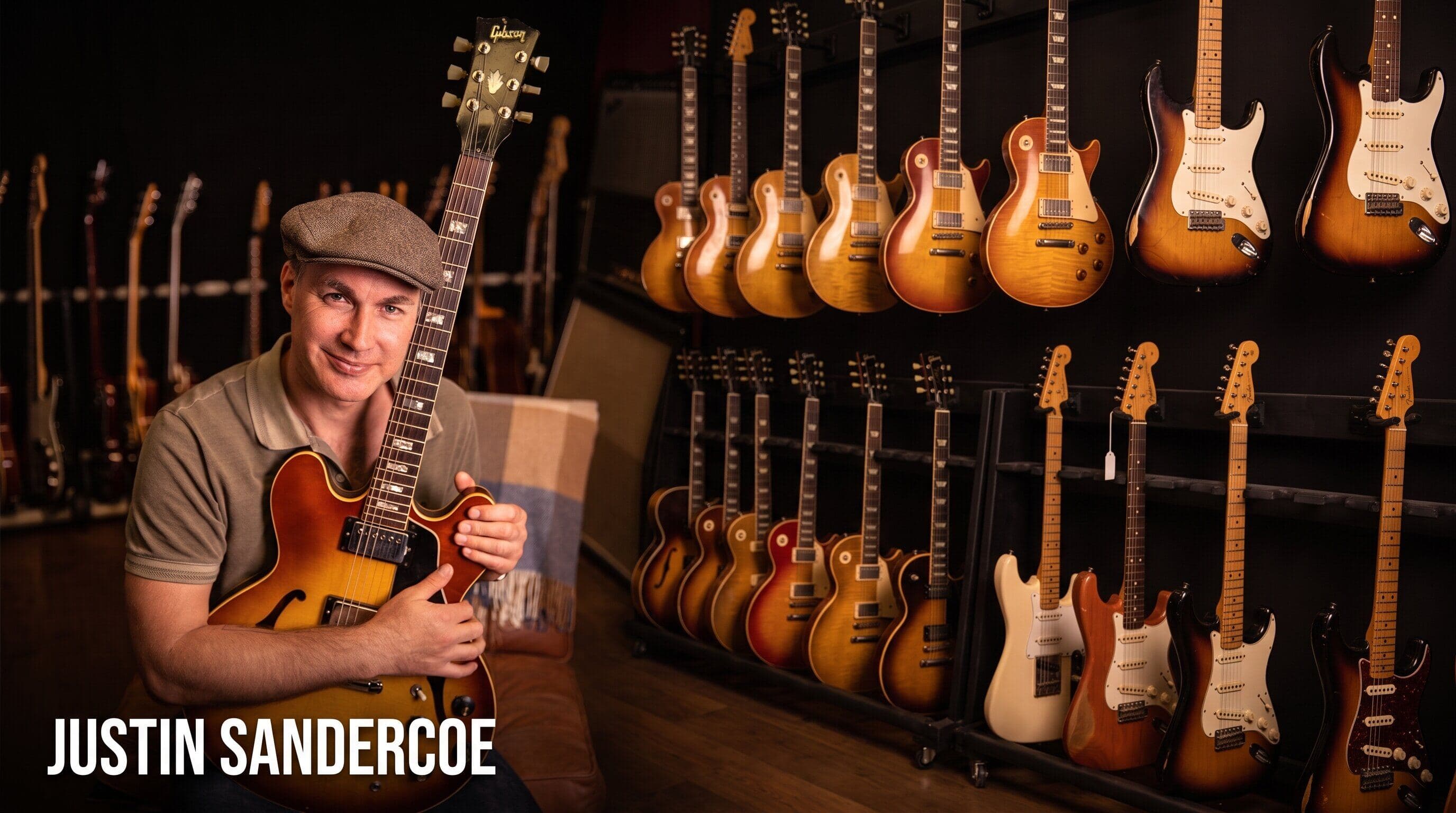
Justin Sandercoe gave away 1,300 guitar lessons for free, then built a software business on top of them. That's the whole story, and it's one of the cleanest examples of the free-to-paid model any creator has ever run. The JustinGuitar app is used by more than 4.5 million students and carries a 4.8-star rating from over 25,000 reviews. He did it as a working session guitarist, not a tech founder. Most creators guard their best material behind a paywall and wonder why nobody buys. Justin did the opposite. He gave the teaching away, became the default name people find when they pick up a guitar, and sold a better way to practice. The gap between those two strategies is worth understanding, because it's the difference between a creator with an audience and a founder with a business. Justin Sandercoe (YouTube: @justinguitar, 1.5M+ subscribers) is an Australian guitarist and teacher who has been based in London since 1996. Before he was the internet's guitar teacher, he was a working musician. He toured and recorded as a session player, most notably teaching and then playing in the live band for singer Katie Melua, with gigs at Live Earth and the World Music Awards. He was born in Tasmania in 1974 and trained at what is now the Institute of Contemporary Music Performance. According to Wikipedia, The Independent later called him "one of the most influential guitar teachers in history," and The Telegraph named him one of the UK's top 10 YouTube celebrities. Brian May of Queen has recommended his lessons. That's the origin worth anchoring on: not a startup founder, not a marketing genius. A gigging guitarist who happened to be a brilliant teacher and saw the internet early. He started early and gave everything away. Sandercoe launched JustinGuitar.com on July 31, 2003, first as a way to promote his private one-on-one lessons in London. The real turn came in December 2006, when he began posting instructional videos on YouTube, back when the platform was barely a year old. The timing mattered, but the strategy mattered more. He kept the lessons free and let volume do the work. The library grew to more than 1,300 structured lessons covering everything from a beginner's first chord to advanced blues. Search "how to play guitar" on YouTube and Justin is who you find. He became the front door to an entire hobby. For nearly two decades the site ran on donations and store purchases, with no membership fee. That built enormous trust and an audience in the millions. But donations and one-off product sales are not recurring revenue. The app is what turned the audience into a business. The Justin Guitar Lessons & Songs app, built with app developer Musopia, is the paid layer of the business. It's free to download, then $8.99/month or $64.99/year for full access. Members get a structured learning path, a chord-recognition practice engine that listens to you play, a built-in tuner, and a songbook of more than 1,500 songs with synced chords and lyrics. The product is doing what the free videos never could. YouTube teaches you. The app makes you practice, tracks your progress, listens to whether you played the chord right, and keeps you coming back day after day. That daily-habit loop is exactly what justifies a subscription and what turns a passive viewer into a paying user.
An acoustic guitar resting on a dark studio desk beside a smartphone, lit with warm orange light, representing the JustinGuitar practice app
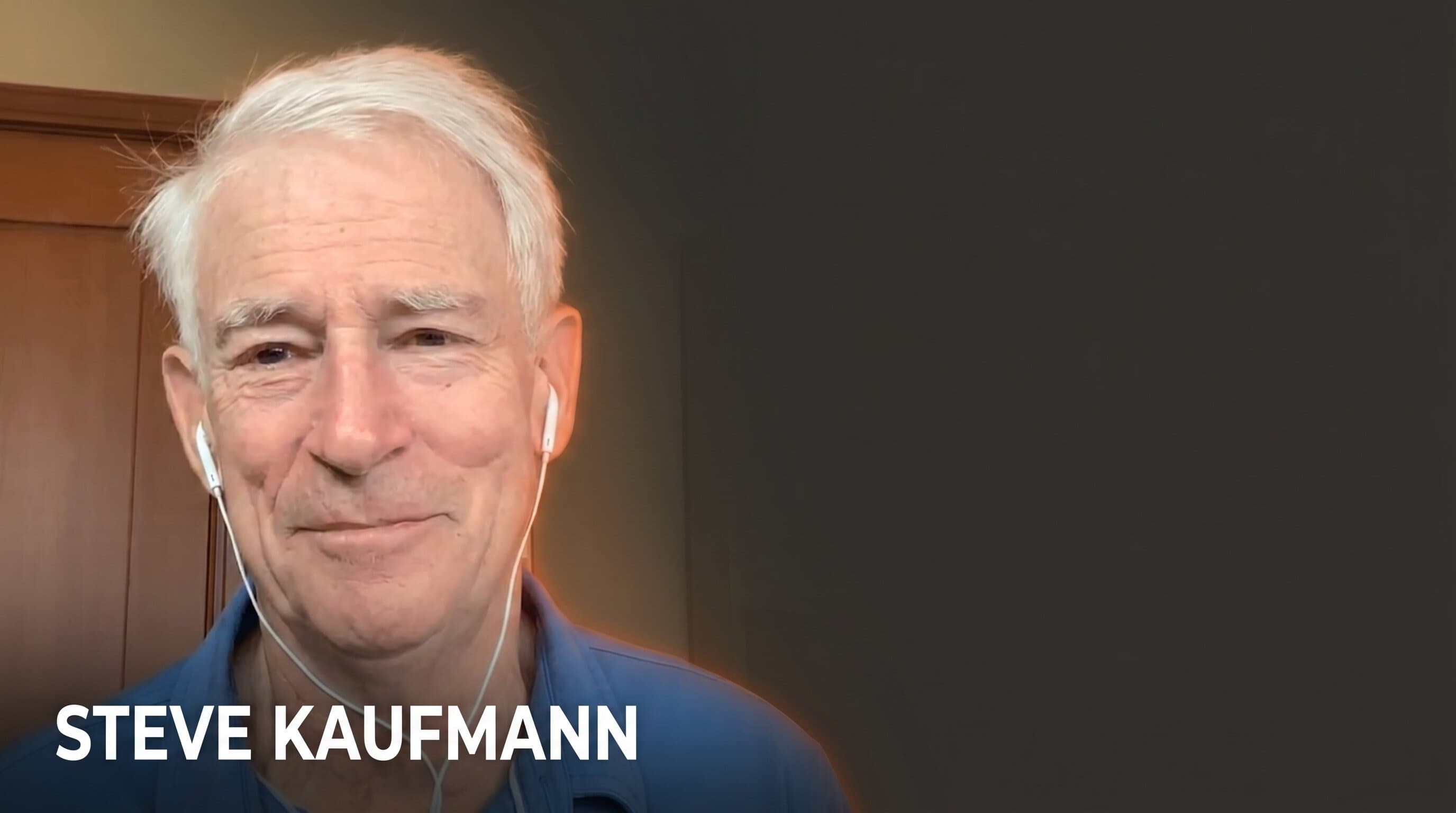
The numbers say it's working. A 4.8-star average across more than 25,000 ratings is rare for any app, let alone an education one. And 4.5 million students is a customer base most venture-backed startups never reach. Justin got there by teaching for free first, then charging for the tool that makes the teaching stick. It's the same structure Yoga With Kassandra used to turn 2M free YouTube fans into a paid app, and the same one Steve Kaufmann used to build the LingQ language app. Paywalling the lessons would have killed the machine. This is the counterintuitive lesson most creators get backwards. Justin's free library is the widest possible top of funnel. Every beginner who searches for a guitar lesson lands on his content, learns from him, and comes to trust him before they spend a cent. By the time they want structure and accountability, the app is the obvious next step, and it's his app they buy, not a competitor's. The free content isn't lost revenue. It's the cheapest customer acquisition channel a creator can own. There's a second effect creators miss. The app shows up in App Store search on its own. Someone types "learn guitar" into the App Store, finds JustinGuitar, and becomes a paying student without ever having watched a single YouTube video. The product acquires customers the content never reached. That's the quiet power of owning a real app instead of renting a link in your bio, and it's why we argue you can't sell a YouTube channel, but you can sell an app. The subscription app is the compounding line in the business. Here's how the model stacks up against the way most creators monetize teaching.
Revenue ModelPaysScales While You Sleep?
Donations / tip jarOnce, if the viewer feels like itNo
One-off lesson PDFs or DVDsOnce per saleNo
YouTube AdSensePennies per view, must re-earn monthlyNo
Subscription appEvery month, automaticallyYes
Donations and DVD sales built goodwill and paid the bills for years. Ad revenue depends on views Justin has to keep earning. The app subscription is the only line that renews next month whether or not he films anything new. That's the difference between income and a business. Run the math. If even a small fraction of 4.5 million students pays $64.99 a year, the annual recurring revenue runs well into the millions. And unlike a brand deal or a course launch, it doesn't reset to zero the moment he stops posting. This is the exact transformation we walk creators through in our guide on how to turn a course into a subscription app: stop selling knowledge once, start renting the tool that delivers it. His story rewards a close read, because almost every move runs against standard creator advice. He gave away the teaching. The free lessons weren't a loss leader he resented. They were the strategy. Generosity at the top of the funnel is what made him the default name in his category. He sold the tool, not the knowledge. Anyone can watch a YouTube lesson. The app is what makes you practice correctly, track progress, and stay accountable. He charged for the daily habit, not the information.
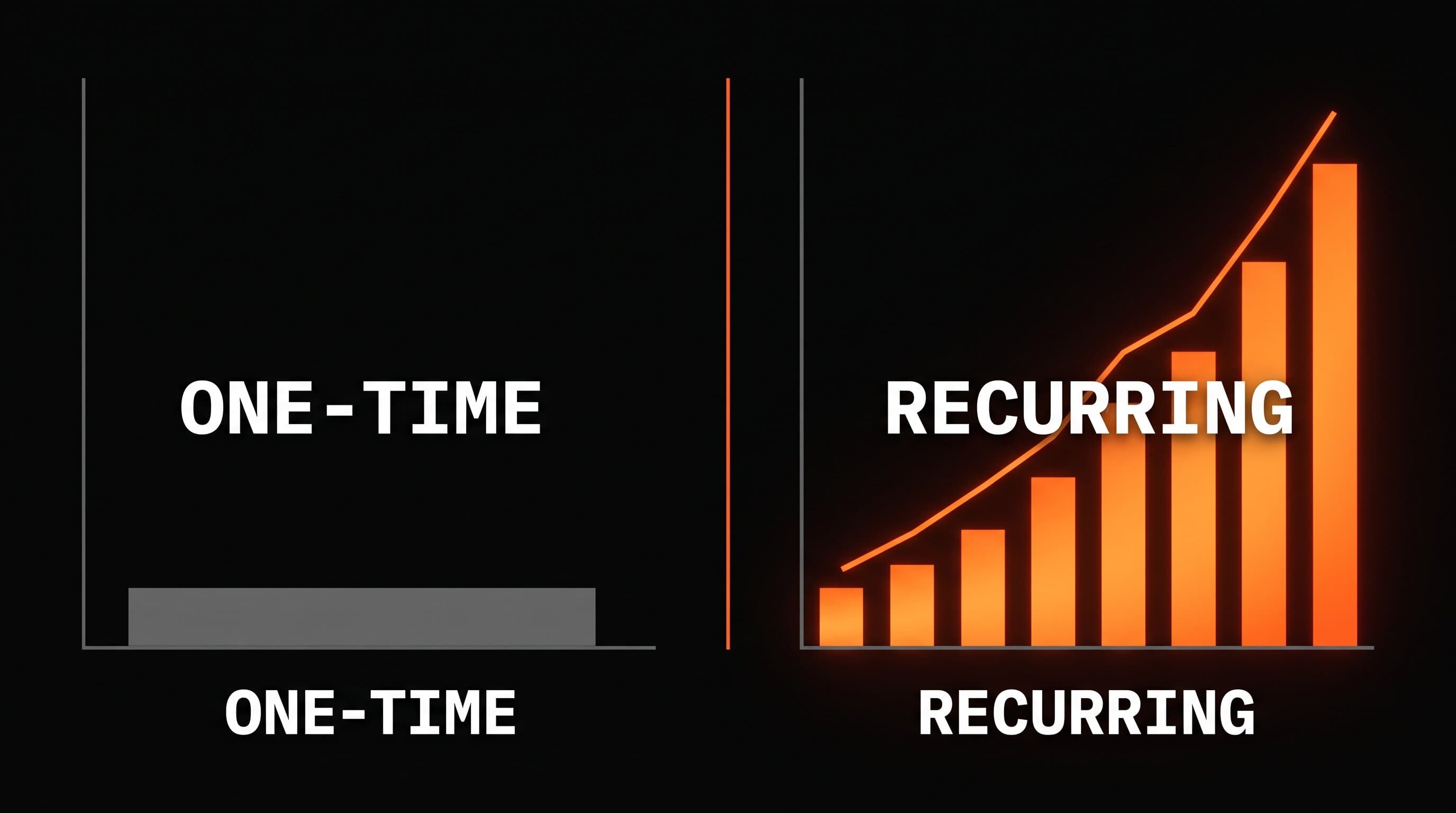
A split image contrasting a grey one-time payment on the left with a glowing orange recurring-revenue curve climbing on the right
He built a product, not a link. A chord-recognition engine, a synced songbook, progress tracking, native on iOS and Android. That's real software infrastructure, not a Linktree or a Gumroad download. It earns recurring revenue without him showing up every day. He owns the customer relationship. Subscribers are his, not rented from an algorithm. When YouTube changes its rules tomorrow, the app keeps earning. The honest gap for most creators isn't audience or expertise. It's the software. Justin had a decade-long head start and still needed a development partner to ship the app. You don't have to spend a decade figuring it out. Building and running the product, the App Store submission, the payments, the updates, is exactly what Built by Foundry does so creators can stay in their lane and teach.
Want to turn your free content into a subscription app? Built by Foundry builds, launches, and runs software businesses for creators. $0 upfront, three weeks to App Store, we handle everything technical forever.
Build the paid side of your business →
Justin Guitar Lessons & Songs is a guitar-learning app built by Justin Sandercoe with developer Musopia. It's free to download, then $8.99/month or $64.99/year for full access, and includes a structured learning path, a chord-recognition practice engine, a tuner, and a songbook of 1,500+ songs. It holds a 4.8-star rating from more than 25,000 reviews. The JustinGuitar app is used by more than 4.5 million students, and the JustinGuitar YouTube channel has over 1.5 million subscribers with hundreds of millions of lifetime views. The free lesson library on JustinGuitar.com contains more than 1,300 lessons. Justin Sandercoe is an Australian guitarist and teacher based in London. He worked as a session musician, including in Katie Melua's live band, then launched JustinGuitar.com in 2003 and began posting free YouTube guitar lessons in 2006. The Independent has called him one of the most influential guitar teachers in history. The app is free to download and includes some free content, but full access to the structured lessons, practice tools, and complete songbook requires a subscription of $8.99/month or $64.99/year. Justin's original website, JustinGuitar.com, hosts 1,300+ lessons that remain free. The core business is the subscription app, which earns recurring revenue from millions of students. Justin also earns from YouTube ad revenue, product sales, and voluntary donations, but the app subscription is the compounding line that renews monthly whether or not he posts new content.

Creator app strategy

Want us to review your creator business?

Apply for a Foundry Creator App Review. We'll tell you whether there is a real app opportunity hiding in your audience.

JustinGuitar: How Free Lessons Built a 4.5M-User App