
Turning Knowledge into Products

How to Beta Test Your Creator App: 4-Week Playbook

Foundry
June 1, 2026
Share
How to Beta Test Your Creator App: 4-Week Playbook

Get Creator Revenue Insights

How creators are turning audiences into subscription businesses
Share
Key Takeaways:
  • A creator app beta is not a tech QA process. It is the first 4 weeks of your business, run with the 100 superfans who will tell you the truth before strangers can.
  • Apple's TestFlight lets you invite up to 10,000 external testers for free. Most creators only need 50 to 200 to learn everything that matters.
  • A 4-week beta turns silent followers into a paying launch list. Real creator betas convert 30 to 50 percent of active testers into paying subscribers on day one of public launch.
  • The point of the beta is not "find bugs". It is "find the one feature your audience will open the app for every day".
  • If you skip the beta and go straight to App Store, you spend month one fixing things in public. If you run the beta, you spend month one collecting revenue.

If you have 50,000 engaged followers and a real app idea, the four weeks before public launch are worth more than the four months after. This is the playbook for using them.
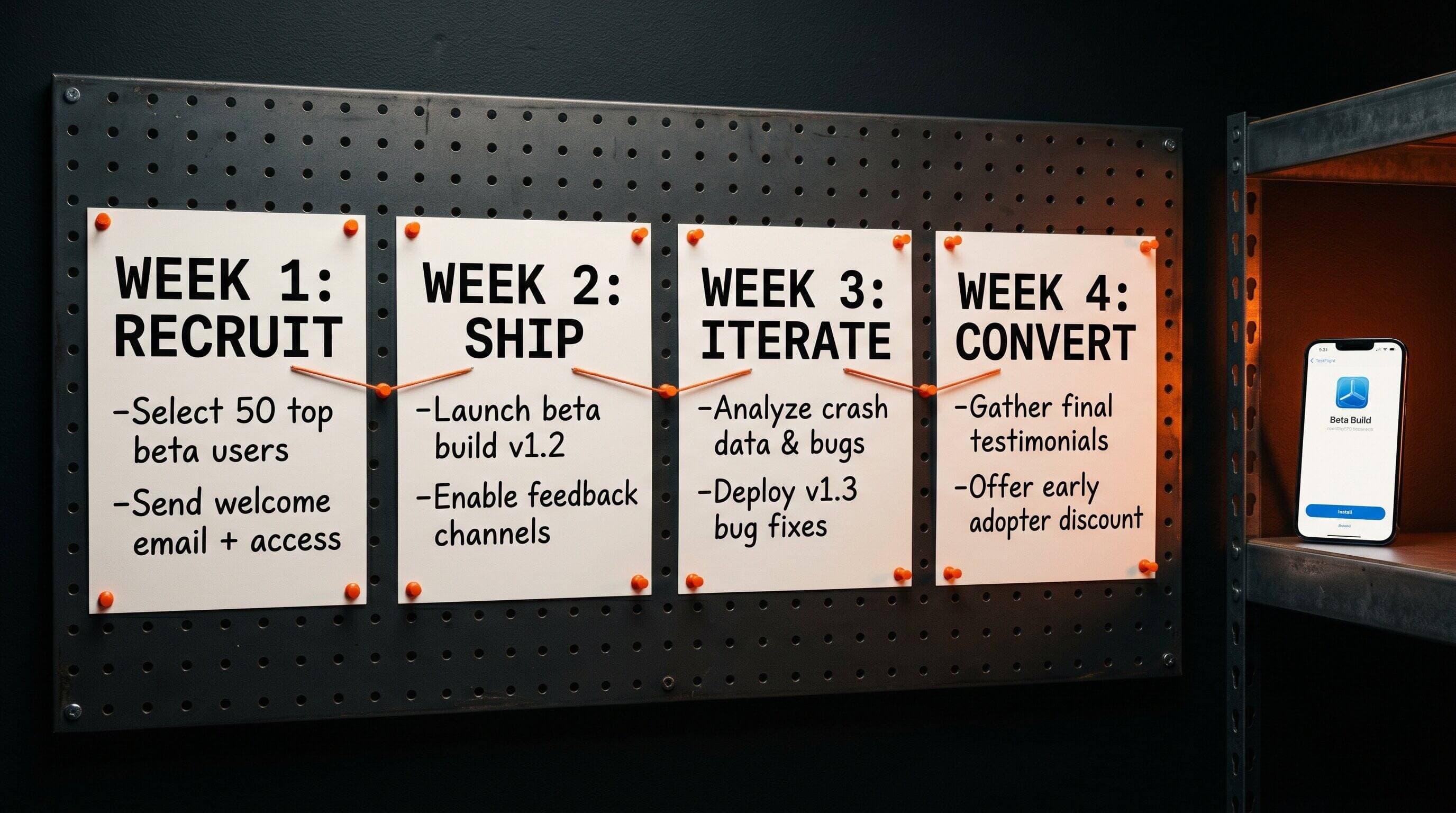
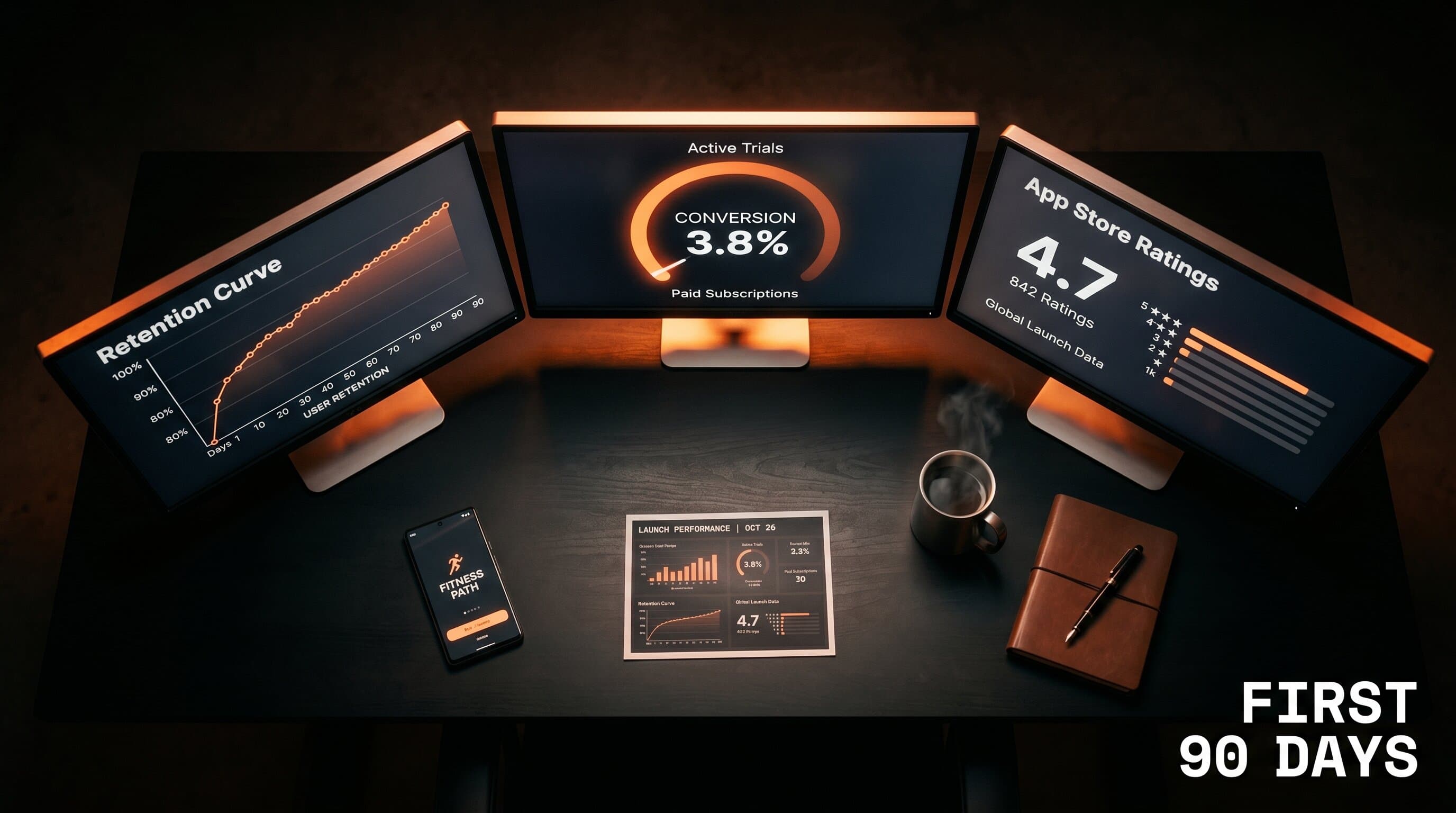
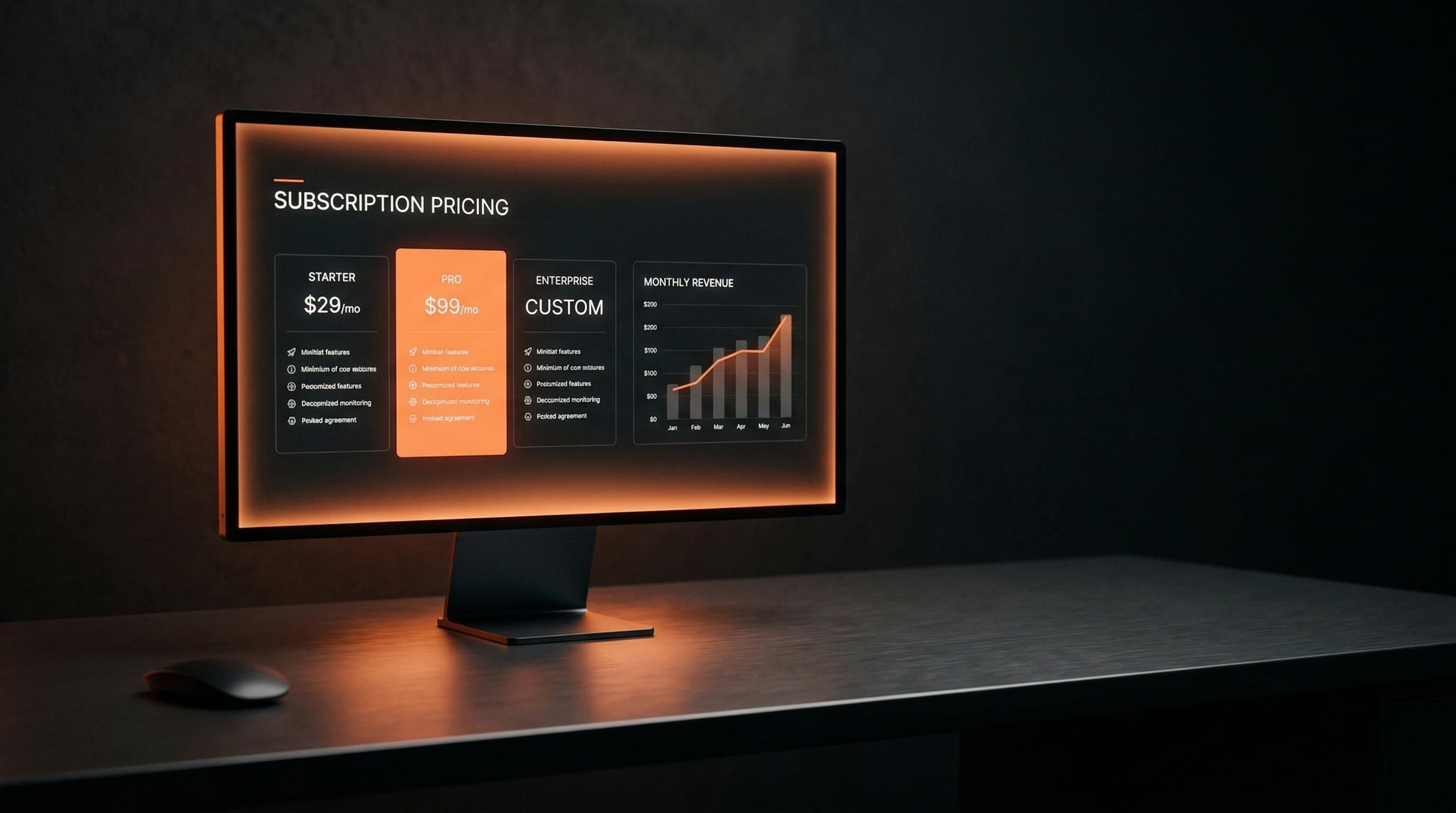
A creator app beta running on iPhone, with weekly TestFlight build deployments and warm orange feedback indicators on a dark studio background
A creator app beta is a 4 to 6 week structured test of your subscription app with a small group of your real audience members, run through Apple's TestFlight, before you submit the public version to the App Store. It is not a "soft launch". It is not "we are still building". It is a controlled environment where 50 to 200 of your most engaged fans use the app daily, give you feedback, and convert into paying subscribers the moment public launch goes live. The reason it works is that creators have something traditional startups do not: a built-in user research panel. Your top commenters, your reply guys, your most-tagged fans. They will install a beta build at 11pm because you DMed them. A B2B SaaS founder would pay six figures for that kind of access. The reason creators skip it is that betas feel like engineering work. They are not. The engineering is done in a week. The other three weeks are creator work. Conversations, content, conversion. Public launch is a one-time event. You only get to be "new on the App Store" once. The week your app appears in the App Store is the week your audience is most curious, most willing to download, and most likely to convert at the highest rate they will ever convert. If your app crashes on day three for half of them, you have burned the only free attention you will ever get. Beta testing moves the failure mode to a private room. Specifically, it lets you:
  • Find the one feature people actually open the app for (it is rarely the one you planned)
  • Test pricing against real users instead of guessing
  • Stress-test onboarding before the App Store version locks in
  • Build a launch list of people who will leave 5-star reviews on day one
  • Generate authentic content (tester reactions, before/after results, screenshots) that becomes your launch campaign
Compare that to the alternative, which is shipping to the App Store cold and learning everything in public reviews. The cost difference is the difference between a launch and a relaunch. Most creator apps that fail in their first 90 days fail because they treated launch day as the start of feedback, not the result of it. Smaller than you think. The instinct is to invite as many people as possible. The math goes the other way.
Beta SizeActive Testers (~30%)Useful Feedback LoopsBest For
258LowSolo niche creators (5K to 50K followers)
10030HighMost creator apps (50K to 500K followers)
500150Diminishing returnsLarge creators (500K+) with mature audience
5,0001,500Noise dominates signalAlmost never the right answer
100 hand-picked superfans will give you more usable insight than 5,000 random followers. The reason is signal-to-noise. With 100 people, you can DM every single one of them. With 5,000, you cannot, so you stop reading the feedback channel after week one. Apple's TestFlight supports up to 10,000 external testers per app. Use about 1 percent of that. The week before TestFlight access goes out is recruitment week. Treat it like casting. Open a private application form. Not a public signup. A short Google Form or Typeform with 4 questions: name, Instagram or TikTok handle, what you would use the app for, and your iPhone model. The application step does two things. It filters out passive collectors who join everything, and it gives you the qualitative data you need to pick a balanced cohort. Post the application to your most engaged channel. Stories, a pinned community post, a Close Friends list, a paid newsletter, a Discord. Do NOT post it to a cold audience. You want fans who already know what you teach. Pick a balanced cohort, not just your biggest fans. The right 100 testers is something like:
  • 30 people who use your free content every day (your superfans)
  • 40 people who have bought something from you once before (paying intent confirmed)
  • 20 people who are new to your audience (they will spot the things superfans forgive)
  • 10 people who DMed you a complaint at some point (the harshest, most useful feedback)
That last group is the secret. Critics make better testers than fans. Fans tell you everything is great. Critics tell you what to fix. Send TestFlight invites via email, not DMs. TestFlight invites expire and get lost in DM clutter. Use a real email list with a personal subject line ("Your beta access for [App Name] is ready"). Track opens. Day 1 of week 2 is the day testers actually install. Everything you do this week is about activation. Day 1: send a 90-second video, not instructions. A written tutorial is the worst possible welcome. A creator video showing exactly what to do for the first 30 seconds of the app is the best. You are a creator. Use the skill you already have. Day 2 to 4: track who opened it and who didn't. TestFlight tells you who installed but not how engaged they are. Use a simple analytics tool like PostHog or your app's built-in event tracking to see who actually pressed buttons. If 40 percent of testers never open it past install, you have an onboarding problem. Fix it before week 3. Day 5 to 7: open a feedback channel that is NOT email. Email feedback is slow and formal. People hold back. A private Discord channel, a Telegram group, or a dedicated Slack workspace gets you raw reactions. The first 10 messages in that channel will tell you exactly what to build next. Watch for the moment one tester says something like, "I have used this every day this week." That is the feature you build the app around. Everything else is decoration.
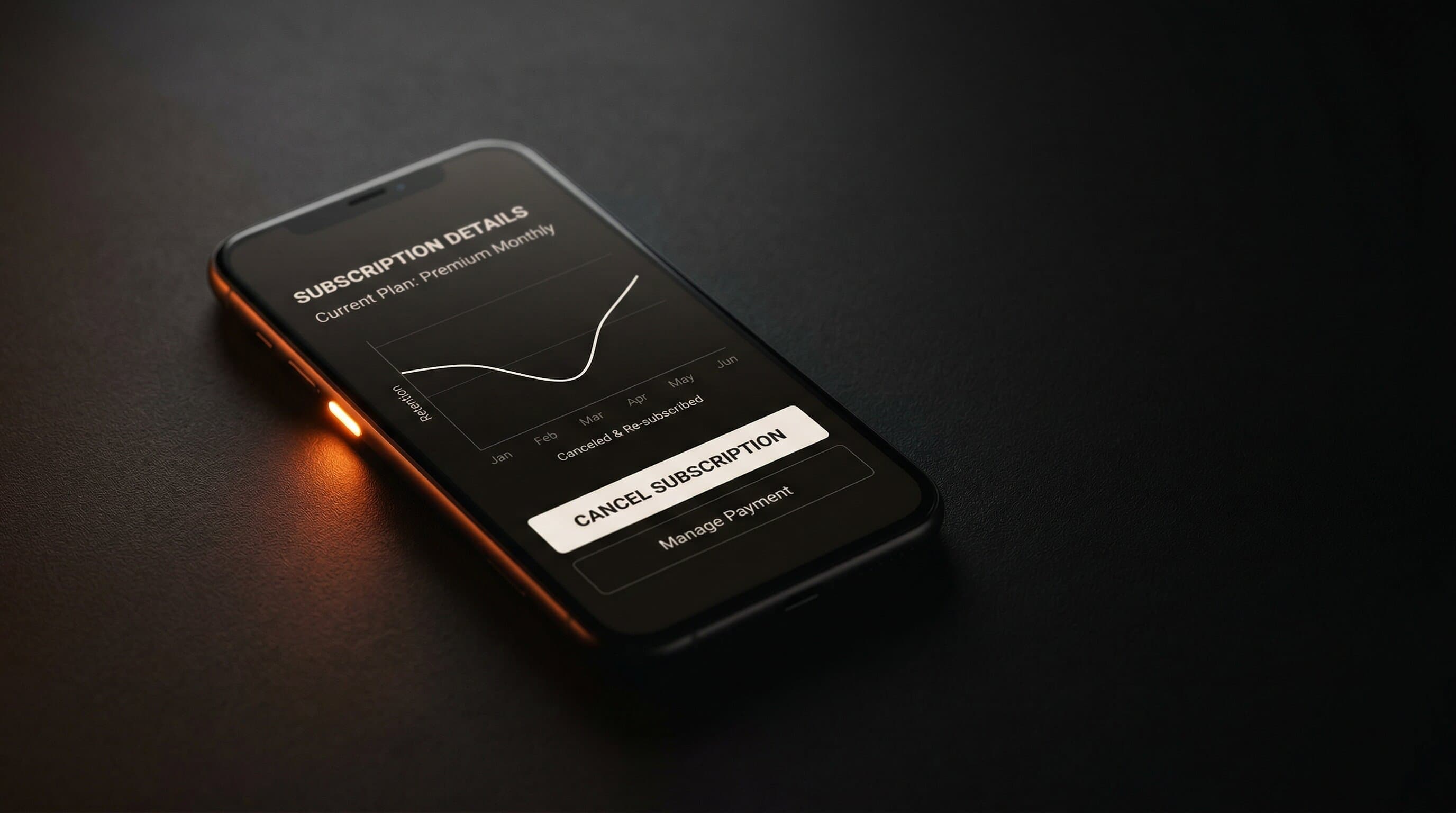
Weekly beta build cadence shown as a 4-week timeline with TestFlight ship days, feedback channels, and conversion checkpoints on a dark editorial background
Week 3 is where most betas die. You get feedback, you panic, you try to build everything. Don't. Build one thing. Pick the single highest-frequency complaint and fix it. Not the loudest. Not the one from your favorite tester. The one that appears 10 times in different words. That is the friction point. Ship a new TestFlight build with that one fix. Keep a kill list. Things 3 or fewer people asked for. Write them down so you have a record, then don't build them. You will be tempted. Resist. Send a midpoint video. Halfway through the beta, post a Stories update or a video to your testers thanking them and showing what changed because of their feedback. Two things happen. Testers feel ownership. And dormant testers re-engage when they see the app is moving. This week is also where you learn the most about pricing. By now, the testers who love the app will start asking what it will cost. Note the number they assume. If five different testers guess $9.99, you have your monthly price. If they guess $4.99, you priced too low in your head. Pricing for creator subscription apps is a feedback signal, not a guess. The final week is the most important and the one creators skip the hardest. The trap is to think of the beta as "free testing" and the App Store launch as "paid users". That is wrong. Your testers ARE your first paying users. They have proven daily engagement. They have already given feedback. They have emotional ownership. They will pay more, churn less, and refer harder than any cold App Store user. Run a tester-only pre-sale. Email all active testers. Offer them an annual subscription at a "founder's price" of 30 to 50 percent off, available only to people who were in the beta. Make it expire on public launch day. Real creator betas convert 30 to 50 percent of active testers into paying annual subscribers in this single email. If you have 100 testers and 30 are active, that is 9 to 15 annual conversions in one email. At $79.99 annual, that is $700 to $1,200 in revenue before the App Store version is even live. More importantly, those subscribers do not churn at the 60-day mark because they were the beta. Get launch-day reviews lined up. Every paying tester gets a personal DM the morning of public launch asking for an honest App Store review. Not "leave us 5 stars". Just "if you have a minute, share your honest experience". The first 20 reviews on a new app drive App Store ranking and discoverability for the next six months. Build the launch content from beta artifacts. Screenshots of testers using it. Before and after results. Quotes. Reaction videos you recorded over the four weeks. This is the entire launch campaign, and you already shot it. A beta is private, time-boxed, and feedback-driven. A soft launch is public, open-ended, and revenue-driven. Creators conflate the two and end up with the worst of both. The 4-week beta has a defined endpoint. The soft launch has none, which is why so many creator apps stay "in soft launch" for six months and never have a real launch moment.
ModeAudienceGoalDurationRisk
Beta (TestFlight)50 to 200 hand-picked fansFeedback and feature validation4 to 6 weeksNone, app is not public
Soft launchPublic on App Store, low marketingEarly revenue, organic discoveryIndefinitePublic reviews lock in your rating
Hard launchFull audience pushRevenue spike and launch reviews1 to 2 weeksHigh, the version everyone sees
Run the beta first. Then go straight to hard launch. Skip soft launch entirely unless you have a specific reason. The same five mistakes show up in almost every first-time creator beta. They are easy to avoid if you know what they look like. Mistake 1: Inviting your whole audience to "test it out". This is not a beta. It is an unmarketed launch. Real betas have less than 1 percent of your audience size. Mistake 2: Building everything testers ask for. Testers ask for everything. Most of it is wrong. Build the one thing 10 testers ask for. Skip the rest. Mistake 3: Treating the beta as a quiet phase. The beta is your loudest production work, just on a private channel. Daily check-ins, midpoint videos, public progress updates to your main audience without revealing the app yet. The beta is content. Mistake 4: Forgetting the conversion step. A beta with no conversion mechanism is a focus group. A focus group is not a business. Always end the beta with a tester-only pre-sale. Mistake 5: Building it yourself with a no-code tool. TestFlight needs a real iOS build, App Store Connect setup, push notifications, and crash reporting. You need a real product partner. That is the difference between a beta and a demo. If you are doing it yourself: about $99 for the Apple Developer Program account, free for TestFlight, plus whatever you pay your developer for build iterations. The dollar cost is small. The time cost is the real number, and it is roughly 60 to 100 hours over four weeks if you are doing it well. If you are working with a partner like Foundry: zero. The build, the TestFlight setup, the iteration cycle, and the App Store launch are included. You bring the audience, we bring the engineering and the playbook. App care is forever, not a one-time deliverable. Reference profiles of creators who ran disciplined betas before launch:
  • Drew Manning ran a private trainer cohort before opening Fit2Fat2Fit publicly.
  • Bret Contreras tested Booty by Bret with a closed group of athletes before launch.
  • Dr. Becky Kennedy used early-access cohorts to validate Good Inside before scaling to a $34M business.
Every one of them did what this playbook describes. None of them shipped cold to the App Store. Four weeks is the sweet spot for most creator apps. Less than three weeks and you do not see enough daily-use behavior. More than six weeks and testers fatigue, churn from the beta itself, and the launch loses urgency. If you absolutely must extend, do it in one-week chunks with a clear new milestone each time. About 25 active testers, which usually means inviting 75 to 100 people. Active means they open the app at least three times a week and respond to at least one feedback prompt. Below that, you do not have enough signal to know what is real and what is one person's opinion. No. TestFlight is iOS only. For Android, Google Play has internal testing tracks, closed testing tracks, and open testing tracks that work similarly. Most creator apps launch iOS-first and add Android later because iOS users spend more per subscriber and the App Store has stronger discoverability for new apps. No. Beta testers should never pay during the beta. They are giving you feedback worth more than a subscription fee. Convert them to paying subscribers at the end of the beta with a tester-only founder's price. Charging during the beta destroys the feedback dynamic. Daily prompts in a private channel, weekly TestFlight builds with visible changes, a midpoint video, and a final conversion offer with a deadline. The number-one reason testers go silent is they think nothing is happening. Show that something is happening every week, ideally every day. Your audience is ready. Build the beta. Launch the business.
Let's Build →

Creator app strategy

Want us to review your creator business?

Apply for a Foundry Creator App Review. We'll tell you whether there is a real app opportunity hiding in your audience.

How to Beta Test Your Creator App: 4-Week Playbook