
Why App Subscribers Cancel (and How to Stop It)

Why App Subscribers Cancel (and How to Stop It)

Foundry
April 7, 2026
Key Takeaways:
  • 40% of subscription cancellations come from low or no usage, not price objections
  • 77% of daily active users stop using an app within the first 3 days of installing it
  • Annual subscribers retain at 44% after 12 months vs. 17% for monthly plans (RevenueCat, 2026)
  • A "pause subscription" option recovers 30-40% of users who would otherwise cancel
  • Creator involvement (new content, challenges, community interaction) is the single biggest retention lever most apps ignore
You launched your app. People subscribed. The first month felt like proof that this whole "creator to founder" thing works. Then month two hit. Cancellations started trickling in. By month three, you're watching subscribers leave faster than new ones arrive. The MRR line that was climbing starts flattening, then dipping. This is the retention wall. Every subscription app hits it. The creators who build real businesses are the ones who break through it. What is subscriber churn? Churn is the percentage of paying subscribers who cancel in a given period. A 10% monthly churn rate means you lose 10 out of every 100 subscribers each month. At that rate, you need to replace your entire subscriber base every 10 months just to stay flat. The good news: churn is fixable. And the data on what works is better than ever. Most creators assume people cancel because the app costs too much. That's wrong. According to RevenueCat's 2026 State of Subscription Apps report, the top cancellation reasons break down like this:
Reason% of Cancellations
Low or no usage~40%
"Too expensive" (perceived, not actual)~25%
Billing errors (especially Android)~20%
Found a better alternative~10%
Other~5%
The biggest killer isn't price. It's silence. Subscribers who stop opening your app are subscribers who cancel. Every time. "Too expensive" is almost always a proxy for "I'm not getting enough value." A subscriber paying $9.99/month for an app they use daily feels like they're getting a bargain. The same subscriber paying $4.99/month for an app they forgot about feels ripped off. One stat that should scare every app owner: 31% of all Google Play cancellations are billing errors, not intentional cancellations. On iOS, that number drops to 14%. If you're on Android, a third of your "churn" might be failed credit cards, not unhappy users. Here's the brutal math: 77% of users stop using an app within the first 3 days of installing it. If you can't hook someone in that window, they're gone. The apps with the best retention all share one pattern: they get users to the "aha moment" fast. Not a tutorial screen. Not a feature tour. The actual moment where the user thinks "oh, this is worth it." For a fitness app, that's completing their first workout and feeling the soreness the next day. For a nutrition app, that's scanning their first meal and seeing the breakdown. For a coaching app, that's getting their first personalized recommendation that actually fits their life. Kayla Itsines' Sweat app nailed this. New users picked their program, set their schedule, and completed workout one within minutes of downloading. No lengthy onboarding quiz. No video welcome series. Just: pick a plan, press play, sweat. The data backs this up. Apps with optimized onboarding achieve 40%+ day-1 retention compared to the 25% average across all categories. That 15-point gap compounds into millions of dollars over a year. Your onboarding checklist:
  • Can a new user reach the core value in under 3 minutes?
  • Does the first session end with a visible result (workout done, meal logged, skill practiced)?
  • Are you asking for information you actually need, or just collecting data for your dashboard?
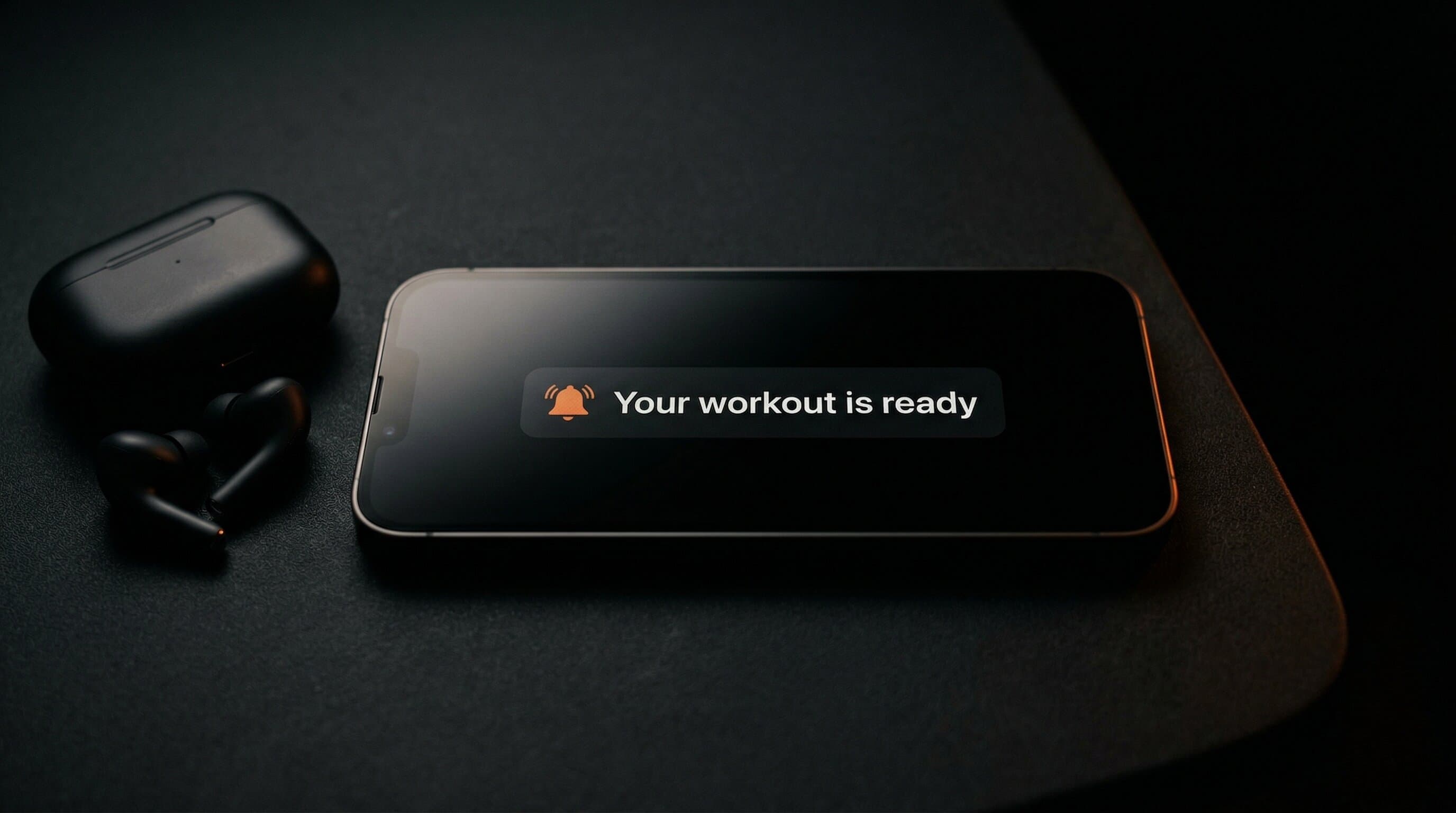
Push notifications are the most effective daily habit trigger for subscription apps
The apps with the lowest churn all do the same thing: they give subscribers a reason to open the app every single day. Duolingo has streaks. Peloton has live classes. Calm has a daily meditation. These aren't features. They're habit loops designed to make skipping a day feel like a loss. For creator apps, the habit loop is even more powerful because it's tied to the creator's personality and content. When Joe Wicks posts a new HIIT workout on The Body Coach app every week, subscribers have a reason to come back. When the app tracks their streak of completed workouts, skipping Tuesday feels like breaking a promise. The habit loop formula:
  • Trigger: Push notification or content drop ("Your new workout is ready" or "Today's challenge just dropped")
  • Action: One quick, completable task (a 10-minute workout, a daily check-in, a lesson)
  • Reward: Visible progress (streak counter, badge, leaderboard position, before/after tracker)
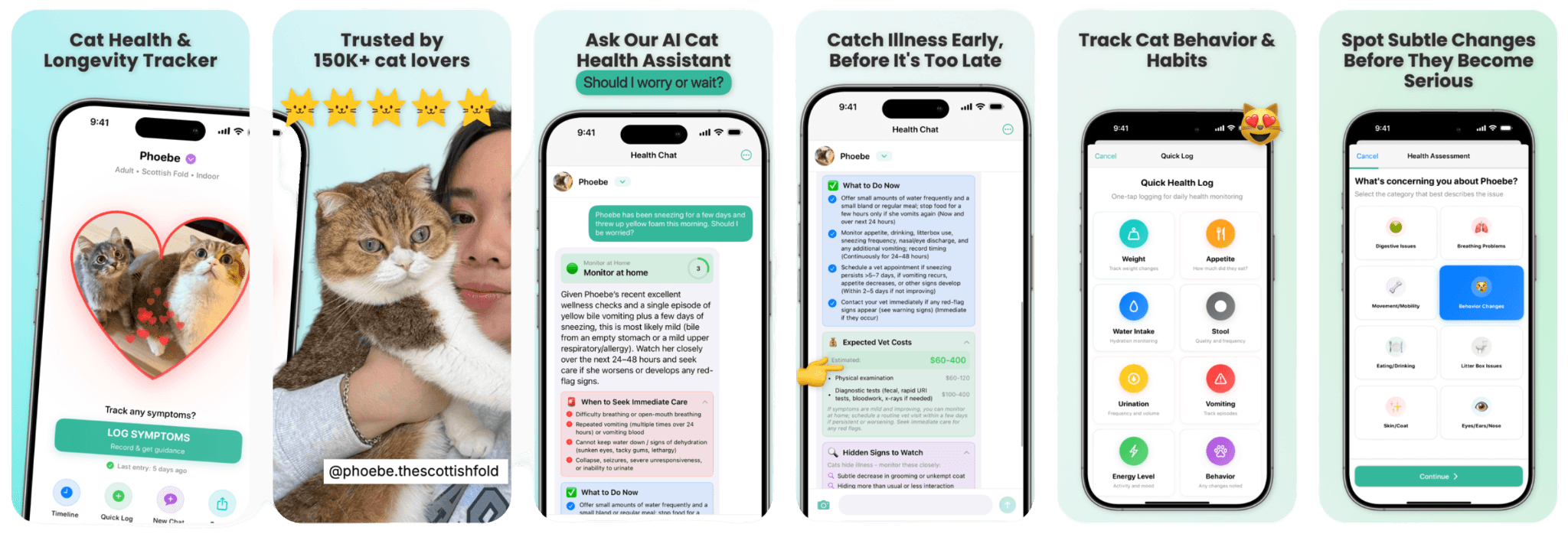
Strava proved this works at scale. When they introduced their "Challenges" feature, 90-day retention jumped from 18% to 32% and premium subscriptions increased 15%. The creators who treat their app like a daily touchpoint, not a library of content, win the retention game. This is the single highest-leverage retention move. Annual subscribers retain at 44.1% after 12 months. Monthly subscribers? Just 17%. That's a 2.6x difference. The math is simple: someone who pays $99/year is locked in for 12 months. Someone who pays $9.99/month makes a "should I cancel?" decision every 30 days. Reduce the number of decisions, reduce the churn. Show the annual savings prominently on your pricing screen. "Save 40%" converts. Our pricing strategies guide breaks this down in detail. A "pause for 1-3 months" button on your cancellation screen recovers 30-40% of users who would otherwise cancel. That's not a small number. For an app with 1,000 subscribers and 8% monthly churn, a pause option saves 24-32 subscribers per month. The reason it works: most people who cancel don't hate your app. They're busy, traveling, or taking a break from whatever your app helps them do. Give them a way to come back without re-subscribing, and many of them will. Generic content libraries get abandoned. Personalized experiences stick. When an app recommends the right workout, the right recipe, or the right lesson based on what a user has done before, engagement jumps 15-20%. This doesn't require AI. Simple logic works: "You finished the beginner program. Here's intermediate." "You skipped upper body last week. Try this shorter version." "You've logged in 7 days straight. Here's a bonus." If 31% of your Android cancellations are billing errors, fixing payment infrastructure is a retention strategy. RevenueCat reports this is the second biggest source of involuntary churn, and most app owners don't even know it's happening. Use grace periods for failed payments. Send "update your card" push notifications. Retry billing automatically. These aren't glamorous fixes, but they directly protect revenue. Solo app usage is fragile. Community app usage is sticky. When subscribers see other people doing the same program, sharing results, and cheering each other on, the app becomes a place they belong, not just a tool they use. Challenges work especially well here: "Complete 20 workouts this month" or "Log every meal for 14 days." Shared goals create accountability that a solo user never has. This is where creator apps have a structural edge over generic subscription apps. A random meditation app competes on features. A meditation app built by a creator with 500K followers competes on relationship. Subscribers don't just pay for the content. They pay to be part of that creator's world. The creators with the best retention lean into this:
  • Weekly live content drops. New workouts, new lessons, new challenges. Not monthly. Weekly. Subscribers need to know something fresh is coming.
  • Behind-the-scenes engagement. App-exclusive content that doesn't live on social media. This makes the subscription feel special, not redundant.
  • Direct interaction. Even small touches matter: responding to community posts, featuring a subscriber's result in a video, running a Q&A inside the app. This turns passive subscribers into active participants.
Every piece of creator content inside the app doubles as retention AND new social media content. When you film a reaction to a subscriber's transformation, that's a TikTok, an Instagram Reel, AND a reason for that subscriber to stay forever. This is the content engine we talk about in how your app writes your content. The apps that treat the creator as a silent brand name churn hard. The apps where the creator shows up weekly inside the product keep subscribers for years. Retention isn't just about keeping people around. It's about math. Consider two apps, both launching with 500 subscribers and adding 100 new subscribers per month:
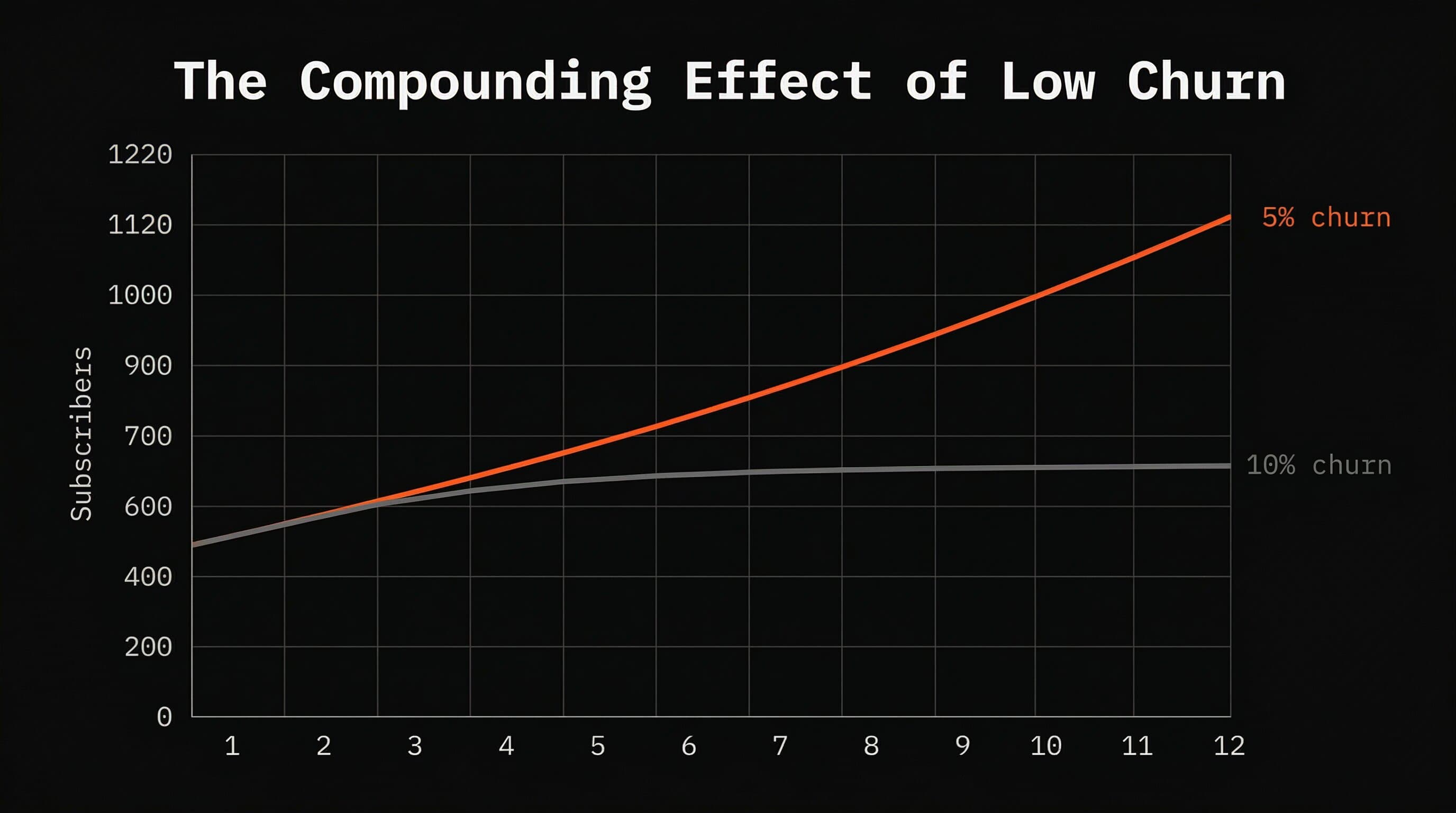
The compounding effect of low churn: 5% monthly churn vs 10% over 12 months
MetricApp A (10% monthly churn)App B (5% monthly churn)
Month 1 subscribers550575
Month 6 subscribers650870
Month 12 subscribers7001,220
Month 12 MRR (at $9.99)$6,993$12,188
Same product. Same marketing spend. Same number of new subscribers every month. But a 5-point difference in churn creates a $5,195/month revenue gap after one year. Over two years, that gap becomes a canyon. This is why getting your first 1,000 subscribers is only half the battle. Keeping them is what separates a side project from a real business. Every point of churn you eliminate compounds forever. A 1% reduction in monthly churn on a 1,000-subscriber app at $9.99/month adds roughly $1,200 in annual revenue. Do that five times and you've added $6,000/year without acquiring a single new user. Want to build an app that keeps subscribers? Built by Foundry builds, launches, and runs subscription apps for creators. $0 upfront, 3-week delivery, and we handle retention optimization forever.
Let's Build →
The median monthly churn rate for subscription apps is around 5-8%. Top-performing apps in Health & Fitness and Productivity get below 5%. Anything above 10% monthly churn signals a retention problem that needs fixing before you scale acquisition. Add a one-question cancellation survey (not optional, but keep it to one tap). Common options: "Not using it enough," "Too expensive," "Found something better," "Just taking a break." The answers will tell you exactly where to focus. Most apps discover that usage, not price, is the real problem. Free trials between 3 and 7 days produce the highest trial-to-paid conversion rates. Shorter trials don't give users enough time to form a habit. Longer trials train users to expect free access. The key: users who complete at least two meaningful actions during their trial retain at 2-3x the rate of passive trial users. Weekly at minimum. Subscribers need a reason to open the app every week, and fresh content from the creator is the strongest reason. The format matters less than the consistency: a new workout, a weekly challenge, a live Q&A, or a fresh lesson all work. The apps that go months without new content see churn spike within 60 days. A discount offer on the cancellation screen can save 10-15% of churning users, but use it carefully. If subscribers learn they can get a discount by threatening to cancel, you create a cycle that erodes revenue. A better approach: offer a pause option first, then a discounted annual plan second. This preserves the full price for subscribers who aren't at risk.

Get Creator Revenue Insights

How creators are turning audiences into subscription businesses

You might also enjoy...

Why App Subscribers Cancel (and How to Stop It)