Case Studies & Success Stories

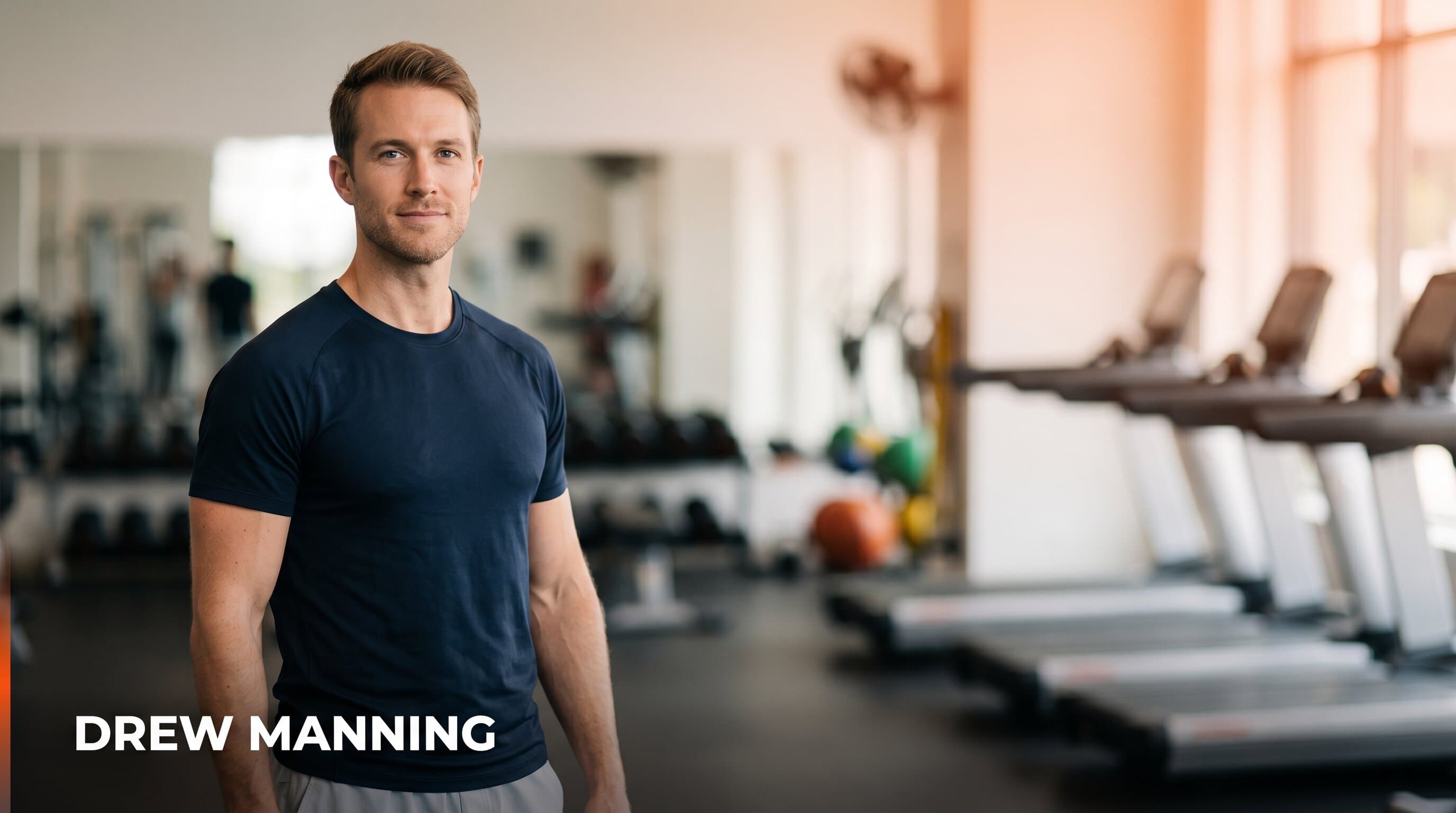
Drew Manning: From Viral Stunt to Fit2Fat2Fit App

Foundry
May 30, 2026
Share
Drew Manning: From Viral Stunt to Fit2Fat2Fit App

Get Creator Revenue Insights

How creators are turning audiences into subscription businesses
Share
In 2011, Drew Manning was a personal trainer in Eagle Mountain, Utah with a normal client list and an above-average body fat percentage of about 7%. Then he decided to gain 75 pounds on purpose. He stopped lifting. He ate fast food and processed carbs for six straight months. His wife watched her husband disappear. Then he lost all of it again on camera, in another six months, and posted every weigh-in to the internet. That stunt is the only reason you have heard of him. The reason he is still in business 15 years later is that he turned the stunt into the Fit2Fat2Fit app. Key Takeaways:
  • Drew Manning is a Utah-based trainer who intentionally gained 75 pounds in 2011 to understand his clients, then lost it in six months while documenting the entire experiment.
  • The story landed him on Good Morning America, Dr. Oz, The View, and an A&E TV show called Fit to Fat to Fit.
  • He turned the audience into a real business through the Fit2Fat2Fit Experience app, keto programs, and a long-running podcast.
  • The transformation made the brand. The app is what made it durable.
  • The pattern matters for any creator sitting on a viral moment: stunts decay, subscription products compound.
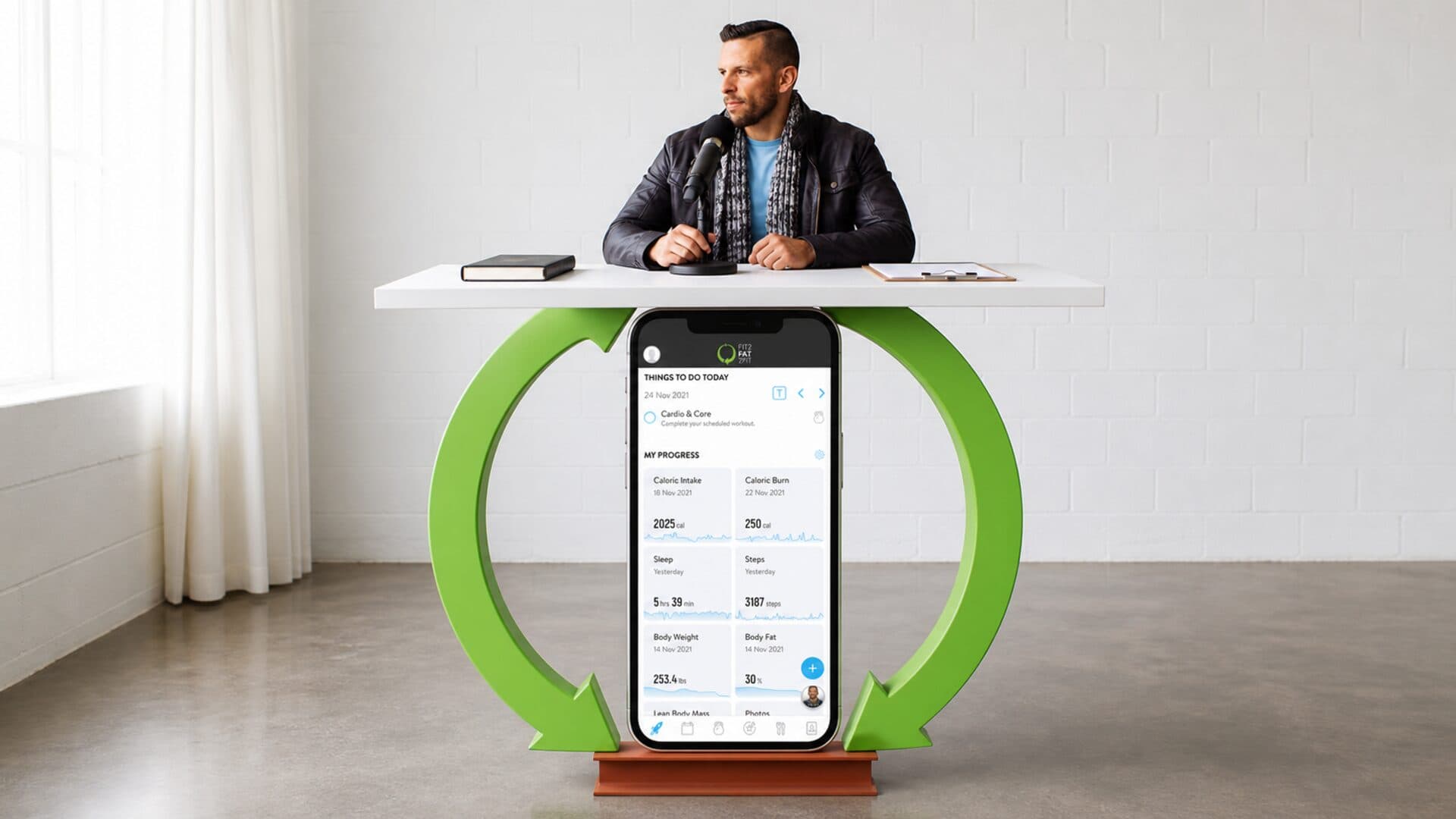
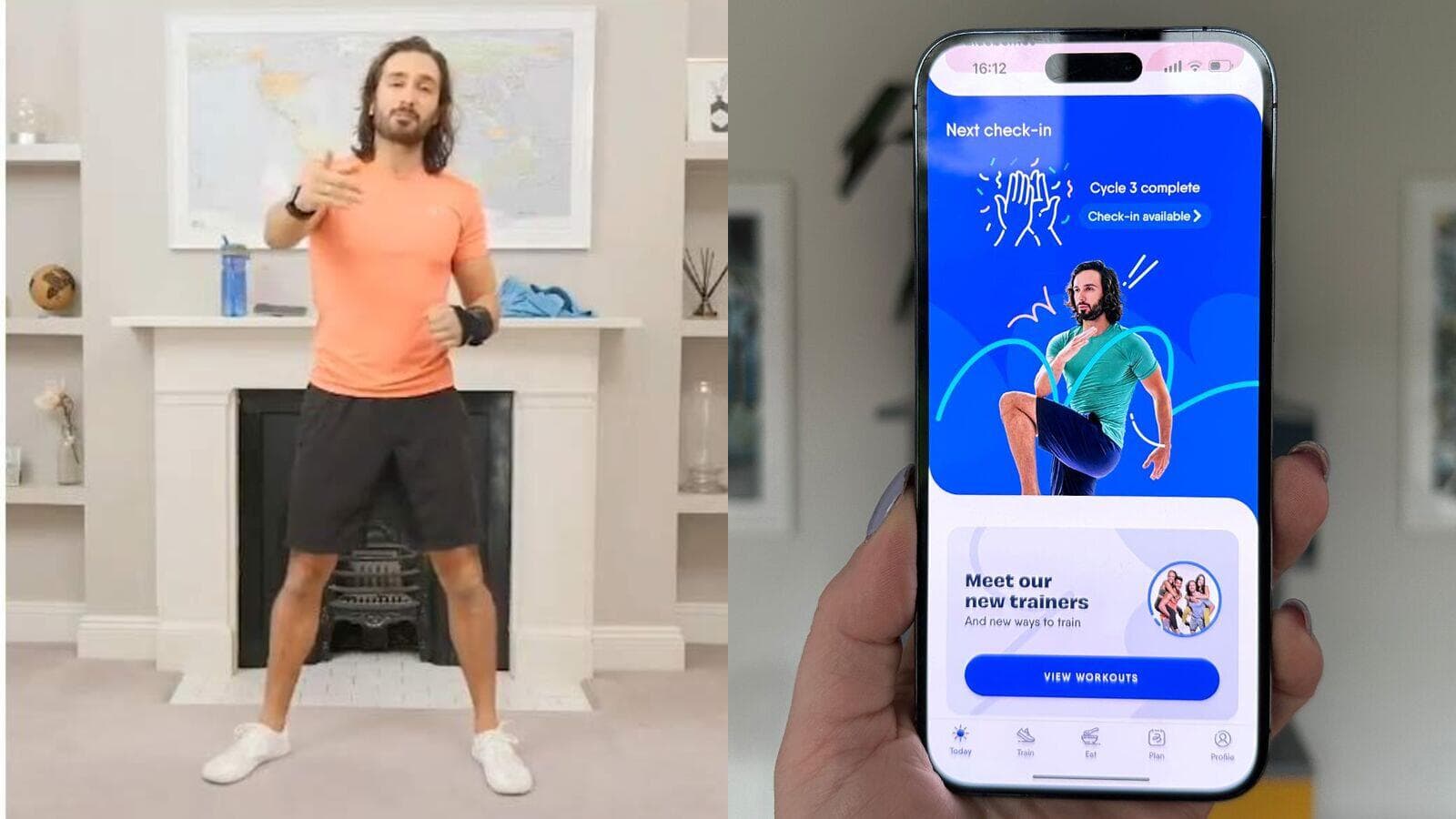
Drew Manning was a 30-year-old personal trainer who, by his own admission, did not understand his overweight clients. He could write them a clean macro plan, but he could not feel what it was like to wake up at 245 pounds and have to coach yourself into a workout. So he ran the experiment on himself. The protocol was straightforward. According to ABC News, which covered the project in 2011, Manning stopped exercising entirely and ate a standard American diet, weighing in publicly every week. In six months he gained roughly 75 pounds. Then he reversed it: clean eating, training again, six months back to lean. The interesting part was not the weight. It was the personality change. His wife, Lynn, told ABC his confidence collapsed and he became lethargic and withdrawn during the fat phase. That detail is the one that travels in interviews. It is also what made the project feel like more than gym content: it was a story about how a body affects a person. Most viral stunts disappear inside 90 days. Drew's did not, because he wrapped the experiment in a publishing schedule before it ended. Weekly weigh-ins on Twitter. Photos. A blog. Eventually a book (Fit2Fat2Fit, 2012). Then GMA, Dr. Oz, The Tonight Show, The View. He also did something most creators forget to do: he kept showing up after the story was over. He kept the podcast, The Fit2Fat2Fit Experience, running for hundreds of episodes. He repeated a shorter version of the experiment again with a keto protocol. He turned a single moment into a category. By the time the dust settled, Manning had a following over a million across platforms (about 281K on Instagram plus YouTube, Facebook, TikTok, and X), a book, a TV show, and a brand he could trust. He still did not have a product that paid him while he slept. So he built one. The app is the part of the story most creators skip when they tell it. Manning had to make a hard pivot from "guy with a story" to "company with a product." That pivot has a name now in the creator economy: productizing your method. The Fit2Fat2Fit Experience app sells access to the method, not the man. Daily workouts. Macro and keto meal plans. Recipes. Progress tracking. Community. A subscriber does not get more Drew. They get more structure. Structure is what someone will pay for every month. A relationship with a creator is what they pay for once and then forget about. This is the same shape we keep documenting in other fitness creators. Joe Wicks built Body Coach on top of his free YouTube workouts. Heather Robertson built a paid app on top of her free workout library. Chloe Ting did the same with the CT app. Different creators, identical pattern: free content acquires the audience, the app converts the believers.
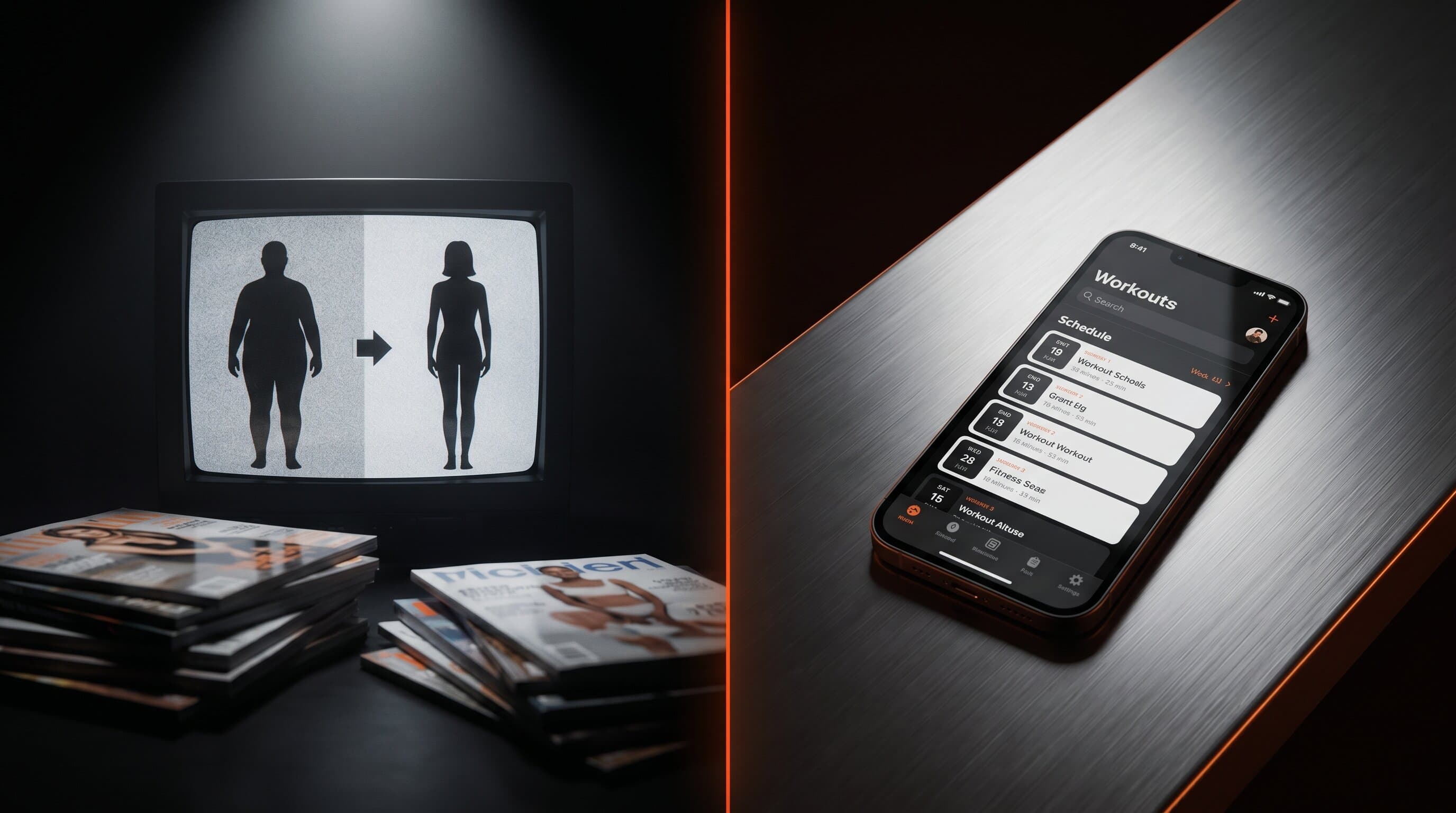
Editorial conceptual photo showing a transformation arc from a viral video moment to a structured fitness subscription app
This is the question every creator with a story like Drew's should sit with for a quiet ten minutes. A book pays once. A course launches in a window and then dies. A podcast pays per download via ads, which means the income lives and dies with how often the creator posts. None of those three monetize the relationship for years. Apps do, because the App Store turns the creator's method into something a user opens on a Tuesday at 6:00 AM whether or not the creator is awake. That is the entire reason subscription apps generate so much more lifetime value than one-time digital products. The user pays for the habit, not the launch. Here is the math creators almost never run on themselves until they have to.
MonetizationWhat it pays forWhen you stop posting
Brand dealA single postIncome resets to zero
BookOne-time downloadRoyalty trickle, then nothing
CourseA 4-week cohortIncome resets, you launch again
Subscription appOngoing access to the methodExisting members keep paying
A creator chases the next sponsorship. A founder owns the asset that pays in their sleep. That gap is exactly the brand deal vs MRR math we keep writing about. Drew Manning closed it years ago. The public surface is mostly the same as it has been for a decade: a website, a podcast, a book backlist, social channels. The interesting surface is everything underneath.
AssetWhat it doesIncome shape
Fit2Fat2Fit appDaily workouts, meal plans, keto programsRecurring subscription
4-Week TransformationOne-on-one coaching with Drew or his teamHigh-ticket, capacity-limited
Keto Jumpstart, Keto SchoolSelf-paced digital programsOne-time, evergreen
Podcast and YouTubeTop-of-funnel audienceAd and sponsor revenue
Speaking and bookAuthority signalLump sums
Drew has been careful not to make himself the only product. The 4-week one-on-one is capped by his own calendar. The keto programs sell while he is asleep. The app is the part that compounds. If you removed the app from this stack, the business would still exist. It would also stop growing. This is what serious creator businesses tend to look like when you cut them open. The personal brand is the top of the funnel. The subscription product is the floor. Three things travel beyond fitness.
  • A repeatable stunt is worth more than a single viral hit. Drew did the experiment again with keto. He has hinted at running it a third time. A stunt you can re-stage is a brand asset. A stunt you only do once is a meme.
  • The story sells the credential. The app sells the method. Manning is one of a small number of trainers people will trust on weight loss because he has been on both sides. That credential gives him pricing power. The app is the thing that converts the trust into recurring revenue. You need both.
  • Build the durable product before the moment ends. Manning had a window in 2011 and 2012 when the press was on his side. He used it to publish a book and seed an audience. The app and the subscription business came later, while the audience was still warm. Most creators do this in the wrong order: they build the product after the heat is gone.
You do not need 75 pounds of weight gain to apply this. You need a method that can be productized and a partner that will build the app you do not have time to engineer yourself. Fit2Fat2Fit is the experiment Drew Manning ran on himself in 2011, when he stopped exercising and ate a typical American diet for six months to gain about 75 pounds, then spent the next six months losing it again. The point was for a personal trainer to feel what his overweight clients actually felt. About 75 pounds, gained over roughly six months in 2011 while documenting weekly weigh-ins publicly. He then lost the weight in the following six months on camera. The story was covered by Good Morning America, Dr. Oz, The View, and The Tonight Show. The Fit2Fat2Fit Experience is a subscription fitness and nutrition app built around Drew Manning's method, with daily workouts, keto and macro meal plans, recipes, and accountability. It is sold through fit2fat2fit.com and connected products. Yes. A&E aired Fit to Fat to Fit in 2016, a reality series in which personal trainers intentionally gained weight to better understand and coach their overweight clients, modeled on Drew's original experiment. Yes. He runs The Fit2Fat2Fit Experience podcast, posts to Instagram @fit2fat2fit, publishes YouTube videos, and continues to update his keto and transformation programs through fit2fat2fit.com. Most creators with a viral story leave the recurring revenue on the table. They publish the book. They cash the brand deal. They keep posting. Then the algorithm moves on and the income shape goes back to flat. Drew Manning built the boring asset underneath the loud story. That is why he is still in business 15 years after the stunt that put him on Good Morning America. The story made people care. The app is what kept them paying. Want to turn your story and your method into an app? We build custom subscription apps for creators. $0 upfront, three weeks to TestFlight, revenue share, and we run the whole thing forever.
Let's Build

Creator app strategy

Want us to review your creator business?

Apply for a Foundry Creator App Review. We'll tell you whether there is a real app opportunity hiding in your audience.

Drew Manning: From Viral Stunt to Fit2Fat2Fit App