
Creator Economy Trends

How Many Links Can You Post on Facebook in 2026? 2 Free, 4 for $49.99

September 18, 2026
Share
How Many Links Can You Post on Facebook in 2026? 2 Free, 4 for $49.99

Get Creator Revenue Insights

How creators are turning audiences into subscription businesses
Share
Key Takeaways:
  • Meta One launched on September 15, 2026, and Meta's own announcement lists "links in organic posts and reels" as a feature of the Advanced plan, "starting at $49.99/mo"
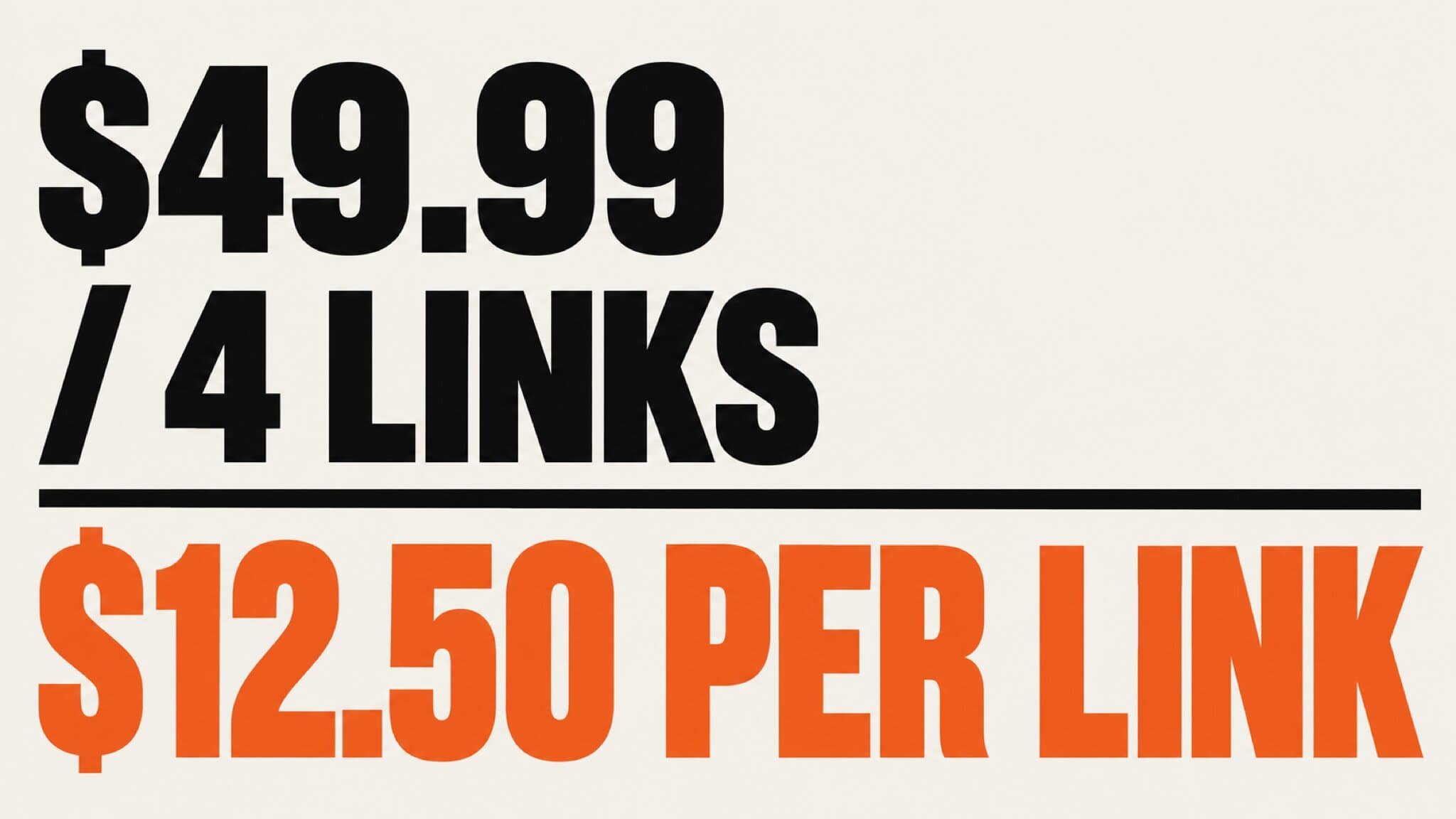
  • Engadget, reporting on launch day, says Advanced buys "the option to embed four clickable URLs into post captions and Reels each month." That works out to $12.50 per link
  • The creator and business ladder runs Essential at $14.99 a month, Advanced at $49.99, Expert at $149, and Max at $499
  • Social Media Examiner reported on February 5, 2026 that non-verified professional users and Pages were being limited to two link posts per month, with links in comments left unlimited
  • Meta's Widely Viewed Content Report says "98.7% of the views in the US during Q1 2026 did not include a link to a source outside of Facebook," and 98.9% in Q2 2026
  • So the link off-platform was already close to extinct before anyone priced it. Metering it is the second event, not the first
  • Meta says "the core experience across our apps and Meta AI has always been free, and that's not changing." Publishing a clickable link to your own business is no longer part of the core experience
  • The only destination nobody can meter is one your audience installs. An App Store listing has no monthly link allowance
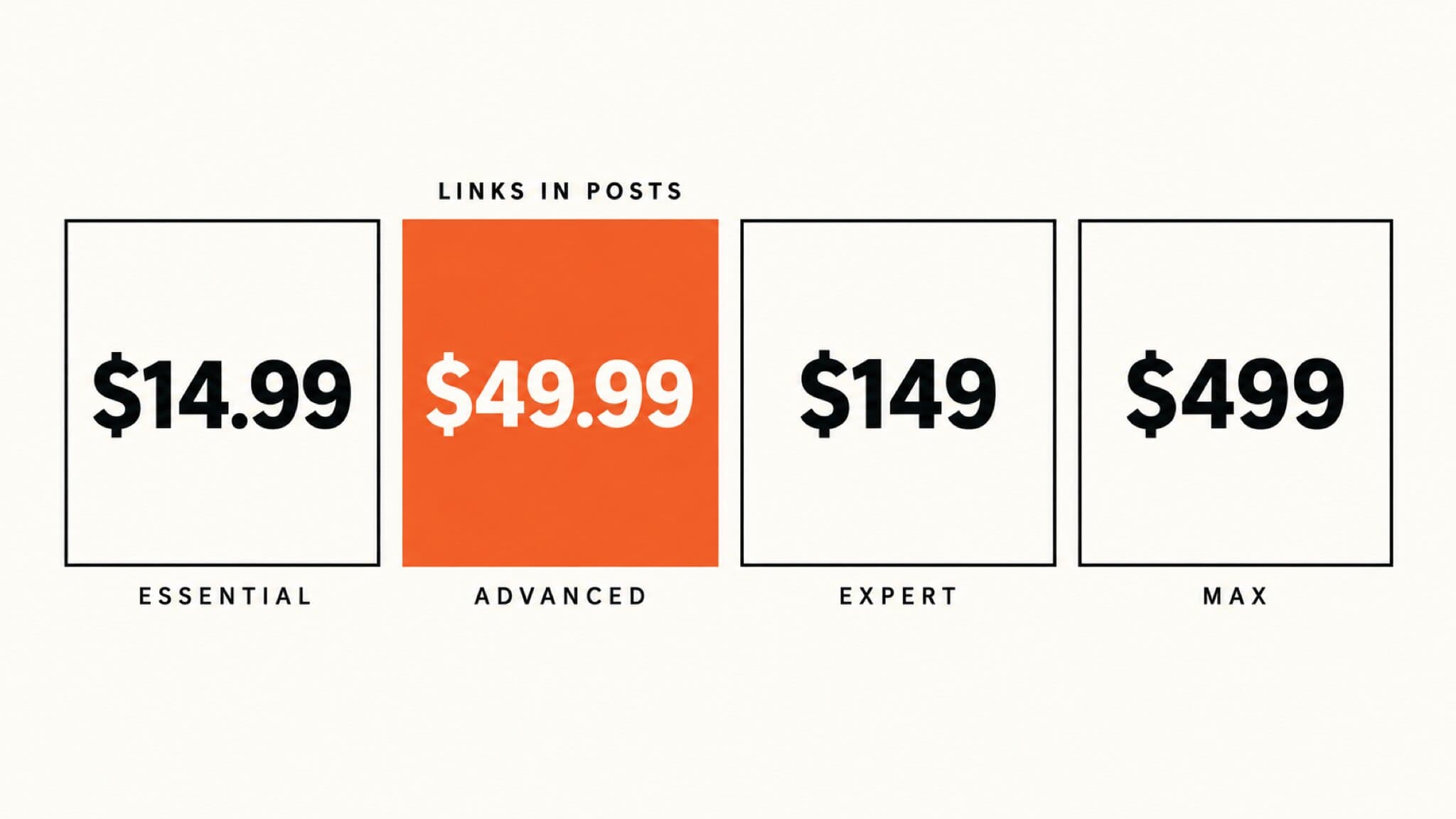
Every creator business that sells something runs through one outbound click. The bio link, the link in the caption, the "link's in my story." That click is the whole bridge between the audience you built and the money you make, and for fifteen years it was free. As of September 15, 2026, it has a price list. Under the limit Meta has been testing, two per month. Social Media Examiner reported on February 5, 2026 that "professional users and Pages" without a paid verification subscription were being restricted to two link posts a month, while "users can still share unlimited links in the comments section without any limitations." That test ran quietly for most of a year. What changed in September is that the paid side of it got a real product, real tiers, and real prices. Read the sequence, because the order matters. First a platform restricts a thing that used to be unlimited. Then it launches a subscription. Then the restricted thing appears on the subscription's feature list. Nothing in that sequence requires malice, and every step of it is rational for a company that owns the feed. It just means the bridge out of the feed is now inventory. Meta's own announcement prices the creator and business ladder in four steps: Essential starting at $14.99 a month, Advanced at $49.99, Expert at $149, and Max at $499. Links in posts appear at Advanced. Meta's wording is exact: Advanced buys "advanced publishing features like scheduling stories up to 30 days in advance, links in organic posts and reels, exportable analytics, and deeper audience insights." Essential, the $14.99 tier, is about identity rather than distribution. Meta describes it as tools to "establish yourself and build confidence with new audiences," with a verified badge, a verified WhatsApp Business channel, and impersonation protection. It does not include the link. Here is the ladder as Meta published it.
PlanPrice Meta listsWhat Meta says it is forDoes it include links in posts
EssentialStarting at $14.99/mo"Establish yourself and build confidence with new audiences"No
AdvancedStarting at $49.99/mo"Invest in professional-grade tools," including "links in organic posts and reels"Yes
ExpertStarting at $149/mo"Scale and optimize," highest levels of feature accessYes
MaxStarting at $499/mo"Scale and optimize," for teams managing at scaleYes
Engadget, covering the launch on September 15, reported that the Advanced tier includes "the option to embed four clickable URLs into post captions and Reels each month." Four links. $49.99. Do the division: $12.50 per clickable link, or $599.88 a year for forty-eight of them. That is the current market rate to point your own audience at your own website from your own post.
A flat editorial layout on warm off-white: four equal tiles in a row reading $14.99, $49.99, $149 and $499, labelled ESSENTIAL, ADVANCED, EXPERT and MAX beneath, with only the $49.99 ADVANCED tile filled in molten orange and the words LINKS IN POSTS set above it
Note what you are not buying. You are not buying more reach, better placement, or a guarantee anyone clicks. You are buying permission for the URL to be clickable. Because by its own measurement, almost nobody was clicking them. Meta's Widely Viewed Content Report states that "98.7% of the views in the US during Q1 2026 did not include a link to a source outside of Facebook." The Q2 2026 figure is 98.9%, leaving 1.1% of Feed content views that included an external link at all. That number is the most important one in this article, and it is not the price. A feed where 98.9% of viewed content carries no exit is not a feed that got worse at distributing links. It is a feed that has been rebuilt, deliberately and over several years, to keep attention inside itself. The pricing is downstream of that. You do not charge for something abundant; you charge for something you have already made scarce. Which is the part creators tend to get backwards. The instinct on launch day was to argue about $49.99. The actual news is that the outbound link was already a 1.1% phenomenon before the price tag existed. Paying for four of them does not restore a channel that worked. It rents a narrow slot in a channel that has been closing since 2022. This is the structural problem, not a pricing problem. Everything a creator builds on a platform they do not own is subject to a rule change they do not get to vote on, and the rules that change first are the ones that let people leave. Meta's framing is worth quoting in full, because it is accurate and revealing at the same time: "the core experience across our apps and Meta AI has always been free, and that's not changing." True. And here is what that sentence now excludes.
  • A clickable link in an organic post is a paid feature. It sits on the Advanced plan, at $49.99 a month, per Meta's own plan description.
  • Scheduling and exportable analytics moved with it. The same tier carries story scheduling and "exportable analytics," which means getting your own performance data out in a usable form is priced alongside the link.
  • The ladder tops out at $499 a month. Max exists, which tells you Meta expects businesses that treat the feed as infrastructure to pay infrastructure prices.
None of those are the core experience. Posting is the core experience. Being seen is the core experience. Leaving with a customer is the product. Creators have watched this pattern run on adjacent surfaces all year. When payout terms shifted across X and Facebook, nobody got a vote there either. The mechanism is identical: the platform changes the number, you find out from a blog post. As reported, links in comments were left unrestricted under the original test, so the oldest workaround in the book still functions: publish a clean post, drop the URL in the first comment. What it cannot do is survive the next policy revision, because it depends on Meta continuing not to care. Treat it as a stopgap and price the risk honestly. A funnel whose load-bearing step is an undocumented gap in someone else's enforcement is not a funnel. It is a bet, renewed daily, that nobody at Meta closes a loophole this quarter. The same is true of every other version of this trick creators are reaching for right now: the screenshot with a URL typed as plain text, the "DM me the word GUIDE," the bio link that everyone has to go find. Each one adds friction between an interested person and a purchase, and friction is the thing you were trying to remove when you put the link in the post. Link-in-bio tools were the previous answer to this, and creators who scaled past a certain point outgrew them for the same reason: a page of links is still a page you have to convince somebody to visit, hosted by a company with its own roadmap. Take a creator with 120,000 engaged followers and a $40 digital product. Nothing exotic, and no assumption about conversion rate that a platform can change on you. Under the metered model, every post that can carry a link is one of four. That forces a choice nobody should have to make: which four things you sell this month. Not which four things are best for the audience. Which four get the clickable URL. Compare the two shapes on the only axis that matters, which is who controls the path between an interested person and a purchase.
A paid link in a postA product your audience installs
Monthly allowanceFour, on the $49.99 planNone. The listing is permanently addressable
Who sets the price of accessMetaNobody. The App Store listing is free to hold
What happens if the policy changesYour funnel's first step disappearsNothing. The app is on the phone
Who owns the customer relationshipThe platformYou
Discovery beyond your own audienceWhatever the feed decides todayApp Store search, which surfaces products to people who never followed you
What you own after five yearsReceiptsA business with a sellable asset
The right column is not a metaphor. This is the specific reason a channel is not sellable and a product is. The link in a post is a permission. An installed app is a relationship with a customer, and it does not renew on somebody else's billing cycle. There is a smaller version of the same argument worth knowing if you sell through a link today: the fees on that route are real and they stack, which is what the link-out checkout math works through rate by rate. If you are a creator between 50,000 and 500,000 followers, and your revenue comes from a course, a coaching offer, a supplement, a preset pack, or a newsletter that converts to a paid tier, then your business has exactly one point of failure and you already know what it is. It is the click. You have optimized around it for years. You have written captions that push people to a bio. You have made a story with a sticker because the sticker clicks through. You have watched a post do 400,000 views and 11 sales, and blamed the copy. The copy was fine. The pipe is narrow on purpose, and this month it got a meter on it. The alternative is not "post less" or "diversify platforms," which just spreads the same dependency across more landlords. The alternative is a destination that does not require a link at all, because it is already on the phone. Somebody who installed your app does not need a clickable URL to buy from you. They need to open the thing they already downloaded.
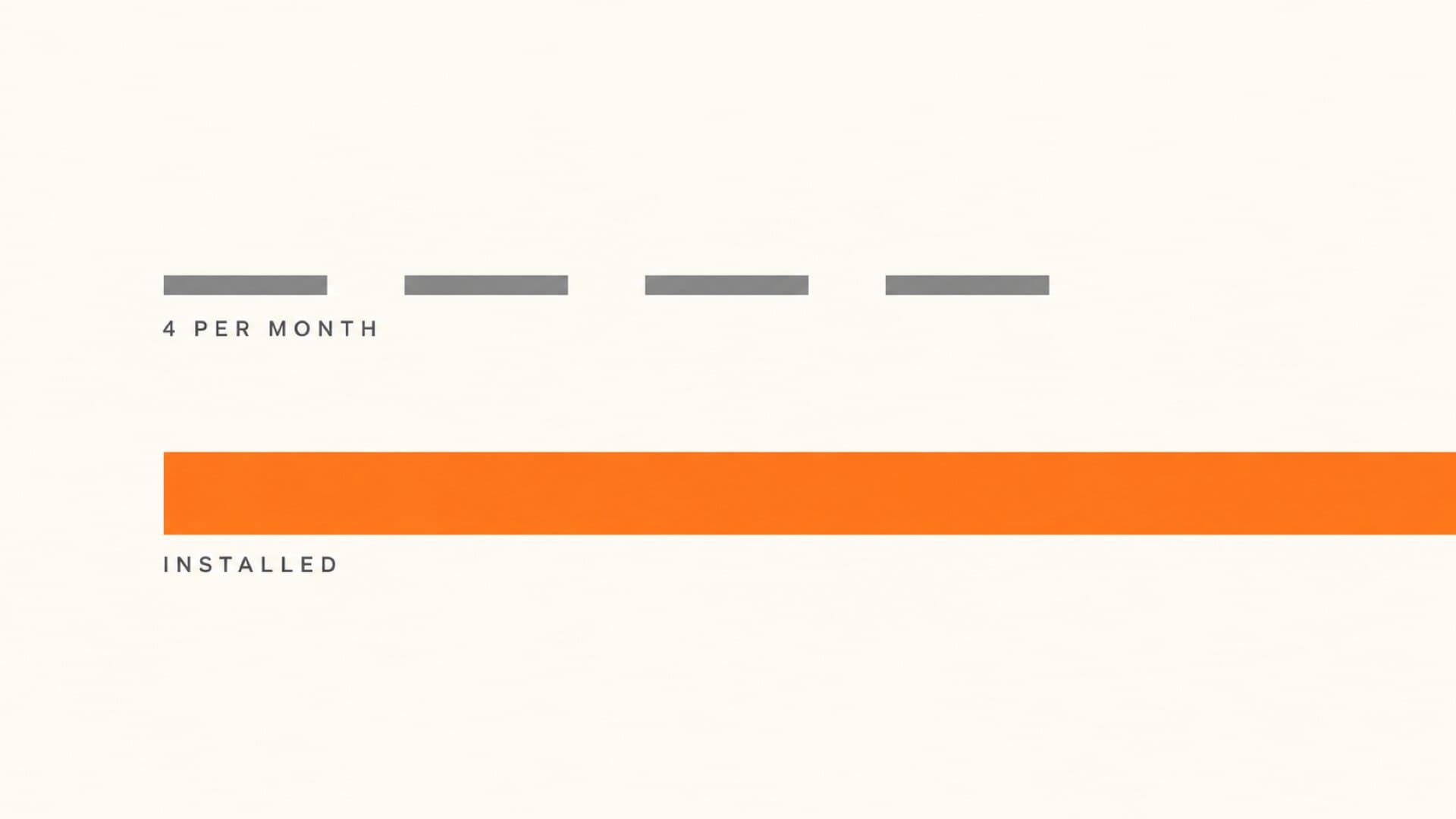
A flat editorial diagram: on the left a narrow grey channel with four small gaps in it labelled 4 PER MONTH; on the right a solid molten orange block with no gaps, labelled INSTALLED, running off the right edge of the frame
That is the entire thesis of how we work. Built by Foundry builds the product your audience is already asking for, at $0 upfront on a revenue share, in roughly three weeks from decision to a live listing. You own the business and the revenue, and we run and maintain it permanently afterwards so that nobody accidentally becomes a software company. That is the whole model, and the reason it exists is the number at the top of this article. Creators who have made this move describe the same before-and-after, and it is not mainly about revenue. It is that the next ten thousand people who pay them will not arrive through a feed. Meta did not break anything on September 15. It published a price for a thing it had already made rare, which is what companies do with inventory. The lesson is not that $49.99 is too much. For a business doing real volume, $49.99 is nothing, and that is precisely the trap: the price is low enough to pay and the dependency is total. You will pay it. Next year you will pay whatever the number is then, because by then four links a month will be load-bearing. A link is permission. A product is property. One of those has a monthly allowance. Go look at your last thirty days of posts and count how many needed a clickable URL to work. If the answer is more than four, you are already over the line, and you were building on somebody else's bridge the whole time. The link-in-bio comparison is the same question asked one layer down. Build the destination instead.
See What We’d Build You →
Sources verified September 18, 2026: Meta's Introducing Meta One announcement, published September 15, 2026, for every plan name, price and feature description quoted above; Meta's Widely Viewed Content Report for the Q1 and Q2 2026 external-link figures; Engadget's launch-day report for the four-URLs-per-month detail on the Advanced tier; and Social Media Examiner, February 5, 2026, for the two-link-per-month test and the comments exemption. Prices are the US figures Meta published and may vary by region, app and account. Current-state claims require revalidation before later use.

Our work

Creators who already did this

These are apps we designed, built, shipped, and still run today, with the creator keeping the code and the audience.

Brandon Whiteleather

Brandon Whiteleather

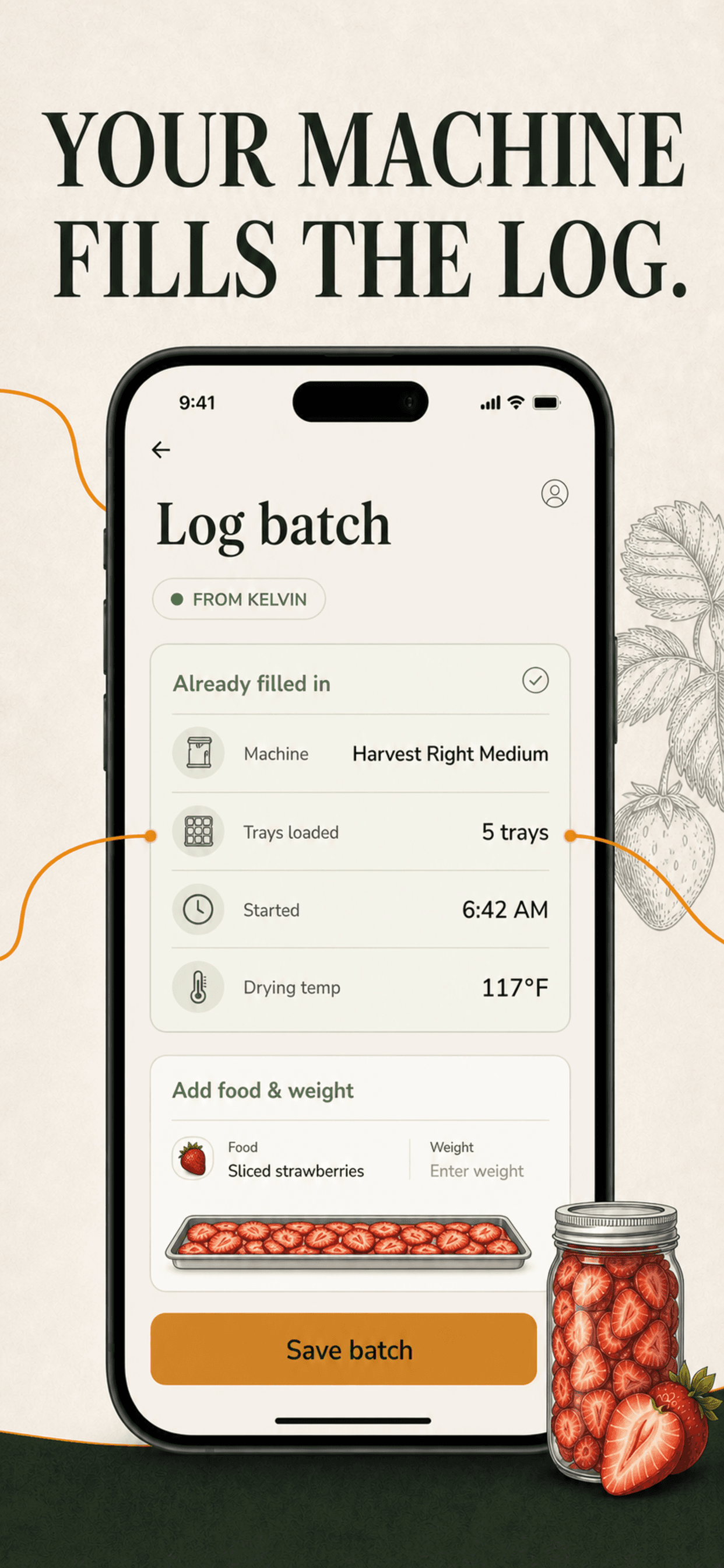
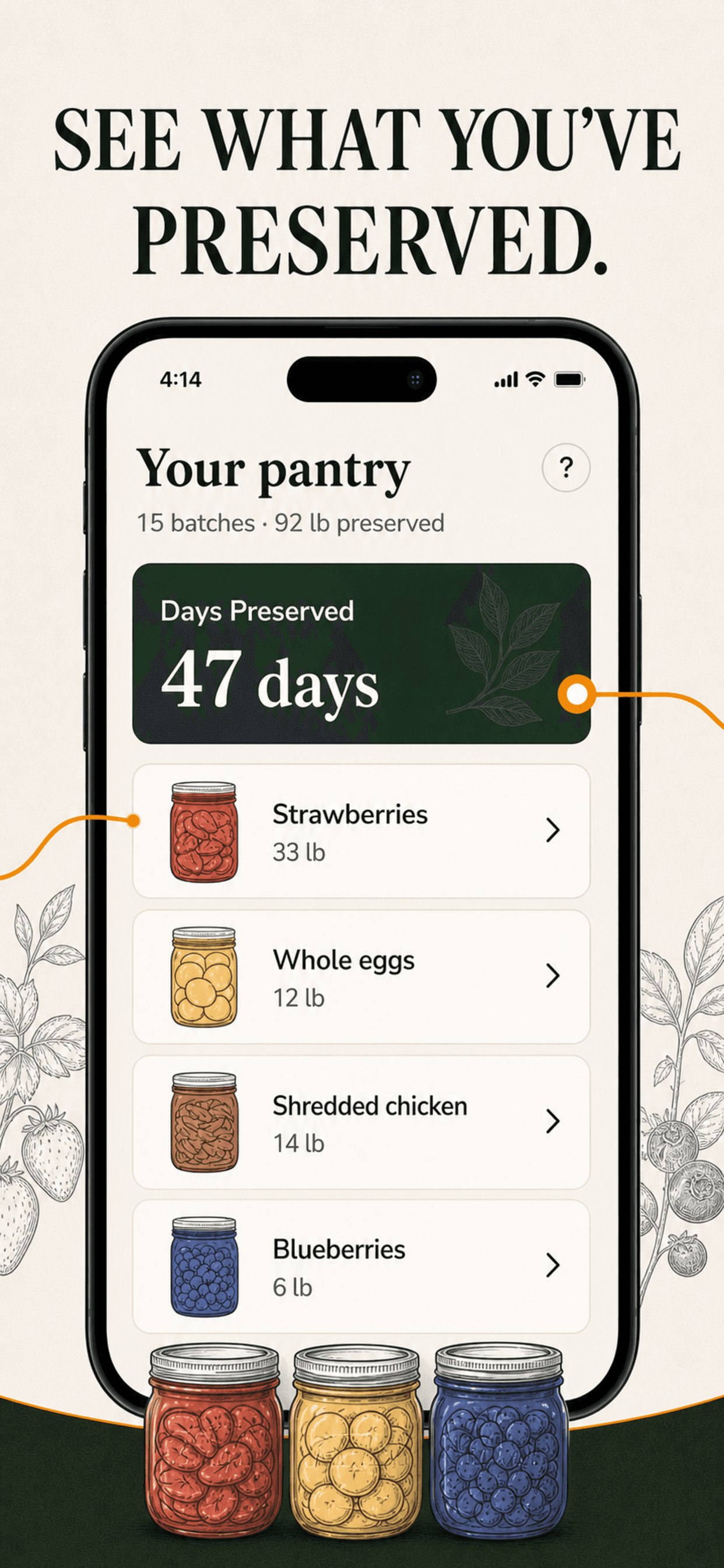
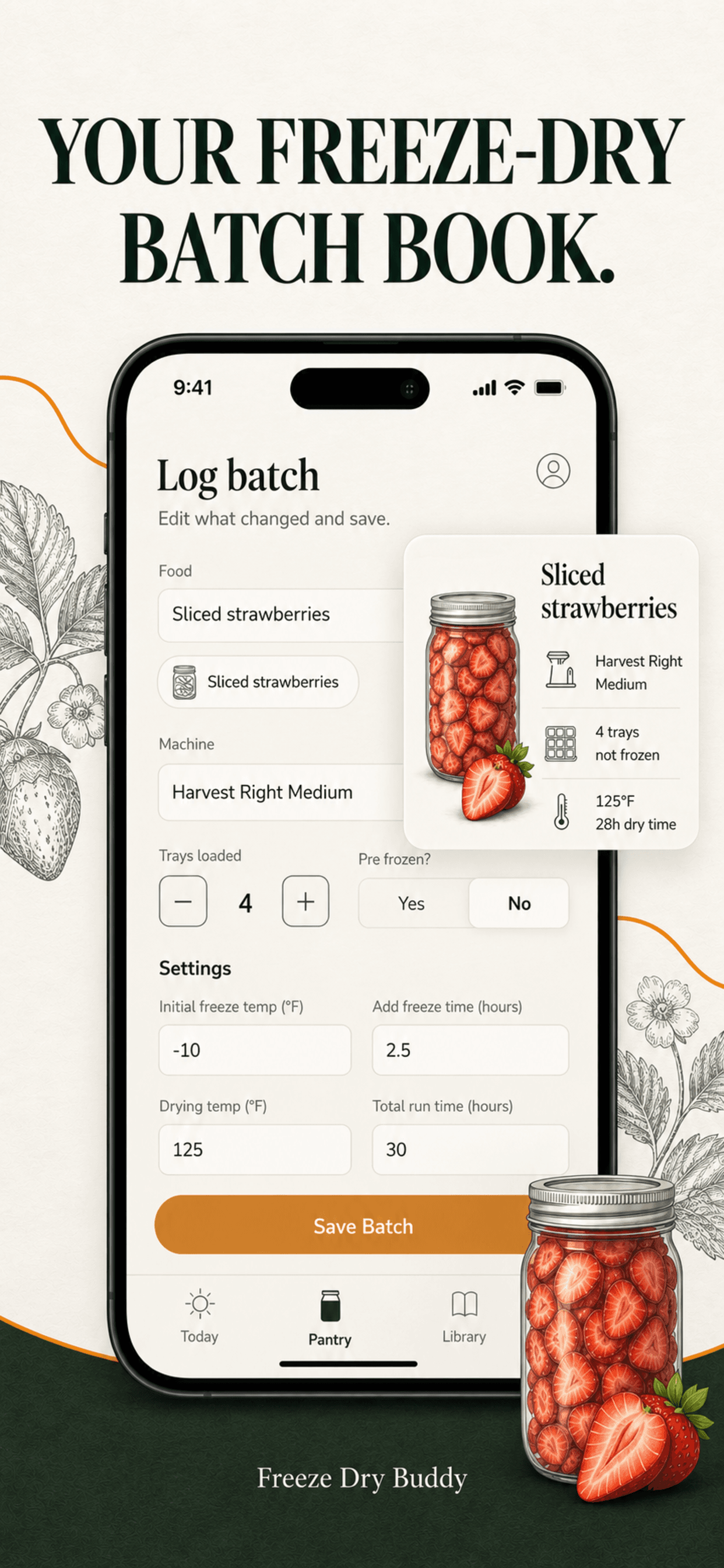
Founder & CEO of Freeze Dry Buddy

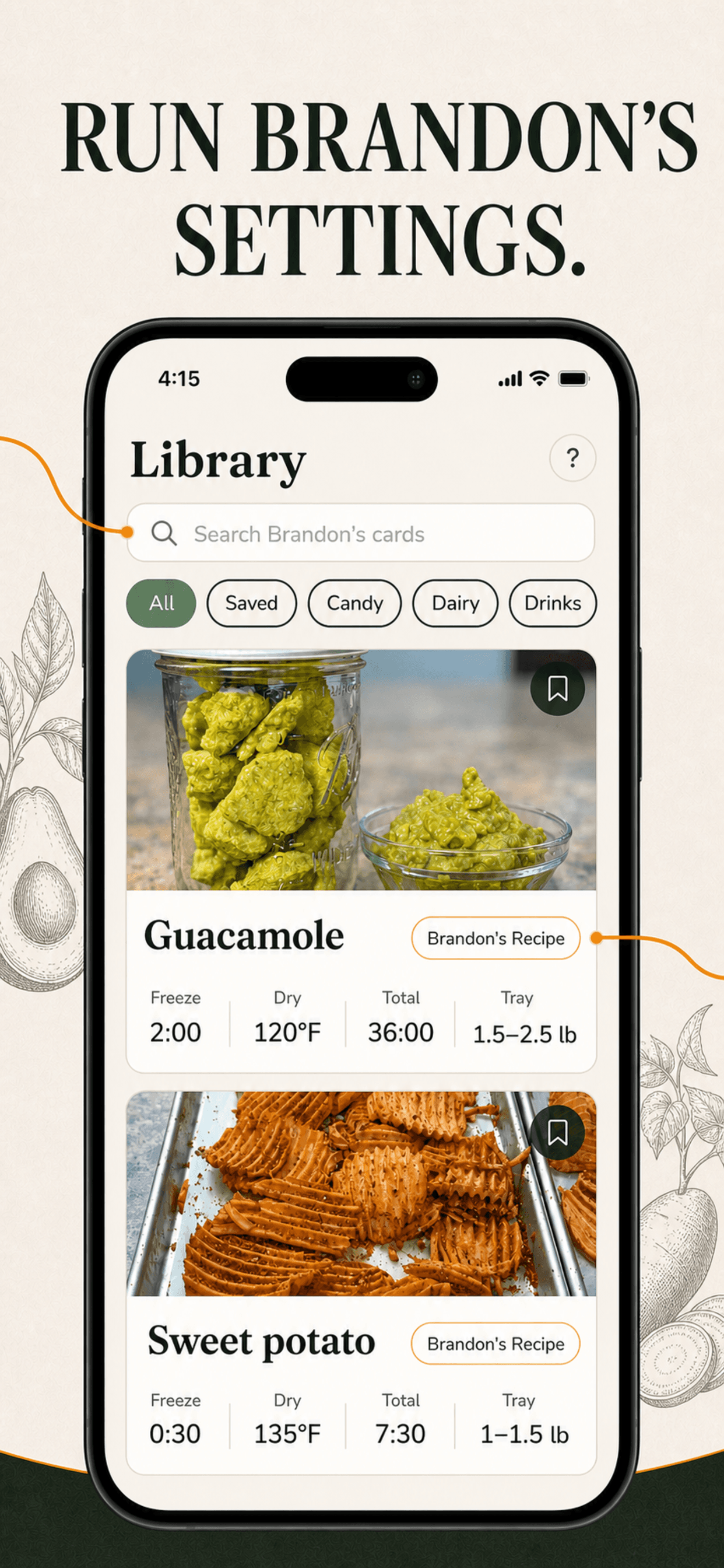
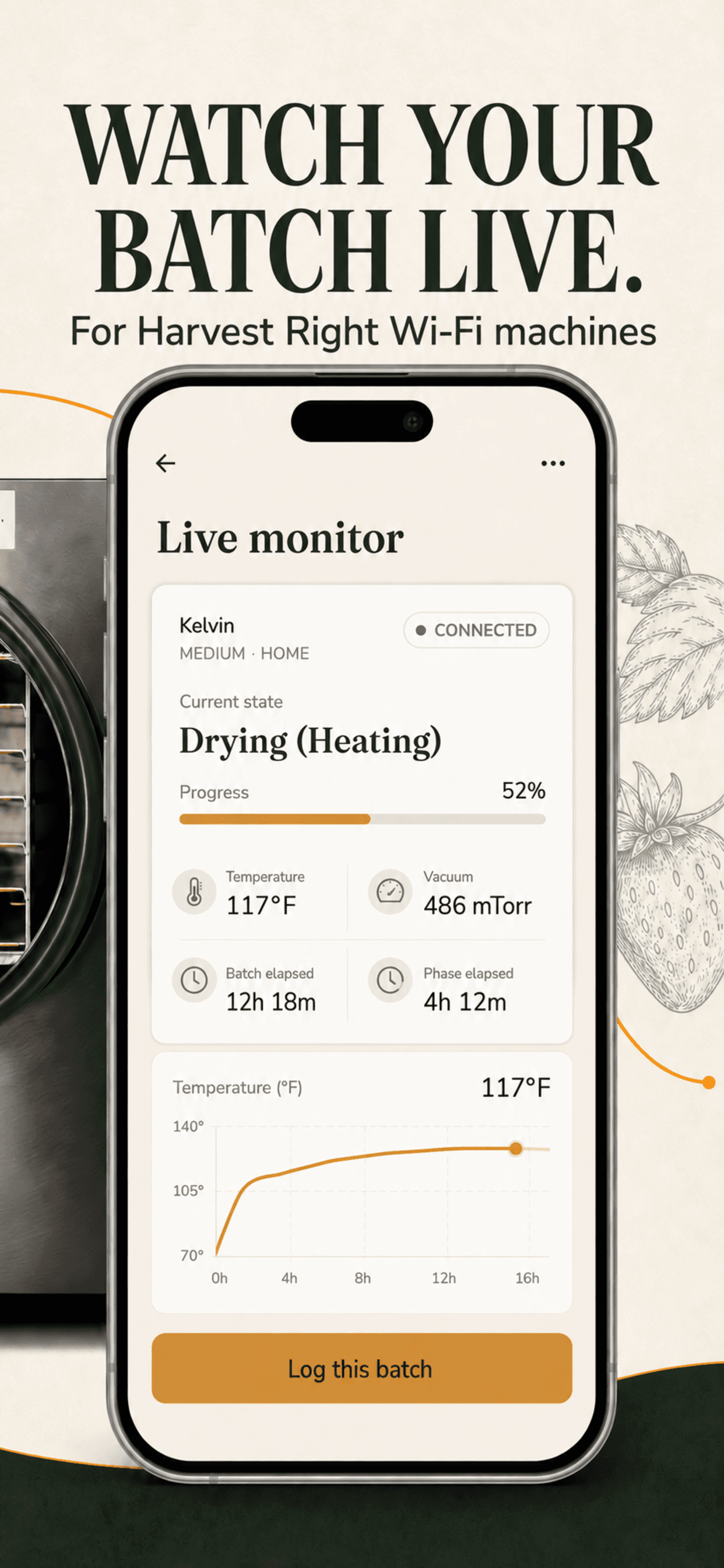
Freeze drying made foolproof, from a homesteader who's done it 1,000 times.

Top Food App1.4M+ followers
Read the case study
Kristen Donathan

Kristen Donathan

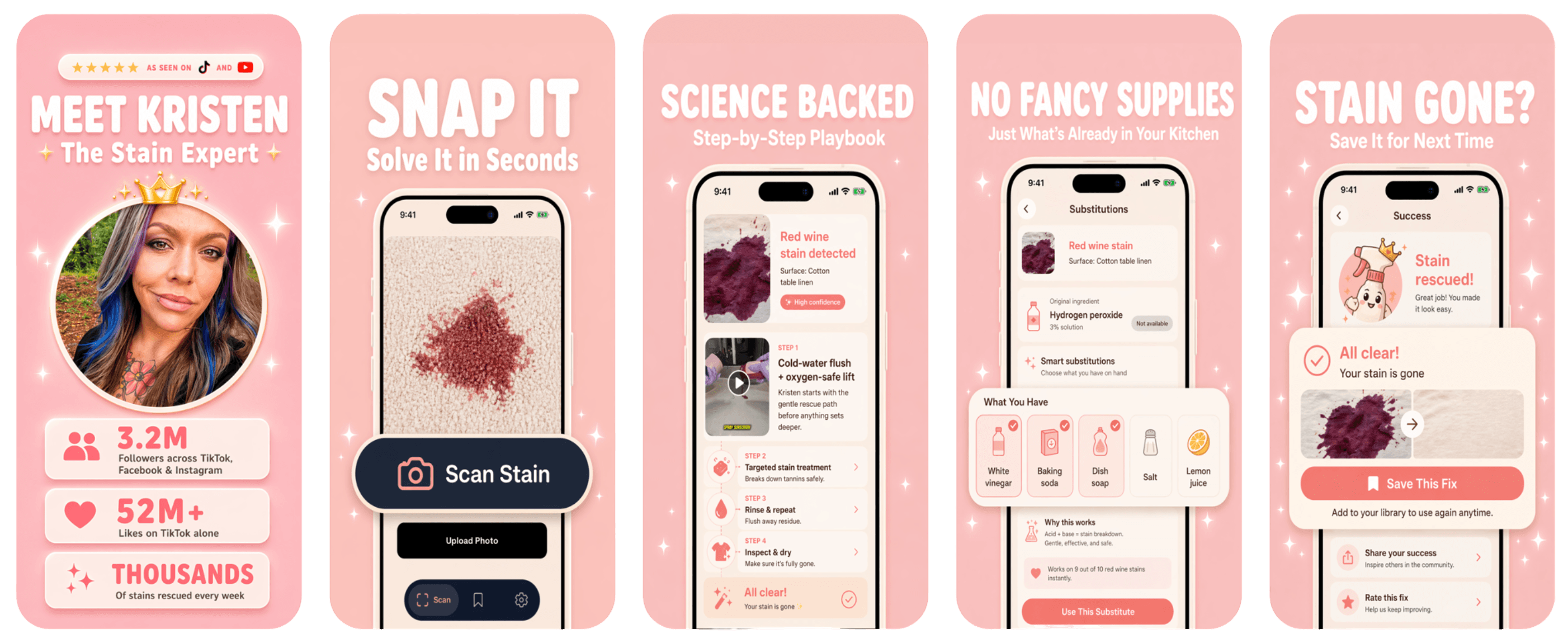
Founder & CEO of Stain Fix

Snap a stain. Get the fix in seconds.

Top Lifestyle App1.5M+ followers
Read the case study
Stain Fix screenshots
Ellie Fausett

Ellie Fausett

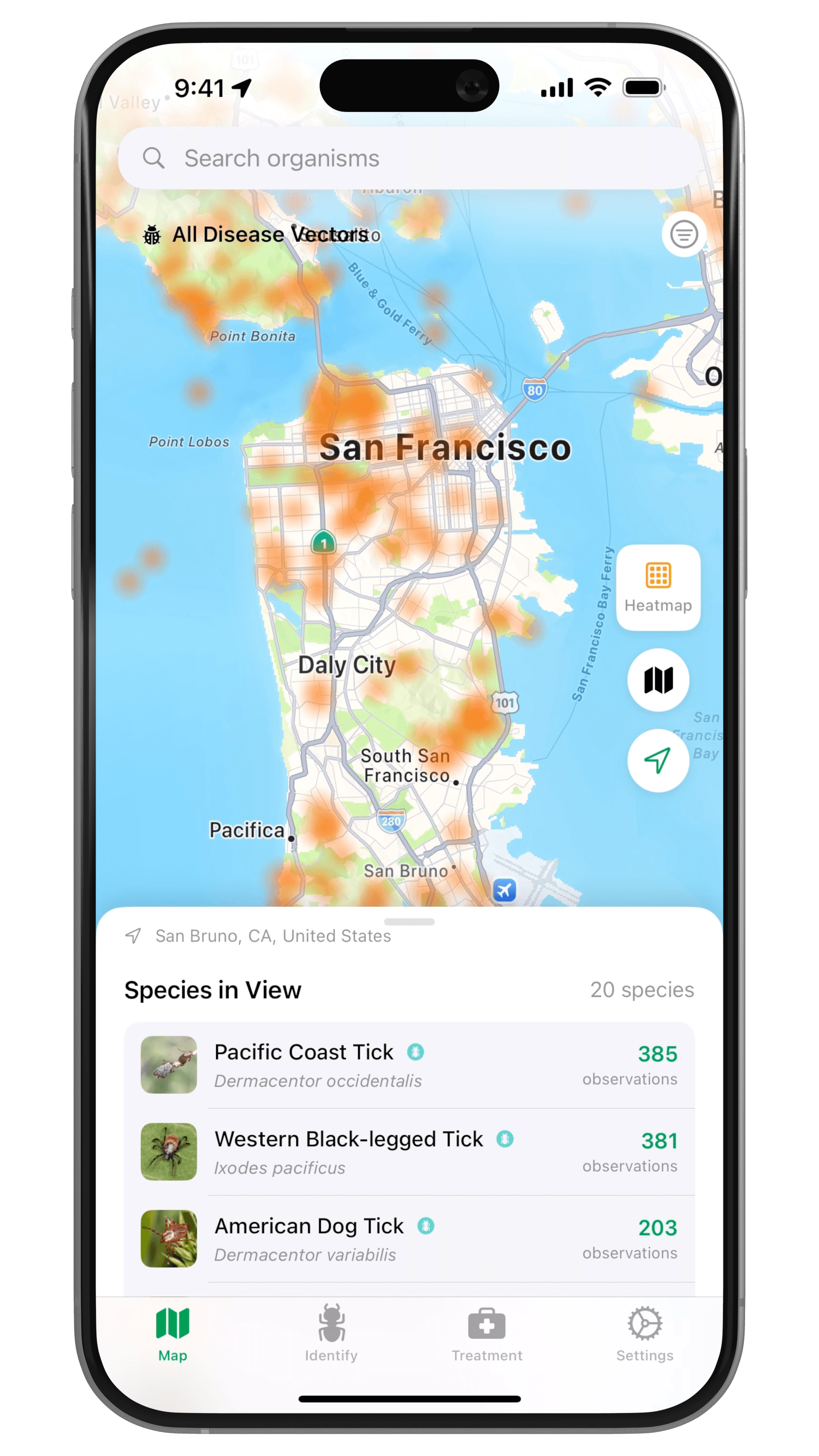
Founder & CEO of Vector Guard

Spot disease-carrying pests before they reach your family.

Top Health App
Read the case study
Vector Guard screenshots

Creator app strategy

Curious what your app could be?

Enter your handle and BUILT BY FOUNDRY will research your audience and present custom app concepts. Free.

How Many Links Can You Post on Facebook in 2026? 2 Free, 4 for $49.99