
Key Takeaways:
- DIY tools like Lovable, Replit, and Bolt look free but can't actually ship a real app
- Freelancers cost $5K–$30K but typically leave you with a codebase you can't maintain
- Traditional agencies charge $50K–$200K upfront and take 6–12 months to deliver
- Revenue-share product partners cost $0 upfront and earn only when you earn
- Hidden costs (maintenance, updates, App Store fees, support) often exceed the build cost
What Does It Cost to Build a Creator App?
The honest answer: anywhere from $0 to $250,000+, depending on how you build and what "built" actually means.
Most creators shopping for app development get a number—a price, a timeline—without the context that makes that number meaningful. This guide breaks down every real option, what you actually get for your money, and the costs nobody puts in the proposal.
If you've ever Googled "how much does it cost to build an app," you've seen estimates ranging from $10K to $500K with no useful context. This guide is different. It's written for creators specifically—people who need a subscription app that works in the App Store, collects payments, sends push notifications, and grows with their audience. Not a prototype. A product.
The 4 Ways Creators Build Apps
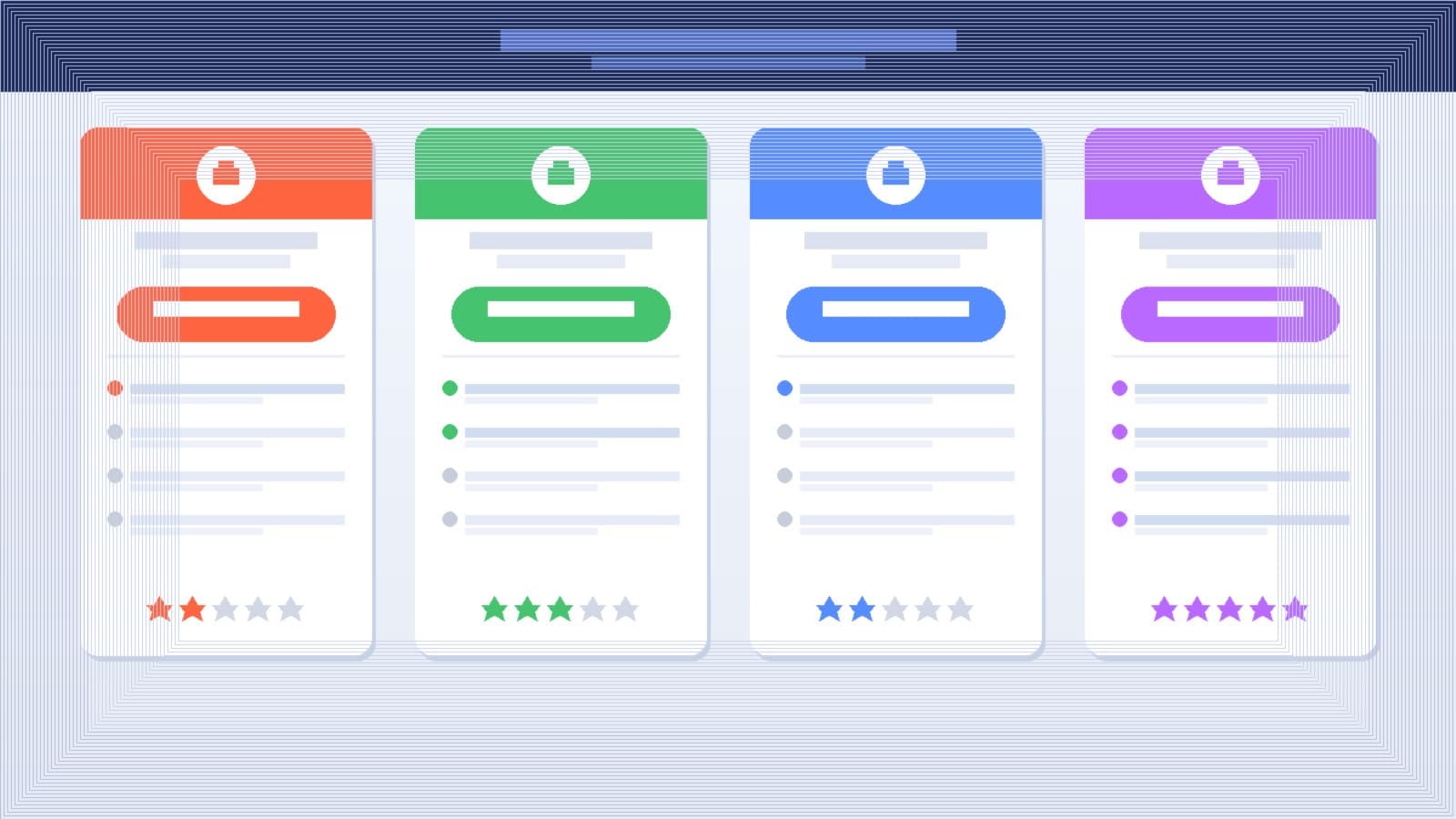
There are four real paths to getting a creator app built. Here's the honest breakdown of each:
| Path | Upfront Cost | Time to Launch | Ongoing Support | Real Output |
|---|
| DIY / Vibe Coding | $0–$500/mo | Weeks (demo) | None | Prototype, not a product |
| Freelancer | $5K–$30K | 2–6 months | Extra cost | MVP, may be unmaintainable |
| Traditional Agency | $50K–$200K | 6–12 months | Extra cost | Full product, slow, expensive |
| Revenue-Share Partner | $0 upfront | 3–4 weeks | Included | Full product, ongoing support |
Path 1: DIY / Vibe Coding Tools
Tools like Lovable, Replit, Bolt, and Cursor let you describe what you want in plain English and generate code. For creators who've never built software, this feels like magic.
The problem is what happens after the demo.
Getting to a working prototype is easy. Getting to an App Store–approved, payment-integrated, push-notification-enabled subscription app is something vibe coding tools cannot do. As we've covered in depth before, the 90% that matters most is where these tools fall apart: App Store submission, in-app subscriptions, real user authentication, bug fixes when things break at scale.
The "free" tools also have subscription costs ($20–$100/month for useful tiers) and require you or someone technical to maintain the codebase. When something breaks—and it will—you're on your own.
True cost: $0–$600/year in tool subscriptions + significant time investment + the cost of starting over when you need to ship.
Path 2: Freelance Developer
A skilled iOS or Android freelancer charges $75–$200/hour. A minimal viable creator app—subscription flow, content delivery, basic analytics—takes 150–300 hours to build properly. Do the math: $11K–$60K, with most real builds landing in the $15K–$35K range.
This isn't inherently bad, but there are risks specific to creator apps:
- Scope creep is expensive. Every feature you add after kickoff costs more.
- Maintenance isn't included. When Apple releases a new iOS version and breaks something, that's a separate project.
- Quality varies wildly. A cheap freelancer might build something that technically works but can't scale or be maintained by anyone else.
- You own a codebase. Not a product team. When you need new features or something breaks at midnight, you're back to hiring.
True cost: $15K–$50K upfront + $200–$800/month for ongoing maintenance retainer, or $2K–$10K per update.
Path 3: Traditional App Development Agency
Agencies bring structure, QA, project management, and established processes. They also bring large price tags and long timelines.
A proper agency engagement for a creator subscription app typically runs $75K–$200K for the initial build, takes 6–12 months, and requires significant time from you (reviews, feedback cycles, approvals). After launch, ongoing maintenance is billed separately—usually $5K–$20K/year.
For enterprise companies building internal tools, this makes sense. For a creator trying to test whether their audience will pay $9.99/month for a fitness app, spending $120K and waiting nine months before getting a single subscriber is not a viable path.
True cost: $75K–$200K upfront + 6–12 month wait + ongoing maintenance costs.
Want to skip the upfront cost entirely?
We build subscription apps for creators at $0 upfront—we earn a revenue share when you earn. No agency fees, no freelancer risk.Book a free strategy call →
Path 4: Revenue-Share Product Partner
This is the model Built by Foundry operates on—and it solves the core problem with every other option.
Instead of charging upfront, a revenue-share partner takes a percentage of the subscription revenue the app generates. You pay nothing to build. You pay nothing to launch. You pay when your app makes money.
This aligns incentives completely. The partner only profits if you profit. That means faster builds, genuine quality focus, and real ownership of ongoing maintenance—because a broken app is a broken revenue stream for both parties.
True cost: $0 upfront. Revenue share after launch (typically 15–30%). You keep 70–85% of all subscription revenue.
Are Vibe Coding Tools Actually Free?
No. And the hidden cost isn't money—it's time, momentum, and the eventual realization that you've built a demo, not a product.
Here's what vibe coding tools don't handle:
- App Store submission and review. Apple has a 400-page developer guideline document. Submissions get rejected. Appeals take weeks. Vibe coding tools can't navigate this.
- In-app subscription billing. Apple and Google have specific requirements for subscription products. Getting this wrong means your app gets rejected or your users can't pay.
- Push notifications. Technically complex, platform-specific, and essential for retention.
- Data privacy compliance. GDPR, CCPA, and App Store data disclosure requirements need real implementation.
- Scalability. A demo that works for 10 test users will break under 10,000 real subscribers if the backend wasn't designed for scale.
The vibe coding trap is real: creators spend weeks or months building something that looks great in a demo, then discover they need to essentially start over to ship something real. Validating your app idea before building first can save you from sinking time into the wrong approach entirely.
What Are the Hidden Costs Nobody Talks About?
Every proposal you'll ever get from an agency or freelancer covers the build. Almost none of them cover what comes after launch.
Apple Developer Program: $99/year. Required to publish on iOS. Non-negotiable.
Google Play Developer Account: $25 one-time. Required for Android.
Backend hosting and infrastructure: $50–$500/month depending on your subscriber count and feature set. A production app needs servers, databases, CDN, monitoring, and backups.
App Store revenue cut: Apple takes 30% of subscription revenue in year one, 15% after 12 months of continuous subscription. Google takes 15% for subscriptions. This is separate from what you pay your developer.
Push notification service: Services like OneSignal or Firebase cost $0–$200/month depending on volume.
Analytics and crash reporting: Mixpanel, Firebase Analytics, Sentry for error tracking—$0–$300/month for a real setup.
Customer support: Your subscribers will have billing questions, login issues, content access problems. Plan for 2–4 hours/week minimum, or budget $500–$2,000/month for support tooling and/or a part-time support hire.
Update costs: iOS and Android release major updates annually. Each release can break existing apps. If you're on a freelance or agency model, fixing these is a separate invoice every year.
Add it up: a mid-tier creator app can cost $8K–$30K/year to operate after launch, even if you paid nothing for updates. This is what the proposal doesn't show you.
What if ongoing costs were just... included?
With a product partner model, maintenance, updates, and infrastructure are covered. No surprise invoices when iOS 22 drops.Let's talk →
How Long Does Each Path Take?
Speed matters. Every month you spend building is a month you're not generating subscription revenue.
| Path | Time to First Beta | Time to App Store | Time to First Subscriber |
|---|
| DIY / Vibe Coding | 1–2 weeks | Never (can't submit) | N/A |
| Freelancer | 2–3 months | 3–6 months | 4–7 months |
| Traditional Agency | 4–6 months | 8–14 months | 9–15 months |
| Revenue-Share Partner | 1–2 weeks | 3–4 weeks | 4–6 weeks |
The timeline difference isn't just about patience. It's about revenue. A creator who launches in 3 weeks instead of 9 months has 8.5 months of subscription income that the slower path missed entirely.
That math is the difference between a creator who builds a business and one who just builds a prototype. At $10/month with 500 subscribers, 8.5 months of missed revenue is $42,500.
What's the Real ROI? The Revenue Math
The goal of a creator app isn't to spend money building software. It's to generate recurring revenue that grows independently of how often you post.
Consider a mid-tier creator—100,000 Instagram followers, strong engagement, fitness or cooking or lifestyle niche:
- Conversion rate: 1–3% of engaged audience pays for a subscription app
- Subscribers: 500–2,000 at launch
- Price: $9.99–$14.99/month
- Monthly Revenue (MRR): $5,000–$30,000/month
At $15,000 MRR, here's what each path costs in year one:
| Path | Upfront | Year 1 Ongoing | Year 1 Revenue | Net Year 1 |
|---|
| DIY | $0 | Can't launch | $0 | -$0 (but months lost) |
| Freelancer | $25,000 | $8,000 | $180,000 | +$147,000 |
| Agency | $120,000 | $15,000 | $180,000 | +$45,000 |
| Revenue Share (20%) | $0 | $0 extra | $144,000 net | +$144,000 |
The revenue-share model compounds best because there's no upfront capital risk and no maintenance invoices eating your margin. Creators who've built this model—like Jeff Nippard with MacroFactor, which reached 100,000+ paying subscribers—understand why subscription beats any other monetization strategy.
Which Option Is Right for You?
Choose DIY if: You want to explore whether an idea has legs before committing to anything. Use it to prototype, test UI concepts, and gather audience feedback—not to ship a real product.
Choose a freelancer if: You have a limited budget ($15K–$30K), you have technical knowledge to oversee the build, and you're comfortable managing ongoing maintenance yourself.
Choose an agency if: You're a large creator or brand with $100K+ budget, 12+ months of runway, and the team capacity to manage a complex agency relationship.
Choose a revenue-share partner if: You want to launch fast, don't want upfront risk, and need a team that stays invested in your success after launch—not just through delivery.
The right answer depends on your resources, risk tolerance, and timeline. But for most creators reading this—people who have an engaged audience and a clear product idea—the revenue-share model eliminates the biggest barriers: upfront cost and ongoing maintenance burden.
Frequently Asked Questions
How much does it cost to build a creator app from scratch?
Building a creator subscription app from scratch costs $15,000–$200,000 depending on the development path. Freelancers typically charge $15,000–$50,000 for an MVP. Traditional agencies charge $75,000–$200,000. Revenue-share partners like Built by Foundry charge $0 upfront and take a percentage of subscription revenue after launch.
What is the cheapest way to build a creator app?
The cheapest path in terms of upfront cash is a revenue-share partnership, which costs $0 upfront. DIY tools like Lovable or Replit appear free but cannot produce an App Store-ready subscription app. The cheapest path that actually results in a shippable product is revenue-share, because you pay nothing until the app generates revenue.
How long does it take to build a subscription app?
Timeline depends heavily on the approach. Traditional agencies take 6–12 months. Skilled freelancers take 3–6 months. Revenue-share product partners with established infrastructure (like Built by Foundry) can deliver to the App Store in 3–4 weeks, because they're not building from scratch—they're adapting proven systems to your brand.
What are the hidden costs of running an app?
Hidden ongoing costs include Apple Developer Program ($99/year), backend hosting ($50–$500/month), push notification services, analytics tools, customer support, and annual update costs when iOS or Android releases a new version. These can total $8,000–$30,000/year for a mid-tier app, and most proposals don't cover them.
Do I need to code to have my own app?
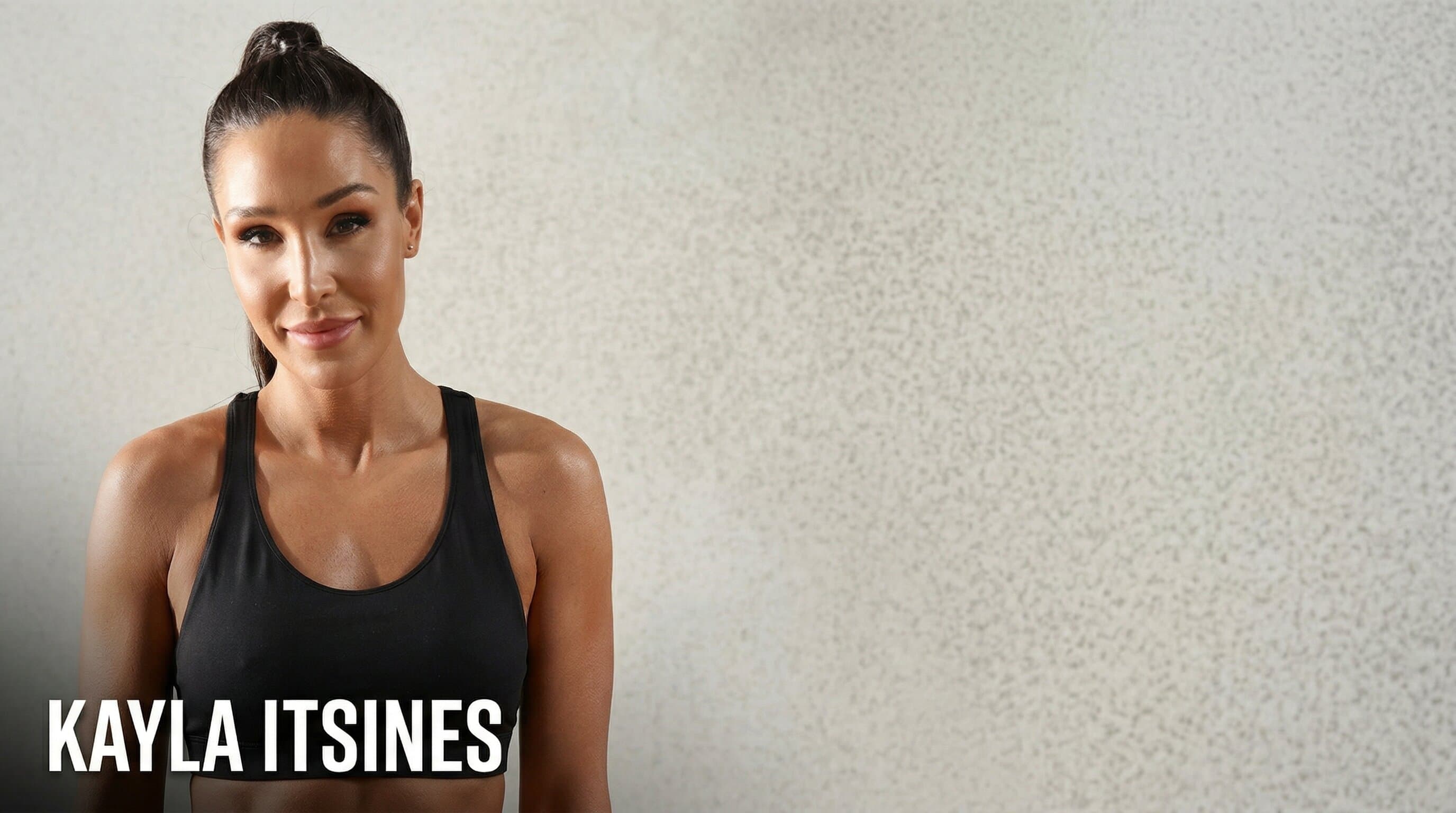
No. With a product partner model, you don't write a single line of code. You define the product vision, approve designs, and own the business. Your partner handles all technical execution—design, development, App Store submission, and ongoing maintenance. The same model used by creators like Kayla Itsines (Sweat, $400M exit) and Joe Wicks (Body Coach App) at their earliest stages.
Ready to see what your app could look like? We build subscription apps for creators—$0 upfront, live in 3 weeks, we handle everything forever.
Book Your Free Strategy Call →