Creator Economy Trends

TikTok Deal 2026: You Don't Own Your Audience

Foundry
June 21, 2026
Share
TikTok Deal 2026: You Don't Own Your Audience

Get Creator Revenue Insights

How creators are turning audiences into subscription businesses
Share
On January 22, 2026, the platform that pays your bills got new owners, and nobody asked you. TikTok's US operation became the TikTok USDS Joint Venture, an American-majority company with Oracle, Silver Lake, and MGX at the table. Millions of creators who built their entire income on that app found out the same way everyone else did: from the news. That is the whole problem with the creator economy in one headline. You can have a million followers and still be a tenant. Key Takeaways:
  • TikTok's US business was restructured in January 2026 into the TikTok USDS Joint Venture, with ByteDance retaining roughly 20% and non-Chinese investors holding about 80% (NPR).
  • The recommendation algorithm is being licensed from ByteDance and retrained on US user data, meaning the feed creators depend on is being rebuilt under new control (TechCrunch).
  • Brand deals make up about 70% of creator income, and every dollar of it depends on a platform a creator does not own (Goldman Sachs).
  • An owned product, a subscription app with a direct subscriber list, is the only creator asset that survives a deal, a ban, or an algorithm change.
  • The creators who sleep through events like this one already moved their audience somewhere they control.
TikTok's US operations were spun into a new American-controlled company. After a restructuring deal closed in late January 2026, the app's US business transferred to the TikTok USDS Joint Venture LLC, formally announced on January 22 (NPR). ByteDance, the original Chinese owner, keeps a stake of roughly 20%. The remaining 80% sits with non-Chinese investors, with Oracle, Silver Lake, and MGX each holding about 15%. For users, the transition happened on the backend. The app stayed online, kept updating through the App Store and Google Play, and most people noticed nothing. But the ownership of the machine that distributes every creator's content changed hands completely, and the people who make TikTok worth using had no vote and no warning. Because the new owners control your reach, your data, and your rules. A platform is not a neutral pipe. It decides who sees your content, how often, and whether the income you built on it continues next quarter. When that platform gets sold, relicensed, and retrained, every assumption underneath a creator's business gets quietly rewritten. This is not a TikTok problem. It is a platform problem. Instagram throttles reach to push Reels. YouTube changes its payout split. X rewrites its algorithm overnight. The TikTok deal is just the loudest example of a permanent truth: the creators standing on these platforms are standing on rented land, and the landlord can sell the building. We wrote about this exact trap in The Platform Trap: Why Creators Build on Rented Land. Here is the uncomfortable part. Those followers are not yours. You cannot export them. You cannot email them. You cannot move them to another platform if TikTok throttles your reach or the new owners change the terms. The follower count on your profile is a number TikTok lets you display, not an asset you hold. Goldman Sachs estimates brand deals make up around 70% of creator income, and brand deals only work while the platform keeps sending you reach. The day the algorithm decides your content is worth fewer impressions, your rate card collapses with it. A creator with a brand-deal business has no customers. They have an audience on loan, and a deal that closed in January just reminded them who actually holds the keys. If this stings, read Your Followers Aren't Your Customers (Yet). It means having a direct, paid relationship that no platform sits between. When someone subscribes to your app, you have their email, their payment, and a recurring monthly relationship that exists whether or not the algorithm favors you that week. That is ownership. Everything else is access. Look at what each channel actually gives a creator when the platform changes the rules.
ChannelWho Owns the RelationshipSurvives a Platform ChangeRecurring Revenue
TikTok followersThe platformNoNo
Instagram followersThe platformNoNo
Email listYouYesNo
Subscription appYouYesYes
A follower is access the platform can revoke. An email is a contact you keep. A subscription app is the only line in that table that checks every box: you own it, it survives the next deal, and it pays you every month. That is the difference between a creator and a founder.
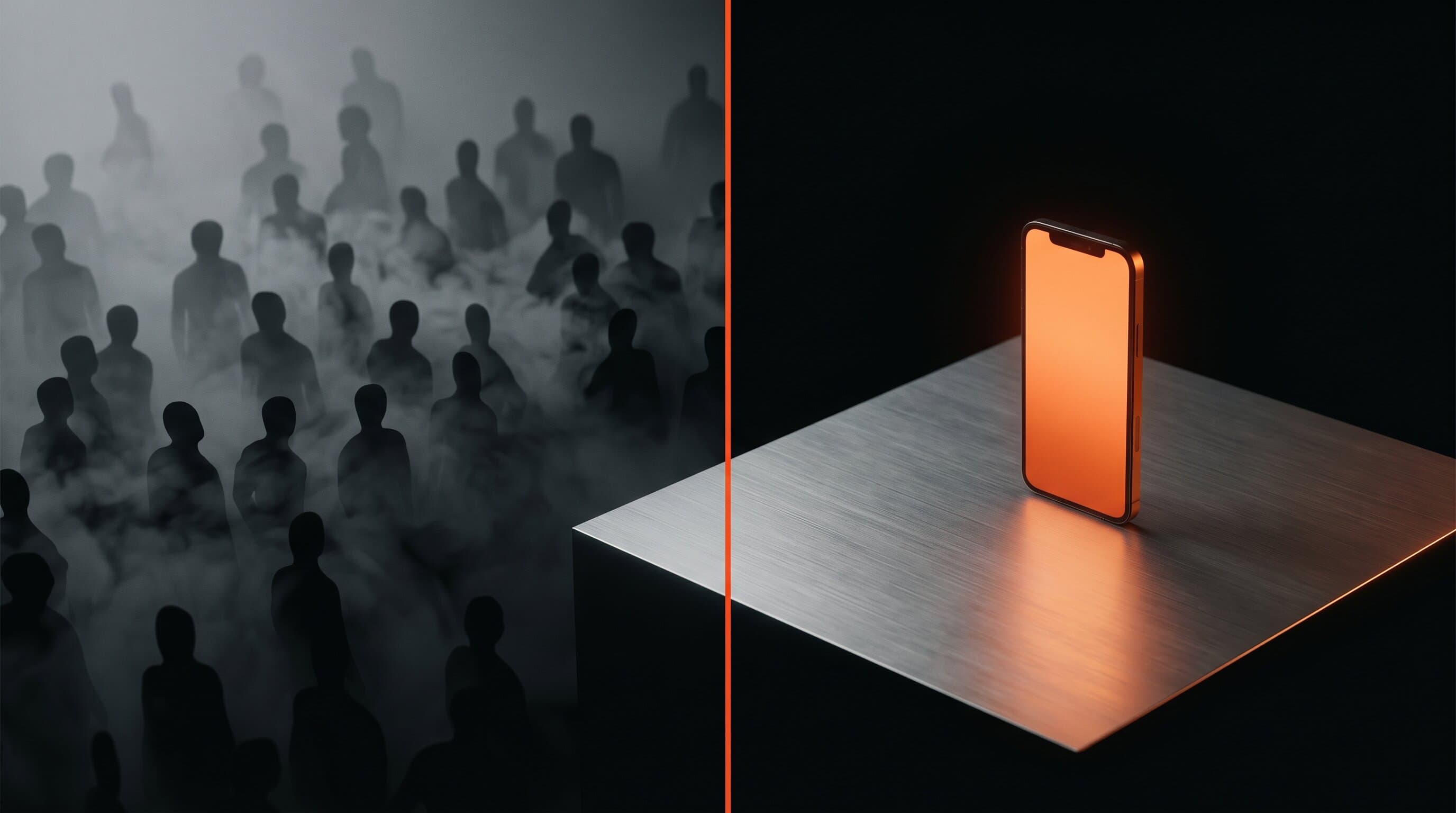
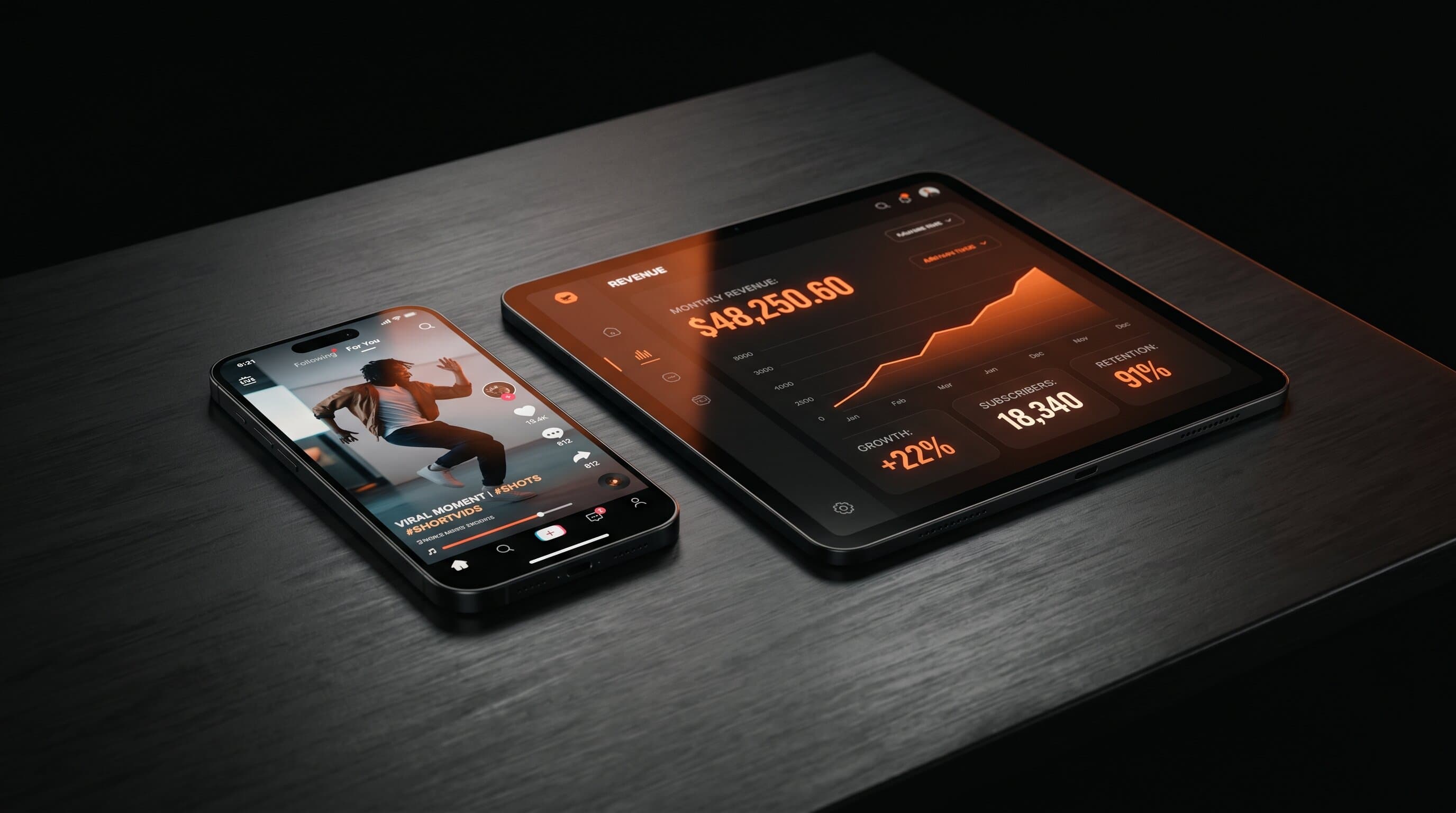
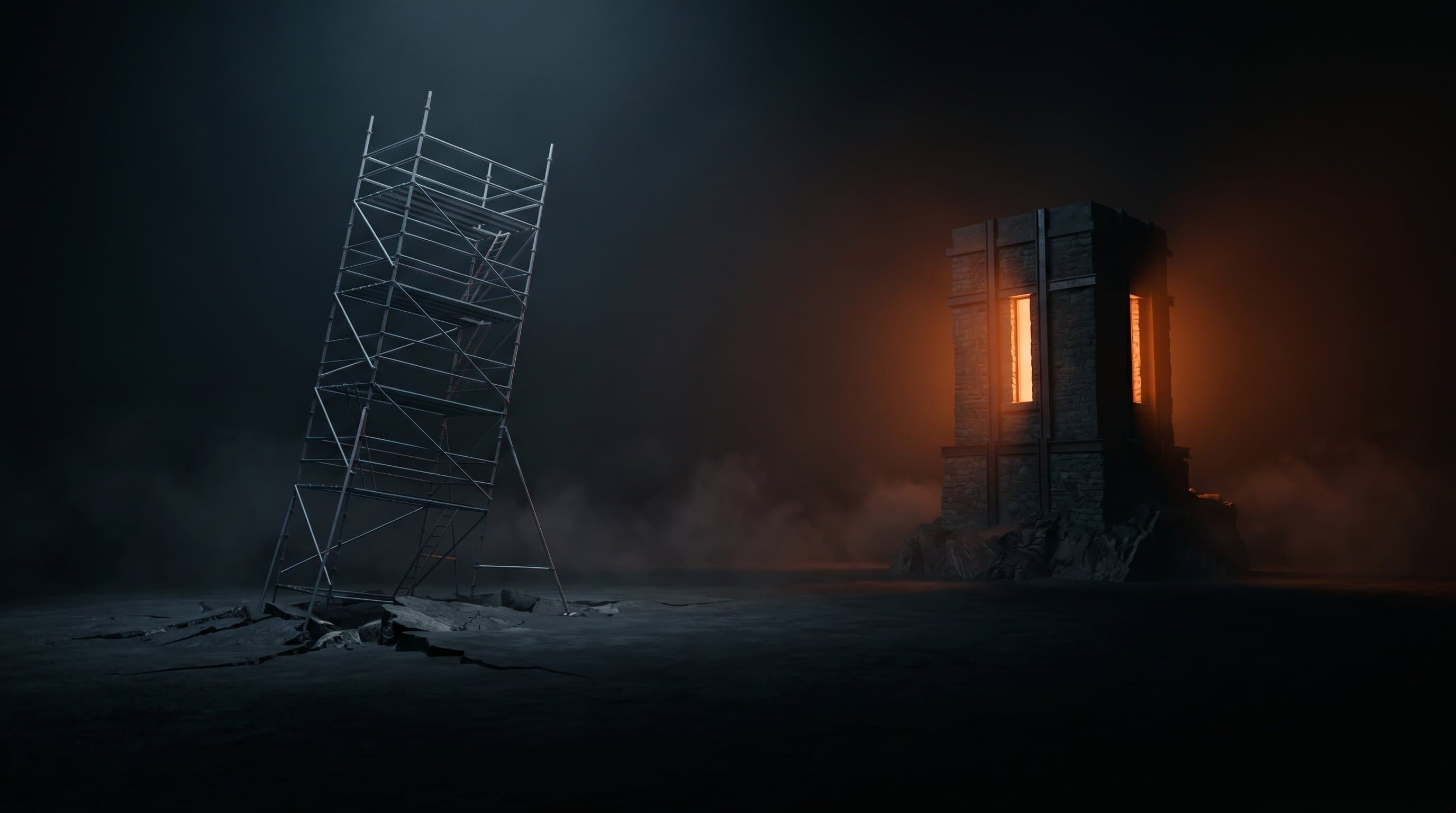
Comparison of rented platform reach versus an owned subscription app, dark background with orange accent dividing line
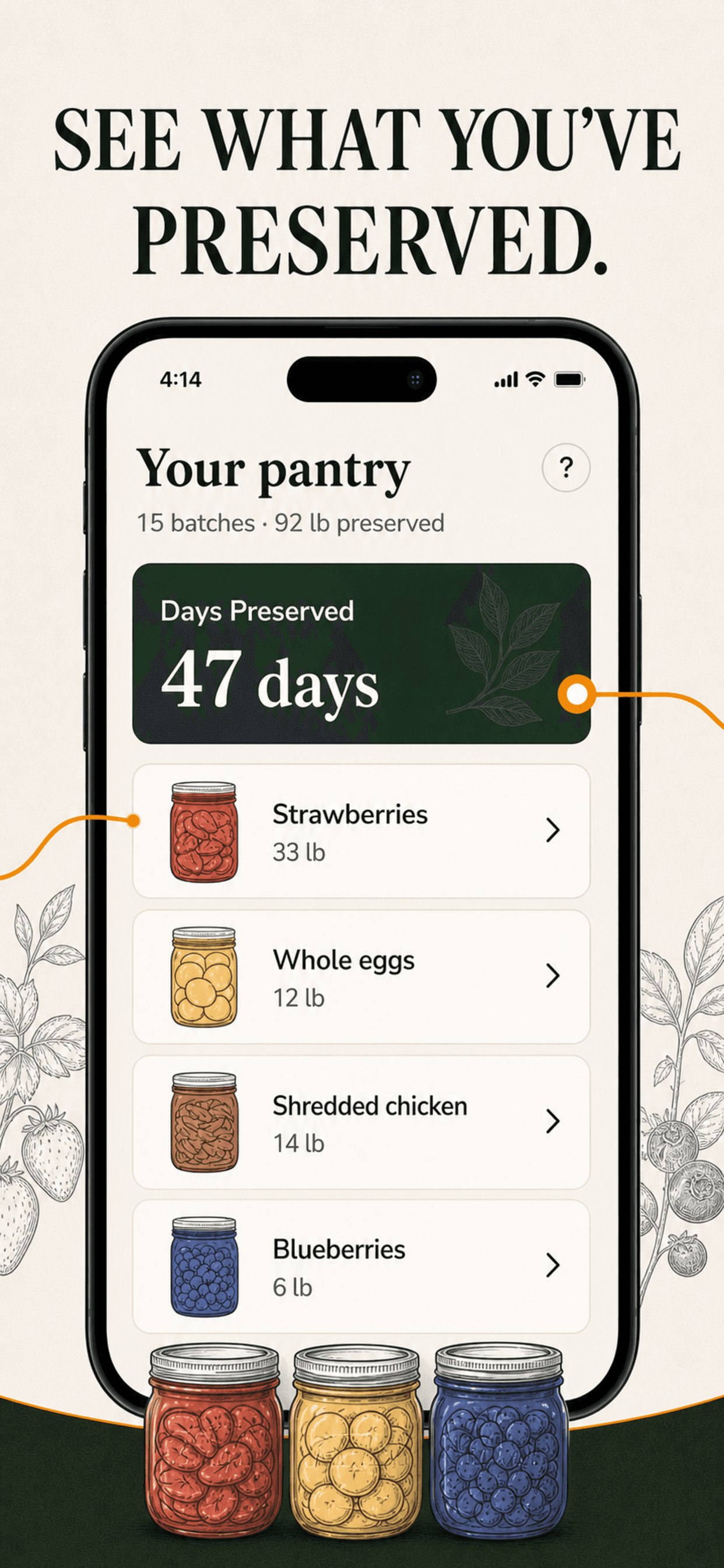
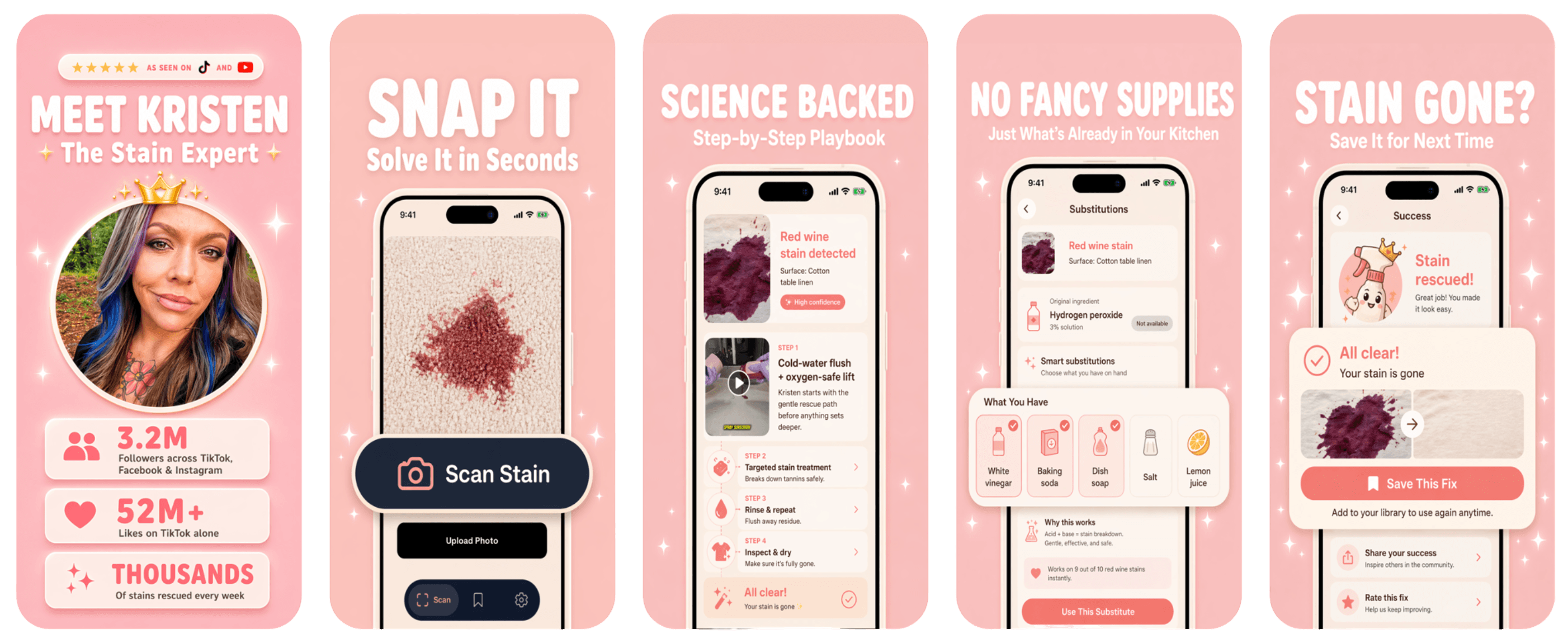
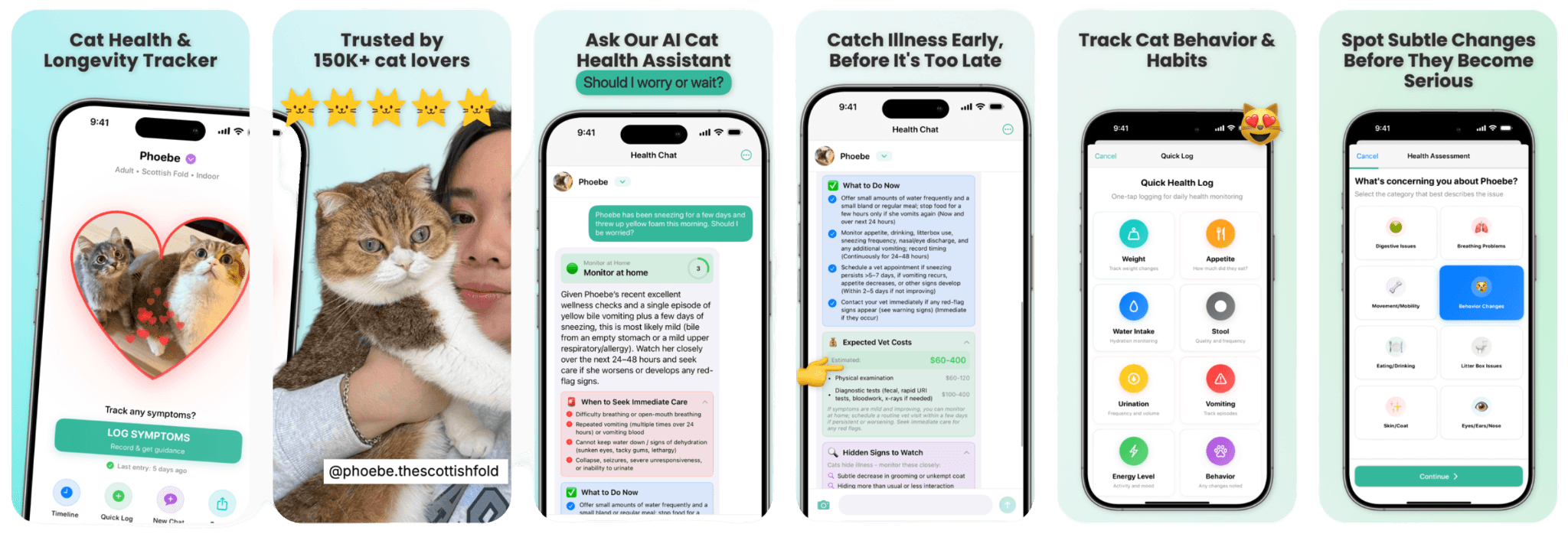
They use the platform as a top of funnel, not a business. The smartest creators treat TikTok and Instagram as discovery channels that point to something they own. The reach is borrowed, so they spend it converting strangers into subscribers on a product the platform cannot touch. The mechanics are simple. A creator posts free content, builds reach, and routes a slice of that audience into an app where the relationship becomes direct and the revenue becomes recurring. Even modest conversion changes the math: 50,000 engaged followers, 3% converting to a $10 monthly app, is 1,500 subscribers paying $15,000 a month. That income does not care who owns TikTok next year. If you are still leaning on the creator fund or ad share, you are leaving the durable money on the table. We broke down better moves in How to Monetize TikTok Beyond the Creator Fund. And if you are not sure what a creator app even is, start with What Is a Creator App?. No, and it never was. Under the deal, the core recommendation algorithm still belongs to ByteDance. The new US entity is licensing it and retraining it on American user data on Oracle's cloud (TechCrunch). In plain terms, the system that decides which creators win is being rebuilt right now, by people creators have never met, optimizing for goals creators do not set. Maybe the retrained feed loves your content. Maybe it buries it. You will find out when it ships. That is the deal every creator signs by default: you make the content, the platform makes the rules, and the rules can change without a vote. We made the full argument in The Algorithm Owes You Nothing. Build What Does. Every platform a creator builds on can be sold, banned, throttled, or rewired, and most have been. TikTok faced a US ban, then a forced sale, then a full ownership change inside of two years. Vine simply shut down and took its stars' audiences with it. The pattern is not an accident. It is the cost of building your business on infrastructure someone else owns. An owned app is the hedge. It keeps running when a platform stumbles, it earns while you sleep, and the people on it are yours to reach directly. Once it is live, App Care keeps it updated, optimized, and earning without you touching a line of code. The reach you rent funds the asset you own. A creator reacts to platform news. A founder is insulated from it. One refreshes the headlines hoping the new owners are kind. The other already moved their best fans onto a product they control and stopped caring who sits on TikTok's board. The January deal will not be the last. There will be another sale, another algorithm change, another platform that quietly decides your content is worth less than it was. The only question that matters is whether your income depends on a stage you rent or an asset you own. The creators who got that answer right are not watching the news. They are watching their MRR. TikTok's US operations were restructured in January 2026 into the TikTok USDS Joint Venture LLC, an American-majority company announced on January 22. ByteDance retains roughly 20% ownership, while non-Chinese investors including Oracle, Silver Lake, and MGX hold about 80%. The app stayed online and kept updating through the app stores. Yes, indirectly but significantly. The recommendation algorithm is being relicensed from ByteDance and retrained on US data, which can change how creator content is distributed and who gets reach. Creators had no say in the deal, which underscores that platform-based income depends entirely on owners and rules creators do not control. No. Followers are access the platform grants, not an asset creators hold. Creators cannot export, email, or move their TikTok followers to another platform. The only way to own an audience relationship is through a channel you control, such as an email list or a subscription app with direct payment. By building an owned product, most often a subscription app, that holds a direct relationship with paying users. An app keeps earning regardless of platform changes, gives the creator the subscriber data and payments, and generates recurring revenue that does not reset when the algorithm shifts. Most agencies charge $50K to $200K upfront. Built by Foundry charges $0 upfront, builds your app in about three weeks, handles App Store submission, and takes a revenue share, so we only earn when you earn. Stop renting your audience. Start owning it. We build custom apps for creators: $0 upfront, three-week delivery, and we run the tech forever.
Let's Build →

Creator app strategy

Want us to review your creator business?

Apply for a Foundry Creator App Review. We'll tell you whether there is a real app opportunity hiding in your audience.

TikTok Deal 2026: You Don't Own Your Audience