
Case Studies & Success Stories

Emily Skye: 3M Followers to a $36M Fitness App

Foundry
June 20, 2026
Share
Emily Skye: 3M Followers to a $36M Fitness App

Get Creator Revenue Insights

How creators are turning audiences into subscription businesses
Share
Emily Skye built one of the most durable businesses in fitness, and she did it with a workout app, not a brand deal. The Emily Skye FIT app holds a 4.8-star rating across 2,100+ reviews, carries 600+ workouts, and bills its members every month. Her reported net worth sits around $36 million. She started by posting on social media from her bedroom after recovering from years of illness. That gap, from a phone in a bedroom to a subscription app earning recurring revenue, is the whole story. Most creators in her position would have sold a PDF and chased the next sponsorship. She built software instead. Key Takeaways:
  • Emily Skye recovered from a six-year battle with anorexia and depression, then started sharing her training online around 2014
  • She has roughly 3 million Instagram followers (@emilyskyefit) and built her business with her partner, Declan Redmond
  • The Emily Skye FIT app offers 600+ workouts, meal plans, and shopping lists, with a 4.8-star rating across 2,100+ ratings
  • Her net worth is reported at about $36 million, with annual income near $2 million (NeoReach)
  • The app turns a free social following into paying members who renew on a monthly cycle
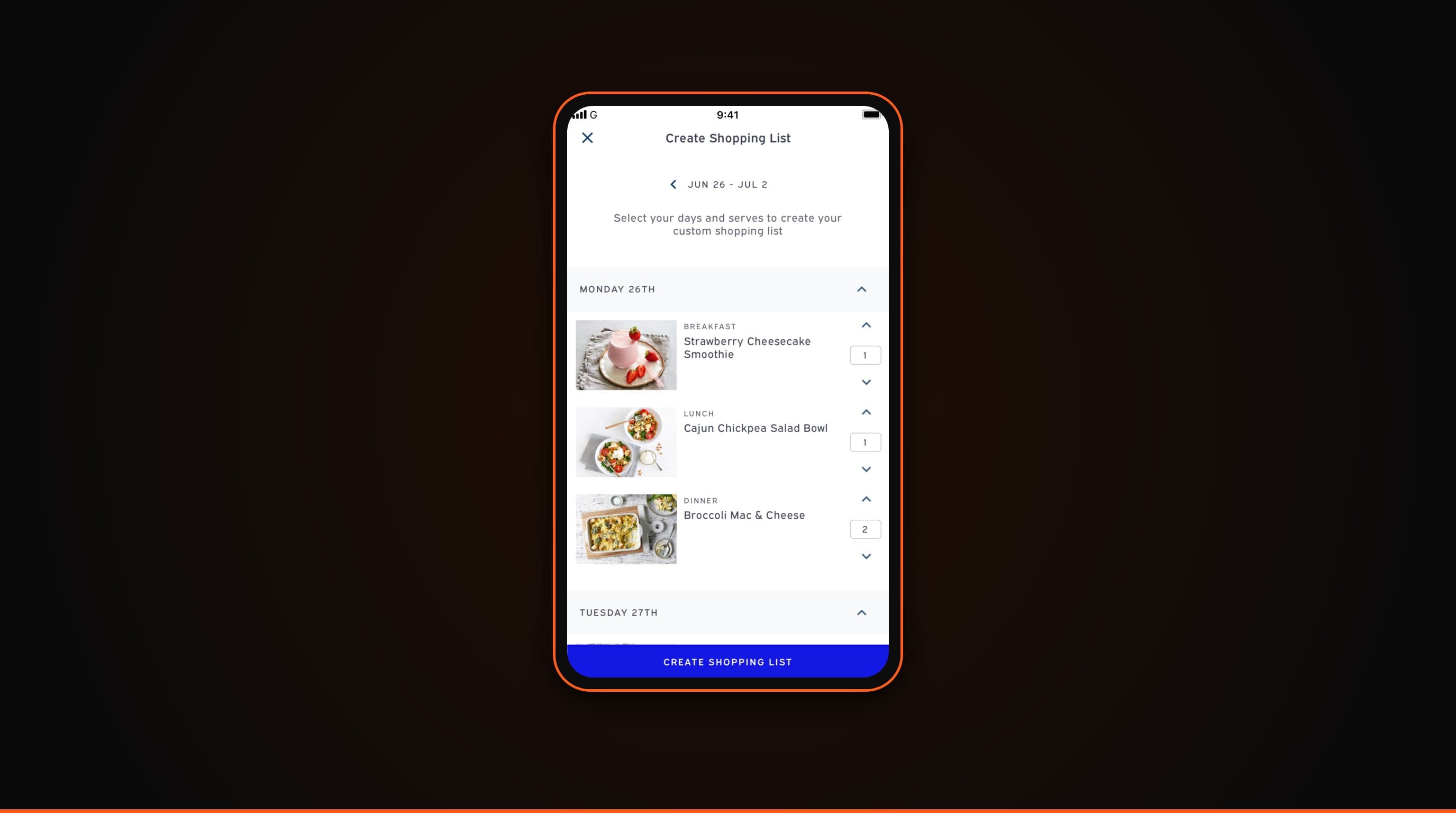
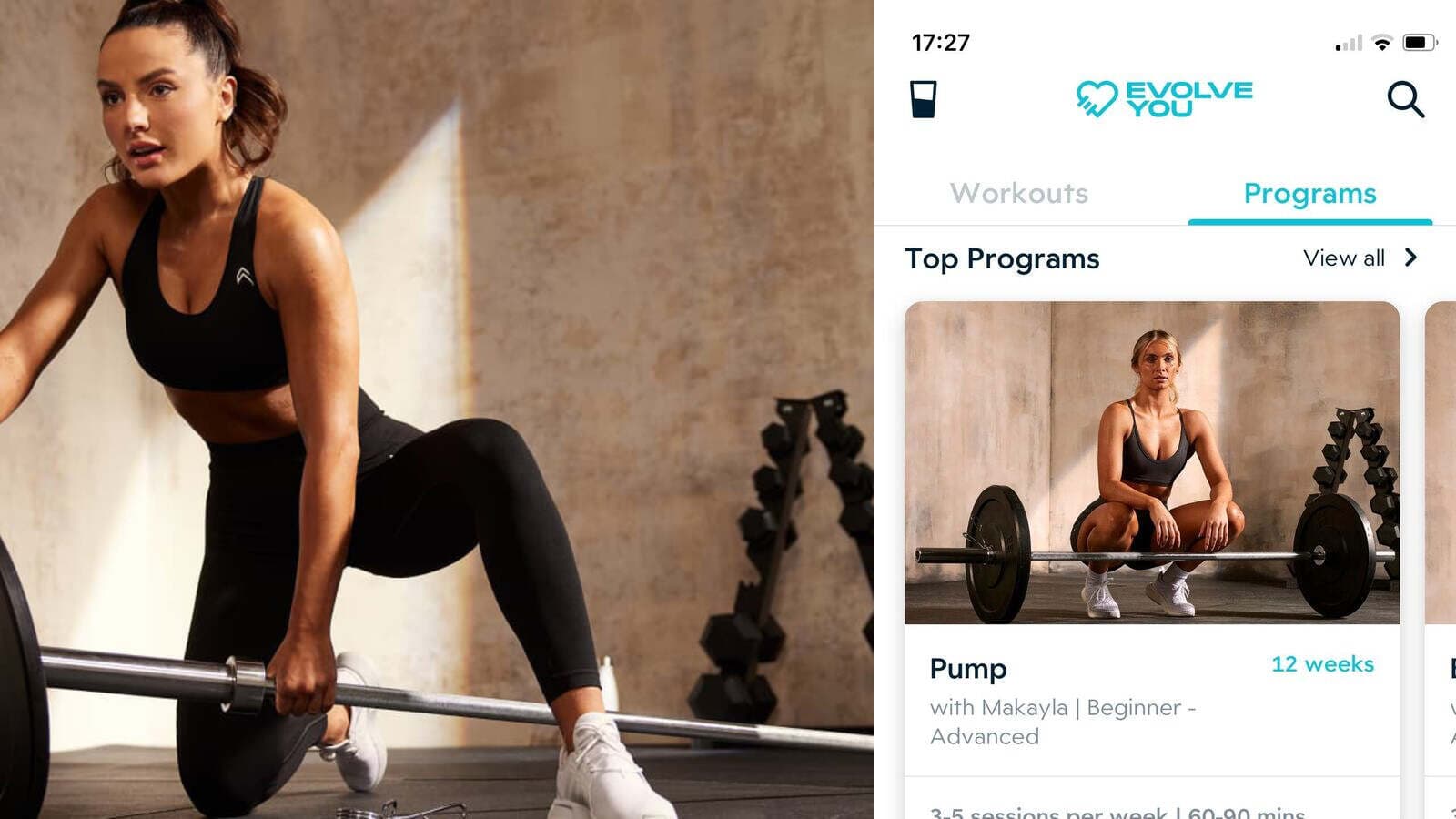
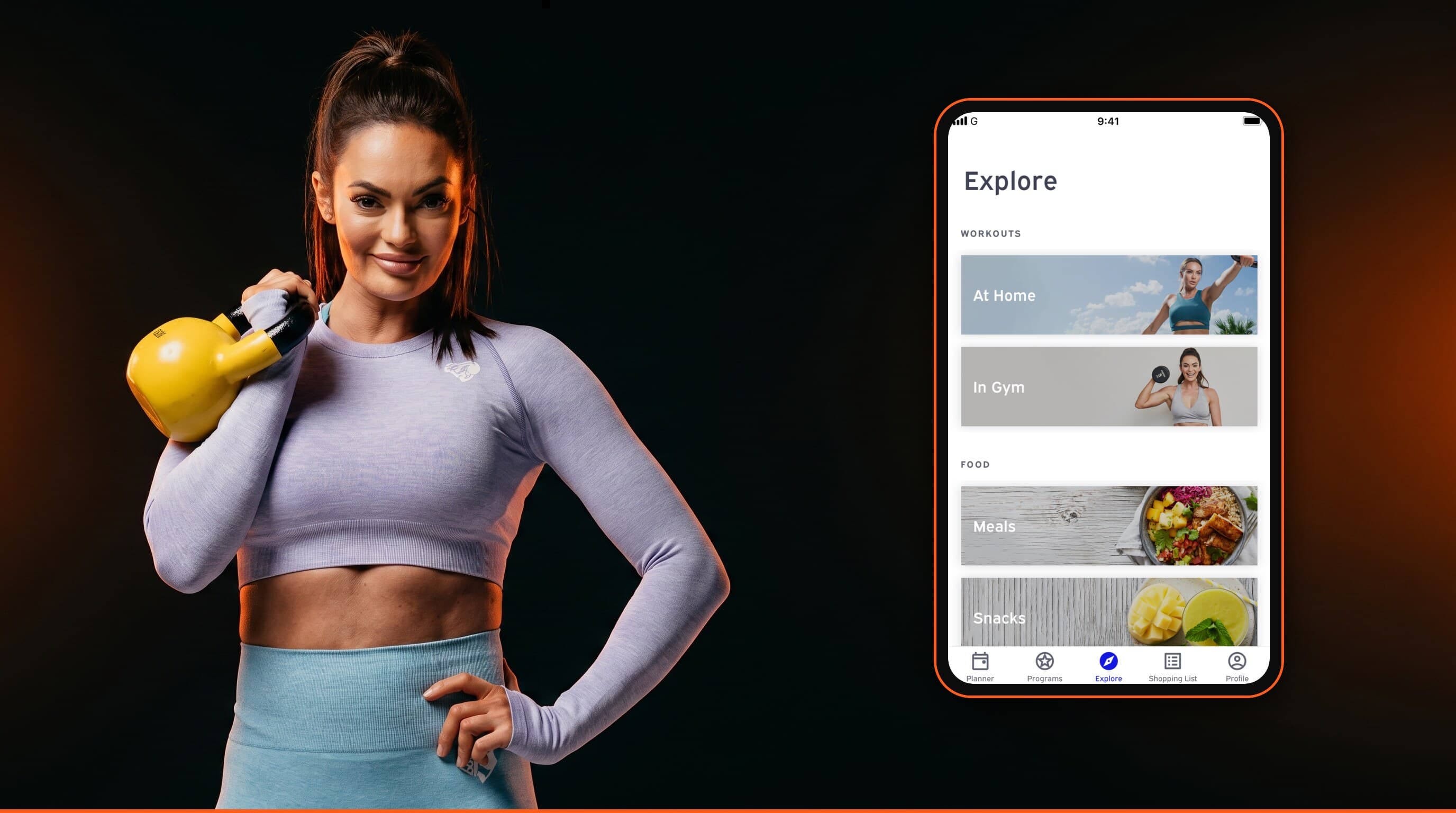
What is Emily Skye FIT? Emily Skye FIT is a subscription fitness app built by Australian creator Emily Skye. Members get 600+ guided workouts for home or gym, structured programs, recipes, and weekly shopping lists, billed monthly or annually with a 7-day free trial. Emily Skye is an Australian fitness creator from the Gold Coast, Queensland. Today she trains millions of people through an app. She got there from a very dark starting point. Skye has been open that she spent roughly six years fighting anorexia, depression, and suicidal thoughts, and was hospitalised more than once. In her early twenties she decided no one was coming to fix it for her. She changed how she ate and trained, gained weight back on purpose, and told Fox News that the change made her happier and healthier. She has spoken about the same recovery with Happiful. Around 2014 she started posting what she was doing: the food, the workouts, the honest before-and-after of her own body. People followed because it was real. The following grew into a brand. The brand became a company. Here is the move most creators miss. Skye had a large, engaged audience early, and audiences are easy to monetize in shallow ways. She could have run sponsored posts forever. Brand deals pay well, and they reset to zero the moment you stop posting. She and Declan Redmond went the harder route and built a product. Their first attempts were rough; they have both said they had no idea what they were doing at the start. But the direction was right: own the thing your audience pays for, instead of renting your face out to advertisers. That is the same divide we cover in Why fitness creators dominate the app economy. The app is the business, not a companion to it. Members get 600+ workouts split into "At Home" and "In Gym" tracks, structured multi-week programs, a library of recipes, and a tool that builds a weekly shopping list from the meals you pick. There is a planner, progress tracking, and Apple Watch support.
The Emily Skye FIT app showing a weekly meal plan and shopping list builder
Look at what the product does that a one-off program cannot. Every workout a member finishes is a reason to open the app tomorrow. Every meal plan is engagement that does not depend on Skye filming anything that week. The app runs the relationship, so the business keeps earning whether or not she is posting. It also pulls in new members through App Store search, people who never saw a single Instagram reel. That acquisition channel is exactly what we break down in App vs Course: The Revenue Math for Creators. The membership runs on monthly and annual plans with a 7-day free trial, live on both the Apple App Store and Google Play. The 4.8-star rating across 2,100+ ratings tells you the experience holds up. Emily Skye's net worth is reported at roughly $36 million, with annual income estimated near $2 million (NeoReach). The bulk of that durability comes from the app, because subscription income compounds in a way one-time products never do. Here is the difference, drawn out.
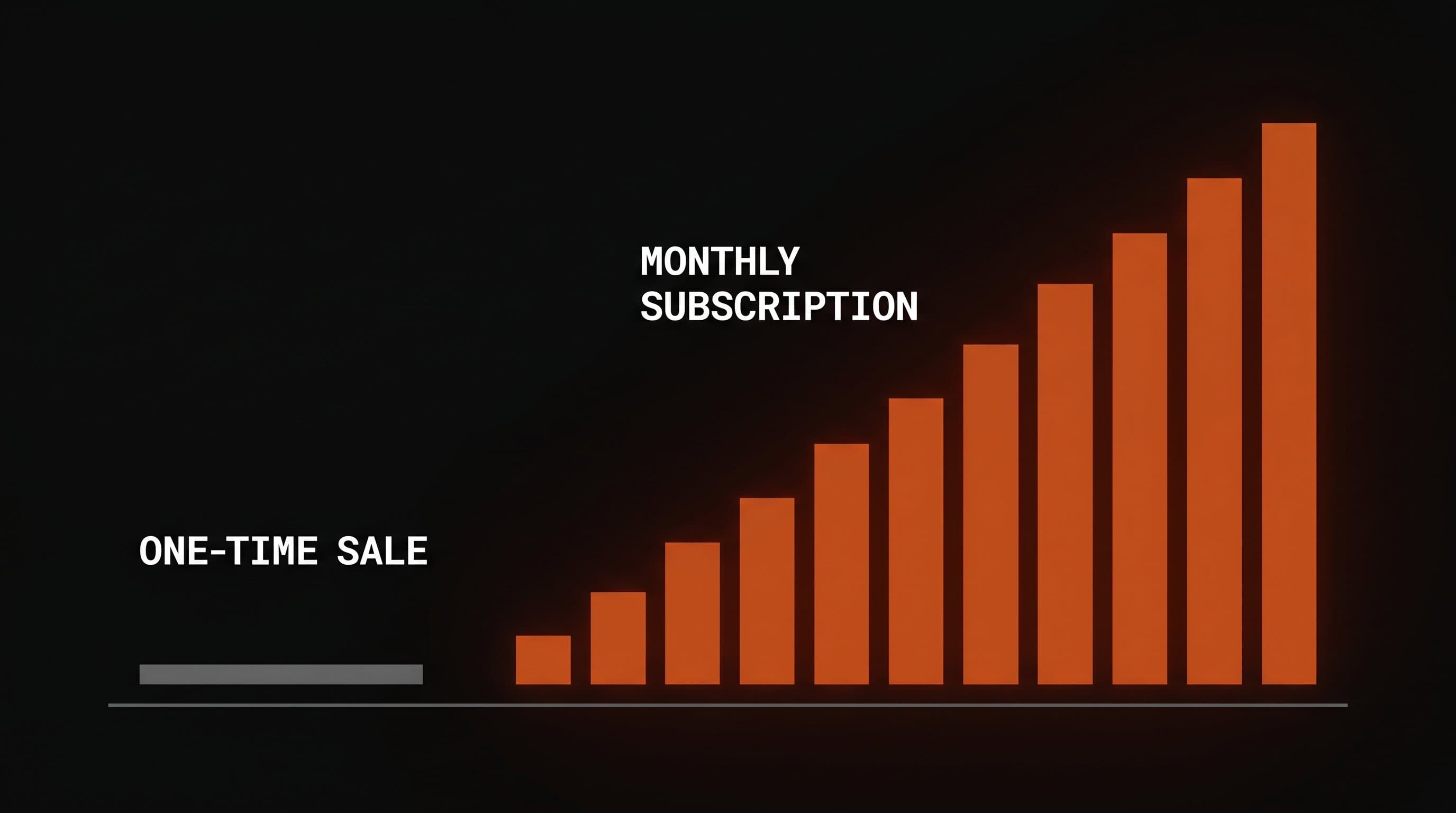
A chart contrasting a single one-time sale against the compounding growth of monthly subscription revenue
A one-time sale is a spike. A subscription is a staircase. Run the same audience through both models and the gap widens every month.
Monetization MethodRevenue TypeWhen You Get PaidScales While You Sleep?
Brand deal / sponsored postOne-timeOnce per dealNo
Workout PDF / ebookOne-timeAt purchaseNo
Fitness courseOne-timeAt launchBarely
Subscription appRecurringEvery monthYes
Three of those four cap out. Only the app bills again next month, and the month after that. A member who loved a $19 PDF is gone once they finish it. A member who loves the app pays again in thirty days. Skye could have stayed a content brand with a shop attached. Plenty of fitness creators do. But selling programs one at a time is a content problem wearing a product costume: you launch, you discount, you re-launch, and your income tracks your posting calendar. An app changes the math three ways at once. It generates recurring revenue that grows whether the founder posts or not. It acquires new users through the App Store, far past the reach of any single account. And it turns passive followers into daily users, the same flywheel behind Kayla Itsines and the Sweat app's $400M outcome and Krissy Cela's $70M fitness empire. The audience is the start. The product is the business. There is a second, quieter benefit. Skye does not have to maintain the tech, ship updates, or handle App Store reviews herself to keep earning, which is the part most creators underestimate. Ongoing app care is what keeps a subscription product alive for years. Build the thing that bills again. Skye's social following gave her reach. The app gave her a business that renews every month. If you have to pick what to build, build the one that charges next month too. Your story is the on-ramp, not the product. People followed Skye for her honesty about recovery. They stayed and paid because the app delivered results. The narrative gets attention; the software keeps it. You do not need to wait for a perfect following. Skye started posting from her bedroom while she was still rebuilding her own health. The audience was a means, not the goal. You do not need millions of followers to build something people pay for monthly. You need a real problem, a real result, and the will to ship a product instead of another post. Emily Skye FIT is a subscription fitness app with 600+ workouts for home and gym, structured programs, recipes, and an automatic shopping list builder. It runs on monthly and annual plans with a 7-day free trial, is available on the Apple App Store and Google Play, and holds a 4.8-star rating across 2,100+ ratings. Emily Skye's net worth is reported at around $36 million, with annual income estimated near $2 million. Most of that comes from her fitness app and brand rather than one-off sponsorships, because subscription revenue compounds over time. Emily Skye started sharing her own workouts and meals on social media around 2014, after recovering from a six-year battle with anorexia and depression. Her honesty about that journey grew a following of roughly 3 million on Instagram, which she later turned into the Emily Skye FIT app. Most agencies charge $50K to $200K and take six to twelve months. Built by Foundry charges $0 upfront, ships in about three weeks, takes a revenue share, and runs the app for you forever. You approve the vision. We handle design, development, App Store submission, and ongoing updates. Want to turn your expertise into an app? Emily Skye built a fitness app from a bedroom and a recovery story. Your audience already has a market hiding inside it. We build custom apps for creators, $0 upfront, three-week delivery, and we handle all the tech forever.
Let's Build →

Creator app strategy

Want us to review your creator business?

Apply for a Foundry Creator App Review. We'll tell you whether there is a real app opportunity hiding in your audience.

Emily Skye: 3M Followers to a $36M Fitness App