

What Is a Creator App? Why You Need One

What Is a Creator App? Why You Need One

Foundry
March 24, 2026
A creator app is a custom mobile application built around a specific creator's expertise, audience, and brand. Unlike generic platforms where creators rent space, a creator app is software you own. It lives in the App Store under your name, charges a monthly subscription, and turns passive followers into paying customers who use your product every day. Key Takeaways:
  • A creator app is a subscription product built around your knowledge, not just another link-in-bio tool
  • Creator apps generate monthly recurring revenue that compounds, unlike one-time course sales or brand deals
  • Apps like Sweat ($400M exit), MacroFactor, and SWEAT earned millions by packaging creator expertise into software
  • You don't need to code. The right partner builds, launches, and runs the app while you focus on content
  • The App Store itself becomes a growth channel, bringing in customers who've never seen your social media
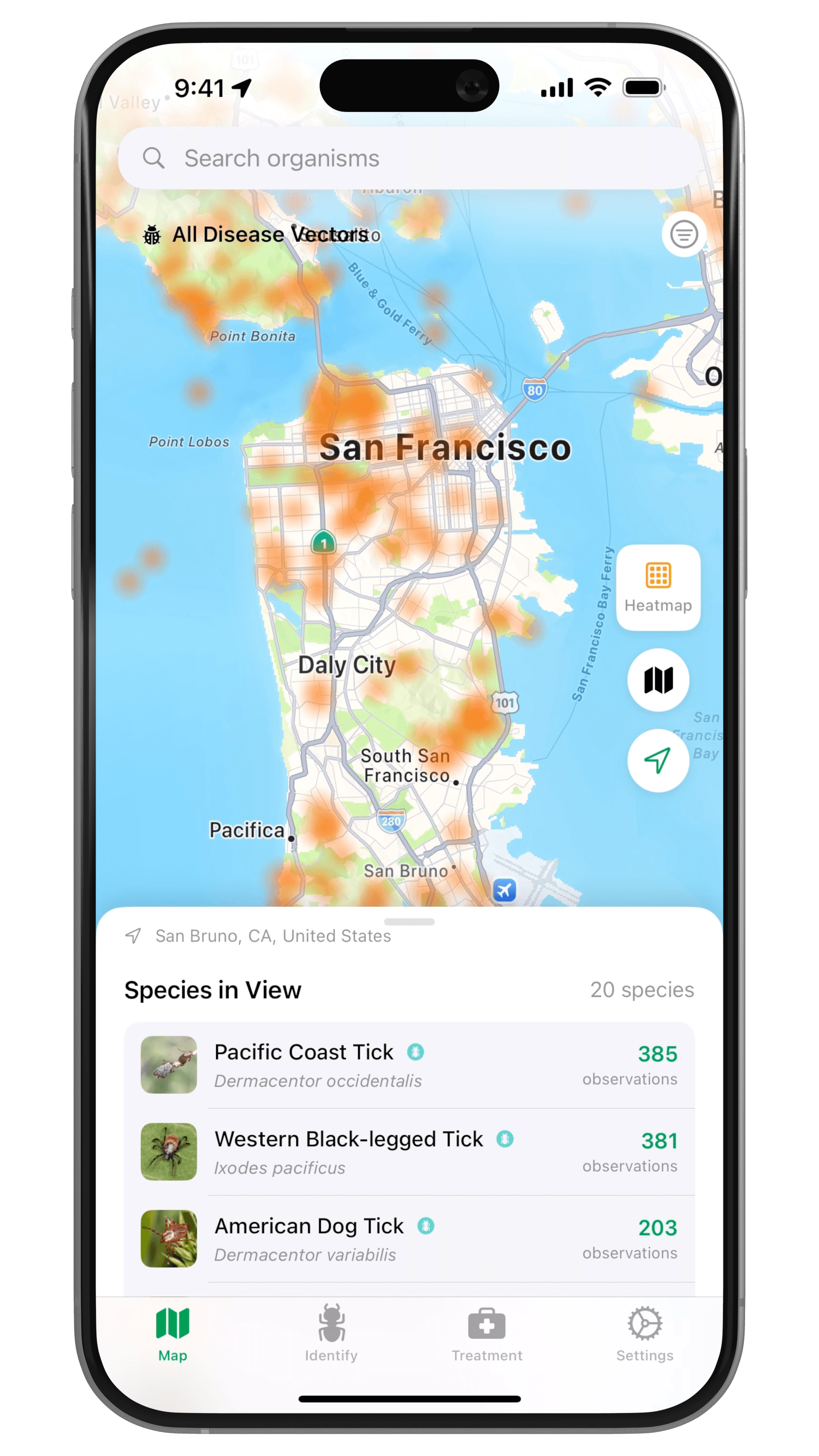
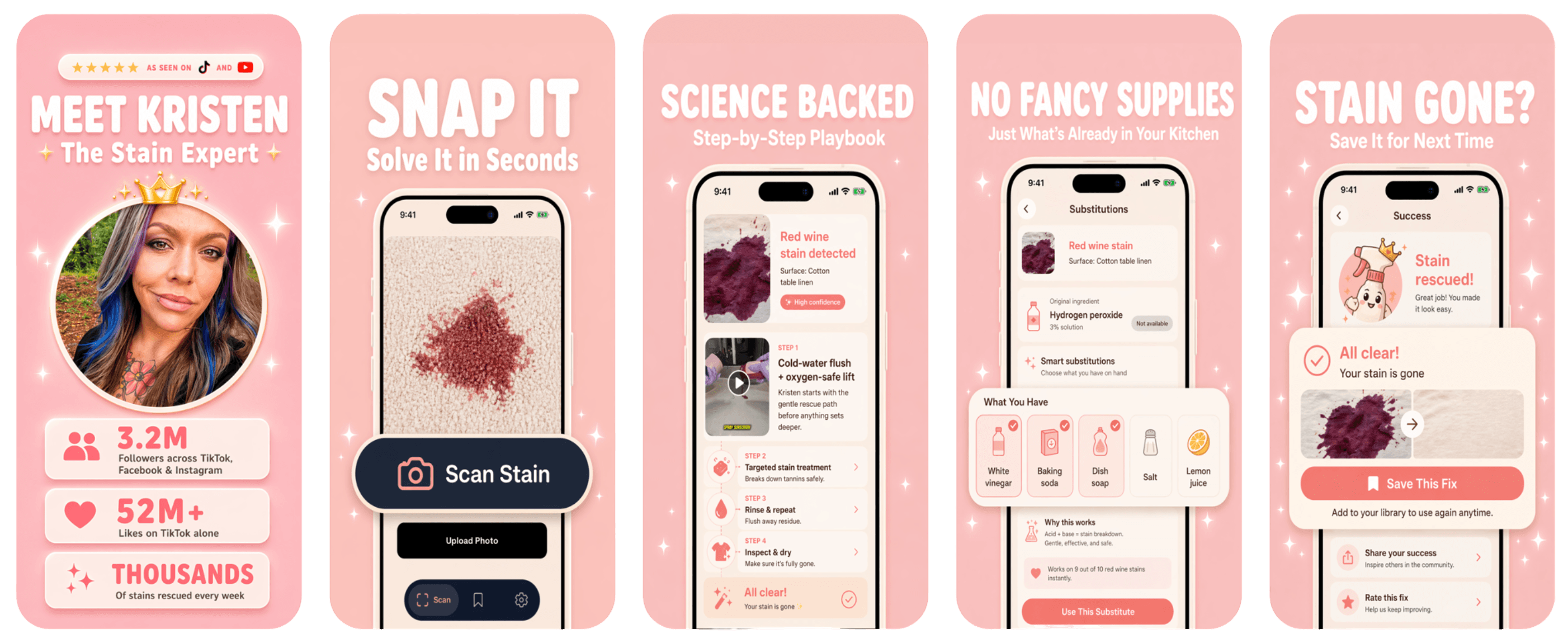
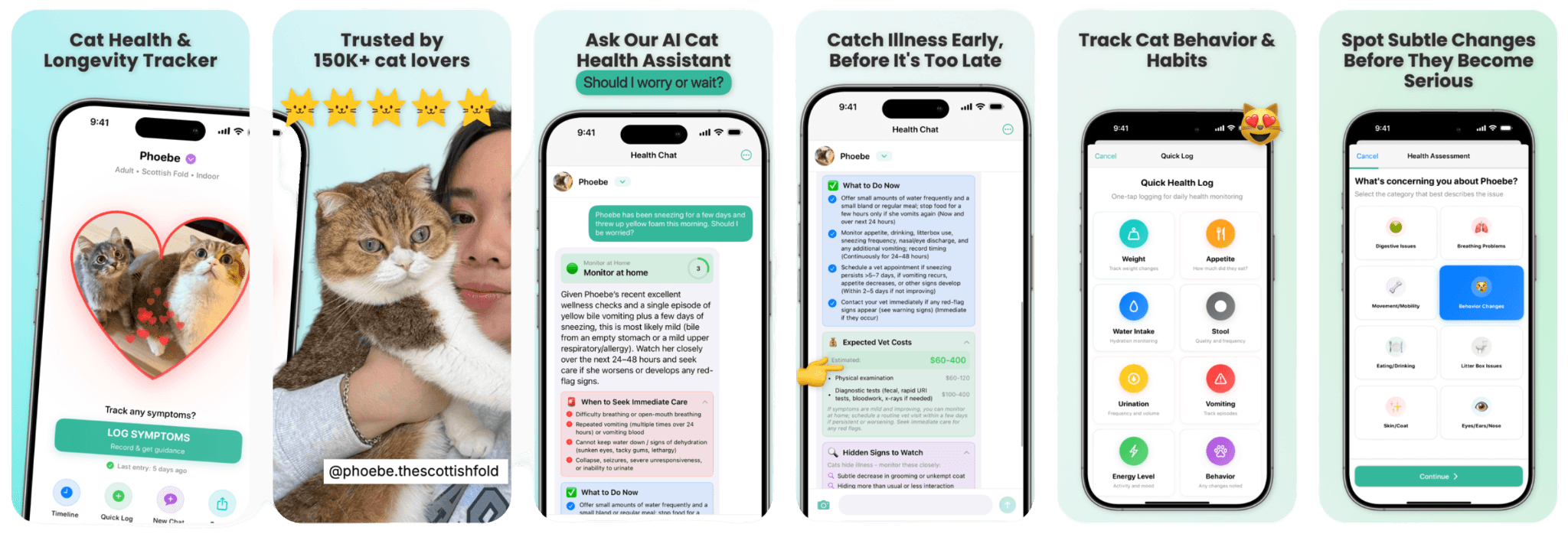
Courses sell once. Apps sell every month. That's the short version. But the difference runs deeper than revenue mechanics. A course is a static product. You spend weeks (or months) recording videos, writing worksheets, packaging everything into a Teachable or Kajabi site, and then you sell it. Every sale requires promotion. When you stop promoting, sales stop. The product doesn't improve. It doesn't generate content ideas. It sits there. A creator app is a living product. Users interact with it daily. They submit data, track progress, compete on leaderboards, get personalized recommendations. Every interaction creates value for the user and content opportunities for you. A fitness creator's app generates before-and-after transformations. A nutrition creator's app produces meal logs worth reacting to. A gaming creator's app creates leaderboard drama worth posting about. The app works while you sleep. The course collects dust while you brainstorm your next launch.
FeatureOnline CourseCreator App
Revenue modelOne-time ($50-$500)Monthly subscription ($5-$20/mo)
Revenue after 12 monthsDeclines without promotionCompounds with retention
User engagementWatch once, move onDaily active usage
Content generationNoneEvery user action is a post idea
Discovery channelYour social media onlyApp Store + your social media
Lifetime value per customer$50-$500 (once)$60-$240/year (recurring)
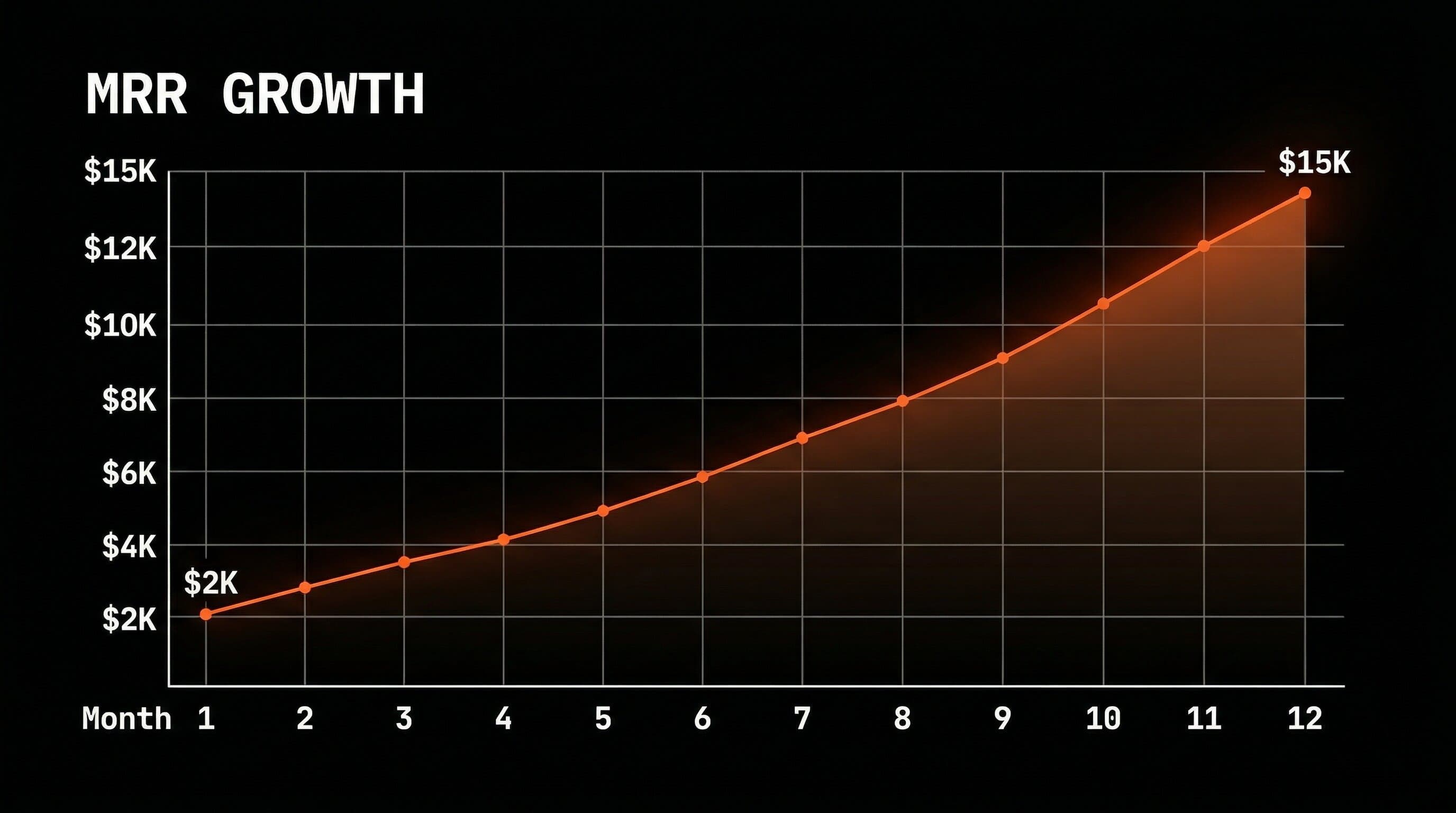
If you want to understand the specific revenue math behind recurring subscription pricing, this breakdown of 5 pricing strategies covers the models that work best for creator apps. Subscription revenue. That's it. And that simplicity is the point. Your app charges users $9.99/month or $79.99/year (or whatever price fits your niche). Users pay through the App Store. Revenue hits your account monthly. No invoicing, no payment chasing, no affiliate commission tracking. The metric that matters is MRR, or Monthly Recurring Revenue. Here's what the math looks like at different scales:
SubscribersPrice/MonthMonthly RevenueAnnual Revenue
200$9.99$2,000$24,000
500$9.99$5,000$60,000
1,000$14.99$15,000$180,000
5,000$14.99$75,000$900,000
Those aren't fantasy numbers. Kayla Itsines' Sweat app reached 450,000+ paying subscribers and sold for $400M (Forbes, 2021). Jeff Nippard's MacroFactor generates recurring revenue from a subscriber base that grows through App Store discovery, not just Jeff's YouTube audience. The compounding effect is what separates subscription apps from every other creator monetization method. A $5,000 brand deal pays once. 500 subscribers at $10/month pays $5,000 every single month, automatically, whether you post that week or not. Not every creator needs an app. But if three or more of these describe you, you're a strong candidate:
  • You have 50K+ engaged followers across any platform (YouTube, Instagram, TikTok, podcast)
  • You teach something specific. Fitness routines, nutrition plans, language learning, music theory, photography techniques, coding tutorials. Your audience comes to you for knowledge, not just entertainment.
  • You've already tried selling something. Courses, PDFs, Patreon memberships, coaching packages. You know your audience will pay. An app just gives them a better product.
  • You're tired of the content treadmill. You want revenue that doesn't require a new launch every quarter.
  • Your content has a "do it" component. If your audience is supposed to take action (work out, cook, practice, track something), that action belongs in an app, not a PDF.
Creators in fitness, nutrition, education, wellness, and personal finance are the strongest fit. But the pattern works in any niche where the creator's knowledge can become a daily tool. If you're not sure whether you're ready, these 9 signs will tell you.
Creator app revenue growth visualization showing subscription revenue compounding over 12 months
Platforms like Kajabi, Teachable, and Stan Store are tools for selling courses and digital products. They're fine for what they do. But they aren't creator apps. When you build on Kajabi, you're renting space on someone else's platform. Your customers are Kajabi's customers. Your data lives on Kajabi's servers. Your brand sits inside Kajabi's template. And you're paying Kajabi a monthly fee whether your business grows or not. A creator app is yours. Your name in the App Store. Your brand on the icon. Your customers' data in your hands. Your business growing through a discovery channel (the App Store) that platforms like Kajabi can't access. The distinction matters most when you think long-term. Kayla Itsines didn't sell a Kajabi site for $400M. She sold a product with millions of users, proprietary data, and a brand that existed independently of any platform. For a detailed comparison of these platforms, check out why creators leave Kajabi and what they build instead. Traditional app development costs $50,000 to $250,000 upfront. That price tag stops most creators cold. But the revenue share model changed the equation. With a revenue share partner, you pay $0 to build. The partner takes a percentage of what the app earns after launch. If the app makes nothing, you pay nothing. If it makes $50K/month, the partner gets their cut and you keep the rest. This is how Built by Foundry works. We build the app in roughly three weeks, handle App Store submission, manage all updates and infrastructure, and split revenue. The creator focuses on what they do best: creating content and engaging their audience. We handle the product. The alternative is vibe coding tools like Replit or Lovable, which promise you can build an app yourself. You can't. Not a real one. Not one with push notifications, payment processing, App Store compliance, backend infrastructure, and ongoing maintenance. Those tools build demos, not products. This is the part most creators don't expect. Your app becomes your content calendar. Every user action generates material you can post about without brainstorming from scratch. A fitness creator's app shows user transformations. A nutrition creator's app logs meals worth reacting to. A gaming creator's app has leaderboards that create weekly drama. A language learning creator's app tracks streaks that become community challenges. You stop asking "what do I post today?" and start choosing from a list of content your users already created for you. The app doesn't just make money. It solves the creator's #1 daily problem: figuring out what to post next. Here's how that content engine works in practice. No. A product partner like Built by Foundry handles everything: design, development, App Store submission, and ongoing updates. You approve the vision and focus on your audience. We build and run the technology. Most agencies take 6 to 12 months. Built by Foundry ships in approximately three weeks. The speed comes from having built this specific type of product many times. There's no hard minimum, but 50K+ engaged followers across platforms is the range where subscription apps become viable. Engagement rate matters more than raw follower count. 50K followers who trust your recommendations will outperform 5M who scroll past your posts. You can build a prototype. You can't ship a real product. AI code generators handle about 10% of what a production app requires. App Store submission, payment integration, push notifications, backend infrastructure, security, and ongoing maintenance are the other 90%. Patreon gives your fans access to exclusive content. A creator app gives your fans a product they use every day. The app lives on their home screen. It sends push notifications. It tracks their progress. It creates habits. Patreon subscribers cancel when content slows down. App subscribers stay because the product is part of their routine.
Your audience pays for content on someone else's platform, or they pay for a product with your name on it. One of those builds a business. The other builds someone else's.
Let's Build →

Get Creator Revenue Insights

How creators are turning audiences into subscription businesses

You might also enjoy...