

Your Followers Aren't Your Customers (Yet)

Your Followers Aren't Your Customers (Yet)

Foundry
March 28, 2026
Key Takeaways:
  • A follower is someone who watches your content. A customer is someone who pays you every month. Most creators have millions of the first and zero of the second.
  • Brand deals and ad revenue rent your audience to other businesses. A subscription app lets you sell directly to the people who already trust you.
  • The App Store is a customer acquisition channel that works while you sleep. People who have never seen your content find your app by searching for the problem it solves.
  • Converting even 1% of an engaged audience into $9.99/month subscribers builds a business that compounds without new content.
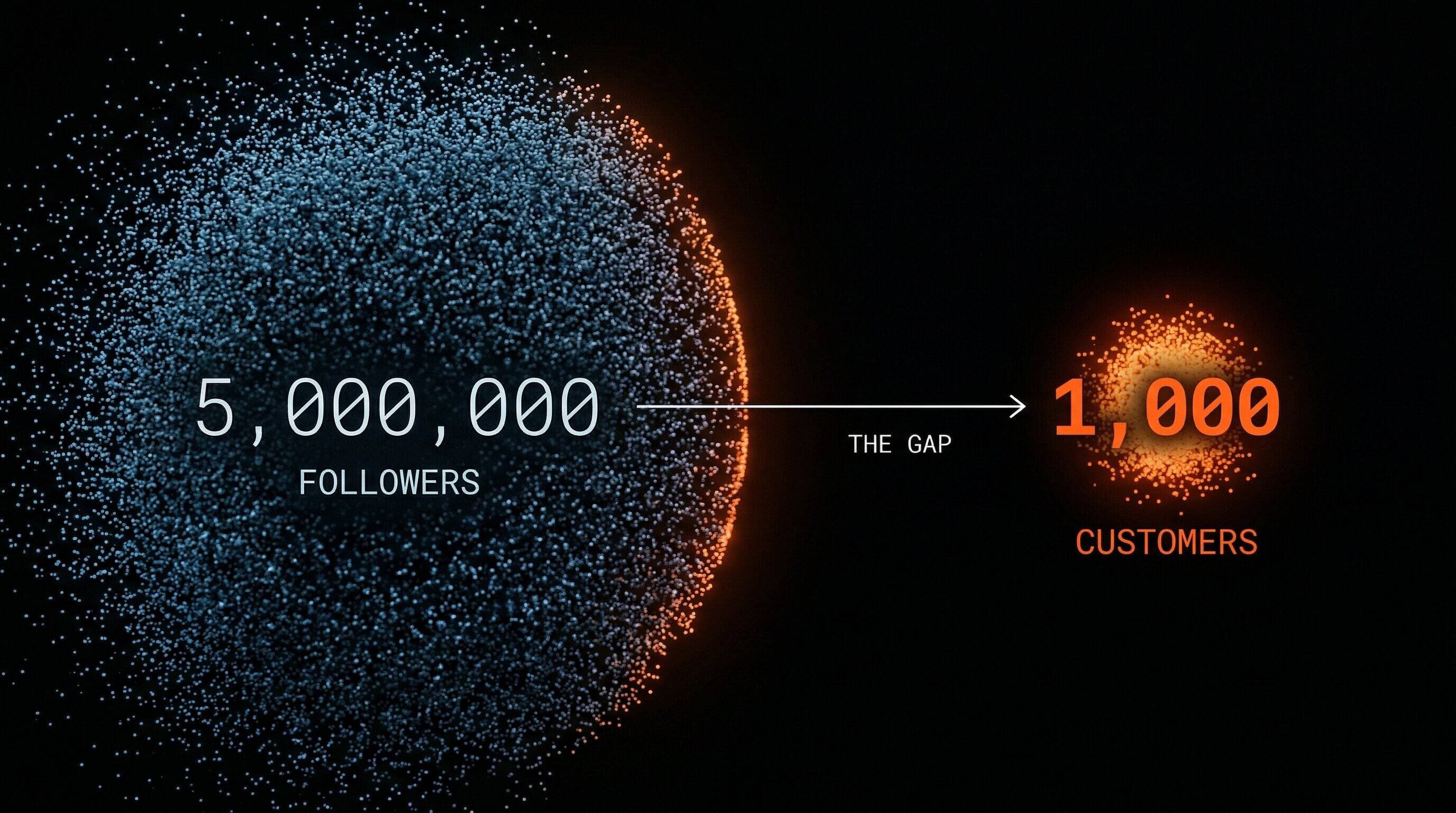
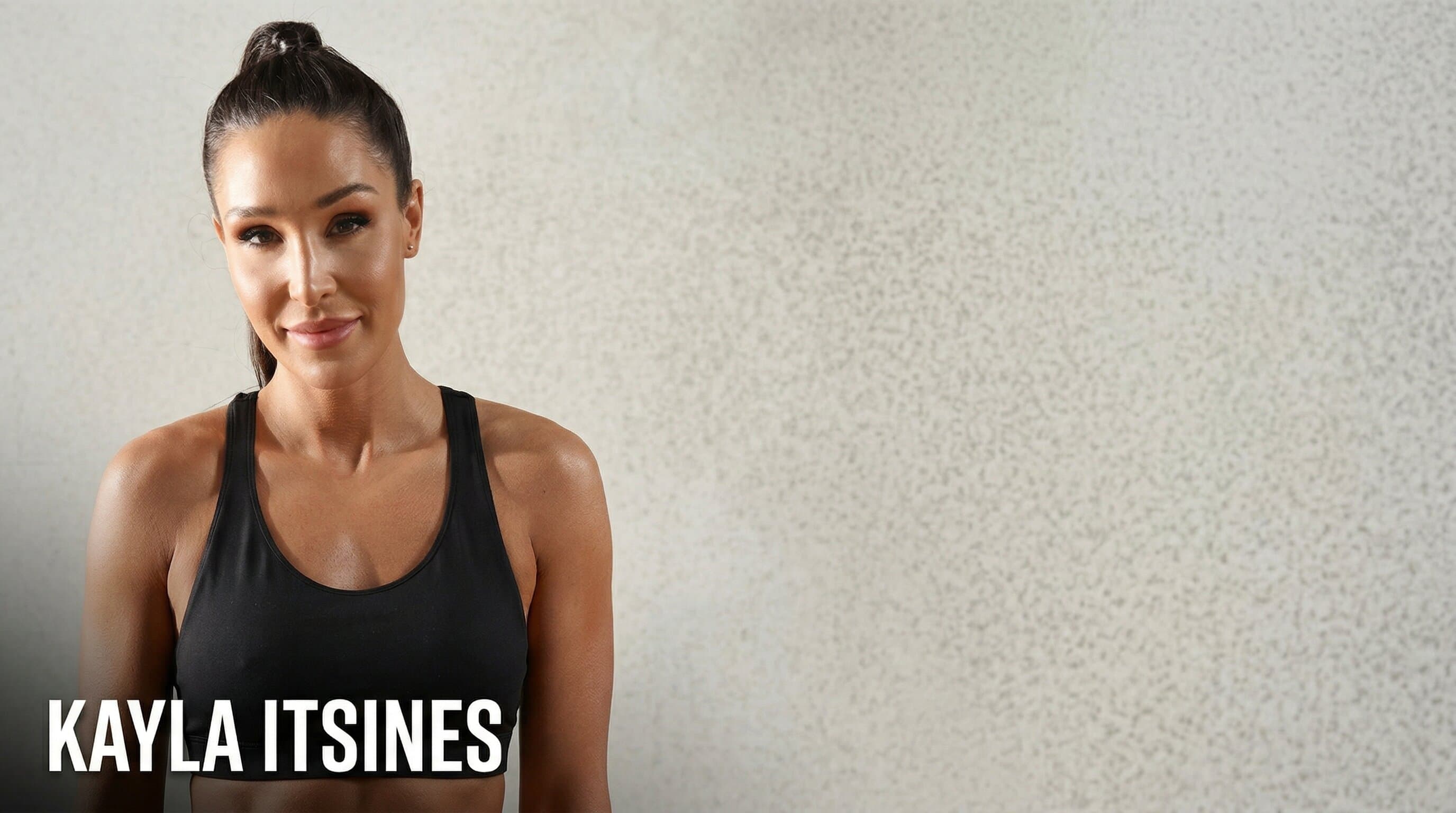
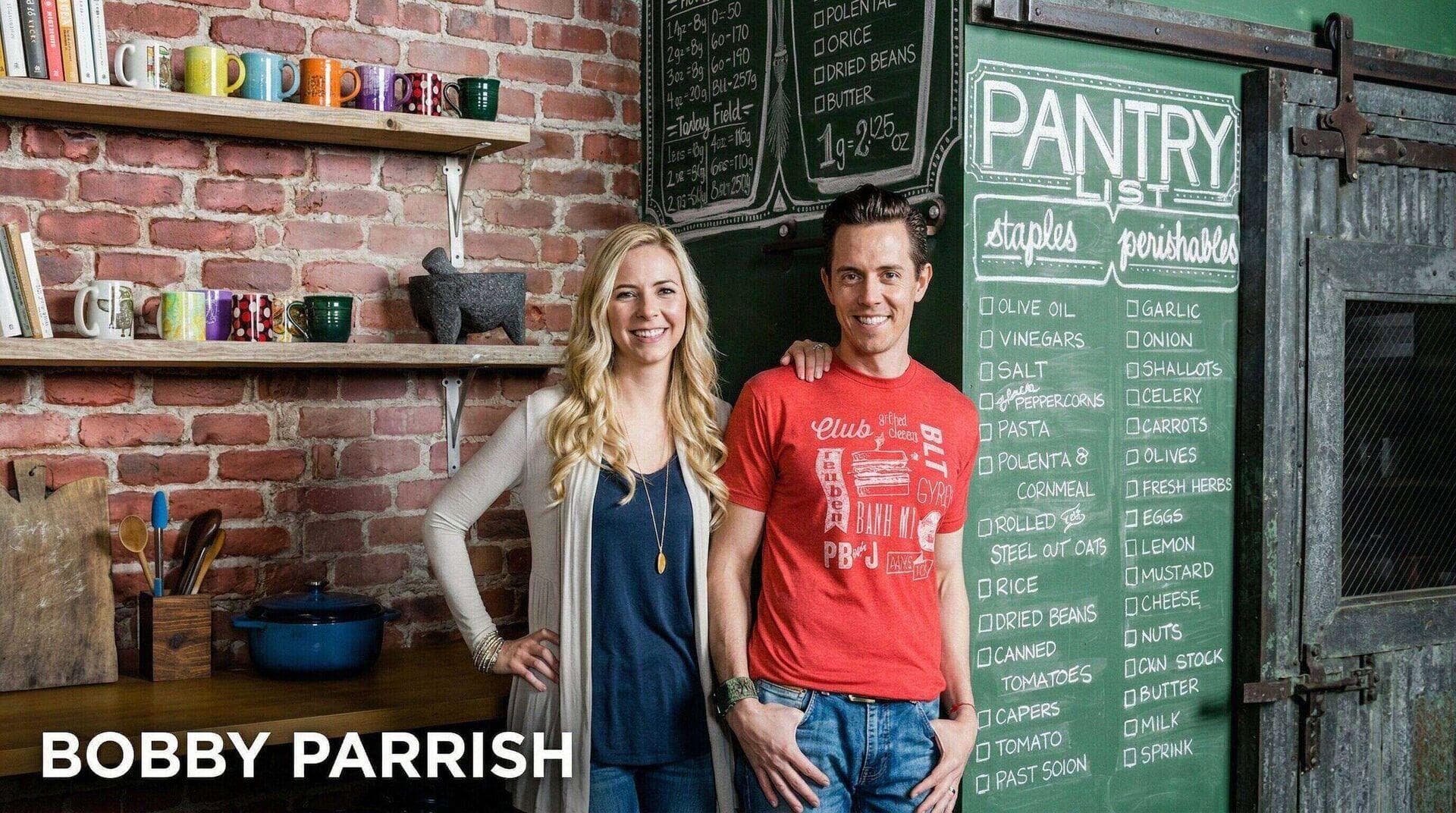
Here's a question most creators never ask: how many of your followers have paid you directly for anything? Not a brand that paid you to talk about their product. Not YouTube cutting you a check from ad revenue. How many of your followers opened their wallet and gave money to you, for something you built? For most creators, the answer is zero. Or close to it. A Goldman Sachs report estimated the creator economy could reach $480 billion by 2027, but the vast majority of that money flows through platforms and advertisers, not directly to creators. You can have 5 million followers and still not have a business. You have an audience. That's not the same thing. An audience watches. A business earns. And the gap between those two is where most creators get stuck, collecting followers like they're currency when they're closer to coupons: lots of them, limited value per unit, and someone else decides the exchange rate. Followers feel valuable because platforms tell you they are. Instagram shows you the number going up. YouTube sends you a plaque. TikTok gives you a Creator Fund payout that works out to roughly $0.02 per thousand views. But followers are a vanity metric dressed up as a business metric. The number means reach, not revenue. A creator with 100,000 followers and a $9.99/month subscription app with 1,000 paying users earns roughly $120,000 per year in recurring revenue. A creator with 5 million followers and no product earns whatever the algorithm and brand deals decide to give them that month. Next month, the number resets. The first creator is a founder. The second is a freelancer with great reach. A product. That's it. Not a "link in bio." Not a merch drop. Not a course you spent six months building that sells for $49 once. A product that solves a specific problem your audience has, charges a subscription, and delivers value every single day. Bobby Parrish has 10.7 million YouTube subscribers. His grocery haul videos are free. But his Bobby Approved app, which lets you scan any product and see his ingredient analysis, has 138,000+ ratings and a 4.9 star average. Those aren't followers. Those are customers who pay monthly because the app does something his videos can't: it works in the grocery store aisle, in real time, when they need it. Kayla Itsines had millions of Instagram followers doing her workouts from screenshots. Then she built Sweat, a subscription fitness app that hit 450,000+ paying subscribers and sold for $400 million. The screenshots were content. The app was a business. The pattern is the same every time. The content builds trust. The product monetizes it.
The gap between followers and customers is the gap between content and product: one watches, the other pays
Brand deals pay once. Ad revenue fluctuates with CPMs. Courses sell in bursts and then flatline. A subscription app earns every month, whether or not you post new content. Here's the math on a modest scenario:
MetricBrand Deal CreatorCreator with App
Audience size500,000 followers500,000 followers
Monthly income$5,000 to $15,000 (variable)$9,990 (1,000 subs x $9.99)
Income when not posting$0$9,990
12 month total$60,000 to $180,000$119,880+ (growing)
Owns customer dataNoYes
App Store discoveryN/ANew users every day
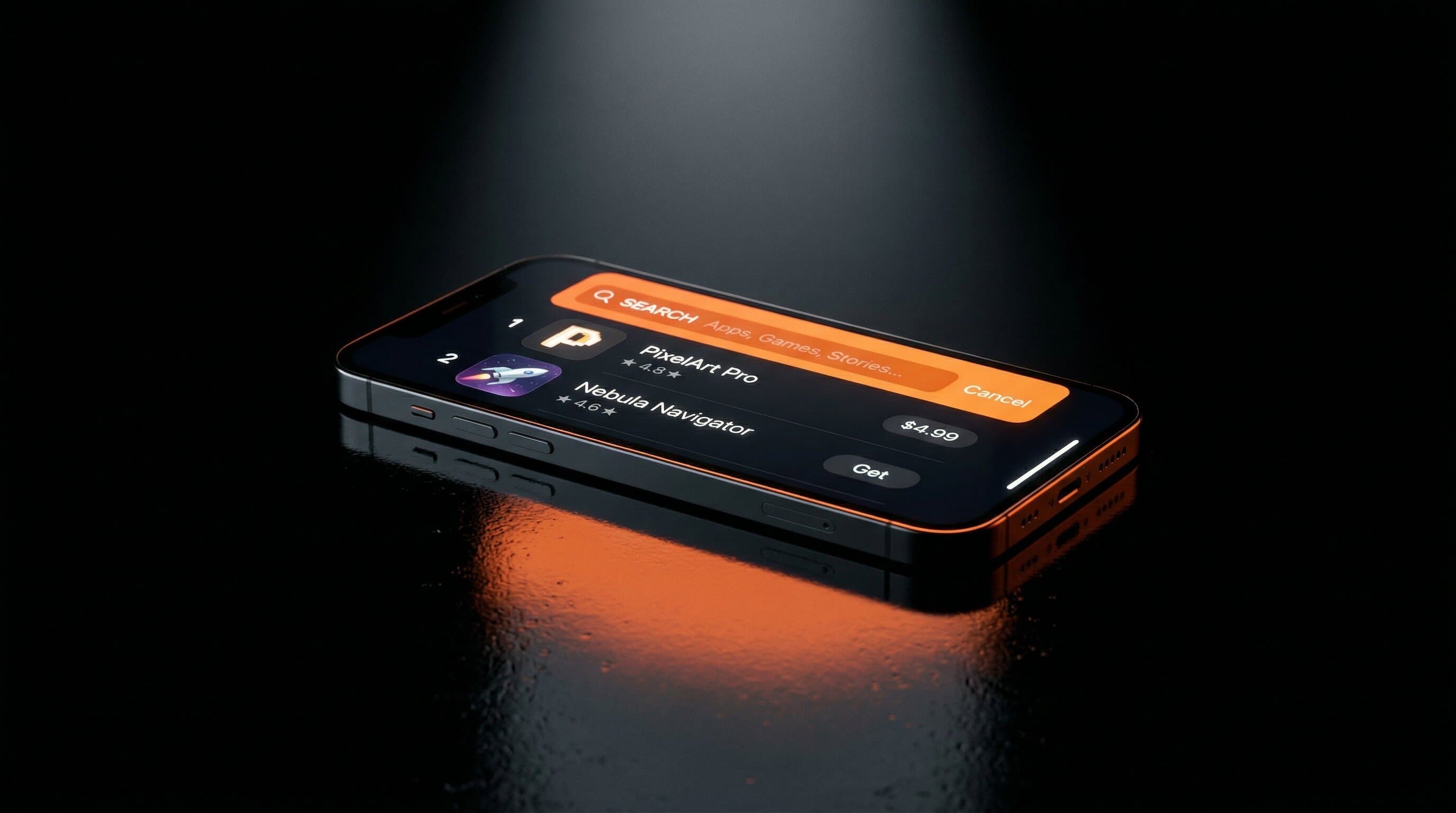
The brand deal creator earns more in peak months. The app creator earns every month. And the app creator's revenue compounds: month 6 has more subscribers than month 1. Month 12 has more than month 6. The brand deal creator starts from zero every single month. We've broken down this comparison in detail before: brand deals vs. subscription apps is not close when you stretch the timeline past a year. This is the part most creators miss entirely. When you post on Instagram, you reach your followers (and whatever fraction the algorithm allows). When you have an app on the App Store, you reach everyone searching for what your app does. People who have never heard of you, never seen your content, never followed you anywhere. They search "workout app" or "food scanner" or "meditation timer" and find your product. Bobby Approved outperforms Yuka, a global food scanner with millions of users, on App Store ratings in the US. Many of those customers found the app through search, not through Bobby's YouTube channel. Those are customers his content would never have reached. This is what makes an app fundamentally different from content: content reaches followers. An app reaches anyone with a problem it solves. Your App Store listing is a growth channel that works 24 hours a day without you filming anything.
The App Store is a customer acquisition channel most creators ignore entirely
Three reasons, all fixable. "I don't know how to build an app." You don't need to. Product partners exist specifically for this. Built by Foundry builds, launches, and runs the entire app. $0 upfront. You bring the expertise and audience. We build the business. "My audience is too small." If you have 50,000 engaged followers, you have enough. Converting 2% of 50,000 into subscribers at $9.99/month is $9,990/month in recurring revenue. That's $120K/year from an audience most creators consider "small." "I already make money from brand deals." Then you already know companies will pay to reach your audience. The question is: why are you renting your audience to them instead of selling to your audience yourself? There's a reason this article exists under "Thought Leadership" and not "How To." The biggest barrier between a creator and a real business isn't technical. It's identity. Creators think of themselves as content producers. They wake up, wonder what to post, film it, edit it, publish it, check the metrics, and do it again tomorrow. That cycle feels like work. It is work. But it's not a business. It's a job with no salary, no equity, and an employer (the algorithm) that can fire you without notice. Founders think differently. They build something once that earns repeatedly. They own the customer relationship. They have revenue that doesn't depend on posting frequency. And when they do create content, it's often powered by the product itself: every user's result is a reaction video, every leaderboard is a weekly roundup, every before and after is a transformation post. The app becomes the content calendar, not the other way around. You already have the hardest part: an audience that trusts you. The followers are there. The customers are waiting inside that audience. The only question is whether you'll build something worth paying for. You don't need millions. Creators with 50,000 engaged followers can build sustainable subscription businesses. A 2% conversion rate on 50,000 followers at $9.99/month is roughly $10,000/month in recurring revenue. A follower consumes your free content on someone else's platform. A customer pays you directly, usually monthly, for a product you own. You control the relationship, own the data, and earn whether or not you post new content. Yes. Companies like Built by Foundry build, launch, and run the entire product for creators at $0 upfront with a revenue share model. You don't write code, manage servers, or handle App Store submissions. Yes. The App Store is a search engine. People search for problems your app solves and find it without ever seeing your social content. Bobby Approved, Sweat, and dozens of other creator apps acquire significant portions of their users through App Store search, not social media.
You have followers. You could have customers. The gap between the two is a product. And the best time to build it was yesterday.
Let's Build →

Get Creator Revenue Insights

How creators are turning audiences into subscription businesses

You might also enjoy...