
Case Studies & Success Stories

The Bread Code Gives Away 500,000 Books a Month. The Top Sourdough App Has 495 Ratings

September 9, 2026
Share
The Bread Code Gives Away 500,000 Books a Month. The Top Sourdough App Has 495 Ratings

Get Creator Revenue Insights

How creators are turning audiences into subscription businesses
Share
Key Takeaways:
  • The Bread Code showed 346,000 YouTube subscribers and 37,763,718 lifetime views on September 9, 2026, on a channel Hendrik Kleinwächter started on May 1, 2018
  • His own site publishes its scoreboard: "340K+ YouTube Subscribers", "500K Monthly Book Downloads", "3,000+ Bakers in Community". It also says, in his words, "Everything I teach is free and non-commercial"
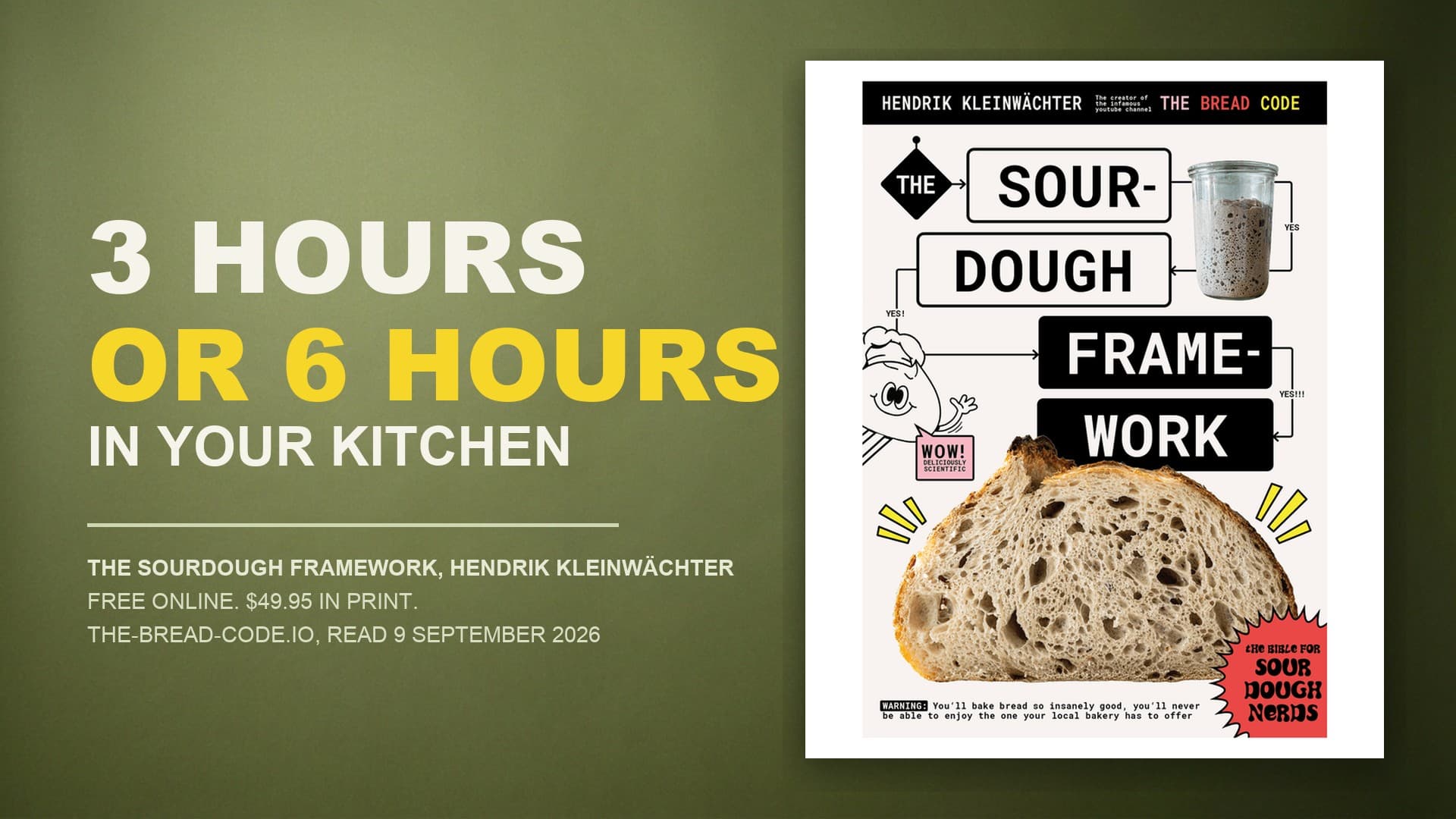
  • The Sourdough Framework is a real book released under CC BY-SA 4.0. Its GitHub repository held 3,619 stars on September 9, 2026, with its last commit on August 24, 2026. The hardcover is $49.95 once
  • The sales page for that hardcover states the promise better than we could: "Here's how to read your dough and know exactly when it's ready, whether that's 3 hours or 6 hours in your kitchen"
  • An iTunes Search API query for "sourdough" on the US storefront returned 15 results on September 9, 2026, led by Loaflo at 495 ratings. Every one of them is free, and not one of them is his
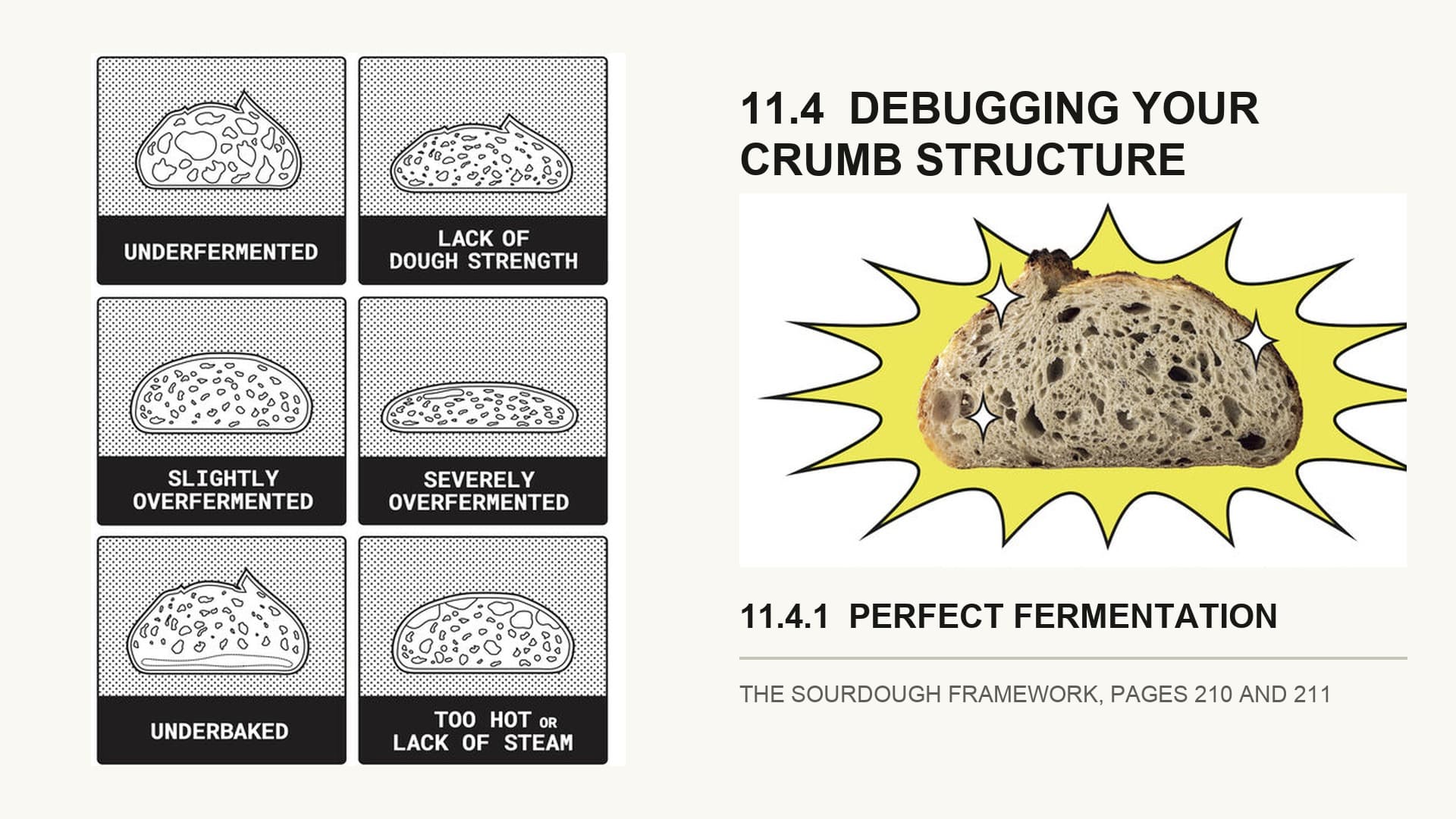
A software engineer spent three years writing a book that debugs bread, gave it away under an open-source licence, and got half a million downloads a month. Then he built the tool that resolves the book's own central question, and gave that away too. There is nothing wrong with any of it. The interesting part is what the arithmetic of his own promise implies, because the sentence he uses to sell the hardcover is not a marketing line. It is a product specification, and paper cannot execute it. Almost nothing. Hendrik Kleinwächter's business is a $49.95 hardcover, a one-time "Buy me flour" contribution, an optional monthly membership, a starter culture, bookable workshops, and affiliate links to the gear he uses. His support page states the position plainly: "Everything I teach is free. If it helped you bake better bread, consider supporting my work." He is not confused about this. He is a former software engineer who grew up in open-source culture, and he says so: "the idea that knowledge should be shared freely, that everyone benefits when we learn together." The Sourdough Framework took three years to write. It ships as a PDF, a screen-optimised PDF, two EPUBs, a short version, LaTeX source, and a hardcover, all free except the object you can hold. The hardcover page is honest about the model too: "The same book 500K people read free online every month. The hardcover funds it." That is a real business decision made by an adult, and this post is not an argument against it. It is an argument about which surface carries the money. Because the free-book-funded-by-print model has one structural feature: the thing that recurs weekly for the reader produces revenue zero times a year, and the thing that produces revenue happens once per customer, ever. Because the answer depends on a variable that lives in the reader's house, not in the author's manuscript. The book's own sales page contrasts a "typical recipe book" saying "Bulk ferment for 4 hours" with the Framework's better answer: "Here's how to read your dough and know exactly when it's ready, whether that's 3 hours or 6 hours in your kitchen." That is a superior teaching claim and an impossible printing claim. A page cannot know a kitchen. Look at what the book actually contains. Chapter 11.4 is titled "Debugging your crumb structure." It is a six-cell diagnostic grid: underfermented, lack of dough strength, slightly overfermented, severely overfermented, underbaked, too hot or lack of steam. Facing it is a figure captioned "Perfect fermentation." An engineer wrote a fault tree, labelled the failure modes, and printed it.
Two real spreads from The Sourdough Framework: the six-cell crumb-debugging grid on pages 210 and 211, beside the book's Perfect Fermentation figure
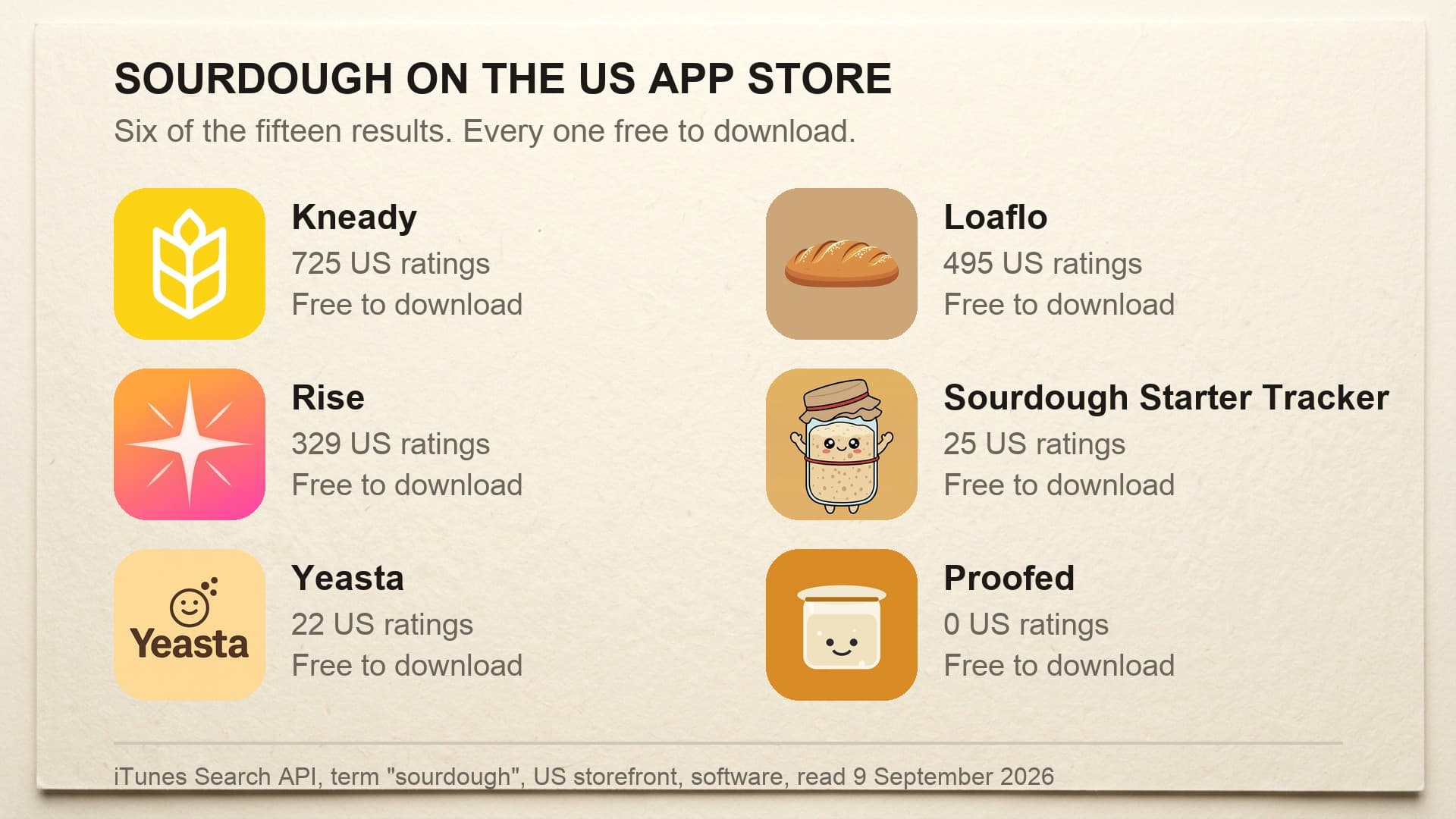
A fault tree on paper makes the reader do the lookup. A fault tree in software does the lookup, remembers the answer, and knows it is the fourth time this month the same baker landed on "severely overfermented" in a kitchen that has been running four degrees warm since the weather turned. That difference is the entire product. The corpus has spent a month sorting creator audiences by their repeating action: when in the day the thing gets used, whether the audience already keeps score, whether the demand has an end date. Sourdough introduces a different axis. The answer is local. Flour, ambient temperature, starter maturity, oven behaviour and schedule are all properties of one household, they change with the season, and no publishable artifact can resolve them. The best a book can do is teach you to resolve them yourself, every weekend, forever, by hand. Nobody. An iTunes Search API query for "sourdough" on the US storefront on September 9, 2026 returned 15 results. The leading baking tool, Kneady by Quillbound Studios Ltd, held 725 US ratings. Loaflo, the leading starter tracker, held 495. Every result in the list was free to download, and none of the six real baking tools was built by anyone the category's bakers could name.
AppPublisherUS ratingsPrice
Kneady: Bread & Baking RecipesQuillbound Studios Ltd725Free
Loaflo: Sourdough StarterNo Worries! Lifestyle, LLC495Free
Rise: Baking & Bread RecipesMade by Windmill, LLC329Free
Sourdough Starter TrackerMyQuietSpot Inc.25Free
Yeasta: Sourdough TrackerMor Almalach22Free
Proofed: Sourdough TrackerPurpose Brands LLC0Free
Real App Store icons and US rating counts for Kneady, Loaflo, Rise, Sourdough Starter Tracker, Yeasta and Proofed on September 9, 2026, every one free to download
Rating counts are roughly installs multiplied by years on the store, so they measure distribution rather than quality. Read that way, the number is the point. This is a niche with no incumbent. The most-followed teacher in the category has 346,000 subscribers on one channel, and the category's biggest software product has fewer ratings than a mid-sized restaurant. Here is the part that makes this a case study rather than a lecture. He built it. Loafy.ai is his sourdough companion, and its homepage reads "Trusted by 500,000 bakers every month." It runs guided journeys with built-in timers for bread, starters and pizza. It carries a bread calculator, a pizza calculator and a dough optimiser. It has an AI assistant trained on the Framework. And it has a Bake Journal. A guided weekly ritual with a private record of every attempt is not a marketing asset. That is the product, and it is sitting in a browser tab with no price, no App Store listing, and a landing page that advertises "No account required." Meanwhile the roadmap points at hardware. Loafy Sense is described as "Loafy's first smart device", a sensor that reads starter activity and reports the exact moment it peaks, currently "in early proof-of-concept and heading to Kickstarter later this year." A sensor is a good idea and it is also another one-time purchase. It makes the software indispensable and prices the plastic. The store-catalog test applies here as much as it does to a merch line: count how many times a year a customer performs the ritual, then count how many times a year they pay you. A weekly baker performs it roughly 52 times. Under this model they pay once, or never. Run this on your own audience in one line. Write down your most common answer to a student's question. If it begins with "it depends on your", the answer cannot be published. It can only be computed, and something that has to be recomputed every time is a subscription. The test is falsifiable and it takes a minute. Sourdough passes on flour, kitchen temperature and starter age. Gardening passes on zone, soil and last frost. Reef keeping passes on tank volume and water parameters. Beekeeping passes on hive, forage and climate. Home espresso passes on bean age and grinder. Training passes on bodyweight, recovery and equipment. In every one of those the creator's content is a public commodity within a year of publishing it, and the only scarce input left is the customer's own conditions. That is why free content and a paid tool are not in tension. It is the opposite of a paywall. Proko's daily-practice surfaces show the same shape from the drawing side: the habit is the product, and the habit is the thing nobody has priced. This section is for creators with 50K or more followers who teach a skill where the same question gets a different correct answer for every student: bakers, gardeners, brewers, keepers, growers, coaches, restorers, makers. You have a tell, and you see it every day. Your comments are full of people posting their own conditions at you. The photo of the crumb. The screenshot of the thermometer. The "my kitchen is 17 degrees, is that why?" You never asked for any of it. They send it because they know the answer is local and you are the only person they trust to localise it. That is not an audience asking to be entertained. It is an audience asking to be measured, and right now they are keeping the measurements in a notebook, a camera roll, or nowhere at all. You do not have to invent the recurring need. You have to be the one holding the record when it recurs. Free content is not the problem. 3,619 GitHub stars and 500,000 monthly downloads are distribution most publishers would pay for. The book is the top of a funnel that currently ends in a $49.95 object. A one-time object cannot fund a weekly habit. A hardcover sells once per customer. A sensor sells once per customer. The bake happens on Saturday, every Saturday, for years. Check whether you have already built the product. Loafy has journeys, timers, calculators, a journal and an AI diagnostician. The build is not the missing piece. The decision to own it is. An unbranded category leader is a vacancy, not a competitor. The biggest sourdough tool on the US App Store has 495 ratings and no audience behind it. Someone with 346,000 subscribers is not entering a crowded market. They are entering an empty one, and the running cost of the thing is measured in tens of dollars a month. Hendrik Kleinwächter spent three years proving that bread is a system with variables you can read. He built the fault tree, printed it, gave it away, then wrote the software that runs it. Everything is in place except a price on the surface his readers open every weekend, which is also the only surface that could keep the book free forever. Channel statistics read from YouTube on September 9, 2026. Self-published figures, the free-book policy statement and the $49.95 hardcover price read from the-bread-code.io the same day; they are the creator's own claims about his own scoreboard and are quoted as such. Repository star count, licence and last-commit date retrieved from the GitHub API on September 9, 2026. Book formats and CC BY-SA 4.0 licence from the-sourdough-framework.com. Product descriptions and the Loafy Sense status read from loafy.ai. App names, publishers, US rating counts and prices retrieved from the Apple iTunes Search API on September 9, 2026. Book interior pages 210 and 211 reproduced from the publicly published edition.
Our work

Creators who already did this

These are apps we designed, built, shipped, and still run today, with the creator keeping the code and the audience.

Liv Merima

Liv Merima

Founder & CEO of Claim It

Custom affirmations that help millions choose themselves.

Top Lifestyle App150K+ followers
Read the case study
Claim It screenshots
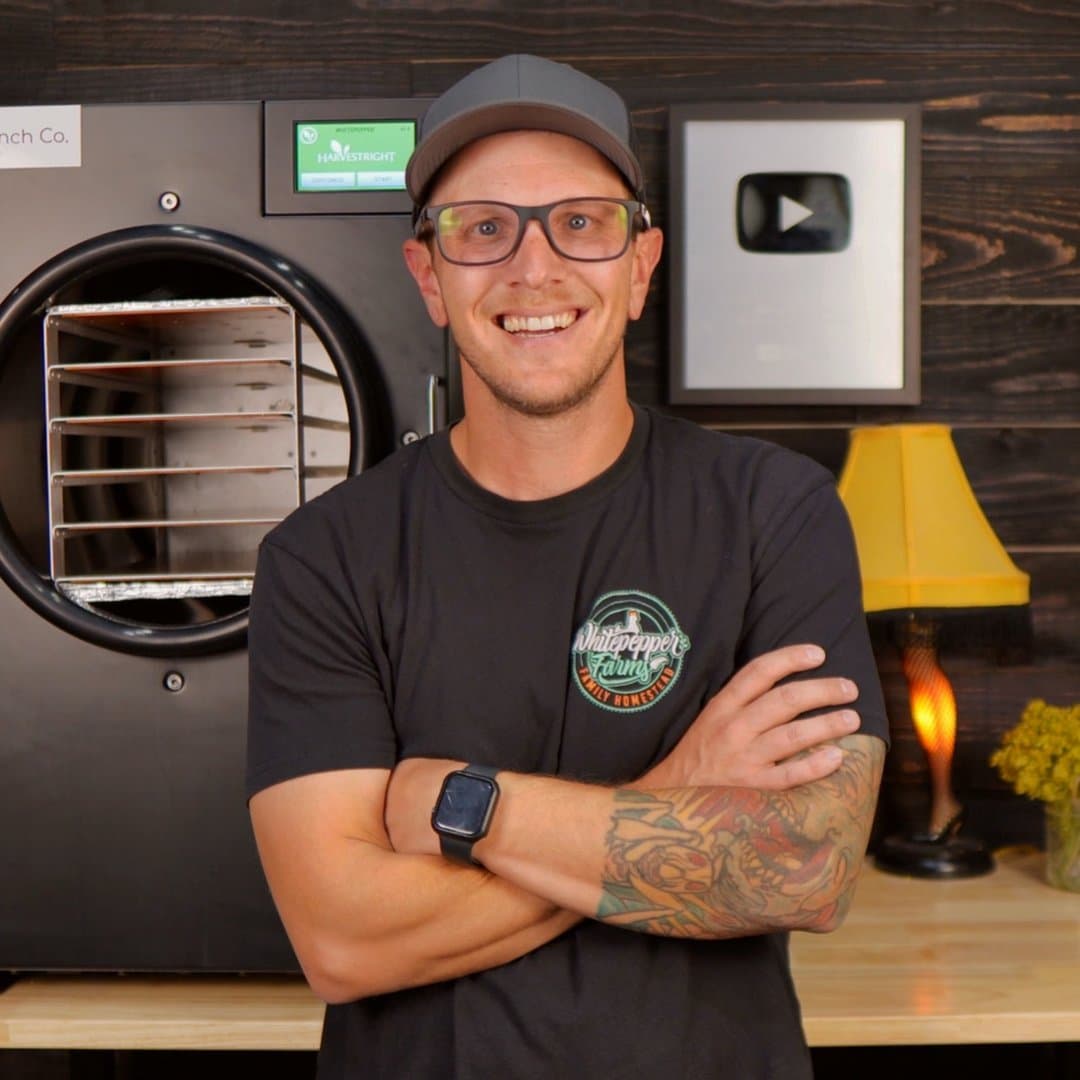
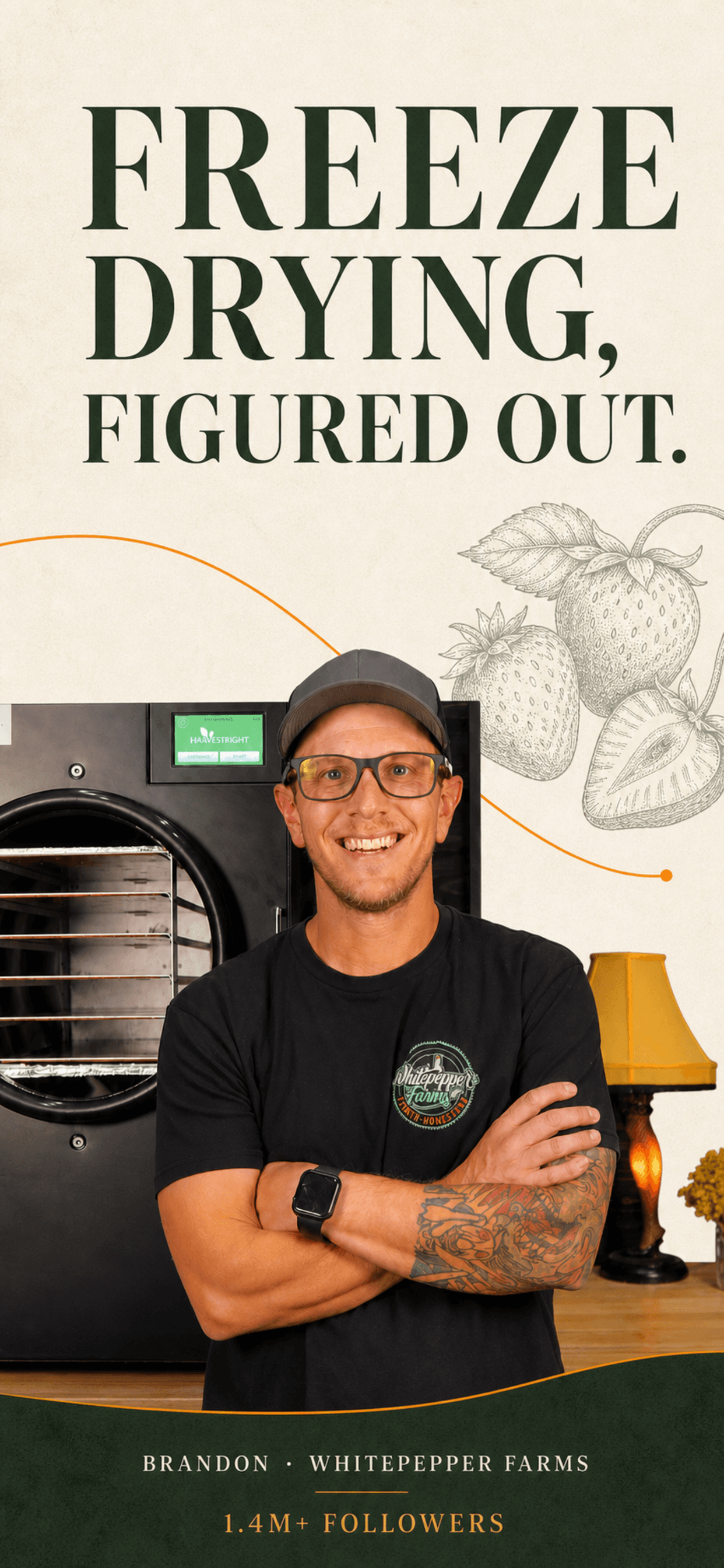
Brandon Whiteleather

Brandon Whiteleather

Founder & CEO of Freeze Dry Buddy

Freeze drying made foolproof, from a homesteader who's done it 1,000 times.

Top Food App1.4M+ followers
Read the case study
Kristen Donathan

Kristen Donathan

Founder & CEO of Stain Fix

Snap a stain. Get the fix in seconds.

Top Lifestyle App1.5M+ followers
Read the case study
Stain Fix screenshots

Creator app strategy

Curious what your app could be?

Enter your handle and BUILT BY FOUNDRY will research your audience and present custom app concepts. Free.

The Bread Code Gives Away 500,000 Books a Month. The Top Sourdough App Has 495 Ratings