
Case Studies & Success Stories

Philipp Dettmer: 25.8M Kurzgesagt Subscribers, a $27.90 Calendar and a $2.99 App

November 27, 2026
Share
Philipp Dettmer: 25.8M Kurzgesagt Subscribers, a $27.90 Calendar and a $2.99 App

Get Creator Revenue Insights

How creators are turning audiences into subscription businesses
Share
Philipp Dettmer started Kurzgesagt as a university project in 2013. When we checked the Kurzgesagt YouTube channel on November 27, 2026, it had 25.8 million subscribers and 403 videos, and every one of those videos is free to watch. The money comes mostly from somewhere else. The Kurzgesagt shop's About page says: "Around 60% of our YouTube channel is funded by the kurzgesagt shop." The product at the center of that shop is a wall calendar, now in its 11th edition, that many fans buy again every December. This is a profile of a creator business that already has most of the pieces right, and one piece still missing. Key Takeaways:
  • Kurzgesagt says its shop funds around 60% of its YouTube channel. Patreon memberships at $3.14, $15 and $42 a month and sponsorships are among the other sources.
  • The 12,027 Human Era Calendar lists at $27.90 and was $22.32 in the shop's sale on November 27, 2026. The team says each edition takes a year of work.
  • Its one App Store product, Universe in a Nutshell, is a $2.99 one-time purchase released in September 2020. It holds a 4.9 rating from 2,509 US ratings.
  • A calendar that fans rebuy every year behaves like an annual subscription, except that nothing renews by itself. Each year it has to be sold again.
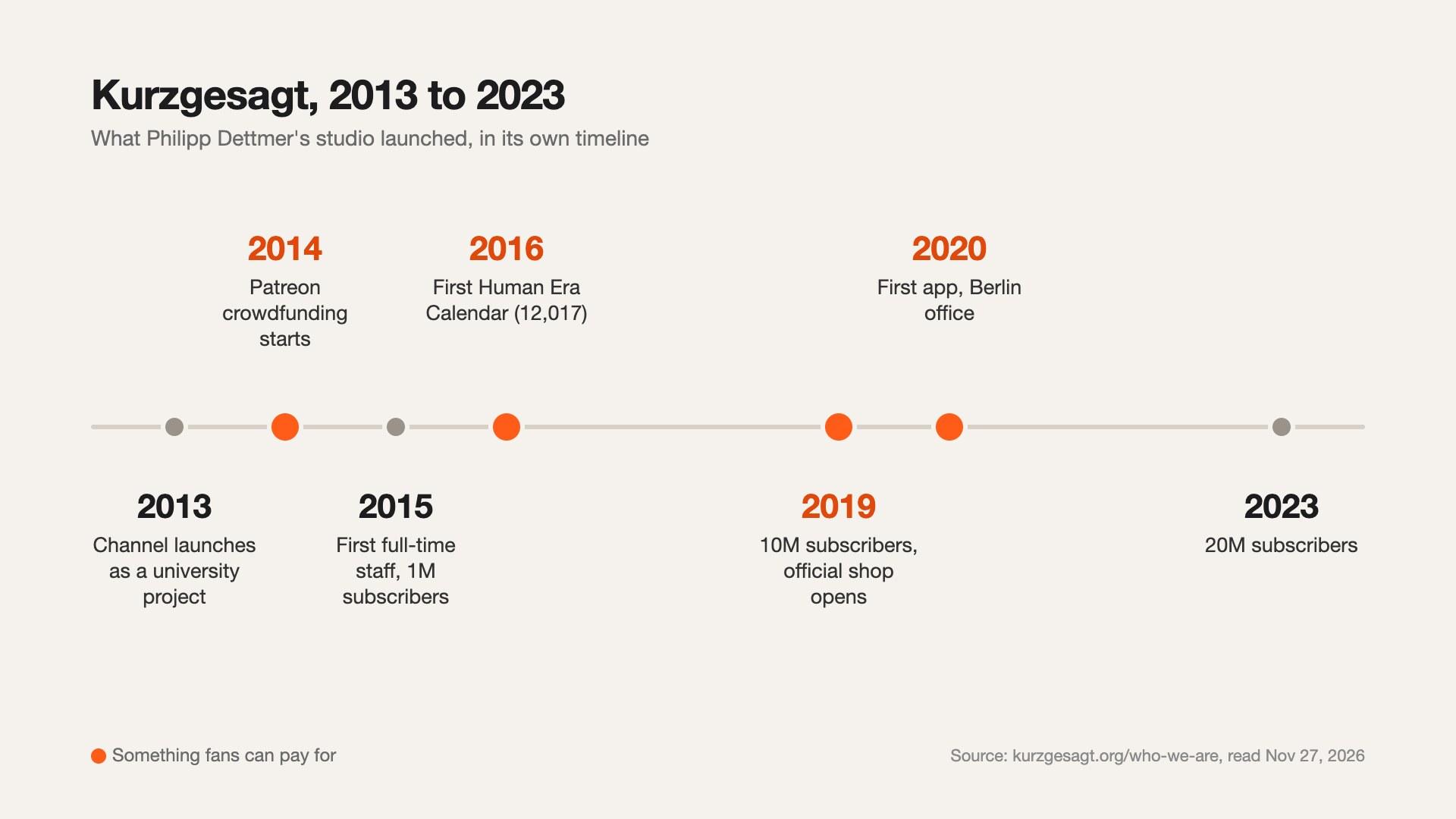
Philipp Dettmer is the founder and managing director of Kurzgesagt, the German animation studio behind one of the largest science channels on YouTube, and the author of the book Immune. His publisher's author page says he dropped out of high school at fifteen, met a teacher who gave him a passion for learning, and went on to study history and information design. Kurzgesagt's own timeline shows how the business grew:
  • 2013: the first video, about evolution, is made as a university project and the channel launches.
  • 2014: a German channel launches, and the team starts crowdfunding on Patreon.
  • 2015: Kurzgesagt GmbH hires its first full-time employees, and the channel reaches one million subscribers.
  • 2016: the first Human Era Calendar, for the year 12,017, is released.
  • 2019: the channel passes ten million subscribers, and the official shop launches.
  • 2020: a Berlin office opens, and the first app launches.
  • 2023: the channel reaches 20 million subscribers.
The "12,017" is the house joke and the product idea at once. The Human Era calendar adds 10,000 years to the date, so year one lands roughly where human civilization begins rather than at a single historical event. The channel's About panel even says it has been explaining things "since 12,013."
Kurzgesagt's own timeline from 2013 to 2023: channel launch, Patreon in 2014, first full-time staff in 2015, the first Human Era Calendar in 2016, the shop in 2019, the first app in 2020, and 20 million subscribers in 2023
Kurzgesagt runs four lines at once, and they behave very differently. We checked each public page on November 27, 2026.
Revenue linePriceHow a fan paysRenews on its own?
YouTube videosFreeAds and sponsors, not the viewerNot applicable
Patreon$3.14, $15 or $42 a monthMonthly pledgeYes
12,027 Human Era Calendar$27.90 list, $22.32 in the saleOnce a year, by choiceNo
Universe in a Nutshell app$2.99Once, everNo
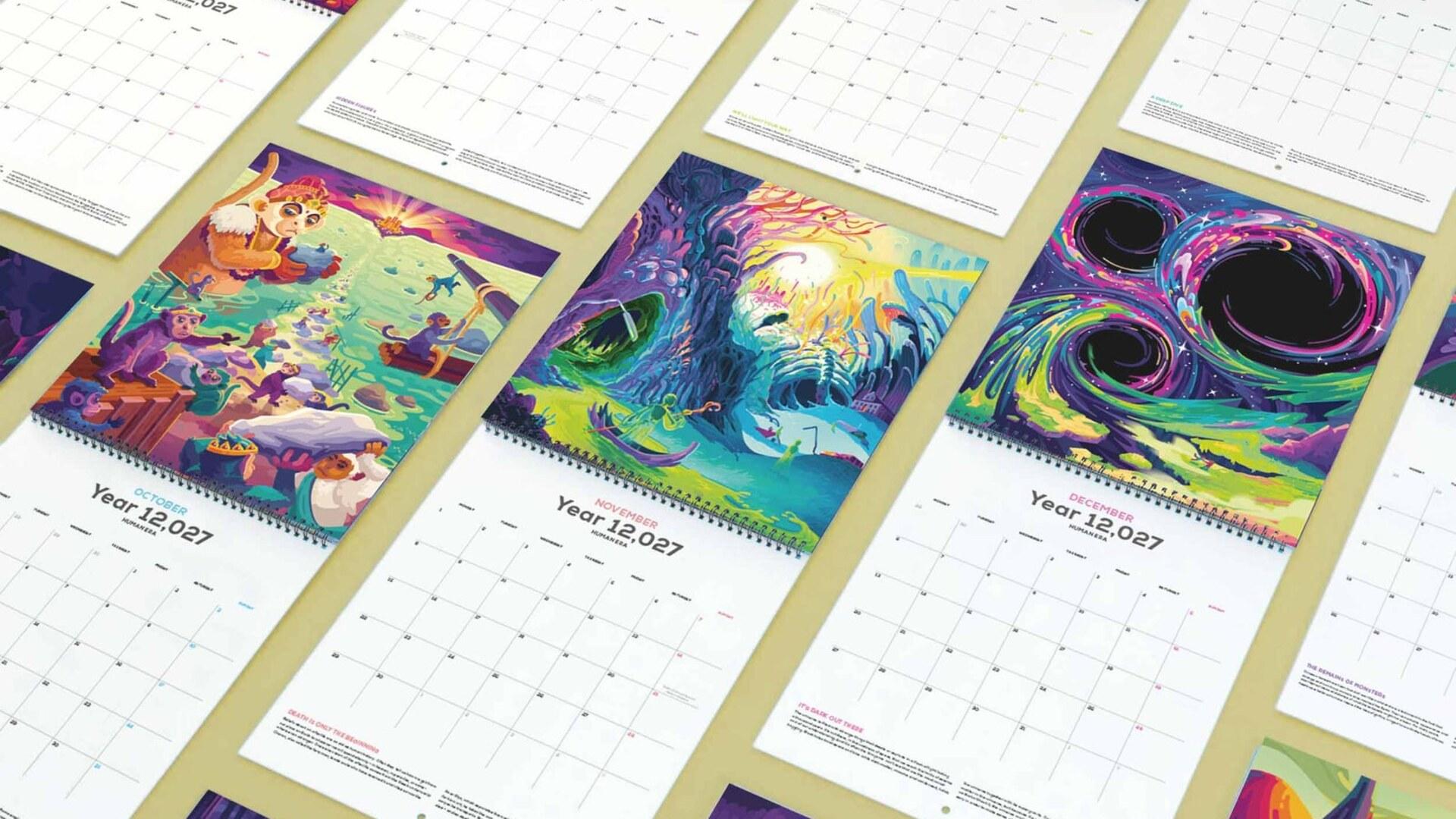
Only one of those lines charges a fan automatically, and it's Patreon, which Kurzgesagt rents. The Patreon page describes what the money buys: "hundreds of hours" of research and writing per video, then "hundreds of hours more" of illustration and animation, so the videos can be released "for free, for everyone." Several Patreon rewards are made by hand, including custom bird avatars that the team's illustrators create for new patrons each month. The shop does the heavy lifting. The About page puts it plainly: "Every purchase helps keep our videos free." That makes Kurzgesagt a useful counterexample to the idea that a free channel must sell ads or a course. Here, a physical object funds most of the science. The 12,027 Human Era Calendar has twelve illustrated months on the theme "From Stories to Science," covering the myths people once used to explain the world and the science that replaced them. The product page says it is printed in the EU and made without AI. "Creating this calendar takes a year of hard work," the page says, "but it's become our statement against mindless AI slop." On November 27, 2026, the product page showed 133 reviews, and several of them describe the same habit: buying one every year as a Christmas present, or collecting a new edition each year. The shop asks US buyers to order by December 7 for holiday delivery. The previous edition, for 12,026, is marked sold out and "won't return."
Pages of the real 12,027 Human Era Calendar laid out in rows, with the October, November and December illustrations above their date grids, from the Kurzgesagt shop's product photography
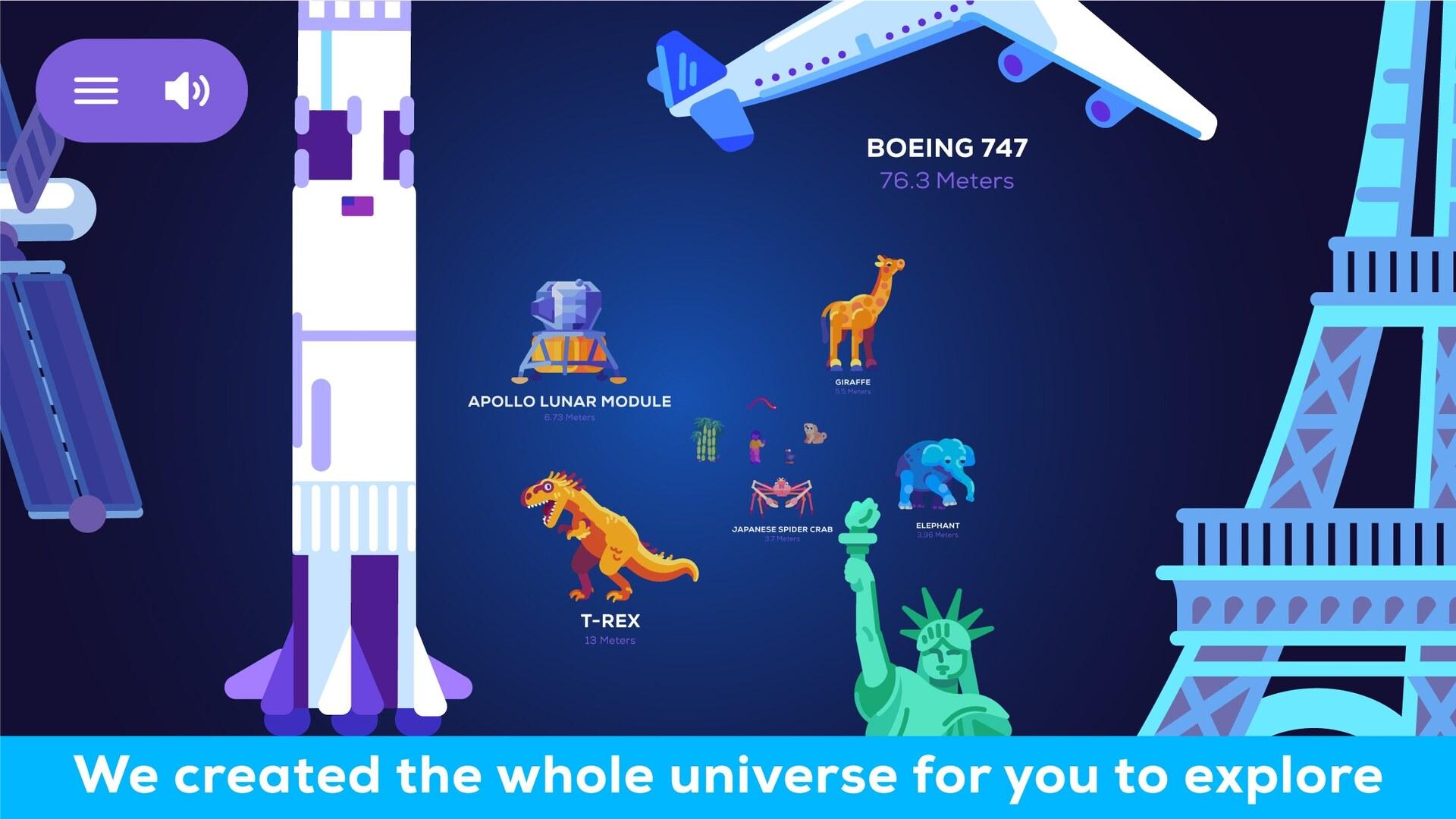
That pattern is close to a subscription. The same buyers come back, at the same time of year, for the next edition of the same product. Gardener Charles Dowding sells a calendar on the same yearly rhythm, and it works for the same reason: the product dates itself, so last year's copy can't stand in for this year's. The difference from a subscription is the renewal. A calendar buyer has to decide again every autumn, see the launch, and check out again. Every edition is a new product launch with a fixed selling window, a print run, shipping deadlines and a sellout date. A big audience makes that launch work. It doesn't make the launch unnecessary. Kurzgesagt's one App Store product is Universe in a Nutshell, credited on its listing to Kurzgesagt and Wait But Why. Apple's lookup data shows it was released on September 20, 2020, costs $2.99, and holds a 4.9 average from 2,509 US ratings. On November 27, 2026, the listing showed it at #52 in Education. Its last update, version 1.5.1, shipped on November 10, 2025. The app does one thing very well. You swipe to zoom from 10^-35 meters, the scale of fundamental particles, up to 10^26 meters, the edge of the observable universe, past more than 250 illustrated objects with Kurzgesagt's own music behind them.
Real App Store screenshot of Universe in a Nutshell: a Saturn V rocket, an Apollo lunar module, a T-Rex, a giraffe, the Statue of Liberty and a Boeing 747 drawn to scale, with the caption "We created the whole universe for you to explore"
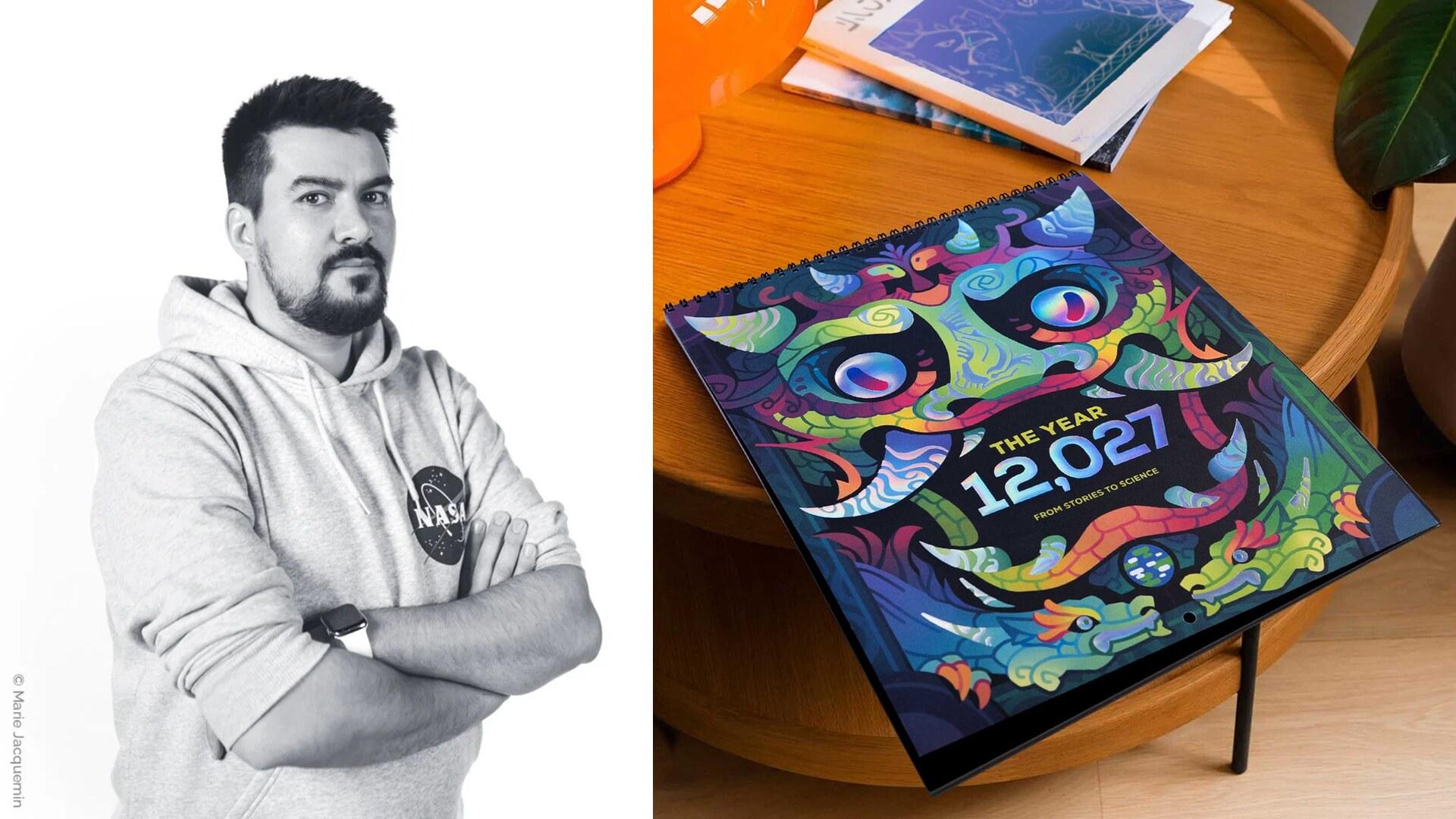
It proves that Kurzgesagt fans will pay for an interactive product in the App Store, and that the studio's art carries over to a phone. Early reviews on the listing say so directly. One reviewer wrote that they were glad to be "helping support In a Nutshell by buying it." It also shows the ceiling of a one-time price. A $2.99 purchase earns once per person. There is nothing to come back to each day, nothing that grows, and no reason to keep paying. We saw the same shape in Zach King's three free apps and one paid story: a creator builds something good, prices it once, and the revenue ends at the download. 1. A yearly ritual is a real product. Kurzgesagt found a product its fans buy on a schedule. That is the hardest part of any recurring business, and the calendar solved it with an object people hang on the wall. The math on annual versus monthly plans shows why a yearly buyer is worth planning around. 2. Physical products carry costs a subscription doesn't. Printing, separate US and EU shops, shipping cutoffs and sellouts all come with the calendar. Our breakdown of what merch really costs applies to every edition. The 60% figure is impressive because the team does that work every single year. 3. Fans who pay once a year would often pay all year. The calendar buyer and the $2.99 app buyer are the same kind of person: someone who wants Kurzgesagt in their daily life, not only in their YouTube feed. A product they open every day, priced as a subscription, would turn that December purchase into twelve months of revenue. It would also give the team a renewal that doesn't depend on winning the holiday season again. Any Black Friday discount should be weighed against that renewal, as we covered in this year's membership discount test. Kurzgesagt built its studio, shop and app over more than a decade, with full-time staff and offices in two cities. Most creators have the audience and the ideas but not that team. Built by Foundry builds, launches and runs the product with the creator at $0 upfront, on a revenue share, and the creator owns the business. You can read how we work and what we run after launch. Kurzgesagt already shows that fans will pay for craft, and pay again every year. The open question for any creator in that position is whether the yearly purchase could become a product fans open every day and pay for every month. Hero: portrait of Philipp Dettmer by Marie Jacquemin, from his personal site, beside the Kurzgesagt shop's product photo of the 12,027 calendar.
Our work

Creators who already did this

These are apps we designed, built, shipped, and still run today, with the creator keeping the code and the audience.

Samantha Mae

Samantha Mae

Founder & CEO of NineLives

Cat health tracking from the world's most beloved Scottish Fold.

Top Health App150K+ followers
Read the case study
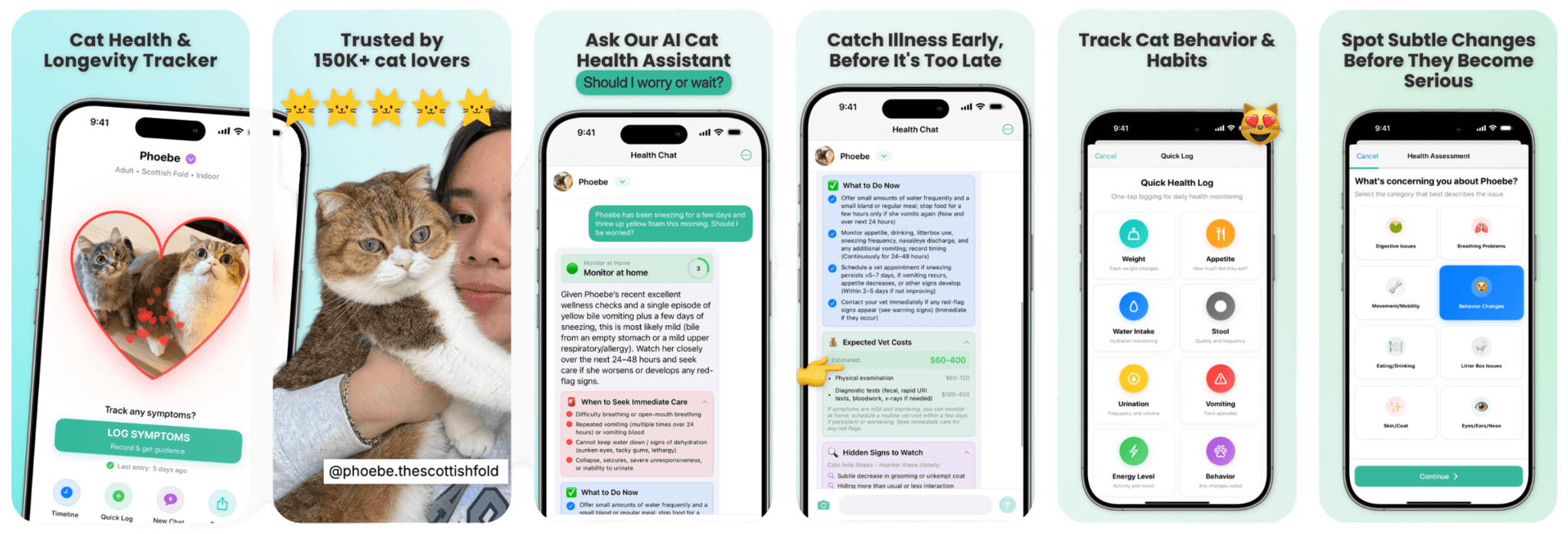
NineLives screenshots
Liv Merima

Liv Merima

Founder & CEO of Claim It

Custom affirmations that help millions choose themselves.

Top Lifestyle App150K+ followers
Read the case study
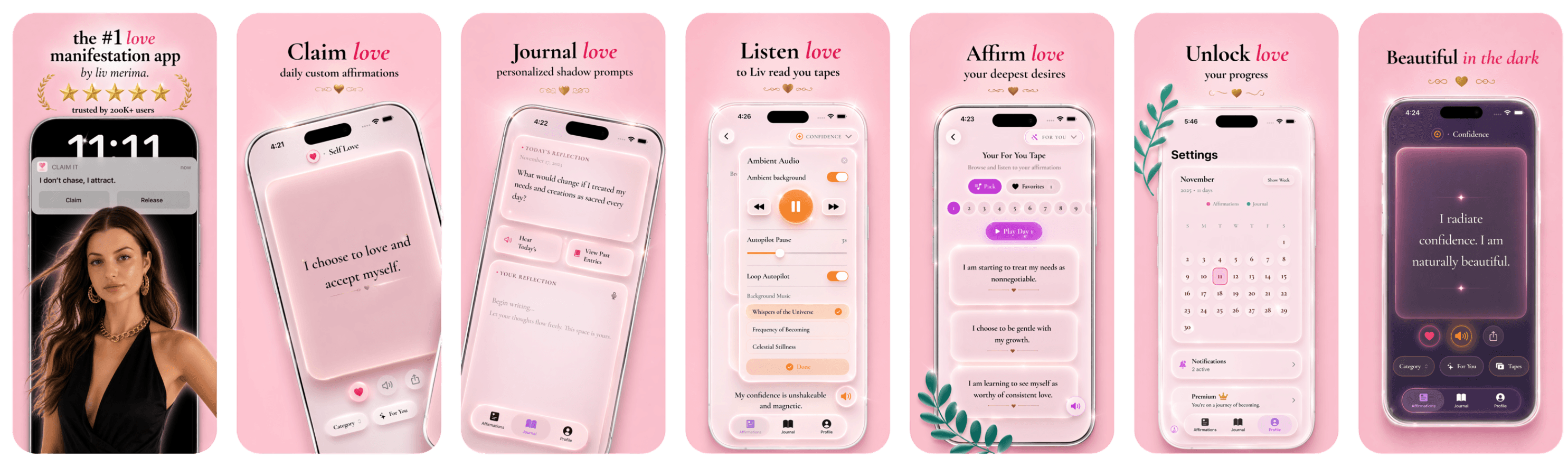
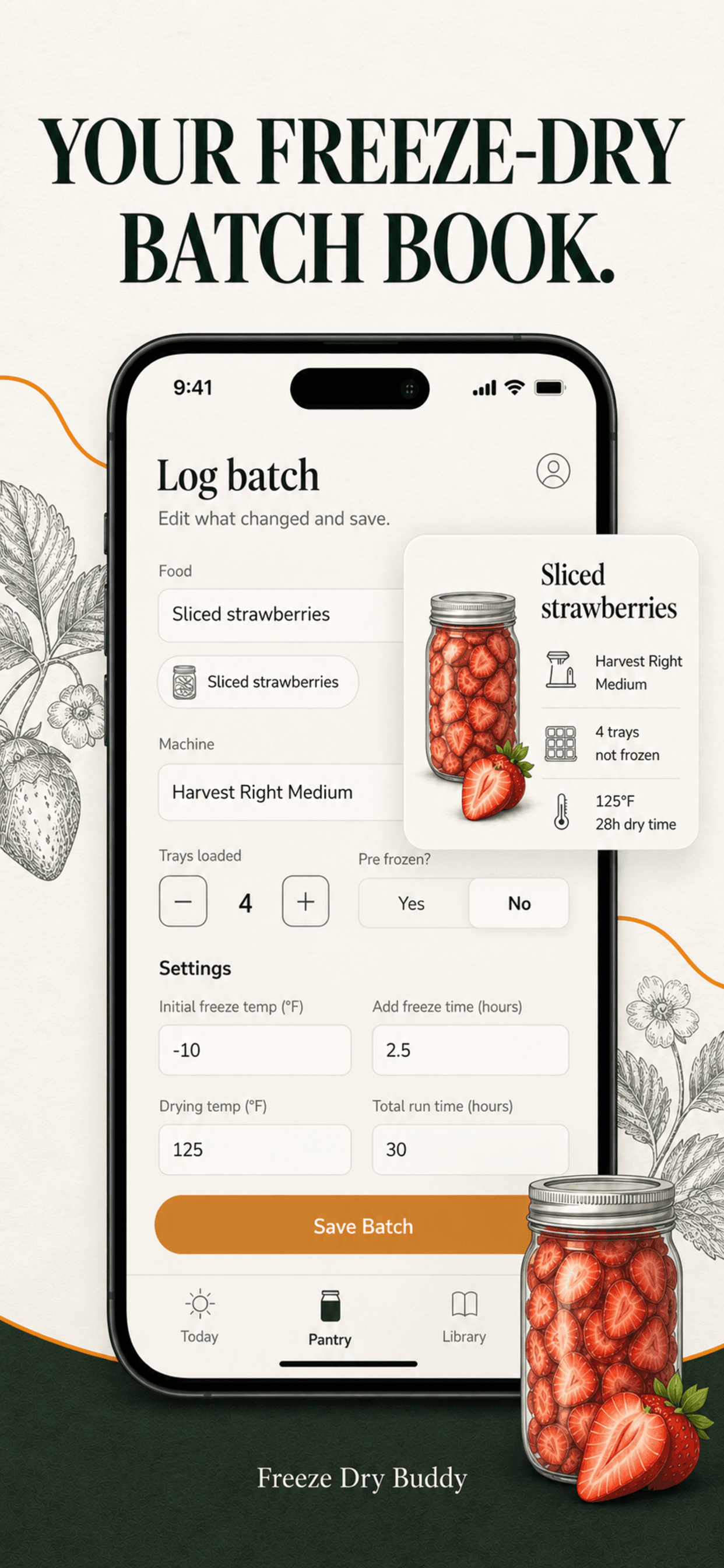
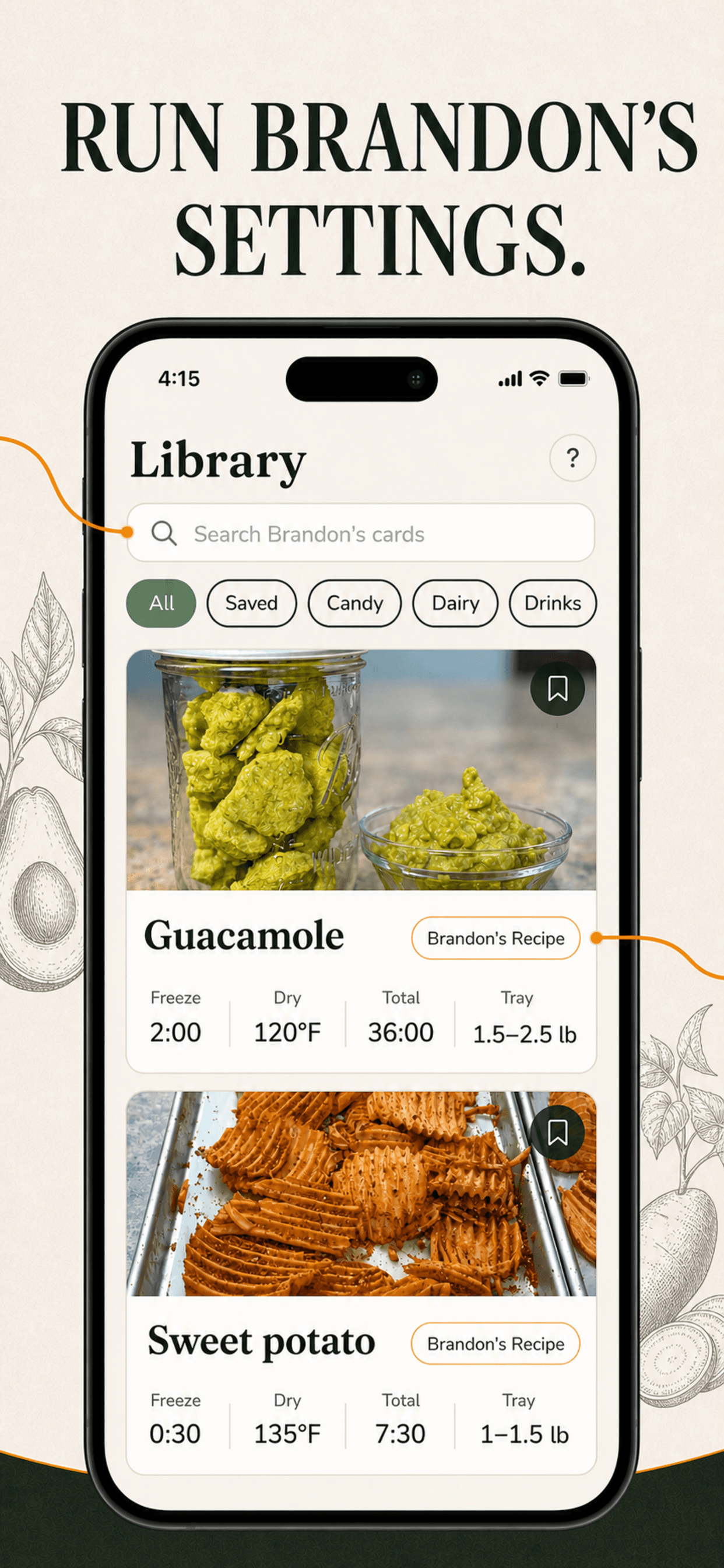
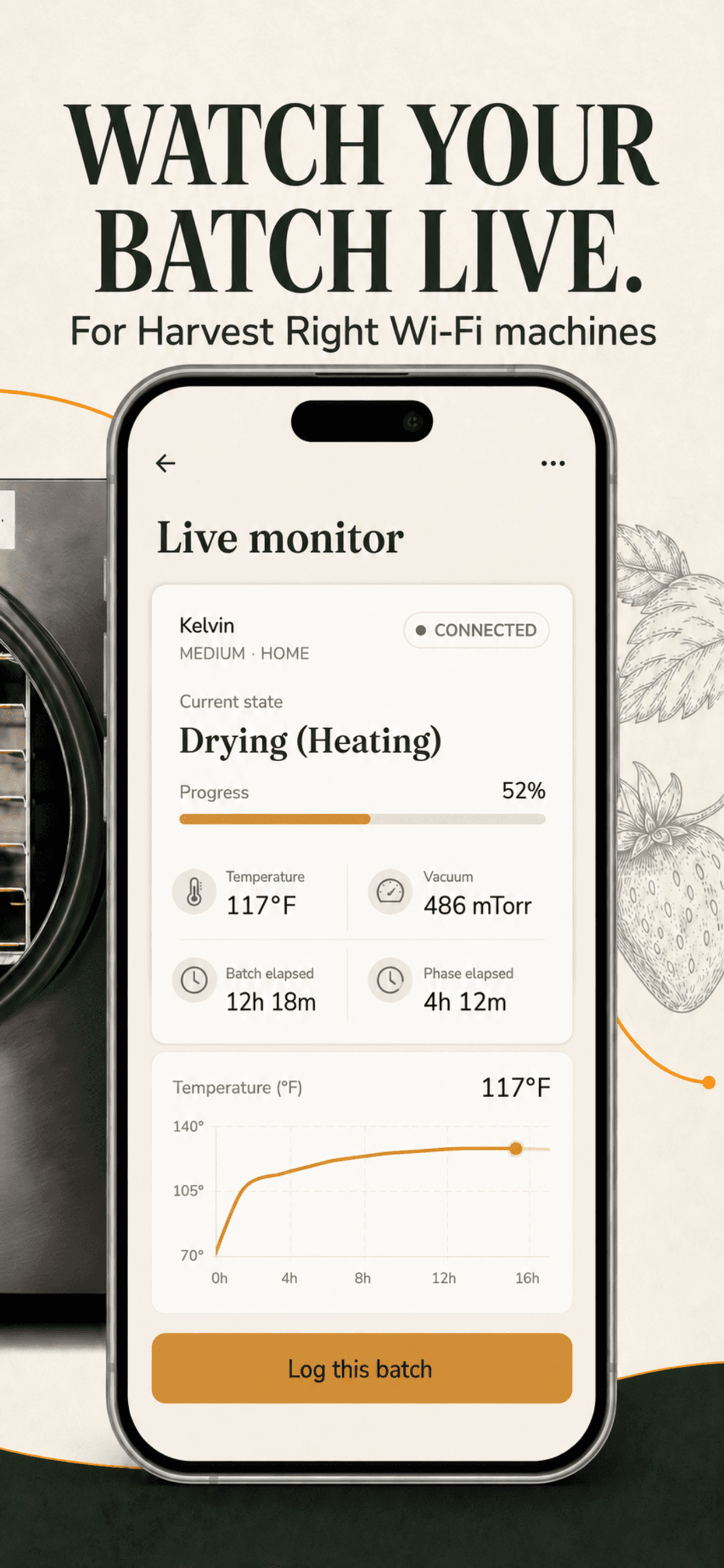
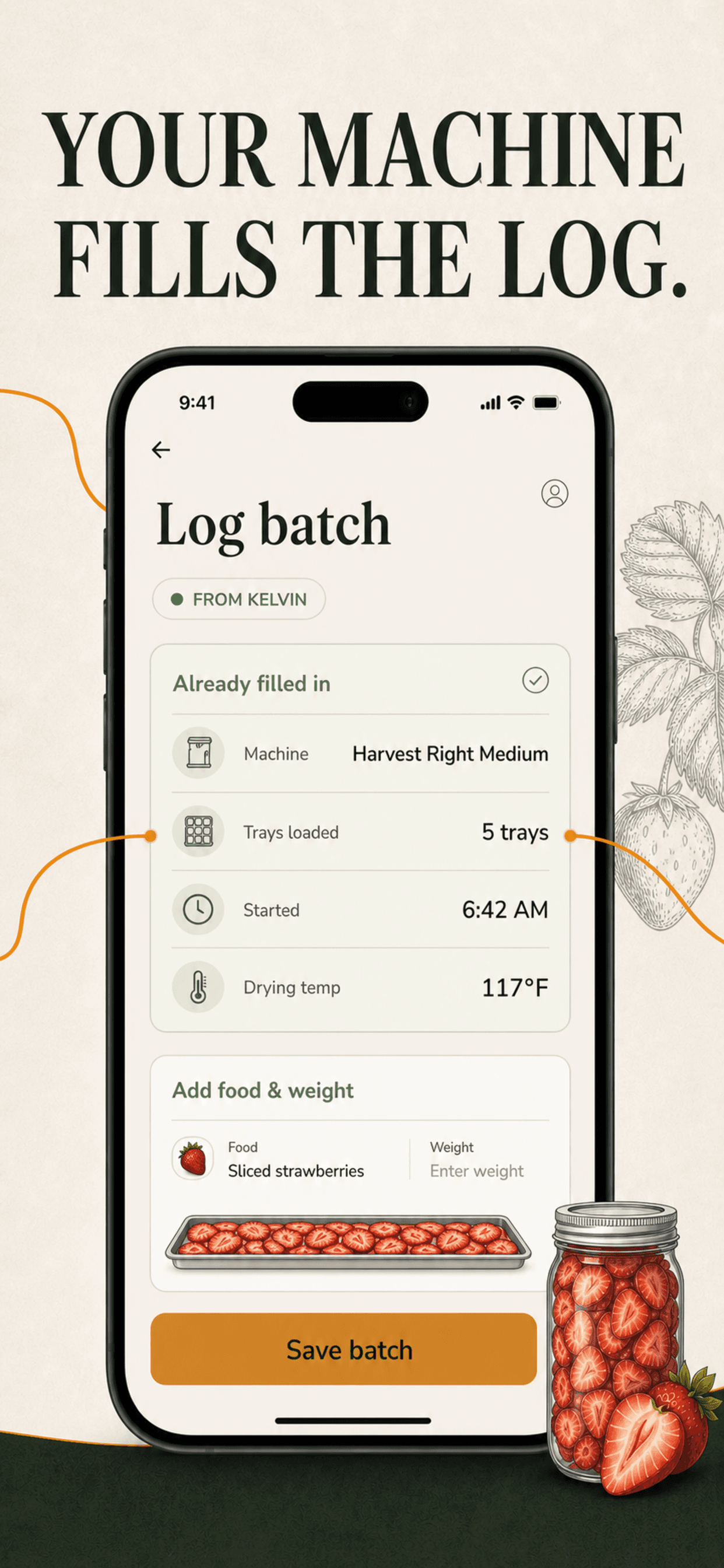
Claim It screenshots
Brandon Whiteleather

Brandon Whiteleather

Founder & CEO of Freeze Dry Buddy

Freeze drying made foolproof, from a homesteader who's done it 1,000 times.

Top Food App1.4M+ followers
Read the case study

Creator app strategy

Curious what your app could be?

Enter your handle and BUILT BY FOUNDRY will research your audience and present custom app concepts. Free.

Philipp Dettmer: 25.8M Kurzgesagt Subscribers, a $27.90 Calendar and a $2.99 App