
Case Studies & Success Stories

Zach King: 3 Books, 3 Free Apps, One Paid Story

November 15, 2026
Share
Zach King: 3 Books, 3 Free Apps, One Paid Story

Get Creator Revenue Insights

How creators are turning audiences into subscription businesses
Share
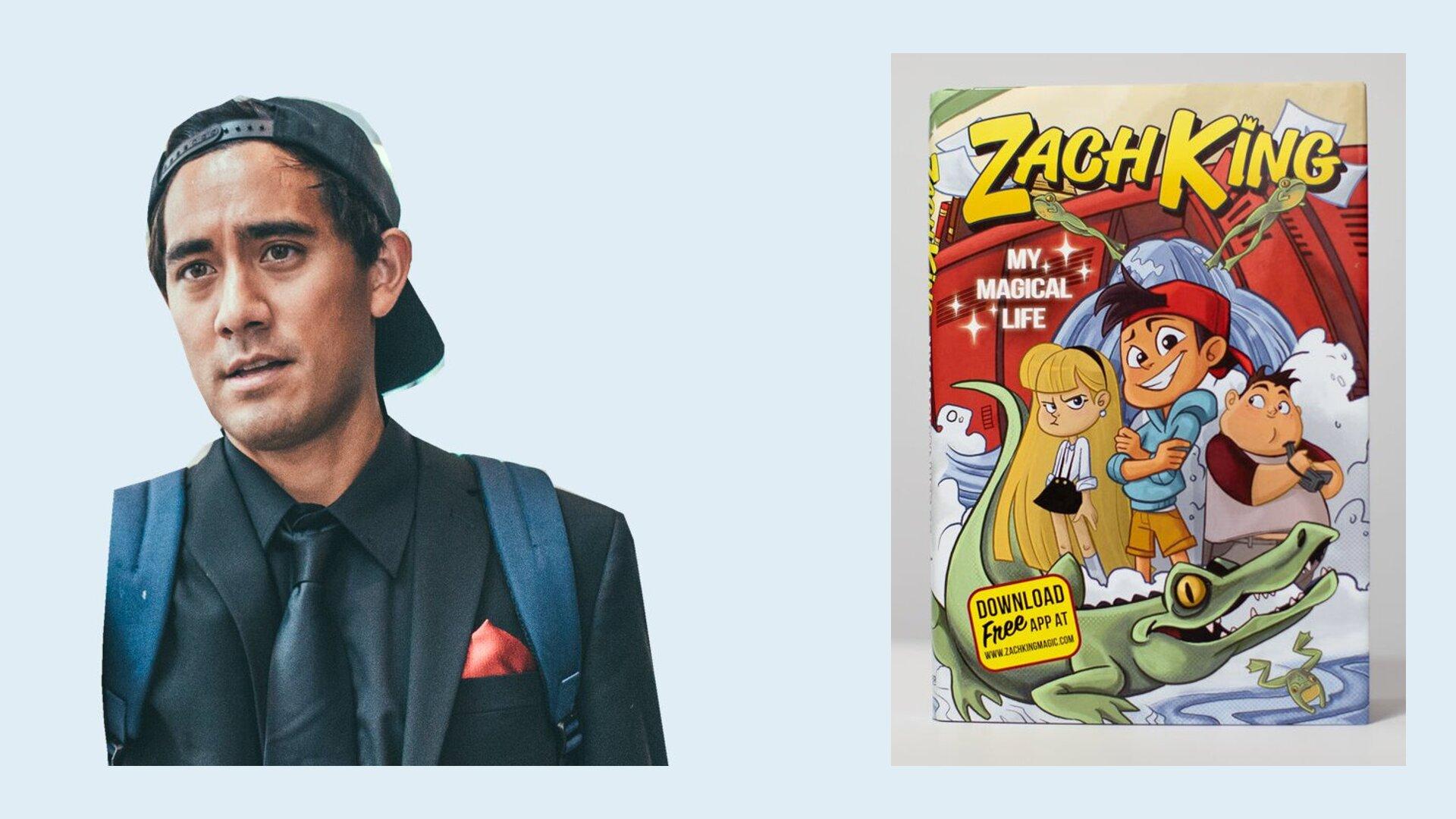
Zach King sells a book that promises to do something a printed book usually cannot: make its illustrations move. His store displayed My Magical Life at $13.25 when we checked on November 15, 2026. The companion iOS app was free. That arrangement extends across three books and three companion apps. It gives creators a useful example of product design: a digital experience can help sell and enrich a physical product, with the purchase happening outside the app. Key takeaways:
  • King's series pairs three children's books with three free AR companions.
  • The paid story and the free interaction have distinct jobs in the same offer.
  • All three iOS listings show July 2019 updates. Listing availability establishes neither current device compatibility nor sales results.
A book can sit on a shelf for years. The software advertised on its cover needs someone responsible for what happens when a reader finally downloads it. Zach King turns visual magic into children's fiction and pairs the printed stories with free AR apps. His filmmaking makes everyday objects behave impossibly. You can see the format on his YouTube channel and Instagram: a recognizable situation, a small story, then a visual surprise. TED describes his Los Angeles studio as a business focused on content that sparks imagination. His early products served a different audience. He sold a mail-order editing course to help pay for film school, he told The Guardian in 2020. Teaching the technique and entertaining an audience were different businesses built from the same filmmaking skill. The children's books make another choice. They turn his magic into a fictional world a reader can spend time inside. Puffin's first-book listing describes a school story about a young Zach struggling with his powers. It credits Beverly Arce as illustrator and dates that edition to September 2017. For a creator considering a first product, the useful question is what the audience wants to carry away from the content. Some viewers want to learn your technique. Others want more time with your characters, taste or stories. Those needs call for different products. King's book gives the second group something substantial to buy: a story with a beginning, middle and end, illustrated in a world they already recognize.
See What We’d Build You →
King's book site presents My Magical Life, The Magical Mix-Up and Mirror Magic as a series. Each has its own free companion. Apple's US listings identify King Studio, LLC as the seller of all three. The product identities matter because a buyer needs the app that goes with the book in front of them. These were the listings and latest release dates returned by Apple's US lookup on November 15:
BookFree iOS companionLatest listed update
My Magical LifeMy Magical Life ARJuly 12, 2019
The Magical Mix-UpThe Magical Mix-Up ARJuly 12, 2019
Mirror MagicMirror Magic ARJuly 20, 2019
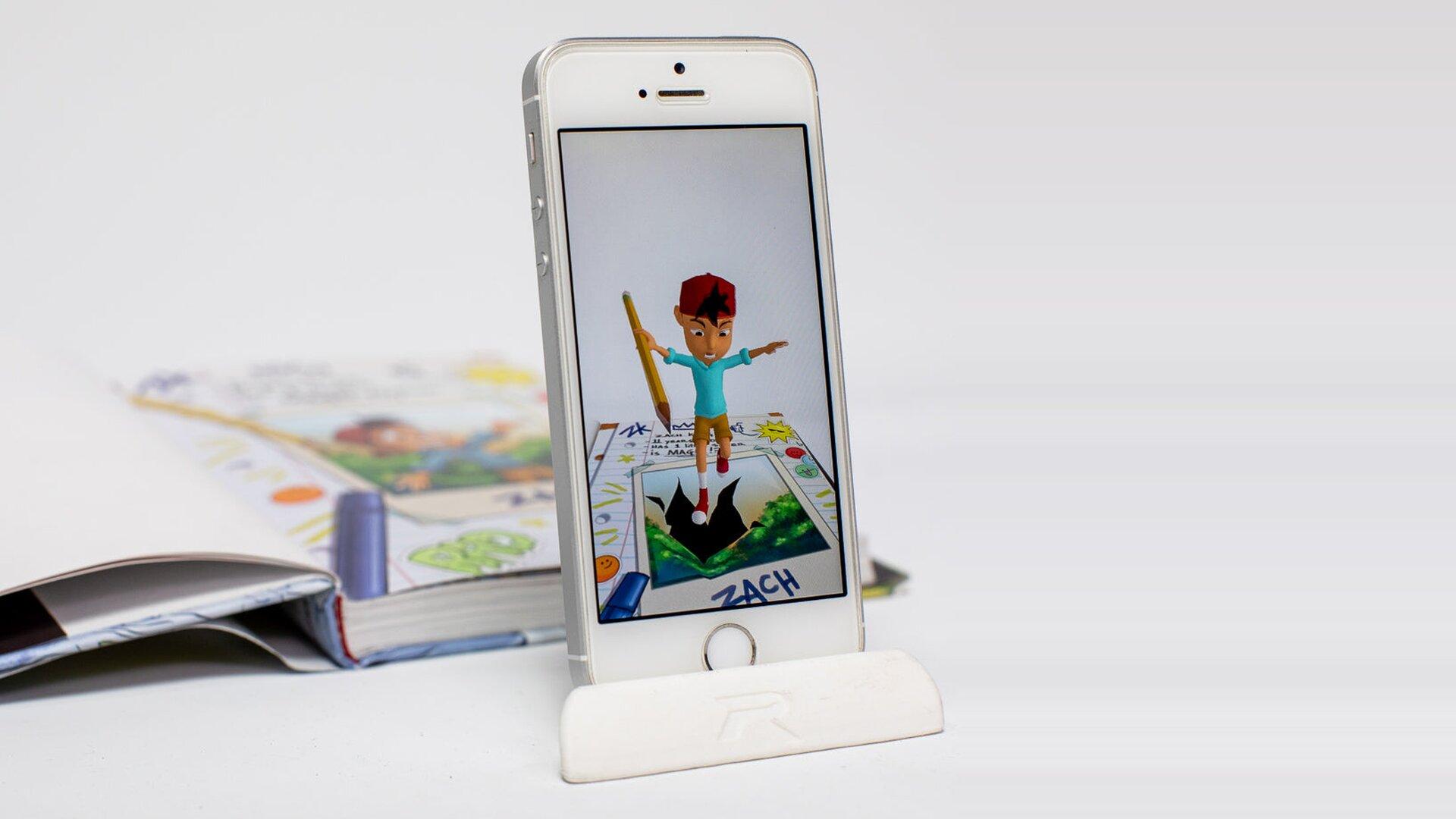
King Studio calls the first app a "free companion app" in its App Store description. A companion app adds a digital function to another product. Here, readers scan and tap the pages to interact with animated characters and objects. The book supplies the story and the illustrations; the software supplies an extra way to encounter them.
Official store photograph of an open My Magical Life book and its AR character displayed on a phone stand
Source: Zach King's store product photography. This shows the advertised interaction, rather than a device test performed for this article. A creator can apply that division before choosing a technology. Write down the object or experience a customer buys, then the specific job its digital companion does. A craft kit might need instructions. A field guide might need identification tools. A story can offer interaction with its characters. Our guide to five signals of creator-product fit helps test whether that extra job matters to customers before paying to build it. King's public listings establish how his products are packaged. They disclose neither book sales nor the effect of the apps on purchases. Zach King's free apps deliver an interactive layer of the paid books without a second payment. A parent buying the advertised package can understand the arrangement: buy the story, download its companion, scan the artwork. That is a different commercial job from a subscription product. A subscription has to give customers continuing reasons to renew. Here, the digital experience helps deliver the promise attached to a single physical sale. King's free-app choice is coherent with that promise. Public sources do not reveal his costs or whether another pricing model would earn more. For comparison, Mark Rober's CrunchLabs packages engineering entertainment around a continuing supply of physical projects. The reason to pay again lives in the next delivery. King's three-book catalog offers separate stories a customer can choose to purchase. Creators benefit from deciding where a repeat purchase would come from before adding a monthly price. Is there another consumable, project, lesson or service the buyer will need? Who will produce it? How often can the business deliver it well? The answers may support a subscription, a sequence of individual purchases or a paid physical product with free software. King's example makes that last option tangible. Charging for every component would change the offer, including what a buyer reasonably expects to receive with the book. The cover photographed in King's store advertises a free app. A future buyer can encounter that promise long after the original launch campaign ends. All three iOS listings remained available in our November check, and all showed their latest updates in July 2019. Those dates establish release history. They do not establish that the apps are broken, abandoned or compatible with every current device. We did not run the apps against physical copies for this profile. For a creator planning a similar product, that uncertainty belongs in the operating plan. Before printing the download promise, assign responsibility for testing the companion on supported devices, keeping download instructions accurate and helping customers who cannot use it. Decide what the buyer should receive if support eventually ends. The cost belongs in the product's economics even when the download is free. Printing, fulfillment, retailer or publisher terms and ongoing software work all affect what remains from a sale. King's public prices cannot tell us his margin. Our guide to the costs of running an app offers a starting checklist for the digital portion; a physical business needs its own full calculation. At Built by Foundry, ongoing product operation is part of the work after launch. We build and run businesses with creators, including the support and improvements a paying customer will eventually need. King's books put a particularly clear version of that responsibility in print: the reader buys a story, and the cover tells them there is more to discover when they open the app.
See What We’d Build You →
Our work

Creators who already did this

These are apps we designed, built, shipped, and still run today, with the creator keeping the code and the audience.

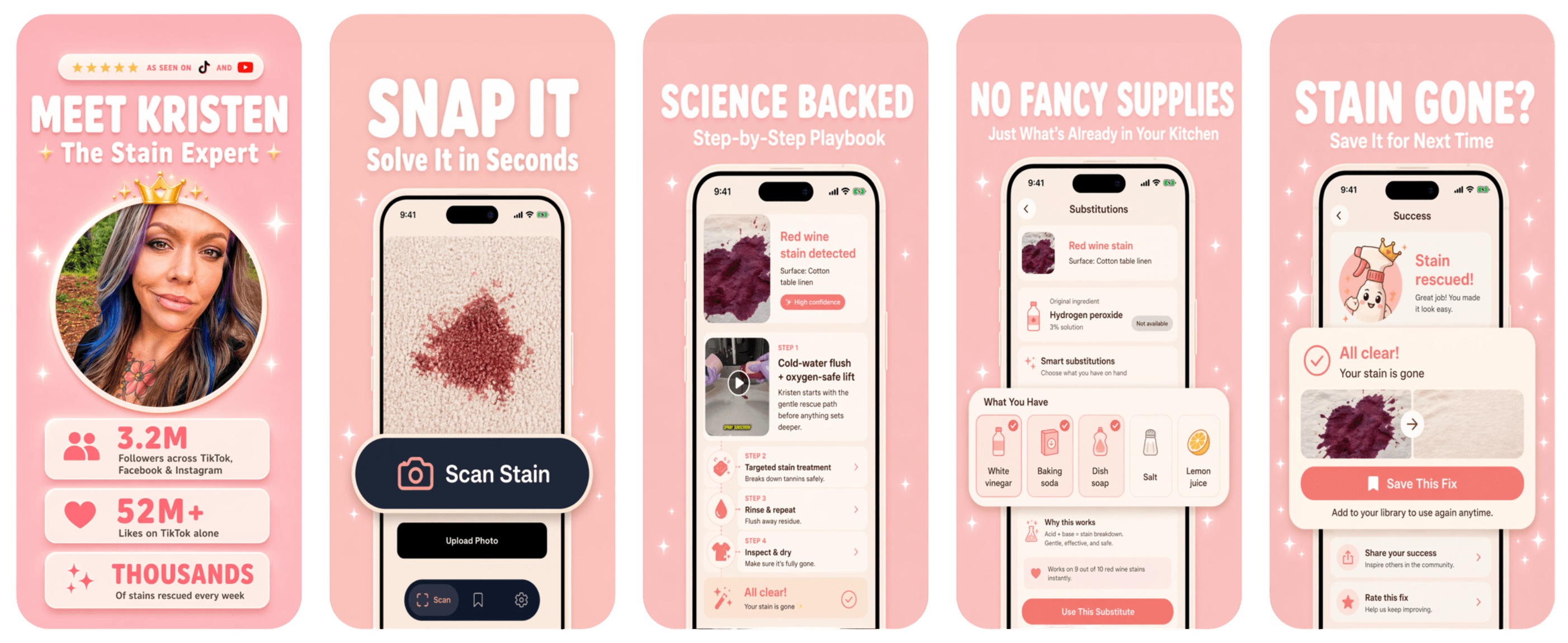
Kristen Donathan

Kristen Donathan

Founder & CEO of Stain Fix

Snap a stain. Get the fix in seconds.

Top Lifestyle App1.5M+ followers
Read the case study
Stain Fix screenshots
Ellie Fausett

Ellie Fausett

Founder & CEO of Vector Guard

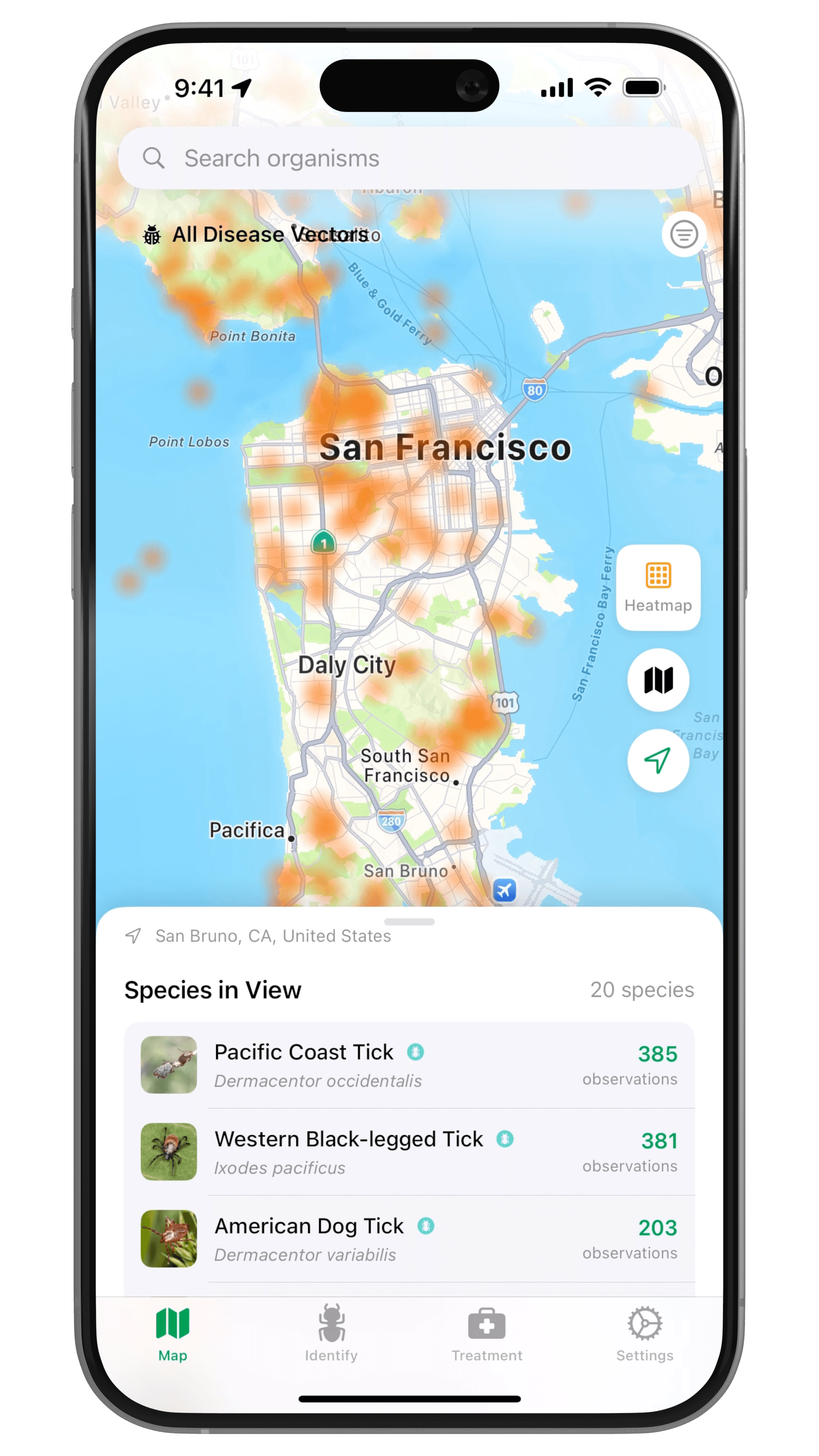
Spot disease-carrying pests before they reach your family.

Top Health App
Read the case study
Vector Guard screenshots
Samantha Mae

Samantha Mae

Founder & CEO of NineLives

Cat health tracking from the world's most beloved Scottish Fold.

Top Health App150K+ followers
Read the case study
NineLives screenshots

Creator app strategy

Curious what your app could be?

Enter your handle and BUILT BY FOUNDRY will research your audience and present custom app concepts. Free.

Zach King: 3 Books, 3 Free Apps, One Paid Story