


- 79% of people check an app's rating before they download it, and the number climbs to 80% for paid apps (Apptentive)
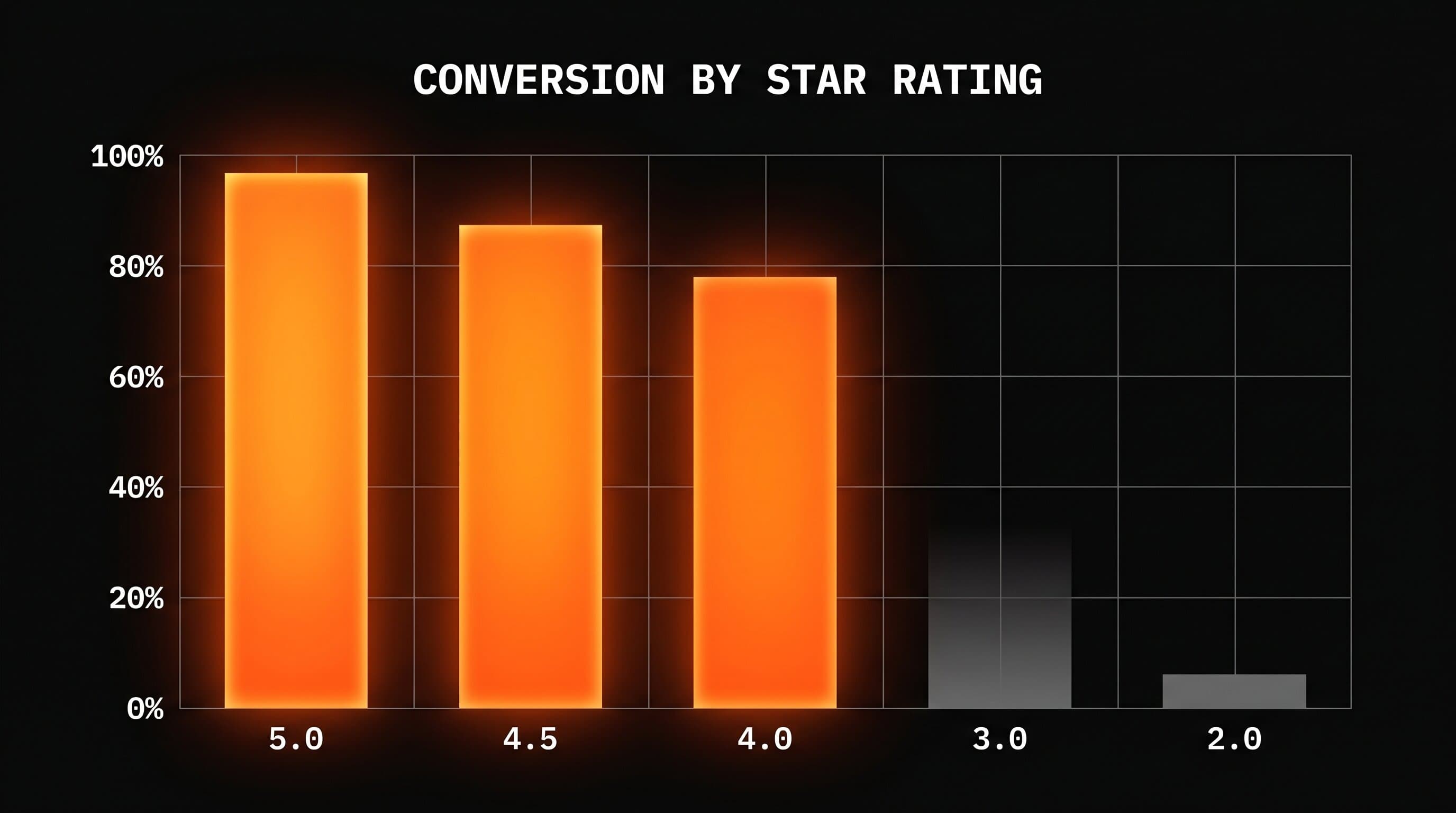
- 4.0 stars is the cliff: a 4.5-star app converts roughly 16% better than a 4.0-star app, and a 3.0-star app loses almost half the installs a 5.0-star app would get
- Apps rated 4.5 or higher are about 2.1x more likely to rank in the top 50 of their category
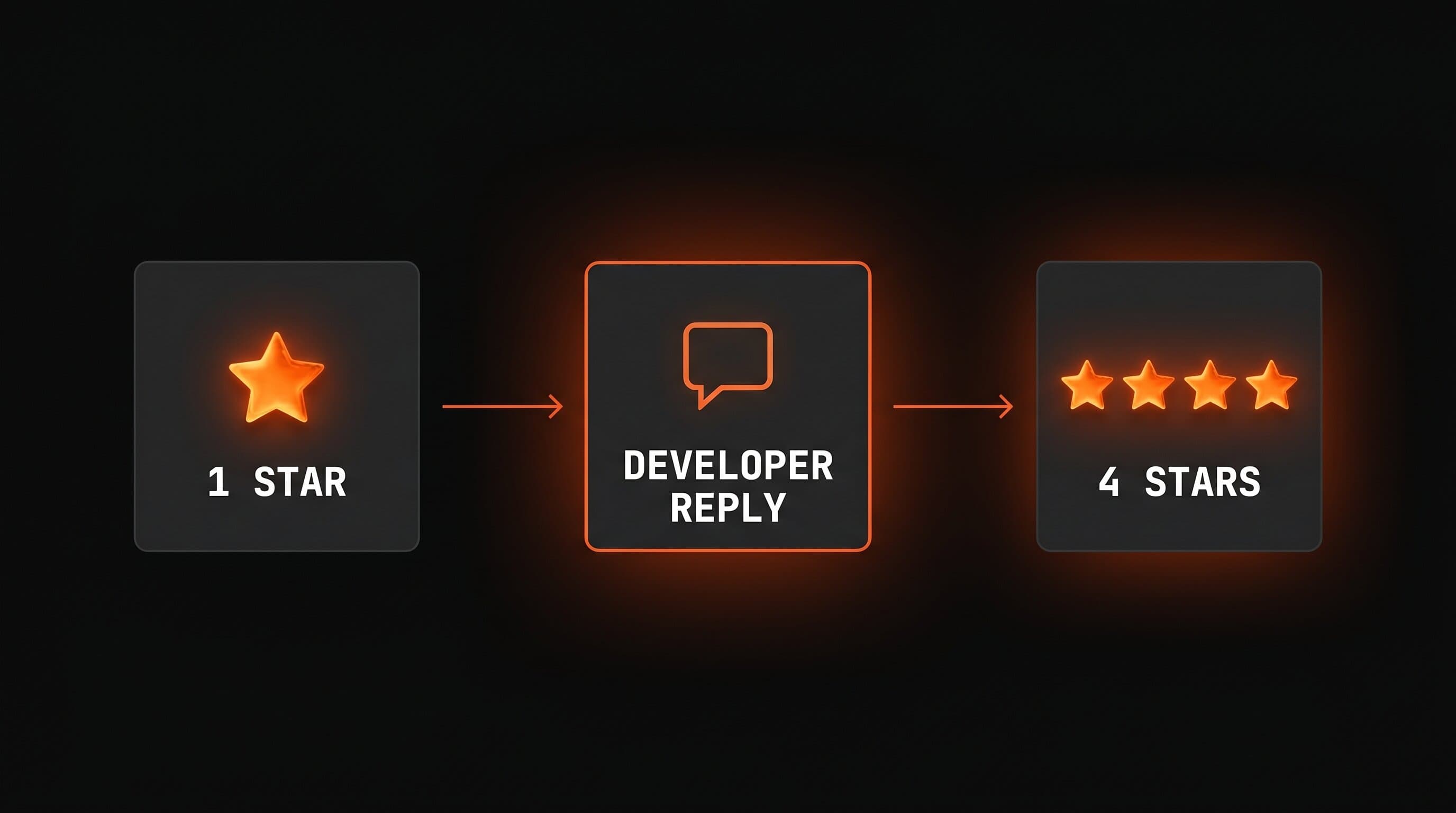
- Replying to reviews lifts your average rating by around 0.7 stars, because users who get a response are about six times more likely to raise their score
- A creator's audience is the single biggest review advantage on the App Store, and almost nobody uses it on purpose
Why App Store Reviews Decide Your Revenue
| Star Rating | Relative Conversion | What It Means |
|---|---|---|
| 5.0 | 1.00 | Every install the listing can earn |
| 4.5 | 0.96 | Almost no penalty, the safe zone |
| 4.0 | 0.83 | You just lost 1 in 6 downloads |
| 3.0 | 0.57 | Nearly half your installs gone |
| 2.0 | 0.15 | The listing is effectively dead |
What Rating Do You Actually Need?
Our work
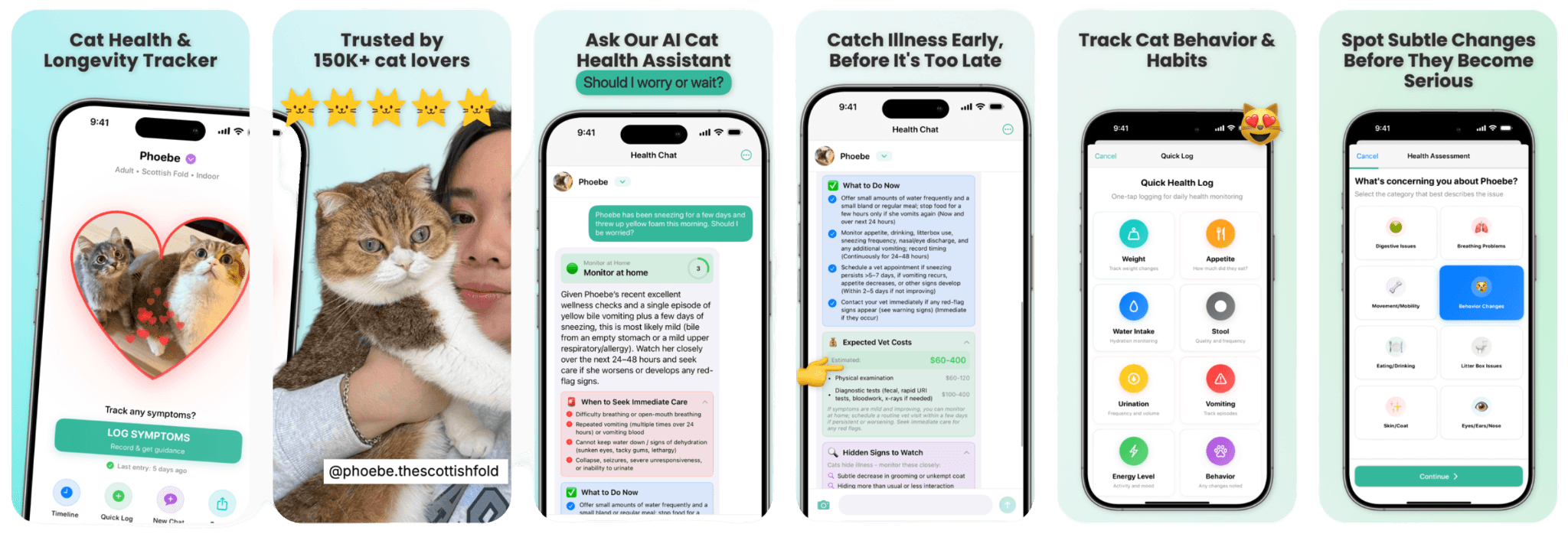
How Samantha Mae Turned a Cat Community Into the NineLives Health App
Samantha Mae's community shared cat-care questions that vanished into comment threads. We built NineLives with her — an iOS app that keeps every cat's health history in one place.
Read the case study → (opens in a new tab)When Should You Ask for a Review?
| Trigger | Why It Works |
|---|---|
| Finished their third session | They have a habit forming, not a first impression |
| Hit a streak or milestone | The app just made them feel accomplished |
| Saved or completed something | They invested effort and got a result |
| Returned after a break | They chose you again, that is real signal |
The Creator's Unfair Advantage in Reviews
Stop reading. Start building.
See What We’d Build You →
How Do You Handle Negative Reviews?
Live every Thursday
Watch us tear down a creator business, live
Every Thursday at 11 AM PT we take a real creator business and show the app hiding inside it: the wedge, the paid loop, the pricing, and what would sink it. Free, and the replay goes to everyone who registers.
Save your seat → (opens in a new tab)The Review Mistakes That Tank Creator Apps
- Prompting on launch. You burn one of your three annual shots on a user who has no reason to love the app yet.
- Going silent on bad reviews. Every unanswered one-star review is a rating boost you declined and a warning sign to the next reader.
- Never asking your audience. Your followers are the most motivated reviewers alive, and most creators never once point them at the listing.
- Asking after friction. A prompt right after a crash or a confusing paywall manufactures the exact reviews you fear.
- Treating reviews as vanity, not data. The written complaints are a free roadmap. Ignore them and the same issues keep generating one-star ratings.
From Creator to Founder
See What We’d Build You →