
Case Studies & Success Stories

Ethan Chlebowski Presold $320K of His Cook Well App

July 25, 2026
Share
Ethan Chlebowski Presold $320K of His Cook Well App

Get Creator Revenue Insights

How creators are turning audiences into subscription businesses
Share
Key Takeaways:
  • Ethan Chlebowski quit a Deloitte consulting job in 2019 with 900 YouTube subscribers. He now has 2.4 million.
  • Before shipping the Cook Well app, he ran a 30-day Kickstarter that pulled in $320,368 from 2,167 backers against a $100,000 goal, roughly $148 per backer.
  • The app launched in January 2026 at $9.99/month or $83.99/year with 520+ recipes and cooking frameworks.
  • He sold the app before he finished it. That order of operations is the part creators keep getting backwards.
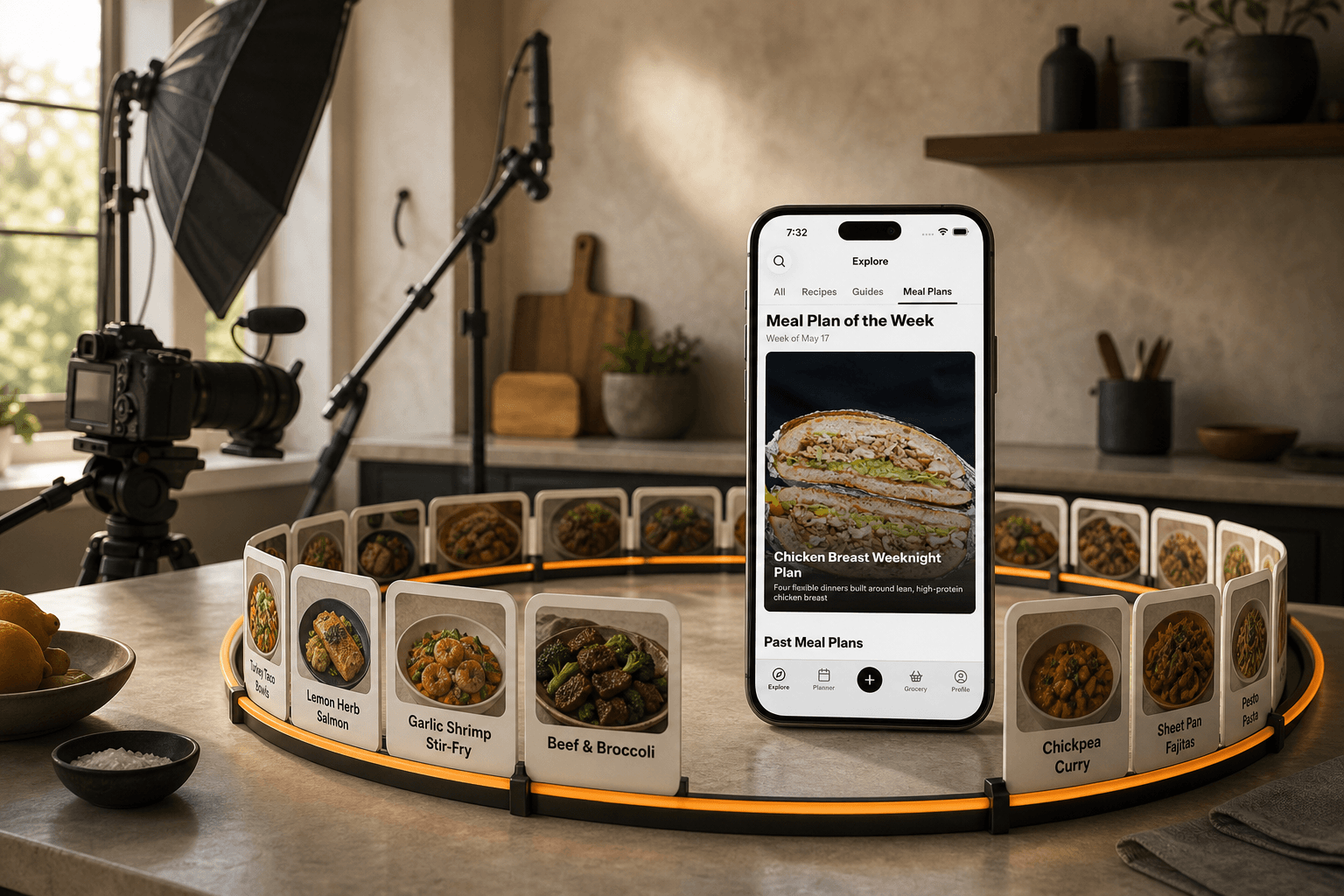
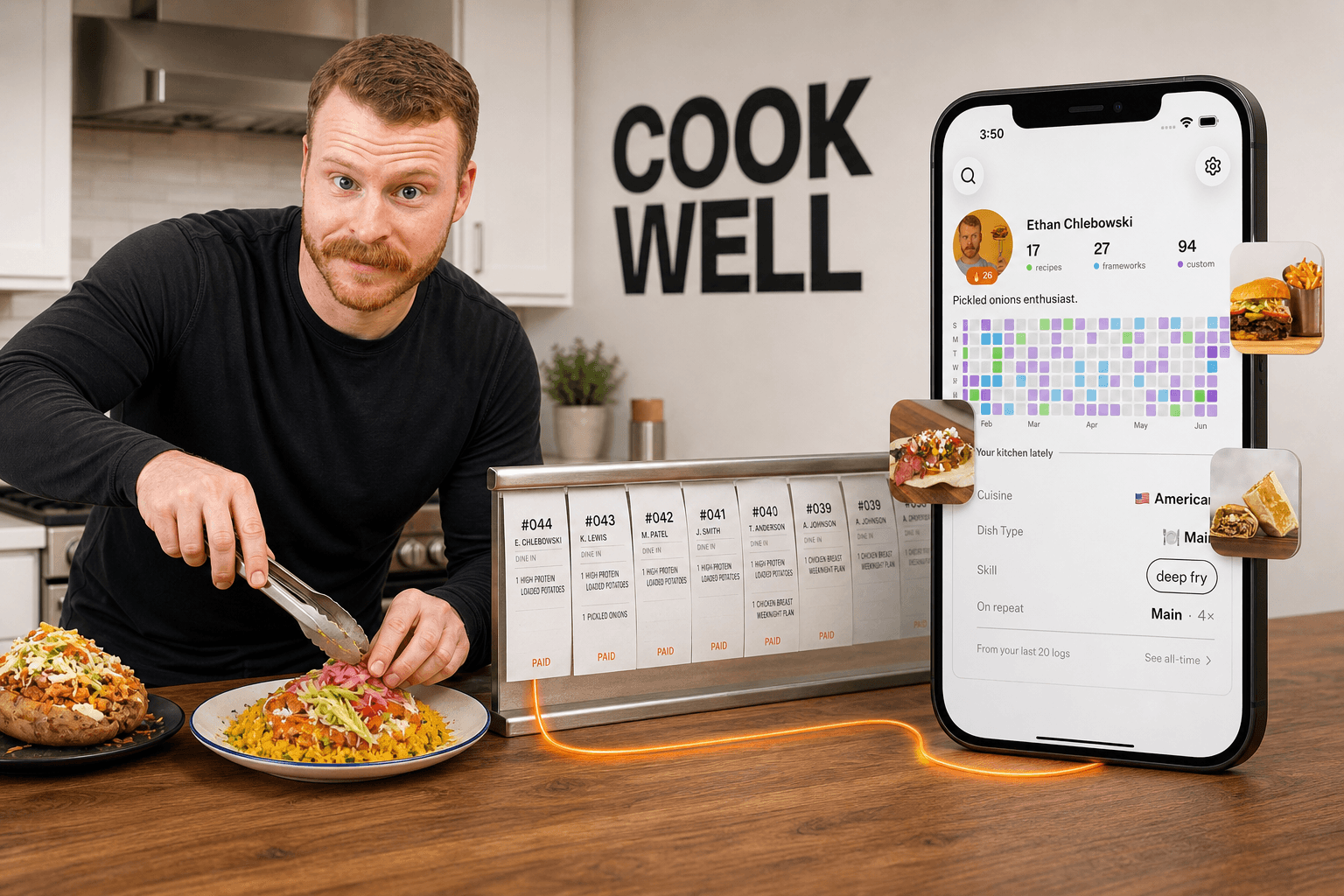
Ethan Chlebowski collected $320,368 for the Cook Well app before most of his audience had ever opened it. Not from a fund, not from a brand, not from a platform payout. From 2,167 individual people who paid up front for software that did not exist yet. That is the number to sit with. A cooking YouTuber turned a month of attention into a third of a million dollars in prepaid subscription revenue, then shipped the product with the money already in the bank. Here is how he got there, and what it costs you to keep waiting. Ethan Chlebowski is a cooking creator with 2.4 million subscribers on YouTube who explains why recipes work instead of just walking you through them. Side-by-side tests, ingredient logic, cost breakdowns. Engineering brain, home kitchen. He is not a chef. He graduated from NC State with an accounting degree and spent about three years as an analytics consultant at Deloitte. He started posting cooking videos in 2018 and had 900 subscribers after a year of work. Then he quit. NC State's Poole College reported he left Deloitte in the summer of 2019, moved home, and started publishing two to three videos a week. By summer 2020 he had 20,000 subscribers and part-time wages. By that July, 170,000. "I like to describe my success as the 'compound interest' of countless hours of hard work," he told the school. That compounding is the relatable origin. No agency, no viral stunt, no famous friend. A guy with a spreadsheet habit and a skillet. By selling the system instead of the recipes. Chlebowski's audience did not have a recipe shortage. They had a decision problem: what to cook this week, what to buy, and how to keep it up after the motivation fades. So Cook Well started as a paid web platform and newsletter, structured lessons and frameworks rather than a feed of dinners. That worked, but a website is a place people visit. Cooking happens on your feet, in a kitchen, with a phone propped against a cutting board. What is a creator app? A creator app is a subscription mobile product built around a creator's specific method, where the audience pays monthly for software instead of paying once for content. The move from web platform to app is the same one we mapped in how to turn a YouTube channel into a subscription app, and the same one Sorted Food made with Sidekick. The audience is already there. The product just has to meet them where the work happens. Cook Well is a $9.99/month cooking app that plans your week, builds your grocery list, and logs what you actually cooked. Annual is $83.99, which works out to two free months. It shipped on the App Store in January 2026 under Cook Well, Co. and sits at 4.2 stars. Inside: 520+ recipes and frameworks, a drag-and-drop weekly planner, auto-generated grocery lists sorted by store section, reusable week templates, and one-tap logging that builds a streak. "Not a recipe app," Chlebowski wrote when he announced it. "An app designed to teach you to think like a home cook."
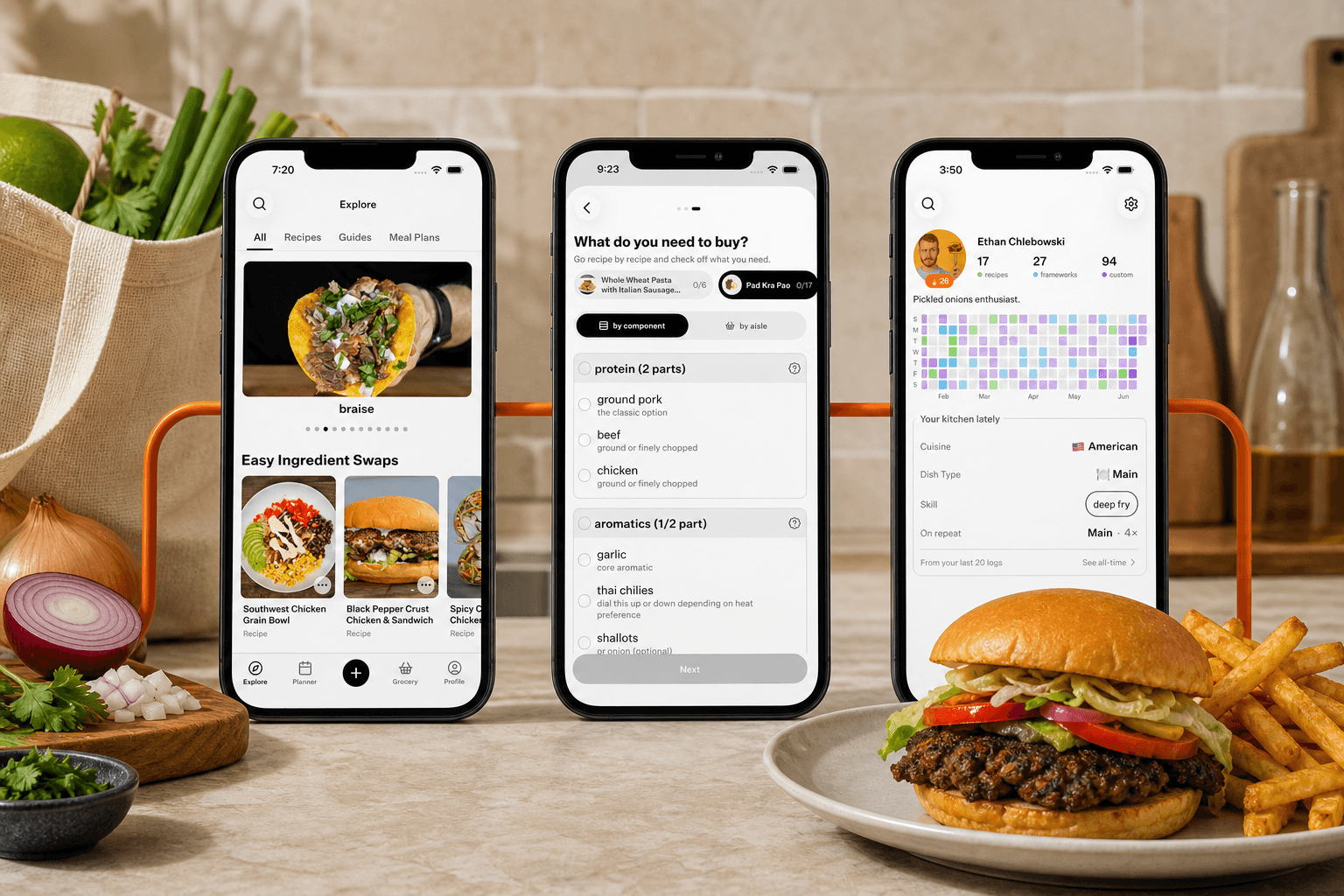
The Cook Well app's weekly meal planner and the profile screen tracking logged meals, streaks, and cooking patterns
Look at the second screen there. Every meal a subscriber logs turns into a data point about their kitchen: cuisines, skills, what they cook on repeat. That is a retention feature and a content engine in one. Every leaderboard, streak, and "what my last 20 logs say about me" screenshot is a video he did not have to invent from scratch. From June 25 to July 25, 2025, Chlebowski ran a Kickstarter for the app. The goal was $100,000. It cleared that in under a week and finished at $320,368 from 2,167 backers. Run the average: about $148 per backer. Nobody pays $148 for a maybe. They were buying multi-year and lifetime access to a cooking system from someone whose free videos had already earned it. Three things happened at once, and creators usually only get one of them:
  • He got paid before he built. Development costs were covered by the customers, not by his savings or an investor.
  • He got proof. 2,167 people paying real money is a harder validation signal than any survey, comment section, or waitlist. This is idea validation with a receipt attached.
  • He got a launch cohort. Day one of the app had thousands of committed users instead of an empty leaderboard, which is the hardest part of getting your first 1,000 app subscribers.
Compare that to how the same audience gets monetized on the standard creator path.
Monetization PathWhat He CollectsRepeats Monthly?Who Owns the Customer
Sponsored video$10,000 to $40,000 onceNoThe brand
Ad revenuePennies per view, platform sets the rateOnly if you keep postingThe platform
One-time cookbook or course$30 to $100 onceNoYou, for one sale
Subscription app$9.99/month per user, foreverYesYou
The $320,368 is the headline, but it is the smaller number. If those 2,167 backers renew at $83.99 a year, that is roughly $182,000 a year, about $15,000 a month, from a group that fits in one high school gym. Now scale it against the audience. Cook Well needs a fraction of one percent of 2.4 million subscribers to clear $50,000 a month. A creator with 50,000 engaged followers and a real method can run the same arithmetic and land somewhere between rent money and a company, which is exactly why pricing a creator subscription app matters more than chasing reach.
A dark kitchen counter at night with a phone, chef's knife, and prepped ingredients under a warm orange light
The other thing recurring revenue buys is patience. Chlebowski's videos still perform, but the app does not care whether last week's upload hit the algorithm. Subscriptions renew on their own schedule. A creator's income resets to zero when the posting stops; a founder's does not. 1. Sell the system, not the content. Chlebowski's videos were already free and excellent. People paid for structure: the planner, the lists, the logging. Your audience will pay for the thing that makes your advice repeatable, not for the advice again. 2. Collect money before you write code. A presale is the only validation that spends. It tells you the price is right, funds the build, and hands you a launch cohort. Guessing is the expensive option. 3. Build the daily loop. Meal planning, grocery lists, and logging pull a subscriber back several times a week. Fans who open your app on a Tuesday afternoon do not unfollow, and they generate the material you post about next. Chlebowski shipped his in January 2026, three years after starting the paid platform. Most creators are still deciding. Pick Up Limes went from dietitian videos to a full recipe app on the same logic, and the pattern repeats across every niche we look at: the creators who own software outlast the ones who rent attention. The campaign raised $320,368 from 2,167 backers between June 25 and July 25, 2025, against a $100,000 goal. It passed the goal in under a week. $9.99 per month or $83.99 per year on iOS and Android, which is roughly two months free on the annual plan. About 2.4 million. He started posting in 2018 and had 900 subscribers a year in, before quitting his consulting job in 2019. No. Cook Well's crowdfunding cohort was 2,167 people. At $9.99 a month, 1,000 paying subscribers is roughly $120,000 a year, and most creators with 50,000 engaged followers can reach that. Most agencies charge $50,000 to $200,000. Built by Foundry charges $0 upfront, builds in about three weeks, takes a revenue share, and runs the app forever after launch. Chlebowski's audience found him through videos about why a burger tastes better with a smashed patty. They pay him through software that tells them what to cook on Thursday. Those are two different businesses, and only one of them keeps earning while he sleeps. He presold $320,368 of an app he had not finished, because seven years of free work had already answered the only question that matters: do these people trust me enough to pay before they see it? Yours probably would too. You just have not asked. Want to turn your method into an app your audience opens every week? We build custom apps for creators, $0 upfront, 3-week delivery, and we handle all the tech forever.
Let's Build →
Our work

Creators who already did this

These are apps we designed, built, shipped, and still run today, with the creator keeping the code and the audience.

Creator app strategy

Curious what your app could be?

Enter your handle and Built by Foundry will research your audience and present custom app concepts. Free.