
Case Studies & Success Stories

Pick Up Limes: Dietitian to 4.3M-Sub Recipe App

Foundry
June 3, 2026
Share
Pick Up Limes: Dietitian to 4.3M-Sub Recipe App

Get Creator Revenue Insights

How creators are turning audiences into subscription businesses
Share
Sadia Badiei quit a hospital dietitian job in Vancouver and started filming plant-based recipes from a rented kitchen in the Netherlands. Ten years later she runs a recipe app with more than 1,700 recipes, a 4.9-star rating, and a paying subscriber base that opens the app to figure out dinner. Most of those subscribers have never watched a full YouTube video. That is the part the follower count hides. The audience is the on-ramp. The app is the business. Key Takeaways:
  • Sadia Badiei built Pick Up Limes into a YouTube channel with more than 4.3 million subscribers, up from 2.6 million in April 2020 per the Taipei Times
  • She launched the Pick Up Limes app with 1,700+ plant-based recipes, personalized meal plans, and a "Nourish Method" that skips calorie counting
  • The app holds a 4.9-star rating across 1,100+ reviews and runs on a subscription: $5.49/month or $39.99/year after a 7-day free trial
  • She gave away years of free recipes before charging a cent, then sold software to the audience that trust built
  • A free YouTube video earns once. An app subscription earns every month the recipe stays useful
Sadia Badiei is a Canadian registered dietitian and the founder of Pick Up Limes, a plant-based food and wellness brand. She holds a BSc in Dietetics and worked as a dietitian at a hospital in Vancouver before going full time on content. Her channel now has more than 4.3 million YouTube subscribers and a comparable following on Instagram. She is not a chef who got famous. She is a clinician who taught nutrition the way a friend would, then turned that teaching into a product people pay for. Her origin is the relatable kind. No viral moment, no investor, no celebrity head start. A dietitian who liked making videos, moved to Eindhoven, and pointed a camera at her kitchen.
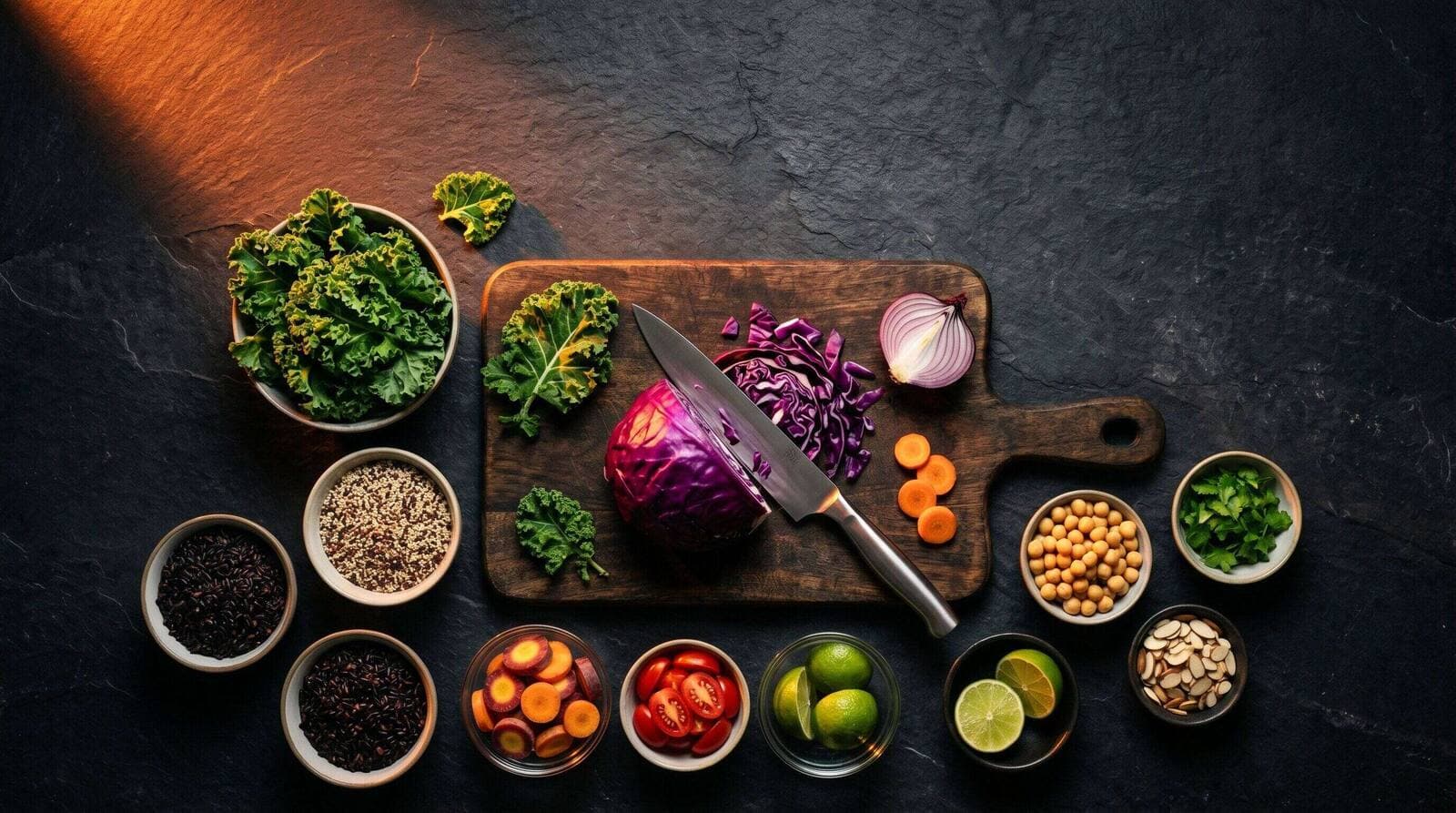
Plant-based ingredients prepped for a Pick Up Limes recipe
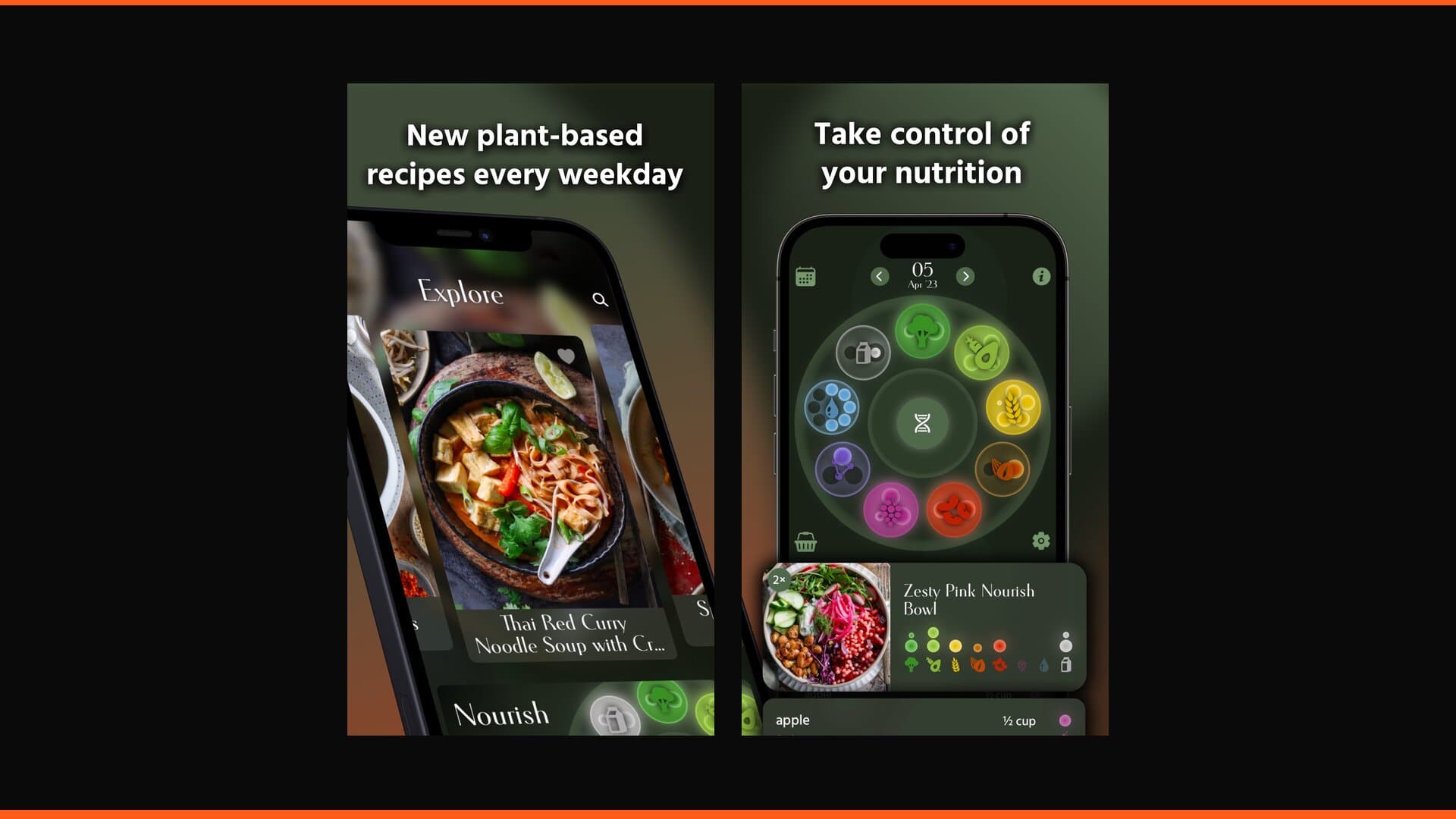
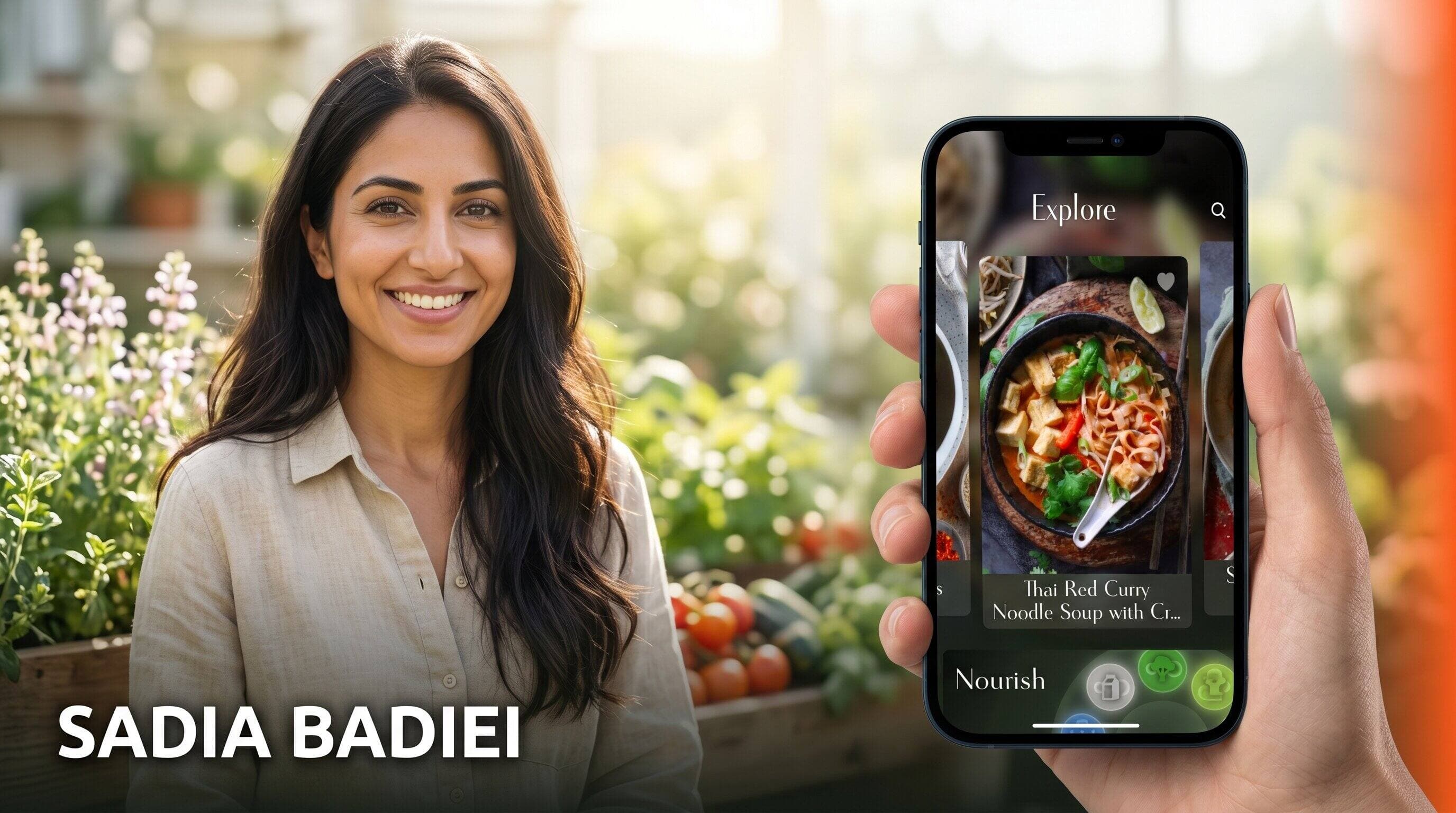
Badiei started the Pick Up Limes blog around 2014 and the YouTube channel in October 2016. The pitch was simple: plant-based meals that a beginner could actually cook, explained by someone with a clinical nutrition background. The Taipei Times profiled her in 2020 as a Canadian dietetics graduate shooting from her home kitchen in the Netherlands, with most dishes built around roughly $2 per serving. The content worked because it solved a real problem. People want to eat more plants and have no idea where to start. Badiei answered that question a few hundred times, for free, with the calm authority of someone who studied it. By April 2020 the channel had 2.6 million subscribers. It has since passed 4.3 million. That growth came from depth, not stunts. The same instinct that makes good content, answering the question completely, is what makes good software. The Pick Up Limes app is a plant-based recipe and meal-planning app with more than 1,700 recipes, personalized meal plans, grocery lists, and number-free nutrition tracking. It is published by Pick Up Limes B.V. on the App Store and Google Play. The design choice that matters is the "Nourish Method," which tracks whether a plate is balanced instead of counting calories. That is a clinical opinion turned into a product feature. A generic recipe app cannot ship that, because a generic recipe app does not have a dietitian behind it. The app earns a 4.9-star rating across 1,100+ App Store reviews. New recipes get added on a steady schedule, which is the recurring reason a subscriber keeps the app installed. A YouTube video gets watched once. A meal planner gets opened every Sunday. The app runs on a straightforward subscription with a free trial, priced for a daily-use utility rather than a one-time download.
TierPrice (US)What You Get
Free trial7 daysFull access to test the app
Monthly$5.49/month1,700+ recipes, meal plans, grocery lists
Annual$39.99/yearSame access, roughly 40% cheaper than monthly
The annual plan is the quiet winner. At $39.99 a year it locks in twelve months of revenue up front and cuts churn to a single yearly decision. We broke down why that math favors creators in annual vs monthly app subscriptions. Run the numbers. A creator with even a fraction of Badiei's audience converting to a $39.99 annual plan builds recurring revenue that a sponsorship cannot match. Ten thousand annual subscribers is roughly $400,000 a year that renews while she sleeps. A brand deal pays once and disappears. Here is the move most creators get backwards. Badiei did not gate her best content. She gave away years of free recipes, built trust, then sold software to the people that trust created. The free YouTube library is not the product. It is the proof. By the time someone downloads the app, they already know Badiei's recipes work, because they have cooked a dozen of them for free. The subscription is just the convenient, searchable, planned version of something they already rely on. This is the same pattern Caroline Girvan used to turn free YouTube workouts into a paid fitness app. Give the work away to earn the trust. Sell the tool that makes the work easier. The audience does not feel sold to, because the paid product is a genuine upgrade over the free one. Food is a particularly strong category for this because the question never stops. "What do I cook tonight" is a problem people have 365 times a year. An app that answers it earns its keep every single week.
Pick Up Limes app recipe and meal-plan interface
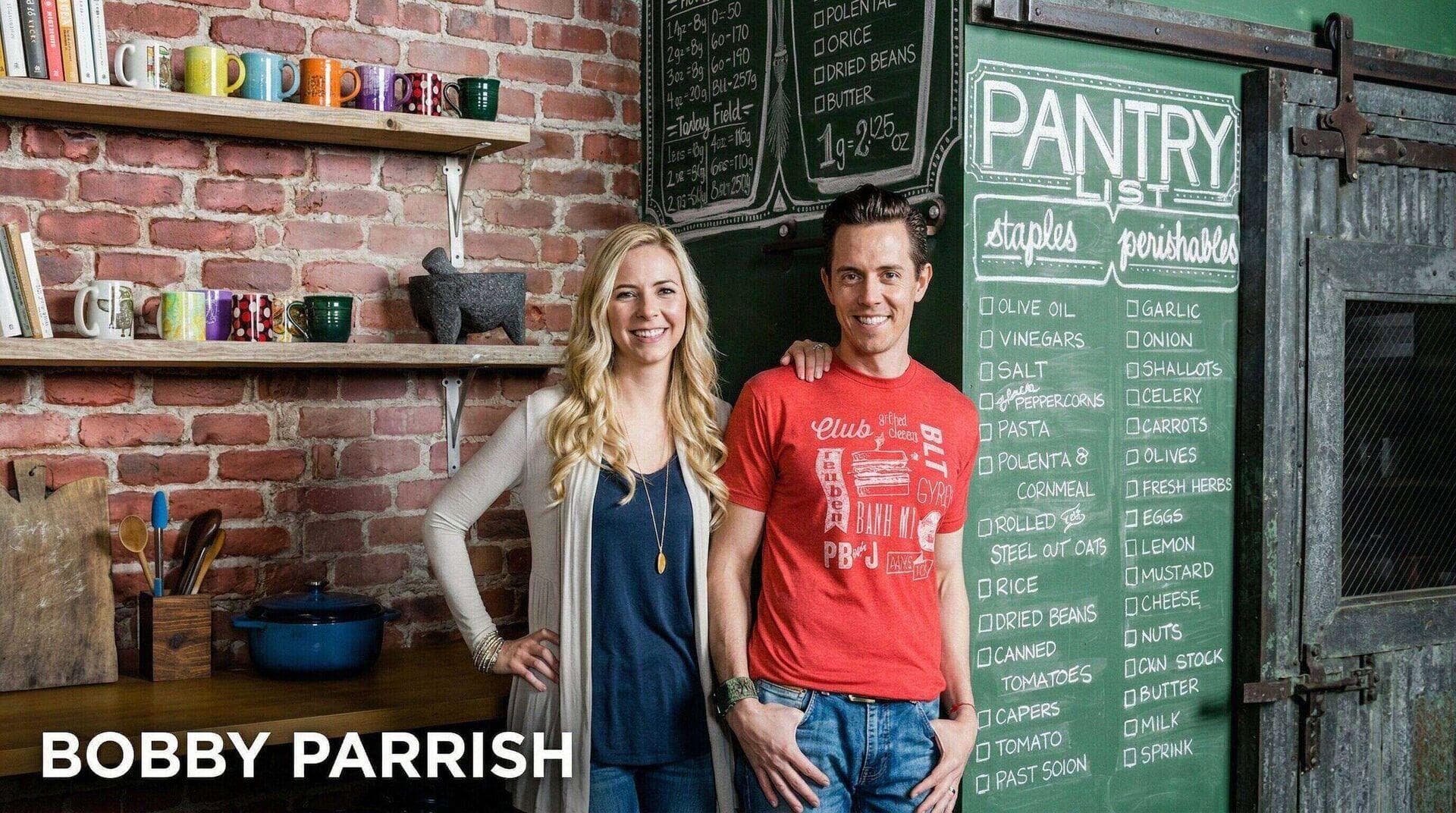
The lessons stack: Expertise is the moat. Badiei is a registered dietitian, so the app can make nutrition claims a content creator cannot. Your credential, your niche, your hard-won knowledge: that is the thing an app can package that a competitor cannot copy. The "Nourish Method" is not a feature a vibe-coding tool would have invented. It came from a clinician's point of view. Build the thing people use, not the thing people watch. A video is entertainment. A meal planner is infrastructure. The strongest creator apps slot into a routine the user already has, as we covered in the guide on turning a YouTube channel into a subscription app. Recurring beats viral. A million views is a spike. A thousand annual subscribers is a baseline that compounds. Badiei traded the dopamine of the view count for the stability of MRR, and the business got more valuable for it. The niche is the advantage, not the limit. Plant-based cooking sounds narrow. It is exactly that focus that lets the app out-serve any general recipe app. Bobby Parrish proved the same thing with FlavCity, turning a specific food point of view into a top-rated app. Specific wins. The structure is always the same: audience, trust, software, recurring revenue. In that order. Pick Up Limes built its app over years, with a team, on its own dime. Most creators do not have years or a development team. That is the gap Foundry closes. We build the app, ship it in three weeks, and run it forever on a revenue share. $0 upfront. We earn when you earn. You bring the audience and the expertise. We build the software and keep it running through ongoing App Care, so you never touch a build pipeline. The recurring revenue starts the day it ships. The Pick Up Limes app costs $5.49 per month or $39.99 per year in the US, after a 7-day free trial. The annual plan is roughly 40% cheaper per month than paying monthly. Sadia Badiei founded Pick Up Limes. She is a Canadian registered dietitian with a BSc in Dietetics who worked at a hospital in Vancouver before building the brand full time from the Netherlands. The app holds a 4.9-star rating across 1,100+ App Store reviews and adds new recipes regularly. For someone cooking plant-based meals consistently, the meal plans and grocery lists are the kind of weekly utility that justifies a subscription. The Pick Up Limes YouTube channel has more than 4.3 million subscribers, up from 2.6 million in April 2020. The brand has a comparable audience on Instagram. Yes. Foundry builds custom subscription apps for creators with $0 upfront on a revenue-share model, which gives creators the same software advantage without a development team or upfront budget. She gave away the recipes, earned the trust, and built the app her audience actually needed. The follower count was never the business. The subscription is. You have the audience and the expertise. The only question is whether you package it into software you own or keep renting your reach to brands.
Let's Build →

Creator app strategy

Want us to review your creator business?

Apply for a Foundry Creator App Review. We'll tell you whether there is a real app opportunity hiding in your audience.

Pick Up Limes: Dietitian to 4.3M-Sub Recipe App