
Case Studies & Success Stories

Caroline Chambers: 601,000 Subscribers and a Newsletter Priced Like a $35 Cookbook

October 26, 2026
Share
Caroline Chambers: 601,000 Subscribers and a Newsletter Priced Like a $35 Cookbook

Get Creator Revenue Insights

How creators are turning audiences into subscription businesses
Share
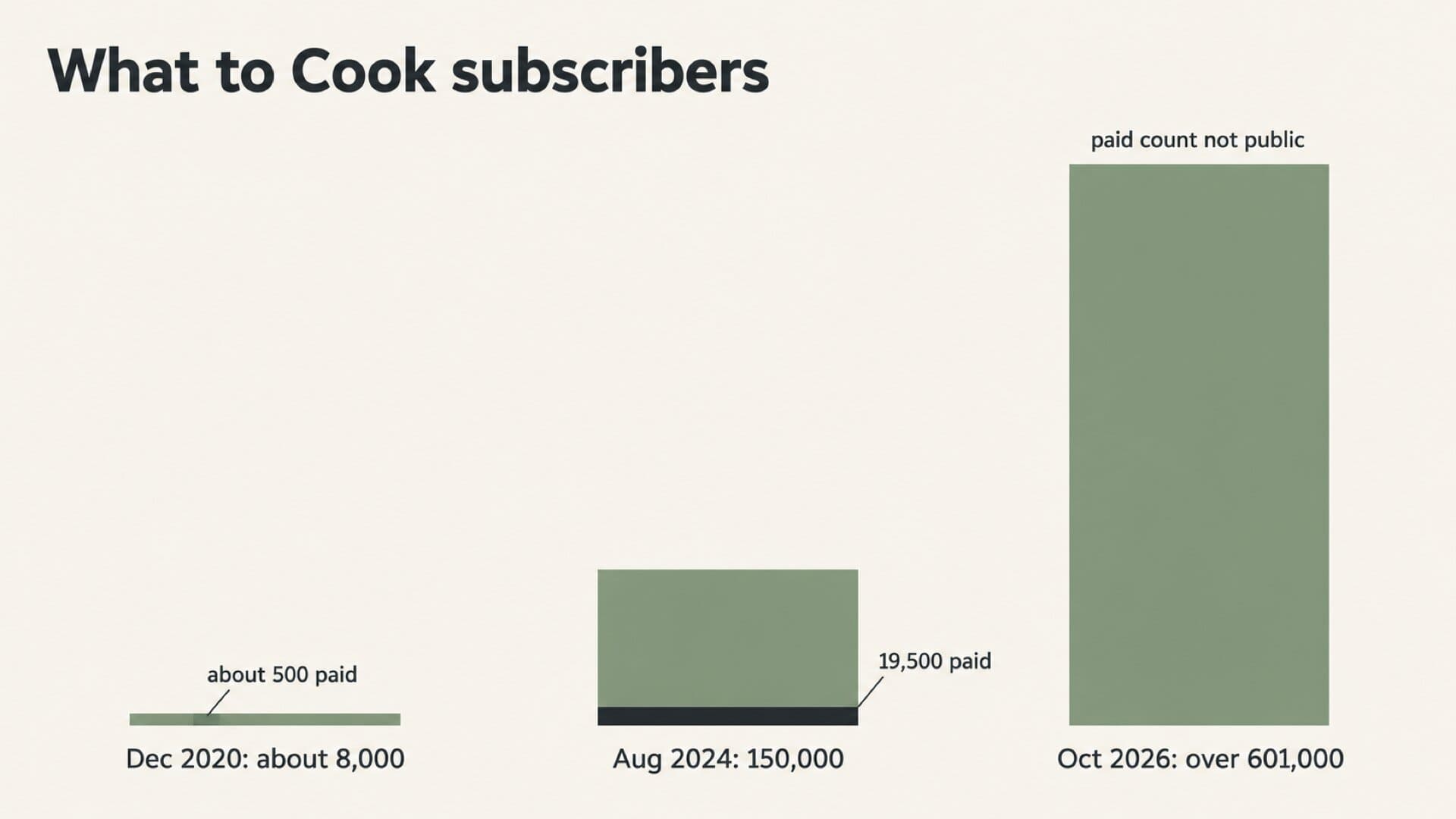
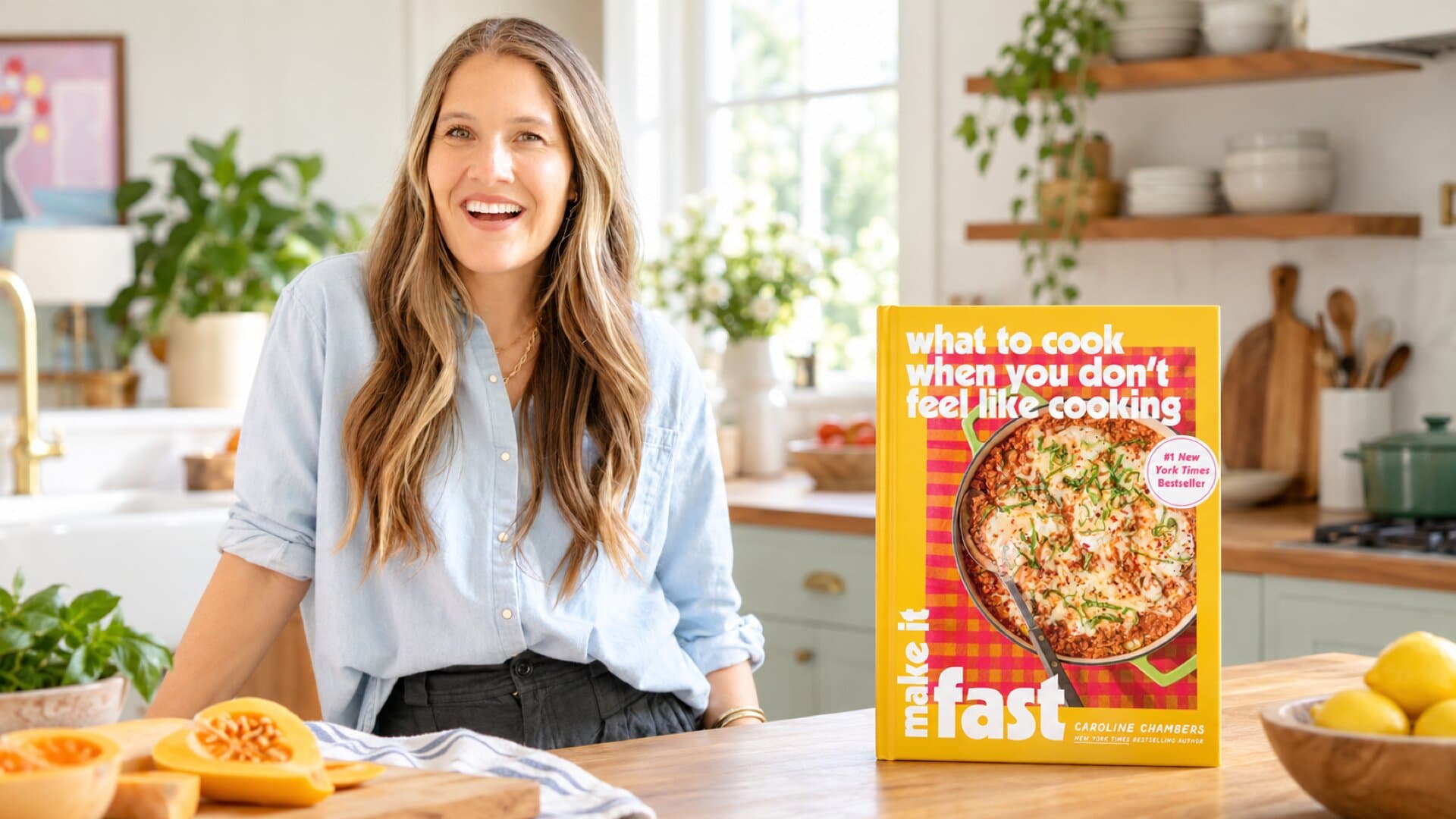
In December 2020, Caroline Chambers asked her readers to pay for a recipe newsletter. She chose the price by pointing at something they already understood. "I launched it at the price of a cookbook, $35," she told the Food Blogger Pro podcast in August 2024. Today her publication, What to Cook When You Don't Feel Like Cooking, shows "Over 601,000 subscribers" on its Substack subscribe page. And in August 2026 her publisher released a printed sequel, Make It Fast, as a $35 hardcover. The newsletter was priced like a book, and the book now extends the newsletter. That loop is worth studying if you have an audience that keeps asking you the same practical question. Independent profile. Public sources checked October 26, 2026. Hero composited from Caroline Chambers' Substack profile photograph and the Union Square & Co. cover of Make It Fast. Caroline Chambers is a recipe developer and New York Times bestselling cookbook author in Carmel Valley, California, who writes the paid Substack newsletter What to Cook When You Don't Feel Like Cooking. Her About page describes it as the number one Food & Drink newsletter on Substack. That ranking is her claim; Substack's public page data shows the publication carries a bestseller badge for "tens of thousands of paid subscribers." She also posts on Instagram and keeps a personal site at carolinechambers.com. Her first cookbook, Just Married, came out from Chronicle Books in 2017, according to a Concept Carmel profile by Jeanne Cooper. By converting a small, loyal list early and then letting Substack's recommendation network widen the top of the funnel. On the Food Blogger Pro episode, Chambers said she moved her newsletter to Substack in October 2020 and went paid that December. She had "probably" 8,000 total subscribers before launch, and about 500 converted almost immediately. By August 2024 she reported "150,000 overall, and then of that 19,500 are paid," and called it "a seven figure business." She said about 40% of recent new subscribers came through Substack's recommendation system, and that a single recommendation from Emily Oster brought in roughly 30,000. Those are her own numbers, given at a specific time. Substack's page now shows over 601,000 subscribers, free and paid together. It does not publish a current paid count, so the paid figure since 2024 is unverified.
DateTotal subscribersPaid subscribersSource
December 2020About 8,000About 500Chambers, Food Blogger Pro
August 2024150,00019,500Chambers, Food Blogger Pro
October 2026Over 601,000"Tens of thousands"Substack subscribe page
What to Cook's subscriber totals at three dates, from about 8,000 in December 2020 to over 601,000 in October 2026, with paid counts where she disclosed them
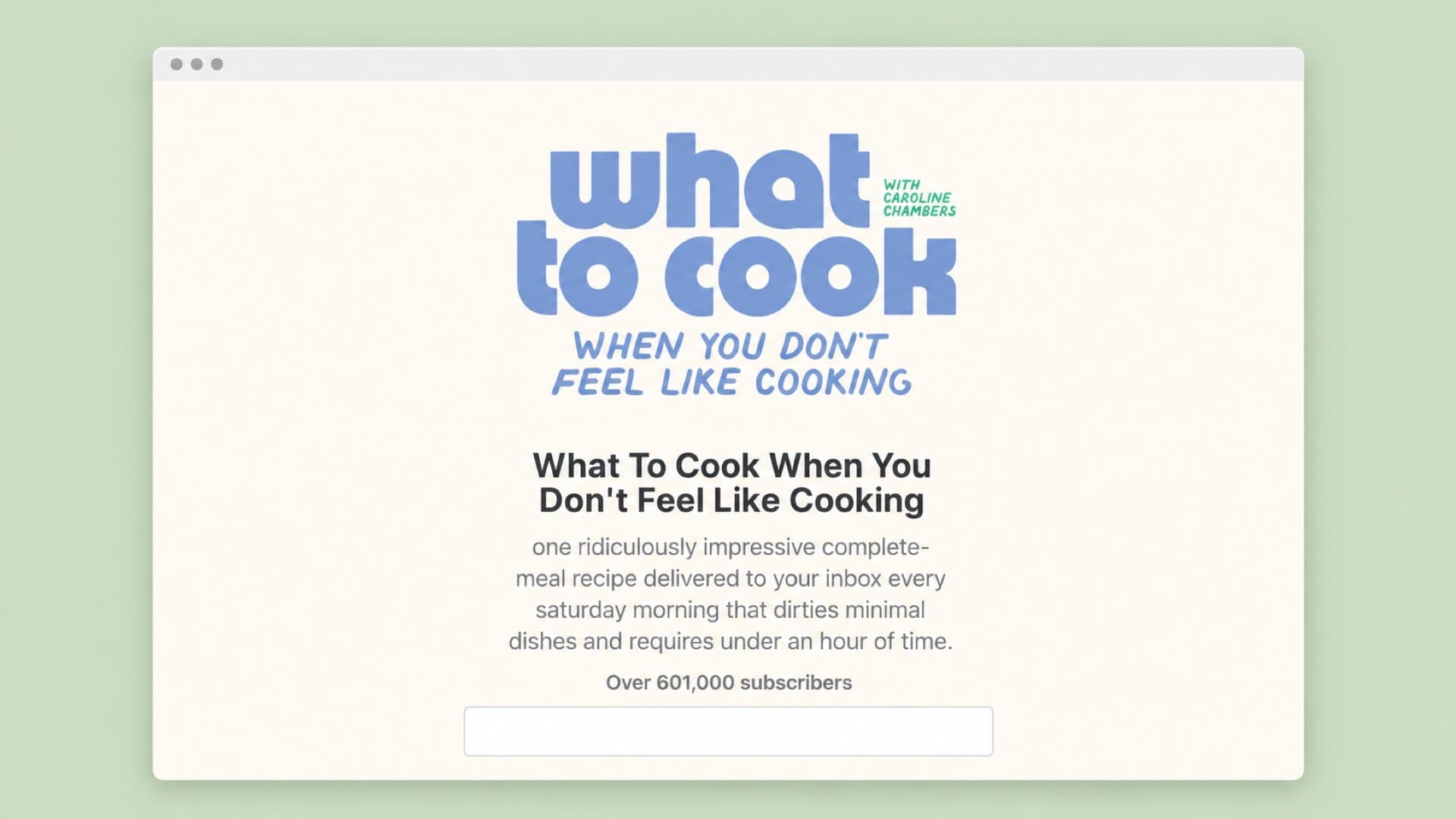
Food creators do not lack recipes to publish. Chambers' readers lack the energy to decide dinner. The subscribe page states the promise in one sentence: one "ridiculously impressive complete-meal recipe delivered to your inbox every saturday morning that dirties minimal dishes and requires under an hour of time." Every constraint in that sentence removes a decision. It covers the whole meal, so readers do not have to plan sides. It promises minimal dishes and under an hour, so the cleanup and the clock are already settled. It arrives on Saturday, so it shows up before the week's shopping.
The real What to Cook subscribe page, showing the Saturday complete-meal promise and over 601,000 subscribers
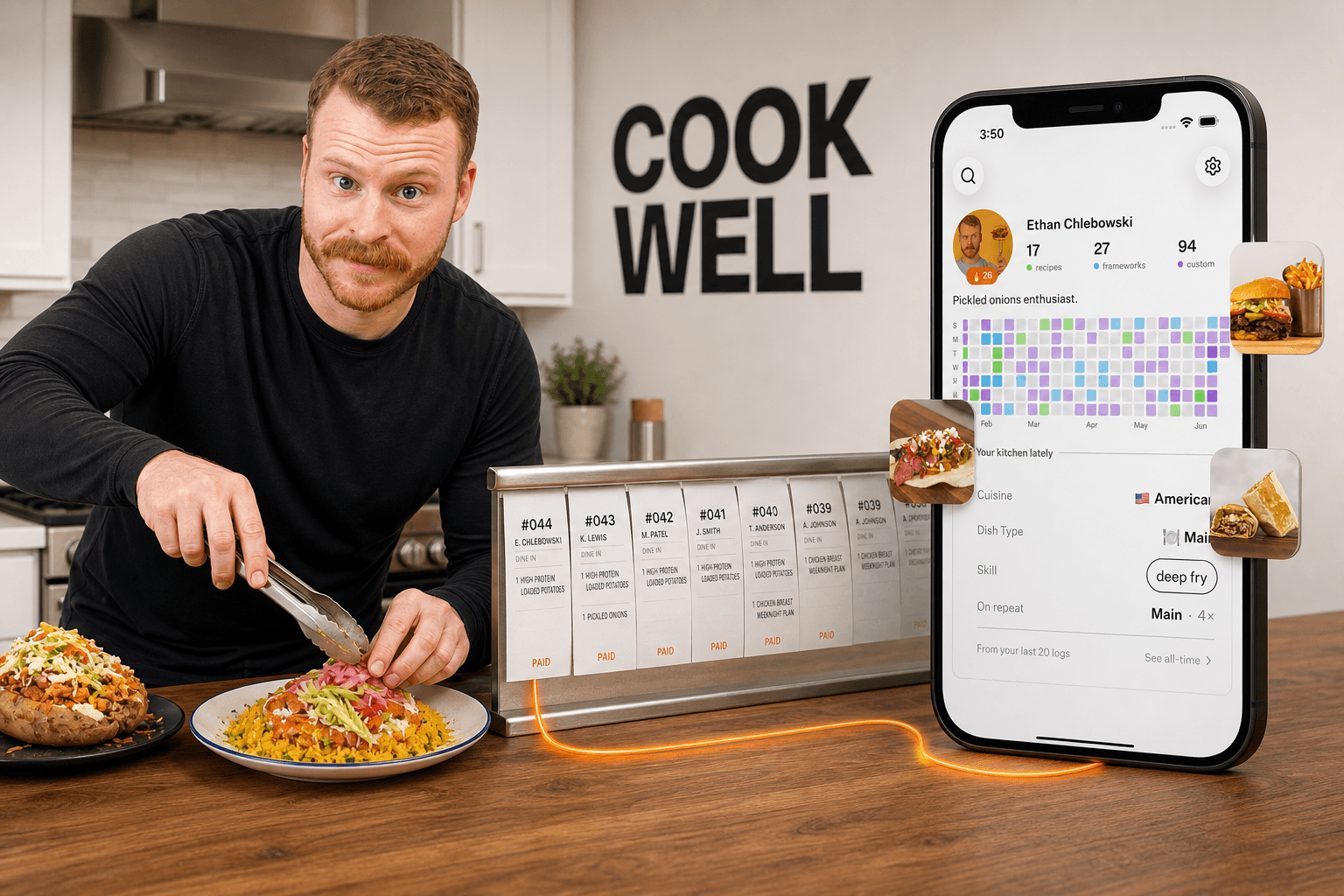
She also explained why the paid recipes feel worth the money. Each one carries long notes and substitutions, which she said often take longer to write than the recipe itself. "Teach man to fish," she said. A reader who learns to swap an ingredient can still cook when the pantry does not match the list. We saw the same pattern in Ethan Chlebowski's Cook Well app: the paid product is the system that answers "what do I cook this week," not another free video. A paid subscriber gets a new recipe every Saturday plus the full archive, while free readers get one recipe a month and a shared monthly meal plan. The About page lists the tiers, and the subscribe page lists the prices.
TierPrice on the webWhat it includes
Free$0One recipe on the first Saturday, previews, monthly meal plan, midweek emails
Monthly$7 a monthEvery Saturday recipe and the full archive
Annual$50 a yearThe same as monthly, billed yearly
Insiders (founding)$100 a yearAnnual benefits, 2 gift subscriptions, 6 meal-prep plans, monthly live cooking demos, partner offers
Three choices stand out. The free tier is generous enough to build habit: the monthly plan includes five dinners, four lunches, and a grocery list organized by aisle. The annual price has risen from the $35 launch to $50, and the $7 monthly option makes the annual plan look like the obvious deal. We broke down that trade-off in annual vs monthly subscriptions. The Insiders tier also bundles partner offers from Thrive Market and Duckbill. Sponsorship value shows up as a benefit inside a subscription rather than as a one-off ad read. Chambers told Food Blogger Pro that a newsletter matters because "Instagram can change its algorithm." Her email list is the asset she controls. Substack lets writers export their subscriber lists, which is a real protection. The trade-off is that growth and billing still run through one platform. Substack takes 10% of paid subscription revenue before card processing, as our Substack review details. Its recommendation network drove a large share of her new readers. That is excellent distribution, and it belongs to Substack. If you are weighing platforms for a similar newsletter, our beehiiv vs Substack cost comparison prices the same list on both. The book is a print extension of the newsletter, so each one gives readers another way into the other. Her 2024 cookbook, What to Cook When You Don't Feel Like Cooking, carried the newsletter's name into bookstores. Hachette's listing for Make It Fast gives an on-sale date of August 11, 2026, a $35 hardcover price, and 100 dinners that take no more than 30 minutes of hands-on time. The publisher's cover calls it a #1 New York Times bestseller. In early 2024, Substack's own team summarized an interview with Dianne Jacob as Chambers making more than $15,000 per recipe across 52 recipes a year. That figure is a summary from January 2024, not a current earnings report. What it does show is that the recurring product carries the business. The books add reach and prestige. Chambers built a durable business from one narrow promise, delivered on a fixed day, priced against something readers already owned. The same steps work outside food:
  • Name the decision your audience is tired of making. For her readers it was dinner. For yours it may be a workout, a lesson plan, or a budget.
  • Anchor the first price to a purchase they already understand. A $35 cookbook made a $35 year feel ordinary.
  • Make the free tier useful. A monthly plan with a grocery list builds the habit that later converts.
  • Count the platform's share as a real cost. Discovery you rent is still valuable. Just know who owns it.
The next layer for a business like hers is the job the meal plan already describes: a weekly plan, a shopping list, and substitutions that adapt to the reader. That job can sit inside an email, a book, or software. At Built by Foundry we build and run that kind of product for creators whose audiences already ask for it, at $0 upfront.
Our work

Creators who already did this

These are apps we designed, built, shipped, and still run today, with the creator keeping the code and the audience.

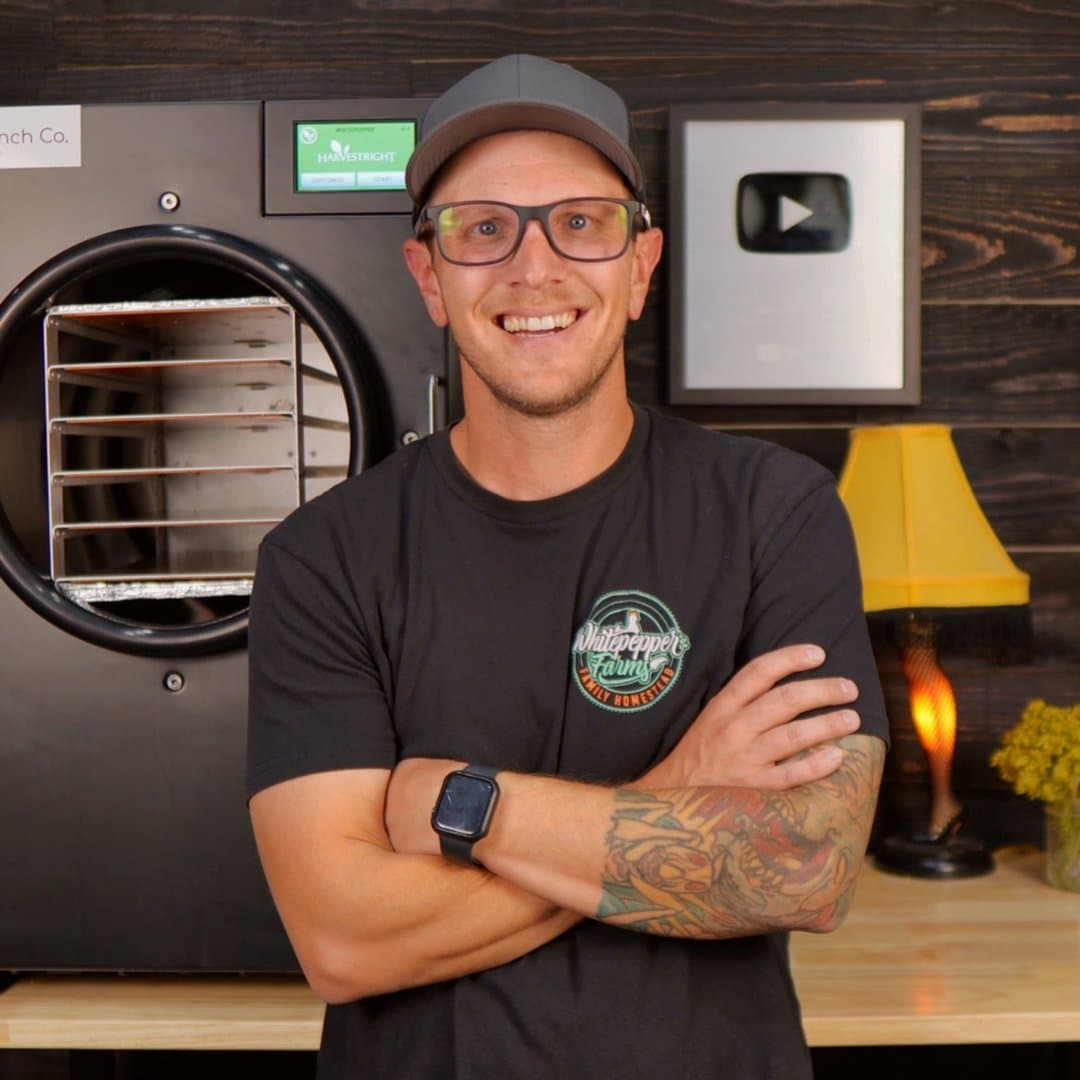
Brandon Whiteleather

Brandon Whiteleather

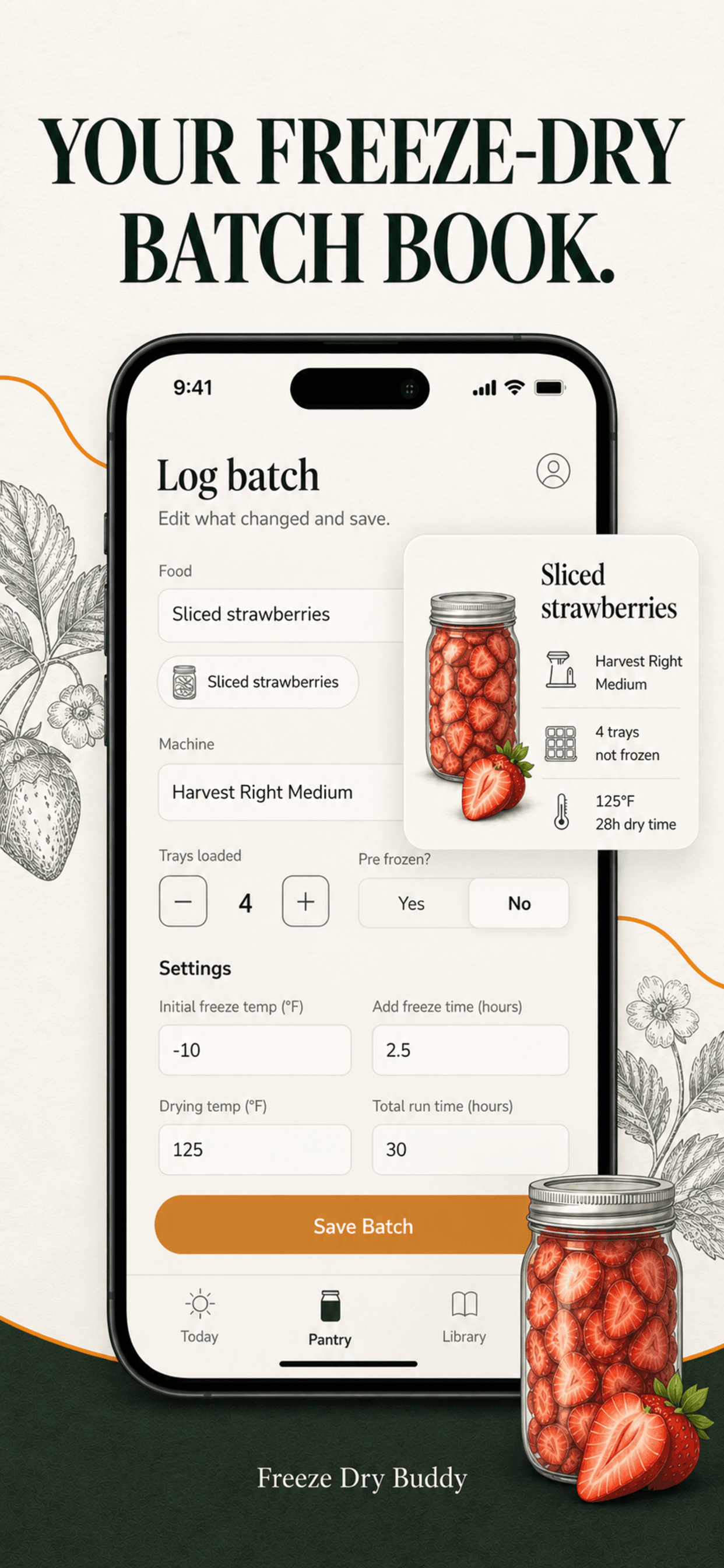
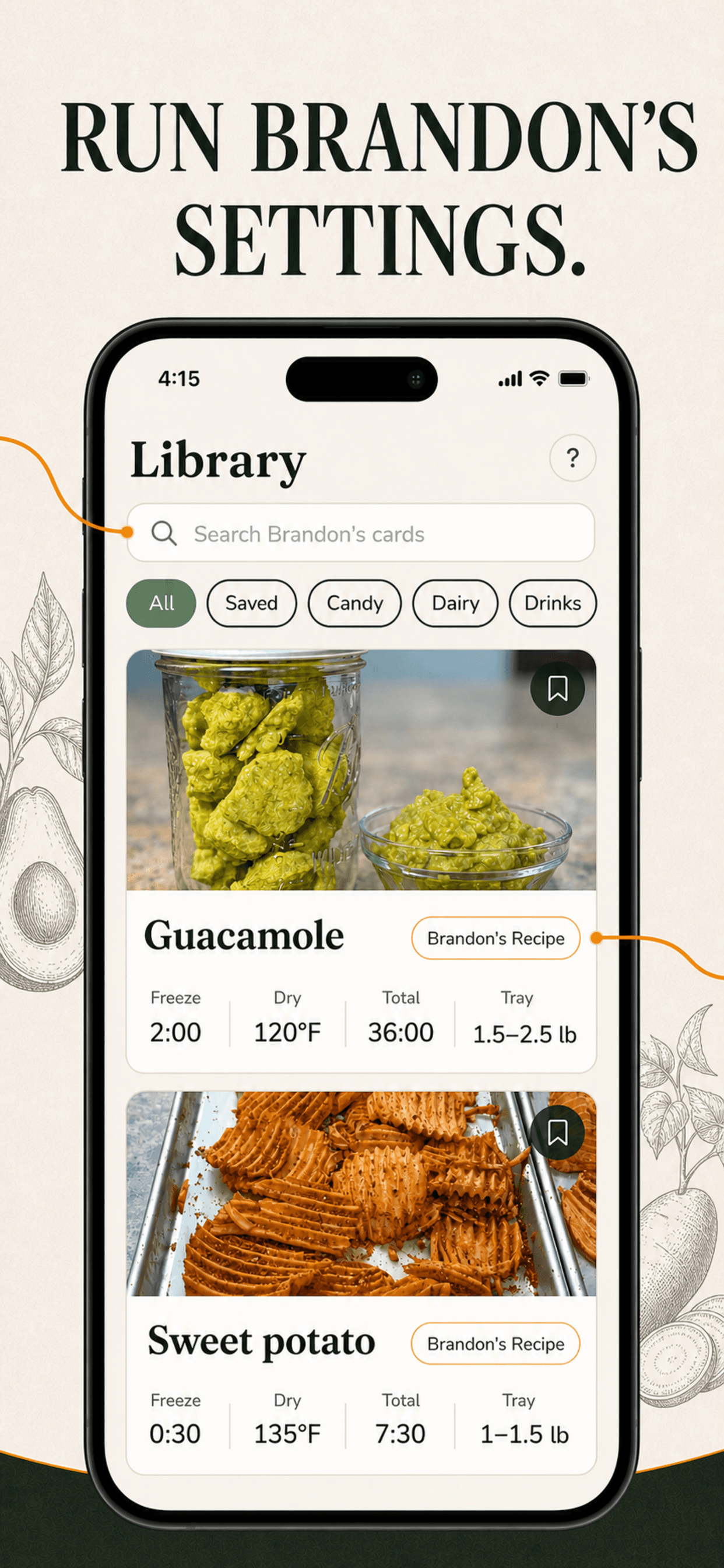
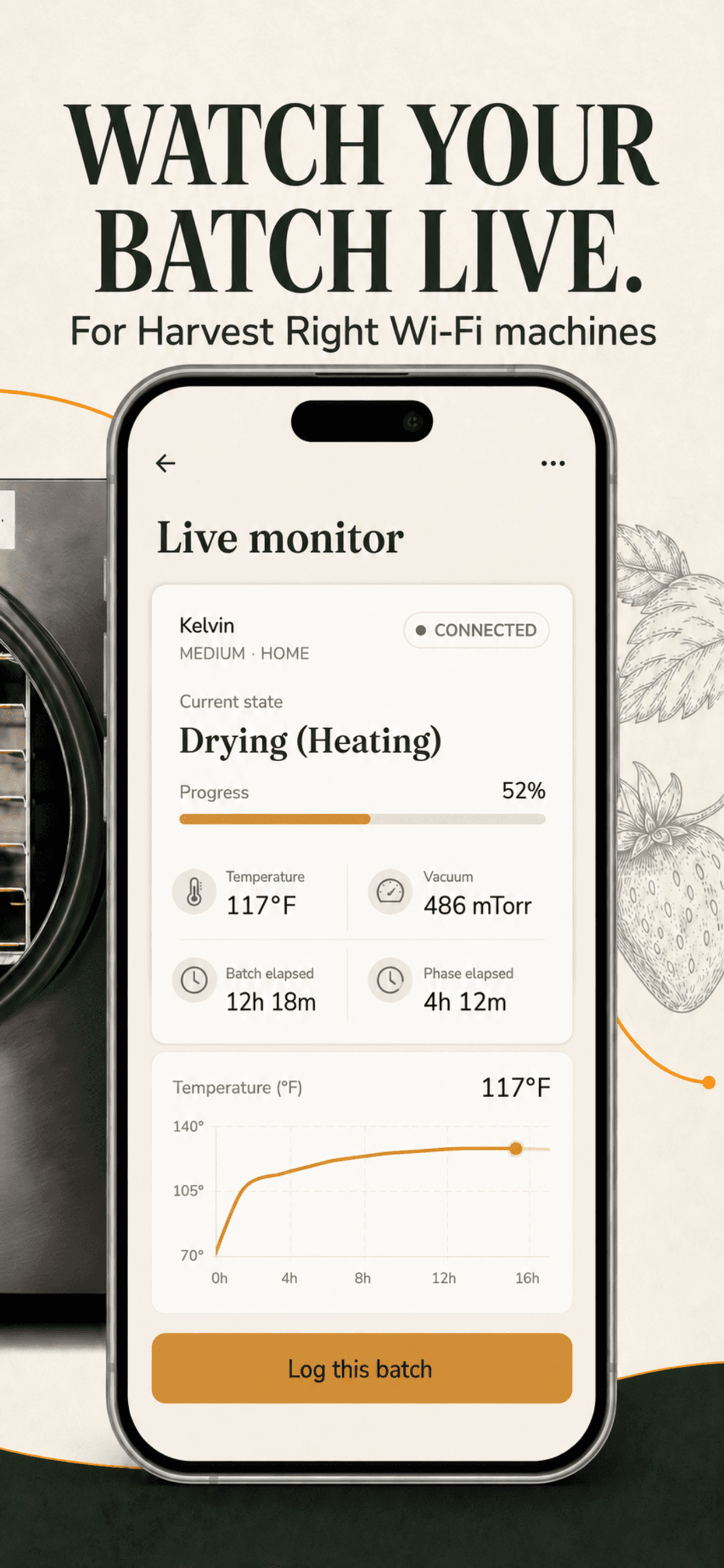
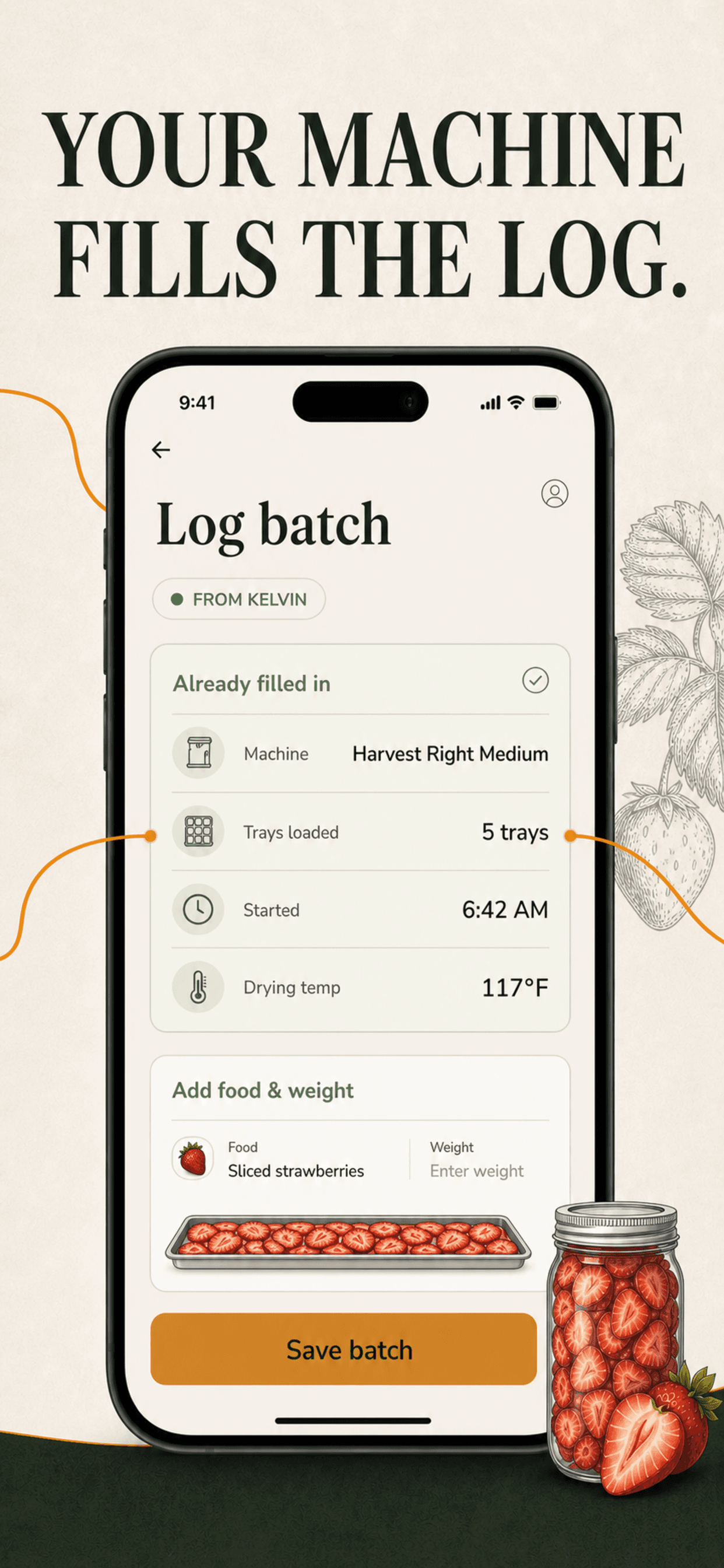
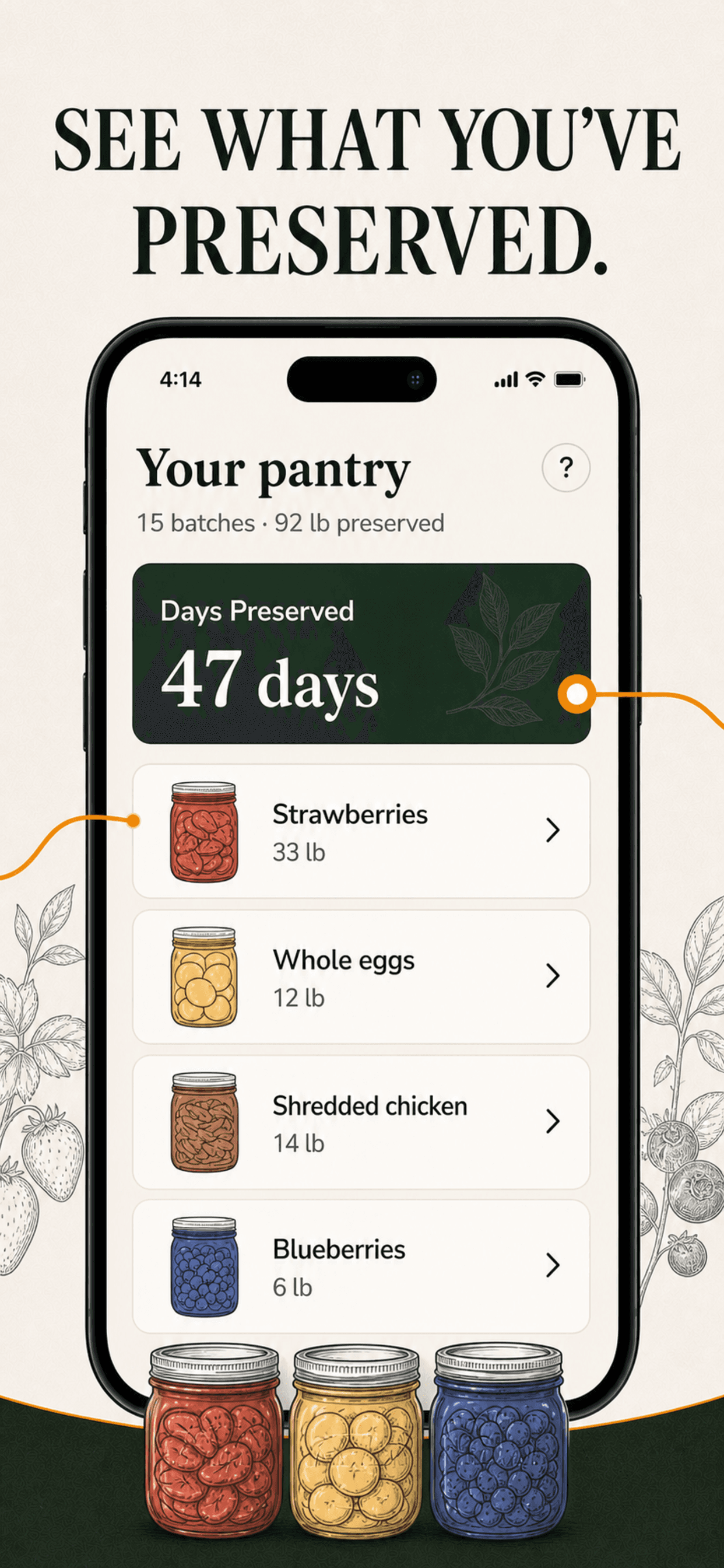
Founder & CEO of Freeze Dry Buddy

Freeze drying made foolproof, from a homesteader who's done it 1,000 times.

Top Food App1.4M+ followers
Read the case study
Kristen Donathan

Kristen Donathan

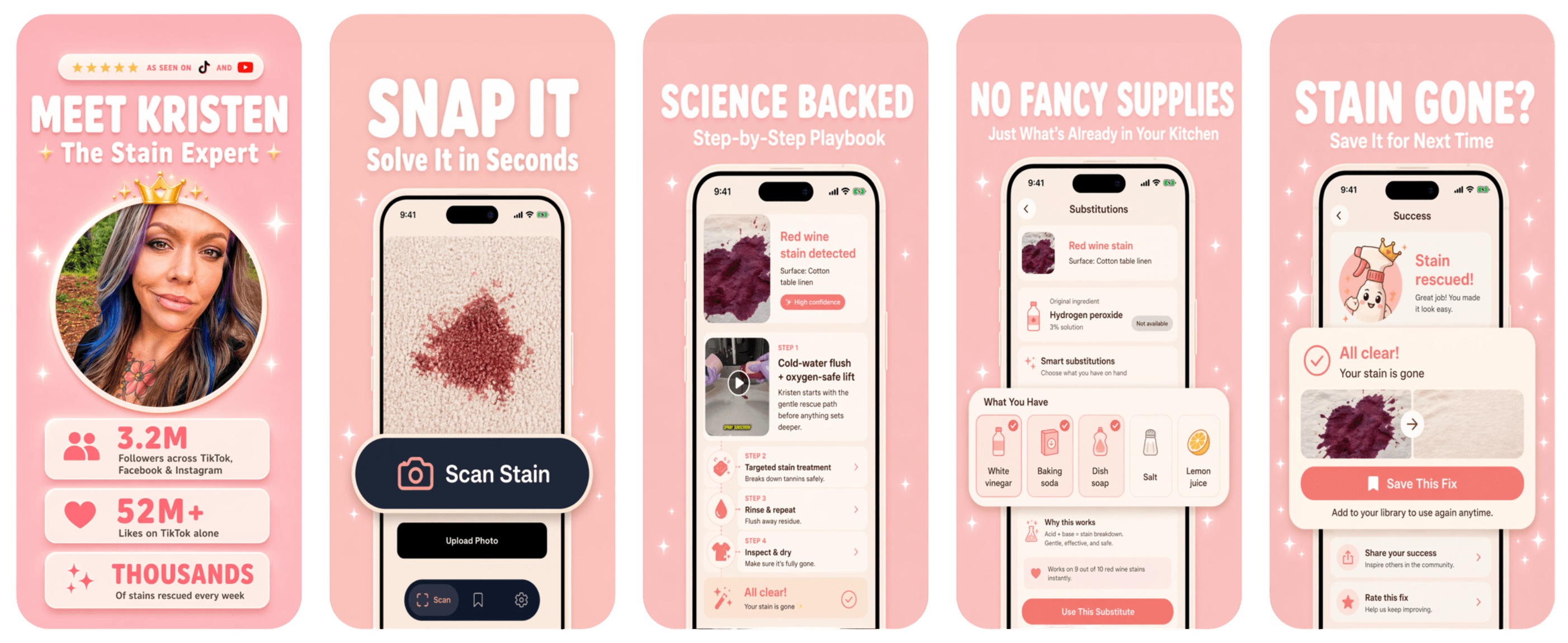
Founder & CEO of Stain Fix

Snap a stain. Get the fix in seconds.

Top Lifestyle App1.5M+ followers
Read the case study
Stain Fix screenshots
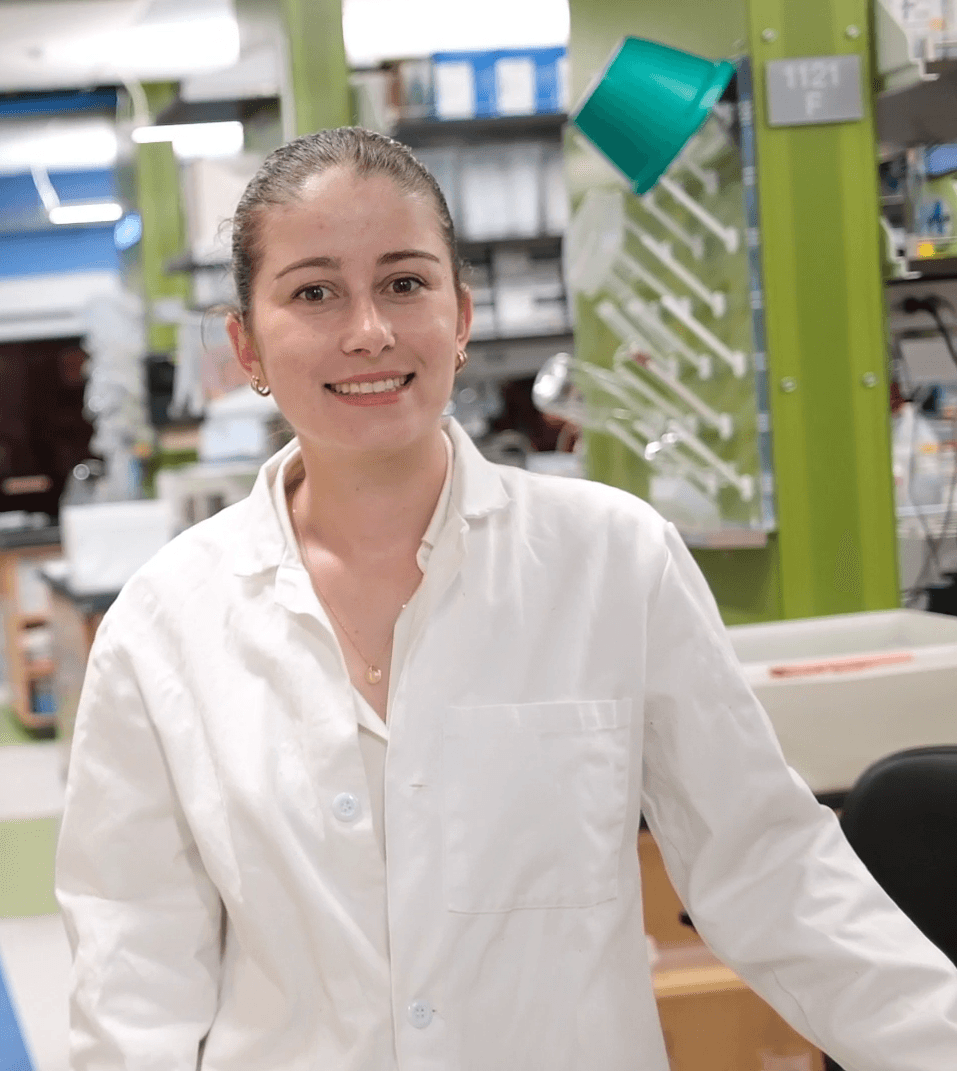
Ellie Fausett

Ellie Fausett

Founder & CEO of Vector Guard

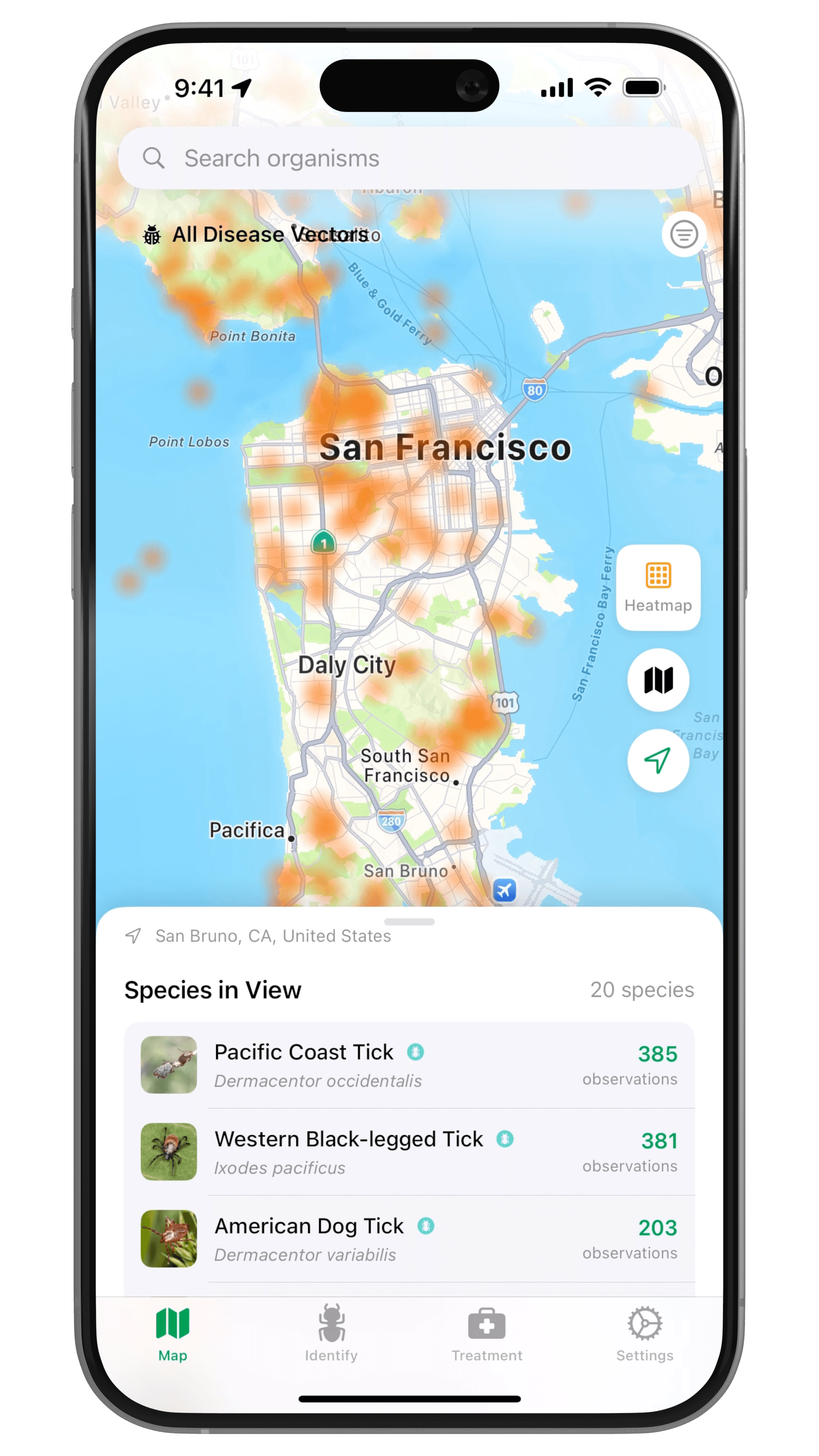
Spot disease-carrying pests before they reach your family.

Top Health App
Read the case study
Vector Guard screenshots

Creator app strategy

Curious what your app could be?

Enter your handle and BUILT BY FOUNDRY will research your audience and present custom app concepts. Free.

Caroline Chambers: 601,000 Subscribers and a Newsletter Priced Like a $35 Cookbook