

Case Studies & Success Stories

Ben Parkes: 373K Subscribers, 30 Training Plans, and None Priced Above £10

November 2, 2026
Share
Ben Parkes: 373K Subscribers, 30 Training Plans, and None Priced Above £10

Get Creator Revenue Insights

How creators are turning audiences into subscription businesses
Share
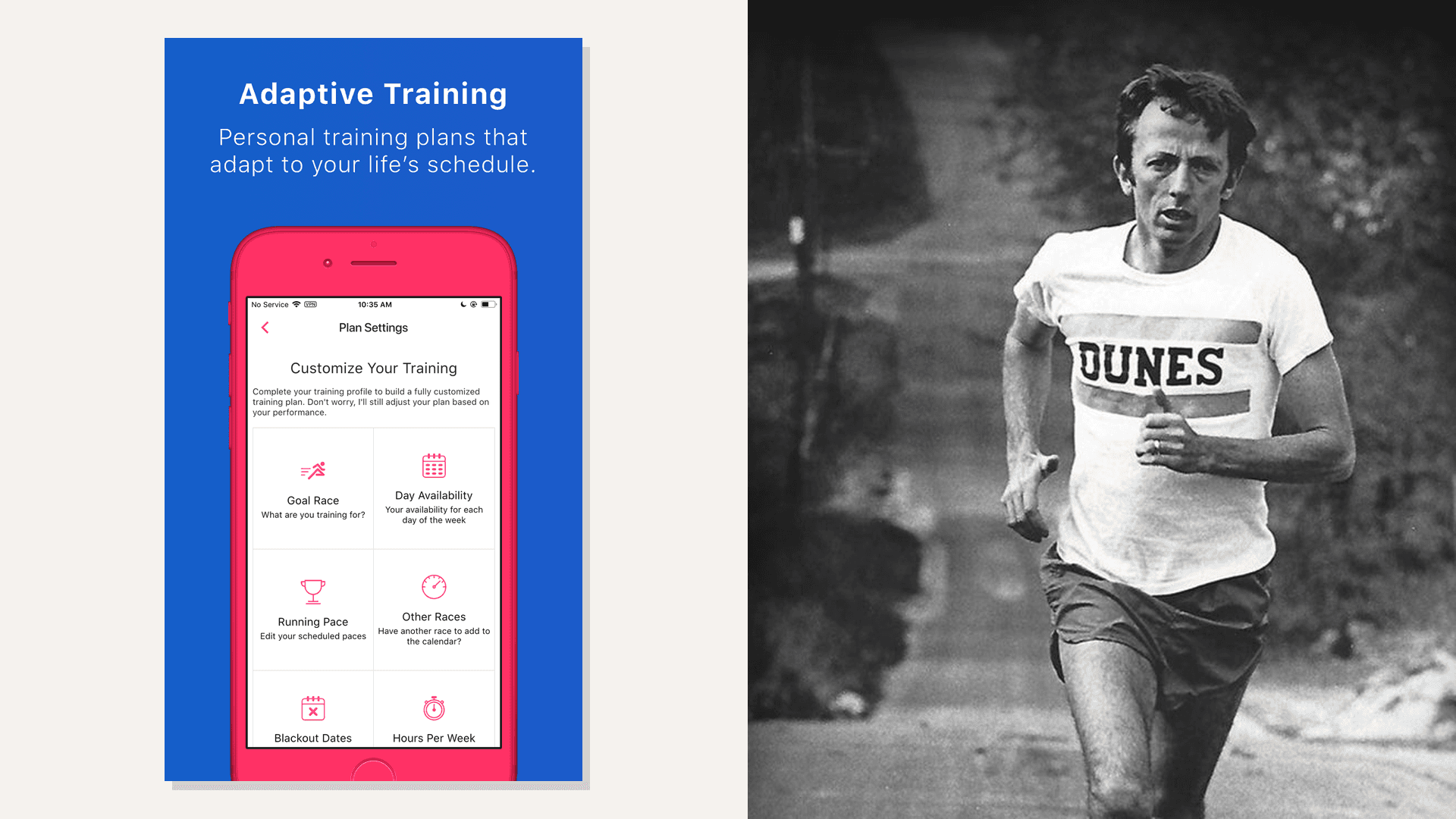
Yesterday the New York City Marathon ran through the five boroughs, and plenty of its runners trained on an app. New York Road Runners sold its official 2026 race training plans through Runna, the London coaching app that Strava agreed to buy in April 2025. On the US App Store, Runna Premium lists at $19.99 a month or $119.99 a year. Another London running coach sells marathon plans too, and the photo on his intermediate plan shows him giving a thumbs-up in a New York City Marathon bib. That coach is Ben Parkes. His plan costs £8. Photo: Ben Parkes at the New York City Marathon, from the cover of his own Level 3 marathon plan listing on benparkes.com. The plan title card is cropped out. Key Takeaways:
  • Ben Parkes's YouTube channel showed 373K subscribers, 576 videos and 76,823,580 views on November 2, 2026. His channel bio reads "Athlete - Coach - Creator - 2:25 Marathon PB" and places him in London
  • His store's public product data returned 152 listings on November 2, 2026. 30 are training plans, priced at £8 or £10, except four beginner plans at £0 or £2
  • The newest plan listing is dated May 31, 2024. All 100 listings published in 2026 so far are clothing, caps, socks and wraps
  • A 15-week intermediate marathon plan costs £8, or £10 with three strength routines. Runners pay once, then train with it for nearly four months
  • He also sells four maintenance plans for the weeks between races. That is direct evidence his runners come back after race day
Ben Parkes is a London-based running coach and YouTuber with a 2:25 marathon personal best. His channel, started in September 2013, had 373,000 subscribers and 76.8 million views on November 2, 2026. He sells race training plans and his own running apparel through benparkes.com, which describes itself as a small business established in 2017. The channel is practical coaching: training advice, race build-ups, shoe and kit reviews, and the long runs in between. He posts the training itself on Strava and the day-to-day on Instagram, both linked from his store. The store is a real operation. It ships to more than 50 countries, offers free UK delivery over £25, publishes Christmas posting deadlines by region, and runs a points program, PR Points, that launched in 2025. Its footer claims "7000+ 5 Star Reviews." The business around the channel is not an afterthought. It has logistics and a returns policy. The Level 3 intermediate marathon plan is a 15-week program for runners targeting 3:15 to 3:45. It starts at 25 miles (40km) a week, peaks at 52 miles (84km), and asks for four or five runs a week. It includes a pace chart, a glossary and weekly coaching notes, in miles and kilometres. It costs £8, or £10 with three at-home strength routines.
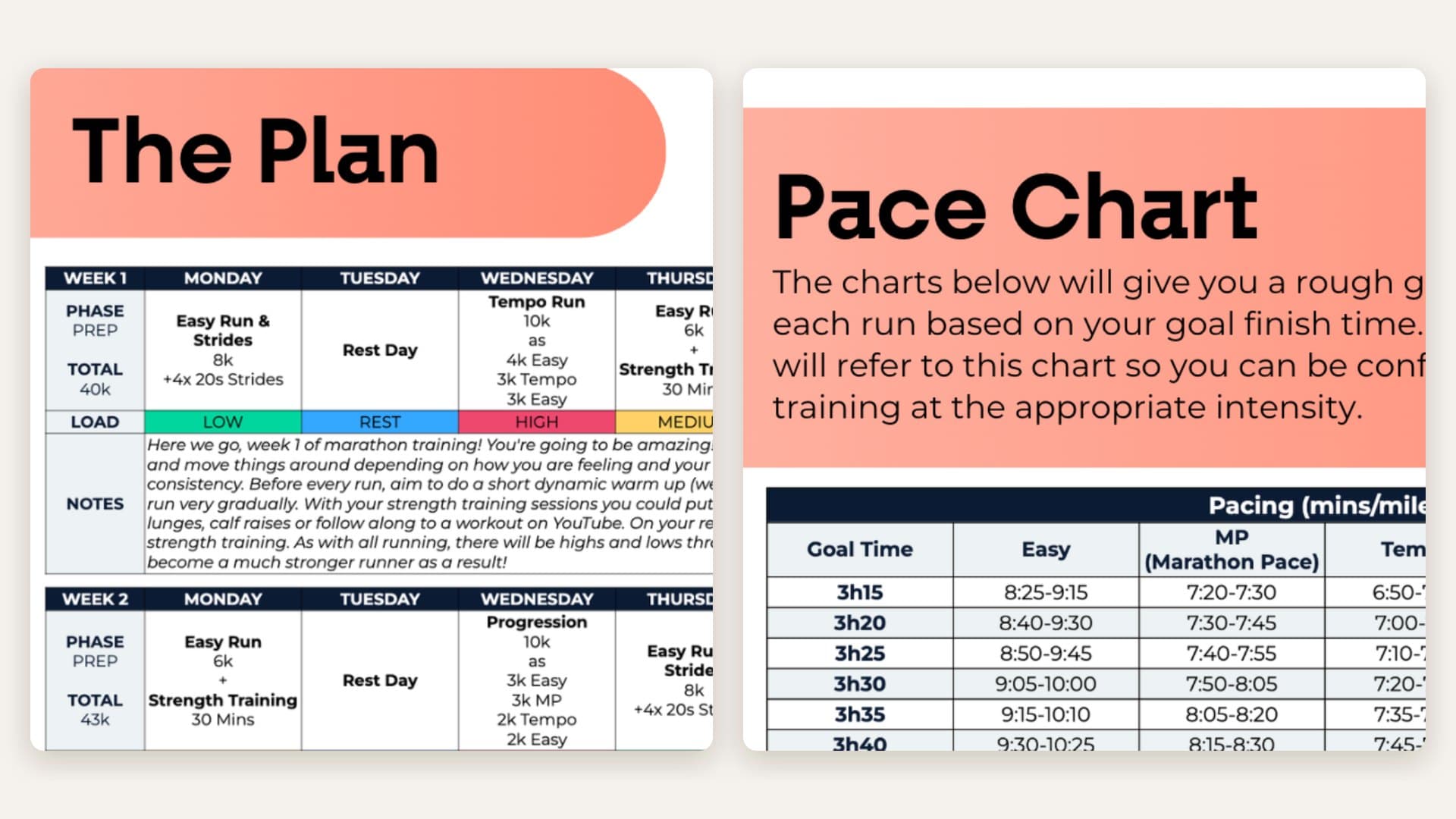
Two pages from Ben Parkes's Level 3 marathon plan: a week-by-week schedule headed The Plan, with daily runs, load ratings and coaching notes, and a pace chart that maps goal finish times to easy, marathon and tempo paces.
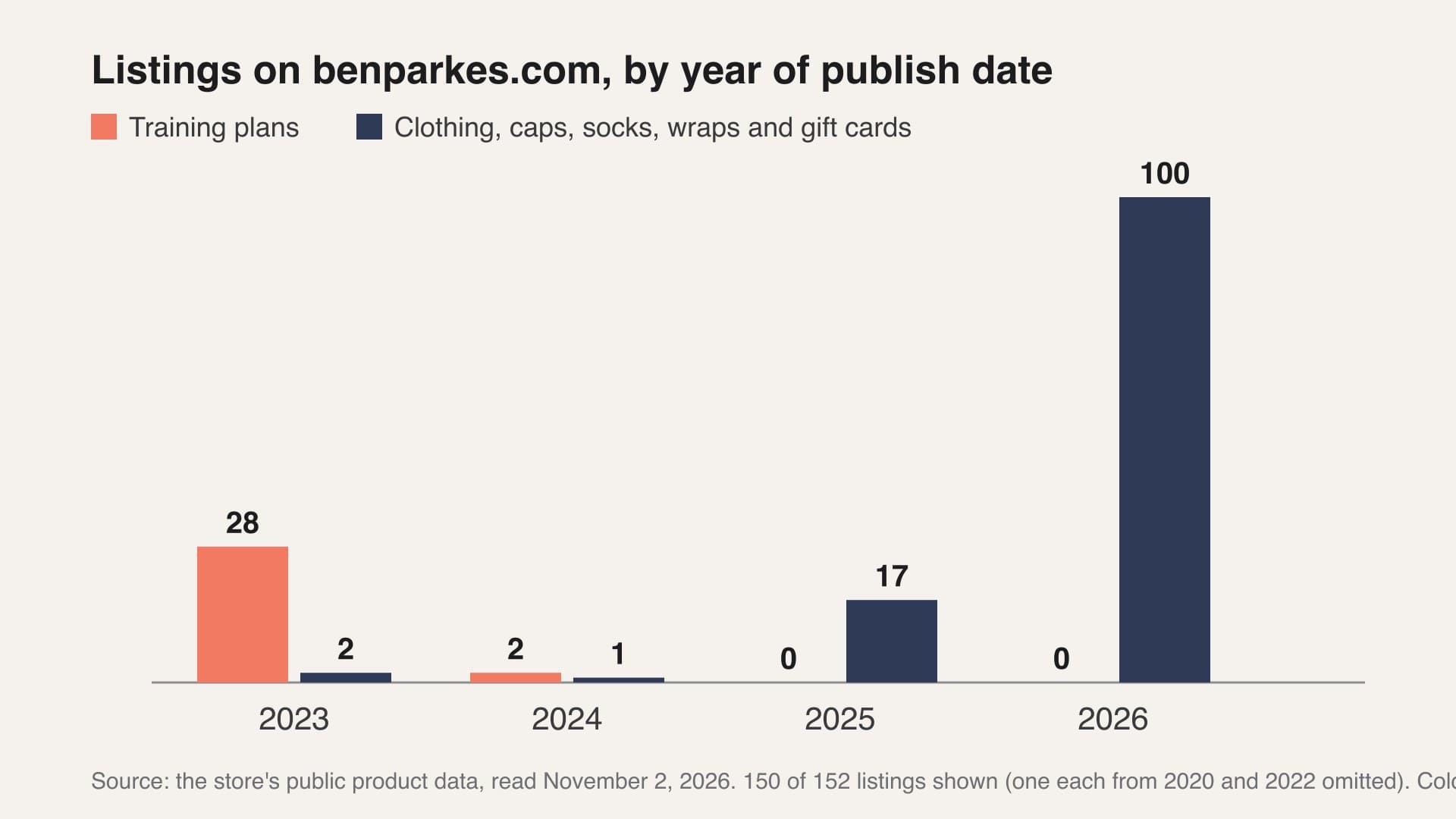
The product preview images Ben Parkes publishes on the plan's listing: the week-one schedule and the pace chart. Source: benparkes.com product data, November 2, 2026. That is a serious amount of coaching. Every week has a phase, a total distance, a load rating per day and a paragraph of notes in his voice ("Here we go, week 1 of marathon training! You're going to be amazing"). The listing ends with an invitation: "Come back and let me know how you got on." The catalog runs from 5K to 100K. There are five levels each for 5K and 10K, six each for the half and full marathon, two each for the 50K and the 50-mile/100K ultra, and four maintenance plans. Beginners get the plan free, or £2 with the strength add-on. Everyone else pays £8 or £10. No variant is a subscription, and none ships anything physical. Store product data includes a publish date for every listing. Sorted by year, it shows where the business has been putting its effort:
Bar chart of benparkes.com listings by year of publish date: 28 training plans and 2 kit listings in 2023, 2 plans and 1 kit listing in 2024, 0 plans and 17 kit listings in 2025, and 0 plans and 100 kit listings in 2026.
Colorways count as separate listings, so 100 listings is not 100 different garments. Publish dates can also reset when a listing is republished. Treat the shape as a signal, not an exact launch history.
CategoryListingsPrice range
Training plans30£0 to £10
Clothing62£18 to £85
Socks23£6 to £51
Hats and caps18£14 to £38
Wraps17£12 to £30
Gift cards2£5 to £200
The kit is priced like kit: a £35 tee, a £55 pair of tights, an £85 elite singlet. A single long-sleeve top costs nearly five times the marathon plan that tells the runner what to do in it for fifteen weeks. We can't see his revenue, and nothing here says the plans sell poorly. The plans may be a deliberate loss leader, priced to get his coaching into as many hands as possible while the apparel pays the bills. That is a coherent strategy. It also means the most-used thing he makes is the cheapest thing he sells. Because a downloadable plan is sold as a file, and files get priced by what they cost to copy rather than by how long they are used. An £8 plan supports 105 days of training. The same runner who would pay a monthly fee for an app that adapts the plan pays once for the file and never again for that race. The market has already set a price for adaptive versions of this product. Runna, the app runners bought through NYRR this year, charges $119.99 a year in the US. Our profile of Hal Higdon shows a coach whose classic plan is free while paid interactive versions run from $6.99 a month to $59.99 a year. What those paid versions sell is everything a static plan can't do: moving a run after a missed day, recalculating paces after a race, nudging the runner on the morning of a long run. Ben Parkes already sells part of that. His pace chart maps finish goals to paces, and his notes tell runners to "move things around depending on how you are feeling." But the plan can't do the moving. Every adjustment falls back on the runner, or on a comment under a YouTube video. Four of his 30 plans are not for a race at all. The maintenance plans, labelled "in between races" in their URLs, run from 10 to 13 miles a week up to 36 to 42 miles. They exist because runners don't stop after race day. They recover, hold fitness, and pick a new race. That is the recurring behavior a subscription needs, and it is already visible in his catalog. A runner who trains for a spring half, maintains over the summer and builds for an autumn marathon buys three files in a year, for about £24. Each purchase is a fresh decision, and between them the relationship lives on YouTube and Instagram, where the platform owns the reach. If you're a running coach with 100,000 or more subscribers, this is the question your catalog should answer: what happens on the day after race day? If your answer is "they buy another plan when they're ready," the training cycle your audience already lives in is being sold one file at a time.
See What We’d Build You →
  • Price the relationship, not the file. A plan used for 15 weeks is closer to a 15-week membership than a download. A low entry price can work as a front door, but something should sit behind it that renews.
  • Your catalog shows where you spend your time. Ben Parkes's store has added 100 kit listings this year and no new plan since May 2024. If the coaching is the reason people subscribe to your channel, check whether your product line reflects that.
  • Kit and coaching can work together. His apparel already has repeat buyers, a points program and international shipping. A training product that runs all year gives runners more reasons to come back to that store, and more race days to wear the kit on.
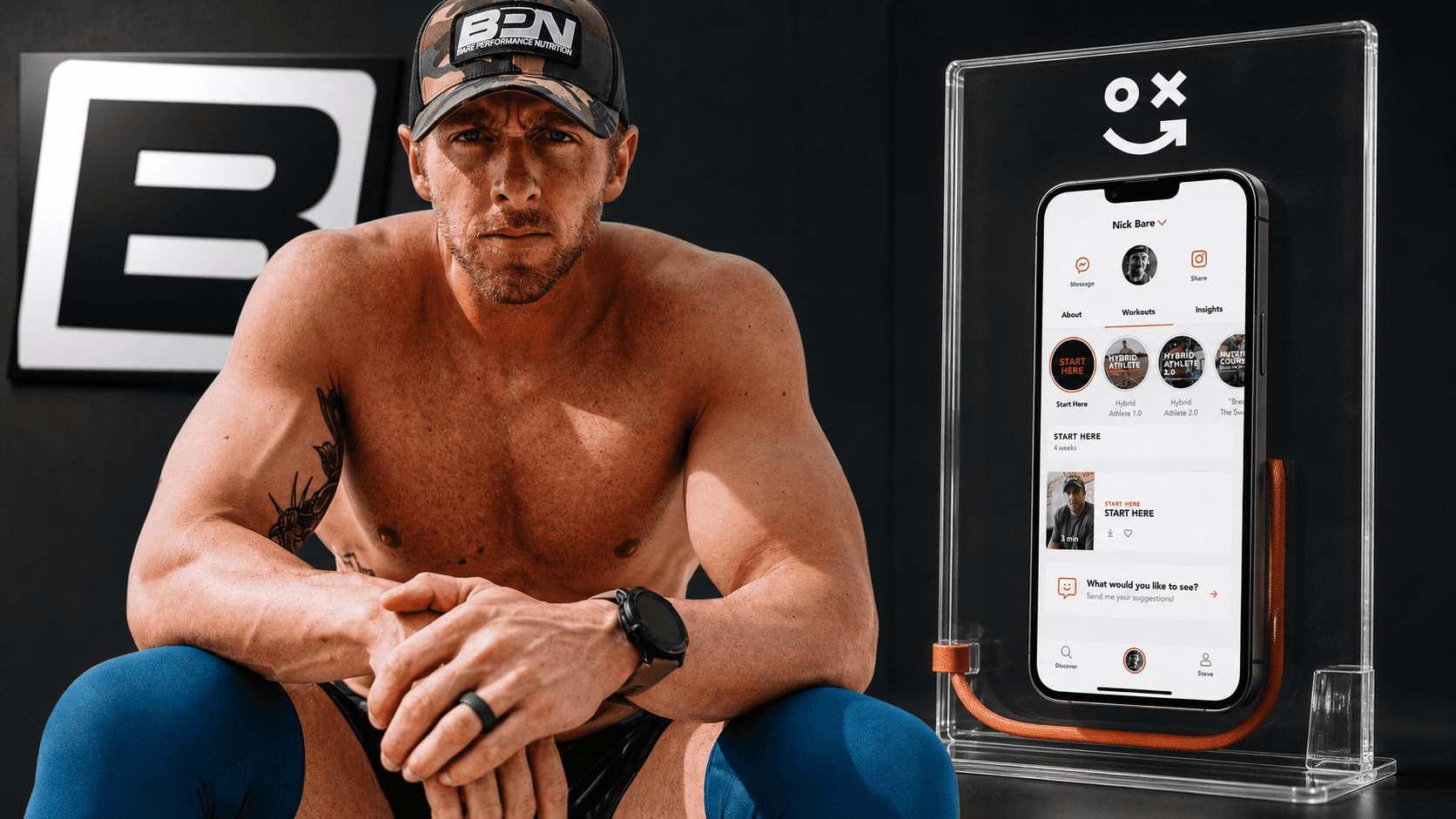
Physical products carry real costs that software does not. Our breakdown of the seven costs on a single $30 creator tee shows how little of the sticker price a creator keeps. For a running creator who already went the app route, see Nick Bare's rented training app. And if you are deciding how a training subscription should bill, annual versus monthly pricing covers the trade-off. Built by Foundry builds and operates the business a creator's audience pays for, most often a subscription app, and the creator owns it. After launch, App Care keeps the product maintained between race seasons and through every operating-system update.
See What We’d Build You →
Our work

Creators who already did this

These are apps we designed, built, shipped, and still run today, with the creator keeping the code and the audience.

Ellie Fausett

Ellie Fausett

Founder & CEO of Vector Guard

Spot disease-carrying pests before they reach your family.

Top Health App
Read the case study
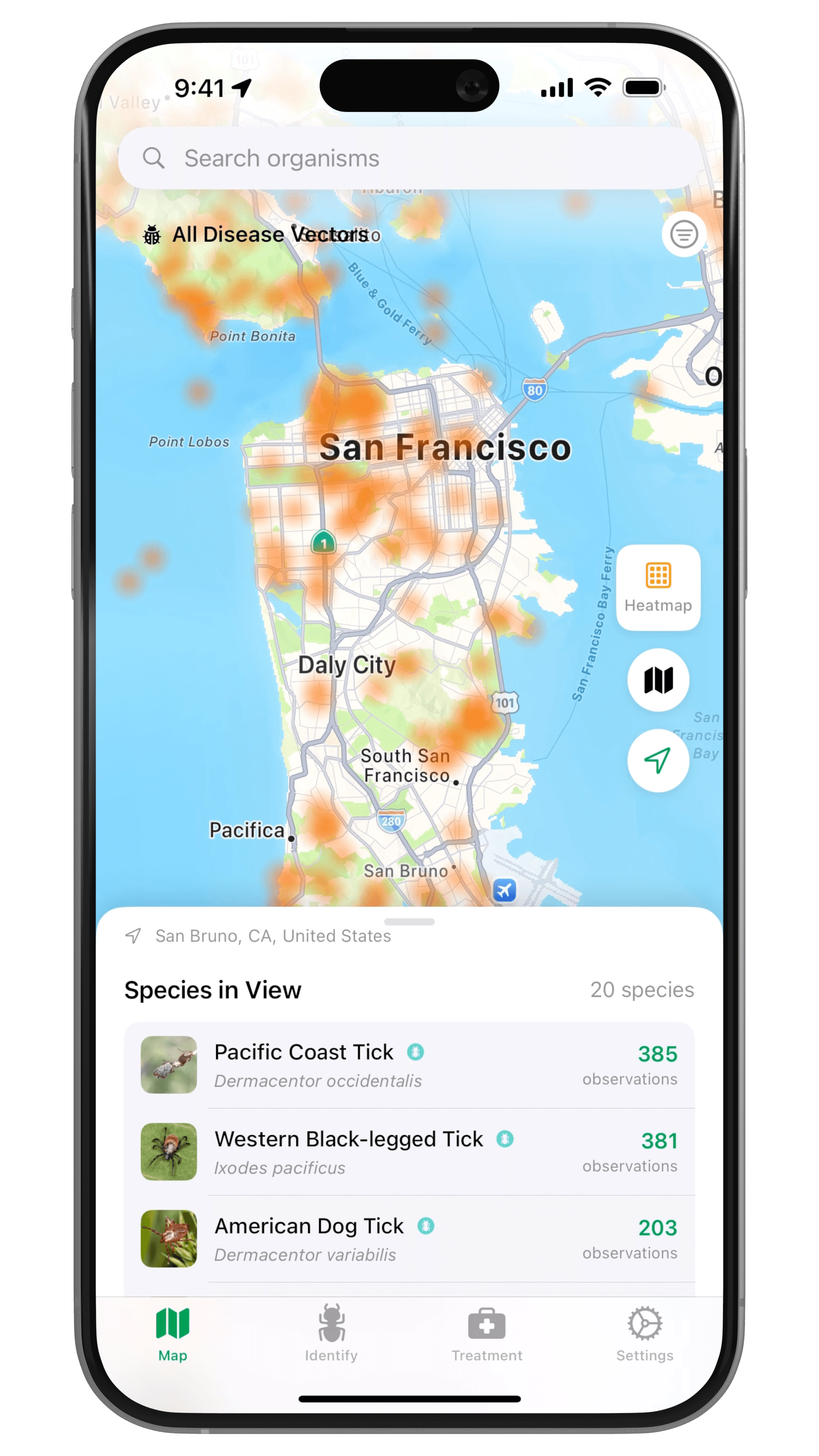
Vector Guard screenshots
Samantha Mae

Samantha Mae

Founder & CEO of NineLives

Cat health tracking from the world's most beloved Scottish Fold.

Top Health App150K+ followers
Read the case study
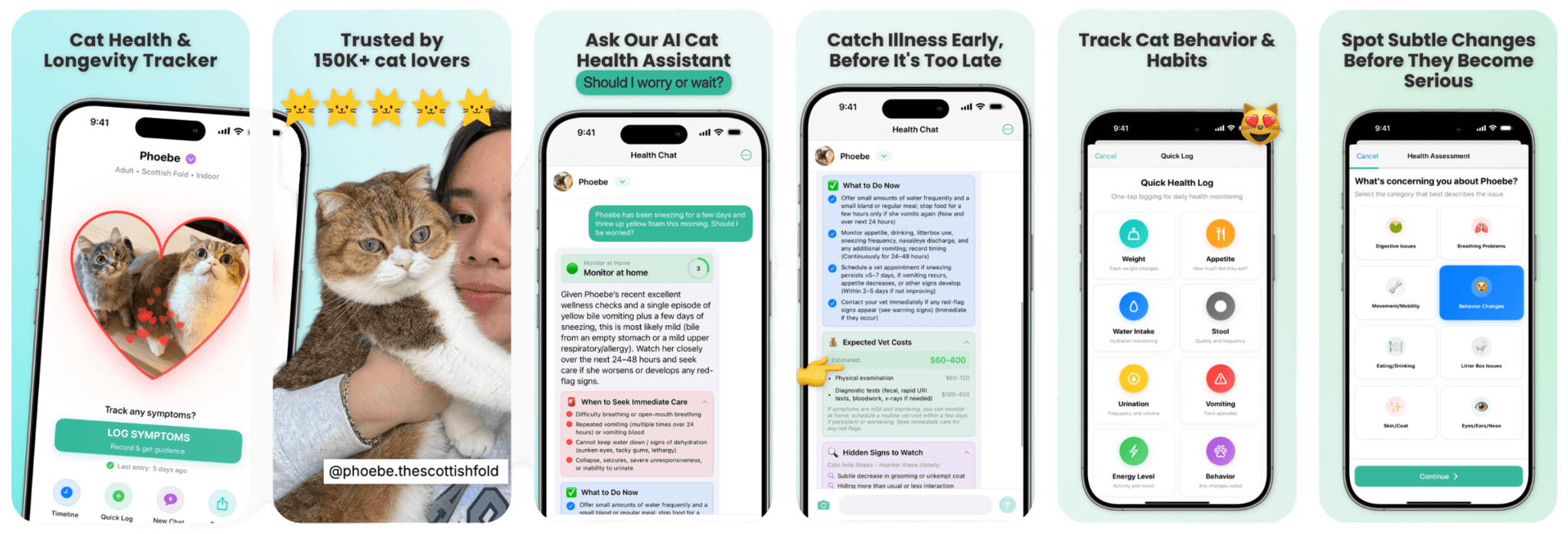
NineLives screenshots
Liv Merima

Liv Merima

Founder & CEO of Claim It

Custom affirmations that help millions choose themselves.

Top Lifestyle App150K+ followers
Read the case study
Claim It screenshots

Creator app strategy

Curious what your app could be?

Enter your handle and BUILT BY FOUNDRY will research your audience and present custom app concepts. Free.

Ben Parkes: 373K Subscribers, 30 Training Plans, and None Priced Above £10