
5 Mighty Networks Alternatives for Creators in 2026

5 Mighty Networks Alternatives for Creators in 2026

Foundry
May 5, 2026
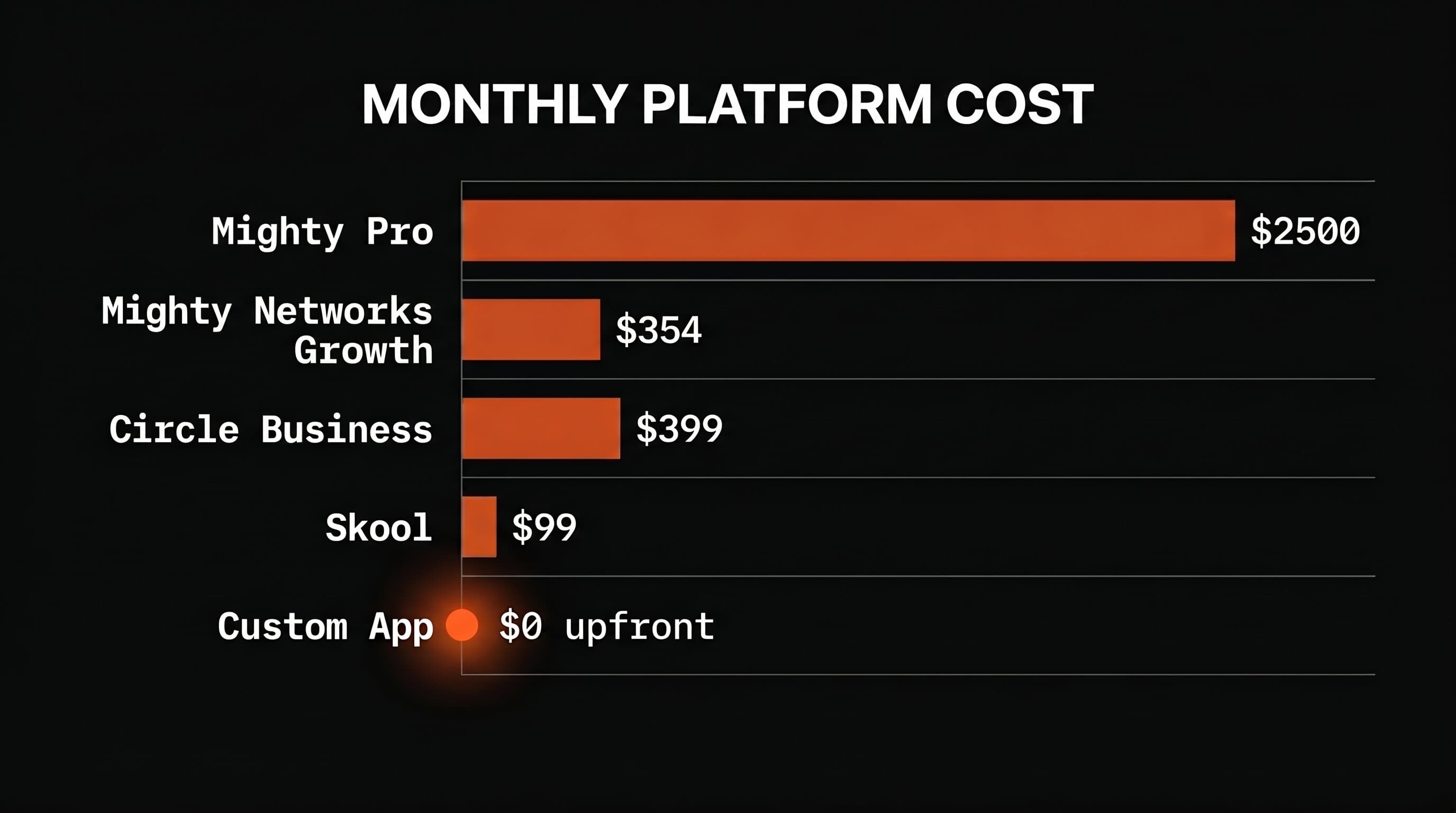
Looking for alternatives to Mighty Networks? You probably saw the pricing page and did a small flinch. Mighty Networks runs $79/month on the Launch plan, $179/month on Scale, and $354/month on Growth, billed annually. The custom branded app tier, Mighty Pro, isn't published anywhere on the site. Creators who've gone through sales report it lands around $30K a year, plus transaction fees on top of every member payment (Mighty Networks pricing). That math works for some creators. For most, it doesn't. You're paying a SaaS rent that scales with you instead of building something you own. Below are five alternatives, ranked by what creators with 50K+ followers actually need: a recurring revenue business, not a community add-on. Key Takeaways:
  • Mighty Networks pricing tops out at $354/month before you reach Mighty Pro, the custom-app tier estimated near $30K/year
  • Most creators don't need a community platform. They need a subscription product their audience pays for monthly
  • Skool, Circle, and Discord cover the community use case at lower cost, but they're still rentals
  • Building your own custom app is the only option where you keep the brand, the data, and 100% of the revenue minus App Store fees
  • Foundry builds custom apps for creators at $0 upfront on a revenue-share model, shipping in three weeks
The most common reason creators leave Mighty Networks is the pricing curve relative to what's actually delivered. You start at $79/month for a Launch plan that includes courses, events, and basic automations. The moment you want more integrations, advanced automations, or member video uploads, you're at $179 or $354/month, and you still don't have a branded mobile app. The branded app sits behind Mighty Pro, which requires a sales call. Public reporting and creator interviews place the all-in cost around $30K/year, sometimes higher depending on member count and support level (SchoolMaker). For a creator pulling in $5K/month from a community of 100 paying members, that's $60K/year revenue against $30K of platform cost before Stripe fees. The unit economics work for very large communities. They don't work for the creator middle class. The second reason is ownership. Mighty Networks owns the platform, the apps, the data warehouse, and the relationship between you and your members. If they raise prices, change features, or sunset your tier, you adapt. Your members aren't really yours. They're tenants in a building you rent. This is the same problem we covered in Linktree vs your own app. The shape of the trap is identical: a tool that's good enough to keep you stuck, but never lets you compound equity. Here's a comparison of the five alternatives most creators evaluate, with the Mighty Networks plans included for reference:
PlatformStarting PriceBranded Mobile AppBest For
Mighty Networks Launch$79/monthNoSmall communities testing the model
Mighty Pro~$30,000/yearYes (custom)Established communities with cash flow
Skool$99/monthShared app onlyCourse-led communities
Circle$99/monthShared app, paid white-label add-onPremium memberships, course creators
Discord + Whop$0 + Whop feesNoAudiences already living on Discord
Kajabi$89/monthShared "Kajabi Communities" appCourse creators bundling community
Foundry custom app$0 upfront, revenue shareYes (your own brand)Creators with 50K+ engaged followers
Pricing reflects published rates as of May 2026. Transaction and processing fees apply on most platforms. Skool is the platform Sam Ovens and Alex Hormozi pushed into the spotlight in 2023 and 2024. It's $99/month flat, with no per-member or transaction fees beyond Stripe. What it's good for: Skool is built around the loop of "free community drives paid course." If you teach something and want a clean, single-feed community attached, Skool is faster to set up than Mighty Networks and cheaper than the equivalent Mighty Networks tier. What it's not: A custom branded app. Your community lives inside the Skool app, alongside thousands of other communities. Discoverability happens through Skool's own ranking system, not the App Store. Verdict: Cheaper than Mighty Networks Scale or Growth, with a tighter product. Same ownership problem. We broke down the full picture in our Skool review for 2026 and the 5 Skool alternatives guide. Circle starts at $99/month for the Professional plan and runs to $399/month for Business with white-label branding. The branded mobile app sits behind a separate Plus add-on that pushes the all-in cost above $400/month for serious creators. What it's good for: Circle has the cleanest UI of the community platforms and integrates well with Kajabi, Stripe, and Zapier. If you sell a high-ticket membership ($100+/month) to a small group of professionals, the branding and feature set match the price point. What it's not: Cheaper than Mighty Networks once you turn on every feature. The branded app add-on alone costs more per year than some creators earn from their community. Verdict: A genuine peer to Mighty Networks. Read the full Circle review before switching. The deeper question is whether you should be on a community platform at all.
Comparison of community platform pricing tiers
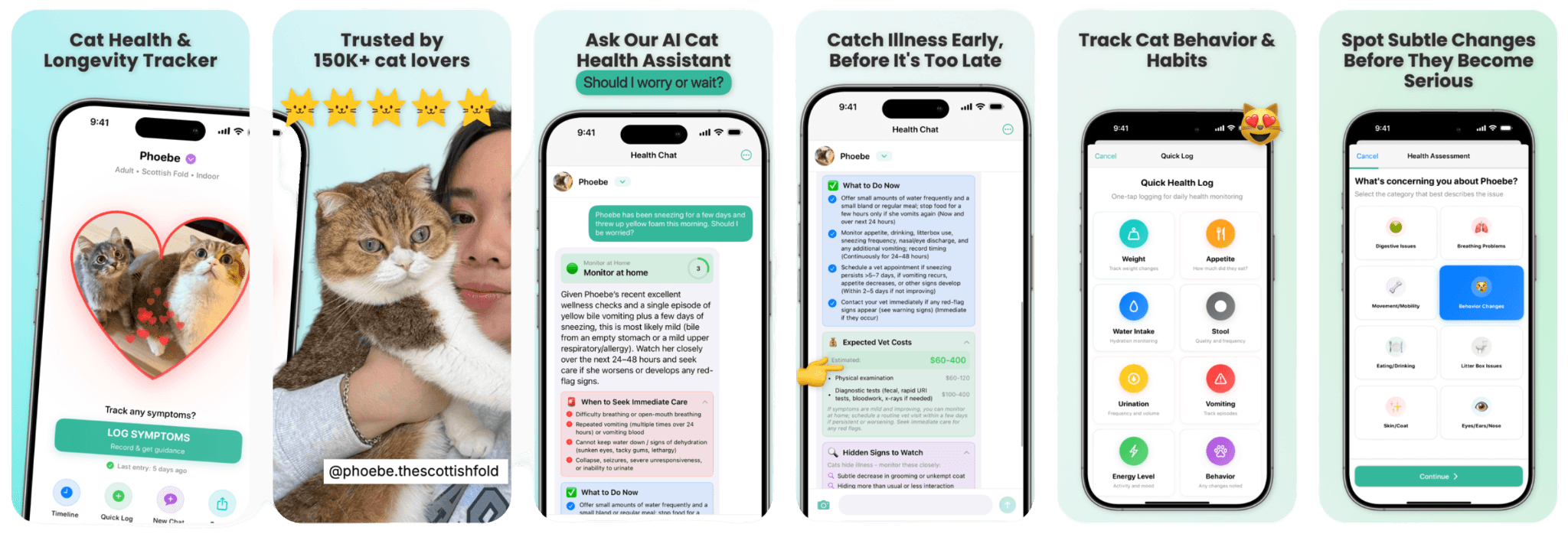
Discord is free. Layering paid access on top via Whop, Memberstack, or a custom bot turns it into a paid community. What it's good for: Audiences that already live on Discord. Gaming, crypto, AI, dev, and Gen Z communities especially. Onboarding friction is zero because everyone already has an account. What it's not: A premium experience. Discord is a chat app, not a course platform. Search is bad. Onboarding non-technical members is painful. Every notification competes with hundreds of unrelated servers. Verdict: Lowest cost, lowest control. You own neither the platform, the data, nor the brand. If your audience is on Discord and you're testing whether they'll pay for anything at all, this is a fast way to get to yes. Then graduate. Kajabi added a community product to its all-in-one creator suite, starting at $89/month on the Kickstarter plan. If you already sell courses through Kajabi, the community is a near-free addition. What it's good for: Course creators who want a community attached to their existing Kajabi setup. The integration is the value. You don't manage two billing systems or two member databases. What it's not: A category leader. The Kajabi community product is a feature that sits next to Kajabi's main course product. It's good enough, not great. The mobile experience runs through the shared Kajabi Communities app, not your brand. Verdict: Convenient if you're already on Kajabi. We compared the full economics in Kajabi vs Stan Store vs your own app and explained why creators leave Kajabi. This is the alternative most creators don't seriously consider, because the math used to be brutal. Custom mobile apps used to cost $80K to $200K and 6 to 12 months. That's why Mighty Pro existed at $30K/year. It was the cheap option. That math has changed. Foundry builds custom subscription apps for creators in three weeks, with $0 upfront, on a revenue-share model. We do the design, the build, the App Store submission, the ongoing updates, and the analytics. You own the app, the brand, and the business. What you get with a custom app vs Mighty Pro:
  • Your own App Store listing, indexed and discoverable to people who've never heard of you
  • 100% of subscription revenue minus Apple's 15-30% (the same fee Mighty Pro pays Apple, then marks up)
  • Push notifications under your brand, not "Mighty Networks"
  • A product that compounds App Store rankings and reviews instead of paying rent forever
  • Content engine: every user submission, leaderboard, and result becomes a post you don't have to brainstorm
We've explained the revenue math in Teachable vs your own app and the broader thesis in why creators leave Kajabi. The pattern repeats across every category. Renting beats nothing, owning beats renting. The case study to study is Adriene Mishler's Find What Feels Good. She moved from a YouTube audience and free community into a subscription app with hundreds of thousands of paying members. The app generates recurring revenue every month, whether she posts or not. The honest answer depends on where you are in your business. If you have under 5K engaged followers: Don't pay for a platform yet. Use a free Discord or a Substack chat. Validate that anyone will pay before you optimize the platform. If you have 5K to 50K engaged followers: Skool or Circle. You want low monthly cost, fast setup, and minimal infrastructure. Validate the offer, learn what your audience actually pays for, build the muscle of running paid content. If you have 50K+ engaged followers and a real audience: Stop renting. The math on community platforms is upside-down past a certain scale. Ten thousand subscribers paying $9.99/month is $100K MRR. On Mighty Pro that's a $30K/year platform fee plus per-member overhead. On your own app, it's Apple's 15% and the rest is yours. We covered the full revenue comparison logic in detail. If you're a creator who's tired of paying SaaS rent forever: Talk to us. Foundry's model is built specifically for creators who want to stop being a tenant and start being a founder. We share revenue. We win when you win. We don't win unless you do. If you've already built on a platform and are wondering what migration looks like: that's a real question. The good news is we've moved creators off Patreon, Kajabi, and Mighty Pro before. Subscriber lists migrate. App Store launches don't require you to abandon the existing community on day one. Most creators run both for 60 to 90 days, then transition revenue once the app proves out. For most creators with 50K+ engaged followers, the best alternative is your own custom app. You own the App Store listing, the brand, the data, and the recurring revenue. Skool is the best alternative if you're earlier in your journey and want a low-cost course-and-community combo. Circle is the strongest peer to Mighty Networks if you want to stay on a community platform. Mighty Pro makes sense for very large, very mature communities that already generate $200K+/year and want a turnkey branded app without managing development. For creators below that scale, the math is upside-down. You're paying $30K/year for a templated app that lives inside Mighty Networks' ecosystem, not yours. Traditional agencies charge $80K to $200K upfront, plus $20K to $50K/year in maintenance. Foundry builds and runs custom apps for creators at $0 upfront on a revenue-share model. We recoup our investment when the app earns. If it doesn't earn, we don't get paid. See our app care model for how ongoing operations work. Yes. You export your member list and run an email campaign inviting them to download the new app. Most creators run both platforms in parallel for 60 to 90 days during the transition, then sunset the Mighty Networks community once the app has stable revenue. Your audience moves with you because the audience was always yours, not Mighty Networks'. Mighty Networks charges 0.5% to 2% transaction fees depending on tier, on top of Stripe's standard 2.9% + $0.30. Apple's App Store charges 15% to 30% of subscription revenue (15% after year one for retention). For most creator apps, the App Store cut is roughly comparable to Mighty Networks fees plus subscription cost once you account for the platform's monthly rent and per-transaction fees stacking up. Mighty Networks alternatives all answer the same surface question: where do I run my community? The better question is whether running a community is what you should be doing at all. The creators making real money in 2026 aren't running communities. They're running businesses. Their community is a feature of the business, not the product. A community platform charges you to host conversations. A subscription app charges your audience to use a product. One of those is a cost center. The other is a business. Want to turn your audience into a real subscription business?
Let's Build →

Get Creator Revenue Insights

How creators are turning audiences into subscription businesses

You might also enjoy...

5 Mighty Networks Alternatives for Creators in 2026