
Key Takeaways:
- Mark Rober worked at NASA's Jet Propulsion Laboratory for 9 years, spending 7 on the Curiosity Mars rover
- He left Apple's Special Projects Group in 2020 to go full-time on YouTube
- His channel now has 72M+ subscribers with videos routinely hitting 50-100M views each
- CrunchLabs, founded in 2022, sells STEM subscription boxes at $29.95–$72.95/month
- CrunchLabs reportedly generates more monthly revenue than his YouTube income—estimated at $3M/month
Mark Rober is an engineer, inventor, and YouTube creator who spent nine years at NASA before building one of the most-watched channels on the internet.
He is not your typical influencer.
Rober has a mechanical engineering degree from Brigham Young University and a master's degree from the University of Southern California. From 2004 to 2013, he worked at NASA's Jet Propulsion Laboratory, spending seven of those years on the Mars Science Laboratory. He contributed hardware that helped land the Curiosity rover on Mars in August 2012—hardware that is still operating on another planet today.
After NASA, he joined Apple's Special Projects Group from 2015 to 2020, working on virtual reality projects and entertainment systems for self-driving vehicles. He wrote patents at Apple. Then he left to make YouTube videos full-time.
That decision is now worth tens of millions of dollars.
How Did a NASA Engineer Build 72M YouTube Subscribers?
Rober uploaded his first YouTube video in October 2011 while still at NASA—a Halloween costume that used an iPad to create the illusion of a hole through his torso. It went viral.
He kept making videos on the side. A glitter bomb trap for package thieves. A squirrel obstacle course engineered like a Ninja Warrior course. Watermelon cannons, world-record Nerf guns, dart boards that move so every throw hits bullseye.
The formula was simple: take a real engineering problem, build an extraordinary solution, film the result in a way that teaches how it works.
Then in 2018, the glitter bomb video hit 100 million views. Rober was off.
Today his YouTube channel has 72 million subscribers. His videos routinely pull 50-100 million views each—despite uploading only 6-8 times per year. His Instagram has millions more followers across platforms.
His secret isn't posting frequency. It's treating every video like a months-long engineering project. Same rigor he brought to Mars mission hardware. The result is content that competes with Netflix for audience attention.
But YouTube ad revenue has a ceiling. Rober started thinking about what comes next.
Ready to build beyond your content?
We help creators turn expertise into subscription businesses—$0 upfront, we handle all the tech.Book a free strategy call →
From YouTube Fame to Product Founder
By 2020, Rober had 30+ million subscribers and was making a strong living from YouTube. He could have stayed there.
Instead, he started asking a different question: what's the product version of a Mark Rober video?
His content teaches engineering through hands-on experiments. His audience includes millions of parents who watched his videos as adults—and millions more who discovered him as kids. The overlap between "people who love Mark Rober's engineering content" and "parents looking for STEM education for their kids" was enormous.
In 2022, he co-founded CrunchLabs alongside Jim Lee as president and CEO. The company ships monthly STEM subscription boxes to kids and families—each one containing a build project and a companion video from Rober explaining the engineering concepts behind what you're building.
It's his YouTube format in a box. Hands-on, credentialed, entertaining, educational.
CrunchLabs is a STEM subscription company that ships monthly engineering build projects to kids ages 6 and up, with accompanying video content from Mark Rober explaining the science behind each build.
The company offers three core subscriptions:
| Product | Ages | Price | Format |
|---|
| Build Box | 8–13 | $29.95/month | Monthly build + Rober video |
| Creative Kit | 6–10 | $32.95/month | Monthly creative build + video |
| Hack Pack | 14+ | $72.95 every 2 months | Coding and robotics kit + video |
Each box includes a build project, materials to complete it independently, and a 15-30 minute video from Rober explaining the engineering concepts in play. Annual subscriptions are available at reduced rates with free US shipping.
In 2024, CrunchLabs launched Hack Pack for teens and adults focused on coding and robotics. The same year, Rober personally funded ClassCrunch Labs—a free curriculum with video content for K-12 classrooms. In 2025, the company announced a global expansion to India and a licensing deal with Australian toy company Moose Toys for international distribution.
The Numbers Behind the Subscription Empire
In a December 2023 interview with CNBC, Rober discussed CrunchLabs as a milestone for what's possible in the creator economy—describing selling "hundreds of thousands" of subscription boxes.
Multiple sources estimate CrunchLabs generates approximately $3 million per month—outpacing Rober's YouTube income. The math is straightforward: Build Box at $29.95/month requires roughly 100,000 paying subscribers to hit $3M monthly. Given Rober's subscriber count across platforms and the viral reach of his content, that scale is entirely plausible.
What makes the subscription model work structurally:
- Predictable revenue: Unlike YouTube (where ad rates fluctuate quarterly), subscription income arrives every month
- Compounding growth: Each new subscriber adds to a base that keeps paying, month after month
- Direct relationships: CrunchLabs owns the customer—no algorithm determines their revenue
- High lifetime value: A parent who subscribes for their 9-year-old might stay subscribed through middle school
Compare that to YouTube at 72 million subscribers. Even for a channel at that scale, ad revenue depends on advertiser spend, seasonal CPM swings, and platform policy changes. Subscription revenue is uncapped. It compounds.
Thinking about subscription revenue?
We build software subscription businesses for creators—$0 upfront, 3-week delivery.Let's talk →
Why CrunchLabs Works Where Most Influencer Products Don't
Most creator product launches fail within 18 months. They're trend-chasing merch drops with no reason to exist beyond the creator's name. CrunchLabs works for reasons that most influencer brands never attempt.
The product is the content extended. Rober's YouTube channel teaches engineering through hands-on experiments. CrunchLabs ships hands-on engineering experiments. The product doesn't compete with his content—it delivers the same experience at home. Every viral video is effectively a commercial for what CrunchLabs provides monthly.
His credentials are the moat. When an influencer launches a skincare line, the credibility question is real. When a NASA engineer who worked on the Mars rover launches engineering kits for kids, the credibility question answers itself. His 9 years at JPL are built into every product.
The business model is built for recurring revenue. CrunchLabs isn't selling one-off products. It's building subscriber relationships that compound over years. That's the math that separates sustainable creator businesses from one-time product launches.
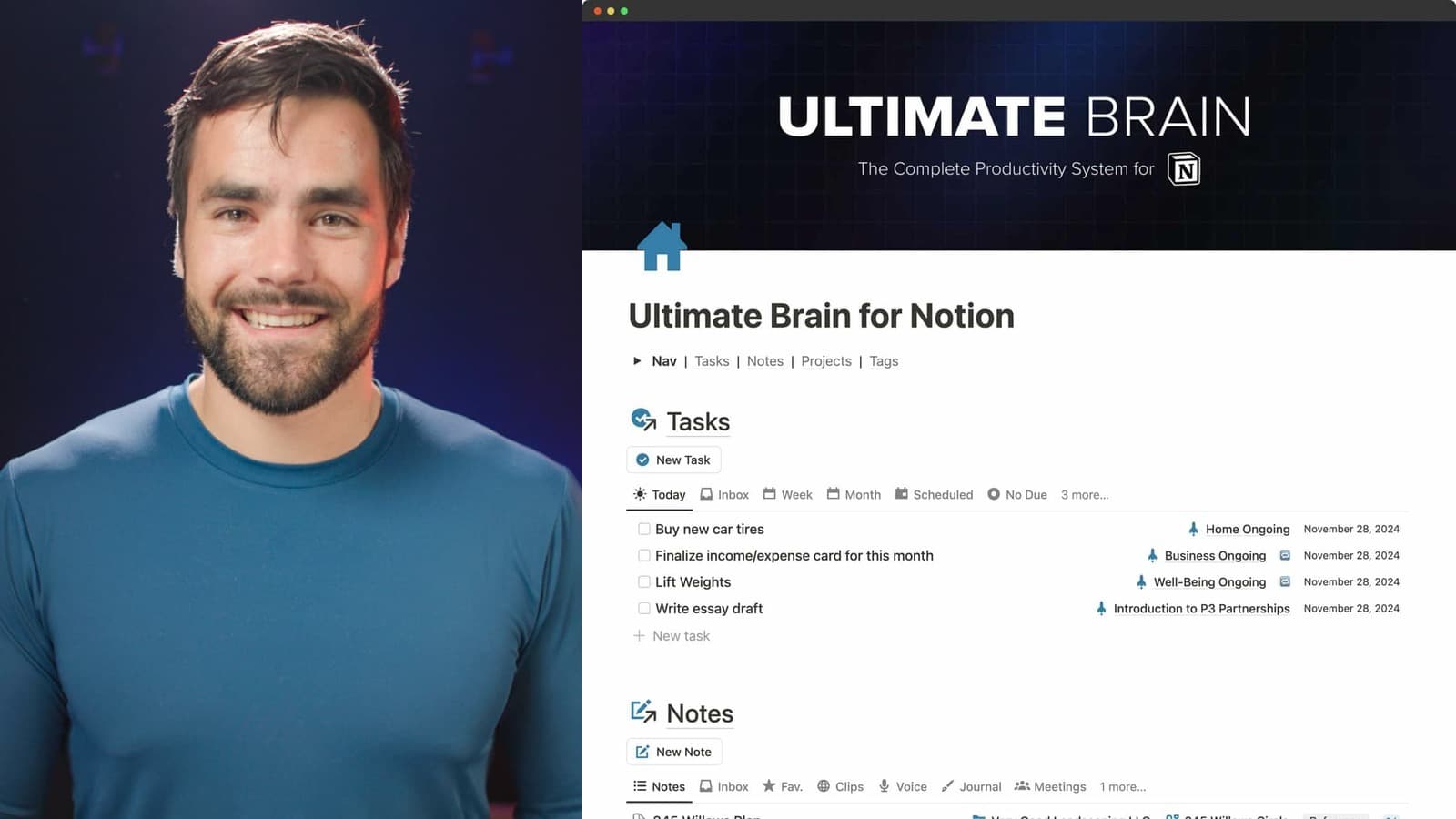
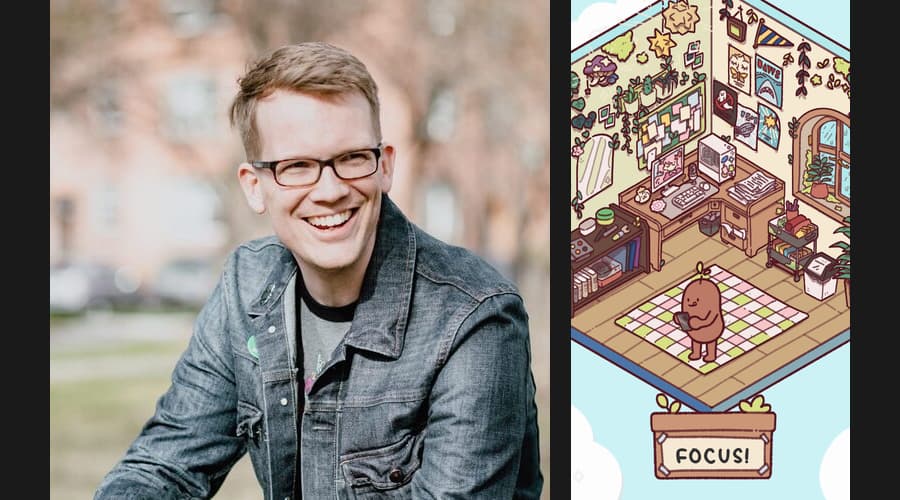
This pattern shows up across creator success stories. Hank Green built Focus Friend—a subscription productivity app that earns ~$100K/month—by applying a creator's understanding of their audience to a specific problem. Thomas Frank went from Notion tutorials to $120K/month in digital product subscriptions. In each case, the creator built a product that delivers the same value as their content—but on a recurring basis their audience pays for.
What Can Creators Learn from Mark Rober?
Rober's path—NASA → YouTube → CrunchLabs—isn't random. It follows a logic any creator can apply.
1. Your Credentials Are Your Product's Moat
Rober could have launched almost anything. He launched STEM kits because they're inextricably tied to who he is. A NASA engineer selling engineering education is a story that sells itself. Whatever your expertise, the strongest product you can build is one where your background is the core feature—not a brand partnership.
2. Build the Product Version of Your Content
His YouTube videos teach engineering through hands-on experiments. His product ships hands-on engineering experiments. The content trains the audience. The product captures the value. If you're making content that teaches something, ask: what's the product version of this? What would your audience pay to receive at home each month?
3. Why Subscription Beats One-Time Sales Every Time
CrunchLabs could have sold individual kits in retail stores. Instead, it sells subscriptions. That choice transforms a transactional relationship into a recurring one—and it's the reason CrunchLabs revenue reportedly surpasses Rober's YouTube income despite him having 72 million subscribers.
4. Your Audience Is Your Distribution Engine
When CrunchLabs launched, it had 50M+ YouTube subscribers as built-in awareness. No expensive paid acquisition campaign. No cold email. Just a creator who'd spent years earning trust with exactly the audience their product was built for. That distribution built one video at a time is worth more than any marketing budget.
Frequently Asked Questions
How much money does Mark Rober make?
Mark Rober earns from YouTube ad revenue (estimated at several million per year for a channel at his scale), brand sponsorships, and CrunchLabs subscription revenue. Multiple sources estimate CrunchLabs alone generates approximately $3 million per month, making it his primary income source. Celebrity Net Worth estimates his total net worth at approximately $25 million (2025).
What is CrunchLabs Build Box?
CrunchLabs Build Box is a monthly STEM subscription for kids ages 8-13, priced at $29.95/month. Each box includes a hands-on build project and a 15-30 minute video from Mark Rober explaining the engineering concepts involved. Annual plans are available at $329.40/year with free US shipping.
Did Mark Rober really work at NASA?
Yes. Mark Rober worked at NASA's Jet Propulsion Laboratory for 9 years, from 2004 to 2013. He spent 7 of those years on the Mars Science Laboratory, contributing hardware to the Curiosity rover mission. After NASA, he joined Apple's Special Projects Group from 2015 to 2020 before going full-time on YouTube and founding CrunchLabs.
How many YouTube subscribers does Mark Rober have?
As of early 2026, Mark Rober has approximately 72 million YouTube subscribers. He typically uploads 6-8 videos per year, with most videos exceeding 50 million views.
How can I build a subscription business like CrunchLabs?
The CrunchLabs model works because it combines a genuine creator credential with a recurring product that extends the creator's content. To replicate it: identify the core expertise your content delivers, design a product that provides that expertise monthly, and use your audience as your launch distribution. If you need help building the software or subscription platform side, we help creators launch subscription businesses with $0 upfront—we earn when you earn.
Want to turn your expertise into a subscription business? We build software businesses for creators—$0 upfront, 3-week delivery, we handle all the tech forever.
Book Your Free Strategy Call →