
Turning Knowledge into Products

Supplement Testing for Creator Brands: 3 Seals, 290 Substances, 0 FDA Approvals

October 25, 2026
Share
Supplement Testing for Creator Brands: 3 Seals, 290 Substances, 0 FDA Approvals

Get Creator Revenue Insights

How creators are turning audiences into subscription businesses
Share
The FDA does not approve dietary supplements before they go on sale, so a third-party seal is the only outside check most buyers will ever see. NSF Certified for Sport screens production lots for 290 banned substances. Informed Sport tests every batch before release. USP Verified checks identity, potency, purity and manufacturing. The brand whose name is on the label stays responsible for the product either way. That last sentence is the one creators tend to miss. A creator who launches a protein, pre-workout or greens powder is usually working with a contract manufacturer, and it is easy to assume the factory carries the regulatory weight. It does not. If your audience trusts you enough to buy a powder they will drink every morning, the testing behind it is part of what you own. This guide covers what each seal checks, the FDA deadlines that sit around a launch, and one small copy problem we found on a real creator-brand listing. We checked every linked primary source on October 25, 2026. It is a guide to the questions to ask, not legal advice; a regulatory specialist should review your actual label. No. The FDA's own questions and answers on dietary supplements states it plainly: "Under DSHEA, FDA does not have the authority to approve dietary supplements before they are marketed." DSHEA is the Dietary Supplement Health and Education Act of 1994. Instead, the firm that makes or distributes the supplement is responsible for making sure it is not adulterated or misbranded. The FDA steps in after products reach the market. Manufacturers must follow current good manufacturing practice rules, written at 21 CFR Part 111, which govern identity, purity, strength and composition. So "FDA approved" on a supplement is a phrase to avoid in your own marketing. The accurate claim is narrower: the product was made in a facility that follows cGMP, and, if you pay for it, an independent program tested it. The three programs below are the ones a sports or wellness buyer is most likely to recognize. They overlap, but they answer different questions.
ProgramRun byWhat it testsHow oftenBuilt for
NSF Certified for SportNSFLabel claims, contaminants, and 290 banned substancesProduction lots tested; facility audited annually or twice a year by gradeAthletes and teams
Informed SportLGCBanned substances, using ISO 17025 accredited methodsEvery batch before release, plus blind retail purchasesAthletes and anti-doping exposure
Informed ChoiceLGCBanned substancesAt least 12 random batches a yearConsumer wellness brands
USP VerifiedUS PharmacopeiaIngredients and declared potency, harmful contaminants, breakdown, GMPAudits plus product testingGeneral consumer quality
The NSF details come from its certification steps page, which lists GMP certification first, finished-product testing second, and lot testing for banned substances third. NSF says tested lots are listed publicly at nsfsport.com. LGC's comparison of Informed Sport and Informed Choice draws the important line: Informed Sport tests "every batch/lot of a product" before it reaches the market, while Informed Choice tests at least twelve random batches a year and does not guarantee every batch. USP's Dietary Supplement Verification Program is aimed at a different question. It verifies that the product contains the listed ingredients in the declared amounts, does not contain harmful levels of specified contaminants, breaks down to release its ingredients, and was made under good manufacturing practices. It is not an anti-doping screen. Match the seal to the risk your buyers actually carry. A powerlifting creator whose followers compete in tested federations needs a banned-substance program, and batch-level testing is the strongest answer. A wellness creator selling a magnesium blend to busy parents is better served by a quality and potency verification, because nobody in that audience faces a drug test. That is why the most-read creator business on this blog is a useful reference point. Chris Bumstead's co-owned Raw Nutrition sells to a bodybuilding audience, and its isolate protein listing describes the product as "Informed Sport certified." For that audience, a banned-substance program is part of the product promise rather than a decoration. Fees are not published by any of the three programs. NSF asks brands to request a quote. Budget for certification as a recurring cost, since lot and batch testing continues for as long as you keep producing. Even without pre-approval, federal rules set clocks around a launch. Three matter to almost every new creator brand.
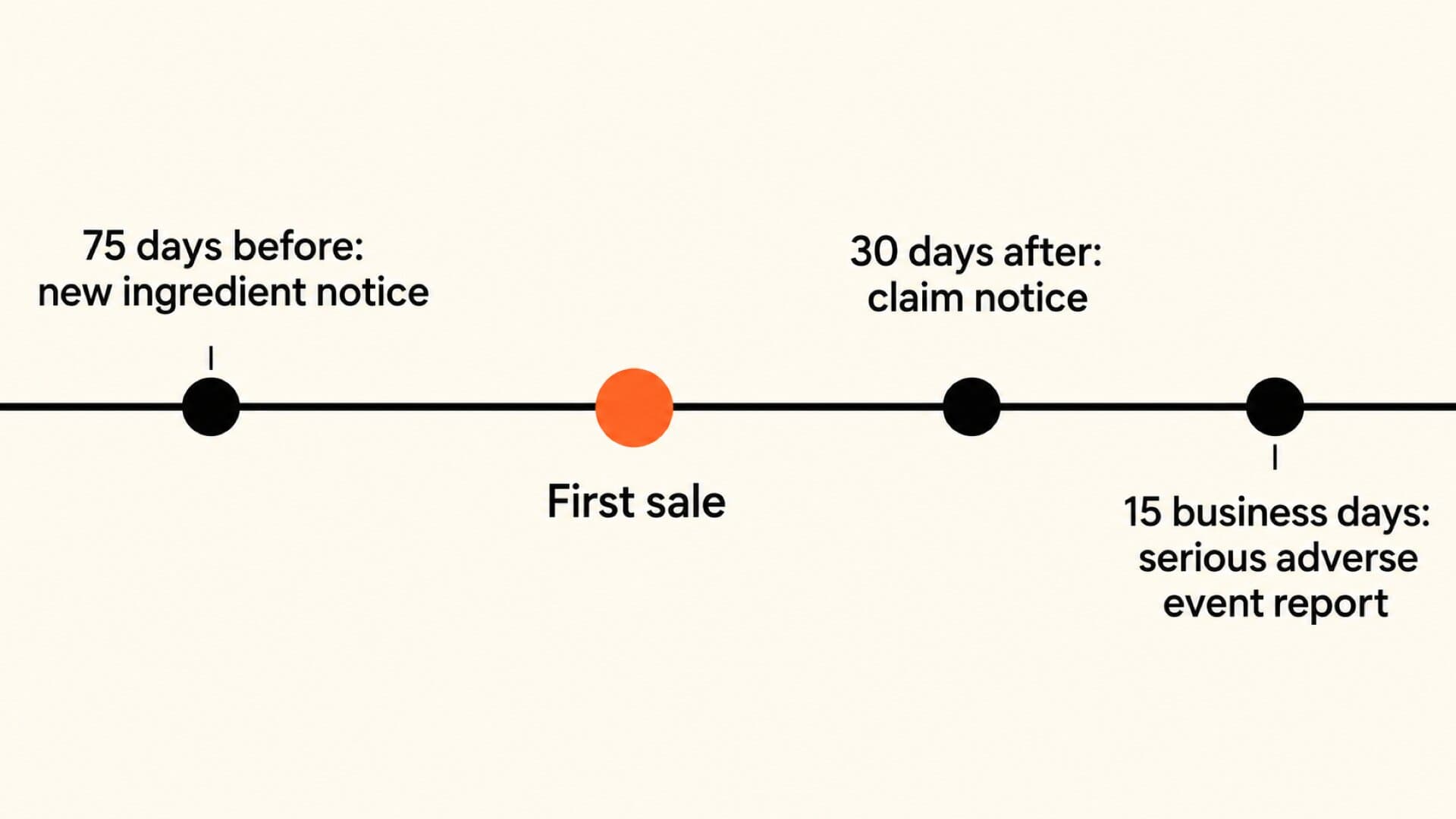
Timeline with First sale in the center, a new ingredient notice 75 days before, a claim notice 30 days after, and a 15 business day serious adverse event report window
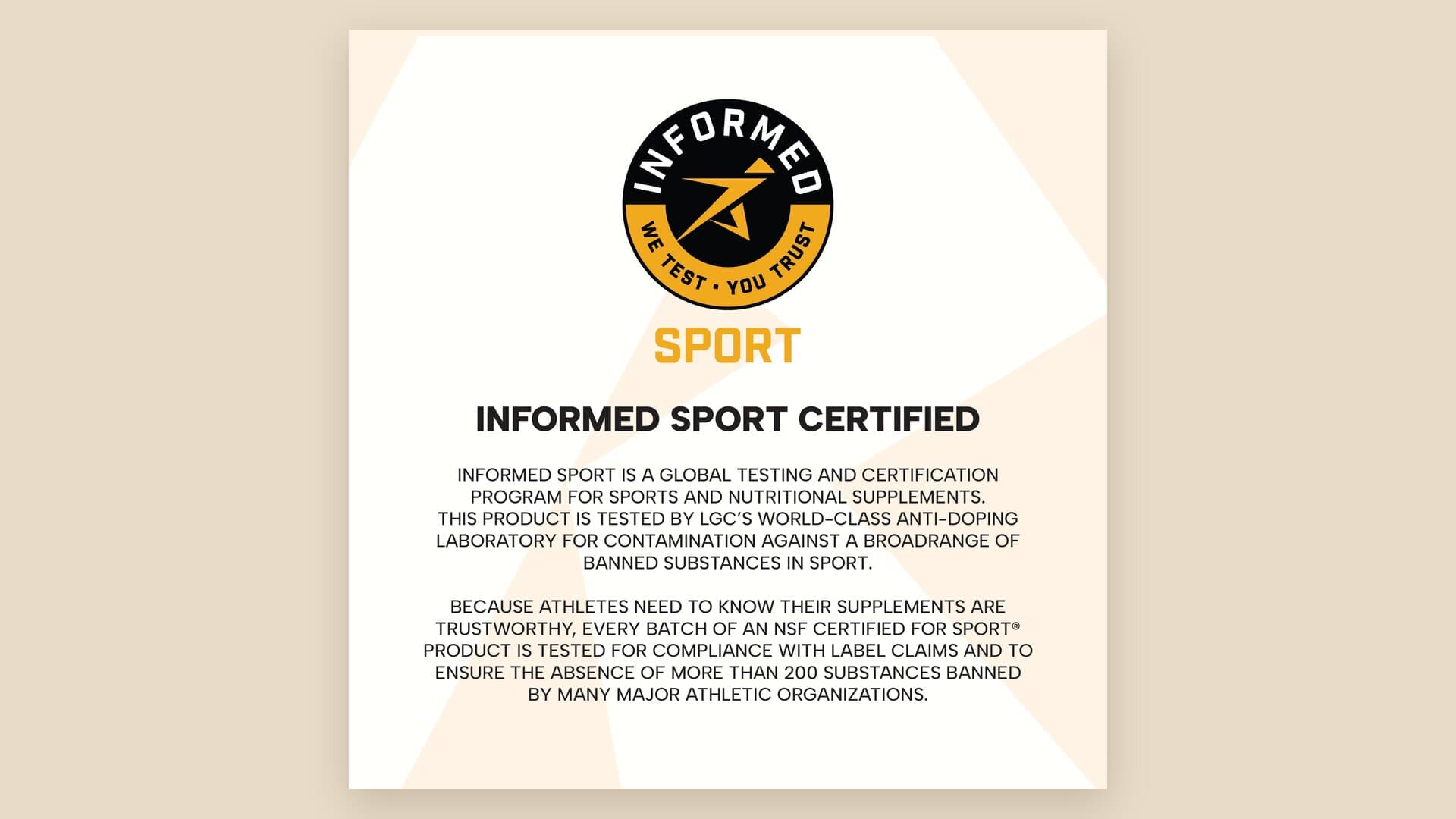
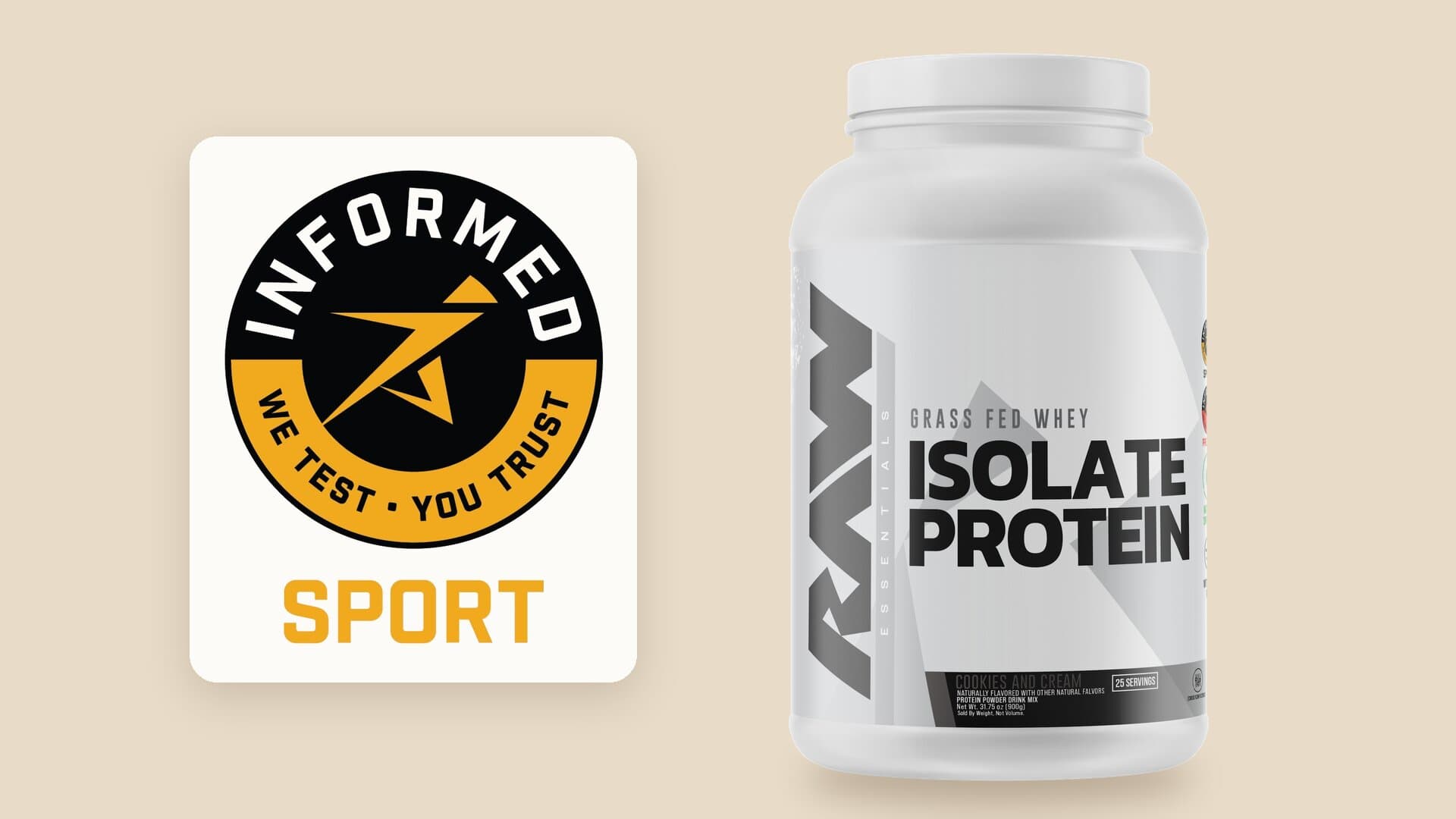
75 days before sale: new dietary ingredient notice. If the formula contains an ingredient that was not already in the food supply, the FDA says the notification "must be submitted to FDA at least 75 days before introducing the product into interstate commerce." Most whey, creatine and vitamin products will not trigger this, but novel botanicals and new compounds can. 30 days after sale: structure and function claim notice. A claim like "supports lean muscle" is a structure or function claim. The FDA's structure/function claims page says manufacturers "must submit a notification with the text of the claim to FDA no later than 30 days after marketing." The label must also carry a disclaimer that the FDA has not evaluated the claim and that the product is not intended to diagnose, treat, cure or prevent any disease. 15 business days after a report: serious adverse events. The company named on the label must forward serious adverse event reports to the FDA within 15 business days of receiving them and keep records for six years, as summarized by the Natural Products Association. That means the email address on your label needs someone reading it. Advertising has its own standard. The FTC's Health Products Compliance Guidance expects "competent and reliable scientific evidence" for health claims, generally randomized controlled human trials, and it applies to your posts as well as your packaging. Our sponsorship disclosure guide covers the endorsement side. Seals are easy to describe loosely, and one storefront image shows how. The certification image on Raw Nutrition's isolate listing, observed October 25, 2026, is headed "Informed Sport Certified" and its first paragraph correctly describes LGC's anti-doping testing.
Raw Nutrition's Informed Sport certification image from its storefront, with a first paragraph about LGC testing and a second paragraph about NSF Certified for Sport
Its second paragraph then describes "an NSF Certified for Sport product" tested against "more than 200 substances." NSF Certified for Sport is a separate program run by a different organization, and NSF's own page now cites 290 substances. The likely explanation is ordinary: marketing copy assembled from two sources. We did not find evidence that anything is wrong with the product, and we could not load Informed Sport's registry search during this check to confirm a specific batch. The lesson for a new brand is practical. Name only the program you actually hold, use that program's current numbers, and link buyers to its public registry so they can check a batch themselves. A seal is a verifiable claim, and the copy around it should be just as checkable. You are. The FDA has told brand owners who outsource production that they remain the manufacturer of record. In a warning letter reported by Nutritional Outlook, the agency told the distributor: "you have ultimate responsibility for the dietary supplements that you introduce" into interstate commerce. In practice, that means qualifying your manufacturer, reviewing its certificates of analysis, keeping your own records, and making the final release decision on each batch. A third-party seal supports that work; it does not replace it. It is the same principle behind protecting your product's name: owning the brand means owning the obligations that come with it. If the plan includes Amazon, testing stops being optional. According to a January 2026 summary by Epstein Becker Green, Amazon requires supplement sellers to demonstrate label and cGMP compliance through accredited third-party testing, inspection and certification providers, who submit documentation directly to Amazon. First-party audits and FDA inspections are not accepted, and higher-risk categories such as sports nutrition and weight management face additional testing against the NSF/ANSI 173 standard. Confirm the current terms in Seller Central before you list.
  • Confirm your manufacturer's cGMP status under 21 CFR Part 111 and get it in writing.
  • Choose a seal that matches your audience's real risk: batch-level banned-substance testing for competing athletes, quality verification for general wellness.
  • Check every ingredient for new dietary ingredient status at least 75 days before launch.
  • Calendar the 30-day structure and function claim notification and print the required disclaimer.
  • Put a monitored contact address on the label and assign someone to adverse event reports.
  • Proofread every seal reference against the certifier's current page and link to its registry.
A supplement can be a strong recurring business for a creator with a trusting audience, much like the refill models in beauty or James Hoffmann's coffee subscriptions: the container empties and the customer comes back. That repeat purchase is only worth building if the product earns it each time. If you want to talk through which business fits your audience, read how Built by Foundry works.
Our work

Creators who already did this

These are apps we designed, built, shipped, and still run today, with the creator keeping the code and the audience.

Samantha Mae

Samantha Mae

Founder & CEO of NineLives

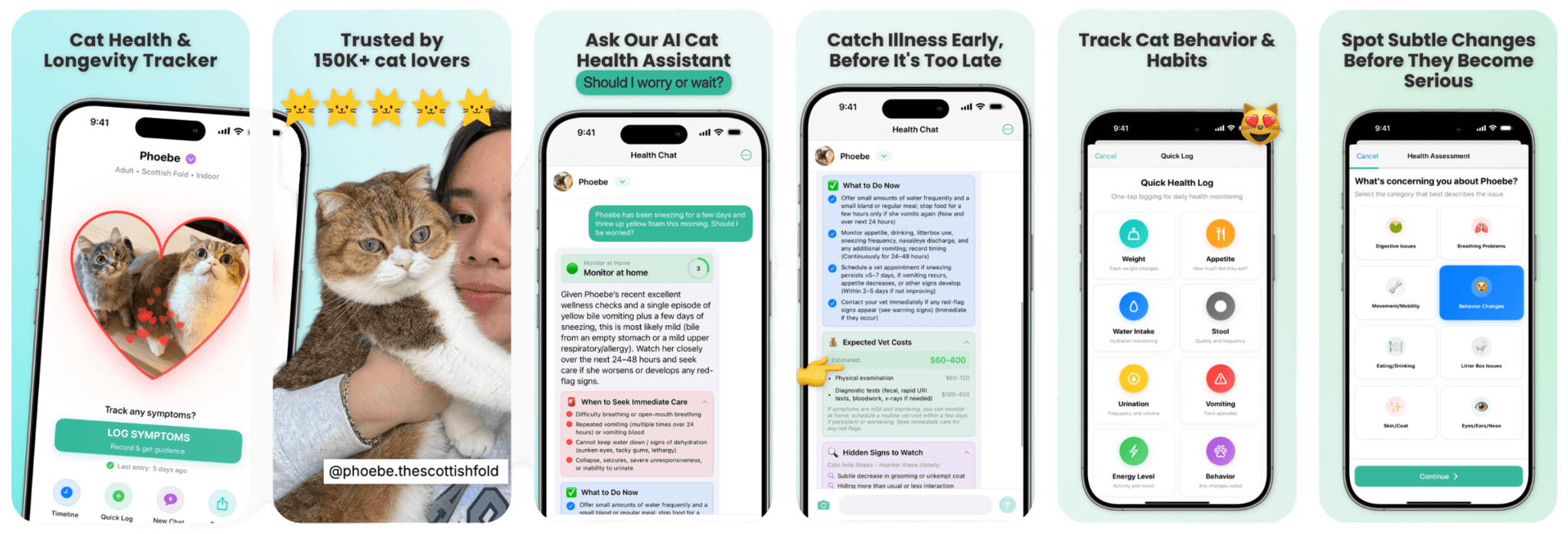
Cat health tracking from the world's most beloved Scottish Fold.

Top Health App150K+ followers
Read the case study
NineLives screenshots
Liv Merima

Liv Merima

Founder & CEO of Claim It

Custom affirmations that help millions choose themselves.

Top Lifestyle App150K+ followers
Read the case study
Claim It screenshots
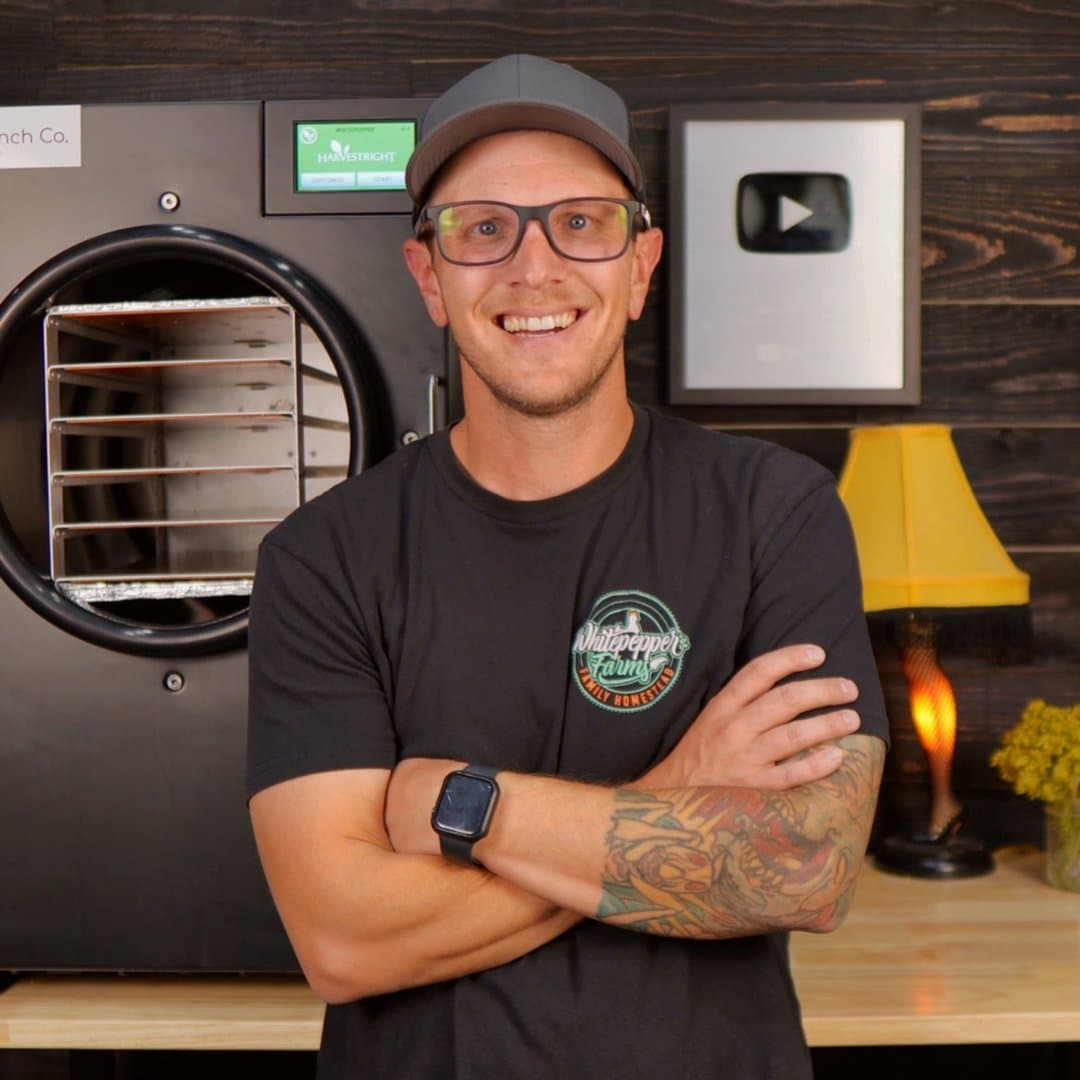
Brandon Whiteleather

Brandon Whiteleather

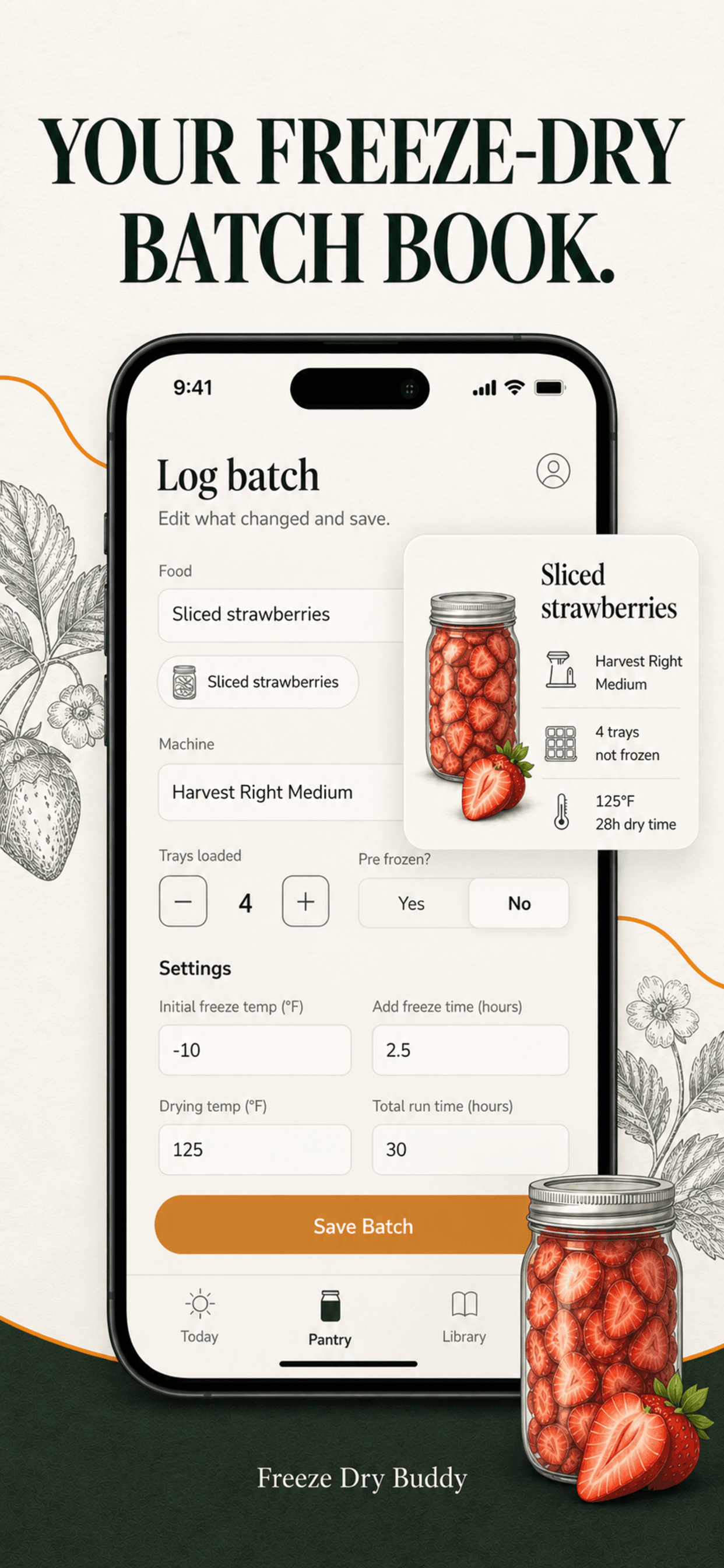
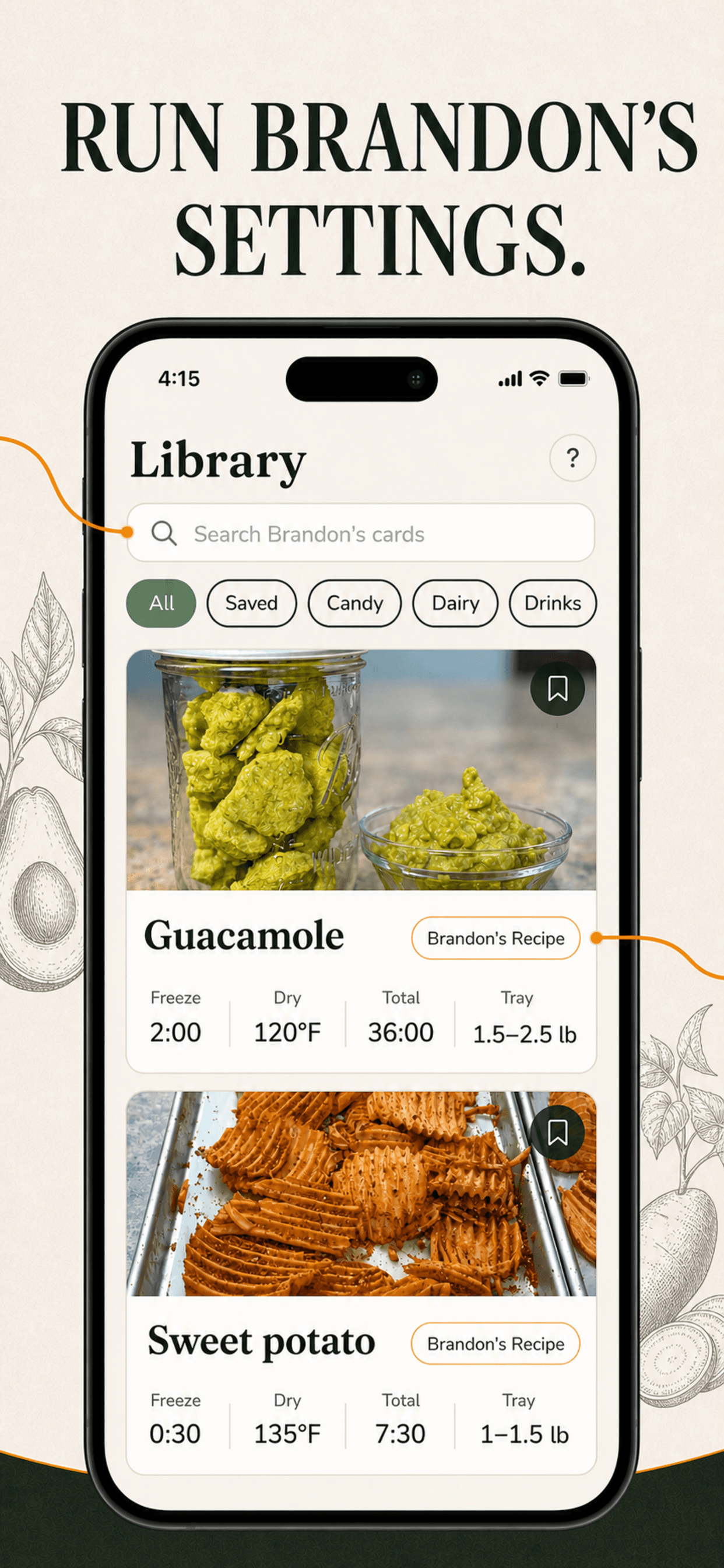
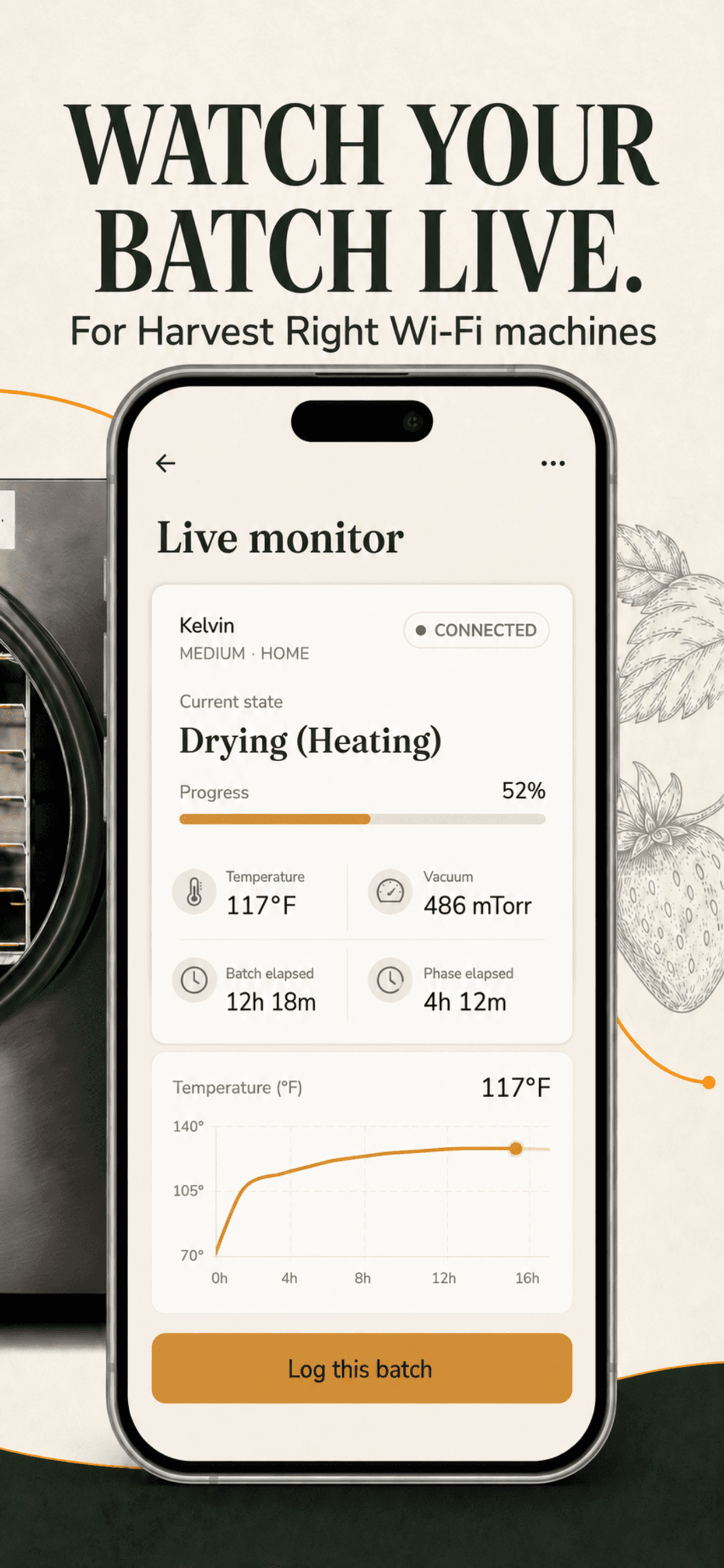
Founder & CEO of Freeze Dry Buddy

Freeze drying made foolproof, from a homesteader who's done it 1,000 times.

Top Food App1.4M+ followers
Read the case study

Creator app strategy

Curious what your app could be?

Enter your handle and BUILT BY FOUNDRY will research your audience and present custom app concepts. Free.

Supplement Testing for Creator Brands: 3 Seals, 290 Substances, 0 FDA Approvals