

Case Studies & Success Stories

James Hoffmann: 350g of Coffee, 3 Lessons in Repeat Sales

October 25, 2026
Share
James Hoffmann: 350g of Coffee, 3 Lessons in Repeat Sales

Get Creator Revenue Insights

How creators are turning audiences into subscription businesses
Share
James Hoffmann's coffee business has a particularly clear reason for the next sale: eventually, the bag is empty. At Square Mile Coffee Roasters, which he co-founded with Anette Moldvaer in 2008, customers can subscribe to deliveries of beans. They can also buy a different experience: coffee bundled with lessons and equipment. Both offers serve the activity his audience already cares about, making better coffee at home. That makes Hoffmann useful to study even if you never intend to sell a physical product. His businesses show how expertise can support repeat purchases without requiring every customer to want more of the creator's personal attention. Independent profile. Public sources checked October 25, 2026. Hero photograph: James Hoffmann, via Shopify Masters. James Hoffmann is a coffee educator, author, 2007 World Barista Champion and co-founder of Square Mile Coffee Roasters. His business experience preceded his large YouTube audience. Square Mile's author biography records the championship and his books, including The World Atlas of Coffee and How to Make the Best Coffee at Home. His YouTube channel covers coffee techniques, equipment and experiments. His own account of his work dates Square Mile's founding to 2008 and describes a broader collection of publishing and product projects. This history matters. Hoffmann brought practical knowledge into media, and the company had a purpose beyond monetizing viewers. Square Mile now names Felicity Whitehead as its director. Credit for the operating business belongs to the team as well as its co-founders. The public pages cited here do not establish Hoffmann's current ownership percentage, personal earnings or Square Mile's subscription revenue. Those numbers are unnecessary to understand the offers. For another route into this category, see our profile of Emma Chamberlain's coffee business. Square Mile's subscription page offers 350g deliveries, with choices including a familiar blend or a changing selection. The customer gets coffee to brew, and eventually needs more. A simple illustration makes the timing concrete. At an assumed 15g per brew, 350g supplies about 23 brews. That is an example calculation, not Square Mile's recommended dose or a forecast of customer behavior. A household making several coffees a day empties the same bag faster. The next order therefore has a practical purpose. A customer can explain what they receive and why they would want it again. For creators, that is a useful starting point for product selection. Ask what gets used, completed, changed or depleted between purchases. A consumable runs out. A training plan needs to progress. A seasonal garden needs different decisions. The product should earn its next payment through something happening in the customer's life. Our creator-product fit guide helps distinguish those needs from enthusiasm for a creator's next launch. Hoffmann has said he deliberately distinguishes his personal channel's educational purpose from a brand channel's commercial purpose. In his 2023 Shopify Masters interview, he explained that quietly selling products inside an apparently educational relationship would undermine its honesty. An expert creator selling into their own field has a real tension to manage. A viewer wants useful advice; a company wants customers. Being clear about the relationship lets the viewer judge both. The business also benefits from having a promise that stands on its own. A shopper should be able to evaluate the coffee, delivery and service without first developing a personal attachment to Hoffmann. That gives the company a route to customers who discover the product before the creator. The practical lesson is to write two clear descriptions: what your public teaching helps people understand, and what your paid product delivers. Make the connection visible wherever it matters to a recommendation. Square Mile's Twelve Lessons subscription pairs monthly deliveries of 350g of filter coffee with relevant materials or samples, plus equipment each quarter. The annual plan is billed quarterly. Its videos are presented by the Square Mile team and matched to the coffee and items customers receive. That pairing changes the educational offer. Customers have the material needed to try the lesson, and the lesson helps them understand what arrived. The product and the teaching make each other more useful. A craft educator could examine the same possibility with a project kit. A music teacher could pair instruction with exercises built for a particular stage of practice. These are product hypotheses to test with buyers, rather than assumptions that every audience wants a subscription. The question is specific: what would customers need beside them to put your expertise into practice? If you can supply it reliably, you may have an offer with more substance than another folder of videos. The live subscription builder separates ongoing recurring payments from fixed terms of three, six or twelve months. It also offers weekly, fortnightly or monthly delivery. The broader subscription page describes adjustable intervals, skipping and pausing.
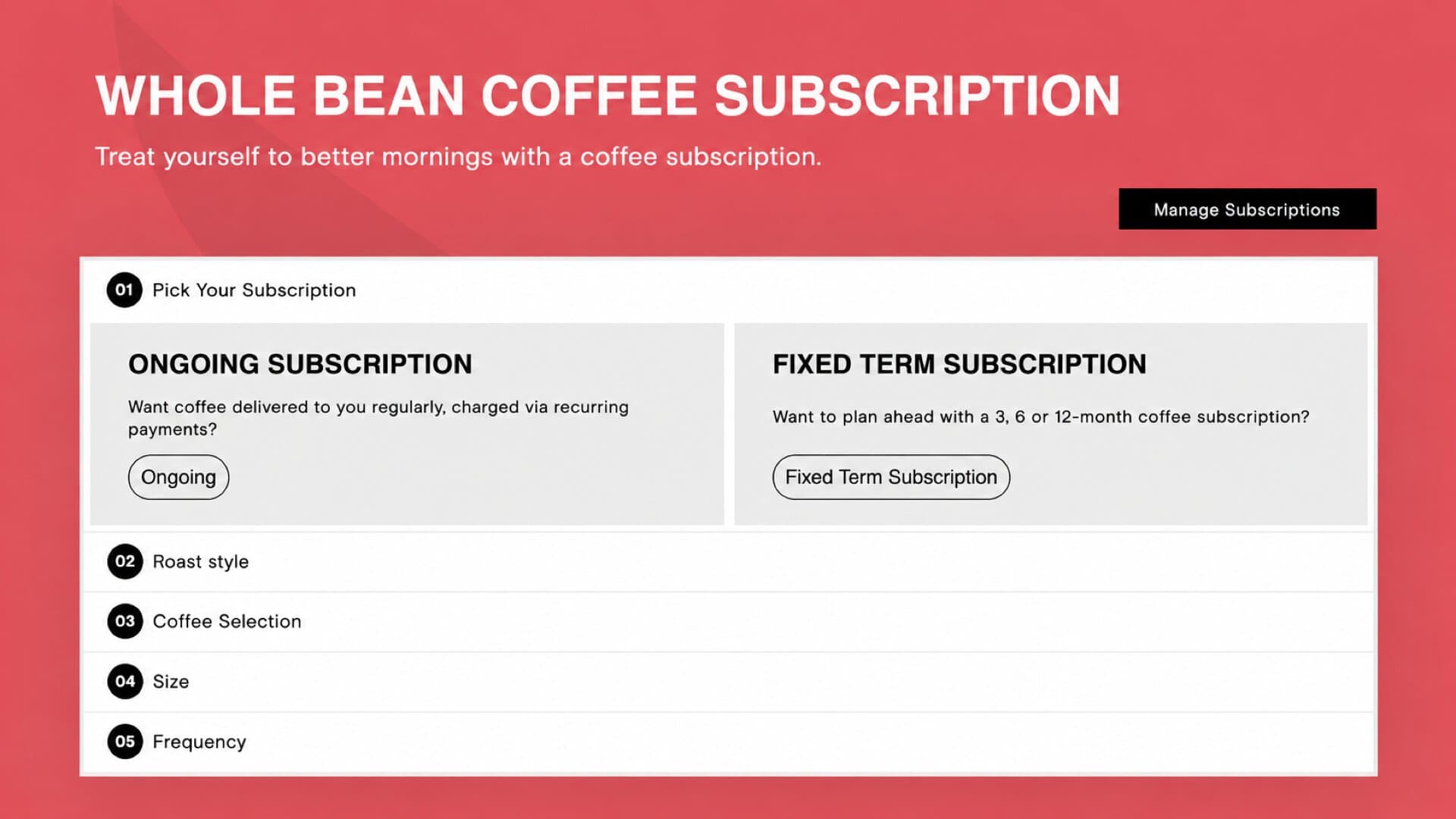
Square Mile's real subscription builder showing ongoing recurring payments beside a fixed-term subscription
Square Mile's public subscription builder, captured October 25, 2026. These are storefront choices, not measurements of retention. Those controls address an ordinary problem: consumption varies. Coffee arriving faster than someone drinks it can turn a welcome service into an accumulating chore. For a creator business, write down what happens when the customer's circumstances change. Can they slow delivery, take a break or finish a defined program? Who handles the request? A workable answer belongs in the offer before launch. Ongoing service needs an owner too. Software has updates and support; physical products have sourcing, packing and delivery. Our App Care overview describes that continuing operating responsibility for software businesses. Recurring billing creates continuing obligations in either format. Expert creators can borrow three choices from Square Mile: serve a repeat need, make education easier to apply, and give customers control over the cadence. The right format follows from the work the customer wants done. If you teach a practical skill to an engaged audience and already sell something, review your last ten customer questions. Mark which ones concern understanding, doing or replenishing. Then choose one recurring problem and speak to the people who have paid you about how they handle it today. Use those conversations to define a small offer and its delivery responsibility. Our guide to validating a product before building covers interviews, presales and manual pilots you can use to test it. Hoffmann's example gives creators permission to build around the subject they know deeply. The next purchase can come from a customer brewing tomorrow's coffee, with a company ready to supply it.
Our work

Creators who already did this

These are apps we designed, built, shipped, and still run today, with the creator keeping the code and the audience.

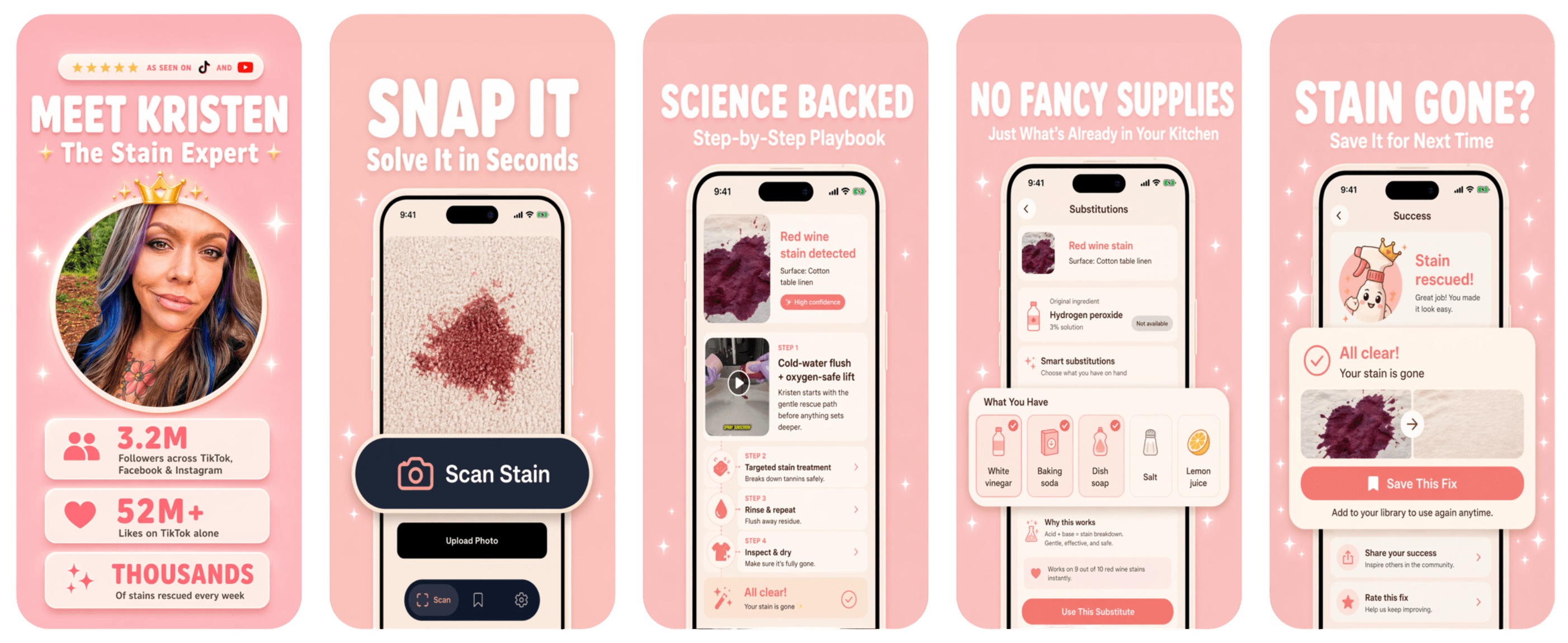
Kristen Donathan

Kristen Donathan

Founder & CEO of Stain Fix

Snap a stain. Get the fix in seconds.

Top Lifestyle App1.5M+ followers
Read the case study
Stain Fix screenshots
Ellie Fausett

Ellie Fausett

Founder & CEO of Vector Guard

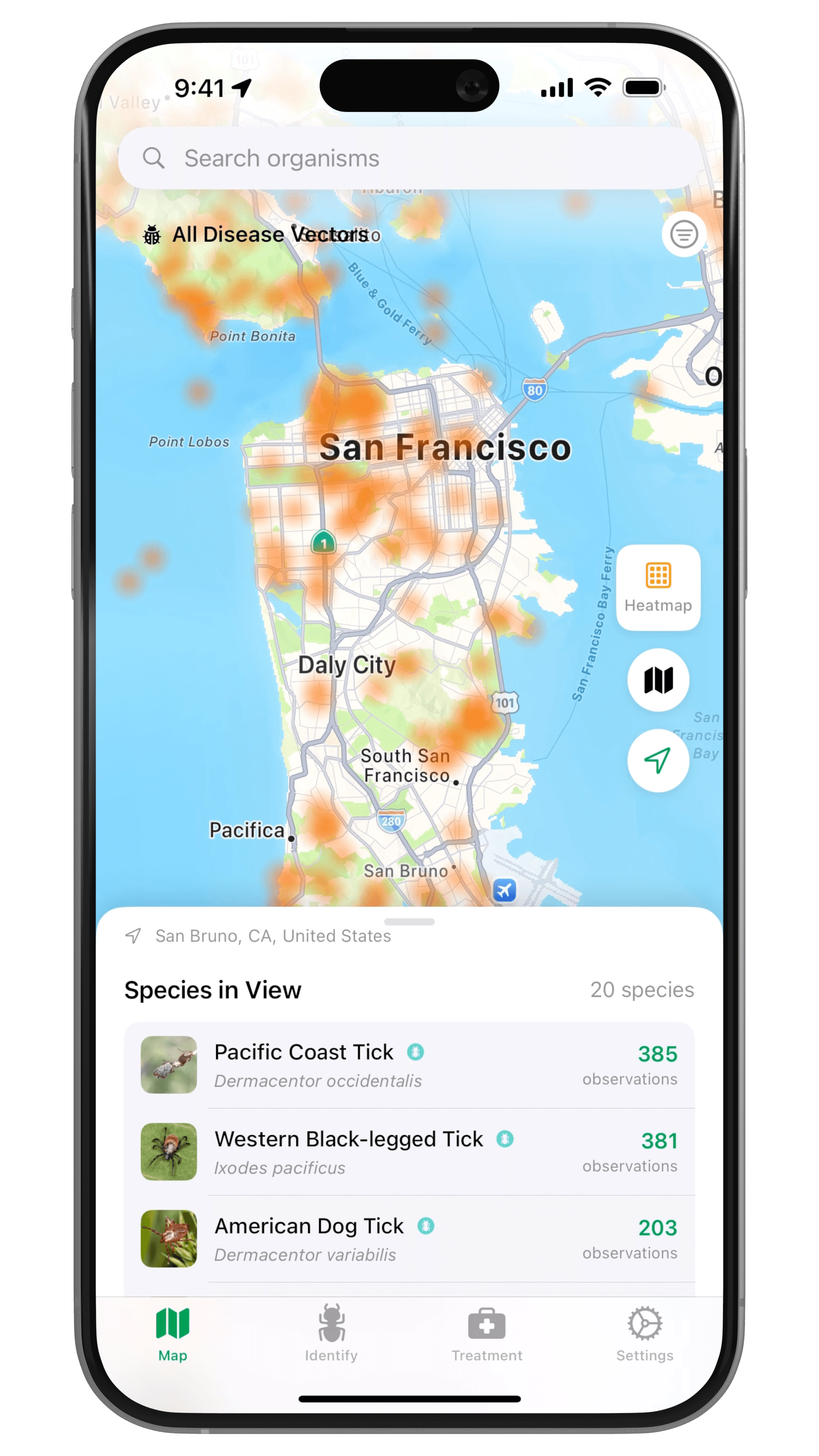
Spot disease-carrying pests before they reach your family.

Top Health App
Read the case study
Vector Guard screenshots
Samantha Mae

Samantha Mae

Founder & CEO of NineLives

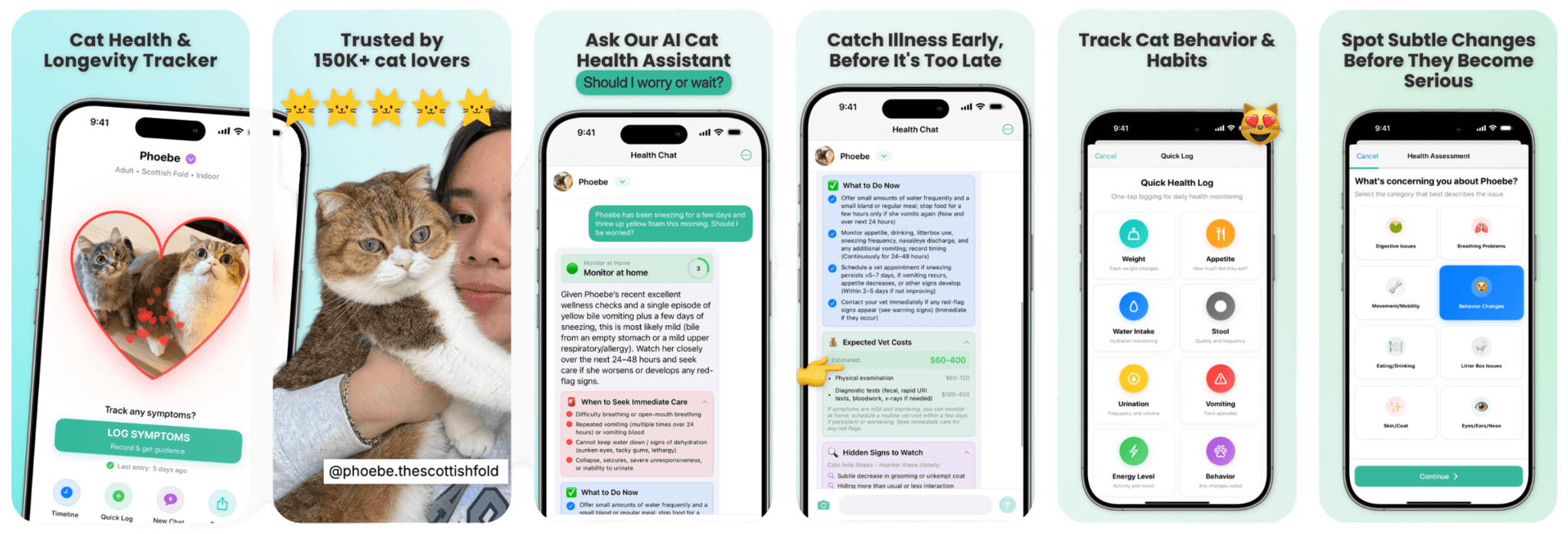
Cat health tracking from the world's most beloved Scottish Fold.

Top Health App150K+ followers
Read the case study
NineLives screenshots

Creator app strategy

Curious what your app could be?

Enter your handle and BUILT BY FOUNDRY will research your audience and present custom app concepts. Free.

James Hoffmann: 350g of Coffee, 3 Lessons in Repeat Sales