
Case Studies & Success Stories

Nick DiGiovanni: 48M Subscribers, a Netflix License, and a $39.99 Salt Refill

October 30, 2026
Share
Nick DiGiovanni: 48M Subscribers, a Netflix License, and a $39.99 Salt Refill

Get Creator Revenue Insights

How creators are turning audiences into subscription businesses
Share
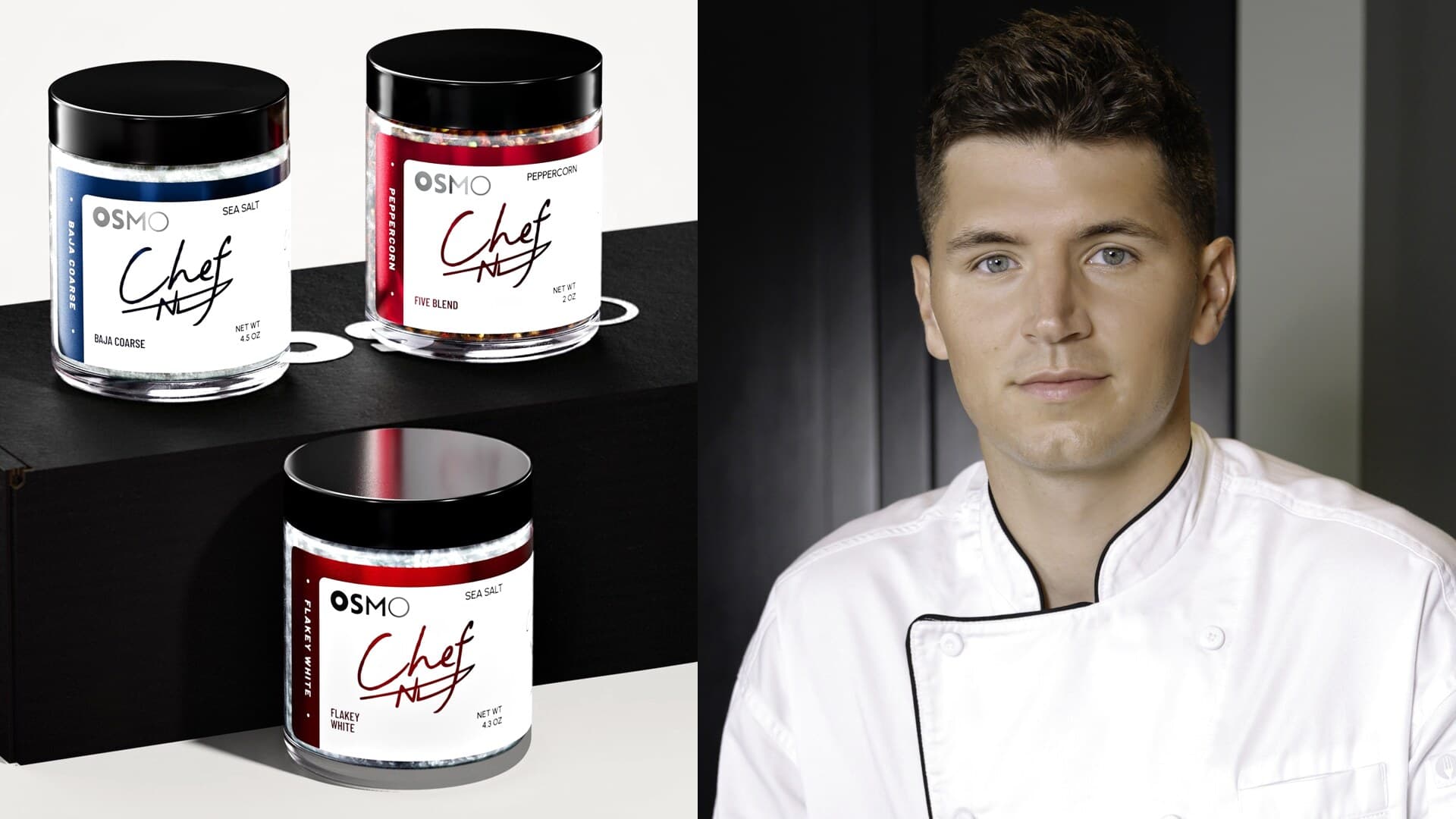
In July 2026, Deadline reported that Netflix had signed a licensing deal with Nick DiGiovanni. According to Net Influencer's summary of the deal, Netflix gets his full back catalog. New videos from his two channels, "Nick DiGiovanni" and "Nick's Kitchen," will stream on Netflix on the same day they reach YouTube. That deal got the headlines. But DiGiovanni earns in three different ways, and the deal shows only one of them. He licenses his videos, he sold a cookbook through a publisher, and he founded a seasoning brand whose customers run out and come back. Those three are worth separating, because each answers a different question about ownership. Portrait: Nick DiGiovanni, from the 2024 kitchen photograph on Wikimedia Commons (CC BY 4.0) by Listeningtocoltrane, beside Osmo's own product photograph of the three Chef Collection jars sold in its refill bundle. Nick DiGiovanni is a chef and food creator. He graduated from Harvard in 2019, became the youngest finalist in the tenth season of MasterChef, and founded the seasoning brand Osmo. His main YouTube channel had 48.1 million subscribers when we checked on October 30, 2026. The Harvard Gazette reported in 2019 that Harvard had no food studies concentration, so he designed his own in food and climate. His publisher's bio on Penguin Random House calls him the "youngest-ever finalist on the 10th season of MasterChef." Since then he has built nine Guinness World Records into his videos, including a record Beef Wellington made with Gordon Ramsay in 2023. On October 30, his main channel showed 48.1 million subscribers and 583 videos. His second channel, Nick's Kitchen, showed 6.61 million subscribers and 185 videos. He also posts on Instagram and TikTok.
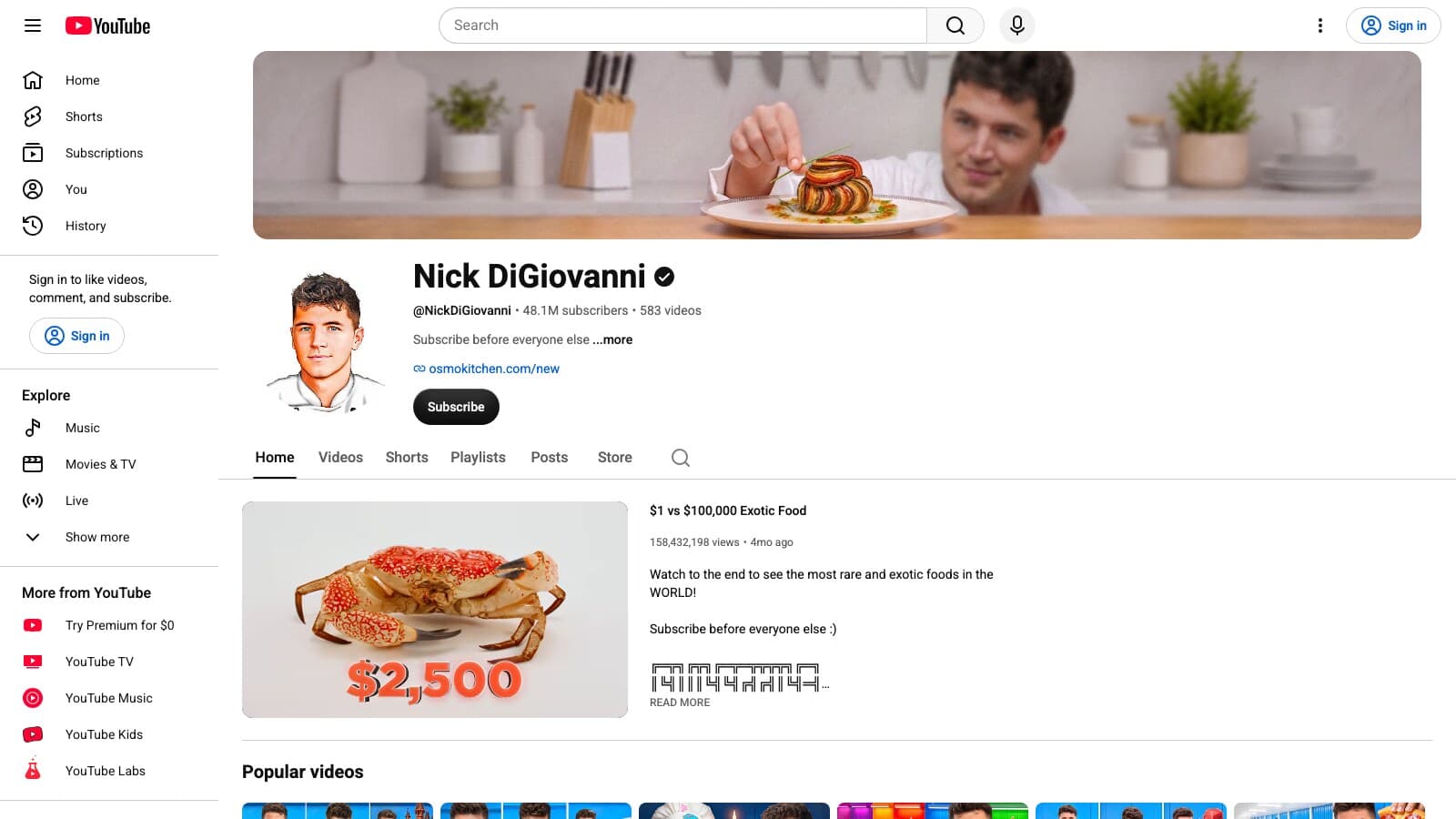
Nick DiGiovanni's YouTube channel, captured October 30, 2026: 48.1M subscribers, 583 videos, and a single header link to osmokitchen.com/new.
Look at the link under his name. A channel this size could send viewers to a link page with many options. His sends them to one place: osmokitchen.com/new, which opens the Osmo store. The channel is the attention, and the store is where he sends it. The reported terms cover distribution. Netflix gets the archive and same-day copies of new episodes from both channels. Nothing in the coverage says YouTube loses the videos, so the reported deal adds a second outlet for the same library. Netflix co-CEO Ted Sarandos has described YouTube as a "farm league" for creators, a point Net Influencer included in its coverage. Read in that light, Netflix is buying something DiGiovanni had already proved works: a library that people watch. He keeps making the videos. Netflix pays for the right to show them. A license is a useful kind of income. Work that has already paid for itself on YouTube earns again from another platform, and the creator keeps the rights. For a back catalog of 768 videos across two channels, that's a real asset. It has limits, though. A license lasts for an agreed term and then needs renewing. The buyer decides how prominently the work is shown, and the buyer owns the viewer relationship on its platform. A Netflix viewer who loves a DiGiovanni episode is still a Netflix subscriber, and DiGiovanni never learns their email address. A license pays you for your work. It does not give you customers. We made a similar point about platform money in our look at Instagram's new long-form feature: read the terms before you treat the money as yours.
See What We’d Build You →
Osmo's about page puts it plainly: "Nick DiGiovanni is the founder of Osmo Kitchen." The brand sells sea salts, seasonings, Magic Sauce and rechargeable grinders. Wikipedia's entry, citing The Hollywood Reporter, dates the brand to 2021. Individual jars are also listed on Walmart.com. The product worth studying is the refill.
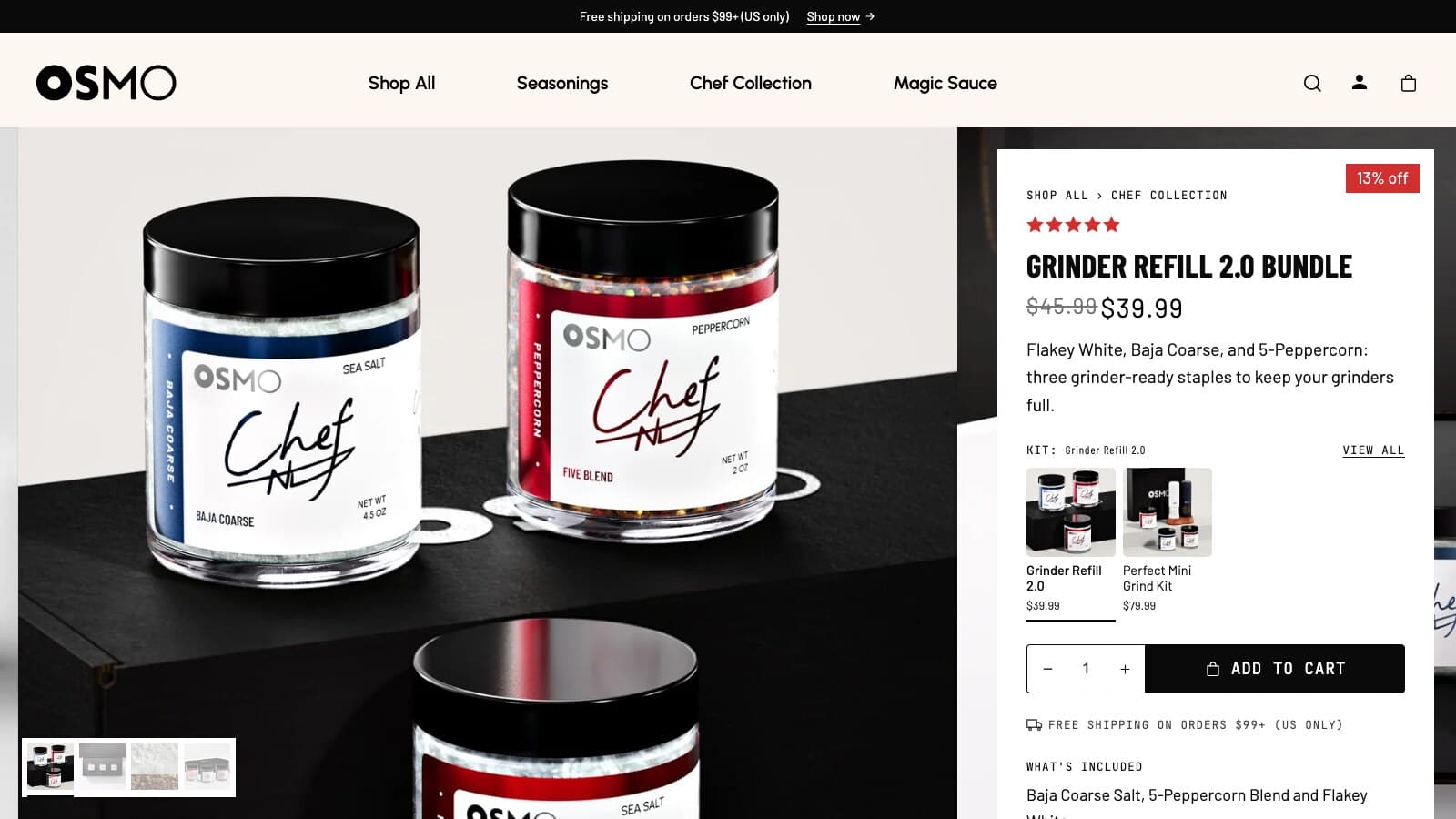
Osmo's Grinder Refill 2.0 Bundle, captured October 30, 2026: Flakey White, Baja Coarse and 5-Peppercorn for $39.99, shown beside the $79.99 Perfect Mini Grind Kit.
On October 30, the Grinder Refill 2.0 Bundle cost $39.99 (marked down from $45.99). The page describes it as "three grinder-ready staples to keep your grinders full." The grinder kit sits beside it at $79.99. One purchase creates the next: someone who buys a grinder now has a reason to come back for salt. The table shows how the three income streams compare.
Revenue lineWho paysWho owns the customerDoes it repeat?
Netflix licenseNetflixNetflixOnly if the license is renewed
Knife Drop cookbookReaders, through DKThe publisher and retailersNo, one copy per reader
Osmo refillsHome cooksOsmo, which he foundedYes, every time the jar empties
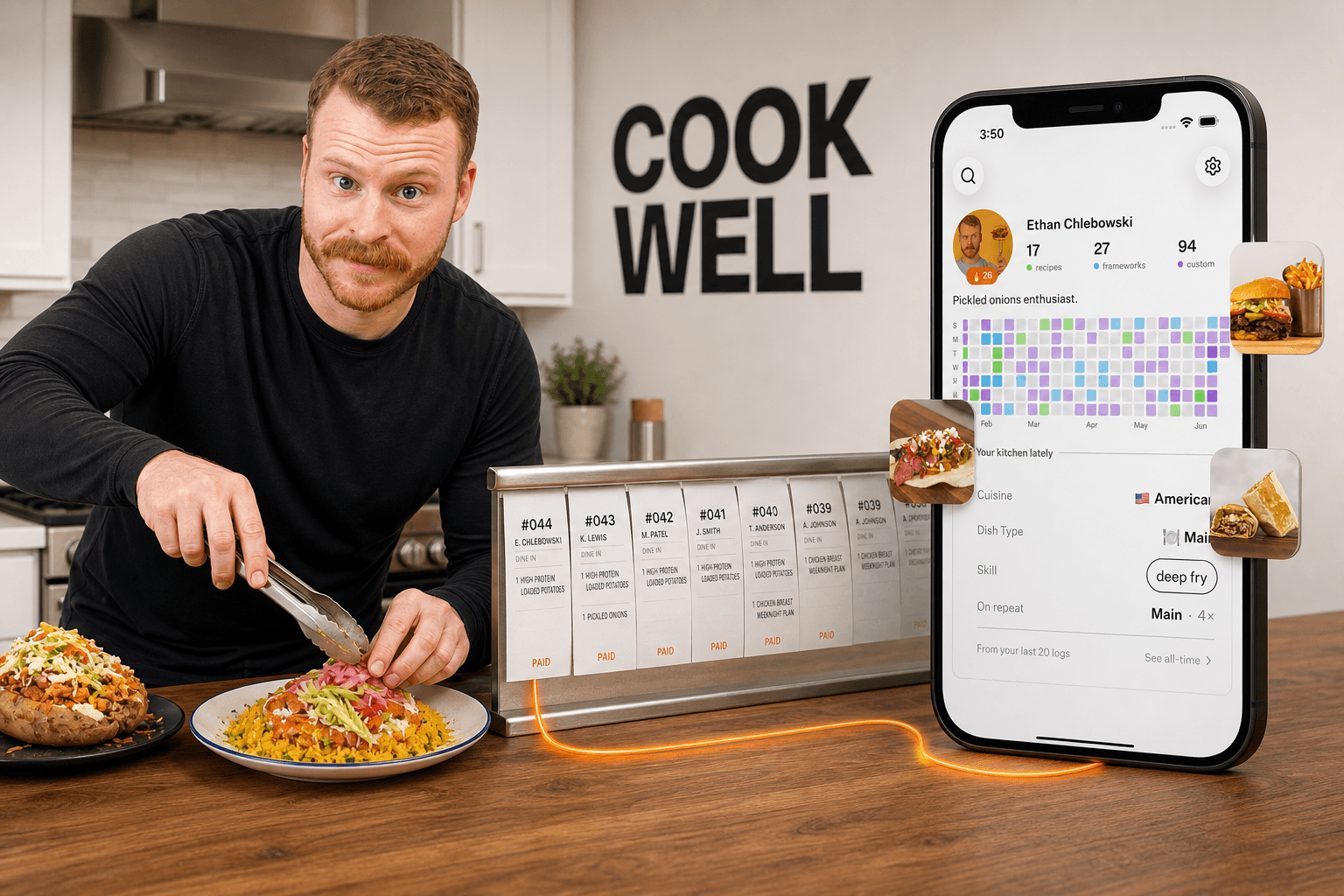
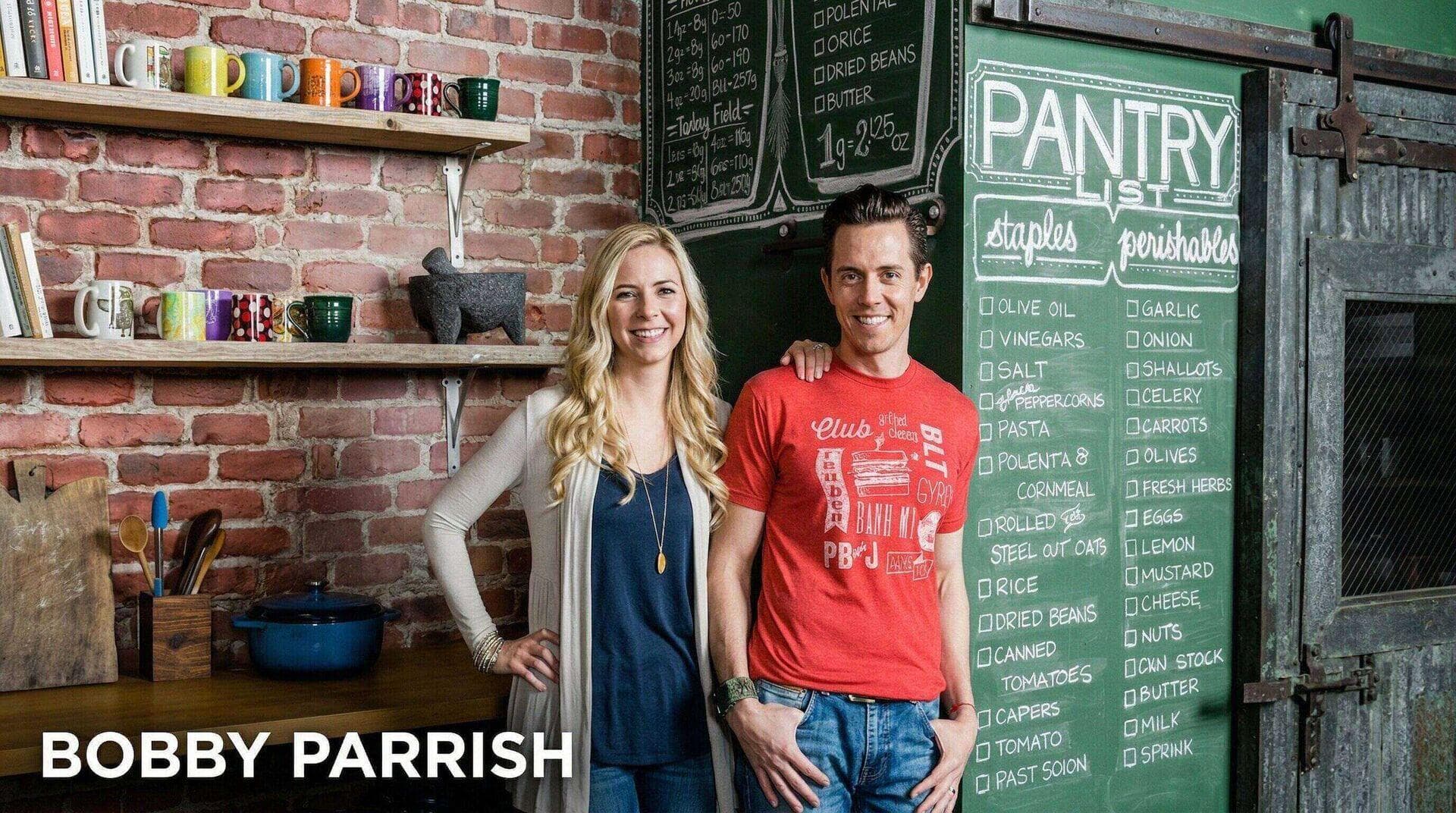
One gap is worth noting. The refill and Magic Sauce pages we checked on October 30 offered no subscribe-and-save option. Customers reorder when they remember. A product that runs out on a fairly predictable schedule is a natural fit for a subscription, as we showed with James Hoffmann's repeat coffee sales. Osmo hasn't published sales or reorder figures, so we can't say how often customers come back today. Knife Drop, published by DK on June 13, 2023, is a 256-page hardcover priced at $35, with a foreword by Gordon Ramsay. The publisher lists it as a New York Times bestseller. A book does a lot for a creator. It gives them credibility, gets them onto store shelves, and gives the press a reason to write about them. Financially, it is a single sale. A reader buys one copy, the publisher handles printing and distribution, and the author earns a royalty. A refill sells again whenever a customer runs out. Food creators keep facing this choice. Bobby Parrish built FlavCity into a food app people use every time they shop, and Ethan Chlebowski turned his teaching into Cook Well. In both cases the product is used again and again, and a cookbook is read once.
See What We’d Build You →
DiGiovanni's three income streams answer three questions. The license asks who else will pay for your library. The cookbook asks who will publish your expertise. Osmo asks what your audience needs again next month, and whether you own the thing that supplies it. Most creators answer the first two and skip the third. You don't need 48 million subscribers to ask it. Look at what your audience runs out of, what they come back to, and where your channel link sends them. For some creators the answer is a physical product like Osmo. For many it is a subscription app their audience opens every day. Built by Foundry builds that third kind of business. We build the product at $0 upfront for a revenue share, the creator owns it, and we keep it running through App Care. You can read how the model works on our about page.
Our work

Creators who already did this

These are apps we designed, built, shipped, and still run today, with the creator keeping the code and the audience.

Ellie Fausett

Ellie Fausett

Founder & CEO of Vector Guard

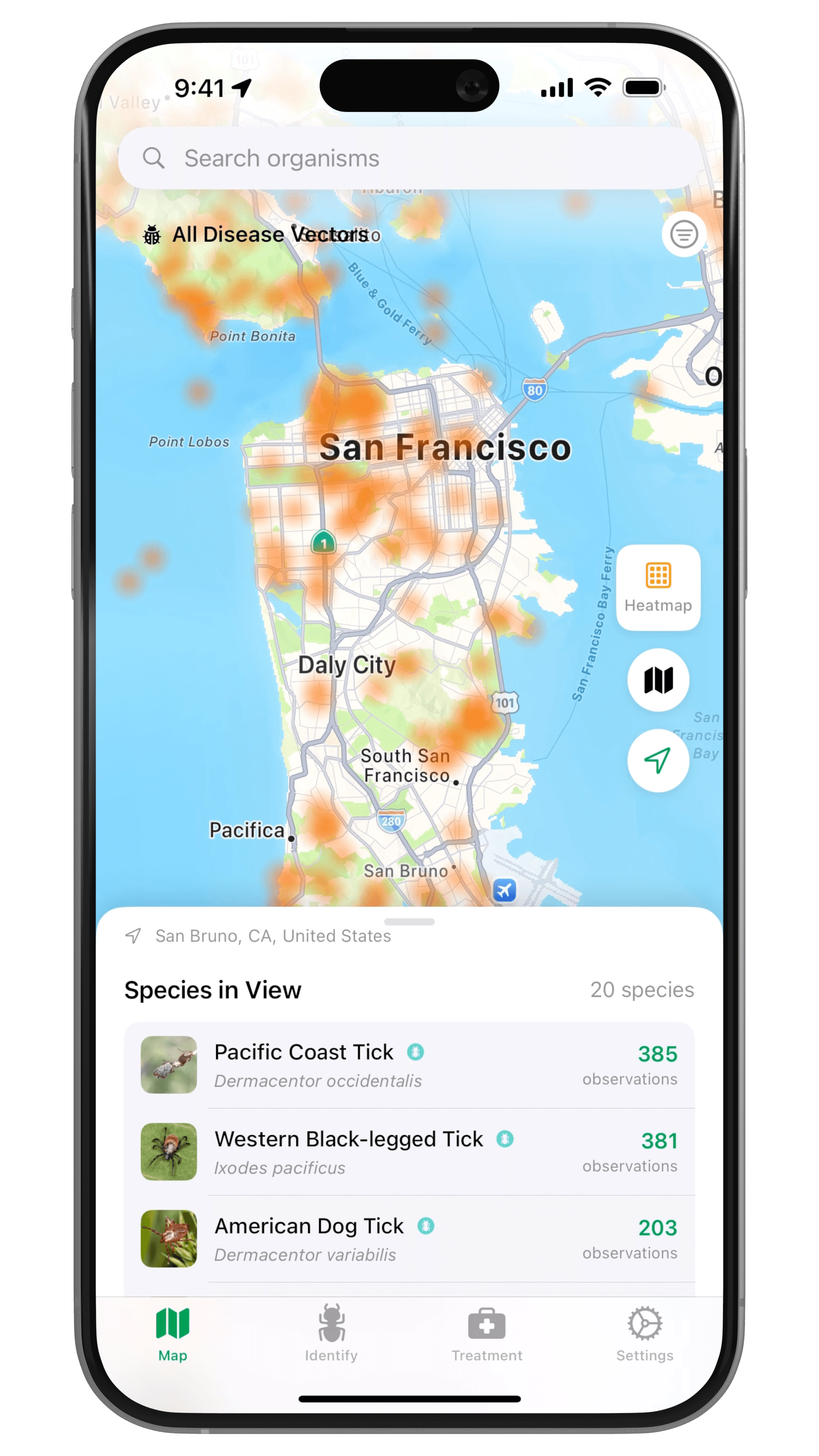
Spot disease-carrying pests before they reach your family.

Top Health App
Read the case study
Vector Guard screenshots
Samantha Mae

Samantha Mae

Founder & CEO of NineLives

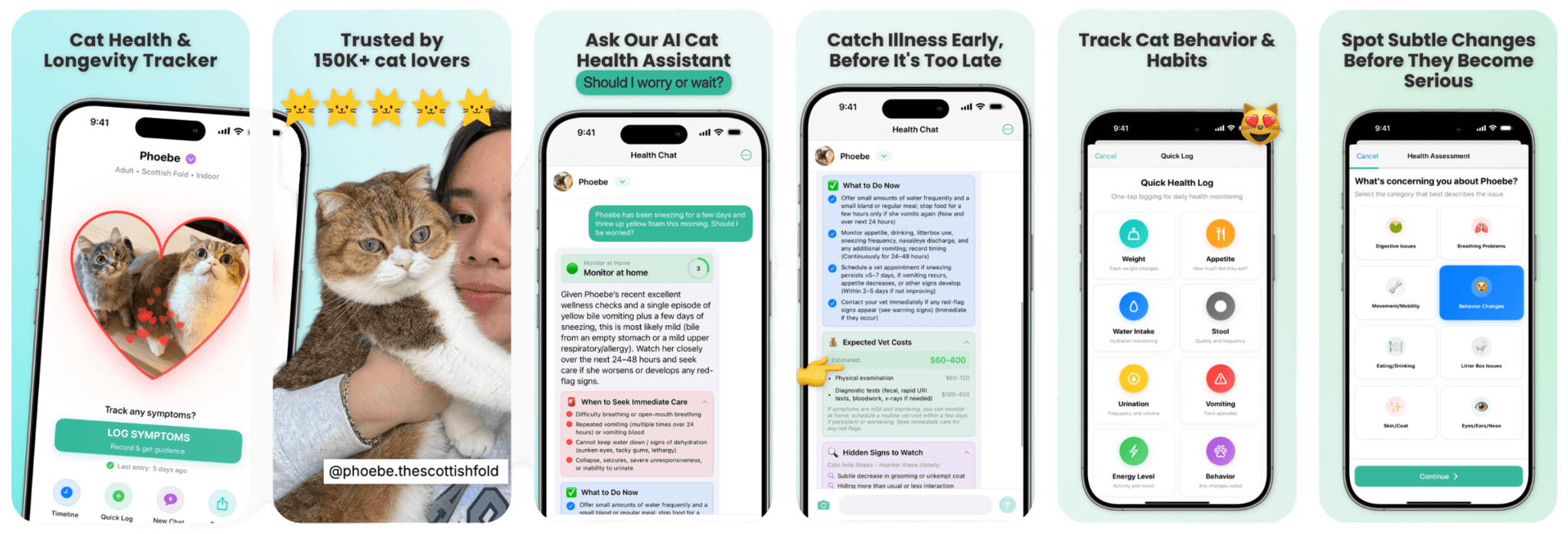
Cat health tracking from the world's most beloved Scottish Fold.

Top Health App150K+ followers
Read the case study
NineLives screenshots
Liv Merima

Liv Merima

Founder & CEO of Claim It

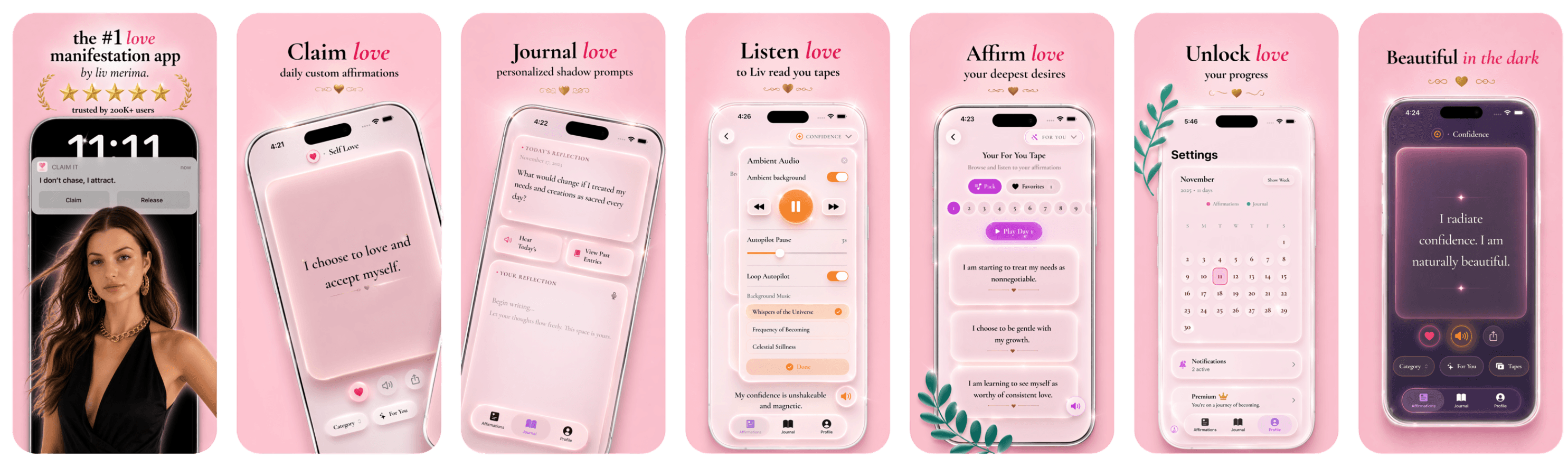
Custom affirmations that help millions choose themselves.

Top Lifestyle App150K+ followers
Read the case study
Claim It screenshots

Creator app strategy

Curious what your app could be?

Enter your handle and BUILT BY FOUNDRY will research your audience and present custom app concepts. Free.

Nick DiGiovanni: 48M Subscribers, a Netflix License, and a $39.99 Salt Refill