
Case Studies & Success Stories

Jeremy Ethier Has 7.94M Subscribers and 342 Videos. His $189 App Is Built to Sell Without Him

October 1, 2026
Share
Jeremy Ethier Has 7.94M Subscribers and 342 Videos. His $189 App Is Built to Sell Without Him

Get Creator Revenue Insights

How creators are turning audiences into subscription businesses
Share
Key Takeaways:
  • Jeremy Ethier's YouTube channel showed 7.94 million subscribers, 342 videos and 1.17 billion views on October 1, 2026. That works out to roughly 3.4 million views per video
  • His company sells six things at published prices: a $79 cookbook, $49 program unlocks, a $157 custom meal plan, a $209 custom workout plan, coaching priced on a call, and the Built With Science+ app at $29.99 a month or $189 a year
  • In a September 2026 RevenueCat interview, his brother Ethan Ethier said about 90% of the app's traffic goes to a web quiz, not the App Store, and that the paid ads deliberately don't rely on Jeremy
  • One pricing page change, showing the annual plan first with a day-by-day trial timeline, moved annual signups from about 60% to 80% without changing the price
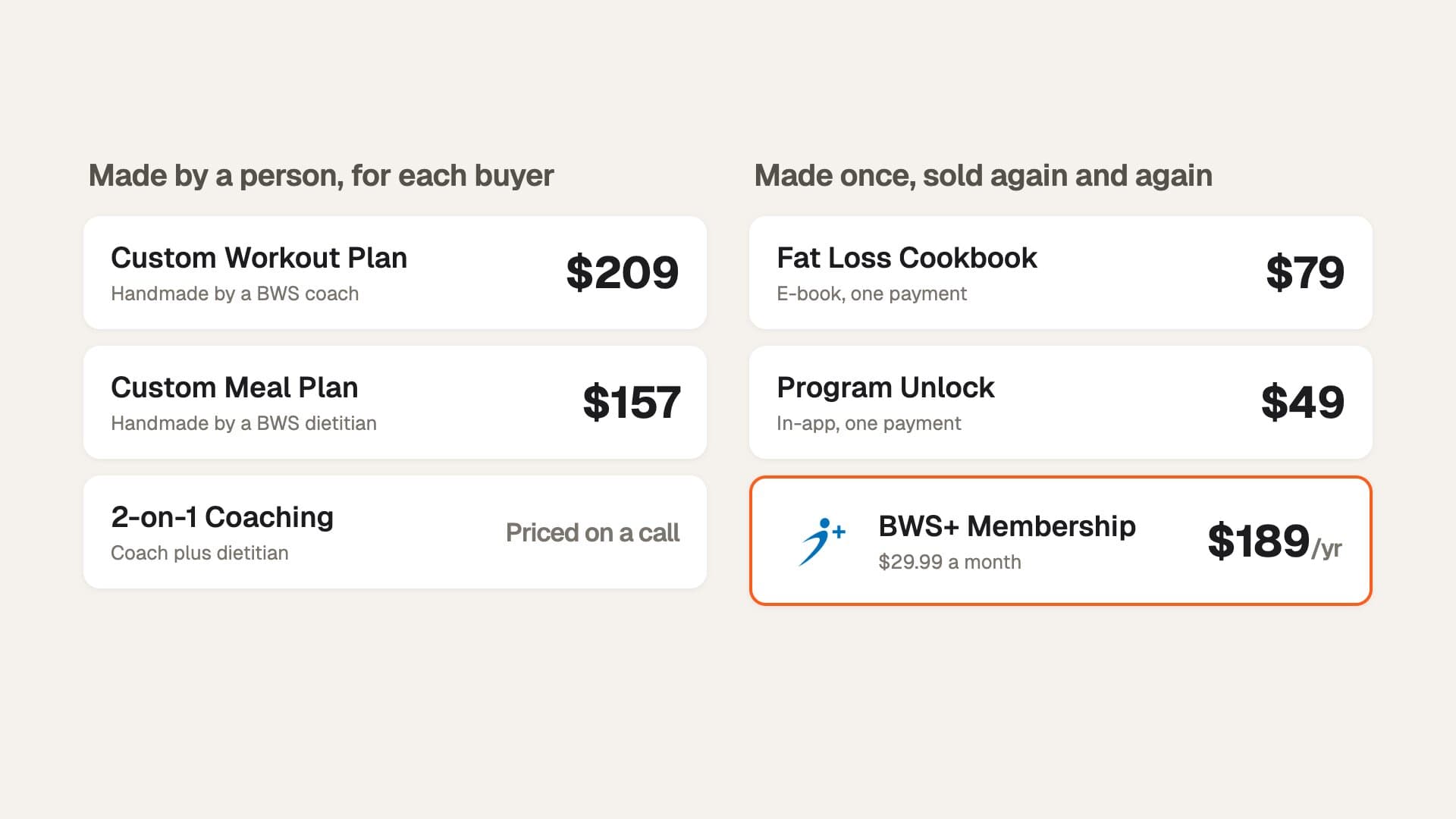
Most fitness creators publish constantly. Jeremy Ethier has posted 342 videos in almost ten years. Each one is a researched explainer, and each averages more than three million views. A channel that publishes that slowly has an obvious weakness: the business can't depend on the next upload. His company's newest product is built around that weakness, and the way it was built is worth studying. Jeremy Ethier is a fitness creator and the founder of Built With Science, a company that sells research-based training and nutrition programs. He holds a bachelor's degree in kinesiology. His YouTube channel, started in October 2016, had 7.94 million subscribers and 342 videos on October 1, 2026. His About page tells the origin story. He was a skinny kid who tried every diet and program he could find until he came across a 2010 review paper, "The Mechanisms of Muscle Hypertrophy and Their Application to Resistance Training." He read the research, applied it to himself and his clients, and founded Built With Science in 2018 to explain what the studies actually say. The page says more than 100,000 people have joined his programs and that the team has grown to more than 20 coaches, dietitians and researchers. (The same page still cites 5 million YouTube subscribers, so treat it as a few years old.) He also posts on Instagram and TikTok. Built With Science sells six products at published prices. Three are made by a person for each buyer: a $209 custom workout plan, a $157 custom meal plan and 2-on-1 coaching. Three are made once and sold repeatedly: a $79 cookbook, $49 program unlocks and the BWS+ app at $29.99 a month or $189 a year.
Built With Science's six products in two columns. Made by a person for each buyer: Custom Workout Plan $209, Custom Meal Plan $157, 2-on-1 Coaching priced on a call. Made once and sold again: Fat Loss Cookbook $79, Program Unlock $49, BWS+ Membership $189 a year or $29.99 a month
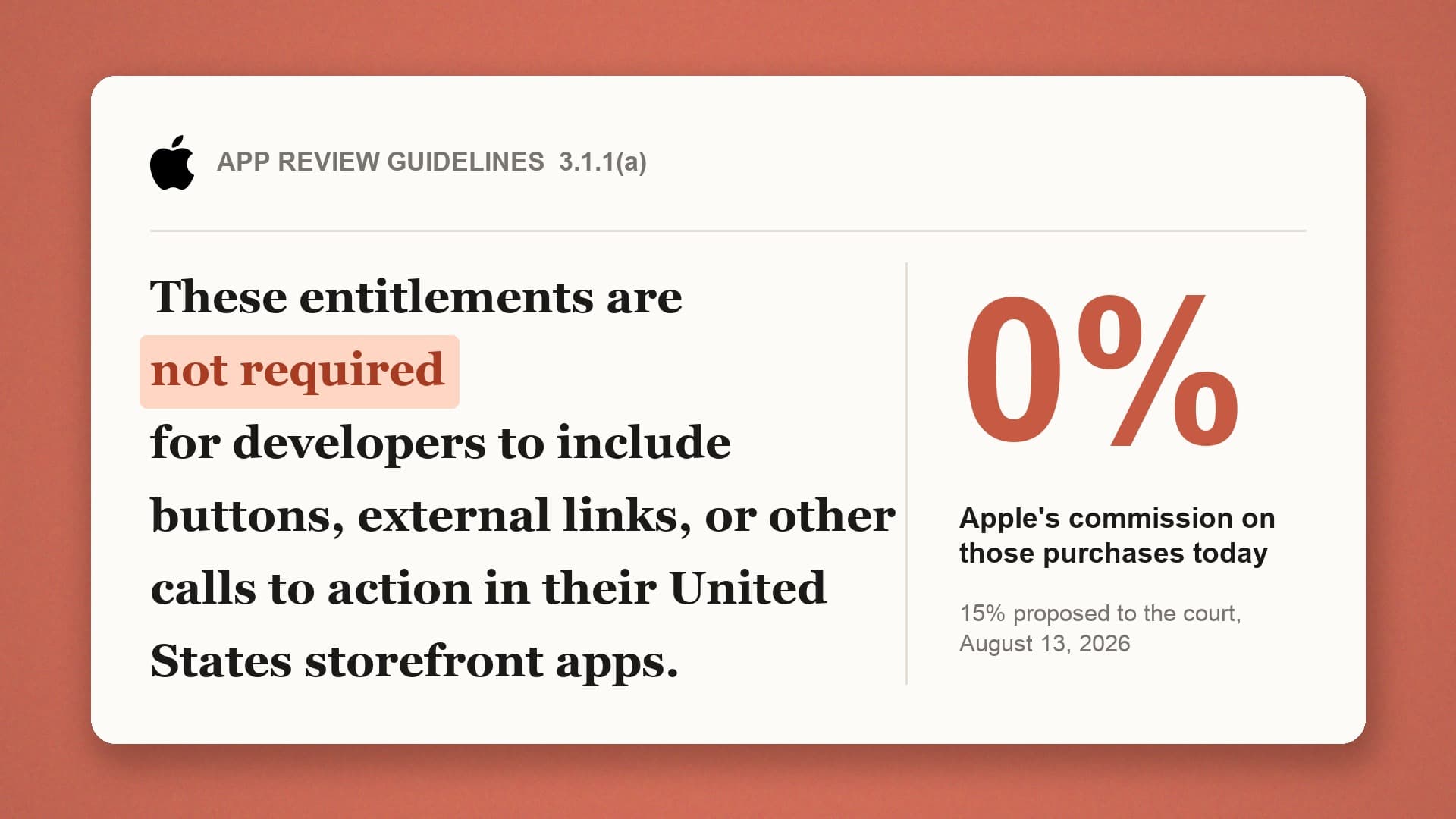
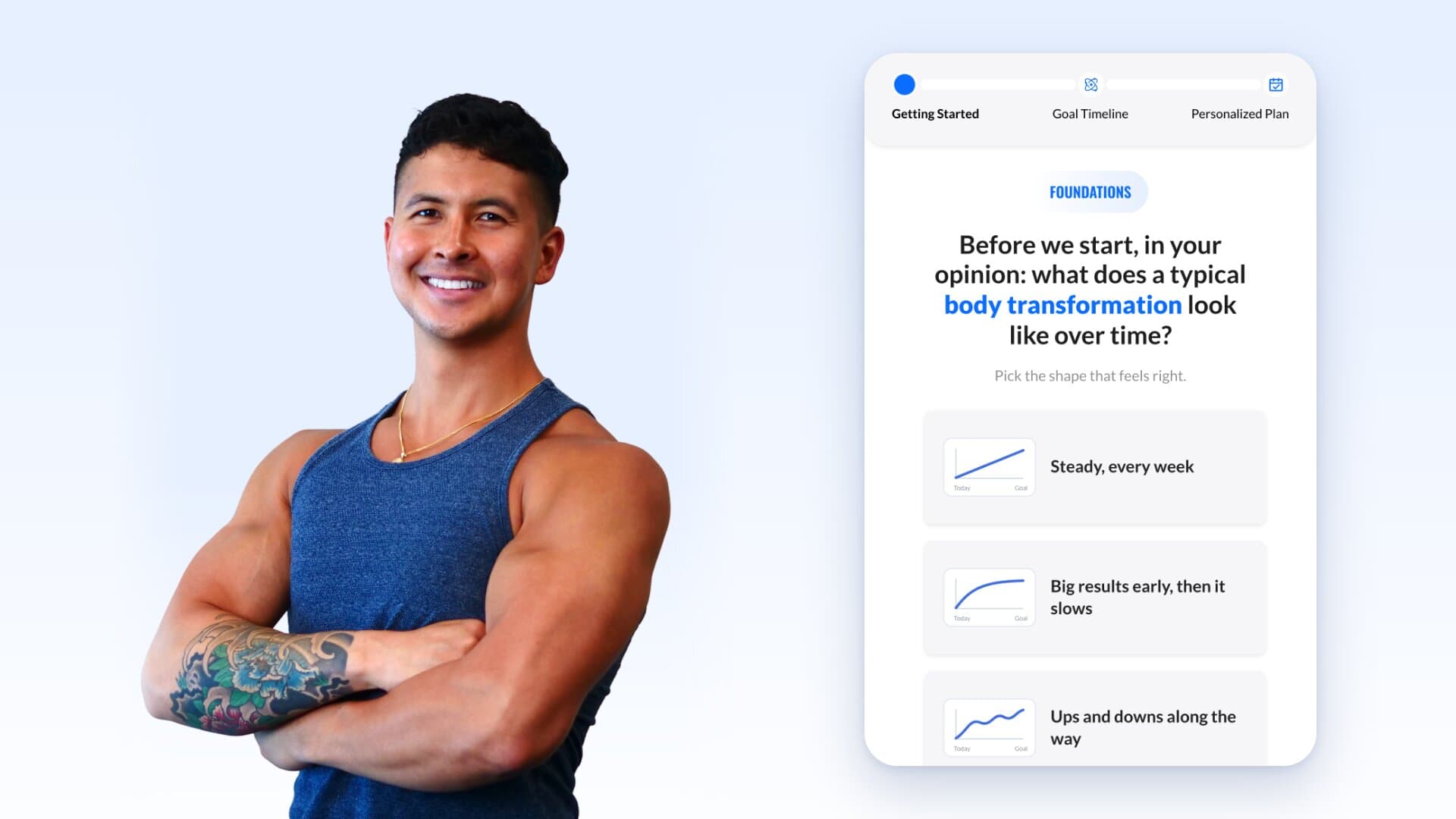
The left column is a service business. The custom workout plan page says each plan is "handmade by one of our BWS Coaches" and that spots are limited so the coaches don't get overloaded. Every new buyer needs more staff time. The right column is a product business, and only one item in it recurs. The cookbook earns once per buyer. The app bills monthly or yearly and, according to its App Store listing, adjusts the workout each session, updates the meal plan weekly and includes an AI assistant that answers "as if you're talking directly to Jeremy Ethier." It showed a 4.8 rating from 4,121 ratings when we checked. Built With Science sends about 90% of its traffic to a long personalized web quiz instead of the App Store, because the team tested the two head to head and the quiz converted better. Ethan Ethier, the company's head of growth and operations, told RevenueCat the quiz explains the product, answers objections and raises its perceived value before the buyer sees a price. The quiz opens with a question about what progress looks like, before any question about the buyer. You can see it in the hero image above. Its progress bar runs from Getting Started to Goal Timeline to Personalized Plan, and the price comes after that. The App Store route now only makes sense, Ethan said, for the highest-intent users who already know what they want. He also said the same quiz rebuilt on Android converted about as well as the web. Only the App Store flow lagged behind. For US creators, this matters more in 2026 because Apple now lets apps in the US storefront link out to web checkout, which we break down in six rates for linking out to your own checkout. His team had already shown that the website could be the front door. Ethan's phrase for the risk was "the bus problem": what happens to the business if everything depends on one person's channel. "We're not relying on Jeremy at all for ads," he told RevenueCat. The paid program uses B-roll, testimonials and static creative. The timing was deliberate too. Apple lists the app's first release as January 29, 2024. Ethan dates the launch he counts to early January 2025, and the first Meta ad ran a full year after that. In between, the team worked on trial-to-paid conversion and retention, on the reasoning that paid traffic converts below organic traffic, so the product should be strong before money goes into ads. In 2026 they scaled Meta spending from zero to $100,000 a month, which Ethan described as profitable. That is the difference between a creator selling products and a creator owning a business. The channel built the trust. The app is the part designed to keep earning between uploads.
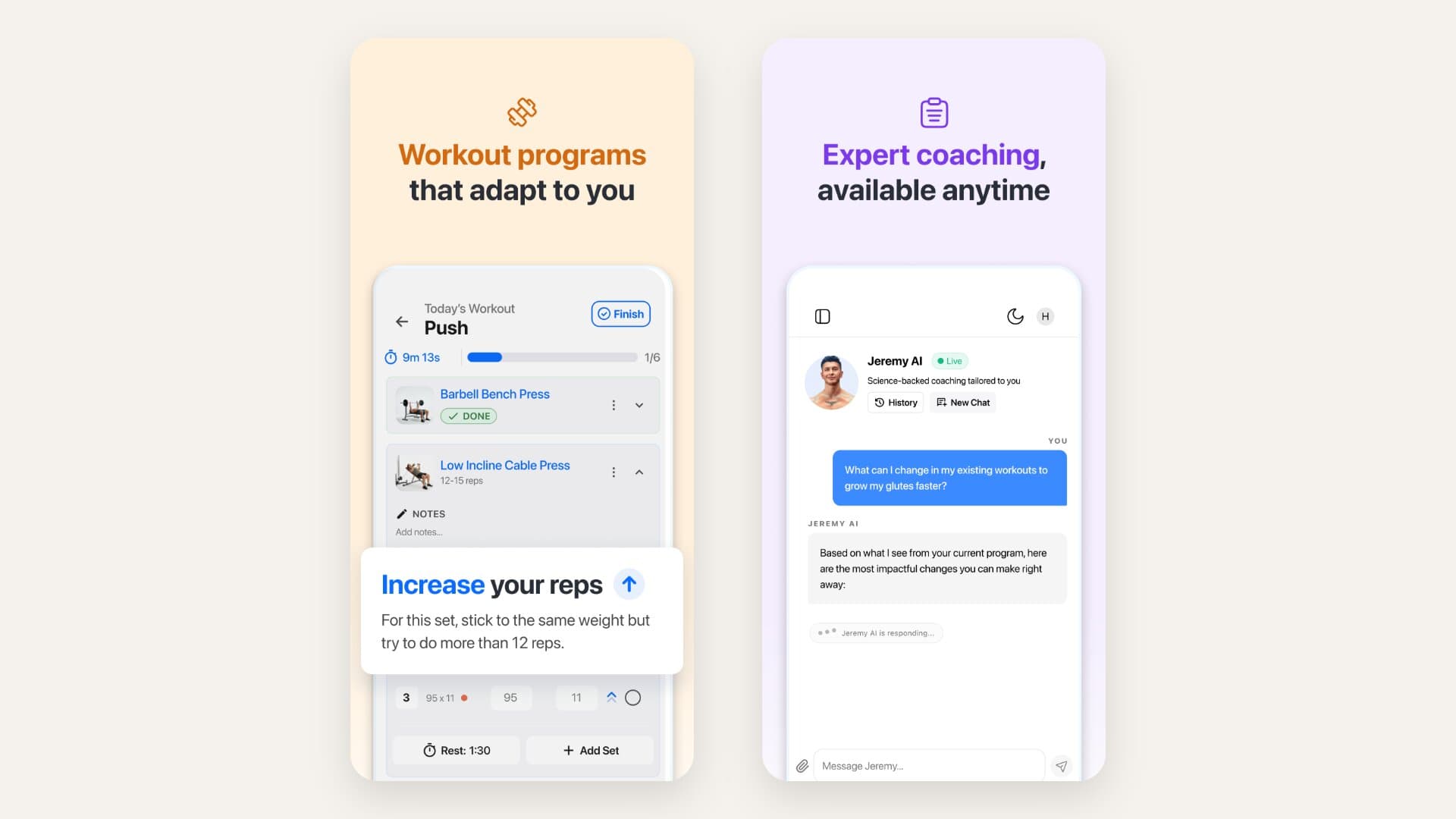
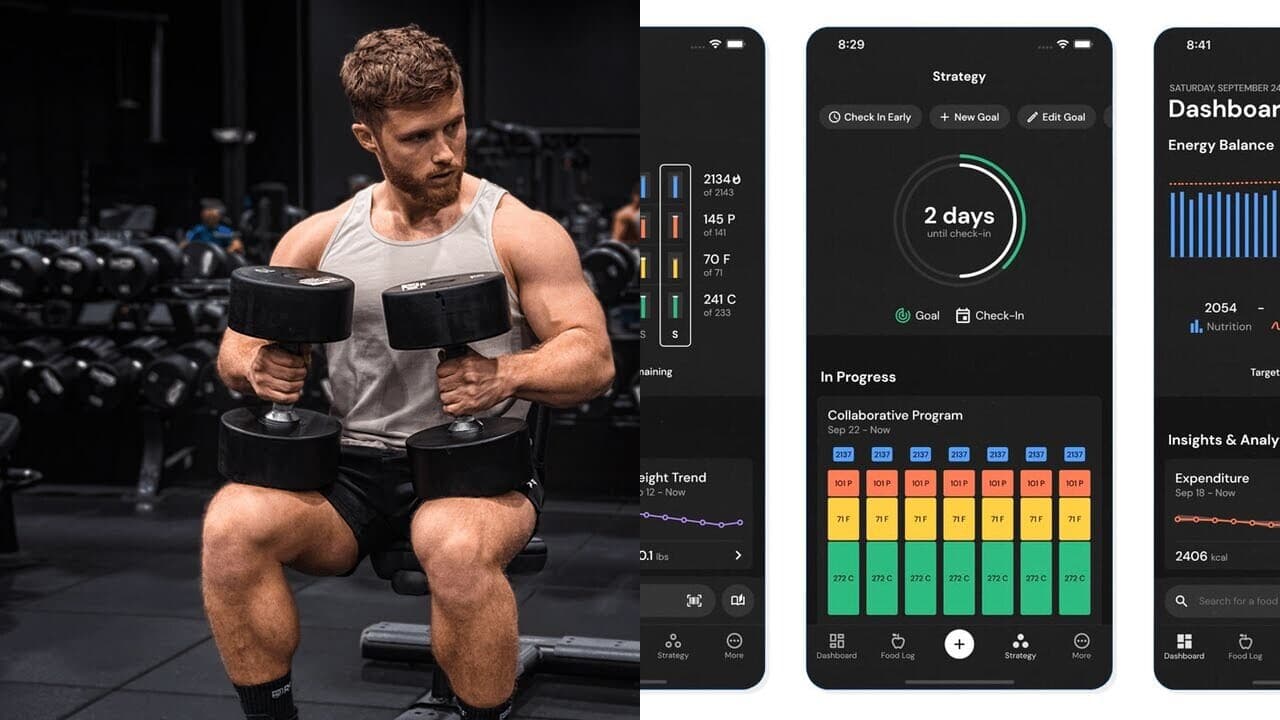
Two real App Store screenshots from Built With Science+: a Push workout telling the user to increase their reps on the next set, and the Jeremy AI chat answering a question about changing an existing program
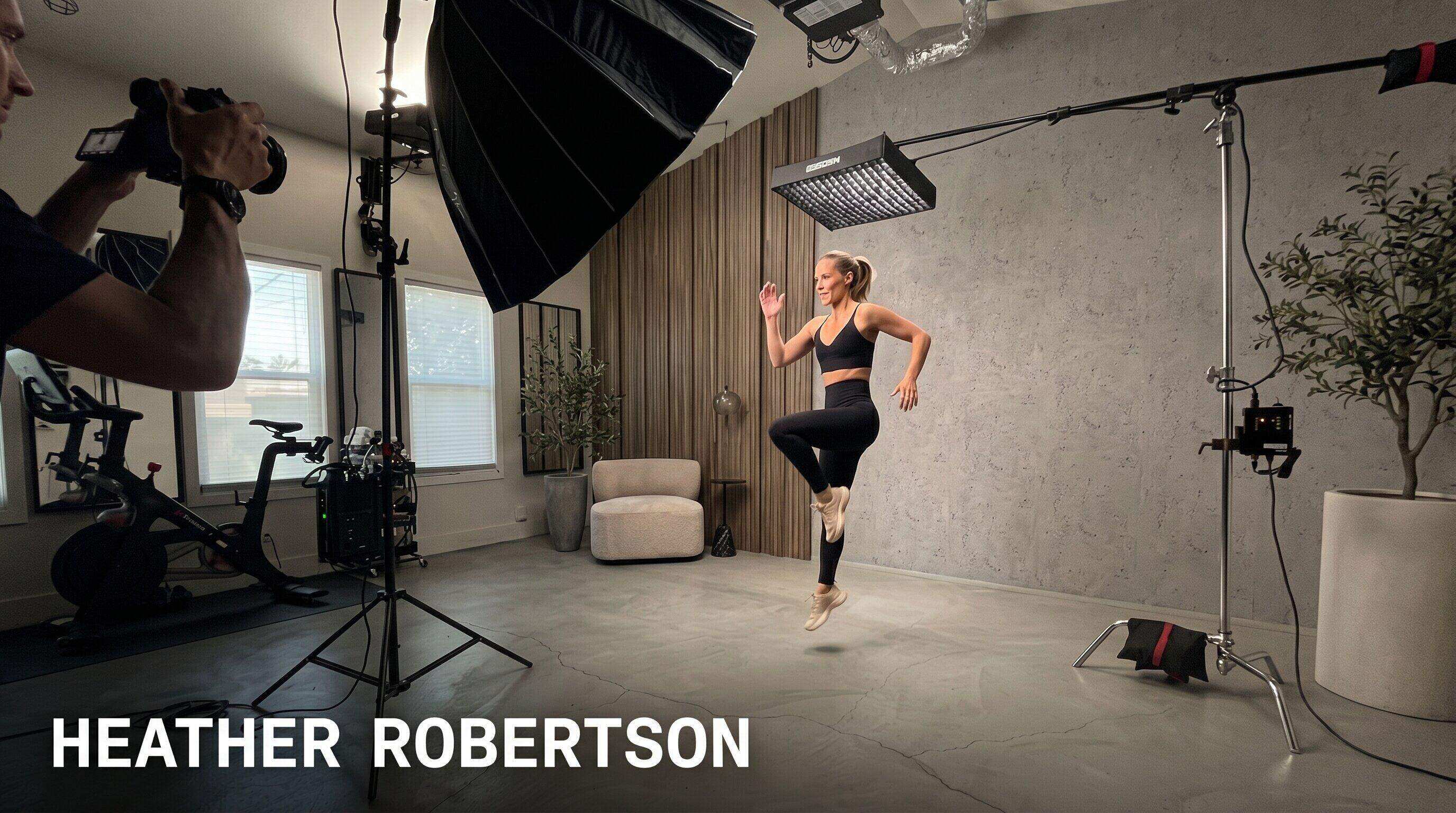
The screenshots show what the app does in his place: it tells you when to add reps, and it answers training questions in a chat modeled on him. Neither one needs him to record anything new. Built With Science moved its annual share from about 60% to 80% of new subscribers by showing only the $189 annual plan up front, next to a day-by-day timeline of the free trial. The monthly plan stayed available behind a "view all plans" option. The price and positioning did not change. The timeline told the buyer what happens on day 1 (the personalized plan) and on day 12 (a reminder that the trial is ending and can be canceled). According to Ethan, their worst result on that same page came from adding more explanation of the value. Once a buyer is looking at prices, extra copy got in the way. Two more details are worth noting. A "gym buddy" option in the quiz gives two people 15% off each, and about 15% of trial starts add one. Those subscribers stay longer. And Ethan estimated that about 70% of their experiments fail on the first try, which he treats as a normal part of the process. For the underlying math on plan lengths, see our guide to annual versus monthly subscriptions. Here is the reusable lesson. List everything you sell, then imagine you stopped posting for 90 days. Sort each product into three groups: products that stop selling, products that keep selling but need your staff for every buyer, and products that keep selling and keep billing. Only the third group is a business that runs without your next upload. Ethier's catalog sorts cleanly: three products need a person for each buyer, two sell once, and one recurs. Most creators who try this find nothing in the third group. Jeff Nippard, another research-focused lifter, answered the same question differently by becoming a co-owner of a nutrition app instead of selling only programs. Heather Robertson kept her YouTube workouts free and launched a paid app on top of them. The interview gives conversion shares, ad spend and experiment counts, but no revenue, subscriber count or retention curve. Rating counts are not user counts. We also can't confirm which of the two launch dates the company treats as official. The listing date and Ethan's date are both stated above. If you're an evidence-based trainer, physio or dietitian with a large audience and slow, careful content, your audience already trusts your reasoning. What they don't get from a video is a plan that changes when their numbers change. That's what Built With Science charges $189 a year for. Building that product is the shorter part of the work. The longer part is the quiz, paywall tests, retention work and support that come after launch, which is what Built by Foundry does and why we keep running products after they ship. The onboarding steps that convert are a good place to start.
See What We’d Build You →
Our work

Creators who already did this

These are apps we designed, built, shipped, and still run today, with the creator keeping the code and the audience.

Ellie Fausett

Ellie Fausett

Founder & CEO of Vector Guard

Spot disease-carrying pests before they reach your family.

Top Health App
Read the case study
Vector Guard screenshots
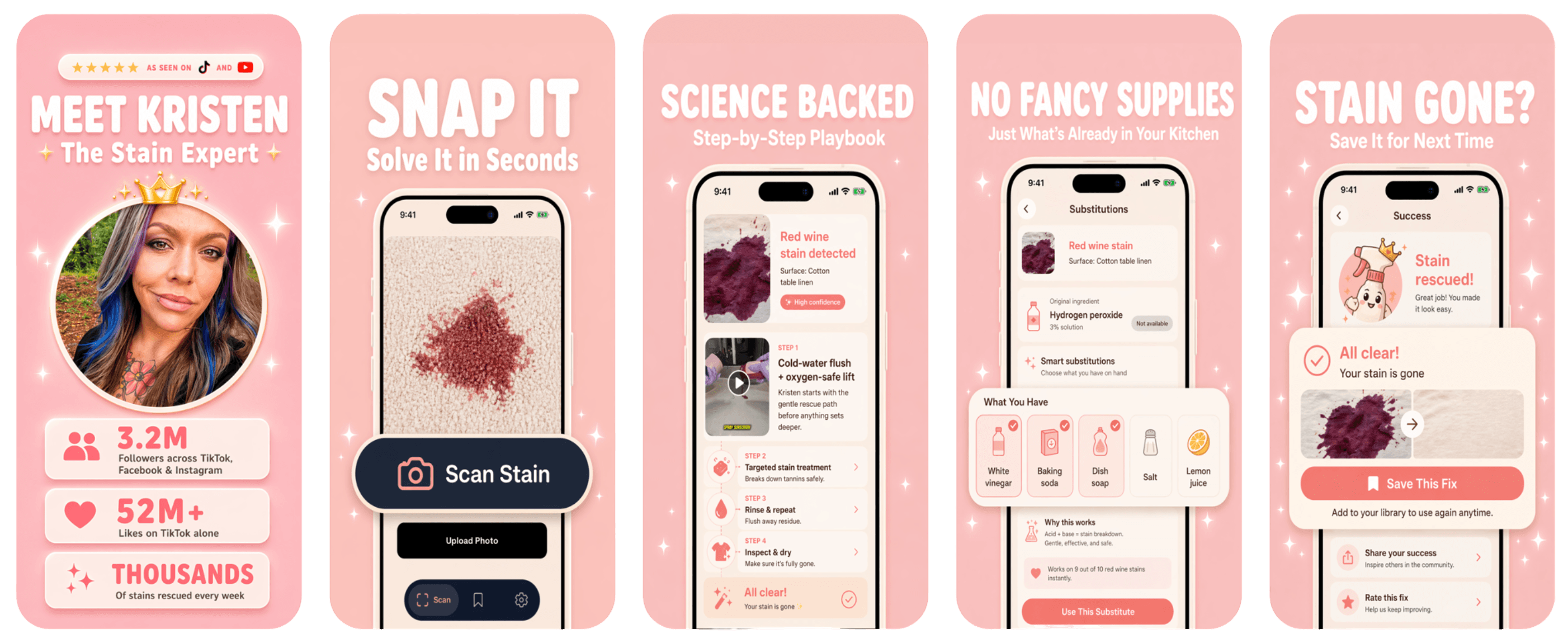
Kristen Donathan

Kristen Donathan

Founder & CEO of Stain Fix

Snap a stain. Get the fix in seconds.

Top Lifestyle App1.5M+ followers
Read the case study
Stain Fix screenshots
Samantha Mae

Samantha Mae

Founder & CEO of NineLives

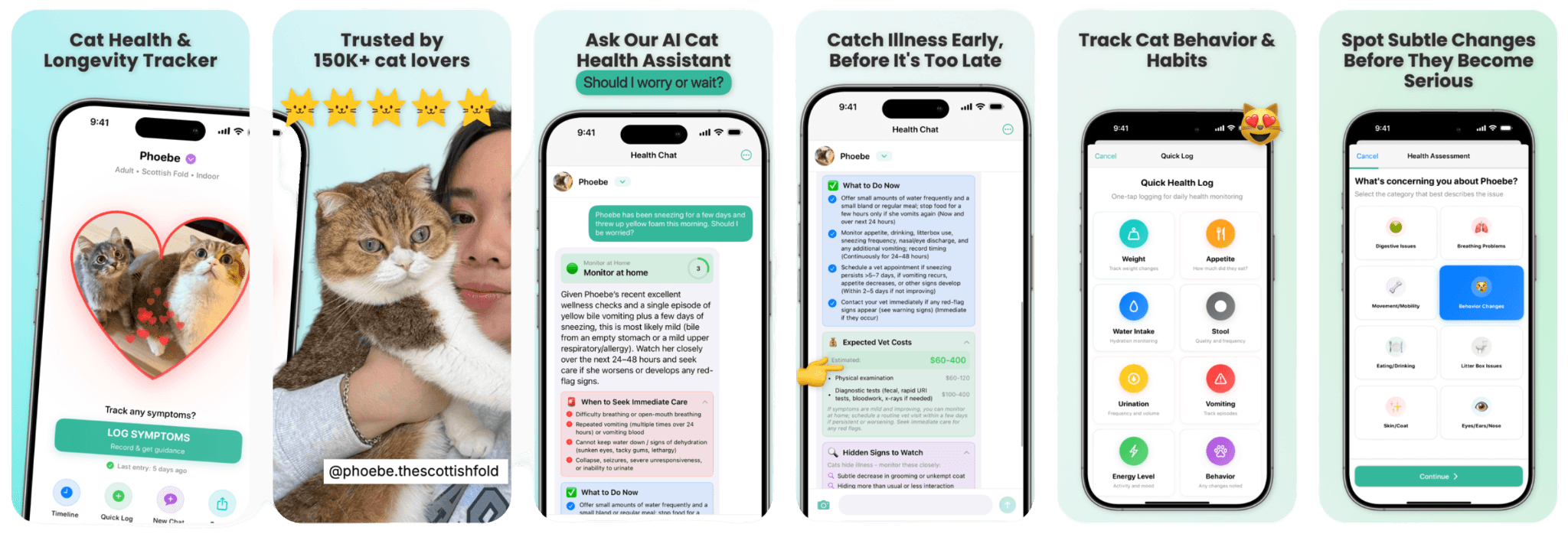
Cat health tracking from the world's most beloved Scottish Fold.

Top Health App150K+ followers
Read the case study
NineLives screenshots

Creator app strategy

Curious what your app could be?

Enter your handle and BUILT BY FOUNDRY will research your audience and present custom app concepts. Free.

Jeremy Ethier Has 7.94M Subscribers and 342 Videos. His $189 App Is Built to Sell Without Him