
Turning Knowledge into Products

Instagram Trial Reels: 5 Tests That Sell Your App

August 5, 2026
Share
Instagram Trial Reels: 5 Tests That Sell Your App

Get Creator Revenue Insights

How creators are turning audiences into subscription businesses
Share
Key Takeaways:
  • Instagram Trial Reels show a Reel to non-followers first, giving creators a clean way to test a topic, hook, or format before sharing it with followers.
  • Meta's analysis of more than 400,000 creators found that 40% posted Reels more often after trying the feature. Among that group, 80% increased non-follower reach.
  • The five useful tests are a problem hook, method demo, objection answer, outcome story, and search doorway.
  • Views identify reach. Campaign links, downloads, trials, subscriptions, and retention identify business demand.
  • A winning Reel should feed an owned product, and product use should supply the next round of content.
Instagram Trial Reels let creators test content with non-followers before putting it in front of the audience they already have. That makes the feature useful for more than creative experiments. A creator with an app idea can test five parts of the offer, measure which one attracts qualified strangers, and use the winner to shape both the product and its launch. The usual Reel strategy asks one post to do everything. It has to please followers, reach strangers, explain the offer, and make a sale. Trial Reels separate the first question from the rest: does this idea earn attention from someone who does not know you yet? Instagram Trial Reels are Reels that Instagram shows to non-followers first so a creator can test a topic or format before sharing it with followers. The Reel stays off the creator's main grid and Reels tab during the trial unless the creator later shares it with everyone. Instagram introduced the feature in December 2024 and later made Trial Reels available to everyone. Followers can still encounter a trial through a direct message, or through a page tied to the same audio, location, or filter. The first audience is still built around people who do not follow the account. That distinction matters for a creator founder. Followers carry years of context. They know your language, trust your method, and often engage because they know you. Non-followers give a harder answer. The idea has to make sense on its own. Meta analyzed more than 400,000 active Reel creators before and after their first use of Trial Reels. It found that 40% started posting Reels more often. Of the creators who posted more, 80% increased their reach among non-followers. Meta says the analysis controlled for confounding factors, but also warns that the result does not guarantee individual performance. A creator turns on the Trial toggle before publishing, waits about 24 hours for engagement data, then shares the Reel with everyone or leaves it as a test. Instagram can also auto-share a trial that performs well based on views during its first 72 hours. The official Trial Reels guide lists views, likes, comments, and shares among the first metrics creators can review. Instagram also compares a trial with earlier trials from the same account. That account-level comparison is more useful than a universal benchmark because niches, audience sizes, countries, and formats behave differently. Use one variable per trial. Change the hook while keeping the body and call to action stable. Test the same hook with a different demonstration. A Reel that changes the topic, opening, length, edit, offer, and CTA at once produces a view count with no lesson attached. The goal is to find the promise that earns attention and leads people toward a paid result. These five tests cover the full path from problem to product. Open with the problem in the audience's words. A running coach might test, "Why does every easy run turn hard after 20 minutes?" A food creator might test, "What can I cook when the fridge looks empty?" The best problem has three traits. It happens often, carries enough frustration to prompt action, and can be improved through repeated use. Those traits point toward subscription software. A daily or weekly problem gives the app a reason to come back, and repeat use creates recurring revenue rather than one sale. Show one useful step from the method you would put inside the app. Keep the demonstration complete enough to help and narrow enough to create a next step. A language creator can demonstrate one pronunciation drill, then point to a guided practice sequence. A finance creator can show one budget check, then point to an adaptive weekly plan. The Reel proves the teaching. The app turns that teaching into a routine. If demonstrations beat opinions across several trials, build around the action people want to repeat. Our guide to turning content into a subscription app explains how to narrow that action into the first product. Take the sentence that stops a purchase and answer it directly. "I do not have equipment." "I only have ten minutes." "I have tried meal plans before." "I am too new for this." Qualified comments matter here. A viewer who asks about time, price, difficulty, or fit is evaluating the offer. Save those words. They belong in onboarding, the paywall, App Store screenshots, support answers, and future posts. Show the change the method helps produce without promising an outcome you cannot prove. Use a customer result with permission, your own documented result, or a clear process milestone. The story should explain the mechanism. "She completed three planned sessions each week because the app adjusted the schedule when work ran late" teaches more than a generic transformation montage. It also identifies the feature carrying the value: adaptive scheduling. Make a Reel for the person who wants the result and has never heard of you. Use the plain term that person would type into Instagram or the App Store. "Ten-minute mobility routine" gives the platform and the viewer more context than an inside joke for existing fans. This test connects social discovery with App Store discovery. A phrase that draws qualified strangers can shape the product subtitle, screenshot order, and custom product page. Read how App Store discovery brings creators new fans before you lock the language. NineLives by Samantha Mae
Our work

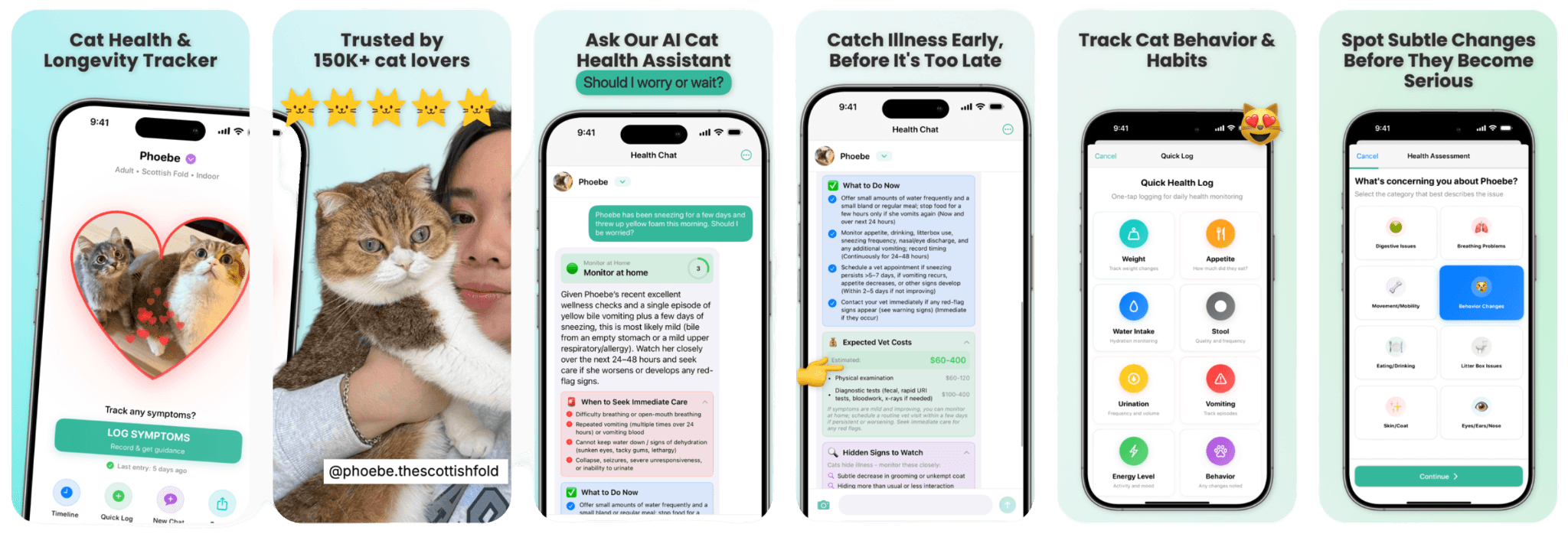
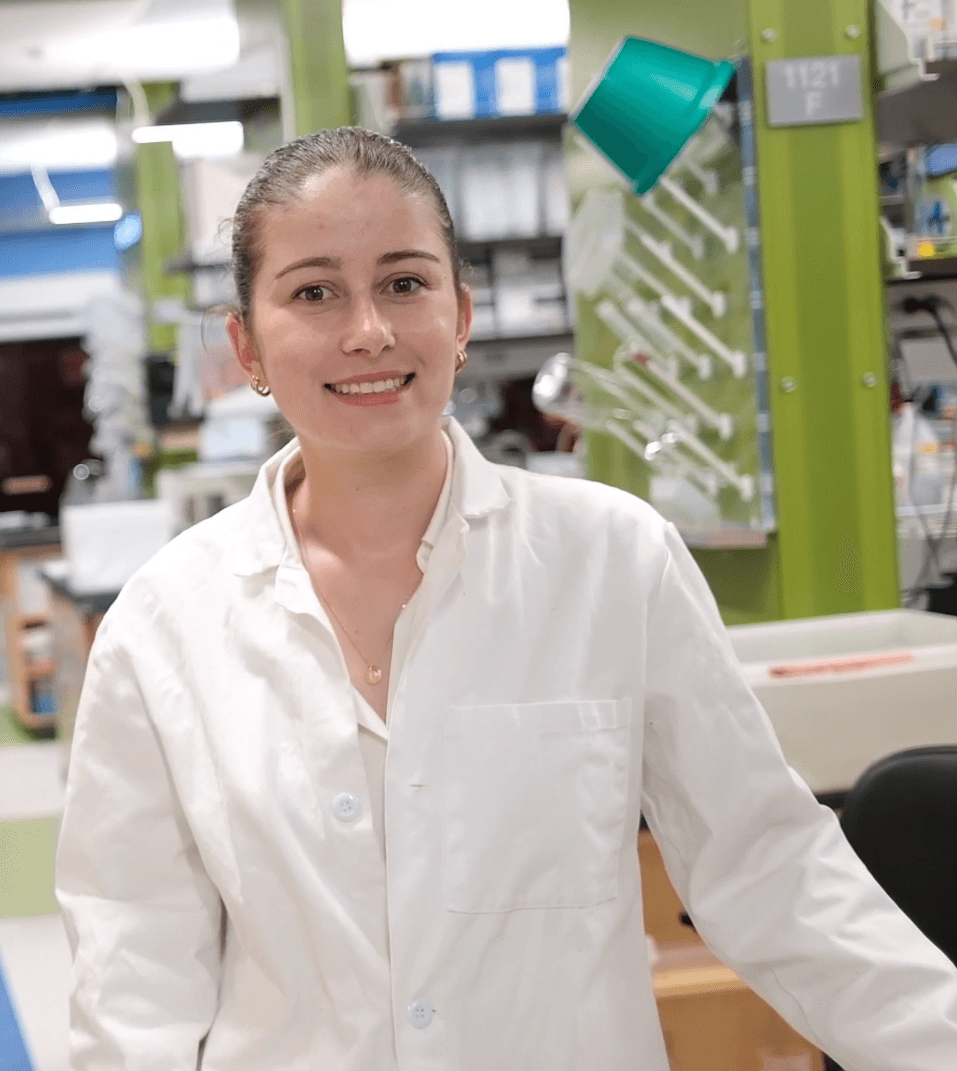
How Samantha Mae Turned a Cat Community Into the NineLives Health App

Samantha Mae's community shared cat-care questions that vanished into comment threads. We built NineLives with her — an iOS app that keeps every cat's health history in one place.

Read the case study → (opens in a new tab)
Creators should track Trial Reel engagement first, then connect each winning idea to product-page views, downloads, trials, paid subscriptions, and retention. Reach tells you the message traveled. Revenue and retention tell you whether it reached the right people. Use the same measurement window for each trial. Record Instagram's results after 24 hours, then again after 72 hours. Compare trials within the same account and avoid declaring a winner from one spike.
MetricWhat It AnswersDecision It Supports
Views versus prior trialsDid the hook earn distribution?Keep or replace the opening
Shares per 1,000 viewsDid people find it useful enough to pass on?Expand the topic or method
Qualified commentsDid viewers reveal intent or an objection?Refine the offer and onboarding
Product-page viewsDid viewers move from content to the product?Keep or rewrite the CTA
Download conversionDid the store page make the value clear?Test screenshots and page copy
Trials and paid startsDid the promise attract buyers?Keep or change the offer
Retention by campaignDid the Reel attract people who use the product?Scale the message or stop it
Apple's campaign links can attribute App Store product-page views, downloads, usage, sales, and subscriptions to a campaign token once the privacy threshold is met. Create a distinct link for each winning message. For a more tailored handoff, custom product pages can show different screenshots, previews, and promotional text for each campaign.
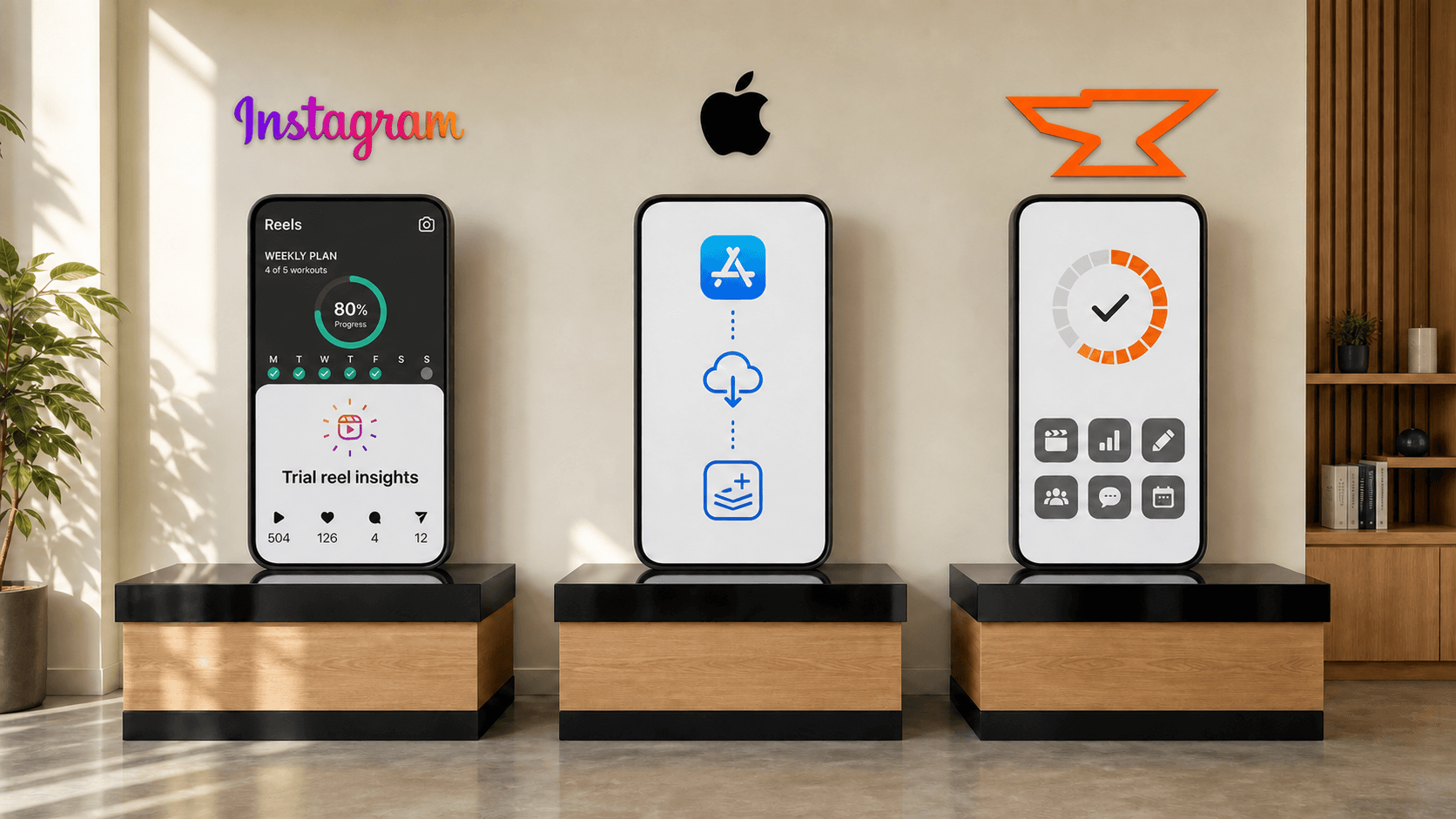
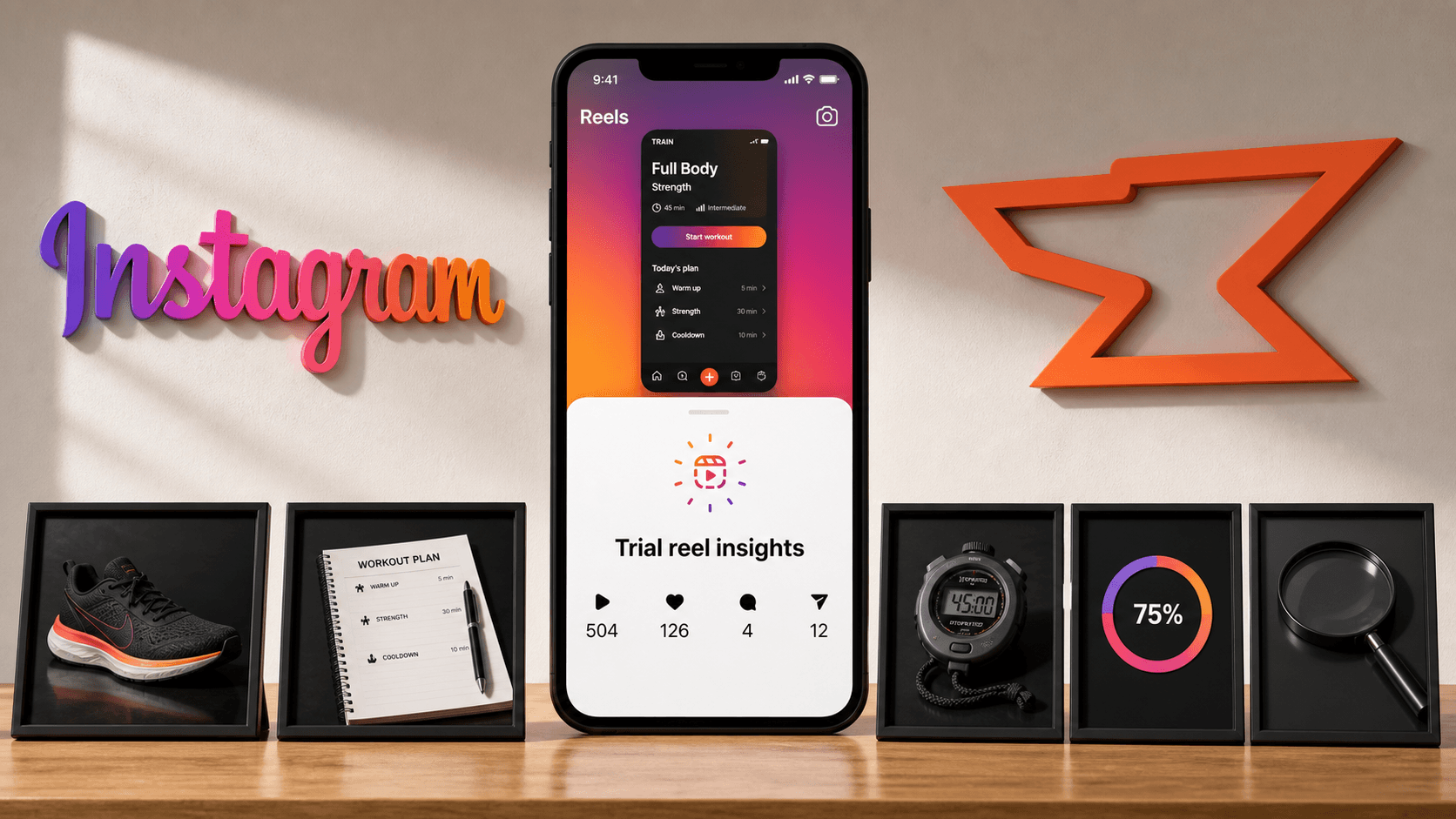
Instagram, Apple, and Built by Foundry marks above the path from Trial Reel insights to an owned creator app
A winning trial gives you a message. The next job is to connect that message to a product behavior. If a Reel about ten-minute workouts wins, send viewers to an App Store page focused on short plans. Onboarding should ask about available time. The first session should fit that answer. A notification should bring the user back when the next ten-minute block opens. Each step keeps the same promise. Then the app sends material back to the content feed. Completion patterns reveal where users get stuck. Questions reveal what needs explanation. Streaks, saved plans, and member outcomes create proof. We mapped that cycle in six ways an app writes your content.
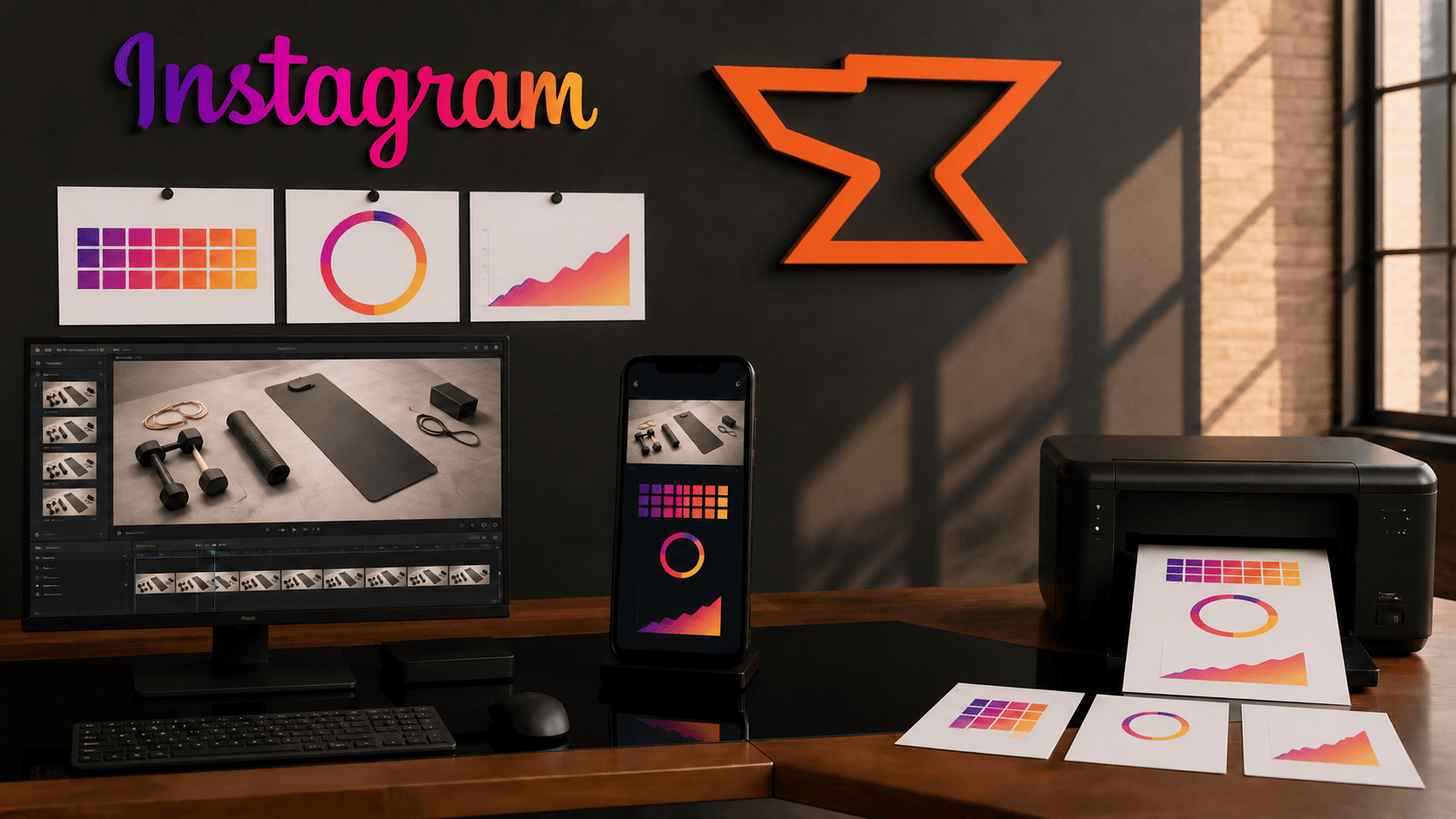
Instagram and Built by Foundry marks above an editing desk where app proof becomes the next Reel
That loop deepens fan engagement because viewers become participants. It also reaches beyond the follower base because every tested Reel and App Store page can attract a stranger. Subscription revenue funds the next product improvement while the creator keeps publishing from customer behavior instead of a blank content calendar.
Live every Thursday

Watch us tear down a creator business, live

Every Thursday at 11 AM PT we take a real creator business and show the app hiding inside it: the wedge, the paid loop, the pricing, and what would sink it. Free, and the replay goes to everyone who registers.

Save your seat → (opens in a new tab)
Start with one product promise and five controlled tests.
  • On day one, write the problem, method, objection, outcome, and search phrase on one page.
  • On days two through six, publish one Trial Reel for each test. Keep the length, edit style, and CTA as consistent as the idea allows.
  • On day seven, compare each trial after the same amount of time. Choose the top two by reach, qualified comments, and shares.
  • On days eight through eleven, make two new versions of each finalist. Change only the opening line or demonstration.
  • On day twelve, connect the winner to a distinct campaign link and the most relevant App Store page.
  • On days thirteen and fourteen, share the winner with followers, measure the product path, and write the next three posts from the questions people asked.
This plan gives you ten trials, one controlled winner, and a backlog tied to demand. It also avoids the common mistake of treating a viral Reel as proof of purchase intent. For the wider launch sequence, use the 30-day creator app waitlist plan. Trial Reels find the message. The waitlist shows whether people will raise a hand before the app is ready. Creators should use auto-share when the goal is reach, and manual sharing when the goal is to learn why a Reel won before followers see it. Instagram bases auto-sharing on views during the first 72 hours, while a creator may care more about shares, qualified comments, or downstream product action. Use manual review during product research. Read the comments, compare the offer, and check whether the Reel attracted the intended customer. Use auto-share for proven formats where speed matters and the content already matches the account's promise. The distinction is simple. Instagram can judge whether a Reel accumulated views. Only the creator and product team can judge whether those views belong to the customer the business wants. Trial Reels reduce creative risk. They do not own the customer relationship, collect subscription revenue, design the habit loop, ship App Store updates, or keep the product useful after launch. That ongoing work determines whether attention becomes a business. Built by Foundry builds the custom product in about three weeks with $0 upfront, then App Care covers the releases, experiments, and operating work after launch. The creator owns the business and revenue. Built by Foundry earns through revenue share. If you have 50K engaged followers and already sell something, you have enough signal to start testing. Use Trial Reels to find the clearest promise. Build the product that keeps it. Trial Reels do not appear on your main grid or Reels tab during the test. Only the creator sees the Trial label. A follower can still encounter the Reel if someone sends it directly or if it appears on a page for the same audio, location, or filter. Use the shortest length that proves the idea. Keep length stable across a group of tests so the topic or hook is the main variable. Compare results after the same 24-hour and 72-hour windows. Start with ten over 14 days: five distinct demand tests, followed by two revised versions of the strongest two ideas. That is enough to reveal a pattern without turning one high-view post into a strategy. Trial Reels can validate whether strangers respond to the problem, method, objection, outcome, and search language. Paid demand needs stronger evidence, such as waitlist signups, product-page visits, downloads, trials, and subscriptions.

Creator app strategy

Curious what your app could be?

Enter your handle and Built by Foundry will research your audience and present custom app concepts. Free.

Instagram Trial Reels: 5 Tests That Sell Your App