
Turning Knowledge into Products

How Many Free App Codes Can You Give Away in 2026? 100, 25,000 and 1 Million

September 21, 2026
Share
How Many Free App Codes Can You Give Away in 2026? 100, 25,000 and 1 Million

Get Creator Revenue Insights

How creators are turning audiences into subscription businesses
Share
Key takeaways:
  • Apple runs two unrelated giveaway systems. Promo codes are capped at 100 per version of each platform your app supports, expire four weeks after generation, and can be used once
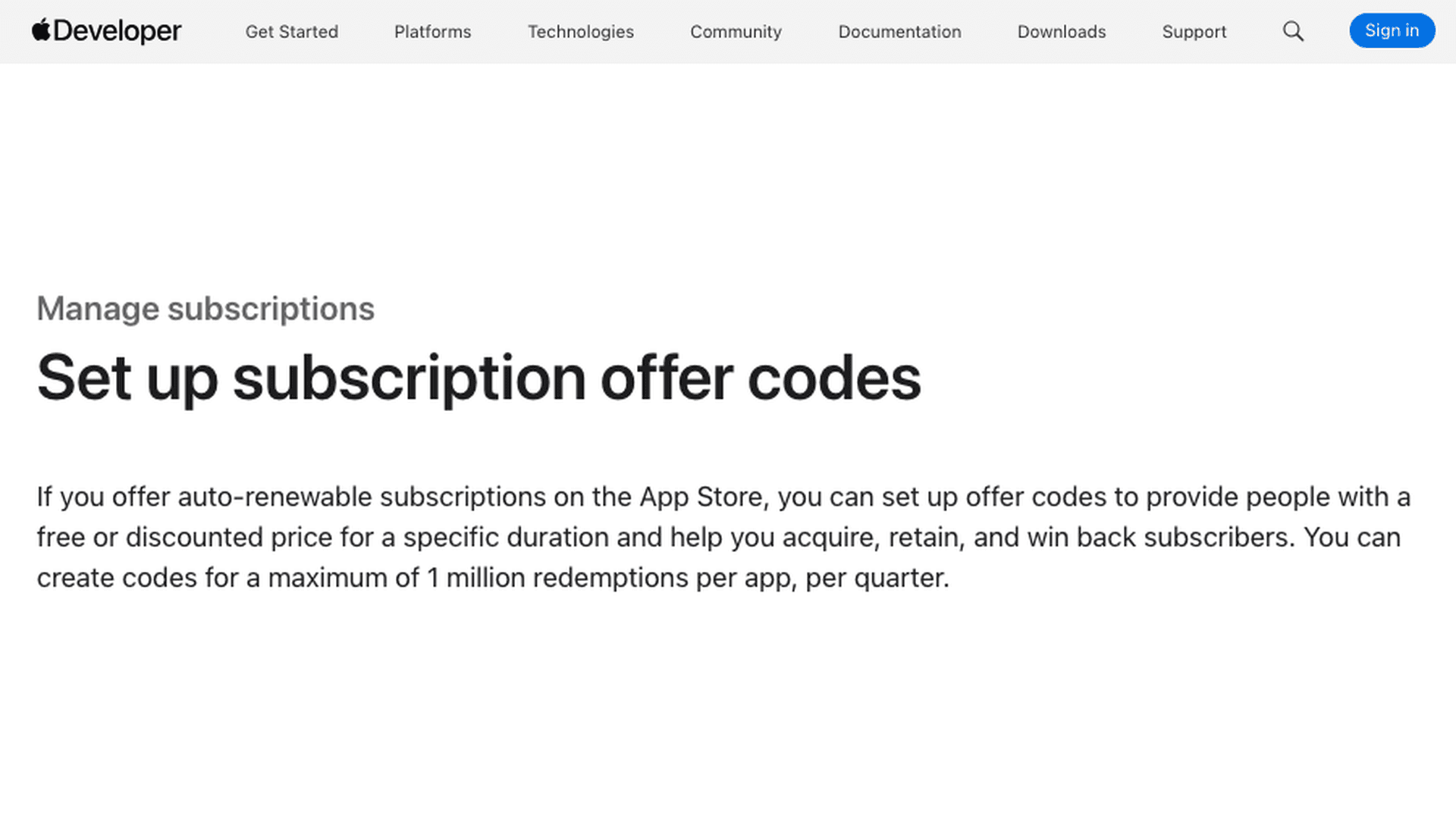
  • Subscription offer codes are capped at 1,000,000 redemptions per app, per quarter, shared across every subscription in the app. That is a 10,000x difference in supply between two things creators call "free codes"
  • The difference that matters is not the cap. A promo code hands over a free download and stops. An offer code enrols the person in your actual subscription, and Apple asks you at setup "whether you'd like the subscription to automatically renew to the standard price upon conclusion of the offer period"
  • Custom codes are the campaign tool. You name one yourself, up to 64 characters, and set a redemption limit of up to 25,000 at a time. One-time-use codes come in batches of 500 to 25,000 and expire within six months
  • Offer codes can target people who already left. Apple lets you set eligibility for new, existing or expired subscribers, which no free-download code can do
  • Google Play is an order of magnitude stingier on the paid-app side: 500 promo codes per quarter across all non-subscription promotions, and unused codes do not carry over
  • A promo code redemption cannot leave you a rating. Apple states plainly that customers who redeem one "can't rate or review the app"
  • The strategic question is not how many codes you get. It is whether the free thing you are handing out is attached to a product that can charge money afterwards
The day your product goes live, somebody in your comments will ask for free access. Then a podcast will ask. Then a giveaway, then a launch partner, then the three friends who watched you build it. Most creators answer that with the wrong instrument, because both instruments are called "codes" and one of them is the first thing you find in App Store Connect. Here is what each one actually is, checked against Apple's and Google's own documentation on September 21, 2026, and the single setting that decides whether a giveaway becomes revenue or just becomes free. A promo code gives somebody a free copy of your app and ends there. A subscription offer code enrols somebody in your actual subscription at a free or discounted price for a set duration, and then renews them at full price unless you turn that off. Apple's own description of offer codes says they exist to "help you acquire, retain, and win back subscribers." Promo codes are described as giving "a free copy of apps." That is the whole distinction, and it is the reason the supply limits look so strange next to each other.
App Store promo codeSubscription offer codeIn-App Purchase offer code
What the person getsA free download of the appFree or discounted access to your subscription for a set durationFree or discounted access to a non-subscription purchase
Supply limit100 per version of each platform your app supports1,000,000 redemptions per app, per quarter1,000,000 codes per app, per quarter
LifespanFour weeks from generationOne-time-use: up to six months. Custom: optional expiryOne-time-use: up to six months. Custom: optional
Can it renew into paidNoYes, unless you disable itNo
Can it target lapsed customersNoYes, expired subscribers are a selectable audienceNo
Required roleAccount Holder, Admin, App Manager or MarketingAccount Holder, Admin, App Manager or MarketingAccount Holder, Admin, App Manager or Marketing
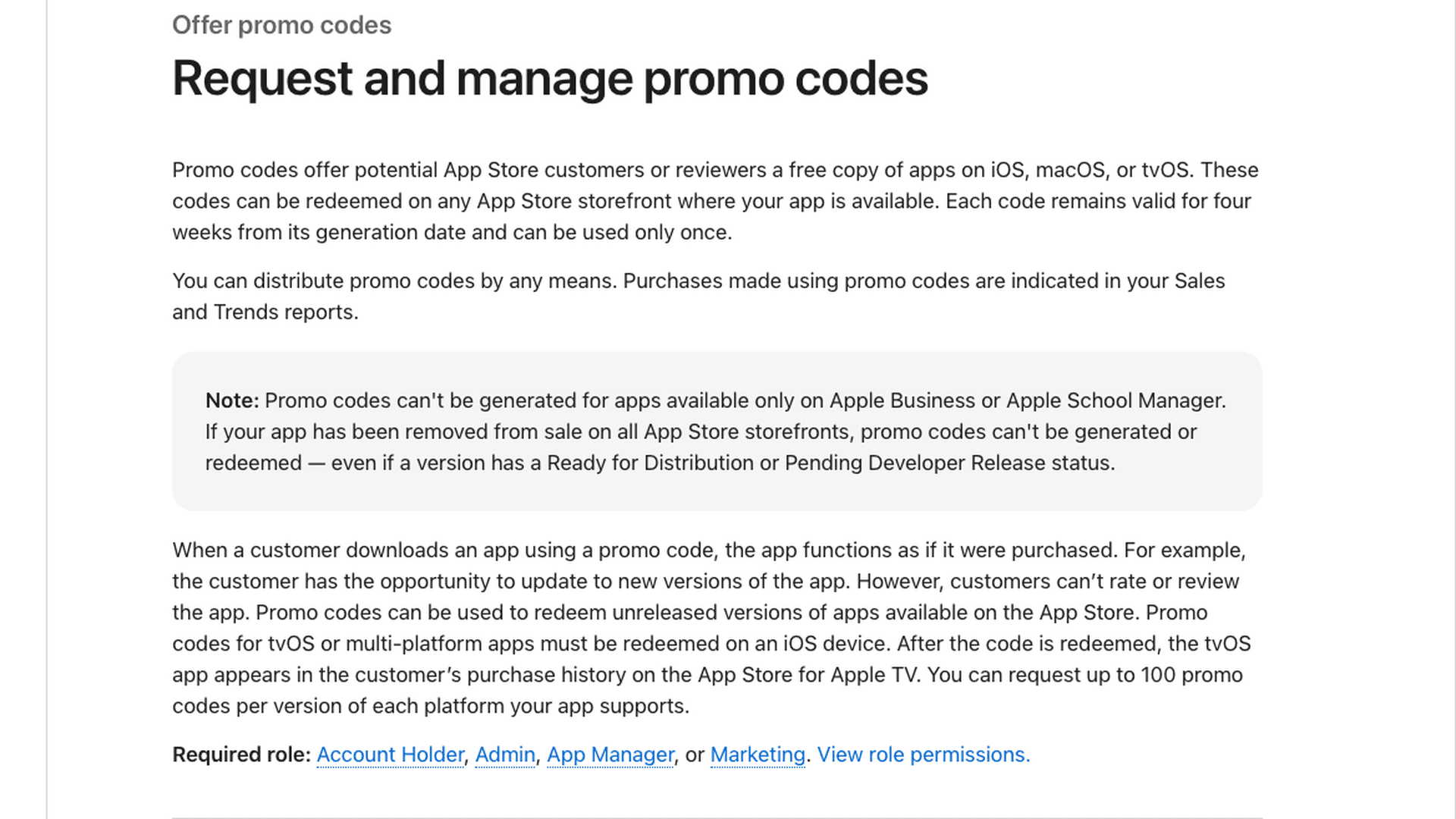
Read the supply column twice. Apple gives you one hundred of the thing that ends in nothing, and a million of the thing that ends in a subscriber. Apple allows 1,000,000 offer code redemptions per app per quarter, shared across every subscription in that app. Inside that ceiling, one-time-use codes are created in batches of at least 500 and at most 25,000, and a named custom code can carry a redemption limit of up to 25,000 at a time. You can run up to 10 active offers per subscription at once. Three numbers do most of the work in practice. 500 is the floor on a one-time-use batch. You cannot generate eleven codes for eleven podcast hosts. You generate five hundred and use eleven, which is fine, because the unused ones stay unredeemed rather than costing anything. 25,000 is the ceiling on a single custom code. A custom code is one word you invent, up to 64 characters and no special characters, that many people redeem. Apple's own example is SPRINGPROMO. If you need more than 25,000, Apple says to create the same custom code again as a second batch, and notes that the system "always redeems from the earliest non-expired batch first." 10 is the active-offer limit per subscription. That is the real constraint on how many simultaneous campaigns you can run, and almost nobody hits it. Because the promo code is a download, not a relationship. Apple's help page states that each code "remains valid for four weeks from its generation date and can be used only once," that you can request "up to 100 promo codes per version of each platform your app supports," and that customers who redeem one "can't rate or review the app." That last clause is the one creators miss. The classic launch plan is to send a hundred free codes to your most engaged followers and hope they leave five-star reviews. Apple has closed that door on purpose. A redeemed promo code produces a user with no payment relationship, no renewal, and no ability to rate you.
Apple's App Store Connect Help page titled Request and manage promo codes, stating that each code remains valid for four weeks from its generation date and can be used only once, that customers can't rate or review the app, and that you can request up to 100 promo codes per version of each platform your app supports
The promo code has one narrow job worth keeping. It is the only Apple code that works for a paid-up-front app, it can redeem unreleased versions, and it is the right thing to hand a journalist who needs to open your product this afternoon and never has to pay you. For everything else it is a rounding error. One hundred codes against an audience of 200,000 is not a launch campaign. It is a raffle. Walk through Apple's offer code setup and the fifth step is this: choose whether you want the subscription "to automatically renew to the standard price upon conclusion of the offer period." Apple adds that checking the box "will prevent auto-renewal, ensuring customers receive a commitment-free trial subscription," and that if you choose it, you can only offer Free. So the checkbox is the whole business decision, compressed into one input. Leave it unchecked and your free month is the front of a funnel. The person redeems a code, uses the product for thirty days, and on day thirty-one Apple bills them at your standard price unless they cancel. That is the same machinery behind a free trial that converts into a paywall, except you chose exactly who got in. Check it and your free month is a gift. It costs you Apple's processing of a zero-dollar transaction and nothing else, and it ends cleanly with no charge and no bad feeling. Both are legitimate. Not knowing which one you picked is not. The creators who get burned here ran a "free month" giveaway, never looked at the box, and found the answer in their support inbox. One setting next to it matters almost as much. If your subscription already has an introductory offer, Apple asks whether code redeemers should get both. Answer yes and they take the introductory offer first, then renew into the offer the code bought. Stack that wrong and you can accidentally give somebody five free months, which is the same trap that makes annual and monthly pricing behave differently than creators expect. Yes, and it is the most valuable thing offer codes do. Apple lets you set eligibility for one or more of three audiences: new subscribers who have never subscribed to anything in the group, existing subscribers who are currently subscribed including those in billing retry or a grace period, and expired subscribers whose auto-renew is off and whose subscription period has ended. No download code can do that. The person already has your app. Apple runs a second, automated version of the same idea called win-back offers, which it displays to eligible lapsed customers on their Manage Subscriptions page and inside your app, and which can optionally appear in editorially curated selections across the App Store. You set a minimum paid duration between 1 and 24 months, or 3, 4 or 5 years, and a window for how long it has been since they last subscribed. You can run up to 5 win-back offers per storefront, per subscription at a time. The difference is who does the work. With an offer code you pick the people and send the code. With a win-back offer Apple finds them and shows it. That is what the practical answer to churn looks like inside the store itself, and most creator products have neither turned on. One constraint applies to both: once you create an offer you cannot edit it, so plan the audience before you plan the code. Far less on the paid side and a comparable amount on the subscription side. Google Play allows 500 promo codes per quarter across all non-subscription promotions in an app, and 10,000 one-time-use codes per quarter per subscription product. A Play custom code carries a redemption limit between 2,000 and 99,999, is available only for subscriptions, and can only be redeemed by users who have not previously subscribed. Two Play-specific details change how you plan a cross-platform giveaway. First, Play subscription promo codes are always a free trial "of between 3 and 90 days," and Google states that if the offer already has a free trial or other offers, it is replaced with the promo code free trial length. You are not designing a discount ladder there; you are choosing a number of days. Second, unused codes evaporate. Google is explicit that if you do not use all of your promo codes in a quarter, you lose access to them and they do not carry over. Apple's quarterly ceiling works the same way in effect, and Apple adds that codes you deactivate "will not be reapplied to the 1,000,000 quarterly limit."
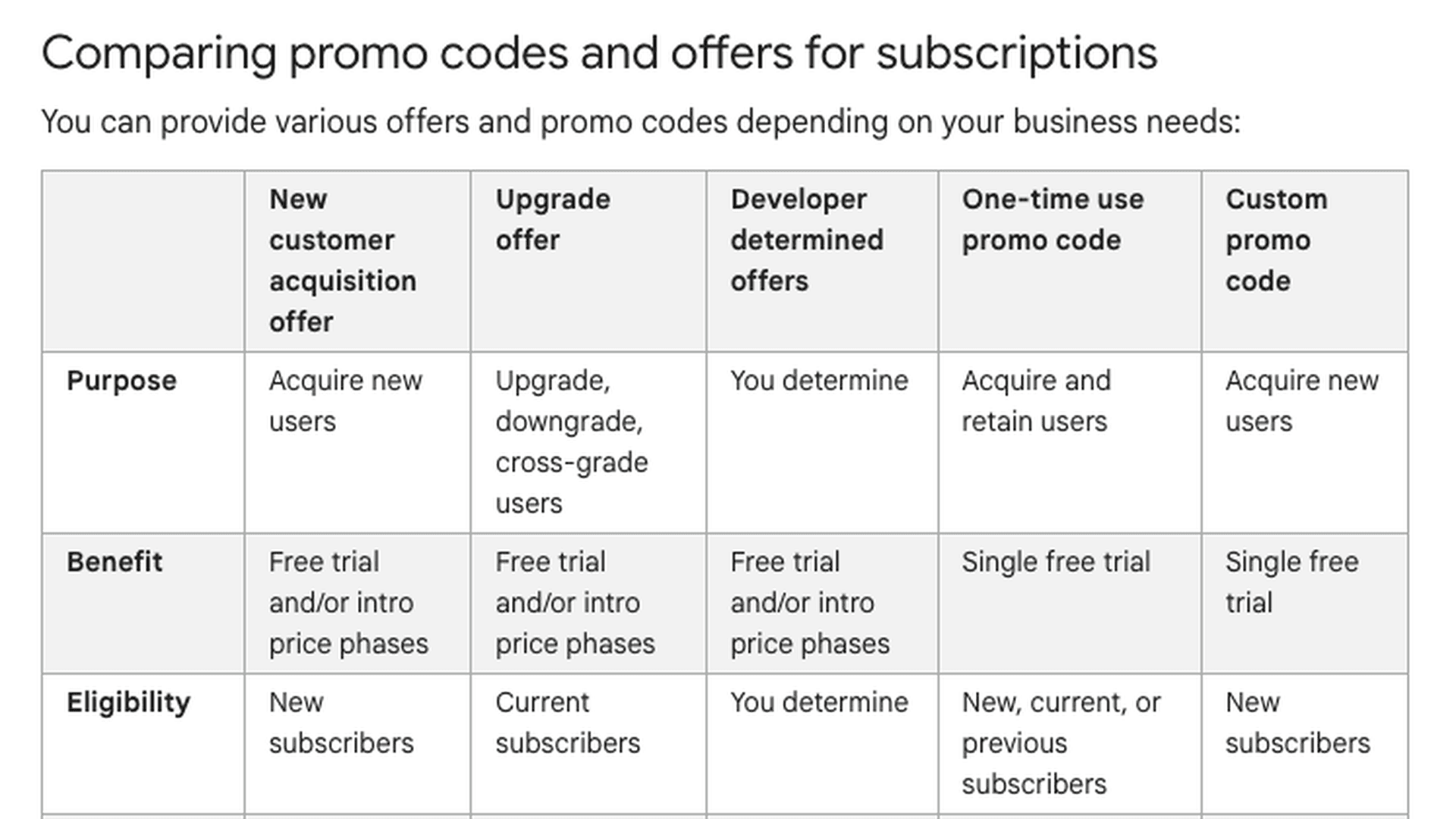
Google's Play Console Help page showing its own comparison table of promo codes and subscription offers, with columns for new customer acquisition offer, upgrade offer, developer determined offers, one-time use promo code and custom promo code, and rows for purpose, benefit and eligibility
Google's own table is worth reading as a strategy document rather than a reference. It labels the one-time-use promo code "Acquire and retain users" and eligible for "New, current, or previous subscribers," while the custom code is "Acquire new users" only. The platforms have already decided which code does which job. Most creators have not. You do not have a distribution problem. You have an instrument problem. Here is what usually happens. You launch, you generate 100 promo codes because that is the menu item you found, you post them in a story, they are gone in ninety seconds, they expire in four weeks, none of those people can review you, none of them are subscribers, and your first month's revenue is whatever strangers found in search. The version that works uses the other rail. One custom code named after your show, a redemption limit you set deliberately, eligibility set to new subscribers, auto-renew left on, and a redemption URL in one pinned post. Apple will let you point up to 25,000 people at that in a single batch, and every one who does not cancel becomes a paying customer on a date you can predict. The code is not the giveaway. The code is the enrolment form.
  • Decide the job before the code. Acquisition, retention or win-back. Apple makes you pick an eligibility audience anyway, and the answer determines everything downstream.
  • Pick the rail. Free download for press and reviewers means promo codes. Anything attached to recurring revenue means offer codes.
  • Choose the checkbox on purpose. Renew to standard price for a funnel, prevent auto-renewal for a gift. Write down which one you picked.
  • Use a custom code for anything public. One memorable word, one redemption URL, one limit up to 25,000. Save one-time-use batches for lists where access has to be controlled.
  • Set an expiry you can market against. One-time-use codes cap at six months; custom codes can run with no end date, which sounds generous and quietly removes your deadline.
  • Watch the Subscription Offer Redemption Report. Apple publishes it in Sales and Trends, and it is the only honest measure of whether the giveaway produced subscribers or just produced downloads.
Step three is the one people skip, and it is the only one that touches your revenue. Notice what every number here assumes. Apple will let you hand a million free redemptions to your audience in a quarter, at no cost to you, on a storefront that also handles the billing, the renewals, the refunds and the tax. That capacity is sitting there right now for anyone with a product on it. The constraint was never the codes. It is that most creators have nothing to attach one to. You can give away a PDF, a discount on a course, a shoutout. None of them renew, none of them show up in a redemption report, and none of them turn a free month into a paying month without you doing the work again. Built by Foundry builds the product the codes attach to: $0 upfront, revenue share, roughly three weeks from decision to a live product, and the creator owns the business. We run and maintain it forever afterwards, which includes the offers, the pricing and the renewal machinery, so nobody becomes an App Store Connect administrator by accident. That is the whole model. It is also why the fee structure matters more than the giveaway does, and why the Apple Small Business Program rate is usually the first number we check. If you already have a product, open App Store Connect, find the subscription, and look at how many active offers you are running. The limit is ten. The number is probably zero. If you do not have a product yet, the more useful question is the one the checkbox asks. When you finally give a thousand people a free month, what happens on day thirty-one?
See What We’d Build You →
Sources verified September 21, 2026: Apple's App Store Connect Help pages for Request and manage promo codes, Set up subscription offer codes, Create offer codes for In-App Purchases and Set up win-back offers; and Google's Play Console Help page Create promotions. Store limits, eligibility rules and role requirements are set by Apple and Google and can change without notice. Current-state claims require revalidation before later use.
Our work

Creators who already did this

These are apps we designed, built, shipped, and still run today, with the creator keeping the code and the audience.

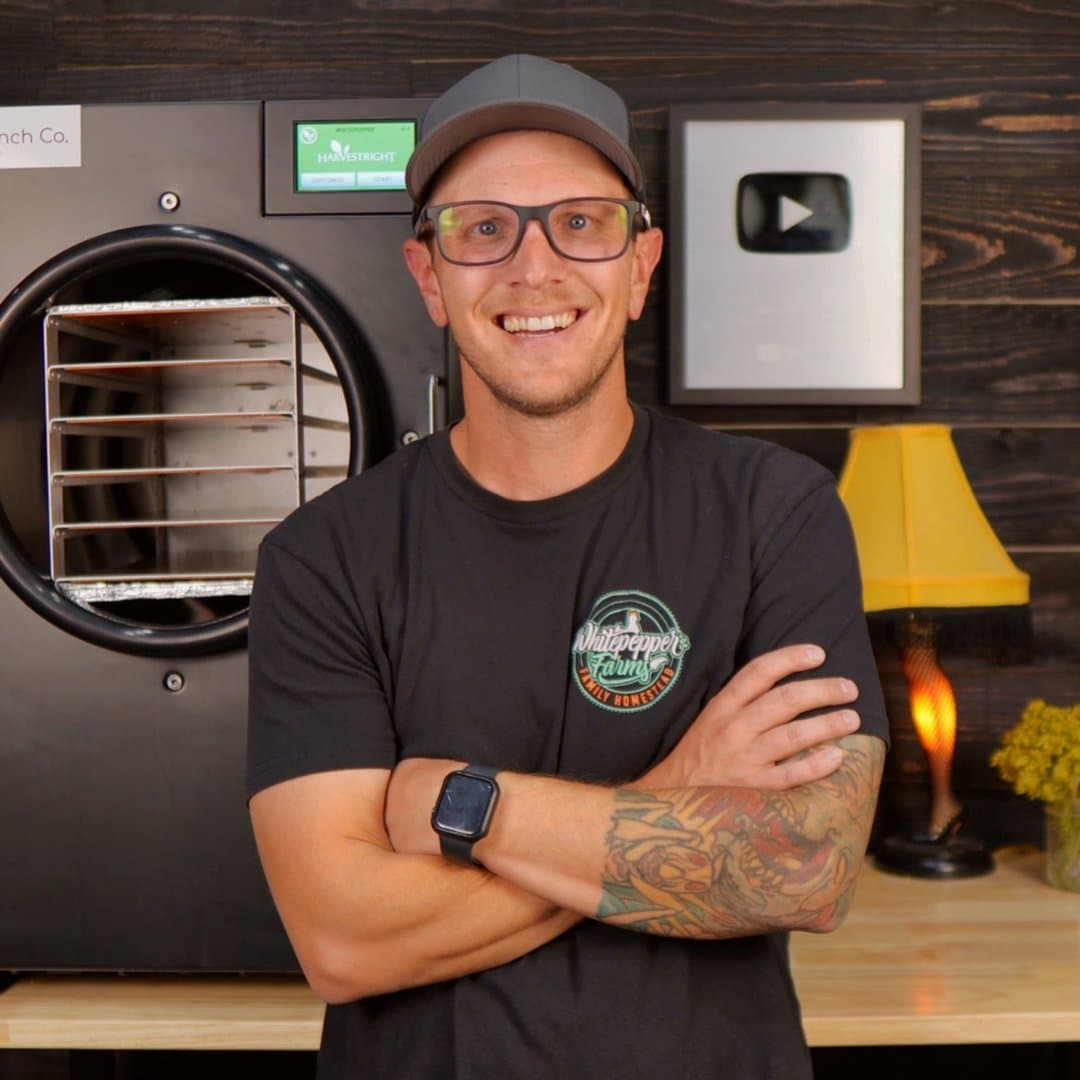
Brandon Whiteleather

Brandon Whiteleather

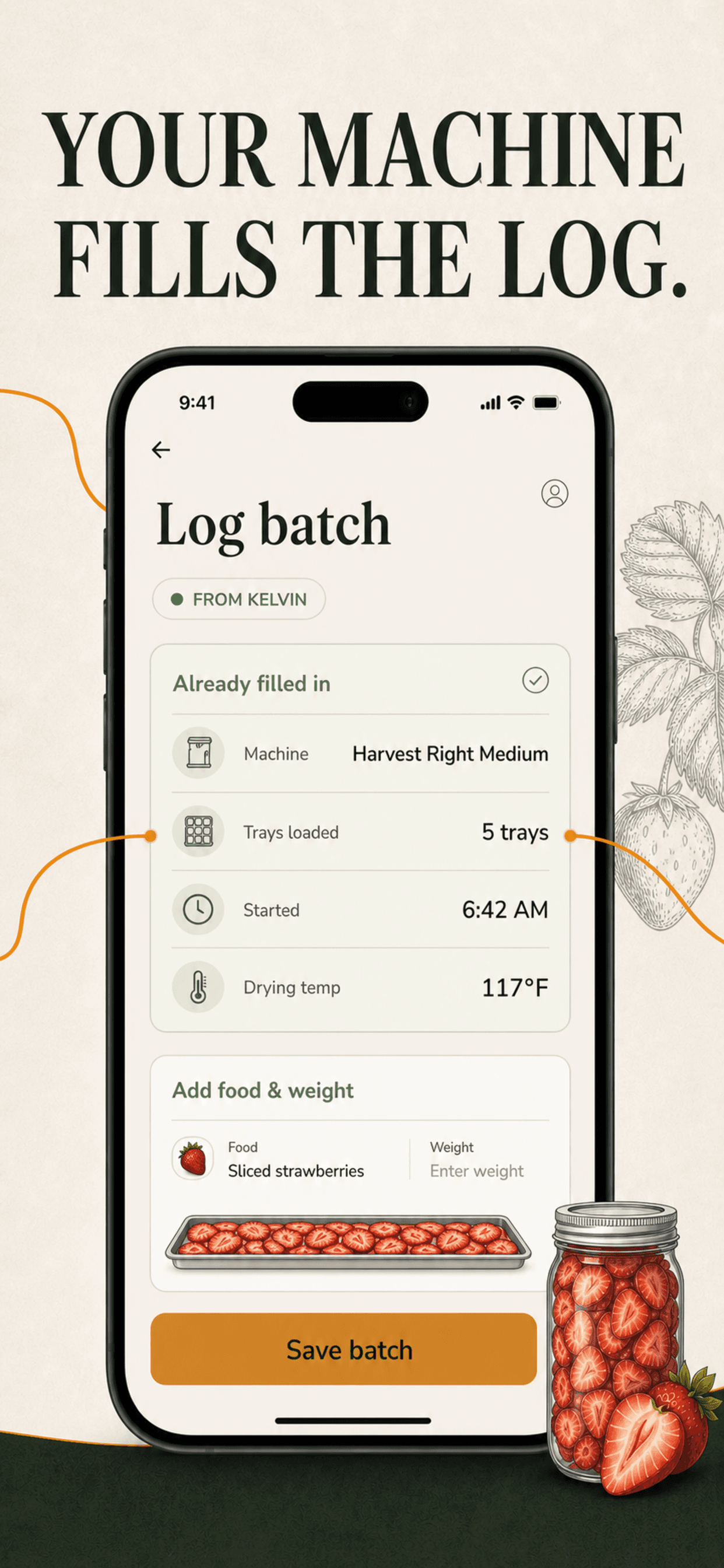
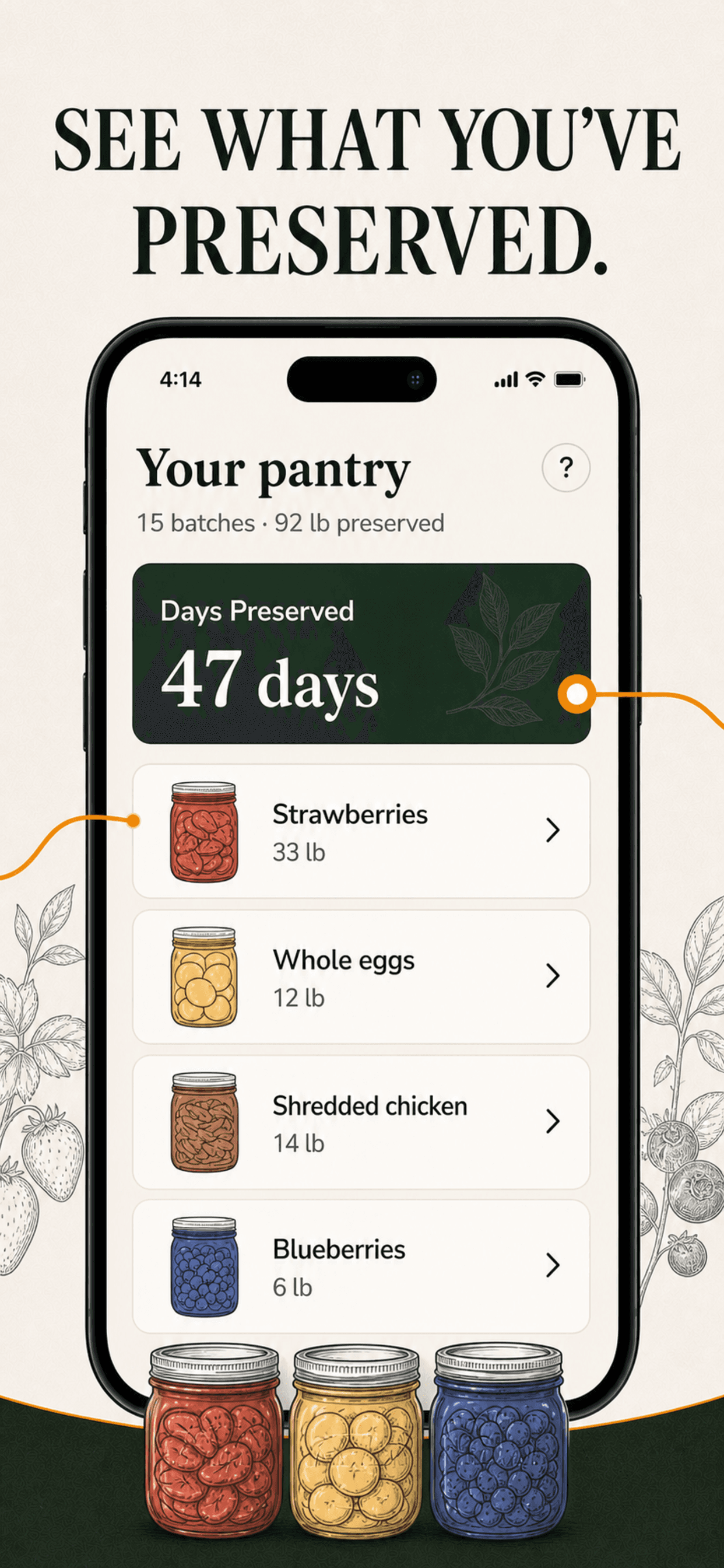
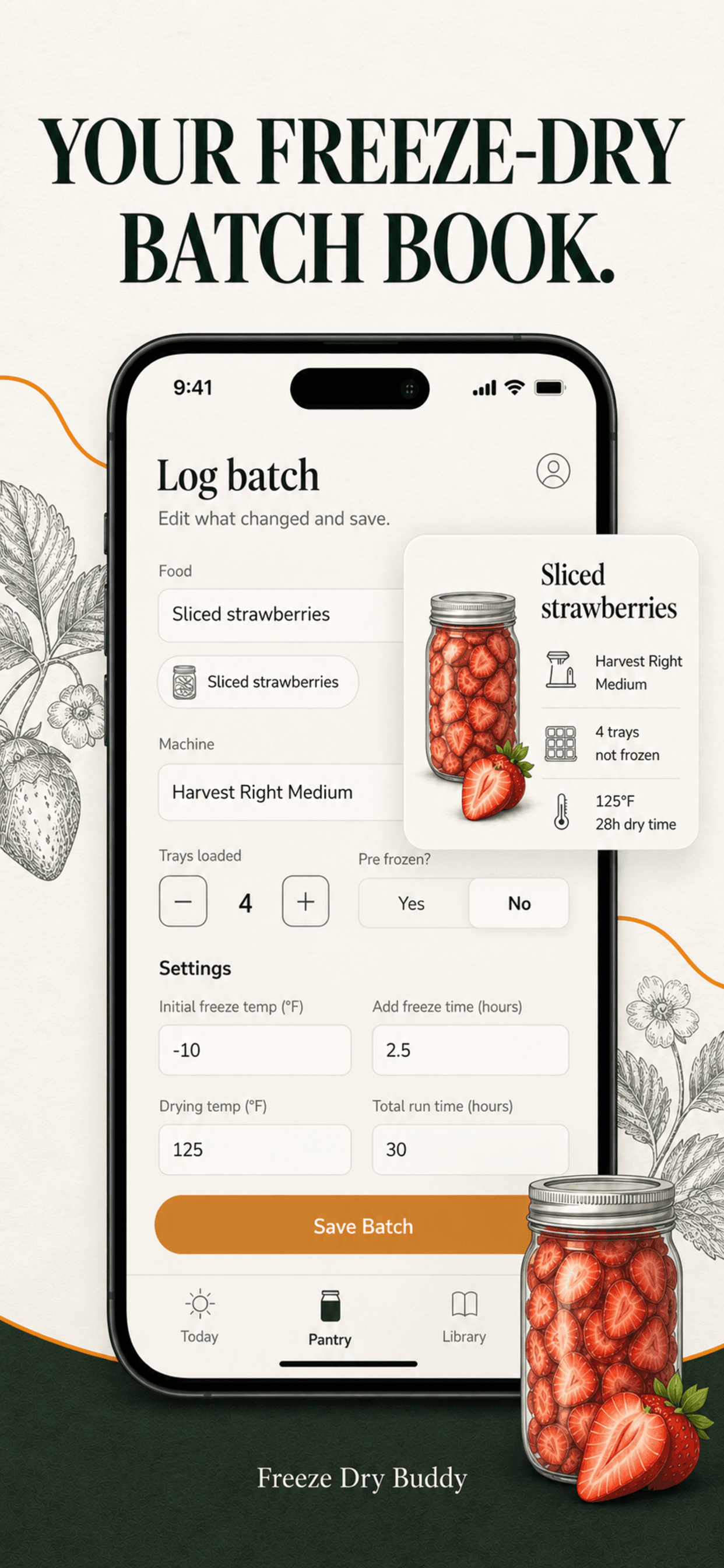
Founder & CEO of Freeze Dry Buddy

Freeze drying made foolproof, from a homesteader who's done it 1,000 times.

Top Food App1.4M+ followers
Read the case study
Kristen Donathan

Kristen Donathan

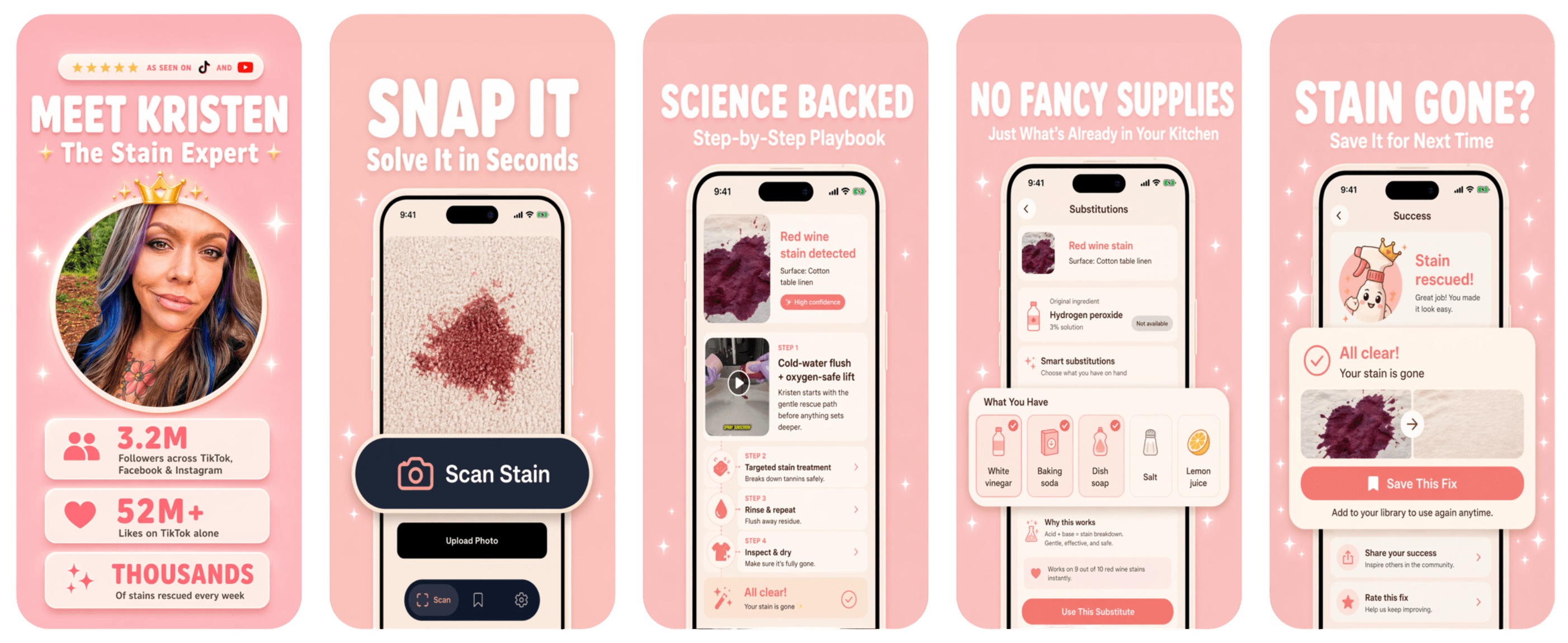
Founder & CEO of Stain Fix

Snap a stain. Get the fix in seconds.

Top Lifestyle App1.5M+ followers
Read the case study
Stain Fix screenshots
Ellie Fausett

Ellie Fausett

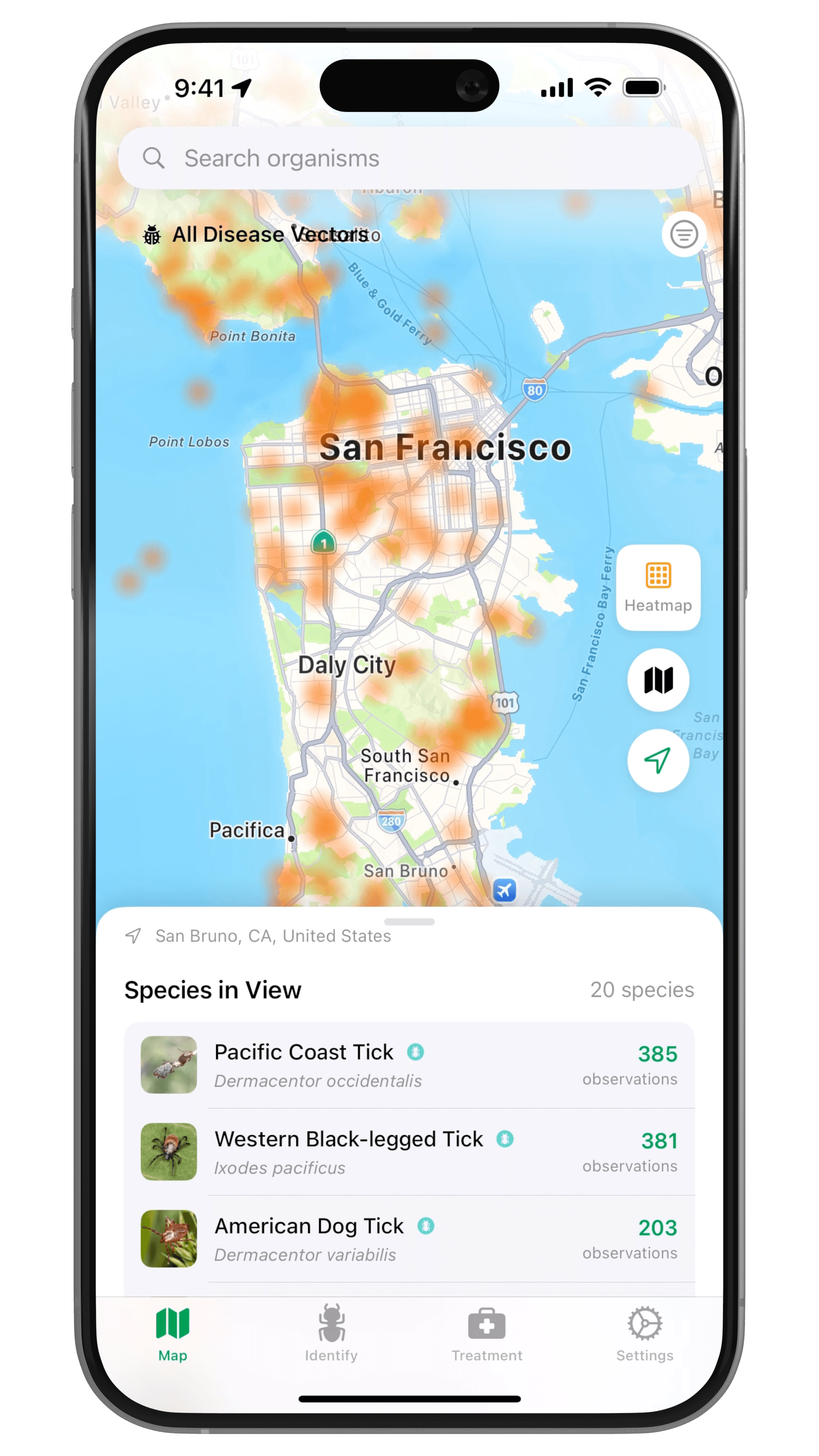
Founder & CEO of Vector Guard

Spot disease-carrying pests before they reach your family.

Top Health App
Read the case study
Vector Guard screenshots

Creator app strategy

Curious what your app could be?

Enter your handle and BUILT BY FOUNDRY will research your audience and present custom app concepts. Free.

How Many Free App Codes Can You Give Away in 2026? 100, 25,000 and 1 Million