
Case Studies & Success Stories

Doing Things Has 40 Brands and 95M Followers. Count the Buyers, Not the Channels

September 4, 2026
Share
Doing Things Has 40 Brands and 95M Followers. Count the Buyers, Not the Channels

Get Creator Revenue Insights

How creators are turning audiences into subscription businesses
Share
Key Takeaways:
  • Doing Things publishes its own scoreboard on its homepage: 40 multi-platform creator brands, 95M+ followers, 500M+ monthly average reach, and 11B views, retrieved September 4, 2026
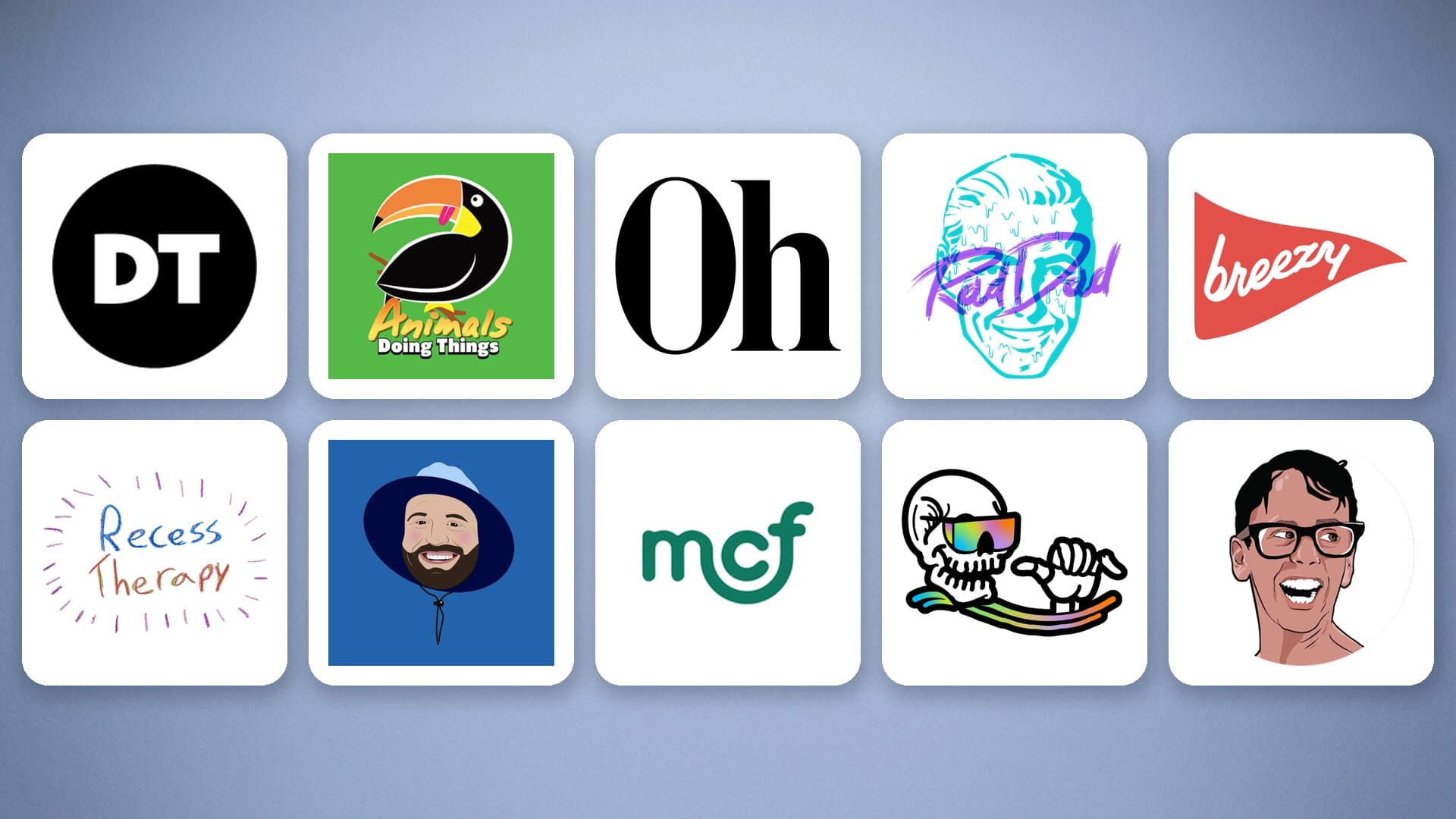
  • The portfolio includes Recess Therapy, Animals Doing Things, Middle Class Fancy, Overheard, Breezy Golf, Bob Does Sports, Kook Slams, Rad Dad, Moist Buddha, and Shithead Steve
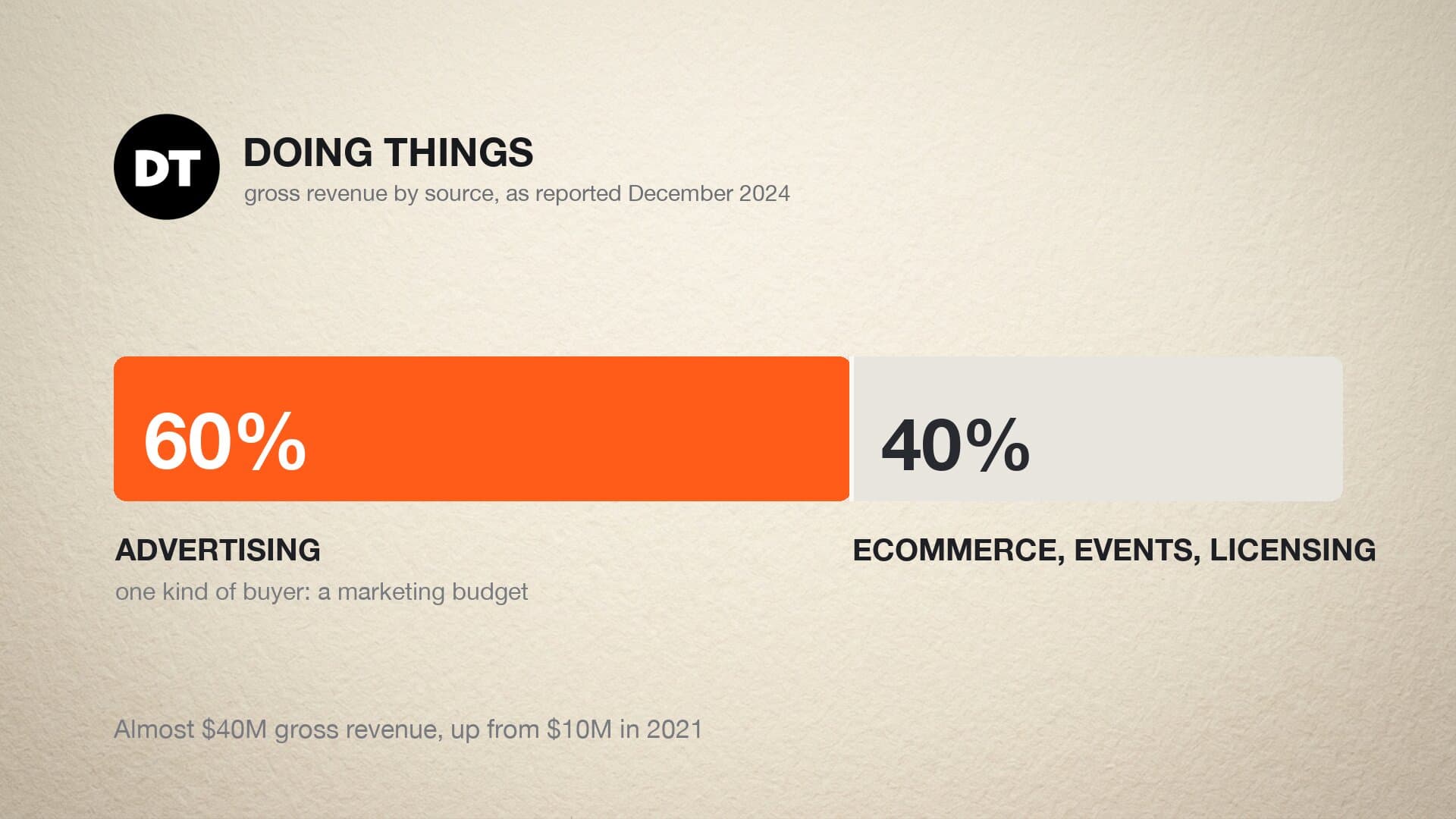
  • Forbes reported in December 2024 that the company reached almost $40 million in gross revenue, up from $10 million in 2021, and that CEO Reid Hailey estimated 60 percent of gross revenue was advertising-based, with ecommerce, events, and content licensing making up the rest
  • The company was founded in Atlanta in 2017 by Reid Hailey and Derek Lucas, raised a $21.5 million Series A in February 2022, and acquired Overheard in January 2023
  • An Apple App Store search on September 4, 2026 returns no app published by Doing Things or by any of its ten named brands
Almost every piece of advice a creator gets about risk says the same thing: do not depend on one platform. Post everywhere. Own an email list. Add a second channel, then a third. Doing Things did that better than anyone alive. It runs 40 brands across Instagram, TikTok, YouTube, Facebook, and Snapchat. If Instagram throttled reach tomorrow, or TikTok went dark, or one account got banned, 39 others would keep publishing. By the standard measure of creator risk, this company is close to unkillable. Now ask a different question. Not how many channels does it have. How many buyers does it have? Doing Things owns a portfolio of 40 subject-named social brands with a combined 95 million followers and more than 500 million average monthly reach, all of it stated on the company's own homepage. It owns no subscription product, and no app on the Apple App Store under its own name or the name of any of its ten flagship brands. The company started the way most of this business starts. Reid Hailey ran an anonymous meme account. Derek Lucas ran another. They merged, and the thing that came out of it was not a personality: it was a category system. Animals Doing Things is a subject. Middle Class Fancy is a subject. Overheard is a subject. Kook Slams is a subject. Each one names a thing people find funny rather than a person people follow. That is the first real lesson here, and it cuts against the usual creator gospel. A brand that names a subject instead of a founder can be bought, sold, staffed, and scaled. Doing Things acquired Middle Class Fancy in 2018 and Overheard in January 2023, which is a sentence you cannot write about a personality account. The portfolio grew because the units were transferable. Some of the brands did grow faces. Recess Therapy is hosted by Julian Shapiro-Barnum, whose interview with a kid about corn became one of the most watched clips of 2022 and put him on the TIME100 Creators list. Bob Does Sports is Robby Berger. But the shelf was built on subjects first, and the hosts arrived after the audience did. Marketers do. Forbes reported in December 2024 that Reid Hailey estimated 60 percent of the company's gross revenue was advertising-based, with ecommerce, events, and content licensing making up the remainder, on gross revenue of almost $40 million. The 95 million people who follow the brands are not customers of Doing Things. They are the inventory. This is not a criticism of the company. It is a very good version of that business, and $40 million of gross revenue on $10 million three years earlier is real operating skill. It is also a description of a specific dependency, and the dependency is invisible if you only count channels. Forty brands is forty distribution surfaces. It is not forty revenue sources. When a brand deal is signed with Bud Light or Kérastase or Cheez-It, the money comes out of a marketing budget that gets set once a year by a committee, adjusted quarterly, and cut first in a downturn. That is true for the Animals Doing Things deal and the Overheard deal and the Recess Therapy deal at the same time, for the same reason, in the same week. The channels are independent. The buyers are not. Count your buyers. It takes ninety seconds. List every entity that sent you money last month and write down how many separate decisions that represents. A creator on five platforms with four brand deals and an affiliate program has, at most, five buyers. A creator with 800 people paying $9.99 a month has 800, and no two of them cancel for the same reason on the same day.
A split bar showing that 60 percent of Doing Things gross revenue was advertising-based in the December 2024 Forbes report, with ecommerce, events, and content licensing making up the remaining 40 percent
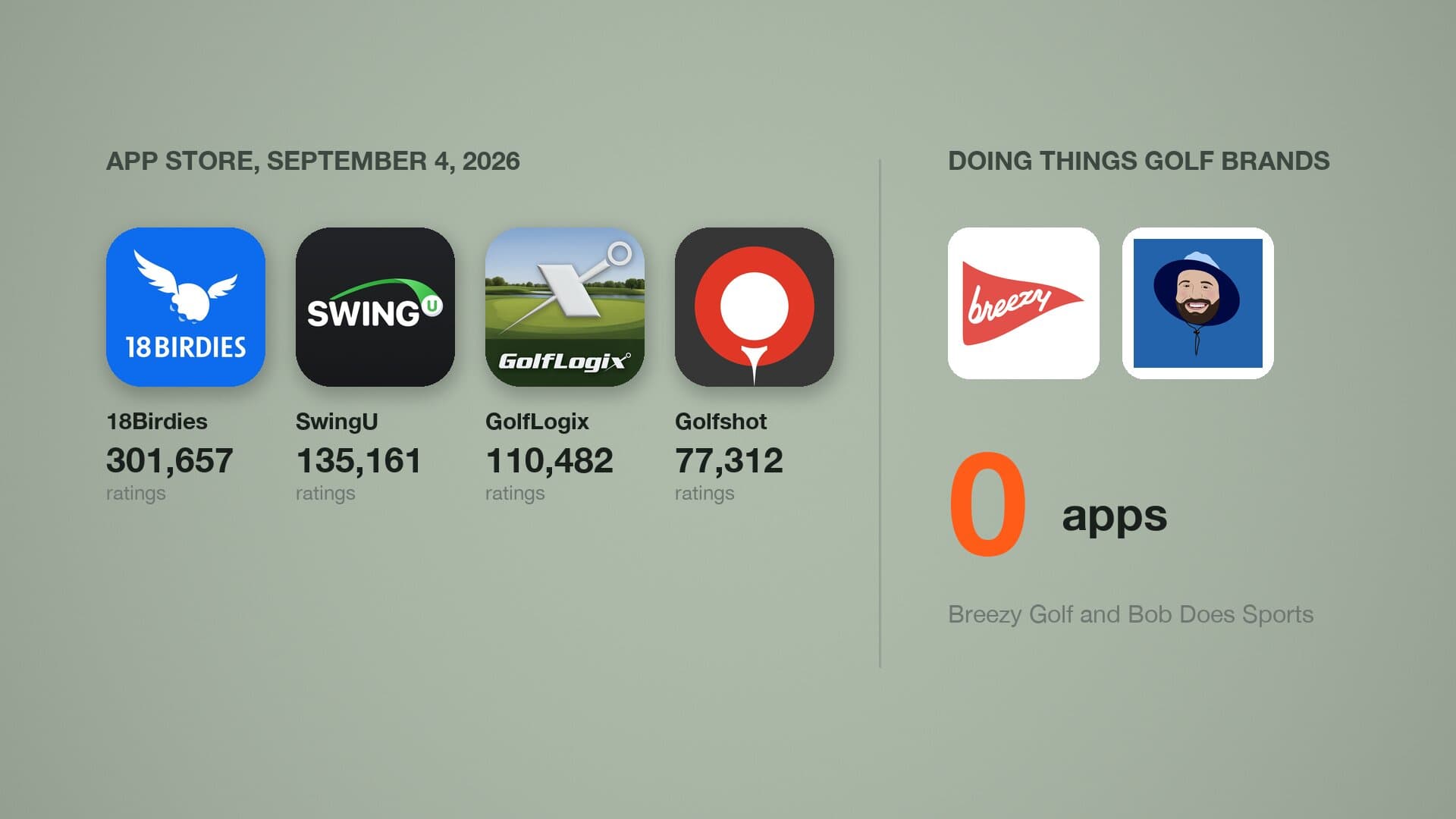
Because diversification is a property of who pays you, not of where you publish. Two hundred followers on one platform and 95 million across five behave identically when the thing funding both is a marketing budget. The correlation that matters is between customers, and advertisers are almost perfectly correlated with each other. Doing Things clearly understands this, which is why the second half of that revenue exists at all. Merchandise, events, and licensing were built deliberately, and Forbes reported that for Bob Does Sports specifically, merchandise generates as much revenue as advertising does. That is a genuine second buyer: the fan, paying directly. But a hat is bought once. So is an event ticket. Both are the same transaction shape as a brand deal from the creator's side of the ledger, which is that income resets to zero at the start of every month and the work of filling it starts again. The third shape, the one the portfolio does not have, is a customer who pays again next month without anybody selling anything. Doing Things owns two of the most-followed independent golf brands on the internet, Breezy Golf and Bob Does Sports. Golf is a sport that people play weekly, track obsessively, and already pay software to help with. Here is what the golf shelf on the App Store looked like on September 4, 2026. 18Birdies had 301,657 US ratings. SwingU had 135,161. GolfLogix had 110,482. Golfshot had 77,312. Every one of them is free to download and monetized by subscription.
Real App Store icons for 18Birdies, SwingU, GolfLogix and Golfshot with their US rating counts, set against the Breezy Golf and Bob Does Sports brand marks and a zero
None of those companies has a golf audience. They have a golf feature set, and they bought their way to the players one install at a time. Doing Things has the audience and does not have the shelf. That gap is the entire argument for why niche creator apps beat big tech when the audience arrives first and the software arrives second, instead of the other way around. This section is for the creator who reads the Doing Things numbers and thinks the lesson does not apply at their scale. It applies harder at your scale, because you have fewer buyers than they do. Write down every source of money from last month. If the list is a brand deal, a second brand deal, an affiliate payout, and a platform ad share, that is four buyers, and three of them are marketing departments. Your reach might come from four platforms and 50,000 people, but your business has the concentration profile of a freelancer with three clients, which is exactly what it is. The fix is not another platform. It is one product your audience buys from you directly, on a schedule, without a pitch. That is the difference between an audience and a set of customers who have actually bought something, and it is the only line item on a creator P&L that keeps paying during a month you did not post. Not a paywall on memes. Nobody pays monthly for a feed, and putting Animals Doing Things behind a subscription would destroy the reach that makes the advertising work. The product sits underneath a brand, not in front of it. Breezy Golf's audience plays golf and already tracks scores in software owned by strangers. Recess Therapy's audience is parents of small children, which is the highest-intent, highest-anxiety, most software-hungry demographic in consumer apps. Middle Class Fancy's audience is doing home projects and grilling and pricing lawn equipment. In each case the subscription is the tool the audience already uses, published by the brand they already trust, with the community they are already in. Forty brands means forty of those questions, and the company only has to be right about three. That is the practical case for treating an audience like an asset instead of like a reach number on a media kit. Name the subject, not yourself. A brand called Animals Doing Things can be acquired, staffed, franchised, and outlived. A brand called your name cannot be any of those things. This is the single most copyable decision in the whole company. Channel diversification and revenue diversification are different problems. Solving the first one perfectly, as Doing Things has, does nothing for the second. Count buyers, not platforms, and count them monthly. A one-time buyer is still a one-time buyer. Merchandise and events are a real second revenue leg and they are worth building. They are not recurring revenue, because the customer has to be persuaded again every time. The people winning the App Store shelves in your category do not have your audience. They have a feature set and an install budget. That asymmetry is temporary and it is currently pointed at you. Doing Things built the most sophisticated audience machine in the creator economy and then had to invent a second business, and a third, to stop depending on one type of customer. It is still missing the type that pays without being asked. If a company with 95 million followers and 40 brands has to solve this, the account with 50,000 does not get to skip it. Brand marks and portfolio statistics retrieved from doingthings.com on September 4, 2026. Revenue figures as reported by Forbes on December 11, 2024. Company history from Wikipedia. App icons and US rating counts retrieved from the Apple iTunes Search API on September 4, 2026.
Our work

Creators who already did this

These are apps we designed, built, shipped, and still run today, with the creator keeping the code and the audience.

Creator app strategy

Curious what your app could be?

Enter your handle and BUILT BY FOUNDRY will research your audience and present custom app concepts. Free.

Doing Things Has 40 Brands and 95M Followers. Count the Buyers, Not the Channels