
Case Studies & Success Stories

Dave Ramsey's EveryDollar: 3 Builds, 84,108 Ratings, $79.99

September 27, 2026
Share
Dave Ramsey's EveryDollar: 3 Builds, 84,108 Ratings, $79.99

Get Creator Revenue Insights

How creators are turning audiences into subscription businesses
Share
Key Takeaways:
  • Dave Ramsey's EveryDollar budgeting app showed 84,108 US ratings at 4.7 stars on its App Store listing on September 27, 2026. YNAB, the best-known independent budgeting app, showed 61,658
  • Ramsey Solutions built budgeting software three times: a CD-ROM in the early 2000s, an online tool called Gazelle Budget, and EveryDollar in 2015, according to the company's own history
  • EveryDollar Premium costs $79.99 a year or $17.99 a month after a 14-day trial, per Ramsey's EveryDollar page. In 2022 the monthly price was $12.99 and the annual price was the same $79.99
  • The advice Ramsey has repeated on air for three decades already had a calendar in it: give every dollar a job before the month begins. The product recurs because the advice does
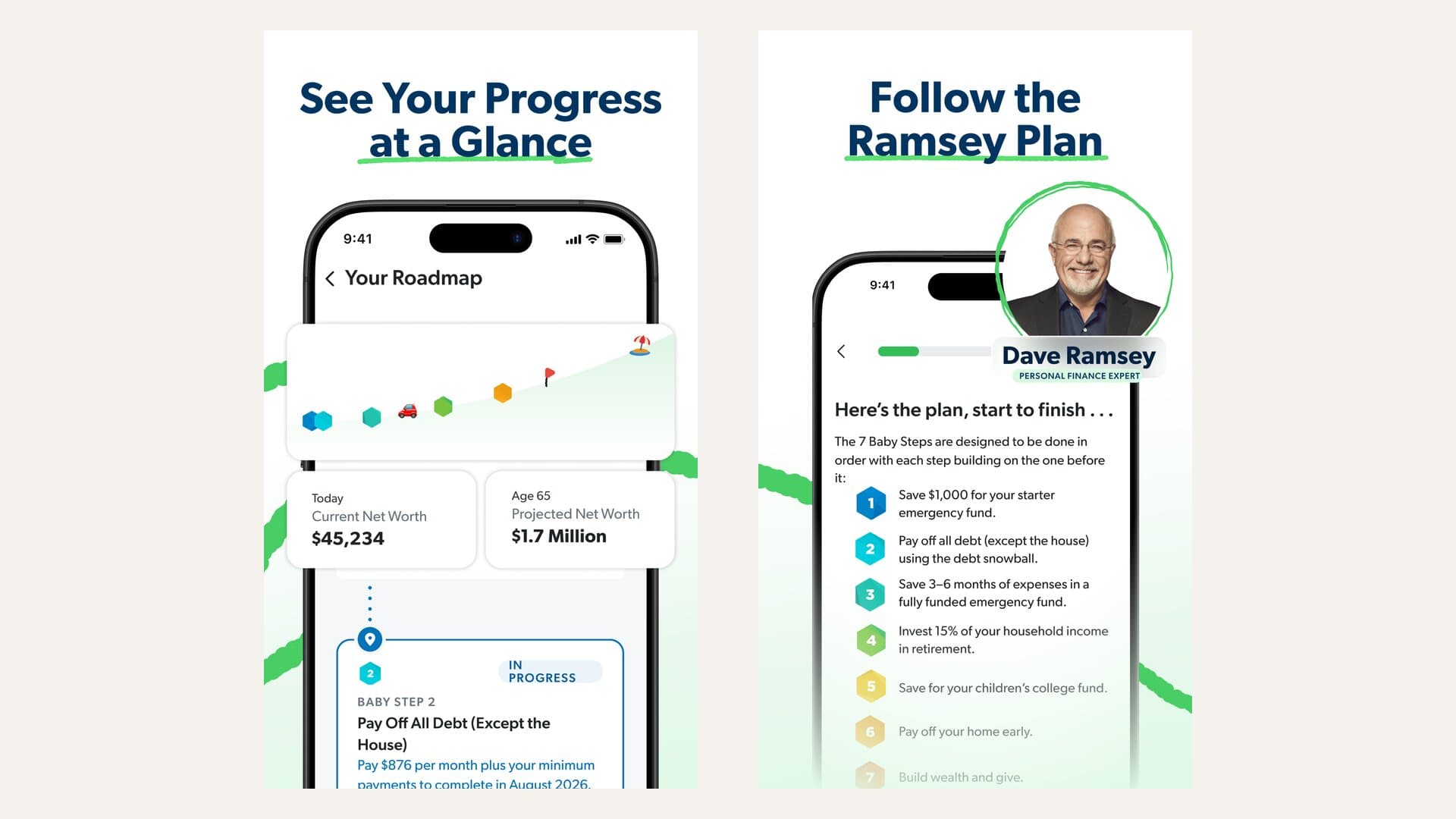
Dave Ramsey is the rare creator whose most famous product is also the one his audience opens every month. The Dave Ramsey EveryDollar app is a zero-based budgeting tool, and zero-based budgeting is the thing he has told callers to do for as long as he has been on the radio. The Ramsey Show's YouTube channel showed 4.6M subscribers, 11,644 videos and 3,349,841,198 views on September 27, 2026. His budgeting app showed more ratings than any independent competitor we checked. It took three attempts, and the reason the third worked applies to any creator whose advice is really a routine. Dave Ramsey is an American personal finance radio host, author and the founder and CEO of Ramsey Solutions, a Nashville company he started in 1991 after filing for bankruptcy in 1988. He co-hosts the syndicated call-in program The Ramsey Show and teaches a debt-free plan called the 7 Baby Steps. The biography is well documented. Wikipedia's account traces the real estate portfolio he built by 1986, the lender that called in his notes, and the Chapter 7 filing that followed. He began counseling people at his church, formed the Lampo Group (now Ramsey Solutions) in 1991, self-published Financial Peace in 1992 and launched Financial Peace University in 1994. The Total Money Makeover became a New York Times bestseller. The company is large now. Ramsey Solutions says its content reaches more than 17 million weekly listeners across two syndicated radio shows and 10 podcasts. That is the company's own figure. Its 2022 press release counted 1,100 team members. Ramsey is also on Instagram. The method is the brand. The 7 Baby Steps page lists them in order: save $1,000, pay off all debt except the house using the debt snowball, save 3 to 6 months of expenses, invest 15% of household income, save for college, pay off the home, then build wealth and give. Economists have criticized parts of it, the debt snowball in particular, because it pays the smallest balance first rather than the highest interest rate. The plan is specific and numbered, and his audience knows it by heart. Ramsey Solutions tells its own software history plainly. The Financial Peace University workbook had budgeting forms. In the early 2000s the company shipped personal finance software on CD-ROM with basic budgeting. Then came an online tool called Gazelle Budget. Then, in 2015, EveryDollar. Apple's listing dates the iPhone app to February 2015, and it was updated again on September 25, 2026. By September 2022, a Ramsey Solutions press release counted more than 3 million downloads. The company's history page now says over 10 million budgeters. Both numbers are self-reported; the 84,108 App Store ratings are the independent count. The advice never changed across those three builds. The delivery did. A disc sits in a drawer and a website waits on a desktop. The budget Ramsey describes has to be made before the first of every month and checked every time you spend. Only the third build was in the customer's pocket on both occasions, and it is the one that took off. Dave Ramsey's advice became a subscription because the advice itself is monthly. His central instruction is to assign every dollar a job before the month begins, so the customer has a reason to return on the first of every month without any marketing. Ramsey put it in one sentence that his company still quotes: "The goal of a budget is to assign every single dollar a name, on purpose, before the month begins." Read that as a product spec. It names the user (anyone with an income), the action (assign every dollar), the cadence (every month) and the deadline (before it starts). Most advice is true forever. Ramsey's comes with a due date. That is why EveryDollar doesn't have to invent a habit. The radio show supplies the reason every day, and the calendar supplies the return visit every month. Compare that with Tori Dunlap's Her First $100K, which serves a similar audience with a much younger media business, or James Clear's Atoms, which had to build a daily habit around a book about habits. The app also carries the ladder. Its App Store screenshots show a "Your Roadmap" screen with Baby Step 2 marked in progress, and a "Follow the Ramsey Plan" screen that lists all seven steps beside his photograph. The budget brings people back each month. The Baby Steps show them how far they've come.
EveryDollar's own App Store screenshots: a roadmap with Baby Step 2 in progress, and the 7 Baby Steps listed beside Dave Ramsey's photo
EveryDollar has a free version with manual tracking. EveryDollar Premium costs $79.99 a year or $17.99 a month after a 14-day free trial for new users, and adds bank connection, a debt payoff tracker, personalized recommendations and group coaching. Ramsey+ bundles Premium with Financial Peace University and courses. Those prices come from Ramsey's EveryDollar page, and NerdWallet's EveryDollar review reports the same two numbers. The App Store table lists Ramsey+ at $129.99 a year or $59.99 for three months.
PlanSeptember 2022September 2026
Premium, monthly$12.99$17.99
Premium, annual$79.99$79.99
12 months paid monthly$155.88$215.88
Annual as a share of 12 monthly payments51%37%
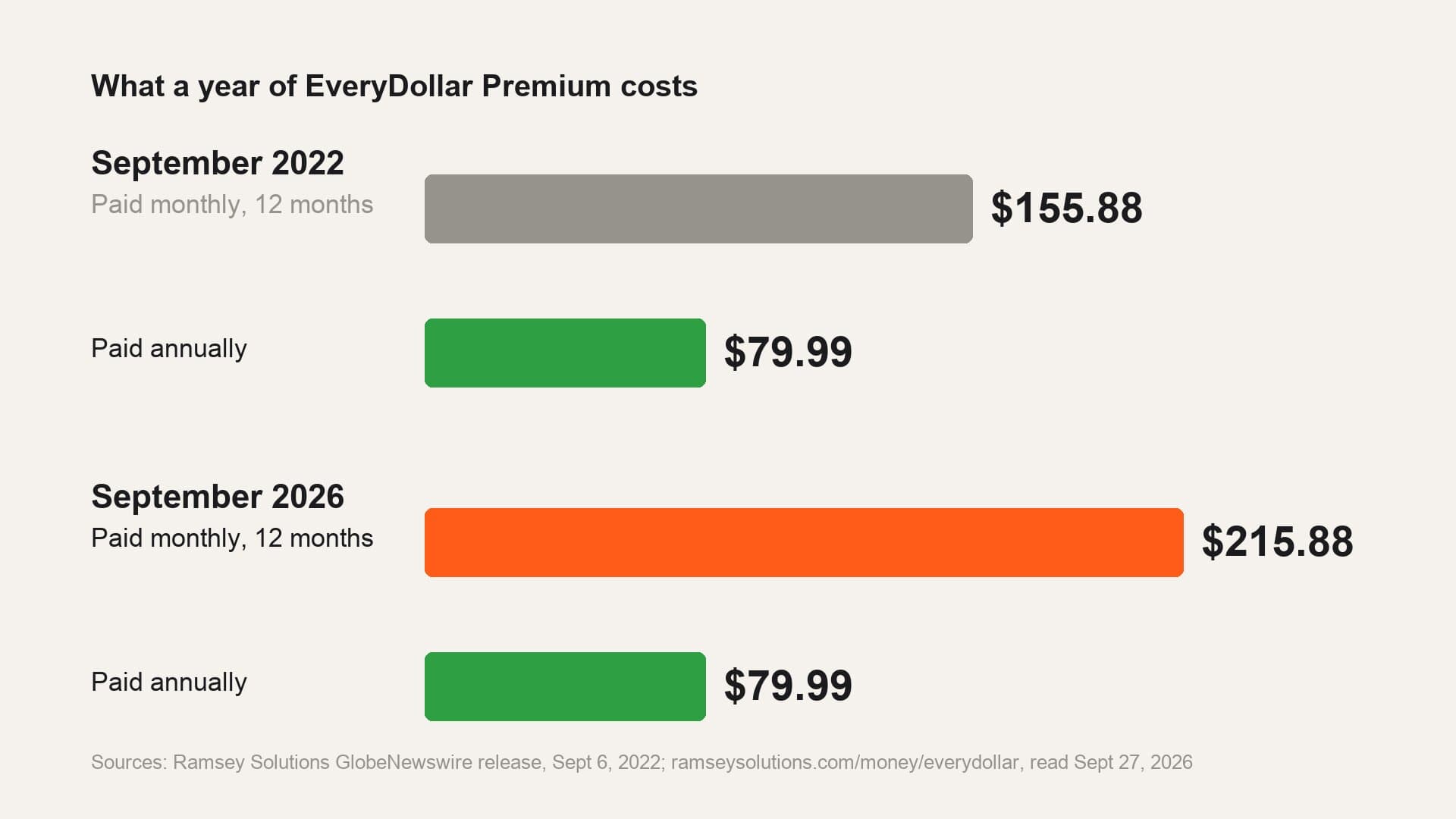
The monthly price rose 38% while the annual price stayed at $79.99. A year paid monthly now costs $135.89 more than a year paid up front. The effect is plain: the monthly plan now mostly works as a push toward the annual one. We covered why that matters for churn in annual vs. monthly subscriptions, and the rules for changing a live price in how to raise a subscription price. The App Store listing still shows both a $12.99 and a $17.99 monthly Premium entry in its in-app purchase table.
Bar chart: a year of EveryDollar Premium paid monthly rose from $155.88 in 2022 to $215.88 in 2026, while the annual plan stayed at $79.99
Here is the reusable part. Take the piece of advice you repeat most often and look for a date in it. If it says "every morning," "every Sunday," "before the month begins" or "before each session," then the product is that action, and it will recur on the advice's own calendar. If the advice holds forever, it belongs in a book or a course. Ramsey passes easily. "Make a budget before the month begins" is monthly by definition, and "Baby Step 2" tells you where you are on the ladder. Plenty of creators pass without noticing: a meal-prep creator whose advice is "plan Sunday for the week," a strength coach whose program runs on a weekly schedule, a tax creator whose advice falls on quarterly estimated-payment dates. Plenty fail honestly, and that's fine. "Buy the index fund and hold it" is excellent advice with no calendar in it. The test also explains the first two builds. A CD-ROM and a desktop website could hold the budget. They couldn't be there on the first of the month when the customer sat down to make it. If you're a personal finance, fitness, nutrition or productivity creator with a large audience, you are probably selling the advice as a course, a book or a coaching call. Those are fine products. None of them is open on the day your audience actually does the thing you told them to do. Ramsey solved that with an in-house software team and three tries over roughly fifteen years. Most creators have neither. Building the product is the easy part; bank connections, pricing changes, releases and support every month after launch are what decide whether it lasts. That is the business Built by Foundry is in, and running the product after launch is the part most creators underestimate. Dave Ramsey has given the same advice on air for about three decades. EveryDollar is the first of his three builds that is in the customer's pocket on the day the sentence applies.
See What We’d Build You →
Our work

Creators who already did this

These are apps we designed, built, shipped, and still run today, with the creator keeping the code and the audience.

Ellie Fausett

Ellie Fausett

Founder & CEO of Vector Guard

Spot disease-carrying pests before they reach your family.

Top Health App
Read the case study
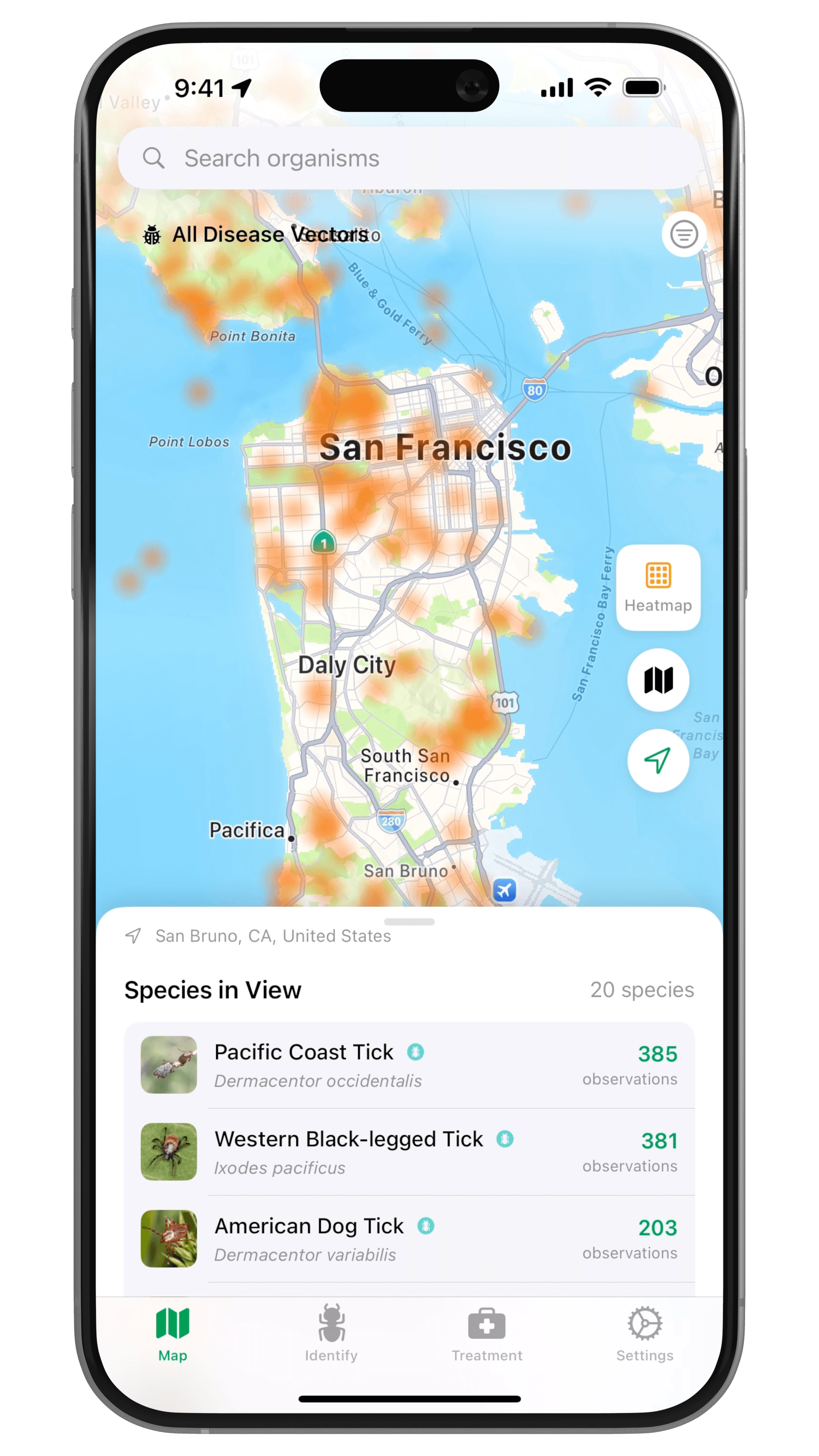
Vector Guard screenshots
Samantha Mae

Samantha Mae

Founder & CEO of NineLives

Cat health tracking from the world's most beloved Scottish Fold.

Top Health App150K+ followers
Read the case study
NineLives screenshots
Liv Merima

Liv Merima

Founder & CEO of Claim It

Custom affirmations that help millions choose themselves.

Top Lifestyle App150K+ followers
Read the case study
Claim It screenshots

Creator app strategy

Curious what your app could be?

Enter your handle and BUILT BY FOUNDRY will research your audience and present custom app concepts. Free.

Dave Ramsey's EveryDollar: 3 Builds, 84,108 Ratings, $79.99