
Thought Leadership

7 Creators Took C-Suite Titles. 1 Got Equity.

August 9, 2026
Share
7 Creators Took C-Suite Titles. 1 Got Equity.

Get Creator Revenue Insights

How creators are turning audiences into subscription businesses
Share
Key Takeaways:
  • Seven creators were named to C-suite or executive-sounding roles at major brands between September 2024 and July 2026, from Diet Coke to the NFL to Blenders Eyewear.
  • Marketing Brew reported that only one of them, Vivian Tu at SoFi, holds stock in the company that gave her the title.
  • Most of these roles are consultancies rather than employment. SoFi called Tu's position "honorary." Blenders described Jordan Howlett as a creative collaborator.
  • The NFL scoped Dhar Mann's Chief Kindness Officer role to Super Bowl week, which is the clearest statement of what a borrowed title is worth.
  • A title describes access to your audience. Equity describes ownership of a business. Only one of those renews next year without a new negotiation.
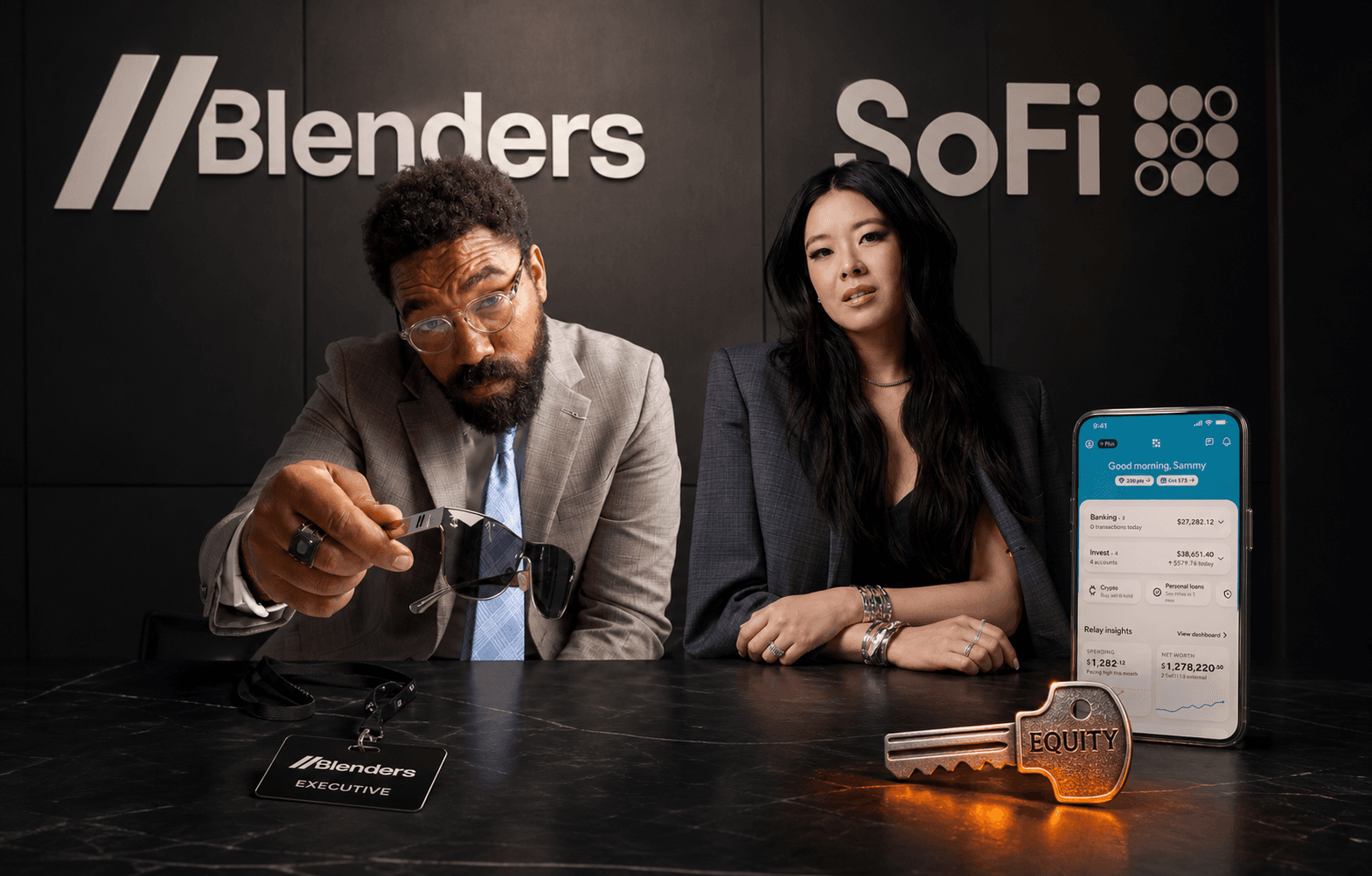
On July 23, 2026, Blenders Eyewear named Jordan Howlett its first Chief Content Officer. Howlett has 50 million followers across platforms, three consecutive years on the Forbes Top Creators list, and a cookbook arriving this fall. The San Diego sunglasses brand gave him input on creative direction and product development. It is a good deal. It is also a job description written by someone else, at a company he does not own, with a title the company can retire whenever the campaign does. That is the pattern worth studying, because Howlett is one of seven. Vector Guard by Ellie Fausett
Our work

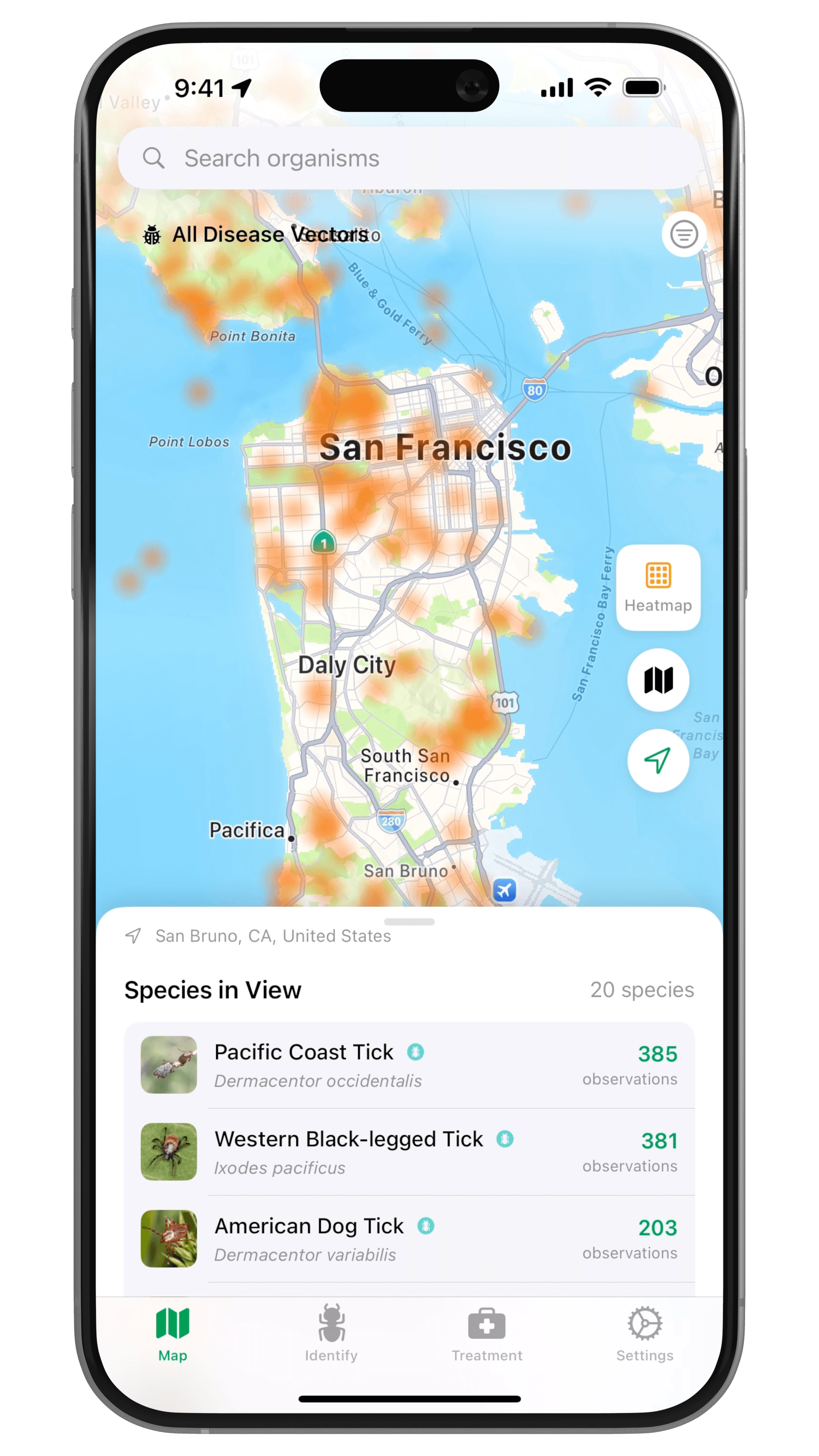
How Ellie Fausett Turned Her Public-Health Research Into the Vector Guard App

Epidemiologist Ellie Fausett and Built by Foundry turned years of field research into Vector Guard, an iOS app for identifying ticks and mosquitoes and staying safe outdoors.

Read the case study → (opens in a new tab)
A creator C-suite title is a paid brand partnership structured as an executive role, usually an ongoing consultancy rather than employment, in which the creator advises on content, product, or campaign direction in exchange for fees and visibility. The title grants influence over a brand's output. In almost every announced case, it grants no ownership of the brand itself. Read the language in the announcements. SoFi called Vivian Tu's role "honorary." The Blenders press release describes Howlett joining "to help shape the creative," in the words of CEO Jack Gray, and quotes Howlett on the appeal of a chance "to collaborate creatively, contribute to product development." Diet Coke's Morgan Bullock told Marketing Brew these arrangements amount to "more of an integrated consultancy." Those are precise words chosen by lawyers. They describe a relationship, and a relationship ends. Here is the public record, verified against company announcements and trade press.
CreatorCompanyTitleAnnounced
Kristen HollingshausDiet CokeDirector of Diet Coke BreaksSeptember 2024
Vivian TuSoFiChief of Financial Empowerment (honorary)November 2025
Dhar MannNFLChief Kindness OfficerJanuary 2026
DruskiT-MobileChief Switching Officer2026
Jake ShaneKatjes USAChief Creative Officer2026
Whitney LeavittCool SipsChief Creative and Brand OfficerApril 2026
Jordan HowlettBlenders EyewearChief Content OfficerJuly 2026
Marketing Brew reported that Tu's SoFi arrangement includes company stock, and quoted her on what that changes: the equity motivates her to perform "to the absolute best of [her] ability." SoFi's own announcement from November 5, 2025 names her the company's first honorary Chief of Financial Empowerment and puts her in charge of a Generational Wealth Fund launching in 2026. Tu built Your Rich BFF to roughly 10 million followers before SoFi called.
Seven executive lanyards end at their clips while the SoFi-marked badge continues into a bolted equity key
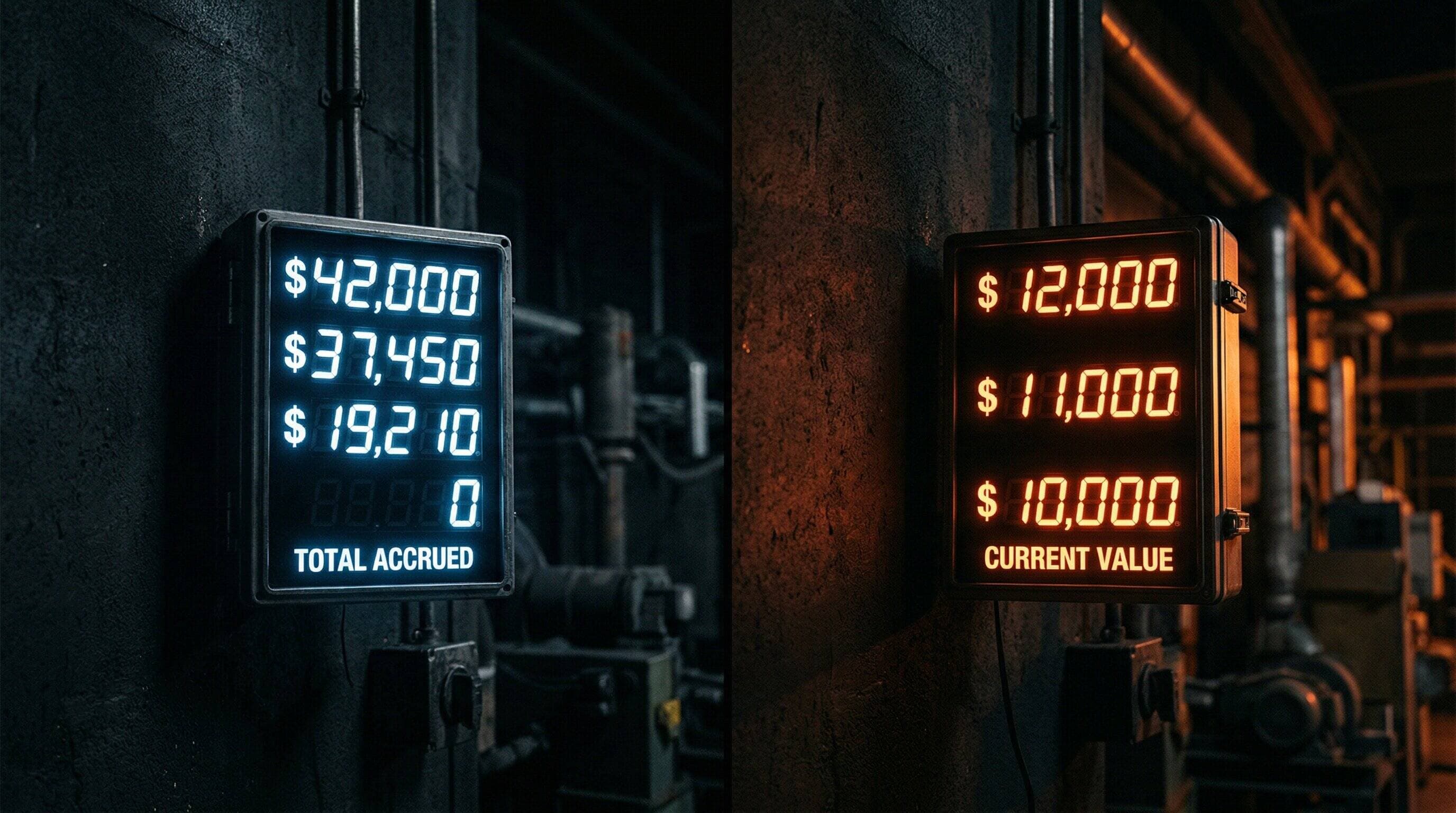
One stake out of seven. The other six creators brought audiences that took years to build, and took home fees plus a business card. Brands create these titles because a creator's audience trust converts better than a brand's own advertising, and an executive title makes the endorsement read as conviction instead of a paid post. The reader assumes a Chief Content Officer believes in the sunglasses. The reader knows a sponsored post was purchased. The results support the spend. The NFL's appointment of Dhar Mann produced what Marketing Brew described as a positive sentiment lift of more than 10 points. Kristen Hollingshaus influenced Diet Coke to bring back its lime flavor. Ad Age reported that Cool Sips picked Whitney Leavitt on April 8, 2026 for her connection to the dirty soda audience she helped build. The category is now formal enough to have its own org chart on the agency side. On June 2, 2026, Edelman appointed Kenny Gold as its first Global Chief Creator Officer, running a 200-person creator team. When a firm that size builds a C-suite seat around creators, the budget behind these deals is permanent. The budget being permanent is exactly why the individual deals do not have to be. The NFL answered this one out loud. The Hollywood Reporter covered Dhar Mann's appointment as Chief Kindness Officer on January 29, 2026, with a "Be Kind to Your Rival" campaign built for Super Bowl LX week. Mann has 26 million YouTube subscribers. The title had a shelf life measured in weeks. Nothing about that is unfair. It was a campaign, and campaigns end. The problem starts when a creator treats the title as a career step rather than a booking. A Chief Content Officer credit does not renew, does not transfer, and does not appear on any balance sheet you control. When the brand changes CMOs, the role goes with the old one. Compare that to what the same audience produces when it pays you directly. Five hundred people at $20 per month is $10,000 in monthly recurring revenue that starts every month at $10,000 instead of at zero. We wrote the full version of that argument in Your Income Resets to Zero Every Month. The C-suite title is the highest-status version of the reset.
Live every Thursday

Watch us tear down a creator business, live

Every Thursday at 11 AM PT we take a real creator business and show the app hiding inside it: the wedge, the paid loop, the pricing, and what would sink it. Free, and the replay goes to everyone who registers.

Save your seat → (opens in a new tab)
You have 50,000 to 5 million engaged followers, you already sell something, and an email arrived last week with the word "Chief" in it. Take the meeting. Then ask three questions before you sign. Ask what happens to the title in 12 months. A defined term is honest; an undefined one is a marketing asset you are lending for free. Ask whether the deal includes equity, warrants, or a revenue share on the products you help design, because Tu's arrangement proves brands will do it when asked. Ask who owns the audience data the partnership generates. If the answer is the brand, you are building their CRM with your reach. Then take the deal anyway if the money is good. Brand income is useful cash flow, and we have never argued otherwise. The mistake is treating it as the destination. Brand deals are still a job, even when the job comes with a C in front of it. You build a product your audience subscribes to, which makes you the company that hands out titles instead of the creator who receives one. For most creators, that product is a mobile app that turns their expertise into a daily habit their fans pay for monthly. The mechanics are not complicated. Your audience already asks you the same questions every week. That repeated question is the app. Fitness creators build the training plan. Finance creators build the tracker. Cooking creators build the recipe system with the shopping list attached. The app generates its own content, which answers the daily "what do I post next?" problem, and the App Store brings in people who never followed you at all.
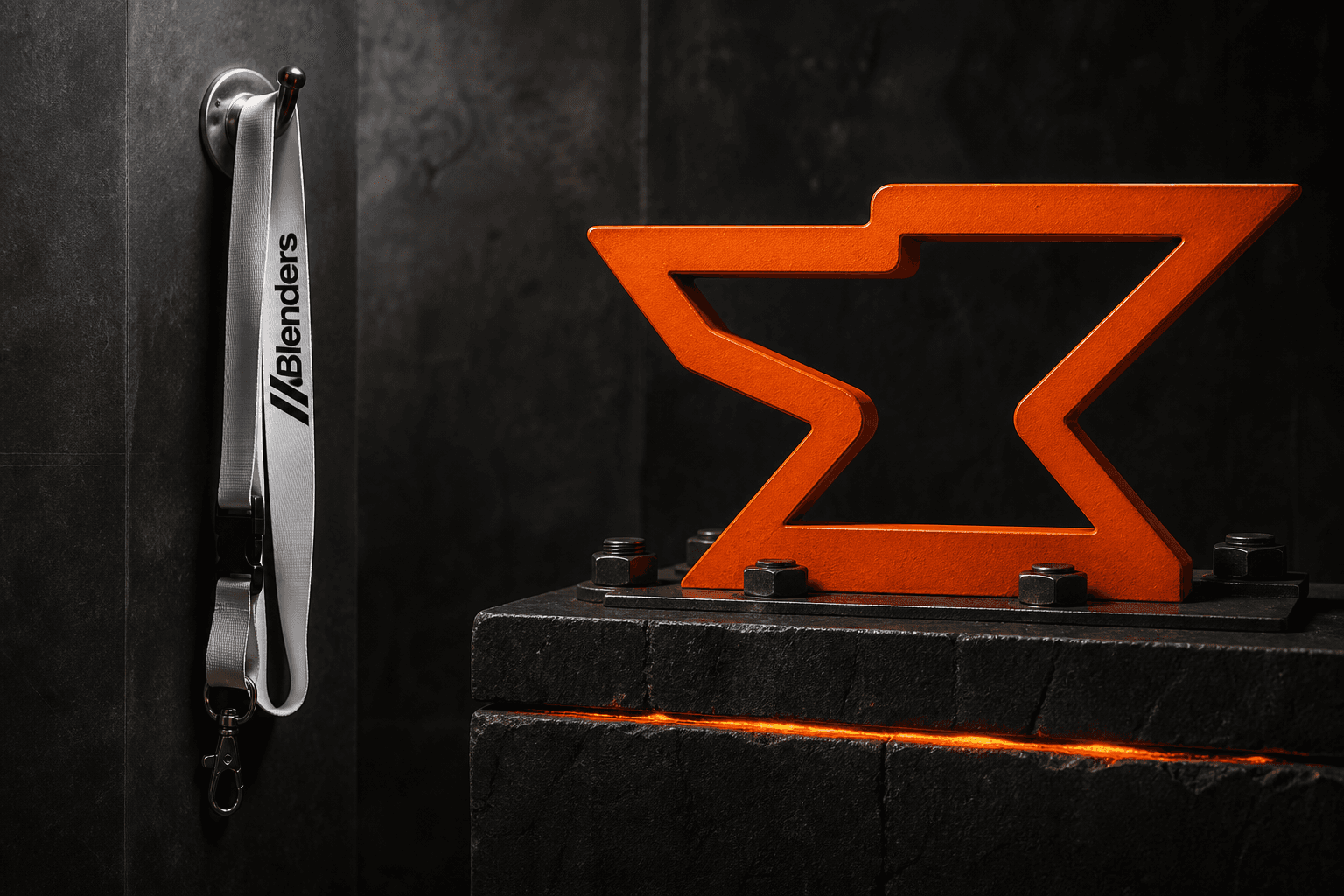
A removable Blenders executive lanyard hangs beside the Built by Foundry mark bolted into a permanent stone foundation
Ownership is what separates this from every deal in the table above. A subscription business has enterprise value, which is why you can sell an app and cannot sell a YouTube channel. It also compounds without a new negotiation each quarter. If the equity question interests you, Creator Equity: 5 Ways to Own What You Build covers the other four structures. The reason most creators take the title instead is that building software looks expensive and slow. That is what Built by Foundry exists to remove. We design, build, launch, and run the entire product for $0 upfront, in about three weeks, and we earn only when you earn. You own the business. We handle the code, the App Store, and every update after launch through App Care. Rarely. Most are ongoing consultancies rather than employment, with influence over creative and product direction and no operational authority. SoFi labeled Vivian Tu's role honorary. Blenders Eyewear described Jordan Howlett as a collaborator on creative direction and product development. Marketing Brew reported that Vivian Tu's arrangement with SoFi includes company stock. No equity component has been publicly reported for the Diet Coke, NFL, T-Mobile, Katjes, Cool Sips, or Blenders Eyewear appointments. No. Take the fee and the visibility. Negotiate a defined term, ask for equity or a revenue share on products you help create, and keep building something you own in parallel so the income does not stop when the campaign does. At $10 per month, converting 1% of a 50,000-follower audience produces $5,000 in monthly recurring revenue. Engagement matters more than reach, and smaller audiences frequently convert at higher rates than large passive ones. Most development agencies charge $50K to $200K upfront. Built by Foundry charges nothing upfront and takes a revenue share, so the build only pays off for us when it pays off for you. Delivery takes about three weeks. Seven creators got a title. Go be the one with a company. We build and run custom apps for creators: $0 upfront, roughly three weeks to launch, and we handle the technology forever.
See What We’d Build You →

Creator app strategy

Curious what your app could be?

Enter your handle and Built by Foundry will research your audience and present custom app concepts. Free.

7 Creators Took C-Suite Titles. 1 Got Equity.