
Turning Knowledge into Products

Creator Preorders: 5 Checks Before Taking Payment

November 6, 2026
Share
Creator Preorders: 5 Checks Before Taking Payment

Get Creator Revenue Insights

How creators are turning audiences into subscription businesses
Share
Creator preorders let you sell a physical product before it is ready to ship. Before collecting money, establish five things: who will buy at the real price, when you can ship, when payment happens, how you will finance fulfillment, and how a customer gets a refund if the plan changes. Key takeaways:
  • Count completed orders at a disclosed price and shipping window. Keep email signups in a separate column.
  • A deposit can test commitment while leaving a manufacturing bill you must fund yourself.
  • A shipping estimate describes dispatch. A holiday arrival promise also needs transit time.
  • For covered US merchandise orders, the FTC requires a reasonable basis for the shipping promise and a process for delays and refunds.
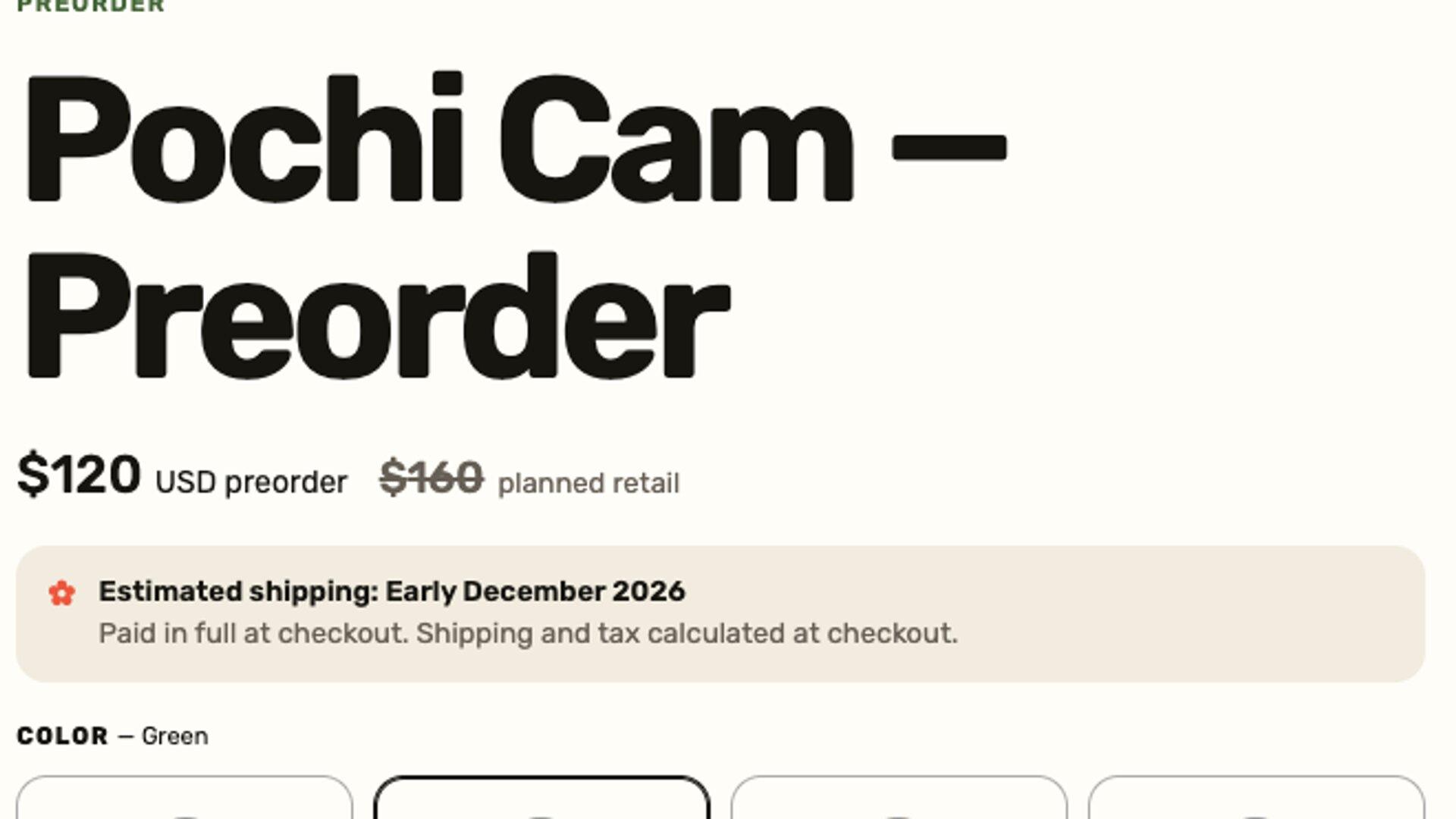
Pochi Cam offers a useful live example. Its preorder page, checked November 6, lists a $120 camera, full payment at checkout, and estimated shipping in early December 2026. Those three facts let a buyer understand the commitment before paying. They also give the operator three promises to keep. The five checks below apply to a creator's first cookbook, clothing collection, piece of equipment, or other physical product. The platform examples use Shopify; the shipping rules discussed here concern covered US merchandise orders. Jump to: Demand, shipping, payment, batch costs, or delays. A paid creator preorder shows that a customer accepted a particular product, price, and wait. The evidence becomes useful when you keep those conditions attached to the order count. An email signup answers an earlier question: does somebody want to hear more? Pochi explicitly says that joining its free list does not reserve a camera. That distinction belongs in your own reporting, too. A subscriber, a person who starts checkout, and a paid customer have made different commitments. If you are a creator with 50K engaged followers and an existing paid offer, start with the purchase behavior you can already observe. What do customers repeatedly ask you to make? Which size, format, or use case do they specify? A preorder should help resolve a concrete production decision, such as whether enough buyers want a hardback edition to support its first print run. Write the decision before opening checkout. For example: proceed only when retained paid orders cover the supplier's minimum quantity and the cash plan works. Set a closing date and explain what happens if the batch does not proceed. These are decisions for your own product and supplier, rather than universal conversion benchmarks. Keep a simple record of product-page visits, paid orders, cancellations, retained orders, and units by variant. Multiple units in one order matter to the factory; unique customers matter when judging how broadly demand is distributed. Record whether an introductory price helped generate those orders. A discount-led first batch does not establish demand at the eventual regular price. Our creator waitlist guide covers the earlier stage of collecting interest. Move to payment when you can describe the product and the obligations attached to buying it. The customer should be able to find the preorder status, amount due now, and expected shipping window together. Repeat them in the order confirmation so the customer has a record outside your website. Pochi's page separates its estimated dispatch window from transit time, which starts after shipment. It also discloses a possible later window for pink cameras and a difference between the photographed white prototype and the intended finish. Those are purchase conditions worth surfacing before checkout. The page is evidence of what the seller says; we have not bought or tested the camera. For your own product, work backward from a documented supplier schedule. Include production, inspection, inbound transport, packing, and handoff to the carrier. Decide which steps must finish before you can advertise a shipping date. Save the quote and schedule that support the estimate. The FTC's merchandise-order rule requires a reasonable basis for expecting shipment within the advertised time. For covered orders with no stated time, the general default is 30 days. Leaving the date off the page does not create an open-ended delivery window. Holiday positioning needs an additional decision. A product estimated to ship in December cannot automatically be advertised as arriving before a particular celebration. If you cannot support that arrival promise, sell the actual shipping window and let customers decide whether the wait works. Check every variant. If the black sweatshirt is ready and the green one is still being made, each needs accurate availability. For mixed carts, explain whether available items wait for the preorder or travel separately, and what that means for shipping charges. Choose full payment, a deposit, or payment later according to the commitment you need and the costs you can fund before shipment. A smaller charge changes both the evidence of demand and the cash available to fulfill it. Shopify's preorder documentation supports full, partial, or no initial payment through preorder apps. Its native preorder purchase options require an app and currently support Shopify Payments or PayPal Express. Verify the combination you intend to use before announcing the launch.
Payment arrangementWhat you learnWhat you must plan for
Full payment nowThe customer will pay the complete stated price and waitFulfillment costs and possible refunds while money is already collected
Deposit now, balance laterThe customer will make an initial financial commitmentThe production funding gap and successful collection of the balance
No payment nowThe customer will place an order without an immediate chargeFunding production and establishing how many orders eventually become paid purchases
Make the total price, initial payment, remaining balance, and collection timing visible. Decide how customers update an expired card and who follows up when the balance fails. Shopify notes that a bank can require a customer to confirm a later charge, so a stored payment method does not guarantee collection. Treat cancellation and refund handling as separate actions in your rehearsal. Shopify's management guide warns that cancellation can still require a manual refund, and refunding in the admin can also require cancellation in the preorder app. Confirm both records agree before considering an order closed. Avoid changing apps casually during an open batch. Shopify says preorder data, apart from payment information, is deleted 48 hours after uninstalling the preorder app unless the app offers a backup mechanism. Export the operational record and verify a migration before making that change. A sellout can still leave an unpaid production bill. Build a cash schedule around when expenses fall due, including the period before any remaining customer balances arrive. Consider this illustration, using invented planning assumptions rather than Pochi's economics: 100 orders at $60 each, with $2,800 due for manufacturing and $1,000 for freight and packing before dispatch.
First-batch cash planFull payment collected
100 orders at $60$6,000
Manufacturing payment-$2,800
Freight and packing-$1,000
Assumed processing and support spending-$200
Cash set aside for possible refunds-$500
Cash left before taxes and owner pay$1,500
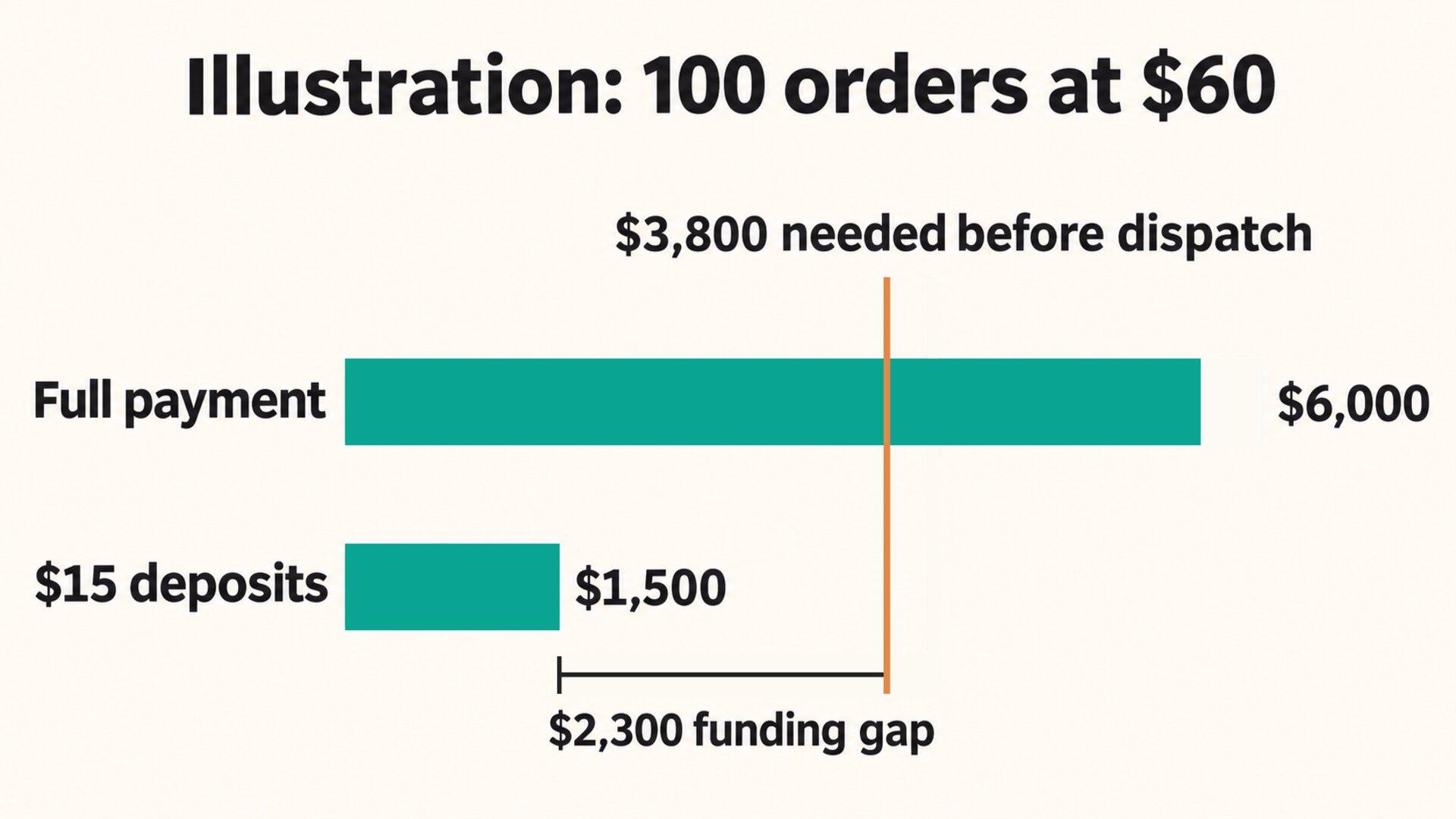
If those same customers pay a $15 deposit, only $1,500 arrives initially. The $3,800 manufacturing, freight, and packing requirement alone leaves a $2,300 funding gap. Collecting the remaining $4,500 later helps only if you can reach that collection date. Any processor payout delay would add to the timing problem.
Illustrative cash comparison for 100 orders: full payment provides $6,000, $15 deposits provide $1,500, and manufacturing plus freight and packing require $3,800 before dispatch.
Illustration: the deposit model needs at least $2,300 of other funding before dispatch. Fees, support, and refund cash would require further provision. The $1,500 remaining in the full-payment example is a cash balance. The refund reserve is money still held, and the table omits other possible business expenses. Use our gross margin guide to work through product economics separately. Set the order cap using production capacity, available funding, and support capacity together. Keep counts by size and color: a factory minimum for each variant can make a large total order count misleading. Ask the supplier whether a reorder changes the unit price or schedule before extending a successful campaign. For covered US merchandise orders, a seller unable to meet the shipping promise must offer the buyer a choice between consenting to the delay and canceling for a prompt refund. A general social update does not replace handling the affected orders. The FTC's business guide explains that the notice must go out no later than the applicable shipment deadline. It needs a revised date supported by evidence, or a statement that you cannot provide one, plus a way to cancel at the seller's expense. Consent rules depend on the delay. Under specified conditions, a first delay of 30 days or less can use non-response as consent. Longer or indefinite first delays have different automatic-cancellation requirements. A further delay generally requires affirmative consent; silence cannot simply keep extending the order. Use the guide's applicable notice requirements when preparing the workflow. Assign somebody to monitor the supplier milestone that could trigger a delay notice. Keep the original promise, notice, response, shipment, and refund in the order record. That makes it possible to act for each customer even when social posts reach only part of your audience. Refunding an unshipped order and accepting a return after delivery are different situations. Publish a return policy suited to the product and the places you sell. Our refunds and chargebacks guide explains the separate payment-reversal exposure after a customer has paid. Before directing your audience to checkout, rehearse an order in your store's test environment. Check the product page, payment terms, confirmation, inventory reservation, fulfillment hold, balance collection, cancellation, and refund. Then rehearse a missed shipping date. Verify that the person answering support can find the customer's order and the promise they received. A creator can build a lasting business around a physical product. In our Steven Bartlett profile, a recurring conversation format supplies the premise for card decks. The practical question for your first batch is whether you can deliver the product, answer buyers, and finance the next run after the launch attention passes. That continuing responsibility is central to how Built by Foundry works: we build, launch, and run businesses with creators. Your expertise shapes what deserves to exist; the operating plan must carry each customer from payment to a product they can use.
Our work

Creators who already did this

These are apps we designed, built, shipped, and still run today, with the creator keeping the code and the audience.

Samantha Mae

Samantha Mae

Founder & CEO of NineLives

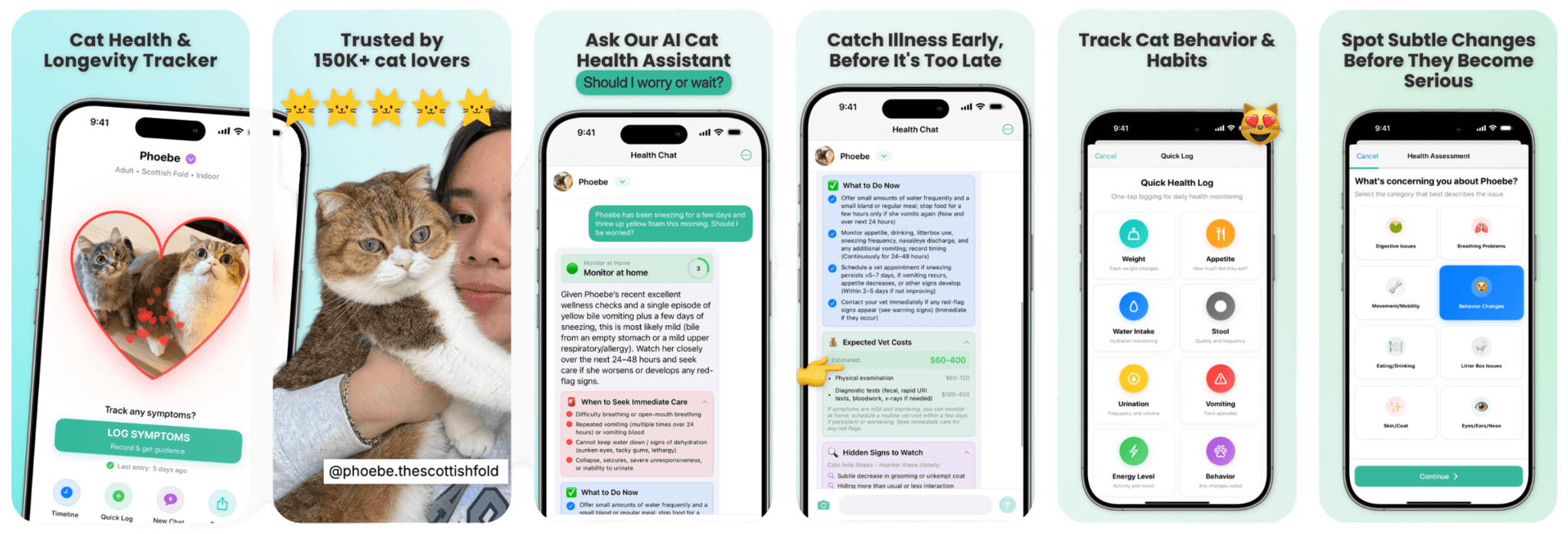
Cat health tracking from the world's most beloved Scottish Fold.

Top Health App150K+ followers
Read the case study
NineLives screenshots
Liv Merima

Liv Merima

Founder & CEO of Claim It

Custom affirmations that help millions choose themselves.

Top Lifestyle App150K+ followers
Read the case study
Claim It screenshots
Brandon Whiteleather

Brandon Whiteleather

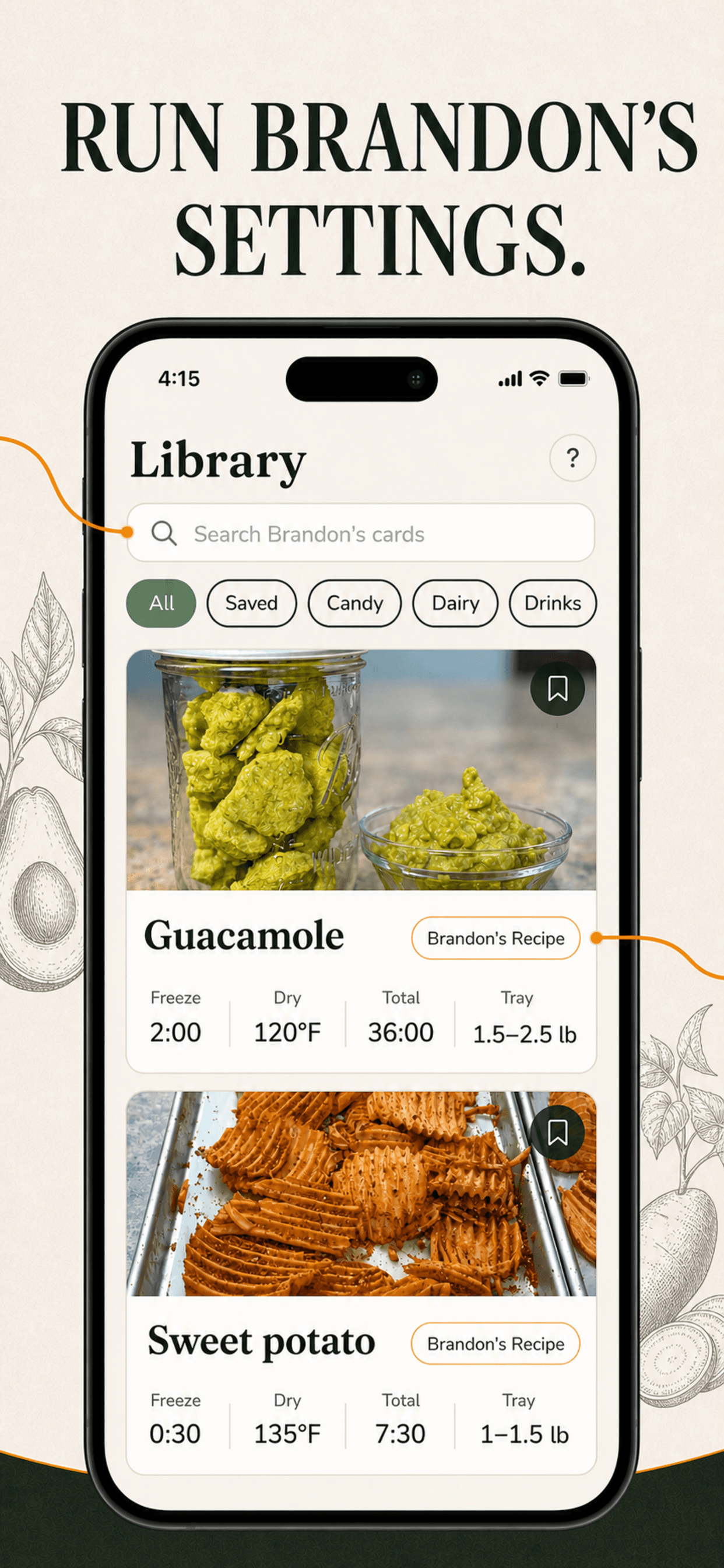
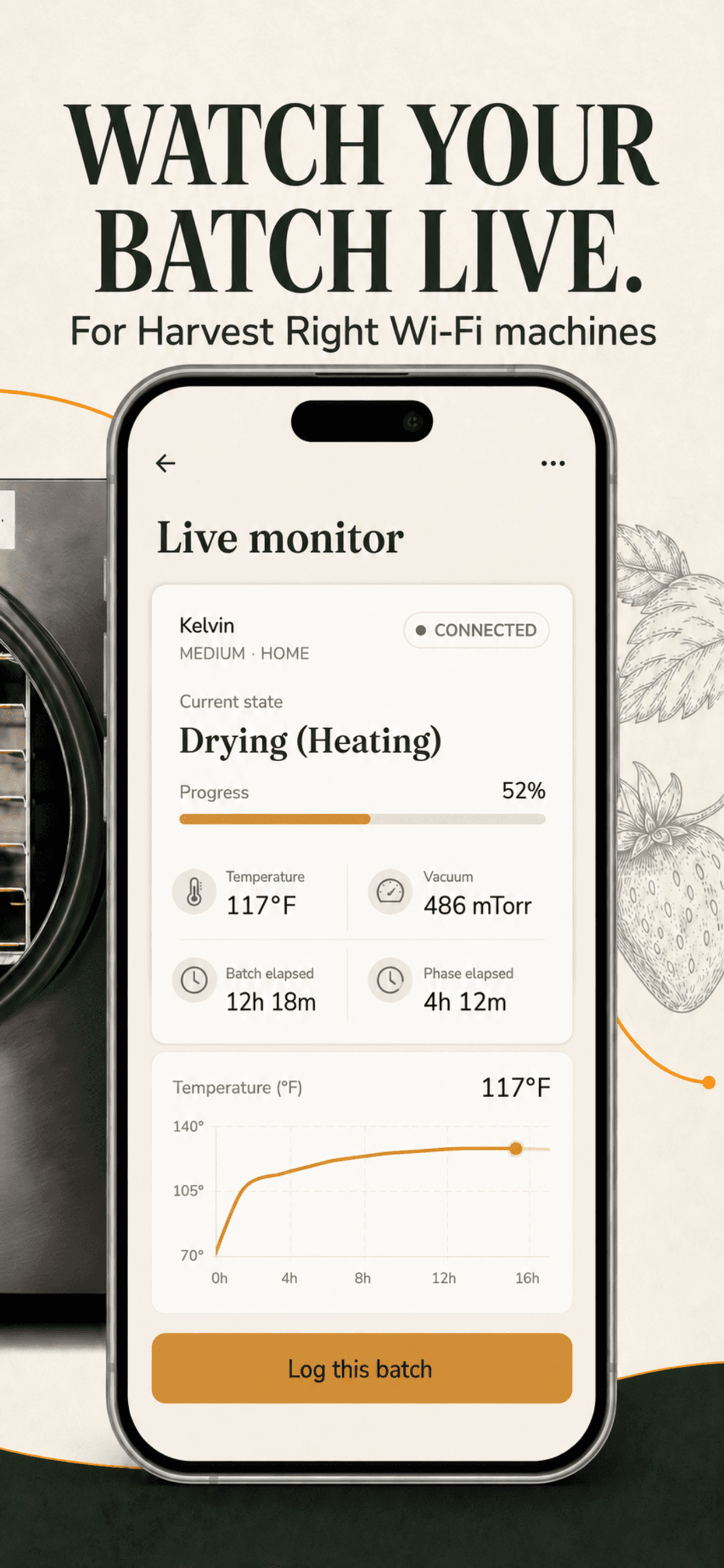
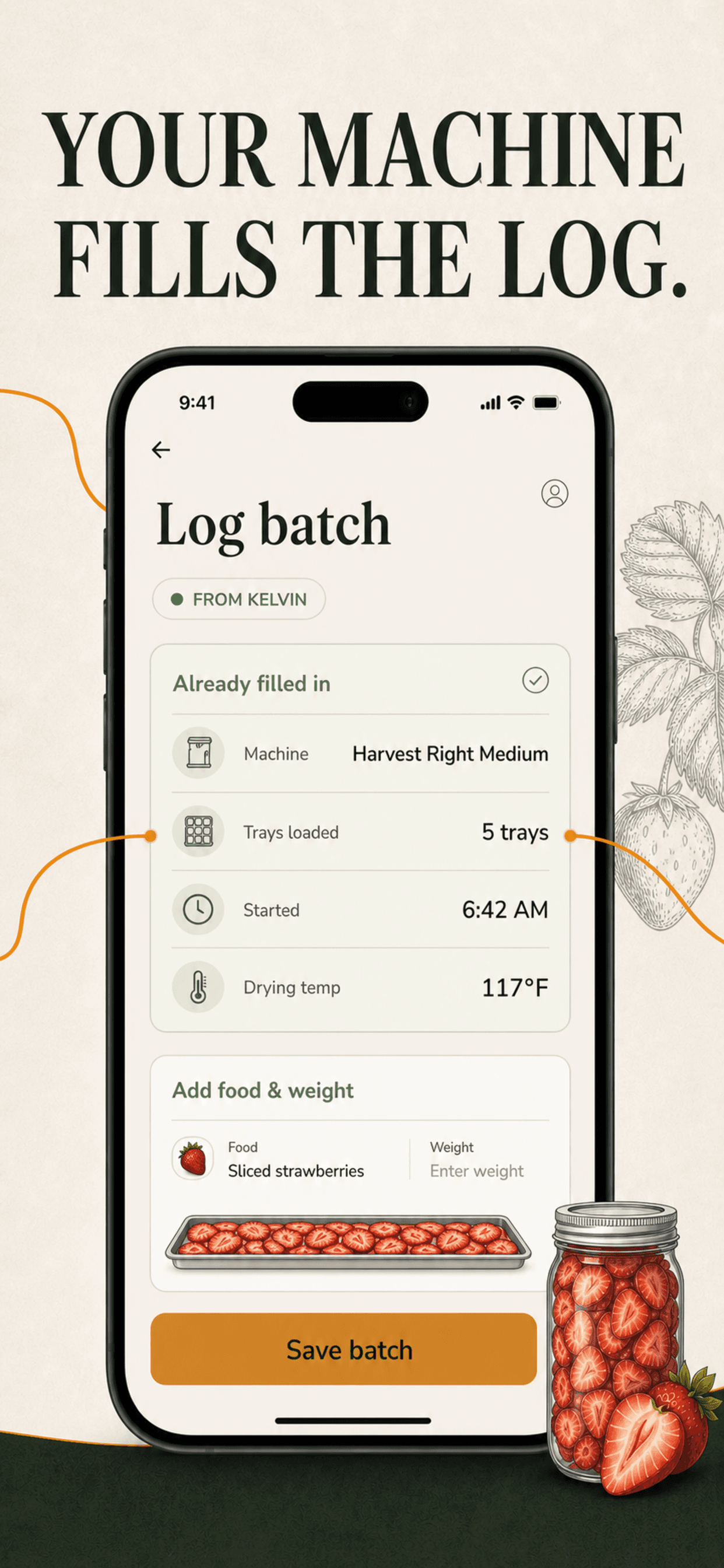
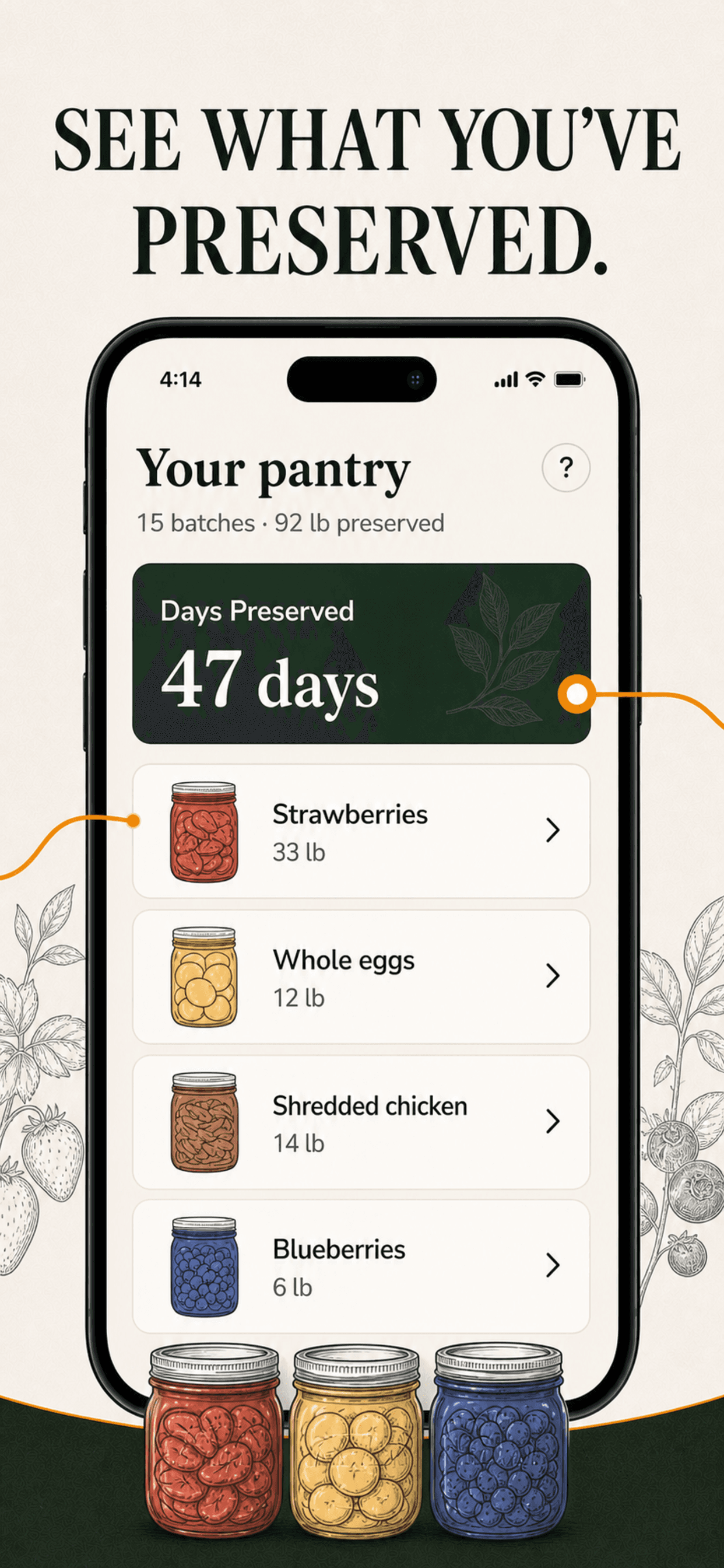
Founder & CEO of Freeze Dry Buddy

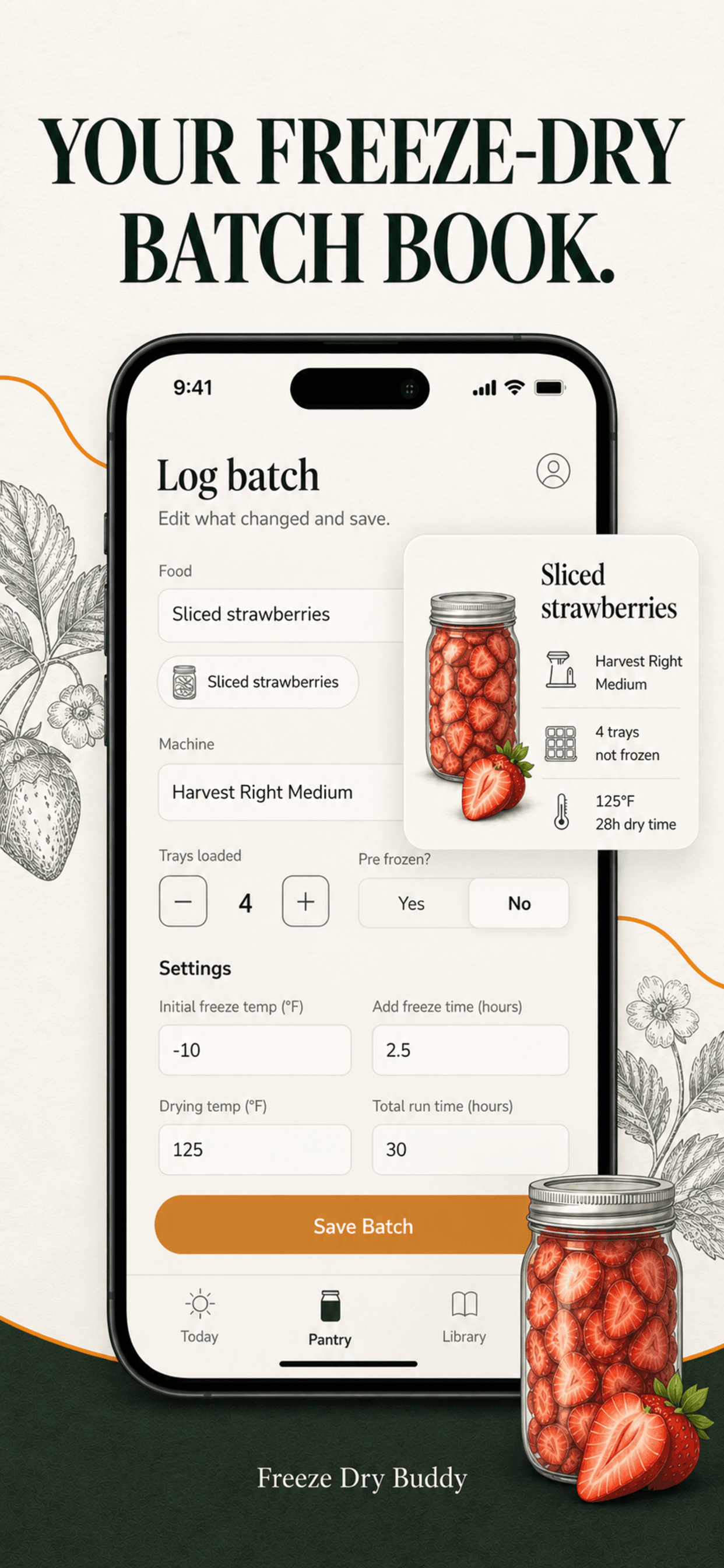
Freeze drying made foolproof, from a homesteader who's done it 1,000 times.

Top Food App1.4M+ followers
Read the case study

Creator app strategy

Curious what your app could be?

Enter your handle and BUILT BY FOUNDRY will research your audience and present custom app concepts. Free.

Creator Preorders: 5 Checks Before Taking Payment